
What Is Illegal in Vietnam: Vapes, Fines and What Customs Takes
Three places catch foreign visitors in Vietnam: the customs hall on arrival, the roadside while you are there, and the customs hall again on the way out. Vapes and heated tobacco are prohibited goods, so they fail at the first one. The blood alcohol limit is 0.00, which reaches bicycles. Coral and antiques fail at the last one.
| Vapes | Both liquid and heated tobacco are prohibited goods, so customs seizes them and a fine follows. |
|---|---|
| Alcohol and tobacco | 200 cigarettes and 1.5 litres of spirits come in duty free per arrival. |
| Motorbikes | Your international permit needs the motorcycle class stamped, plus your home licence in the original. |
| Drinking | The limit is 0.00, with no tolerance band, and bicycles are included. |
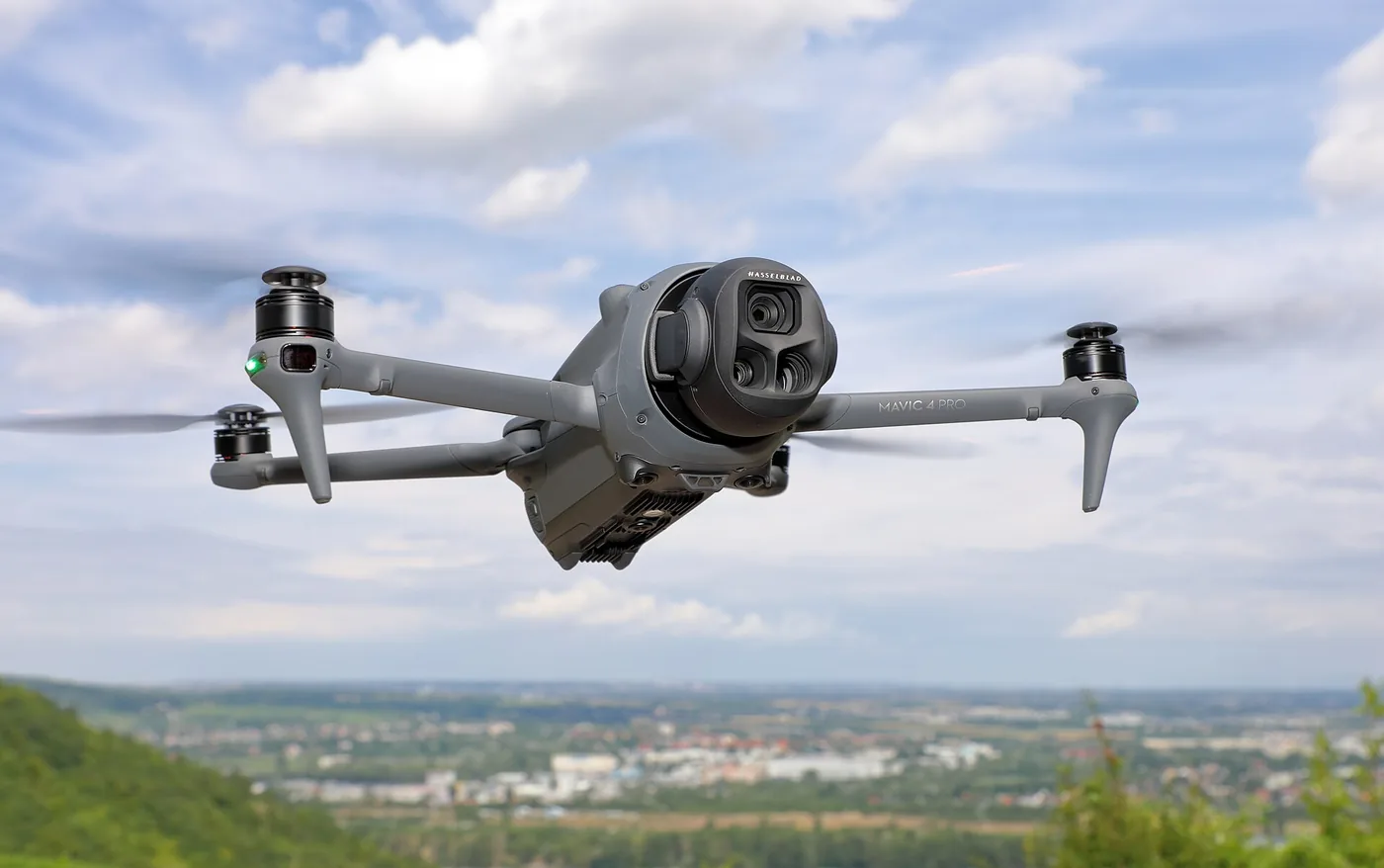
| Drones | Only sub-250g flown low and in sight is exempt; everything else needs Ministry of Defence approval. |
| Where you sleep | Your accommodation files the residence report, so private flats are where it goes missing. |
1. Three places where visitors get caught
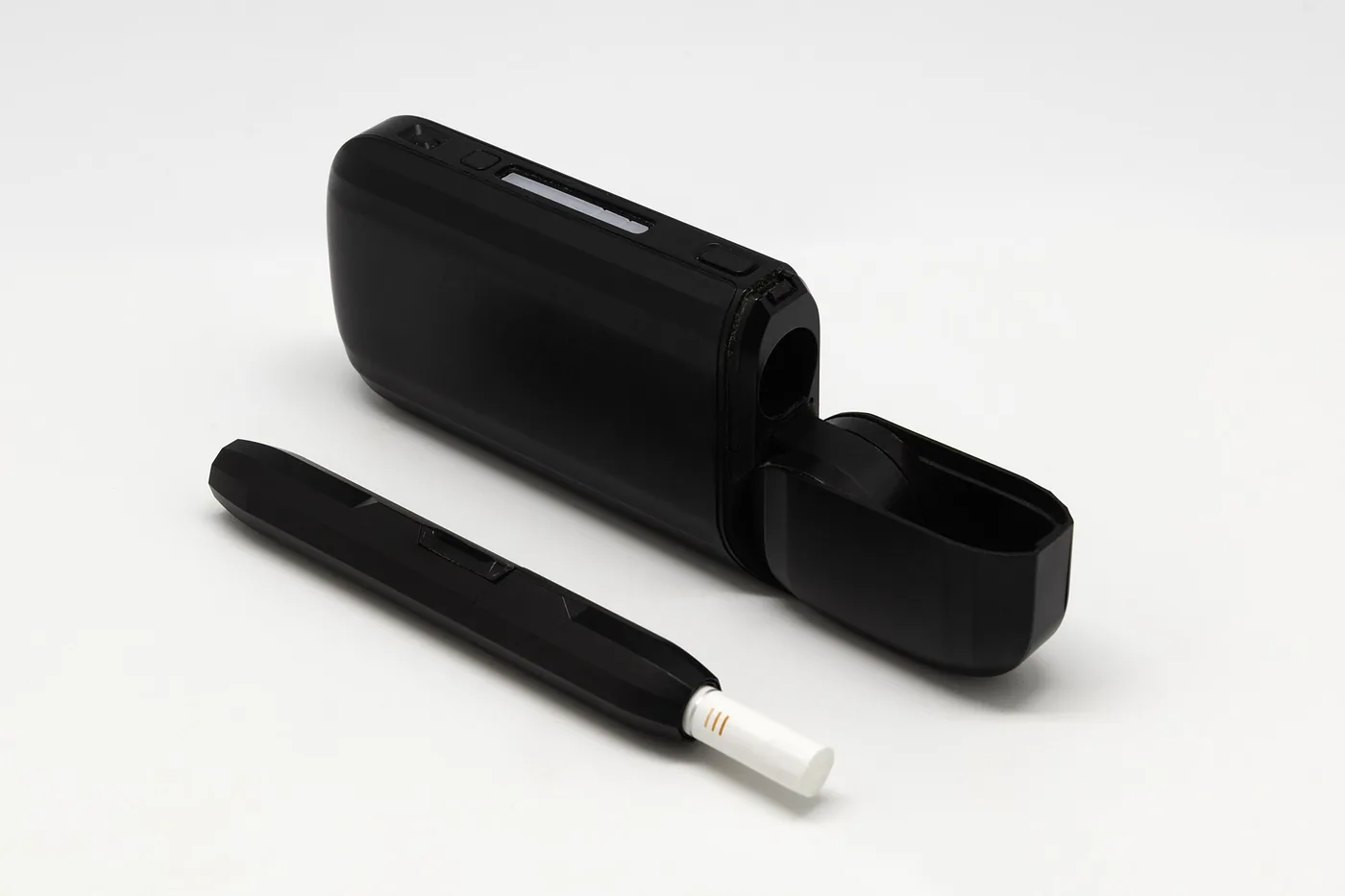
2. Vapes and heated tobacco fail before you leave the airport
3. Nitrous oxide and narcotics sit on different tracks
4. Alcohol and tobacco have a quantity you may bring
5. Cash and gold have a declaration line
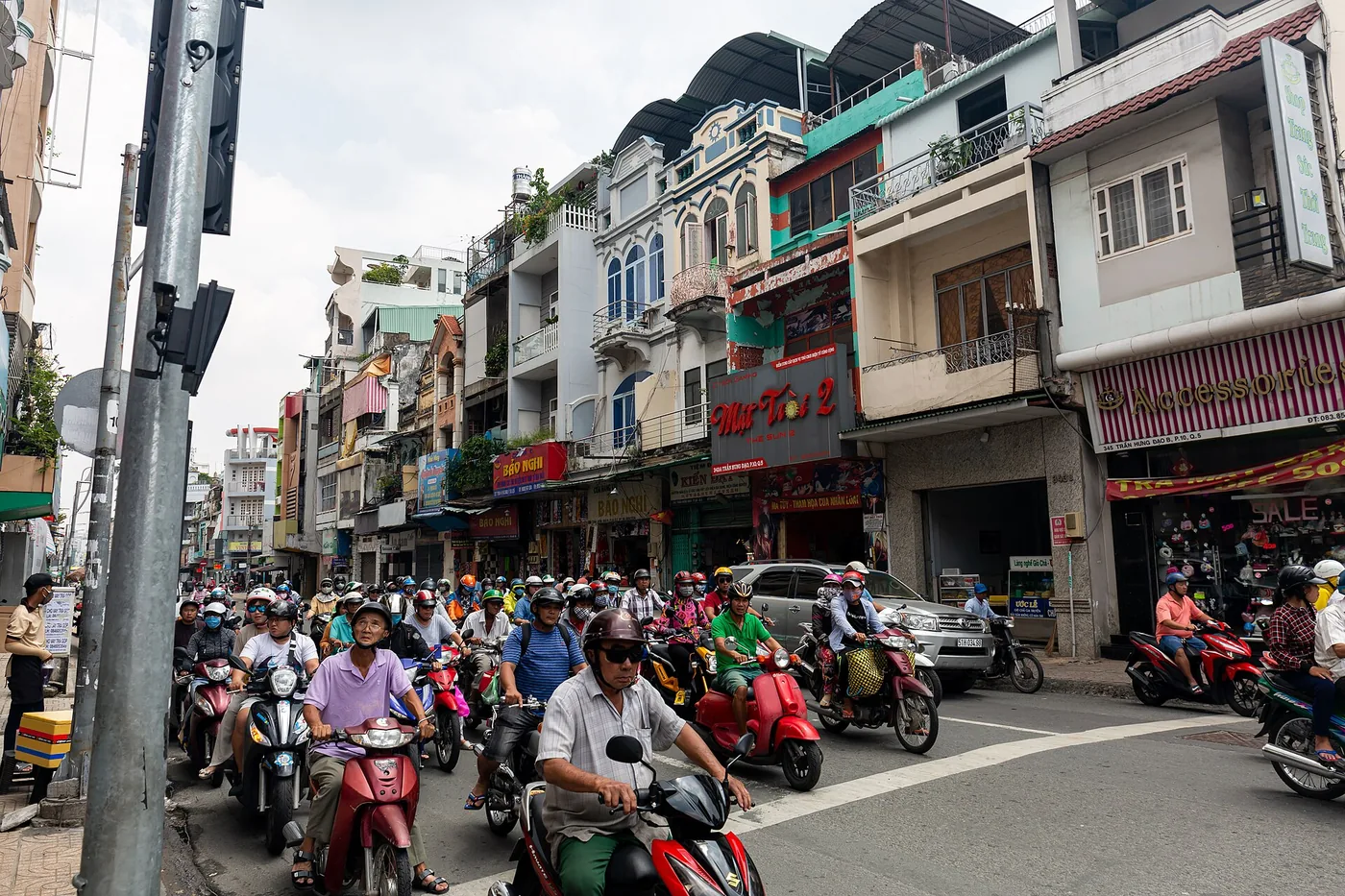
6. After a drink you do not ride, and that includes bicycles
7. Riding a motorbike depends on which licence class you hold
8. Smoking is legal, but the location is not up to you
9. Drones are close to unusable on a short trip
10. Carry your passport, and check that your stay is reported
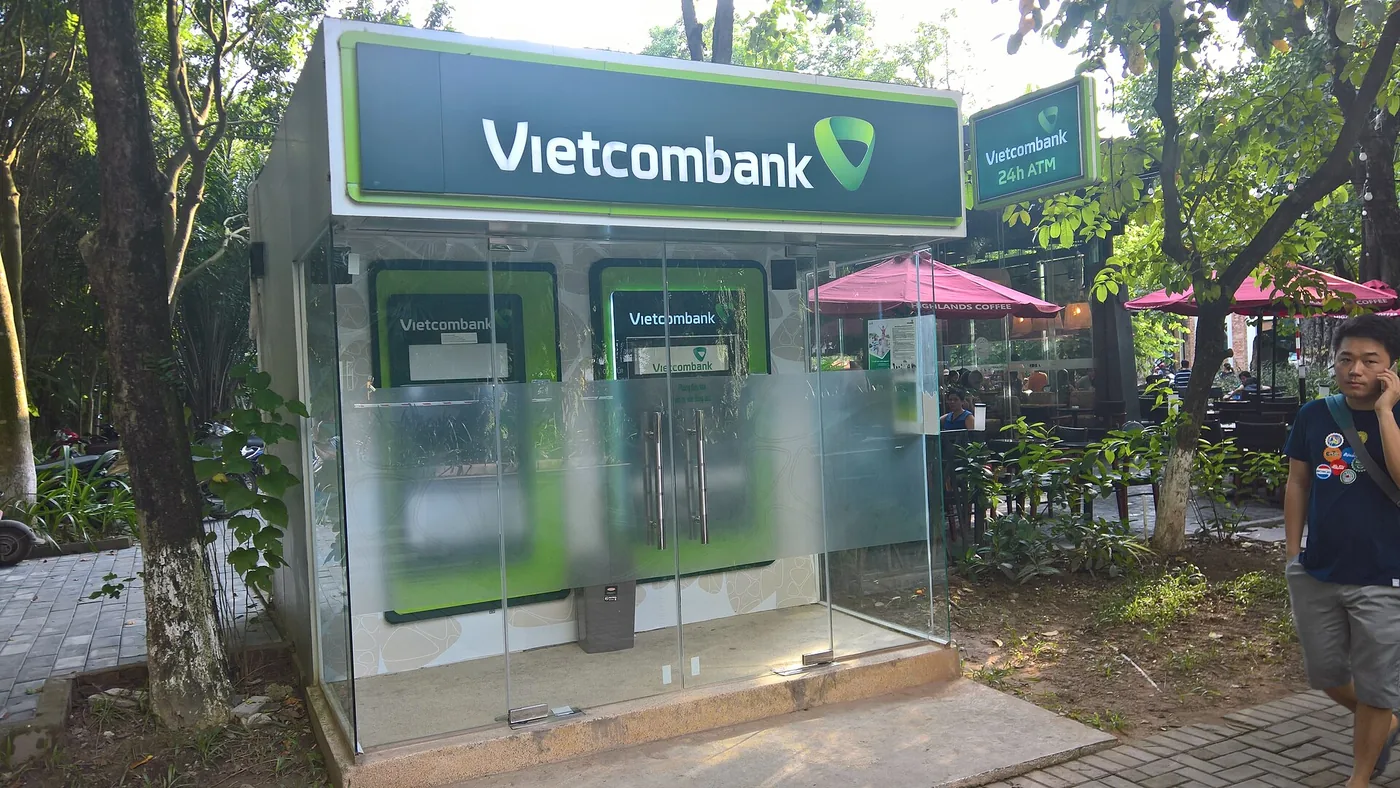
11. Change money at a bank or a licensed agent
12. Litter and cigarette ends carry their own figures
13. A separate set of things fails on the way out
14. Where to go when something goes wrong
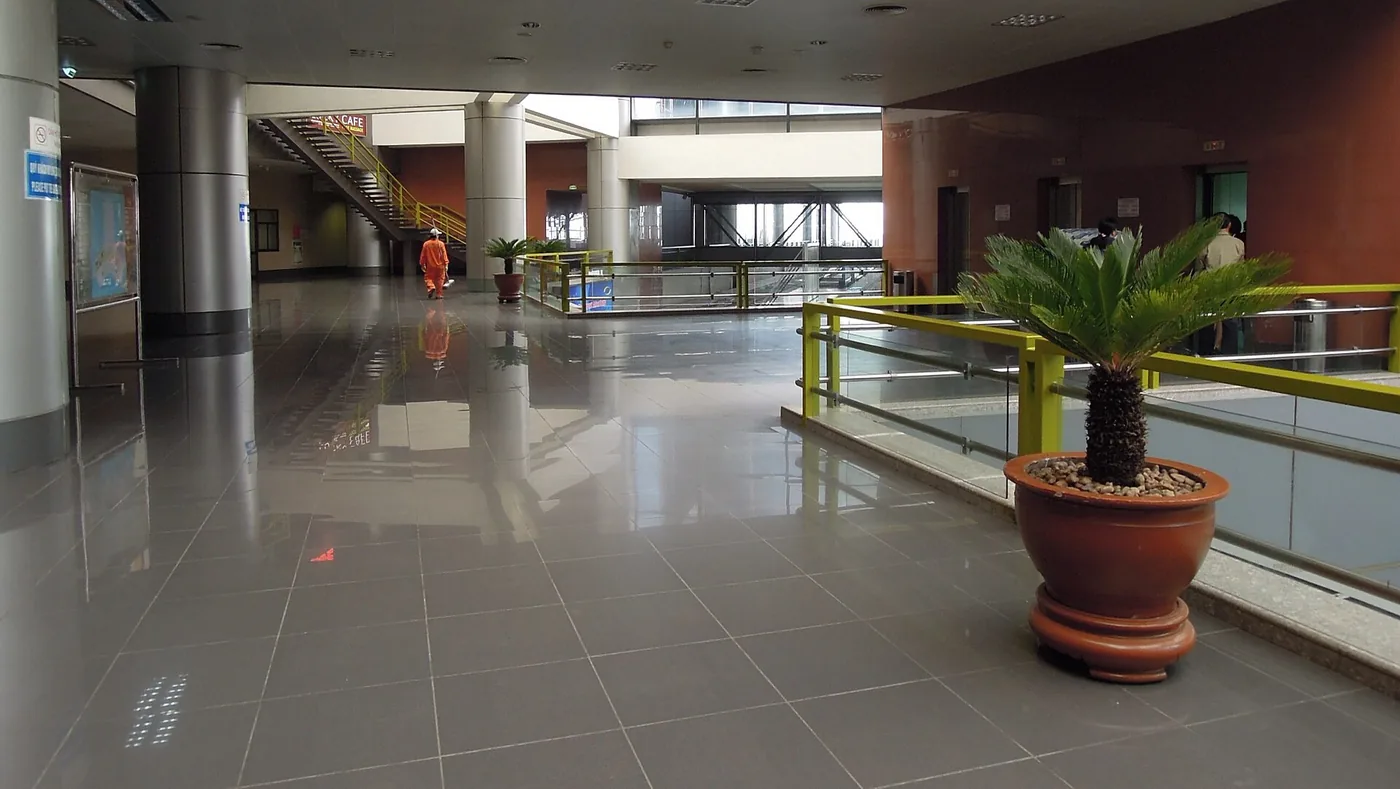
1. Three places where visitors get caught
Foreign visitors run into Vietnamese rules in three places: the customs hall when you arrive, the roadside while you are in the country, and the customs hall again when you leave. The single most common one is vaping gear at the first stop, and that includes heated tobacco devices such as IQOS, not only liquid vapes.
What follows runs in that order, so it maps onto the trip itself. One part matters while you are packing, one while you are moving around, and one while you are packing again to go home.
What sits at each stage
| Stage | What is caught here |
|---|---|
| Arrival customs | Vapes and heated tobacco, nitrous oxide, alcohol and tobacco over the allowance, undeclared cash and gold |
| While you are there | Drink driving, helmets, motorbike licences, smoking areas, drones, carrying your passport, residence reporting, where you change money, litter |
| Departure customs | Coral and shells, antiques, undeclared cash |
Two distinctions worth holding on to
- An allowance is not the same as a ban. Alcohol and cigarettes have a quantity you may bring. Vapes have none, at any quantity.
- Administrative fines and criminal charges are separate tracks. Most of this is money and paperwork. Narcotics and large quantities of prohibited goods cross into the other track.
General trip planning sits in the Vietnam travel guide, and the paperwork you need at the border is in Vietnam entry requirements. Everything below is what remains once those are sorted.
2. Vapes and heated tobacco fail before you leave the airport
This is the item to check first, because the gear travels with people without a second thought. In Vietnam it cannot come in at all.
Liquid and heated devices are named together
A National Assembly resolution passed on 30 November 2024 named electronic cigarettes and heated tobacco side by side, and prohibited producing, selling, importing, storing, transporting and using them. It took effect on 1 January 2025, and customs has treated the goods as prohibited since shortly after.
That covers heated tobacco systems such as IQOS, lil and glo. It is not only the device. The tobacco sticks sold for them, marketed as HEETS or NEO, fall under the same heading, because the definition follows the World Health Organization wording that names sticks, pods and plugs.
The cigarette allowance does not stretch to cover it
This is where people get confused. Vietnam does allow 200 cigarettes per arrival free of duty. That figure applies to conventional cigarettes only. Heated tobacco sticks are not counted against it, because they are not goods you may bring in at all.
What happens if it is found
| Act | Consequence |
|---|---|
| Importing | 10 to 100 million dong for an individual, scaled to the value of the goods |
| Storing or transporting | 1 to 100 million dong for an individual |
| Using | 3 to 5 million dong, with the device destroyed |
| Letting someone use them on your premises | 5 to 10 million dong |
| Large quantities by value | Criminal track, six months to ten years |
The fine for using them only arrived on 15 May 2026. Before that the ban existed but there was no provision to penalise a user, and a health-sector decree issued that March closed the gap. Close family members are excluded from the premises provision.
There are real cases. At Noi Bai International Airport, one traveller was stopped at screening with sixty packs of unopened IQOS sticks. How far enforcement goes against someone carrying a single device is harder to say, because reporting focuses on seizures. What is clear is that nothing supports treating it as allowed.
Duty free at your departure airport changes nothing
Buying the device or the sticks in the duty free shop you flew out of, or picking them up on board, makes no difference. The test is not where you bought them, it is whether they enter Vietnam. Sitting airside on a transfer is a different situation from collecting your bag and walking through arrivals.
How the stop itself goes
The arrivals hall splits into a channel for goods to declare and a channel for nothing to declare. Prohibited goods do not pass through either one. They are seized and paperwork is raised. Some people leave the item and walk out, others end up with a fine, so the time it costs is hard to predict.
Leaving the device at home is the clean answer. Buying a replacement locally is not an alternative either. Selling is part of the same prohibition, so there are no legitimate shops, and buying from one that operates anyway puts you under the same provisions. There is more on the night-time side of this in the Da Nang nightlife guide.
3. Nitrous oxide and narcotics sit on different tracks
The same resolution swept up one more thing sold in bars, the balloons filled with nitrous oxide. Narcotics are somewhere else entirely.
Nitrous oxide is banned, but there is still no fine for the user
The resolution that named vapes also named addictive gases. Unlike vapes, though, no provision has been written to fine the person inhaling. In practice the conduct is handled as possessing or moving prohibited goods.
Seven agencies including the Ministry of Public Security issued joint guidance to keep the handling consistent, and in May 2026 the Ministry of Health issued a letter setting out the harm, which it described as paralysis, sensory disturbance, psychiatric effects, spinal cord damage and anaemia. The selling side is treated differently. Trading without the restricted chemicals licence draws fines in the tens of millions of dong, and where the goods count as prohibited it moves to the criminal track.
Possession alone carries a prison term
The character of this changes completely. Article 249 of the Criminal Code sets three to five years for possession alone, without any intent to sell, transport or manufacture. Larger quantities push the ceiling to fifteen to twenty years or life.
| Circumstance | Sentence |
|---|---|
| Simple possession | Three to five years |
| Opium or cannabis resin, 5kg and over | Fifteen to twenty years or life |
| Heroin, cocaine, methamphetamine and similar, 100g and over | Fifteen to twenty years or life |
Substances that are legal or routinely prescribed elsewhere are judged on the same basis here. That is why medication needs a little preparation before you fly.
Prescription medicine is measured in days
You may bring medicine for your own treatment without an import licence. The permitted quantity is set in days of use, according to what the substance is. Medicines containing narcotic substances are capped at seven days, and psychotropics and precursor-containing medicines at ten days, counted against the dosage on the prescription.
| Type | Permitted without a licence |
|---|---|
| Medicine containing narcotic substances | Seven days of use |
| Psychotropics and precursor-containing | Ten days of use |
| Other ordinary medicine for personal treatment | No declaration needed |
The prescription has to show the patient name and age, the medicine name and strength, the quantity or number of days, the dosage, and the prescribing doctor’s name, signature and address. The container needs its label intact, with the name, active substance, concentration, strength and expiry. Loose pills decanted into a pill organiser cannot be checked against any of that.
If the substance is on the prohibited import list, a prescription does not change the outcome. Anyone on long-term medication is better off checking the active ingredient by name before travelling.
4. Alcohol and tobacco have a quantity you may bring
The previous two sections were about goods you cannot bring. This one is about goods you can, up to a set quantity. It is the traveller allowance, and it resets on each arrival.
The allowance
| Item | Allowance |
|---|---|
| Cigarettes | 200 |
| Cigars | 20 |
| Loose tobacco | 250g |
| Spirits of 20 degrees and above | 1.5 litres |
| Alcohol under 20 degrees | 2 litres |
| Beer and other alcoholic drinks | 3 litres |
| Everything else | 10 million dong in total |
The oversized bottle exception
Spirits carry one useful exception. If you bring a single sealed bottle larger than the allowance, and the excess is within one litre, the whole bottle comes in duty free. That is why one litre bottles are less trouble than trying to split the allowance across several smaller ones.
Going over the allowance
Tax applies to the excess. Nothing is confiscated. You declare it and pay, and the transaction ends there. The problem case is walking through the green channel with goods that should have been declared, not exceeding the allowance itself.
Most arrivals land at Noi Bai International AirportMap, Tan Son Nhat International AirportMap or Da Nang International AirportMap. If you are flying straight to the coast it is Cam Ranh International AirportMap or Phu Quoc International AirportMap. All of them split the hall the same way.
5. Cash and gold have a declaration line
Nothing here caps what you may carry. Above a threshold you write it down for customs, and the problem arises when you do not.
The thresholds
| Item | Declare above |
|---|---|
| Foreign currency in cash | The equivalent of 5,000 US dollars |
| Vietnamese dong in cash | 15 million dong |
| Gold jewellery and ornaments | 300g in total |
One case below the threshold that still needs declaring
There is a single exception worth knowing. If you intend to deposit the money into a foreign currency account at a local bank, you declare it regardless of amount, even under five thousand dollars. That applies to people setting up for a longer stay or a local transaction rather than a holiday.
The same line applies in both directions
These thresholds work identically on arrival and departure. Money that was never declared coming in has nothing behind it when you try to take it out. If you plan to move a meaningful sum, writing it down at the start keeps the exit simple. The practical side of paying for things is in the Vietnam money and currency guide.
When the amount is borderline, declaring costs nothing. There is no tax attached to the declaration itself. Confiscation and a fine only attach to the failure to make one.
6. After a drink you do not ride, and that includes bicycles
This is the rule visitors bump into most often. The blood alcohol limit in Vietnam is 0.00. There is no band in which one drink is tolerated.
What it costs on two wheels
| Vehicle and band | Fine |
|---|---|
| Motorbike, lowest band | 2 to 3 million dong |
| Motorbike, highest band | 8 to 10 million dong |
| Bicycle | From 100,000 dong |
| No helmet | 800,000 to 1.2 million dong |
In a rented car the numbers move up an order
Cars sit on a different scale. The lowest band is near the top of the motorbike range, and the highest band suspends the licence for the better part of two years.
| Car band | Fine | Licence |
|---|---|---|
| Lowest | 6 to 8 million dong | 4 points deducted |
| Middle | 18 to 20 million dong | 10 points deducted |
| Highest | 30 to 40 million dong | Suspended 22 to 24 months |
A points system arrived alongside these figures in 2025. For a short visit the fine and the ruined evening are the real cost, but anyone staying longer accumulates the deductions.
Bicycles and passengers are both in scope
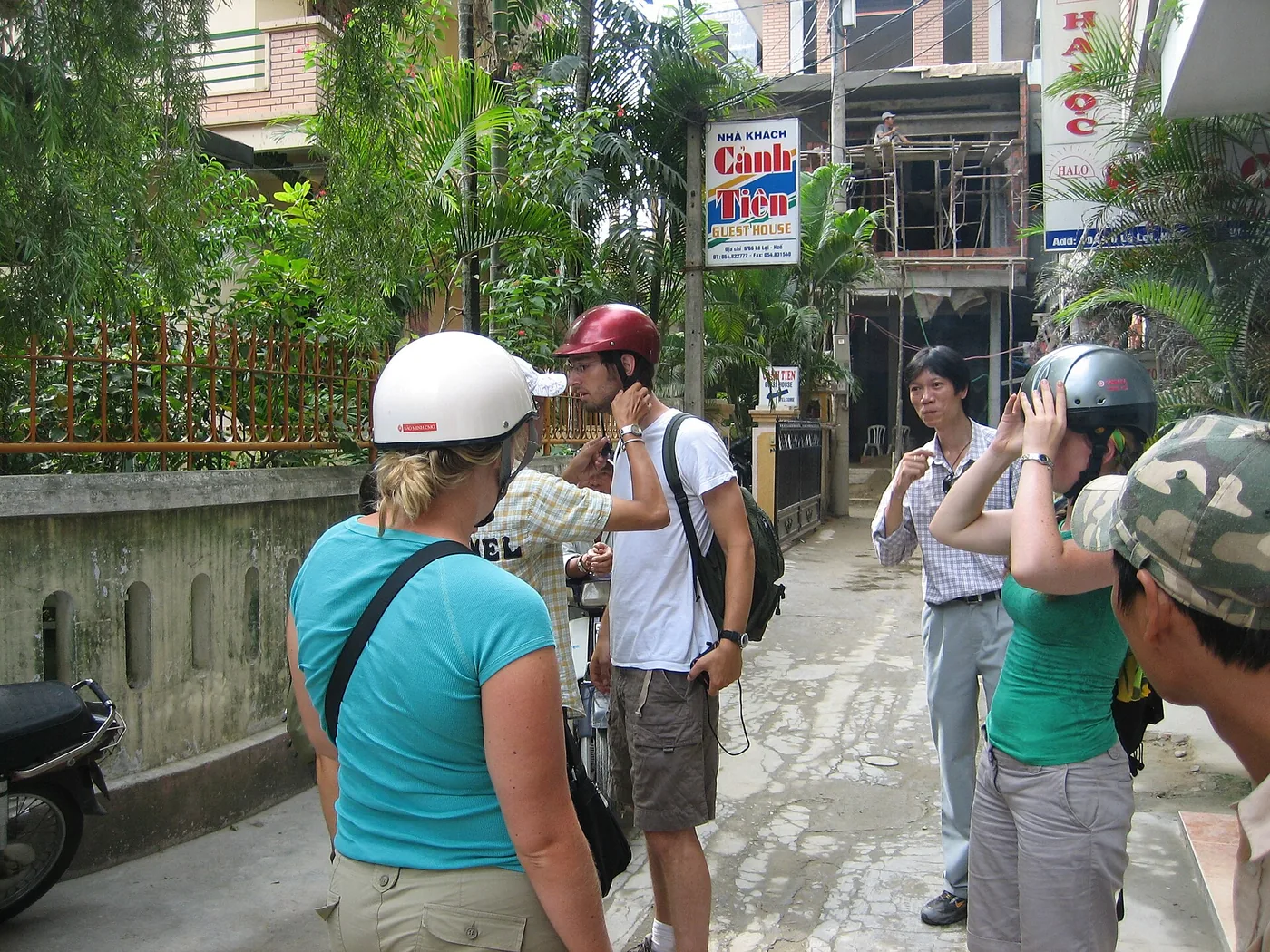
Two details differ from what most visitors expect. Bicycles are enforced, and helmets are counted per person rather than per vehicle. Two people riding without helmets is two separate matters.
The decree that raised these figures took effect on 1 January 2025, and it states that it applies to foreign individuals and organisations in Vietnam on the same terms. There is no visitor discount written into it.
Calling a car is cheaper than the alternative
If the evening involves drinking, the simplest move is to plan from the start not to ride. Getting a car through an app is covered in the Grab and Green SM guide, and moving between cities is in the guide to travelling around Vietnam.
7. Riding a motorbike depends on which licence class you hold
This is the item that trips up the largest number of visitors, and the answer depends on the passport you carry. The short version is that most permits issued outside the 1968 convention are not recognised, and even the ones that are can be questioned at the roadside.
Vietnam recognises the 1968 model
Vietnam is a party to the 1968 Vienna Convention, in force there since 20 August 2015, and its law recognises international driving permits issued to that model. The 1968 permit runs for three years, the 1949 Geneva version for one.
| Where your permit was issued | Position in Vietnam |
|---|---|
| United Kingdom and other 1968 parties | Recognised under the convention itself |
| United States, Canada, Australia, New Zealand | 1949 Geneva model, not recognised in principle |
| Countries with a bilateral agreement | Recognised through the agreement, not the convention |
| Taiwan and Hong Kong | Not recognised |
Do not reason from the convention alone
Treaty membership is not the whole picture, because bilateral agreements sit on top of it. South Korea, for instance, issues the 1949 model and yet Korean permits are recognised under an agreement in force since 23 July 2023. Working backwards from the convention alone produces the wrong answer in cases like that. The reverse also holds: a permit issued to a Vietnamese national abroad does not work in Vietnam, because the agreements apply to each country’s own nationals.
Motorcycles need the class stamped separately
Even where your permit is recognised, a car entitlement does not carry a motorbike. The permit has to show the motorcycle class, which means holding a motorcycle entitlement at home when the permit is issued. Riding on a car-only permit is riding unlicensed, and it voids your insurance in an accident.
| Situation | Outcome |
|---|---|
| Motorcycle class on the permit, home licence carried | Legal |
| Car class only, riding a motorbike | Unlicensed, 2 to 4 million dong |
| Over 125cc or three-wheeled, no licence | 6 to 8 million dong |
| Under 50cc | No licence required |
Two clocks run at once
One more detail catches people out. The validity printed on the permit and the period for which it is recognised are separate. A 1949 permit runs one year from issue; recognition under an agreement is counted from your date of entry. Whichever expires first is your real limit. If you got the permit months before flying, it can run out while the entry-based clock still has time on it.
Correct paperwork can still be refused at the roadside
Worth knowing before you ride. Some traffic officers are not familiar with the bilateral agreements, or work from the general position that only 1968 permits count, and refuse a permit that is in fact valid. Holding a 1968 permit is no guarantee against this either.
The practical response is to present everything at once: the international permit, your home licence in the original, and your passport. Saving a copy of the foreign ministry or consulate notice about the agreement makes the conversation shorter. An international permit has no standing on its own anyway, so carrying one document is never enough. Rental shops and insurers also apply their own rules and may decline you regardless.
Renting and the deposit arrangements are covered in the Da Nang scooter rental guide, and the mountain routes in the Ha Giang loop guide.
8. Smoking is legal, but the location is not up to you
Conventional cigarettes are legal. Where you may smoke them is set out in law, and enforcement was tightened on 15 May 2026.
Where smoking is prohibited outright
- Indoor workplaces
- Universities and other education sites
- Inside cars, aircraft and electric trains
- Public places designated as no-smoking
The amounts are small
Smoking in a designated no-smoking place costs 200,000 to 500,000 dong. Set against the vaping figures in the earlier section, this is minor. Both provisions sit inside the same decree, so which one applies changes the number by more than tenfold.
Indoor smoking areas are disappearing
Some restaurants and cafes still keep an indoor smoking section, but where there is no sign the safe assumption is that smoking is not allowed. Outdoor seating and designated areas outside the building avoid the question.
Dropping the butt afterwards is a separate provision with its own figure, and that one comes up further down.
9. Drones are close to unusable on a short trip
Plenty of visitors pack a drone for the footage. This is the area that has changed most in Vietnam over the past few years, and not in the traveller’s favour.
The exemption is narrow
Four conditions have to hold at the same time.
- Under 250 grams
- Below 50 metres
- Within visual line of sight
- Outside restricted areas
Miss any one of them and you need a permit. Most popular airframes fail on weight before you reach the other three.
Permits come from the Ministry of Defence
Applications go to the Operations Department of the General Staff in Hanoi, at least seven working days before the flight. That lead time is difficult to fit around a holiday itinerary.
| Item | Detail |
|---|---|
| Flying without a permit | Up to 40 million dong |
| Application deadline | Seven working days before the flight |
| From July 2026 | Operator certificate required, minimum three months of training |
| From late July 2026 | Airframe registration and identification number |
A certificate is not the same as permission to fly
The 2026 additions put another layer on top. Flying something between 0.25 and 2 kilograms within line of sight needs the matching licence; anything from 2 kilograms up, beyond line of sight, or on a pre-programmed route needs a higher licence or an international qualification the Ministry of Defence accepts.
Even with the qualification, the area, timing, altitude and route are approved case by case. A visitor on a two-week trip is not realistically going to complete this. The office is the Operations Department of the General Staff in Hanoi.
Some places are closed to ordinary cameras too
Separately from drones, photography is restricted around defence installations and military zones, which are signposted. The further inside the perimeter, the higher the figure.
| Zone | Fine |
|---|---|
| Safety perimeter | 1 to 2 million dong |
| Protected zone | 2 to 3 million dong |
| Restricted zone | 10 to 15 million dong |
| Restricted areas of the Ho Chi Minh Mausoleum site | Up to 30 million dong |
Material can be recovered and equipment seized on top of the fine. Installations sit near stretches of coast, near land borders, and around ports and airports, so treating a sign as the end of the photography is the sensible default. Individual buildings inside otherwise ordinary tourist areas are sometimes covered as well.
10. Carry your passport, and check that your stay is reported
Identity and residence, tidied up by a decree in force from 15 December 2025 that replaced the previous one.
Carrying the document
A foreign national moving around without a passport, travel permit or international travel document faces a warning or 300,000 to 500,000 dong. The amount is small; the delay while your identity is confirmed is the actual cost. Many people leave the original in the hotel safe, which is reasonable, but carrying a paper copy and a photo of the data page alongside is the practical compromise.
Your accommodation files the residence report, not you
This one is not widely known among visitors. The duty to report a foreign national’s temporary residence sits with the accommodation provider rather than the guest. Hotels and guesthouses take your passport at check-in and handle it. The deadline is twelve hours after arrival, or twenty-four in remote and mountainous areas.
| Situation | Penalty |
|---|---|
| Accommodation fails to report, one to three guests | 3 to 5 million dong |
| Larger numbers | Up to 20 million dong |
| Not carrying your passport | Warning or 300,000 to 500,000 dong |
| Failing to report a lost passport, false statements | 500,000 to 2 million dong |
Private flats are the gap
Hotels are not where this goes wrong. Short-let apartments and staying with a friend are. In those cases the host is the reporting party, and hosts often do not know the procedure or simply skip it. A missing report surfaces later, when you try to extend a visa or complete some other formality.
Asking before you book whether they file the residence report resolves nearly all of it.
Overstaying is counted in days
The same decree sets out what an overstay costs, in bands by length. Passing the fifteen day mark multiplies the figure several times over.
| Days over | Fine |
|---|---|
| Under 16 days | 500,000 to 2 million dong |
| 16 to under 30 days | 5 to 10 million dong |
| Longer or more serious cases | Up to 40 million dong |
Paying is not the end of it. You are required to leave after settling the fine, and an overstay of more than roughly two weeks can carry expulsion, which then sits on your record for future entries. Visa-free arrivals sometimes miscount the days; when you are unsure whether the day of arrival counts, leave yourself a day of margin. Visas and permitted stays are covered in the Vietnam visa and e-visa guide.
11. Change money at a bank or a licensed agent
Gold shops have a reputation for better rates. The transaction itself is what the rules address.
The figure follows the amount
| Amount exchanged | Penalty |
|---|---|
| Under 1,000 US dollars | Warning |
| 1,000 to under 10,000 | 10 to 20 million dong |
| 10,000 to under 100,000 | 20 to 30 million dong |
| 100,000 and above | 80 to 100 million dong |
Confiscation of the foreign currency comes with it. A holiday-sized transaction usually lands in the first row and ends at a warning, but losing the money you were changing is the part that actually hurts.
Some gold shops are licensed
Licensing sits with the State Bank of VietnamMap, which also keeps the register of authorised agents.
Not every gold shop is unlicensed. Those registered as agents with the State Bank may exchange currency. The difficulty is that you cannot tell from the street. Look for the authorisation notice, or use a bank counter or an airport exchange desk and skip the question entirely.
The figures used to be blunter
Changing a small sum once carried the same large penalty as changing a fortune. The bands fixed that. What did not change is the confiscation, which is why the rate difference rarely covers the downside.
Where to change money and how far card payments reach are both in the Vietnam money and currency guide.
12. Litter and cigarette ends carry their own figures
Small amounts, but these come up in tourist areas. They sit in the environmental decree rather than anywhere you would think to look.
What each one costs
| Act | Fine |
|---|---|
| Dropping a cigarette end outside a designated place | 100,000 to 150,000 dong |
| Urinating in public | 150,000 to 250,000 dong |
| Dumping rubbish or waste water in a public place | 500,000 to 1 million dong |
| Dumping on the pavement, the roadway or into urban drains | 1 to 2 million dong |
Public urination is charged on the spot
It can be issued without drawing up a record, which was meant as a simplification given the small amount. The practical effect is that it is easy to enforce.
Buying and selling sex are both offences
Both sides face penalties in Vietnam, and arranging it or providing premises moves to the criminal track. Some businesses trade under massage or barber signage, so a price far off the going rate or late-night touting is a reason to keep walking.
Casinos are open to you
One rule genuinely turns on nationality. Foreign passport holders and Vietnamese nationals resident abroad may enter legally. Vietnamese citizens may only do so under a pilot scheme with age and income conditions attached. From a visitor’s point of view the passport settles it and there is nothing further to check.
The other things that happen on the street, such as inflated fares and switched goods, are set out in the guide to common scams in Vietnam. Local customs and tipping are in the Vietnam etiquette and tipping guide.
13. A separate set of things fails on the way out
The third stage. Goods that entered without trouble, or were bought here, are the ones stopped on departure. Almost all of it is souvenirs.
Which souvenirs are affected
- Coral pieces and ornaments made from coral
- Tortoiseshell combs, spectacle frames and jewellery
- Ivory and worked ivory
- Pangolin scales, and remedies said to contain tiger or bear bone
- Taxidermy and animal parts
Sellers routinely say the item is fine. That statement carries no weight at the counter. Without documentation it fails on the way out.
Coral and shells
Coral is covered by the international convention on trade in endangered species. Buying, selling or moving pieces of unclear origin brings the endangered species provisions into play, with seizure and destruction attached. The administrative figure is awkward to state, because the coral provisions in the earlier fisheries decree were not carried into the current one. The realistic expectation is losing the item and spending time on the process rather than paying a set amount.
Worked wildlife products are clearer. The forestry decree runs from 5 million to 360 million dong, and exporting specimens of endangered species commercially is prohibited.
Antiques
The Cultural Heritage Law that took effect on 1 July 2025 prohibits the export trade in relics, antiques and national treasures. Buying and selling within Vietnam is still permitted; taking them out is what closed. If you are buying something that looks genuinely old, ask the seller first whether they can produce export documentation.
Cash uses the same line as on arrival
| Item | On departure |
|---|---|
| Foreign currency in cash | Declare above 5,000 US dollars equivalent |
| Vietnamese dong in cash | Declare above 15 million dong |
| Coral and shells | Seized where the origin is unclear |
| Relics and antiques | Export trade prohibited |
The shells and coral ornaments on souvenir stalls are exactly what this reaches. Nobody selling them will mention it, so the buyer is the one who has to know.
14. Where to go when something goes wrong
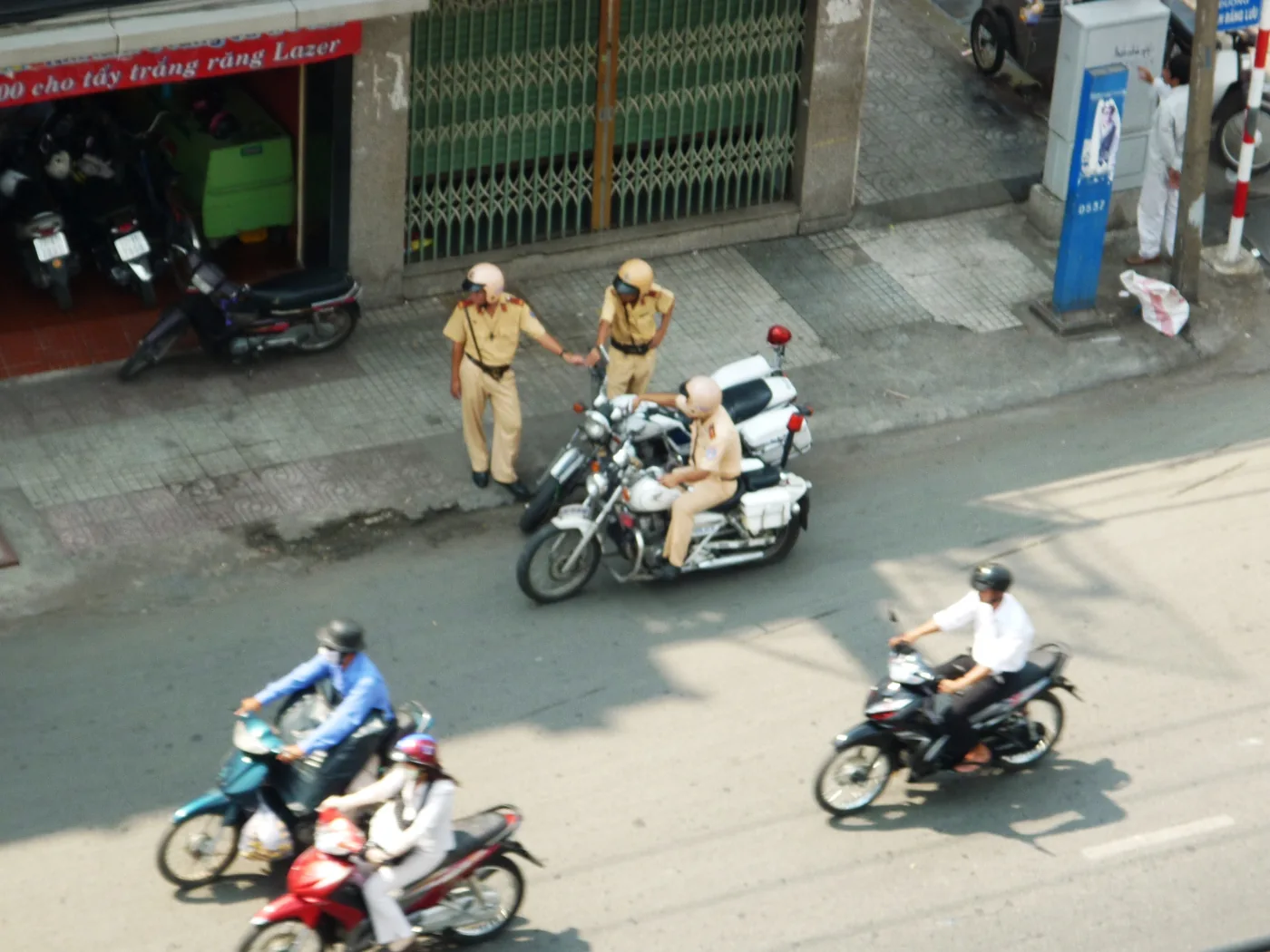
Finally, the practical part. Most encounters end at the roadside, but anything that needs paperwork means going to an office.
Immigration offices
A lost passport or a problem with your stay goes to the immigration management section of the provincial police. A missing residence report is sorted out in the same place.
- Hanoi immigration officeMap
- Ho Chi Minh City immigration officeMap
- Da Nang immigration officeMap
- Nha Trang immigration officeMap
Visa extensions and replacement documents are handled a level up, at the national immigration department. It keeps two offices, one in HanoiMap and one in Ho Chi Minh CityMap, and which one you use follows where you are staying rather than where you entered.
Your embassy or consulate
Detention or an emergency travel document is consular work. Most missions keep an emergency line outside office hours, and the northern and southern halves of the country are usually split between an embassy in Hanoi and a consulate general in Ho Chi Minh City. Check which one covers where you are before calling, since central Vietnam is divided between them for several countries.
Ask for the receipt
If you pay a fine on the spot, ask for the receipt. A proper process produces paperwork. Where the amount is far from the published figure, or no receipt is offered, the safer move is to note the details and raise it with your consulate rather than argue at the roadside.
The figures on this page change as decrees are amended. The vaping and drone provisions in particular have been rewritten several times in the past few years and will be again. It is worth a fresh check before you travel.
🧭Vietnam-wide essentials166
Illegal in Vietnam: common questions
No. Liquid vapes and heated tobacco were banned together by the same resolution, and it covers the devices as well as the tobacco sticks sold for them. The 200 cigarette duty free allowance applies to conventional cigarettes only, so heated tobacco sticks cannot be counted against it. Devices found at customs are seized and a fine follows.
Yes. Storage and transport have their own provision, starting at one million dong and scaling with the value of the goods. Use has carried a separate fine of three to five million dong since 15 May 2026, with the device destroyed. There is also a provision for letting other people use them on premises you control.
It depends on which model you hold. Vietnam is a party to the 1968 Vienna Convention and recognises permits issued to that model, so a UK permit is on solid ground. Permits from the United States, Canada, Australia and New Zealand follow the 1949 Geneva model and are not recognised as a matter of principle, unless a bilateral agreement covers them. Permits from Taiwan and Hong Kong are not recognised.
It happens. Some officers work from the general position that only 1968 convention permits count, and may not be familiar with bilateral agreements. Present the international permit, your home licence in the original and your passport together, and keep a saved copy of any official notice about the agreement. Rental companies and insurers may also decline you on their own terms.
Zero. The limit is 0.00, so there is no tolerated amount. Motorbike fines start at two million dong and reach ten million in the highest band; cars start at six million and reach forty million with a licence suspension of up to two years. Bicycles are enforced too, from one hundred thousand dong.
Only within a narrow exemption: under 250 grams, below 50 metres, within visual line of sight and outside restricted areas, all at once. Anything else needs Ministry of Defence approval applied for seven working days ahead. Since July 2026 an operator certificate and airframe registration have been added on top.
The residence report is the host’s legal duty, not yours, and the deadline is twelve hours after arrival. Hotels handle it automatically at check-in. Short-let apartments and private homes are where it gets missed, and the gap surfaces later when you need to extend a visa or complete another formality. Ask before you book.
It is if the shop is not licensed. Under a thousand dollars ends at a warning, but confiscation of the currency comes with it. Gold shops registered as agents with the State Bank may exchange legally, though you cannot tell from outside. Bank counters and airport exchange desks avoid the issue.
The equivalent of 5,000 US dollars in foreign currency, or 15 million dong. Gold jewellery is declarable from 300 grams. The same thresholds apply on the way out as on the way in. Below the threshold you still declare it if you intend to open a foreign currency account with the money.
Not advisable. Coral is covered by the endangered species convention, and pieces of unclear origin bring seizure and destruction. Ornaments sold on souvenir stalls are in the same position. Worked wildlife products carry substantially larger figures under the forestry decree.
The export trade in relics, antiques and national treasures is prohibited under the Cultural Heritage Law in force since 1 July 2025. Buying and selling inside Vietnam remains legal; taking them abroad is what closed. If a piece looks genuinely old, ask the seller whether export documentation can be produced.
Being stopped without it draws a warning or 300,000 to 500,000 dong. The amount is small but the identity check takes time. If you keep the original in the safe, carry a paper copy and a photo of the data page.
Plan the rest of your Vietnam trip