
Da Nang & Hoi An in Typhoon Season (Sept–Nov): Should You Still Go?
An honest go/no-go call on autumn travel to Central Vietnam — when it’s worth it, the four weeks to avoid, and how to plan around the rain and floods.
| Can you visit? | Yes — with eyes open, except the danger weeks below |
|---|---|
| Avoid this window | Roughly Oct 5 – Nov 15 (peak typhoon + flood risk) |
| Best autumn bet | Early–mid September; late November onward improves fast |
| Biggest risks | Typhoon landfalls (airport closures) + Hoi An floods |
| Floods last | Usually 1–3 days; storms pass in 1–2 days |
| Non-negotiable | Travel insurance with typhoon cover + free-cancellation bookings |
| The upside | Cheapest prices, fewest crowds, greenest scenery all year |
1. The honest verdict: can you visit Da Nang in autumn?
2. September vs October vs November, at a glance
3. Typhoons: the real risk and what a storm day looks like
4. Hoi An flooding: the big one
5. The go / no-go call, by sub-period
6. Already booked (or going anyway)? Here’s how to do it well
7. Insurance and refunds: the non-negotiable part
8. What still works brilliantly when it rains
9. The upside nobody books for
10. What to skip in this window
11. What to pack and prep
12. If a typhoon hits while you’re there
13. Planning the wider trip

1. The honest verdict: can you visit Da Nang in autumn?
🌊 Hoi An flooding: which streets go under, what closes and how long it lasts →
Yes, you can visit Da Nang and Hoi An between September and November — and most of that stretch is genuinely fine — but there’s a roughly four-week danger zone, around October 5 to November 15, that most travellers should plan around or avoid outright. That’s the whole guide in one sentence. Everything below is about helping you make a clear-eyed call instead of either panicking or sleepwalking into a typhoon.
Here’s the honest framing. Central Vietnam has a real wet-and-stormy season, and it deserves respect, not fear. Early September is often warm and lovely. Late November is cooling down and clearing up. The trouble sits in a fairly predictable middle window when typhoons are most likely to make landfall and Hoi An’s Old Town tends to flood. Know where that window is, and you can either step around it or book smart enough to ride it out.
So this isn’t a “don’t go” article. It’s a “go with a plan” article. If your dates fall outside the danger zone, you’ll likely get cheap prices, empty streets, and dramatic skies. If your dates fall inside it, you’ll want flexible bookings, the right insurance, and a morning-first, indoor-friendly itinerary. We’ll walk through all of it.
Want a sense of what there is to do once you’ve got your dates sorted? You can line up tours and tickets here:
2. September vs October vs November, at a glance
The three autumn months are not the same animal. September is the gentle on-ramp; October is the peak of everything you’d worry about; November starts rough and improves week by week. Here’s the quick comparison so you can place your dates fast.
| Month | Rain | Typhoon risk | Hoi An flood risk | Verdict |
|---|---|---|---|---|
| September | Returning, moderate; still warm | Low–moderate | Low | Often a great-value window, especially early |
| October | Peak (~450–550 mm, 18–22 wet days) | Highest | High (mid-month on) | The month to be most careful with |
| November | Heavy early, easing late (~350–467 mm) | High early, falling | High until mid-month | Rough start, much better by late month |
If you want the day-by-day rainfall, temperature and packing detail for each month, we cover those separately — no point repeating it here. Dive into the September weather breakdown, the October outlook, or the November forecast for the granular numbers. This guide stays focused on the decision.

3. Typhoons: the real risk and what a storm day looks like
Let’s talk about the headline worry first, because it’s the one that actually moves itineraries. Vietnam gets around four to six typhoons a year, and roughly three to five of them affect the central coast where Da Nang and Hoi An sit. Direct landfalls cluster in October and November, with the historical peak window falling around October 8–22. The 2025 season alone produced something like nine to eleven storms across the Western Pacific.
Now the part most people don’t realise: a typhoon is intense but usually short. A storm typically passes through in one to two days, then the skies clear and life resumes. So a typhoon isn’t a month-long event — it’s a bad couple of days that can blow up your plans if they land on your dates.
What does a genuine storm day look like on the ground? Expect some or all of this:
- Da Nang airport can close, and flights get cancelled or delayed for the duration.
- The Hai Van Pass becomes dangerous or is closed outright — never attempt it by motorbike in a storm.
- Hue–Da Nang trains may be suspended.
- Beaches go red-flagged; ferries, including the boat to Cu Lao Cham, are suspended.
- Ba Na Hills and the cable cars may pause operations.
For the broader climate context and how the seasons shift across the year, see our Central Vietnam weather overview.
4. Hoi An flooding: the big one
If there’s a single thing that catches travellers off guard, it’s not the typhoons — it’s the flooding in Hoi An. The Old Town sits low on the Thu Bon river, and most years, somewhere between mid-October and mid-November, the river rises and the streets go under. It’s a combination of relentless rain and upstream hydro-dam releases, and it happens often enough that you should plan for the possibility.
The water doesn’t hit everywhere equally. The streets that flood first and worst:
| Area | How bad |
|---|---|
| Bach Dang (riverfront) | Worst affected — water can reach ~1.5 m |
| Nguyen Thai Hoc, Nguyen Phuc Chu | Floods readily, close to the river |
| Tran Phu inner lanes | Often wet in heavier floods |
| An Hoi / Cam Nam / Cam Kim islands | Low-lying, flood early |
The good news is that floods usually drain within one to three days. The bad news is that when they’re at their height, the night lantern-boat rides and Thu Bon river trips stop completely. November 2025 brought severe, record-level floods that were widely reported, so this isn’t a rare freak event — it’s a recurring feature of the late-autumn season.
There is a genuine upside, though, and locals lean into it. When Bach Dang turns into a canal, boatmen row visitors right down the flooded streets for roughly 50,000–200,000 VND (about US$2–8). It’s an oddly memorable way to see the town — just go in with your eyes open about what’s running and what isn’t.
If the lantern-lit nights are a big reason you’re coming, check the timing of the monthly Hoi An lantern festival and read our full Hoi An planning notes before locking dates. Map

5. The go / no-go call, by sub-period
This is the table to screenshot. Autumn isn’t one verdict — it shifts dramatically depending on which two-week slice you land in. Find your dates and read across.
| Window | What to expect | Call |
|---|---|---|
| Early–mid September | Warm, occasional rain, low storm risk | ✅ Go — great value |
| Late Sept – early Oct | Rain building, storms possible | ⚠️ A gamble, but workable with flexibility |
| ~Oct 5 – Nov 15 | Peak typhoons + Hoi An floods | ⛔ The danger zone — avoid or plan hard around it |
| Late November | Cooling, drying out, storms fading | ✅ Improving fast — a solid bet |
Notice that the calendar isn’t symmetrical. The risk ramps up slowly through late September, peaks hard for about four weeks, then eases quickly from mid-November. If you have any flexibility at all, nudging your trip toward early September or late November transforms the odds in your favour.
Trying to pick the single best time to come? Our best-time-to-visit breakdown ranks every month for weather, crowds and price so you can weigh the trade-offs.
6. Already booked (or going anyway)? Here’s how to do it well
Plenty of people end up travelling in this window — work schedules, school holidays, cheap flights that were too good to pass up. If that’s you, the season is very manageable as long as you build flexibility into the plan rather than fighting the weather head-on.
The core principles:
- Make everything refundable. Free-cancellation hotels, flexible tours, no non-refundable deposits inside the risky weeks.
- Plan morning-first. The rain often comes in heavy afternoon and night bursts, so mornings are usually your workable window for anything outdoors.
- Go day-by-day. Don’t lock a rigid itinerary. Decide each morning based on what the sky and the forecast are doing.
- Build in buffer days. Give yourself slack so a single storm day doesn’t wreck the whole trip.
- Don’t over-schedule. Leave room to swap an outdoor plan for an indoor one at short notice.
The mindset shift is simple: in autumn, you’re not following a plan, you’re steering one. Keep a mental list of rain-proof options (see two sections down) and you’ll never be stuck for something good to do.

7. Insurance and refunds: the non-negotiable part
If you read only one practical section, make it this one. Travelling to Central Vietnam in storm season without the right insurance is the single most common — and most expensive — mistake people make. A cancelled flight, a washed-out tour, or an extra few nights waiting out a storm can add up fast, and the right policy turns all of that into a claim instead of a loss.
Three things to get right:
- Buy early — within about 14 days of your first booking. This matters more than people realise. If a named storm has already formed before you purchase your policy, cancellation related to it usually won’t be covered. Buy it while the skies are still clear.
- Check for natural-disaster / typhoon cover specifically. Not every policy includes weather-event cancellation. Read the wording, or pick a provider that names it explicitly.
- Keep your bookings refundable. Insurance is your backstop, but free-cancellation hotels and tours are your first line of defence. The two together make you almost storm-proof.
Providers like SafetyWing, Allianz and World Nomads cover this kind of disruption. For a flexible, traveller-friendly option you can buy quickly, this is a solid place to start:
8. What still works brilliantly when it rains
Here’s the reassuring truth: even on a wet day, Da Nang and Hoi An have plenty going for them. A surprising amount of the region’s best stuff is fully rain-proof, and a few things are arguably better in the wet. Keep this list in your back pocket.
- Marble Mountains caves. The caves and cliff-side shrines stay dry and atmospheric whatever the weather. Map See our Marble Mountains notes.
- Museums. The Cham Sculpture Museum and the Da Nang Museum are perfect rainy-afternoon refuges.
- Ba Na Hills. Often sits above the cloud and rain, so the summit can be clear while the city is grey. Check our Ba Na Hills planning notes first, since cable cars pause in storms.
- Spa and massage. A rainy day is a great excuse — see where to go in our Da Nang spa and massage roundup.
- A Hoi An cooking class. Indoors, hands-on, and genuinely fun. Book one through our Hoi An cooking class picks.
- Café and coffee culture. Da Nang’s café scene is a joy in the rain — our Da Nang coffee guide has the best spots.
- Food tours. Eating your way through the city barely cares about the weather.
And the photogenic bonus: when it isn’t actually flooding, Hoi An’s lantern lanes look their absolute best wet and reflective, with the colours doubled in the puddles. Grab an umbrella and lean into it.

9. The upside nobody books for
For all the caution above, let’s be fair to autumn — because there’s a real reason savvy travellers deliberately come in the shoulder season. The rain buys you things the dry season simply can’t offer.
- The cheapest flights and hotels of the year. Demand drops, so prices do too. You can stay somewhere far nicer for the same money.
- Far fewer crowds. Hoi An’s Old Town and Da Nang’s sights feel calm and uncrowded in a way they never do in peak season.
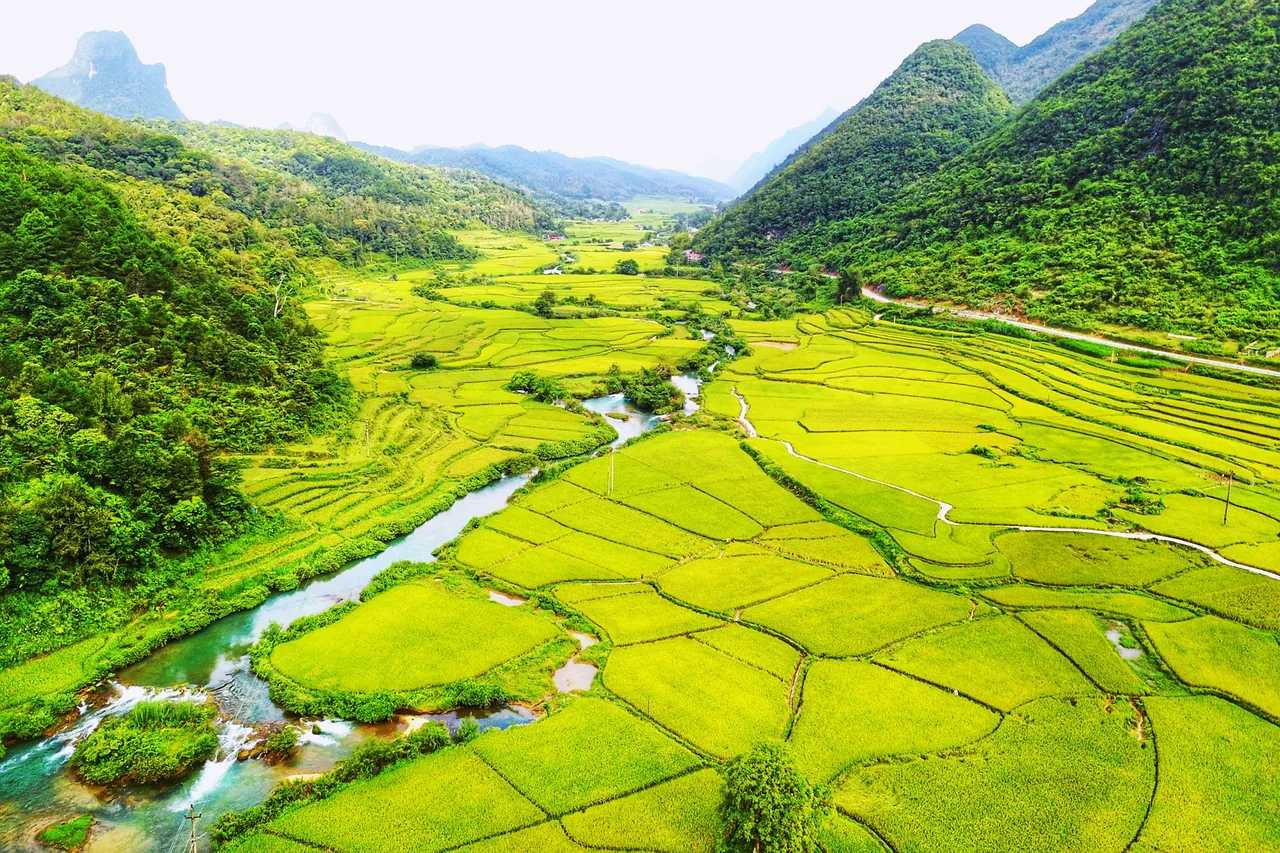
- The greenest landscapes. The countryside and rice terraces are at their lushest after months of rain.
- Dramatic skies. Moody clouds and big light make for far more striking photos than a flat blue summer sky.
If you’re travelling on a budget, this is one of the best value windows in all of Vietnam. Our Da Nang budget travel notes show just how far your money stretches when the crowds thin out. The trick is simply to time your trip toward the edges of autumn and keep your bookings flexible — then you get the value without taking on the worst of the risk.
10. What to skip in this window
Just as some things shine in the rain, others are best left for another trip. Trying to force these during storm season is how good days go wrong. Save them for the dry months instead.
- Beach swimming. Seas turn rough and beaches get red-flagged. Look, don’t swim.
- Cu Lao Cham. The island runs off-season and ferries are often suspended or stopped entirely — see our Cu Lao Cham notes for the seasonal calendar.
- Thu Bon boat trips. Suspended during floods, and not worth chasing when the river’s high.
- The Hai Van Pass by motorbike. Dangerous in wind and rain, and outright closed in storms. If you must cross, take a car or the train.
- Son Tra Peninsula. Exposed and windy in stormy weather — skip the viewpoints when it’s blowing.
11. What to pack and prep
A little preparation goes a long way in storm season. None of it is exotic — it’s mostly about staying dry, staying connected, and staying informed.
- Proper rain gear. A packable rain jacket beats an umbrella in wind. Quick-dry clothes and sandals you don’t mind getting wet are ideal.
- A dry bag or waterproof pouch for your phone, passport and cash. Worth its weight when streets flood.
- Offline maps. Download the Da Nang and Hoi An areas in advance, in case connectivity drops during a storm.
- A reliable mobile connection. You’ll want live weather and storm alerts, so a working data plan is essential.
- Cash. Card machines can go down in floods and power cuts, and the boatmen rowing through flooded streets only take cash.
For storm alerts and live forecasts the moment you land, an eSIM is the easiest way to stay connected without hunting for a SIM card. You can set one up before you fly:
12. If a typhoon hits while you’re there
Say the worst happens and a storm rolls in mid-trip. It’s stressful, but it’s manageable — and it’s almost always over in a day or two. Here’s the playbook.
- Follow official advisories. Vietnam’s national hydro-meteorological service (NCHMF) and local authorities issue clear warnings. Defer to them over your own optimism.
- Treat your hotel as shelter. Stock a little food and water, stay indoors, and let the storm pass. This is not the time to be out exploring.
- Don’t drive the Hai Van Pass — or really anywhere exposed — during a storm.
- Switch to indoor and inland plans. Pull from your rain-proof list: museums, caves, cafés, spa, cooking class.
- Contact your airline early. If flights are affected, reach out as soon as you can for free rebooking — the travellers who act first get the best options.
The key thing to remember: a typhoon is a short, sharp event, not a holiday-ender. Stay safe, stay flexible, and you’ll usually be back to enjoying the city within 48 hours.
13. Planning the wider trip
Storm season is just one piece of the puzzle. Once you’ve settled your dates and made your bookings flexible, it’s worth zooming out to plan the rest of the trip properly.
- For the full picture of weather across the year, our Central Vietnam weather overview shows how each season behaves.
- Stuck on a wet day with no plan? Our rainy-day ideas for Da Nang and Hoi An are built for exactly this.
- And for everything else — where to stay, how to get around, what to eat, the best neighbourhoods — start with our complete Da Nang travel planner.
Bottom line: autumn in Da Nang and Hoi An rewards travellers who plan around the risk instead of pretending it isn’t there. Dodge the danger weeks if you can, insure properly if you can’t, keep everything refundable, and lead with the mornings. Do that, and you’ll get a quieter, cheaper, greener version of one of Vietnam’s best stretches of coast.