Renting a Scooter in Da Nang: Costs, Rules & the Honest Risks
Prices, where to rent, the licence rule most travellers get wrong, and how to ride safely — so you can explore Da Nang on two wheels with confidence.
Last updated & verified: June 2026
Da Nang scooter rental, in 30 seconds
Cheap freedom: an automatic scooter rents for roughly 80,000–150,000₫ a day (about US$3–6), putting the beaches, Marble Mountains and the Son Tra loop within easy reach.
The licence catch: to ride legally you need your home licence plus a 1968 Vienna Convention IDP with a motorcycle category. The common 1949 IDP (US, UK, Canada, Australia, NZ) is not recognised — check your own before you ride.
Helmets are the law and the traffic is chaotic — go slow, stay calm, and don’t ride at night if you’re unsure.
Not for everyone: if you’re not a confident rider, Grab bikes and taxis are cheap and easy — see the alternatives below.
A scooter is how locals get around Da Nang, and renting one unlocks the city — the beach road, the Son Tra peninsula loop, the Marble Mountains and even the Hai Van Pass, all on your own schedule for a few dollars a day. But it comes with real responsibilities: there’s a licence rule that catches out most tourists, the traffic takes nerve, and an accident abroad is no joke. This guide gives you the honest picture — prices and where to rent, the legal requirements, how to ride safely, the best routes, and the police, fines and deposit scams to watch for — plus easy alternatives if two wheels aren’t for you. Important: traffic laws, fees and licence rules change and depend on your nationality and insurance. This is a guide, not legal advice — verify the current rules and your own licence/insurance before you ride. (Planning the rest? See our complete Da Nang guide.)
A scooter is brilliant freedom — but it’s not for everyone. Be honest with yourself first.
Rent one if: you’ve ridden before, you’re comfortable in busy traffic, and you want to explore the coast and hills at your own pace. Da Nang’s wide beach road and the Son Tra loop are genuinely some of Vietnam’s best easy riding.
Skip it if: you’ve never ridden a scooter, you’re nervous in traffic, or you only need to hop between the beach and dinner — in which case Grab motorbike-taxis and cars are cheap, safe and stress-free (see the last section).
Reality check. Vietnam’s roads are among the world’s most dangerous, and a minor spill abroad can mean big medical bills — especially if you weren’t licensed or insured to ride (see the licence section). Ride within your ability, never after a drink, and always wear the helmet.
This is the part almost everyone gets wrong, so read it carefully. To ride legally in Vietnam as a tourist you generally need both:
Your valid home driving licence with a motorcycle category, and
An International Driving Permit (IDP) issued under the 1968 Vienna Convention, with the motorcycle (“A”) category marked.
The crucial catch: Vietnam recognises the 1968 Vienna Convention IDP — not the older 1949 Geneva Convention one. Several major countries (including the USA, UK, Canada, Australia and New Zealand) issue only the 1949 version, which Vietnamese police treat as no licence at all. Some countries (e.g. South Korea, Japan and much of Europe) issue 1968-compliant IDPs — but you must confirm your own IDP is the 1968 type and covers motorcycles.
Verify before you ride. Rules and recognitions change. Check (1) whether your country issues a 1968 Vienna Convention IDP with a motorcycle category, and (2) whether your travel insurance covers riding a motorbike — many policies exclude it entirely, or only cover you if you’re legally licensed. Confirm with your licensing authority, insurer and, if unsure, your embassy. (As of June 2026.)
Be aware of the honest reality: many tourists rent and ride without a valid licence, and rental shops will usually hand over a bike regardless. But doing so is technically illegal, can mean a fine at a police check, and — most importantly — can void your travel and medical insurance if you crash. We’re not telling you what to do; we’re making sure you know the stakes.
3. Prices & Where to Rent
Da Nang has plenty of rental options and prices are low. As a rough guide (per day, cheaper for longer rentals):
Type
Examples
Approx / day
Good for
Automatic scooter
Honda Vision, Lead, Airblade
80,000–150,000₫
Most riders — easy twist-and-go
Premium automatic
Honda PCX, Yamaha NVX
150,000–200,000₫
Comfort, two-up, longer rides
Semi-auto / manual
Honda Wave, Blade
~80,000–130,000₫
Experienced riders
Where to rent: dedicated rental shops (often with the best bikes and English service), your hotel or homestay, or booking apps and platforms like Klook. Compare a couple and read recent reviews.
What to check before you take the bike:
The deposit/ID: shops usually ask for a cash deposit and/or to hold a passport copy. Avoid leaving your actual passport if you can — a copy or a cash deposit is safer.
Condition: test the brakes, lights, horn and indicators; check the tyres.
Document it: photograph or video every existing scratch and the fuel level before riding off — this protects you from damage claims later.
Two helmets (one each if riding two-up), and ask about a phone mount.
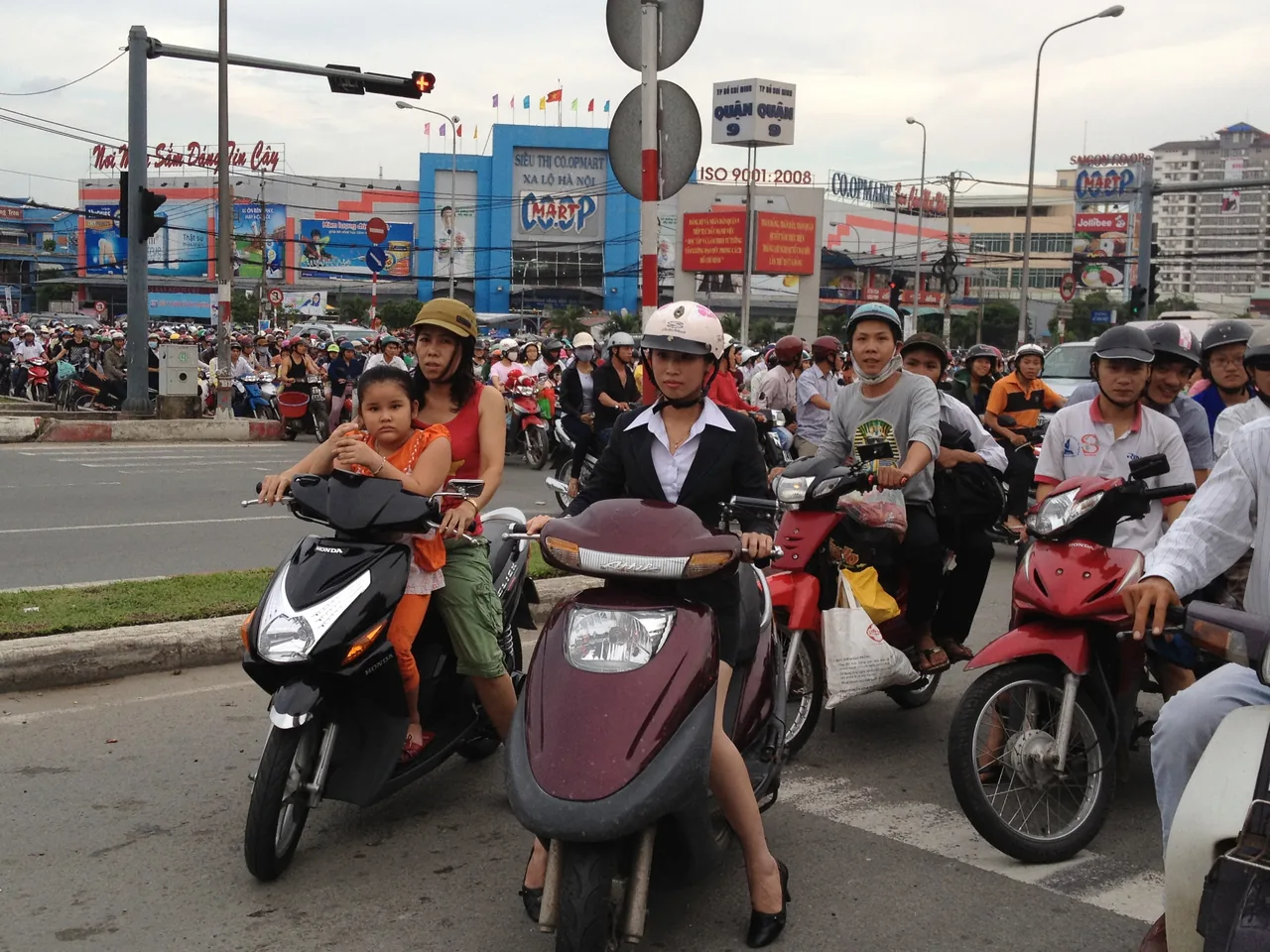
Da Nang’s traffic is calmer than Hanoi’s or Saigon’s, but it’s still dense and follows its own rhythm. A few essentials:
Helmets are mandatory — wear it properly and do it up. It’s the law and it saves lives.
Ride on the right, keep to the slower right-hand side, and go at your own steady pace.
Be predictable. Move smoothly, signal early, and don’t make sudden stops or swerves — traffic flows around you.
The horn is communication, not aggression — a light beep means “I’m here.”
Go slow and look far ahead. Watch for bikes merging from all sides, and give way at junctions rather than forcing it.
Avoid riding at night when you’re new to it, and never ride after drinking.
Ease in. Do a short, quiet loop near your hotel first to get a feel for the bike and the flow before heading out properly.
5. Petrol, Parking & Practicalities
The day-to-day is simple once you know how:
Petrol (xăng): fill up at any station — staff usually pump for you; just say how much (e.g. 50,000₫). Fuel is cheap, and a full tank goes a long way on a scooter.
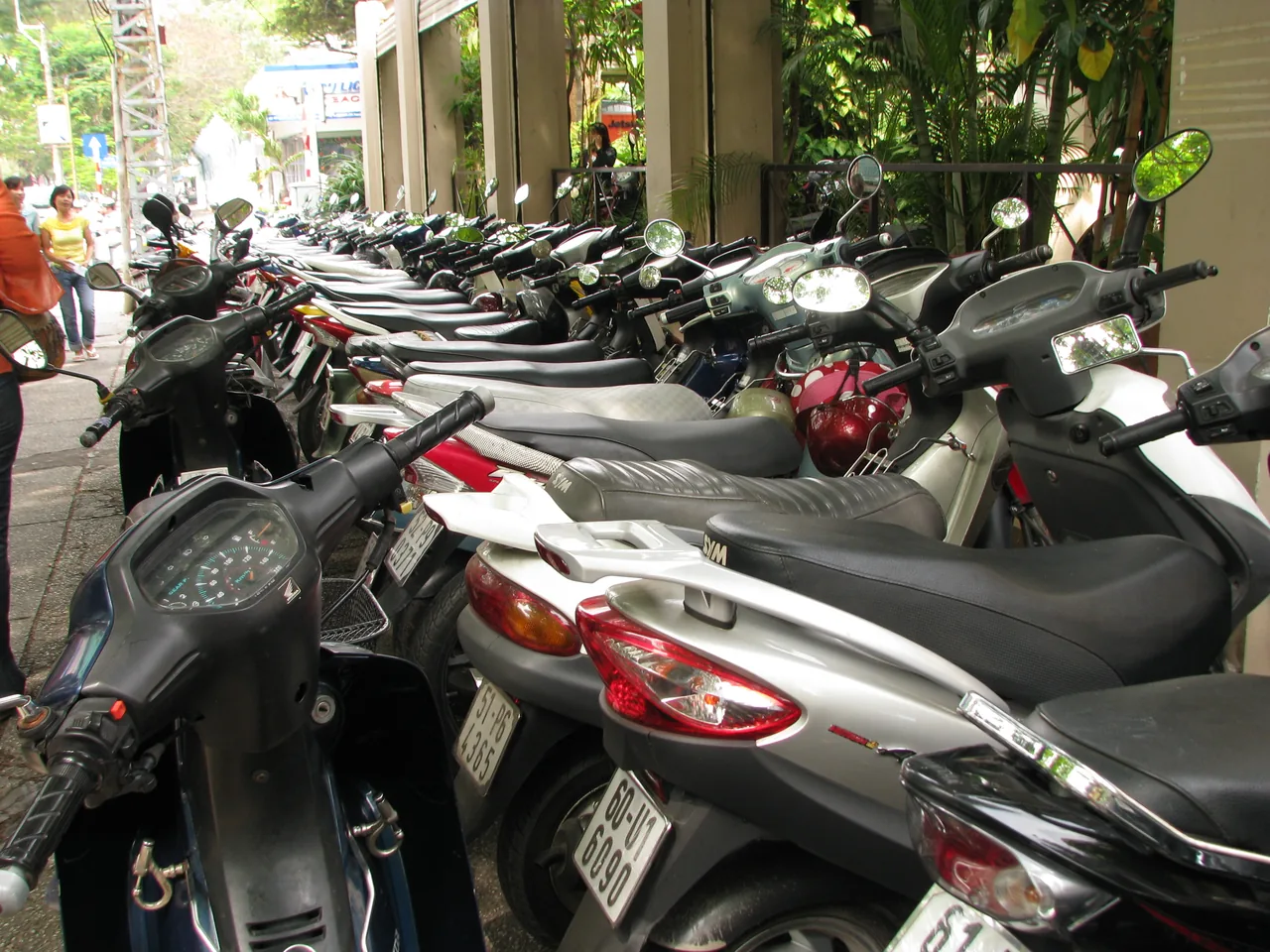
Parking: use the guarded parking lots (giữ xe) at markets, malls, beaches and attractions for a small fee; you’ll get a ticket — keep it. Don’t just leave the bike anywhere.
Navigation: mount your phone and use Google Maps; download an offline map and pair it with a local SIM/eSIM.
Storage: use the under-seat compartment for valuables, and don’t leave anything on the bike when parked.
For getting connected and the wider transport picture, see the main Da Nang guide.
6. Best Rides from Da Nang
This is the payoff. Some of Vietnam’s most rewarding easy rides start right here:
Ride
Roughly
Why
My Khe beach road
Along the coast
Flat, wide, scenic — the perfect first ride
Son Tra Peninsula loop
~20–30 km
Jungle, viewpoints, the Lady Buddha & monkeys
Marble Mountains
~10 km south
Easy half-day to the caves & pagodas
Hai Van Pass
~20 km north +
Legendary mountain pass — for confident riders only
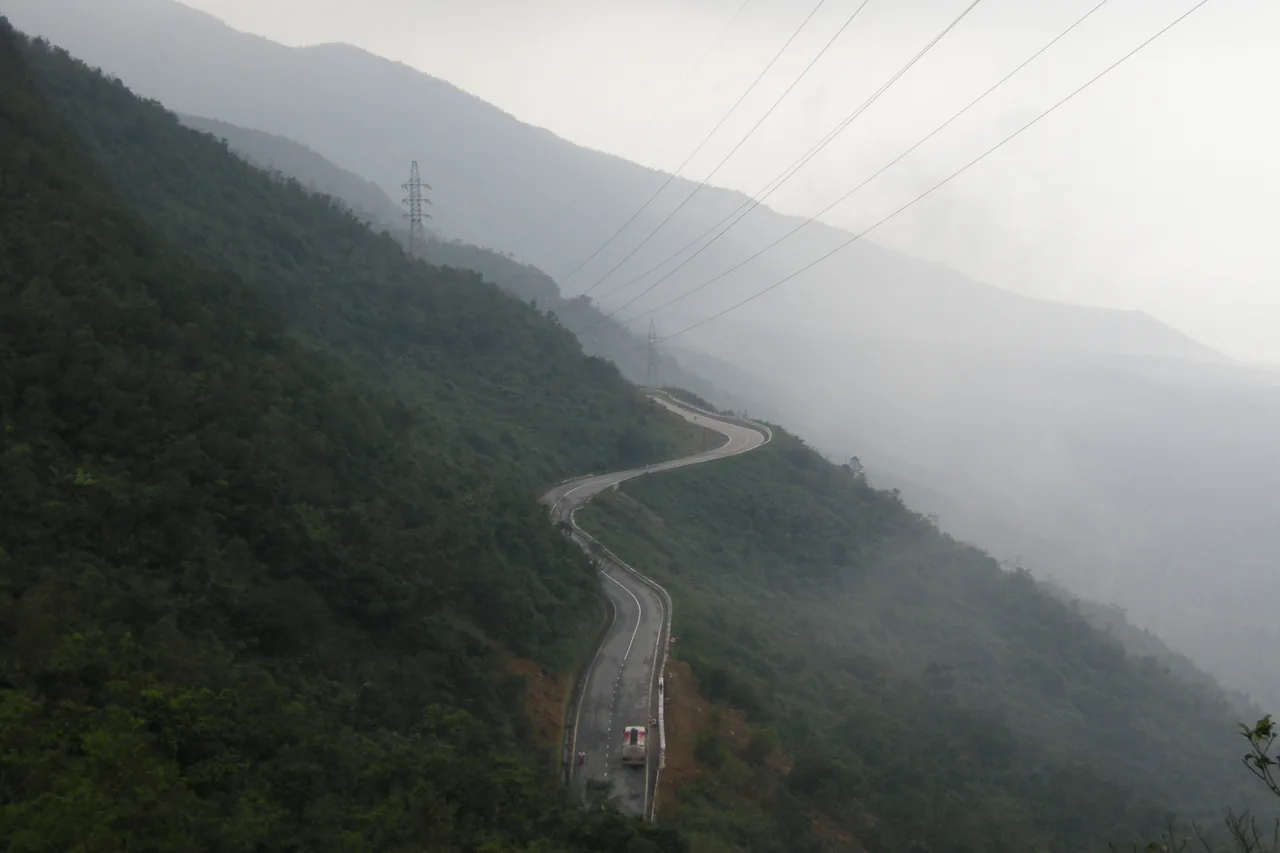
The beach road and Son Tra are gentle and gorgeous; the Hai Van Pass is spectacular but a serious mountain road best left to experienced riders (or done by car/tour). Always check the weather and your fuel before a longer ride.
Police checks: occasional checkpoints happen. They may ask for your licence/IDP, registration and that you’re wearing a helmet. Riding without a valid licence can mean a fine — stay calm and polite.
The damage-claim scam: a minority of shops try to charge for pre-existing scratches when you return the bike. Your photos/video from pickup are your defence — take them every time.
Deposit & passport: prefer a cash deposit or passport copy over handing over your real passport; agree the terms in writing or on the app.
Insurance: rental third-party cover is minimal. Confirm your own travel/medical insurance covers motorbike riding and that you meet its licence conditions — this is the single most important thing to get right.
There’s zero shame in skipping the scooter — Da Nang is very easy to get around without one:
Grab (app): book a GrabBike (motorbike-taxi, cheapest) or GrabCar with a fixed, upfront price — no haggling, no licence needed. The easiest option for most visitors.
Taxis: reputable metered taxis are widely available; or use the app to avoid surprises.
Private car & driver: great for day trips (Hai Van Pass, Hoi An, Ba Na Hills) without the stress of riding.
Walking & cycling: the beach and many central areas are pleasant on foot or by bicycle.
However you get around, do it within your comfort zone — and if you do rent a scooter, sort the licence, insurance and helmet first, then enjoy the ride. Next, plan the rest of your trip with the complete Da Nang guide.
🚐 Private car and driver for the Hai Van, Hoi An and Ba Na Hills day trips, no ridingSee on Klook →See on KKday →See on Trip.com →Affiliate link — we may earn a commission at no extra cost to you.
Q. How much does it cost to rent a scooter in Da Nang?
An automatic scooter rents for roughly 80,000–150,000₫ a day (about US$3–6), with premium models (Honda PCX, Yamaha NVX) around 150,000–200,000₫. Rates are cheaper for multi-day rentals. Petrol is extra but cheap.
Q. Do I need a licence to rent a motorbike in Da Nang?
To ride legally you need your home licence plus an International Driving Permit issued under the 1968 Vienna Convention, with a motorcycle category. The 1949 Geneva IDP (issued by the US, UK, Canada, Australia, NZ) is not recognised. Verify your own IDP type and your insurance before riding.
Q. Will a rental shop check my licence?
Often not — many shops will hand over a bike without checking. But that doesn’t make it legal: riding without a valid 1968 IDP and home licence can mean a fine at a police check and, crucially, can void your travel/medical insurance if you crash. The responsibility is yours.
Q. Is it safe to ride a scooter in Da Nang?
Da Nang’s traffic is calmer than Hanoi or Saigon, but Vietnam’s roads are still risky. Only ride if you’re experienced and confident; always wear a helmet, go slow, be predictable, never ride after drinking, and avoid night riding when new. If unsure, use Grab instead.
Q. Where should I rent, and what should I check?
Rent from a dedicated shop, your hotel, or an app like Klook. Before riding off, test brakes/lights/horn, photograph every existing scratch and the fuel level, get two helmets, and prefer leaving a cash deposit or passport copy rather than your real passport.
Q. Are helmets required?
Yes — helmets are mandatory by law for the rider and passenger. Wear it properly and fastened. Beyond the law, it’s the single biggest thing protecting you in a fall.
Q. What are the best rides around Da Nang?
The flat, scenic My Khe beach road is the perfect first ride; the Son Tra Peninsula loop (~20–30 km) has jungle, viewpoints and the Lady Buddha; the Marble Mountains are an easy half-day. The Hai Van Pass is spectacular but a serious mountain road for confident riders only.
Q. What if I’d rather not ride?
No problem — book a GrabBike (cheap motorbike-taxi) or GrabCar on the app for a fixed price with no licence needed, take a metered taxi, or hire a private car and driver for day trips. Da Nang is very easy to get around without a scooter.