
The Best Bánh Mì in Da Nang: Where the Locals Actually Queue

Vietnam’s world-famous baguette sandwich — what goes in it, the types to try, the local Da Nang specialty, and where to find the best for under two dollars.

Last updated & verified: June 2026
Da Nang bánh mì, in 30 seconds

  • The world’s best sandwich: a crisp French-style baguette stuffed with pâté, pickles, herbs and your choice of filling — a perfect bite of Vietnam for around 15,000–40,000₫ (US$0.60–1.60).
  • Try the local twist: Da Nang’s own bánh mì que — a thin, crunchy “finger” baguette with pâté — is a moreish snack you order by the handful.
  • Eat where it’s busy: the best stalls are simple, packed and fast. We name some local favourites below (always double-check current hours).
  • Breakfast hero: it’s the classic Vietnamese breakfast on the go — but you’ll find it all day, everywhere.

If you eat one thing on the street in Da Nang, make it a bánh mì. This is the dish where Vietnam’s French colonial past meets its own genius: a light, crackly baguette filled with pâté, butter or mayo, a protein, crunchy pickled vegetables, fresh herbs, chilli and a dash of savoury sauce. The result is a sandwich so good it’s gone global — and in central Vietnam it’s both excellent and ridiculously cheap. This guide explains what’s actually in a bánh mì, the types worth trying, Da Nang’s own bánh mì que, plus where to eat and how to order like a local. Note: shops, hours and prices change — treat names and figures here as a 2026 guide and check a maps app for the latest. (New to the city? Start with our complete Da Nang guide, or browse all the dishes in our Da Nang food guide.)
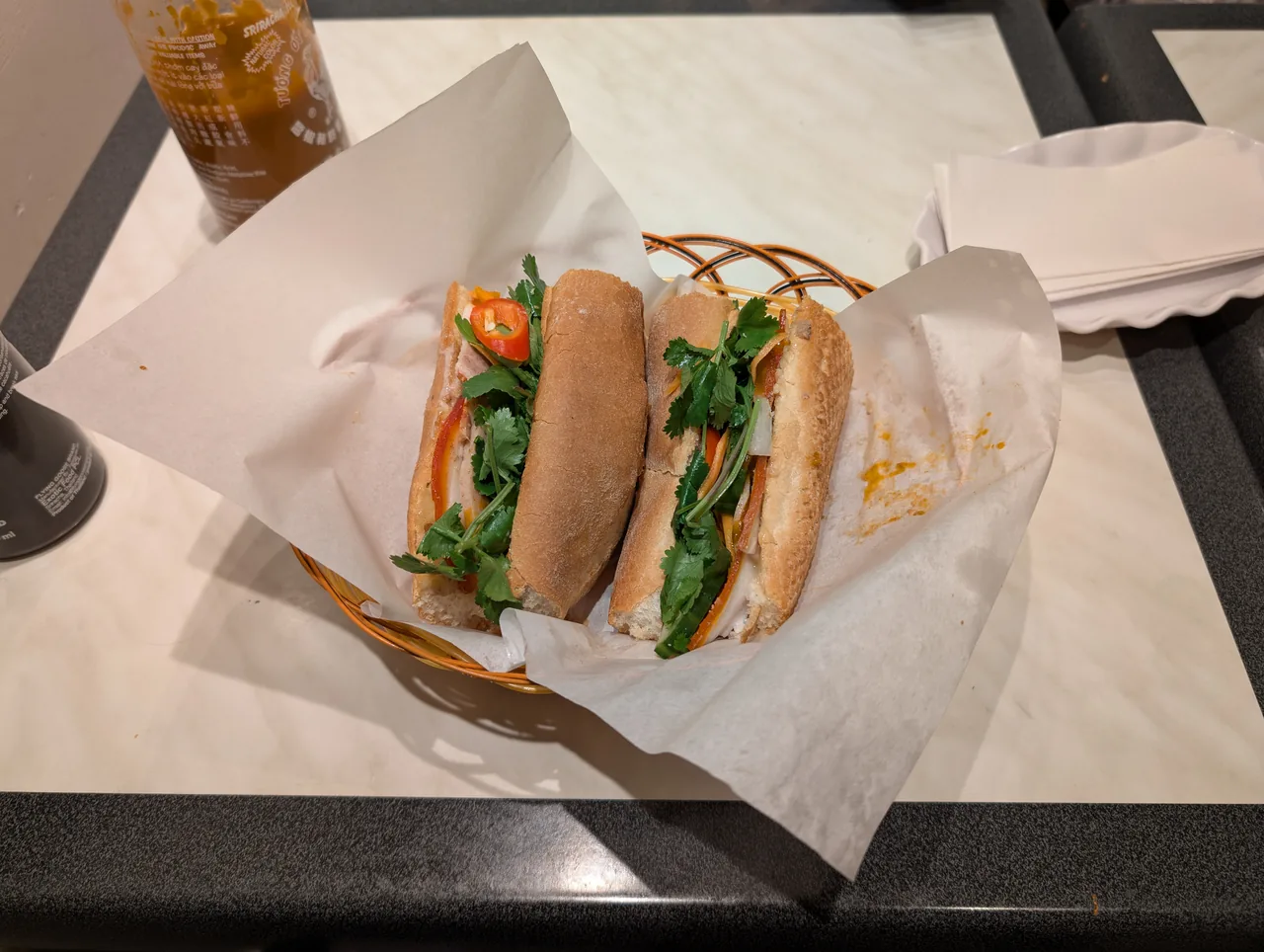
A Vietnamese bánh mì sandwich cut open to show the fillings
A great bánh mì: a crisp baguette packed with pâté, meat, pickled vegetables, herbs and chilli. (© Andy Li / CC0)

1. Why Da Nang Bánh Mì Is So Good

The bánh mì is the delicious by-product of history. The French brought the baguette; the Vietnamese made it lighter and airier (often with rice flour) and filled it with their own flavours. What you get is a study in contrast — crunchy bread, rich pâté, cool pickles, fresh herbs and a hit of chilli, all in one cheap, perfect bite.

Central Vietnam does it especially well. The bread here tends to be crisp and light, the fillings generous, and the whole thing rarely costs more than a dollar or two. Whether it’s your breakfast, a beach snack or a midnight bite, the bánh mì is Da Nang’s most reliable street food.

Bread first. A good bánh mì lives or dies on the baguette — it should be warm and audibly crisp, shattering slightly when you bite. Busy shops bake or reheat often, which is why the queue is a good sign.

2. What’s Actually in a Bánh Mì?

Part of the fun is knowing the layers. A classic bánh mì is built from:

  • The baguette — crisp outside, soft and airy inside.
  • Pâté & fat — pork liver pâté, plus butter or a smear of mayo for richness.
  • The protein — cold cuts, grilled pork, roast pork, chicken, a fried egg, meatballs or fish cake (see the next section).
  • Đồ chua — pickled carrot and daikon, for crunch and tang.
  • Fresh stuff — cucumber, coriander (cilantro) and sometimes spring onion.
  • The finish — fresh chilli and a dash of soy or Maggi seasoning.

That balance — rich, sour, fresh, spicy, savoury — is why one little sandwich tastes like a whole meal.

3. Types of Bánh Mì to Try

“Bánh mì” just means the bread; the magic is in the filling. The most common ones:

VietnameseWhat it isGood for
Bánh mì thịtMixed cold cuts & Vietnamese hamThe classic all-rounder
Bánh mì heo quayCrispy roast porkRich, crackly, satisfying
Bánh mì gàShredded or grilled chickenLighter, very popular
Bánh mì ốp laFried egg(s)A perfect breakfast
Bánh mì xíu mạiPork meatballs in sauceHearty and saucy
Bánh mì chả cáFish cakeA central-Vietnam coastal twist
Bánh mì chayTofu & vegetablesThe vegetarian option

Can’t decide? The mixed bánh mì thịt (or simply “bánh mì đặc biệt”, the “special” with everything) is the safe, classic choice.
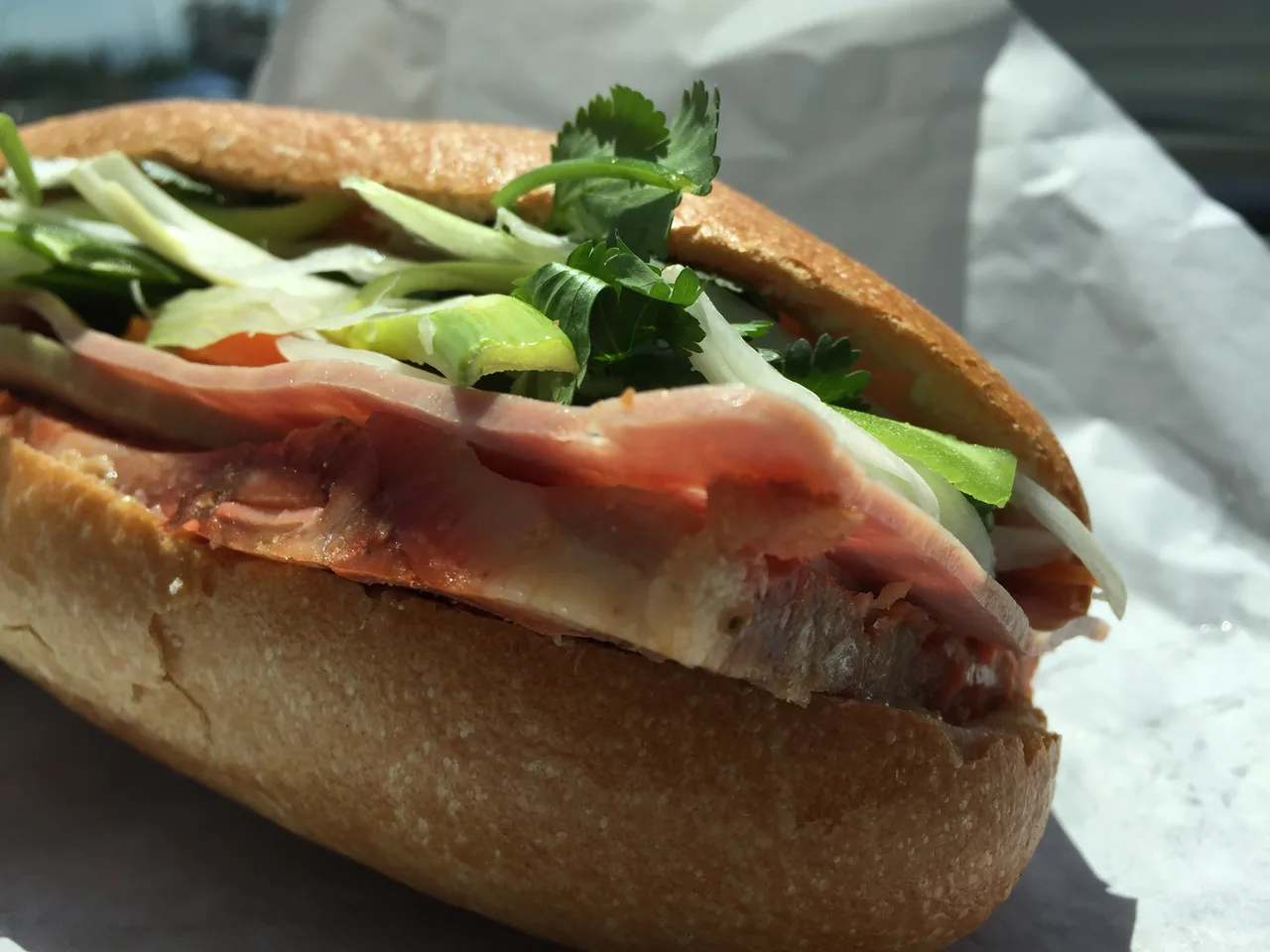
A loaded Vietnamese bánh mì close-up with cold cuts, herbs and pickled vegetables
A classic bánh mì thịt: cold cuts and ham layered with pickled vegetables, cucumber and fresh herbs. (© Minh Nguyen / CC BY-SA 4.0)

4. Bánh Mì Que — Da Nang’s Specialty

Here’s the one to seek out. Bánh mì que (“chopstick” or “finger” bánh mì) is a central-Vietnam favourite especially associated with Da Nang: a thin, super-crunchy mini baguette, usually filled simply with pâté and a little chilli.

Each one is small — the size of a breadstick — so you don’t order one, you order several, often eaten with a spicy dipping sauce. They’re cheap, addictive and uniquely Da Nang, making them a perfect snack with a coffee or a beer.

Order a few. Bánh mì que are sold by the piece for very little; get a handful and share. They’re best eaten hot and fresh, right where they’re made.

5. Where to Eat Bánh Mì in Da Nang

Great bánh mì is everywhere, but a few names have earned a loyal local following. These are starting points — always check a maps app for the current address and hours:

  • Bánh Mì Bà Lan — a long-running local favourite, known for generous fillings (often opens in the late afternoon). Map
  • Bánh Mì Đồng Tiến — a well-known bakery chain across the city, handy for bánh mì que. Map
  • Bánh Mì Ông Tý and other busy neighbourhood carts and shops.
Trust the crowd. Opening hours and even locations change, and the very best bánh mì is often an unnamed cart with a long local queue. Use the named shops as a guide, but don’t be afraid to join whichever stall the locals are lining up at. (As of 2026 — verify on a maps app.)

6. How to Order Like a Local

It’s quick and easy, even with no Vietnamese:

  • Point and pick. Most stalls have the fillings on display — point to what you want, or just say “bánh mì thịt” (mixed) or “bánh mì đặc biệt” (the special).
  • Spice: say “không cay” for no chilli, or “ít cay” for a little.
  • Takeaway is normal — most bánh mì is made to go, wrapped in paper. “Mang đi” means takeaway.
  • Price check: expect roughly 15,000–40,000₫ depending on the fillings; bánh mì que are just a few thousand each.

Pay when you order, and don’t expect change-haggling — bánh mì prices are usually fixed and fair.
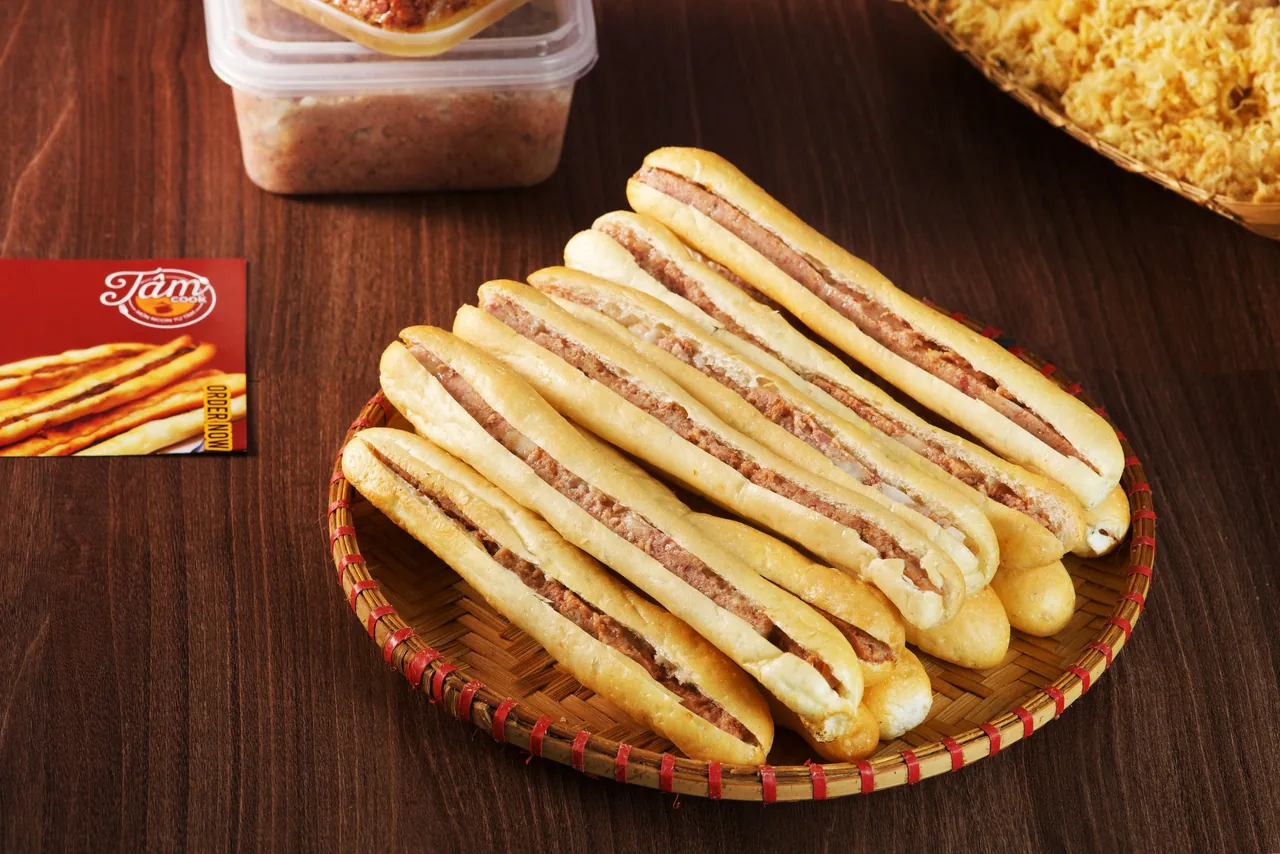
Bánh mì que, the thin finger-sized banh mi popular in Da Nang
Bánh mì que — Da Nang’s thin, crunchy ‘finger’ baguette with pâté, eaten several at a time. (© TieuThanh1990 / CC BY-SA 4.0)

7. Hygiene, Timing & Vegetarian Options

A few practical notes for a happy bánh mì habit:

  • Busy = fresh. A high turnover stall means fresh bread and fillings — the best hygiene signal there is.
  • Best in the morning for the classic Vietnamese breakfast experience, though you’ll find bánh mì all day and late into the night.
  • Vegetarian? Look for bánh mì chay (tofu and vegetables); ask for “bánh mì chay” and confirm no pâté or fish sauce if you’re strict.
  • Sensitive stomach? Stick to hot, fresh, made-to-order bánh mì from busy spots and you’ll almost always be fine. For more on eating safely, see our Vietnam safety guide.

8. Make It a Da Nang Food Crawl

A bánh mì is the perfect start (or end) to a day of eating in Da Nang. Build it into a crawl:

  • Morning: a bánh mì and a strong Vietnamese coffee.
  • Lunch: a bowl of the local noodle specialty — try mì Quảng or bún chả cá.
  • Snack: a handful of bánh mì que with an iced coffee.
  • Dinner: fresh seafood by the beach.

For the full line-up of dishes and where to find them, see our complete Da Nang food guide, then plan the rest of your trip with the main Da Nang guide.

📚 More Da Nang guides
★ Start here Vietnam Travel Guide: Regions, Best Time, Itineraries, Costs & Visas
🎡Things to Do48
A Day Trip to Hue from Da Nang: Citadel, TombsA Hoi An Cooking Class: Which to Pick & What You’ll MakeBa Na Hills & the Golden Bridge: The Complete Guide (Tickets, Cable Cars, One-Day Plan)Cu Lao Cham Day Trip from Hoi An: Fares, Rules, What’s OpenDa Nang Activities: The Tours & Experiences Worth BookingDa Nang Dolphinarium: The ‘Dance of the Ocean’ Dolphin ShowDa Nang for Couples & Honeymooners: Five-Star Romance for Half the PriceDa Nang Itinerary: 3, 4 and 5 Day Plans That WorkDa Nang Nightlife: What Costs Money, What Shuts WhenDa Nang Travel Guide 2026: The Complete Plan (Flights, Weather, Hotels, Food & More)Da Nang vs Nha Trang: Which Beach City Fits Your Trip?Da Nang vs Phu Quoc: City-and-Culture or Island-and-Resort?Da Nang with Kids: The Family Trip That Actually WorksDa Nang’s Best Beaches: Which One Is Right for You?DIFF 2026: Da Nang’s Fireworks Festival — Dates, Tickets & Where to WatchDragon Bridge, Da Nang: Fire-Show Times & Where to StandGolf in Da Nang: The Best Courses, Green Fees & Tee TimesHalal Da Nang: Muslim-Friendly Food, Mosques & Prayer SpotsHoi An Beaches: An Bang vs Cua Dai — Which One to Choose?Hoi An in 1, 2 or 3 Days: A Day-by-Day ItineraryHoi An Travel Guide: Ancient Town, Lanterns & TailoringHoi An’s Lantern Festival: Dates, What HappensHue Travel Guide: Vietnam’s Imperial Capital, Done ProperlyLap An Lagoon: Da Nang’s Mirror-Water SunriseLiving in Da Nang as a Digital Nomad: Costs, Wi-FiMang Den: Vietnam’s ‘Second Da Lat’ and the Central Highlands SecretMarble Mountains Da Nang: Tickets, the Elevator, and the Am Phu Cave Ticket TrapMassage & Spa in Da Nang: What to Book and What to PayMikazuki Water Park, Da Nang: Indoor Slides, OnsenMy Khe Beach, Da Nang: The Sand, the SurfMy Son Sanctuary: Visiting Vietnam’s Ancient Cham RuinsNui Than Tai Hot Springs Park: The Complete Day-Trip GuidePhong Nha Caves: A Complete Guide to Vietnam’s Greatest Cave CountryRainy Day in Da Nang? 15 Things to Do When the Weather TurnsShopping in Da Nang: What to Buy at Han MarketSon Tra & the Lady Buddha: Da Nang’s Best Sunset ViewpointThe Best Day Trips from Da Nang: Where to Go Beyond the CityThe Best Things to Book in Hoi An: Tours, Classes & Boat RidesThe Best Time to Visit Da Nang: A Month-by-Month BreakdownThe Cham Sculpture Museum, Da Nang: Is It Worth a Visit?The Golden Bridge, Da Nang: Vietnam’s Giant Hands BridgeThe Hai Van Pass: Da Nang to Hue by Bike, Car or Easy RiderThe Hoi An Basket Boat Ride: Worth It? Prices, TipsThe Lady Buddha & Linh Ung Pagoda: Da Nang’s Tallest StatueThings to Do in Da Nang: The Attractions Actually Worth Your TimeThings to Do in Hoi An: Beyond the LanternsTra Que Herb Village, Hoi An: A Calm Half-Day in the GardensVegan & Vegetarian Da Nang: Where to Eat, and How to Order
🍜Food7
🏨Where to Stay5
🚇Getting Around7
🧭Travel Tips20
🧭Vietnam-wide essentials29
District 4 Seafood Street: Vĩnh Khánh Ốc GuideGrab vs Xanh SM vs Be in Vietnam (2026): Which Ride App Is Cheapest & How to Use ThemHa Long Bay Cruise: The Complete Guide to Choosing the Right OneHanoi to Ninh Binh Day Trip: Trang An, Mua Cave & How to Do It RightHanoi Travel Guide 2026: The Old Quarter, Hoan Kiem Lake & Everything First-Timers NeedHo Chi Minh City (Saigon) Travel GuideIs Vietnam Safe? Every Tourist Scam in 2026 & the 4 Rules That Stop ThemLong Thanh International Airport: What Travelers Need to Know Before It OpensMoney in Vietnam: Cash or Card, ATMs, and How Much to BringNha Trang in the Rainy Season (Sep-Nov): Is It Still Worth It? An Honest GuideNha Trang Travel Guide: Islands, Diving, Mud Baths & the Dry-Season Beach CityNorthern Vietnam: Hanoi, Ha Long, Sapa & Ha Giang, in One PlanPhu Quoc Travel Guide: Everything You Need to Know Before You GoPhu Quoc: When to Go, Month by MonthSapa, Vietnam: A Complete Guide to the Rice Terraces, the Trekking & FansipanSouthern Vietnam Itinerary 2026: Ho Chi Minh City & the Whole South, Planned RightSymphony of the Sea or Kiss of the Sea: Which Should You See?Tết Trung Thu: A Traveller’s Guide to Vietnam’s Mid-Autumn FestivalThe Best eSIM for Vietnam: An Honest ComparisonThe Ha Giang Loop: The Complete Guide to Vietnam’s Greatest RideThings to Do in Phu Quoc: The Complete Activities GuideVietnam City-to-City Travel: Trains, Buses, FlightsVietnam Entry Requirements 2026: Health Declaration + Digital Arrival Card for Da Nang, Ho Chi Minh City & HanoiVietnam eSIM & SIM Card (2026): Best Plans, Prices & How to Set It UpVietnam Travel Guide: Regions, Best Time, Itineraries, Costs & VisasWhere to Stay in Hanoi: Best Areas and HotelsWhere to Stay in Ho Chi Minh City (Saigon): Best AreasWhere to Stay in Nha Trang: Zones & HotelsWhere to Stay in Phu Quoc: The 5 Best Areas, Decoded Honestly
Browse all our Vietnam guides →

Frequently asked questions

Q. What is bánh mì?
Bánh mì is a Vietnamese sandwich: a light, crisp baguette (a French colonial legacy) filled with pâté, butter or mayo, a protein, pickled vegetables (đồ chua), fresh herbs, cucumber and chilli. The word “bánh mì” literally just means the bread.
Q. How much does a bánh mì cost in Da Nang?
Usually around 15,000–40,000₫ (about US$0.60–1.60) depending on the fillings. Da Nang’s bánh mì que (finger banh mi) cost just a few thousand đồng each, so you order several. Prices are generally fixed and fair.
Q. What is the best bánh mì in Da Nang?
Local favourites include Bánh Mì Bà Lan (generous fillings), Bánh Mì Đồng Tiến (a city-wide bakery, good for bánh mì que) and various busy neighbourhood carts. The best is often an unnamed stall with a local queue — check a maps app for current hours.
Q. What is bánh mì que?
Bánh mì que is Da Nang’s specialty: a thin, very crunchy “finger” or “chopstick” baguette, usually filled simply with pâté and chilli. They’re small and cheap, so you order several, often with a spicy dipping sauce.
Q. Is street bánh mì safe to eat?
Generally yes — choose a busy stall with high turnover, where the bread and fillings are fresh and made to order. Hot, freshly assembled bánh mì from a popular spot is one of the safest street foods you can eat.
Q. Is there a vegetarian bánh mì?
Yes — ask for bánh mì chay, filled with tofu and vegetables. If you’re strict, confirm there’s no pâté or fish sauce, as some versions still include them.
Q. When do people eat bánh mì?
It’s the classic Vietnamese breakfast on the go, but it’s sold all day and late into the night. Morning is best for the traditional breakfast experience and the freshest first bake.
Q. How is bánh mì different from a normal sandwich?
The bread is lighter and crispier than a Western baguette, and the filling balances rich pâté and meat against tangy pickles, fresh herbs and chilli. That sweet-sour-savoury-spicy contrast is what makes it special — and it’s a fraction of the price.

🧭 Complete Da Nang travel guide →