
My Son Sanctuary: Visiting Vietnam’s Ancient Cham Ruins

The UNESCO-listed Cham temple ruins in a jungle valley near Hoi An — what to see, how to get there, when to go and what it costs in 2026.

Last updated: June 2026
My Son, in 30 seconds

  • What: a UNESCO World Heritage cluster of Hindu brick temple-towers built by the Champa Kingdom between the 4th and 13th centuries.
  • Where: a mountain valley ~40 km southwest of Hoi An; about 1–1.5 hours from Da Nang.
  • Cost: entry ~150,000 VND ($6), which includes the electric shuttle and a Cham dance performance.
  • When: go at sunrise or early morning — little shade, and tour buses pour in from mid-morning.

My Son (Mỹ Sơn) is central Vietnam’s most important ancient site — a cluster of red-brick Hindu temple-towers tucked into a jungle valley, built by the Champa Kingdom over nearly a thousand years and dedicated to the god Shiva. Often called “the Cham answer to Angkor,” it’s a UNESCO World Heritage Site and an easy half-day trip from Hoi An or Da Nang. This guide covers tickets and hours, the best time to go, every way to get there, what to see among the temple groups, the on-site Cham dance, and the practical tips that make the visit comfortable. (New to the region? Start with our complete Da Nang guide.)
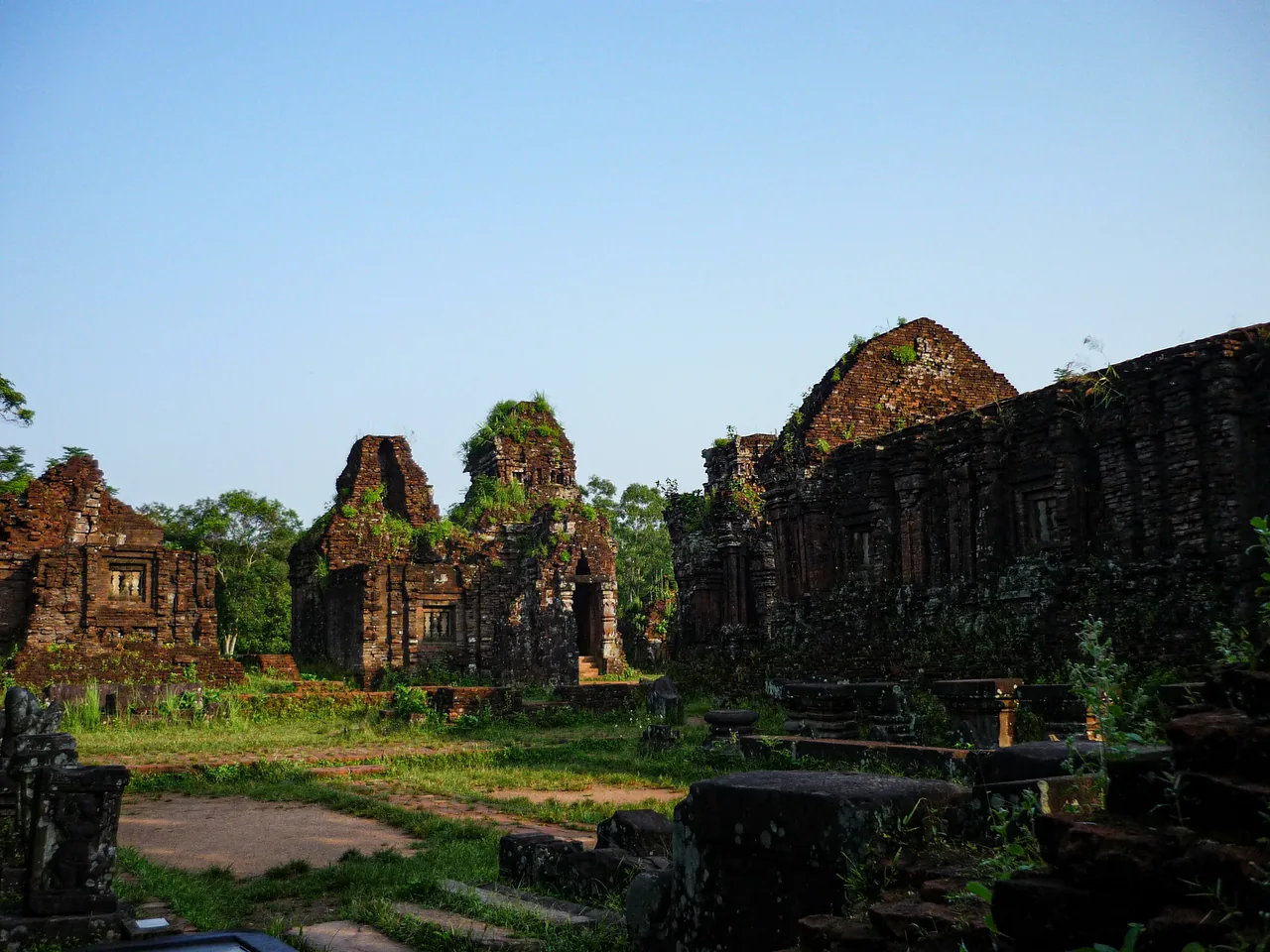
Red-brick Cham temple towers at My Son Sanctuary
My Son’s brick temple-towers were built by the Champa Kingdom and dedicated to Shiva over nearly a thousand years. (© Philip Nalangan / CC BY 4.0)

Map

⚡ Quick Facts
⏰ Hours06:00–17:00
💵 Entry / price150,000 VND foreigners (incl. shuttle & dance show)
📍 LocationDuy Phu, Duy Xuyen — ~40 km / 1 hr from Hoi An📍 Map →
🚗 Getting thereDay tour, or Grab/private car ~1 hr from Hoi An
⏱️ Time neededHalf day (3–4 hours)
📅 Best timeSunrise (~6–8 am) — cool & beats the crowds
🔗 Official sitemysonsanctuary.com.vn

1. My Son: What It Is & Why It Matters

My Son is a UNESCO World Heritage Site (listed in 1999): a cluster of Hindu brick temple-towers built by the Champa Kingdom between roughly the 4th and 13th centuries, dedicated to the god Shiva. For a thousand years it was the spiritual and political heart of Champa — the largest and most important Cham site in Vietnam.

What makes it special:

  • Living history: generations of Cham kings built and rebuilt here, leaving towers (kalan) in distinct architectural styles across the centuries.
  • The brick mystery: the towers are built of fired brick with almost no visible mortar — how the Cham bonded them is still debated.
  • War scars: US bombing in 1969 destroyed much of the finest group (Group A); bomb craters are still visible among the ruins.
💡 Think of My Son as atmosphere over scale — it’s smaller than Angkor, but the jungle-valley setting and ancient brickwork are genuinely moving, especially early in the day.

2. Tickets, Hours & What’s Included

One ticket covers more than you might expect:

ItemDetail (2026)Notes
Entry ticket≈ 150,000 VND ($6)Includes shuttle + dance show
Electric shuttleIncludedBuggy from the gate to the temple area
Cham dance showIncludedShort apsara performance, several times daily
Opening hours~6:00–17:00 dailyOpen early for sunrise visits
💡 The ticket price already bundles the buggy ride and the dance, so you don’t need to buy anything extra at the gate — just budget a little for water and a guide if you want one.

3. Best Time to Visit

Timing makes or breaks a My Son visit, for two reasons — heat and crowds:

  • Go at opening / sunrise (around 6am). The valley is cool and quiet, the light is beautiful on the brick, and you beat the tour buses.
  • Avoid mid-morning to early afternoon, when coach groups arrive and the sun is harsh — there’s very little shade among the ruins.
  • Dry season is best (roughly February–August); check our Da Nang weather guide before you plan, as the valley can be wet and muddy in the rainy months.
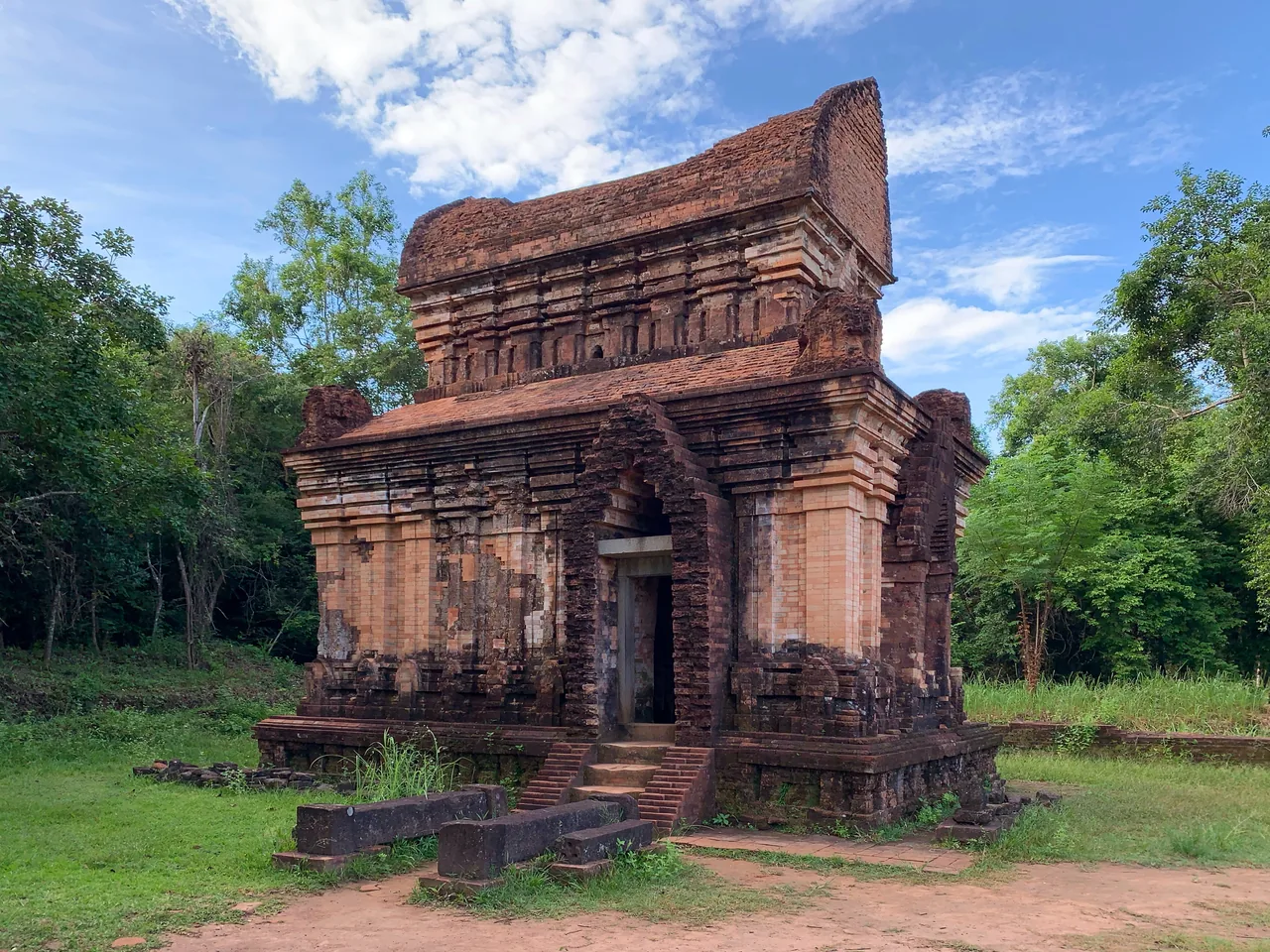
⚠️ By 9–10am in summer it gets genuinely hot and busy. A sunrise start is the single biggest upgrade to the experience.
Ancient Cham carvings and ruins at My Son
The carved sandstone and mortar-less brickwork are the signature of Cham temple-building. (© Chainwit. / CC BY 4.0)

4. How to Get to My Son

My Son sits off the main tourist track, so plan your transport. The options:

OptionApprox. priceBest for
Join-in group tour~$6–18Easiest & cheapest; includes transport + guide
Sunrise tour~$15–30Beating crowds & heat; small groups
Private car + driver~$40–60Families, flexibility, your own schedule
Motorbike / easy riderrental + fuelIndependent riders (≈45 min from Hoi An)

From Hoi An it’s about 40 km / 45 minutes; from Da Nang roughly 1–1.5 hours. A ride app works one-way but is pricey and won’t wait, so a tour or private car is usually better value for a round trip.

💡 The classic budget move is a half-day group tour from Hoi An; the upgrade is a sunrise tour, often returning by boat down the Thu Bon River.

5. What to See: The Temple Groups

The ruins are organised into lettered groups (A to H). You won’t need them all — focus on the best-preserved:

🛕 Groups B, C & D

The best-preserved core — temple-towers, carved lintels and a small display of sculpture. Start here.

💥 Group A

Once the grandest tower, largely destroyed by 1969 bombing — the craters nearby tell the story.

🗿 Carvings & lingam

Look for Shiva imagery, dancing apsaras and the lingam-yoni altars at the heart of the Hindu worship.

💡 A guide (or a good audio/app guide) turns piles of old brick into a story — well worth it to understand the groups, styles and symbolism.

6. The Cham Dance & On-site Experience

Your ticket includes a short Cham (apsara) dance performance at the on-site theatre — graceful traditional dance and music that bring the carvings on the towers to life. Performances run several times a day, so check the board when you arrive.

  • Layout: from the gate an electric buggy drops you near the temple groups; it’s then a flat, short walk between them.
  • Small museum / displays near the entrance give context on Champa history and the site’s rediscovery.
  • Time needed: 2–3 hours is comfortable for the towers, the dance and a wander.
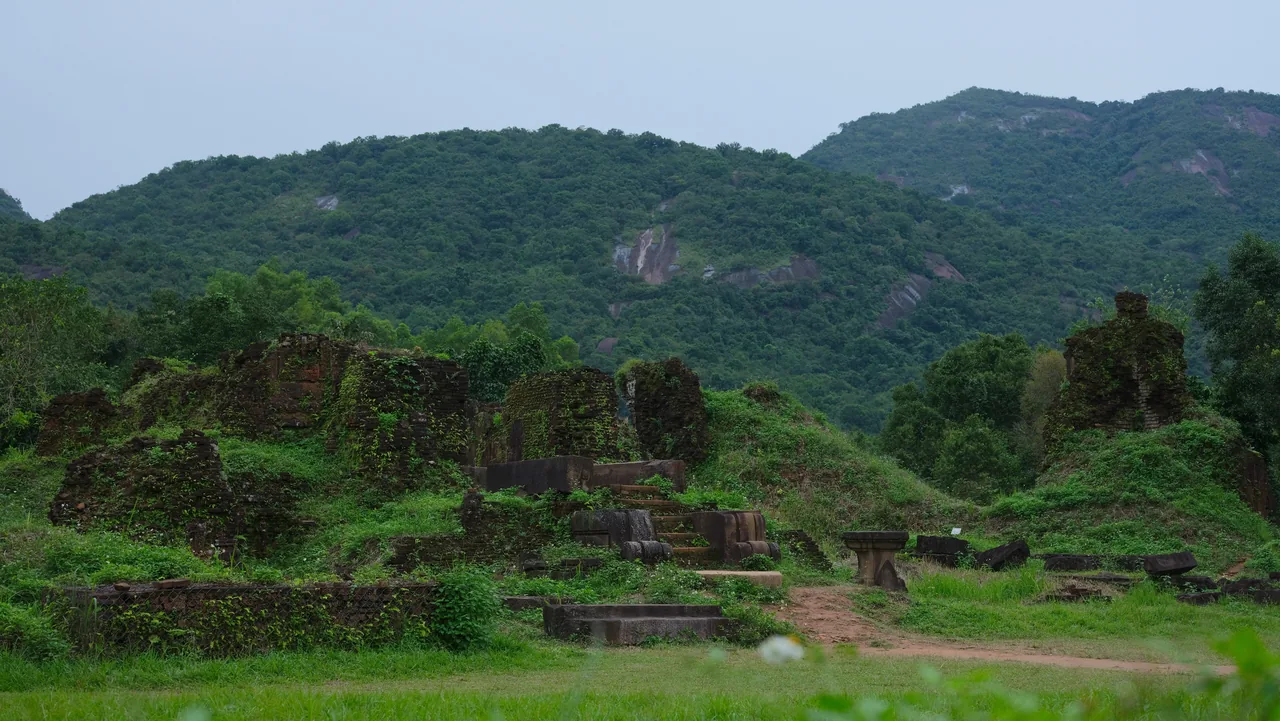
My Son temple ruins in a green mountain valley
The sanctuary sits in a secluded valley ringed by mountains — atmospheric in the early-morning mist. (© Tycho / shansov.net / CC BY 3.0)

7. Combine It with Hoi An (or a Sunrise Loop)

My Son is in the same direction as Hoi An, which makes pairing them natural:

  • Sunrise + Hoi An: do My Son at dawn, then spend the rest of the day in Hoi An — the classic combo.
  • Boat return: many tours come back by boat down the Thu Bon River, with a stop at a craft village.
  • Two big day-trips: pair it on another day with Ba Na Hills for Da Nang’s headline mountain experience.
💡 If you only have time for one cultural day trip from Hoi An, My Son at sunrise is the one to pick.

8. Practical Tips

  • Sun protection: there’s almost no shade — bring a hat, sunscreen and water.
  • Good shoes: the ground is uneven brick and packed earth; skip the flip-flops.
  • Dress respectfully: it’s a sacred heritage site — cover shoulders and knees.
  • Go early: beat the heat and the buses (worth repeating!).
  • Cash: have small notes for the ticket, water and any guide.
  • Stay on paths: the brickwork is fragile and the site is protected — don’t climb the towers.

🎟️ Book this experienceCompare on KlookCompare on KKday
Affiliate link — we may earn a commission at no extra cost to you.

🚗 See Da Nang car charter on Klook
Affiliate link — we may earn a commission at no extra cost to you.

📚 More Central Vietnam guides
★ Start here Vietnam Travel Guide: Regions, Best Time, Itineraries, Costs & Visas
🎡Things to Do47
A Day Trip to Hue from Da Nang: Citadel, TombsA Hoi An Cooking Class: Which to Pick & What You’ll MakeBa Na Hills & the Golden Bridge: The Complete Guide (Tickets, Cable Cars, One-Day Plan)Cu Lao Cham Day Trip from Hoi An: Fares, Rules, What’s OpenDa Nang Activities: The Tours & Experiences Worth BookingDa Nang Dolphinarium: The ‘Dance of the Ocean’ Dolphin ShowDa Nang for Couples & Honeymooners: Five-Star Romance for Half the PriceDa Nang Itinerary: 3, 4 and 5 Day Plans That WorkDa Nang Nightlife: What Costs Money, What Shuts WhenDa Nang Travel Guide 2026: The Complete Plan (Flights, Weather, Hotels, Food & More)Da Nang vs Nha Trang: Which Beach City Fits Your Trip?Da Nang vs Phu Quoc: City-and-Culture or Island-and-Resort?Da Nang with Kids: The Family Trip That Actually WorksDa Nang’s Best Beaches: Which One Is Right for You?DIFF 2026: Da Nang’s Fireworks Festival — Dates, Tickets & Where to WatchDragon Bridge, Da Nang: Fire-Show Times & Where to StandGolf in Da Nang: The Best Courses, Green Fees & Tee TimesHalal Da Nang: Muslim-Friendly Food, Mosques & Prayer SpotsHoi An Beaches: An Bang vs Cua Dai — Which One to Choose?Hoi An in 1, 2 or 3 Days: A Day-by-Day ItineraryHoi An Travel Guide: Ancient Town, Lanterns & TailoringHoi An’s Lantern Festival: Dates, What HappensHue Travel Guide: Vietnam’s Imperial Capital, Done ProperlyLap An Lagoon: Da Nang’s Mirror-Water SunriseLiving in Da Nang as a Digital Nomad: Costs, Wi-FiMang Den: Vietnam’s ‘Second Da Lat’ and the Central Highlands SecretMarble Mountains Da Nang: Tickets, the Elevator, and the Am Phu Cave Ticket TrapMassage & Spa in Da Nang: What to Book and What to PayMikazuki Water Park, Da Nang: Indoor Slides, OnsenMy Khe Beach, Da Nang: The Sand, the SurfNui Than Tai Hot Springs Park: The Complete Day-Trip GuidePhong Nha Caves: A Complete Guide to Vietnam’s Greatest Cave CountryRainy Day in Da Nang? 15 Things to Do When the Weather TurnsShopping in Da Nang: What to Buy at Han MarketSon Tra & the Lady Buddha: Da Nang’s Best Sunset ViewpointThe Best Day Trips from Da Nang: Where to Go Beyond the CityThe Best Things to Book in Hoi An: Tours, Classes & Boat RidesThe Best Time to Visit Da Nang: A Month-by-Month BreakdownThe Cham Sculpture Museum, Da Nang: Is It Worth a Visit?The Golden Bridge, Da Nang: Vietnam’s Giant Hands BridgeThe Hai Van Pass: Da Nang to Hue by Bike, Car or Easy RiderThe Hoi An Basket Boat Ride: Worth It? Prices, TipsThe Lady Buddha & Linh Ung Pagoda: Da Nang’s Tallest StatueThings to Do in Da Nang: The Attractions Actually Worth Your TimeThings to Do in Hoi An: Beyond the LanternsTra Que Herb Village, Hoi An: A Calm Half-Day in the GardensVegan & Vegetarian Da Nang: Where to Eat, and How to Order
🍜Food8
🏨Where to Stay5
🚇Getting Around7
🧭Travel Tips20
🧭Vietnam-wide essentials29
District 4 Seafood Street: Vĩnh Khánh Ốc GuideGrab vs Xanh SM vs Be in Vietnam (2026): Which Ride App Is Cheapest & How to Use ThemHa Long Bay Cruise: The Complete Guide to Choosing the Right OneHanoi to Ninh Binh Day Trip: Trang An, Mua Cave & How to Do It RightHanoi Travel Guide 2026: The Old Quarter, Hoan Kiem Lake & Everything First-Timers NeedHo Chi Minh City (Saigon) Travel GuideIs Vietnam Safe? Every Tourist Scam in 2026 & the 4 Rules That Stop ThemLong Thanh International Airport: What Travelers Need to Know Before It OpensMoney in Vietnam: Cash or Card, ATMs, and How Much to BringNha Trang in the Rainy Season (Sep-Nov): Is It Still Worth It? An Honest GuideNha Trang Travel Guide: Islands, Diving, Mud Baths & the Dry-Season Beach CityNorthern Vietnam: Hanoi, Ha Long, Sapa & Ha Giang, in One PlanPhu Quoc Travel Guide: Everything You Need to Know Before You GoPhu Quoc: When to Go, Month by MonthSapa, Vietnam: A Complete Guide to the Rice Terraces, the Trekking & FansipanSouthern Vietnam Itinerary 2026: Ho Chi Minh City & the Whole South, Planned RightSymphony of the Sea or Kiss of the Sea: Which Should You See?Tết Trung Thu: A Traveller’s Guide to Vietnam’s Mid-Autumn FestivalThe Best eSIM for Vietnam: An Honest ComparisonThe Ha Giang Loop: The Complete Guide to Vietnam’s Greatest RideThings to Do in Phu Quoc: The Complete Activities GuideVietnam City-to-City Travel: Trains, Buses, FlightsVietnam Entry Requirements 2026: Health Declaration + Digital Arrival Card for Da Nang, Ho Chi Minh City & HanoiVietnam eSIM & SIM Card (2026): Best Plans, Prices & How to Set It UpVietnam Travel Guide: Regions, Best Time, Itineraries, Costs & VisasWhere to Stay in Hanoi: Best Areas and HotelsWhere to Stay in Ho Chi Minh City (Saigon): Best AreasWhere to Stay in Nha Trang: Zones & HotelsWhere to Stay in Phu Quoc: The 5 Best Areas, Decoded Honestly
Browse all our Vietnam guides →

Frequently asked questions

Q. Is My Son worth visiting?
Yes — it’s central Vietnam’s most important ancient site, a UNESCO-listed cluster of Champa Hindu temples in an atmospheric jungle valley. It’s smaller than Angkor, but a sunrise visit is genuinely memorable and easy to combine with Hoi An.
Q. How much does My Son cost?
Entry is about 150,000 VND ($6), which already includes the electric shuttle from the gate and a short Cham dance performance. A group tour from Hoi An adds transport and a guide from roughly $6–18.
Q. How do I get to My Son from Hoi An or Da Nang?
From Hoi An it’s about 40 km / 45 minutes; from Da Nang roughly 1–1.5 hours. The easiest options are a join-in group tour or a sunrise tour; a private car suits families, and confident riders can take a motorbike.
Q. What is the best time to visit My Son?
Sunrise or early morning — the valley is cool and quiet, the light is best, and you beat the tour buses that arrive mid-morning. The dry season (roughly February–August) is the most reliable.
Q. How long do you need at My Son?
About 2–3 hours is comfortable to see the main temple groups, watch the Cham dance and walk the site without rushing.
Q. What is My Son famous for?
It’s the largest and most important sanctuary of the Champa Kingdom — Hindu brick temple-towers dedicated to Shiva, famous for their mortar-less brickwork and as a UNESCO World Heritage Site.
Q. Can you visit My Son and Hoi An in one day?
Yes — they’re in the same direction, so the classic plan is My Son at sunrise followed by Hoi An for the rest of the day, often with a scenic boat return down the Thu Bon River.
Q. Do I need a guide at My Son?
Not required, but recommended — a guide or a good audio/app guide turns the ruins into a clear story of Champa history, the temple groups and their symbolism.

🧭 Complete Da Nang travel guide →