Da Nang in September: The Rain Returns — Is It Still Worth It?
September is when Da Nang’s wet season truly begins — the sea stays warm and prices fall, but rain roughly triples and it’s the heart of typhoon season. Here’s the complete, honest guide.
Last updated & verified: August 2026
Da Nang in September, in 60 seconds
Cooler but much wetter: daytime highs ease to around 31–32°C, but rain jumps to roughly 300mm+ — nearly triple August — as the wet season arrives.
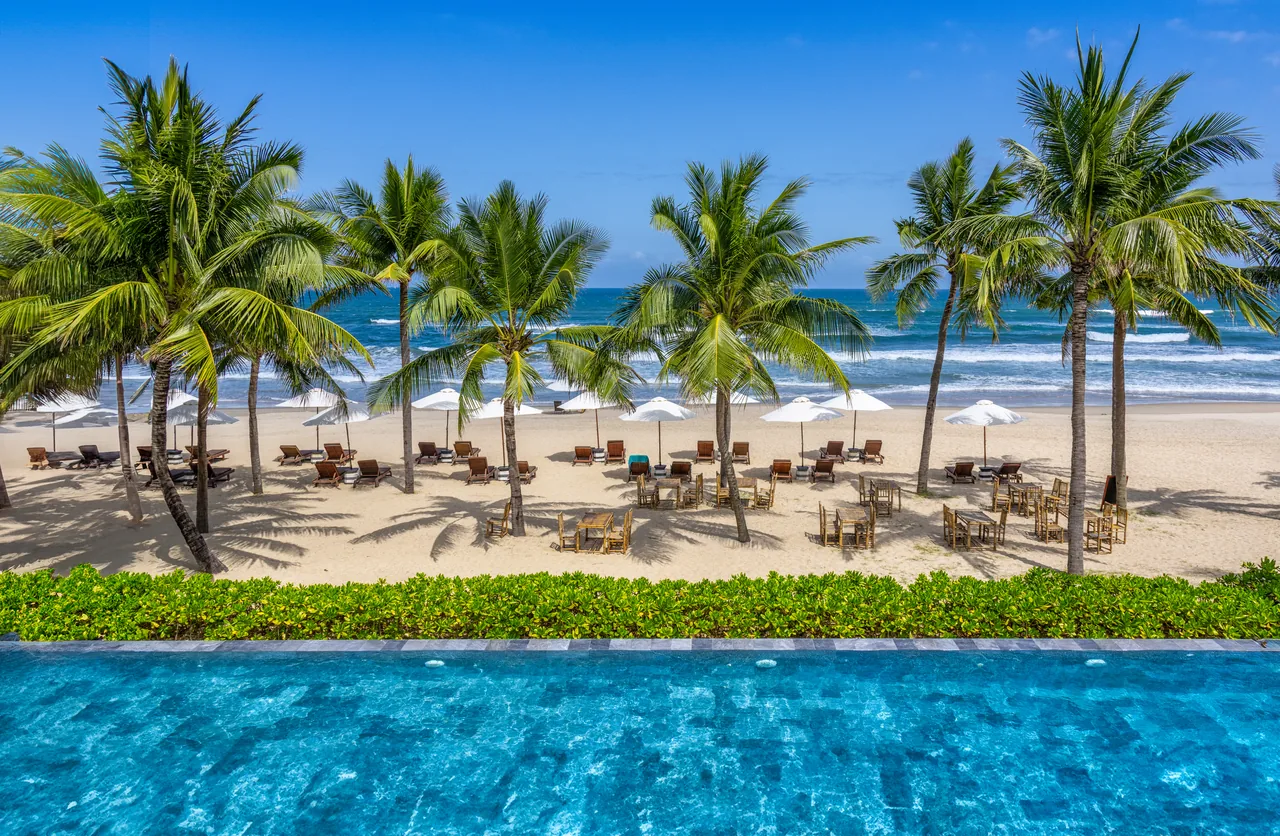
The sea is still warm: around 29°C and usually swimmable between showers, so beach mornings are still on.
It’s typhoon season: September is the start (and one of the peaks) of Da Nang’s typhoon season — most years are fine, but check forecasts and book flexibly.
Great value: as Vietnamese schools are back, crowds thin and hotel prices drop — September is one of the best months for deals.
Special festivals: National Day (2 Sep) brings a busy long weekend, and the Mid-Autumn Festival (around 25 Sep 2026) lights up Hoi An with lanterns.
September is the month Da Nang changes gear. The fierce heat of high summer softens, the crowds melt away as the school holidays end, and hotel prices slide to some of the best rates of the year — but in return the skies open and the real wet season begins. Rainfall roughly triples compared with August, and September marks the start of central Vietnam’s typhoon season. It’s not all grey, though: the sea stays bath-warm, mornings are often bright, and two of the year’s loveliest events — National Day and the lantern-filled Mid-Autumn Festival — fall this month. This is a complete, no-spin guide to Da Nang in September: detailed weather, the truth about typhoons, the state of the sea, what to do (rain or shine), what’s on, and exactly what to pack. Note: figures are typical long-term averages; any given year can be wetter or drier, so always check a live forecast close to your trip. (Comparing months? See our Da Nang in August guide and July guide, or the full Da Nang weather guide.)
In short: September trades summer’s heat and crowds for rain and great value. You still get a warm sea and bright mornings, but afternoons and evenings bring a real chance of heavy showers, and it’s the start of typhoon season. Here’s the quick picture:
What to expect
September in Da Nang
Daytime high
around 31–32°C
Night-time low
around 24–25°C
Sea temperature
~29°C — the tail of the year’s warm plateau
Rain
high (~300mm+); heavier afternoon/evening showers
Rainy days
roughly 14–18 days with some rain
Humidity
high, ~82–85% (muggy)
Typhoon risk
season begins — possible, usually short-lived
Crowds
quiet — schools back, low season begins
Hotel prices
low — one of the best-value months
Verdict
great value & warm sea, if you don’t mind rain
One-line summary: September = warm sea, low prices, but real rain. Plan beach and outdoor time for the morning, keep a flexible rainy-day list, and watch the forecast.
🎟️ Rain roughly triples to 300mm or more in September and the typhoon window opens, so front-load Ba Na Hills, the islands and anything outdoors into your first mornings and choose flexible tickets.See on Klook →See on Viator →See on KKday →See on Trip.com →Affiliate link — we may earn a commission at no extra cost to you.
2. September Weather in Detail: How It Compares to August
September is noticeably gentler on temperature than mid-summer — daytime highs ease to around 31–32°C and nights to about 24–25°C — but it pays that back with rain. This is the headline of the month: September is far wetter than August, with monthly rainfall jumping to roughly 300mm or more (versus around 115–190mm in August) as the wet season properly sets in. Showers are heavier and more frequent, and while many days still start bright, downpours later in the day are common and can occasionally last for hours rather than minutes.
Here’s how late summer turns into the wet season across three months, so you can choose your dates with eyes open:
Aspect
August
September
October
Daytime high
~33–34°C
~31–32°C
~30°C
Sea temperature
~30°C
~29°C
~28°C
Rain (monthly)
moderate
high (~300mm+)
highest (peak wet)
Sunshine
high
mixed, brighter mornings
lower
Typhoon risk
low
season starts
peak
Crowds & prices
peak early, easing
low — great value
low
The trend is clear: from August into October it gets cooler, wetter and quieter. Early September is the driest, brightest part of the month and feels closest to late summer; by late September the rain ramps up towards October’s peak. If you want summer beach weather, lean to August (see our August and July guides); if you want value and don’t mind rain, September delivers.
3. Typhoons & the Rainy Season: What You Really Need to Know
Short answer: yes, September is properly the rainy season, and it’s the start of Da Nang’s typhoon season — but most trips are completely fine with a little planning. Central Vietnam’s typhoon window runs roughly from September to December, with the peak in September–October. That doesn’t mean a storm every week; in a typical September you’ll get frequent heavy showers and perhaps one unsettled, stormy spell, while plenty of days stay warm and bright. Direct, severe typhoons are the exception, not the rule — but they do happen, so it’s the one month where weather genuinely deserves respect.
How to travel smart in September:
Buy travel insurance that covers weather disruption, and favour flexible/refundable bookings for flights and hotels.
Front-load outdoor plans (beach, Ba Na Hills, islands) to the start of your trip and to mornings, when skies are clearest.
Check a live forecast a few days out. If a named storm is approaching, follow local advisories and your accommodation’s guidance, and keep a flexible day or two in your itinerary.
Don’t panic-cancel: a wet forecast usually just means showers, and Da Nang has plenty of great rainy-day options (below).
If a typhoon is forecast: stay indoors during the worst of it, avoid the beach and boat trips, charge devices, and follow official advice. Storms usually pass within a day or two. For staying safe and savvy generally, see our Vietnam safety guide.
4. The Sea & Beaches in September
Here’s the good news for beach lovers: the sea in September is still warm, averaging around 29°C — perfectly swimmable. On the many bright mornings, Da Nang’s long city beaches are still a joy, and with fewer crowds you’ll often have great stretches of sand nearly to yourself.
Beach timing: mornings are your best bet — they’re the calmest, sunniest, and least likely to be rained off. Afternoons carry the higher shower risk.
Sea conditions: as the wet season sets in, the sea gets choppier and currents stronger, especially after rain or when a storm is offshore. Always swim between the flags, heed lifeguard signals, and stay out of the water in rough conditions.
Islands & boat trips: Cham Islands tours wind down through September and are very weather-dependent now — they may not run on stormy days, so book flexibly and confirm the day before.
After heavy rain: there can be more debris near shore and murkier water for a day or so; a quick look at conditions on arrival helps.
For the full rundown of the city’s main beach — the best stretches, sun-lounger prices and safety flags — see our My Khe Beach guide.
5. Crowds, Prices & Value: Why September Can Be a Bargain
If you’re watching your budget, September is one of the best months to visit Da Nang. With Vietnamese schools back in session and the international summer crowd gone, the city shifts into low season: beaches are quiet, big attractions are uncrowded, and hotels drop their rates significantly. The trade-off, of course, is the weather — but if you can roll with some rain, the value is excellent.
Hotel prices are among the lowest of the year, and you’ll find strong deals on beachfront resorts that are fully booked in summer.
Attractions and restaurants are calm — no long queues at Ba Na Hills, easy beach loungers, relaxed dining.
One busy spike: the National Day holiday (2 September) brings a long weekend when domestic travel surges — book that period ahead if it overlaps your trip.
Where to stay? Compare our pick of the best Da Nang beach resorts & hotels, and choose somewhere with a good pool, spa or indoor facilities so a rainy afternoon is no problem.
6. The Best Things to Do in Da Nang in September
September rewards a flexible, weather-aware plan: chase the bright mornings outdoors, and keep cooler, covered options ready for showery afternoons.
Beach mornings: swim and relax early, before the afternoon clouds build.
Ba Na Hills: ride the record-breaking cable car and walk the Golden Bridge — the mountain is cooler and atmospheric in the mist (a clear morning is best). See our Ba Na Hills guide.
Hoi An for Mid-Autumn: if your trip lands near late September, the lantern-lit old town is unmissable, especially around the festival — see our Hoi An guide.
Marble Mountains: caves, temples and viewpoints that are partly sheltered — a great pick if clouds roll in.
Eat everything: cooler, rainy weather is perfect for Da Nang’s hot bowls of noodles and soup — dive into our Da Nang food guide.
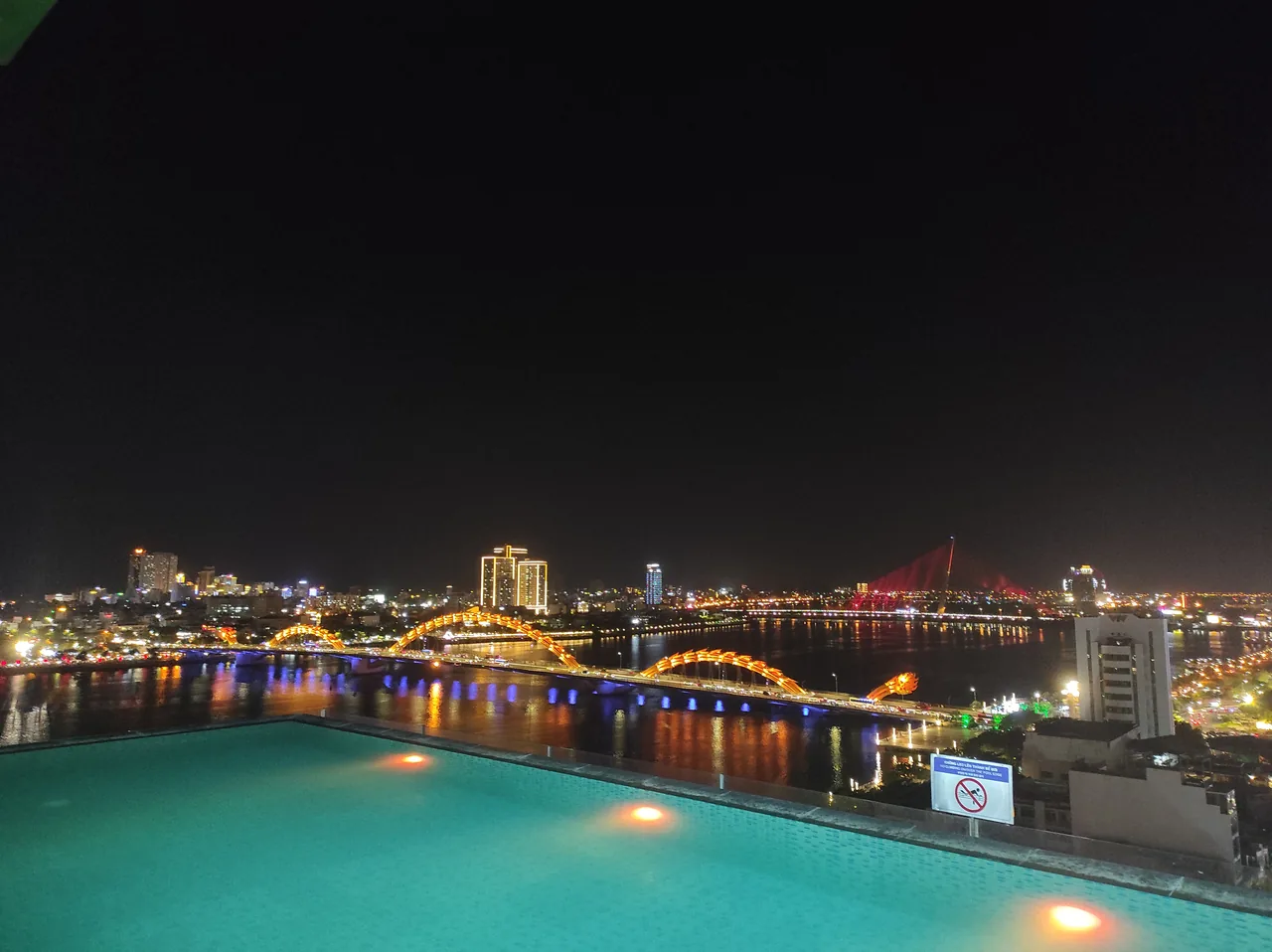
City evenings: the Dragon Bridge, riverside cafés and night markets shine after dark, rain or shine.
7. Rainy-Day & Indoor Backup Plans
September makes a solid “Plan B” essential — but the upside is that a Da Nang shower often passes within the hour, and even on a wet day there’s plenty to enjoy under cover. Keep this shortlist handy:
Rainy-day option
Why it works in the wet
Marble Mountains caves
Sheltered caverns, shrines & tunnels to explore
Cham Museum of Sculpture
Indoor, fascinating, and quick to reach
A cooking class
Hands-on, indoor, and you eat the results
Spa or massage
Perfect downtime while it pours
Café or coffee crawl
Da Nang’s café scene is excellent & cosy
Shopping malls & markets
Vincom, Lotte Mart and Han Market stay dry
Mikazuki water park & onsen
Indoor pools & hot springs — rain-proof fun
Pro move: carry a compact umbrella or poncho everywhere, and treat a downpour as a built-in coffee break. By the time you’ve finished a Vietnamese iced coffee, the sky has often cleared.
8. Festivals & What’s On: National Day & Mid-Autumn
September is quieter than the fireworks-filled early summer — the Da Nang International Fireworks Festival (DIFF) is long over (it ends in mid-July; see our DIFF fireworks guide) — but it has two lovely events of its own.
National Day (2 September) celebrates Vietnam’s independence with a public holiday, a festive atmosphere and sometimes fireworks or events around the city. It’s also a peak domestic travel weekend, so expect busier beaches and book ahead if your dates overlap.
The Mid-Autumn Festival (Tết Trung Thu) falls on the 15th day of the eighth lunar month — around 25 September in 2026. It’s a joyful children’s festival of mooncakes, lion dances and glowing lanterns. Nearby Hoi An is the place to experience it: the old town is already famous for its lanterns, and the festival turns the riverside magical. See our Hoi An guide to plan the trip.
9. What to Pack for September’s Heat, Rain & Storms
September asks you to prepare for warmth, humidity and proper rain all at once. Pack for all three and you’ll stay comfortable:
A reliable rain layer: a compact umbrella and a light rain jacket or poncho — September showers can be heavy.
Quick-dry clothing & sandals that cope with wet pavements; a spare pair of shoes is wise.
Light, breathable clothes (cotton/linen) for the warm, humid days, plus swimwear.
Sunscreen, sunglasses & a hat — the sun is still strong on bright mornings.
A waterproof phone pouch or dry bag, a light layer for fierce air-conditioning, and a modest cover-up for temples.
Rainy-season strategy: start early to bank outdoor time, retreat to a café or indoor sight during heavy afternoon rain, and head back out once it clears. Keep your itinerary flexible so you can swap a beach day for an indoor one at short notice.
10. So, Is September a Good Time to Visit Da Nang?
Yes — if value and a warm sea matter more to you than guaranteed sunshine. September gives you low-season prices, peaceful beaches, a still-swimmable sea and two special festivals, in exchange for much more rain and the start of typhoon season. For many travellers that’s a great deal; for others, the weather risk is a dealbreaker.
September is ideal for budget-minded travellers, couples and anyone who wants Da Nang without the crowds and is relaxed about rain. It’s less ideal if you need reliable all-day sunshine, are travelling with a tight, unmovable schedule, or would find a stormy spell stressful — in which case the drier late summer suits you better (compare our August and July guides). If you do come, the keys are simple: travel insurance, flexible bookings, morning-first plans and a good rainy-day list.
Plan around the rain, stay flexible, and September can be a brilliant, great-value trip. Map out the rest with our complete Da Nang travel guide.
🌧️ Travelling Sept–Nov? Our rainy & typhoon-season planning guide covers the go-or-no-go call, the danger weeks, insurance and what still works in the rain.
🏨 September is when the beachfront resorts that stay full all summer start discounting, and the only busy patch is the National Day long weekend — pick a place with a spa and the rain stops mattering.See on Trip.com →See on Agoda →See on Expedia →Affiliate link — we may earn a commission at no extra cost to you.
Q. What is the weather like in Da Nang in September?
September is warm and humid but much wetter than summer, with daytime highs around 31–32°C, nights about 24–25°C and humidity of 82–85%. Monthly rainfall jumps to roughly 300mm+ over about 14–18 days as the wet season begins, though many days still start bright before afternoon or evening showers.
Q. Is September a good time to visit Da Nang?
It’s great for value and quiet beaches if you can handle rain. The sea is still warm (~29°C), crowds are gone and hotel prices are among the lowest of the year. If you need guaranteed all-day sun, the drier late summer (July–August) is a safer bet.
Q. Is September the rainy season in Da Nang?
Yes — September is the start of the wet season, with rainfall roughly tripling from August to around 300mm+. Rain comes as heavier, more frequent afternoon and evening showers, building towards the October–November peak.
Q. Are there typhoons in Da Nang in September?
September is the start of Da Nang’s typhoon season, which runs roughly September to December and peaks in September–October. A direct, severe typhoon in any given week is uncommon, but possible — so buy travel insurance, book flexibly, check forecasts, and follow local advisories if a storm is named.
Q. Can you swim in Da Nang in September?
Usually yes — the sea averages around 29°C and is warm enough to swim, with the calmest, brightest conditions in the morning. But the wet season makes the sea choppier and currents stronger, especially after rain or near a storm, so swim between the flags and stay out in rough conditions.
Q. Is September cheaper than summer in Da Nang?
Yes. With Vietnamese schools back and the summer crowds gone, September is low season — hotel prices are among the lowest of the year and beachfront resorts that are full in summer offer strong deals. The main exception is the busy National Day long weekend (around 2 September).
Q. Is the Da Nang fireworks festival on in September?
No. The Da Nang International Fireworks Festival (DIFF) finishes in mid-July, so there’s no fireworks competition in September. To catch it, plan for June or early July instead.
Q. What festivals are in Da Nang in September?
Two stand out: National Day on 2 September (a public holiday with a festive atmosphere and a busy travel weekend), and the Mid-Autumn Festival (Tết Trung Thu), which falls around 25 September in 2026 — a children’s festival of mooncakes, lion dances and lanterns, best experienced in nearby lantern-lit Hoi An.
Q. What should I do in Da Nang if it rains in September?
Plenty stays open under cover: the Marble Mountains caves, the Cham Museum, a cooking class, a spa or massage, a café crawl, the shopping malls, or the indoor pools and onsen at Mikazuki. Showers often pass within an hour, so carry an umbrella and treat the rain as a coffee break.
Q. What should I pack for Da Nang in September?
Pack for warm, humid weather and proper rain: a compact umbrella plus a light rain jacket or poncho, quick-dry clothing and sandals, light breathable clothes and swimwear, sunscreen and a hat for bright mornings, a waterproof phone pouch, a light layer for air-conditioning, and a modest cover-up for temples.