
Vietnam in February: Weather, Where to Go, Beaches and How Tết Changes Your Trip
February is the driest month in the south and in Da Nang and Hoi An, while Hanoi, Ha Long and Sapa turn grey and damp. This guide covers the weather in 18 places, where you can swim, what to pack, and how Tết affects transport, hotels and opening hours.
| Best places to go | Phu Quoc, Ho Chi Minh City, the Mekong Delta, Da Nang, Hoi An and Da Lat, all dry and sunny with little or no rain. |
|---|---|
| Beach and swimming | Phu Quoc is the easy choice, Da Nang is dry but the sea is at its coldest, Nha Trang can be rough around Tết and Mui Ne is very windy. |
| The north | Hanoi is around 21°C by day but often grey, drizzly and damp, and Sapa is still cold and misty on most days. |
| Tết | The date moves every year and often lands in February, bringing about a week of closures and roughly a month of busy transport. |
| What to pack | Summer clothes for the south, a light jacket for the centre, a warm jacket and umbrella for Hanoi, and winter clothes for Sapa and Ha Giang. |
1. Where to go in Vietnam in February
2. Why the south is dry and the north is grey
3. How Tết affects a February trip
4. Phu Quoc: dry, warm and calm
5. Ho Chi Minh City and the Mekong Delta
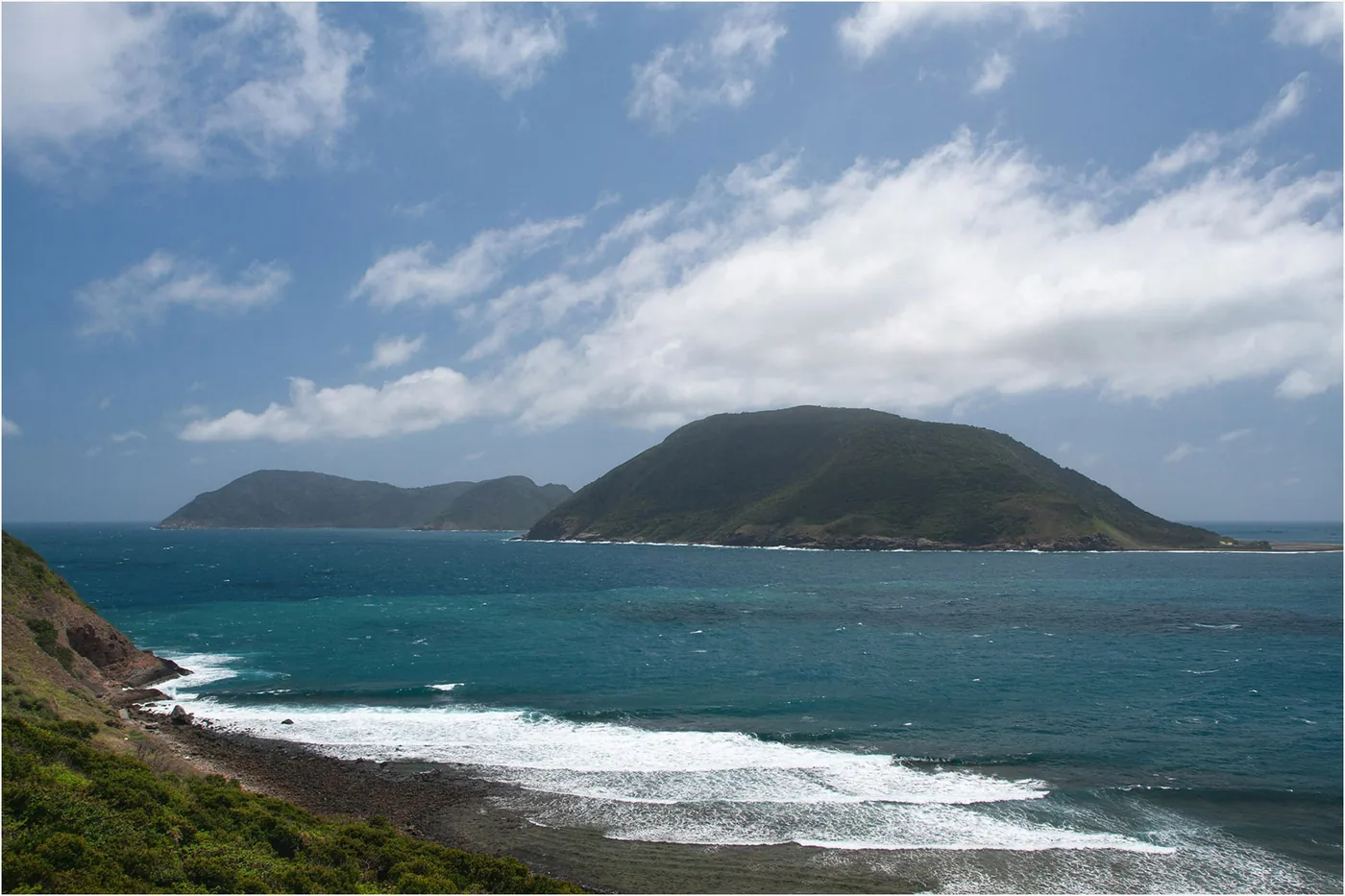
6. Con Dao: dry, but still breezy
7. Da Nang: dry and mild, with a cool sea
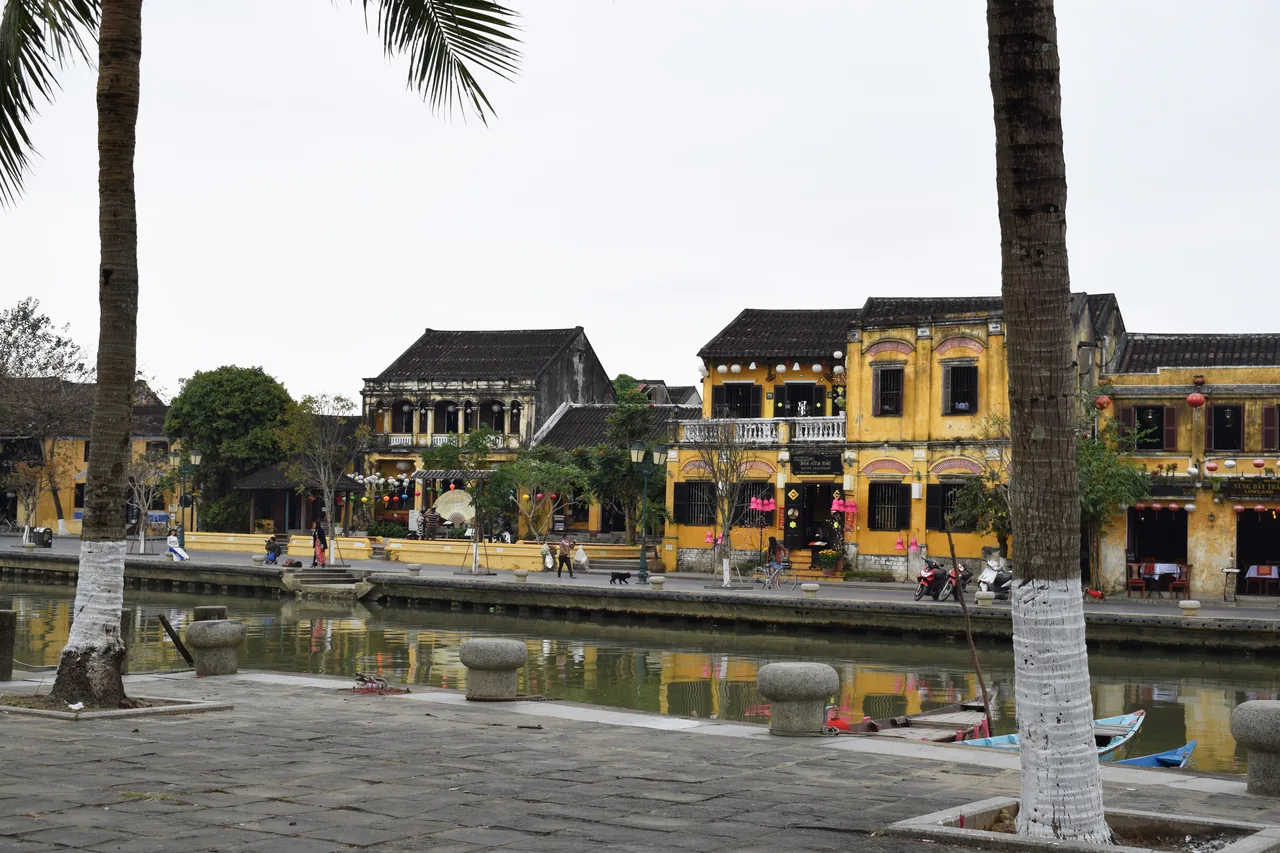
8. Hoi An: lantern nights and a Tết pause
9. Hue: drier than January, but not dry yet
10. Phong Nha: caves open, cool and cloudy
11. Nha Trang: sunny, but check the waves
12. Mui Ne and Phan Thiet: windy and dry
13. Da Lat and Mang Den: sunny days, cold nights
14. Is Hanoi cold in February?
15. Ninh Binh: boats running, festivals after Tết
16. Ha Long Bay, Cat Ba and Hai Phong
17. Sapa and Ha Giang: cold, misty and blossoming
18. Festivals after Tết
19. Holidays from other countries in February
20. What to pack for Vietnam in February
21. Booking and getting ready
22. January, February or March?
1. Where to go in Vietnam in February
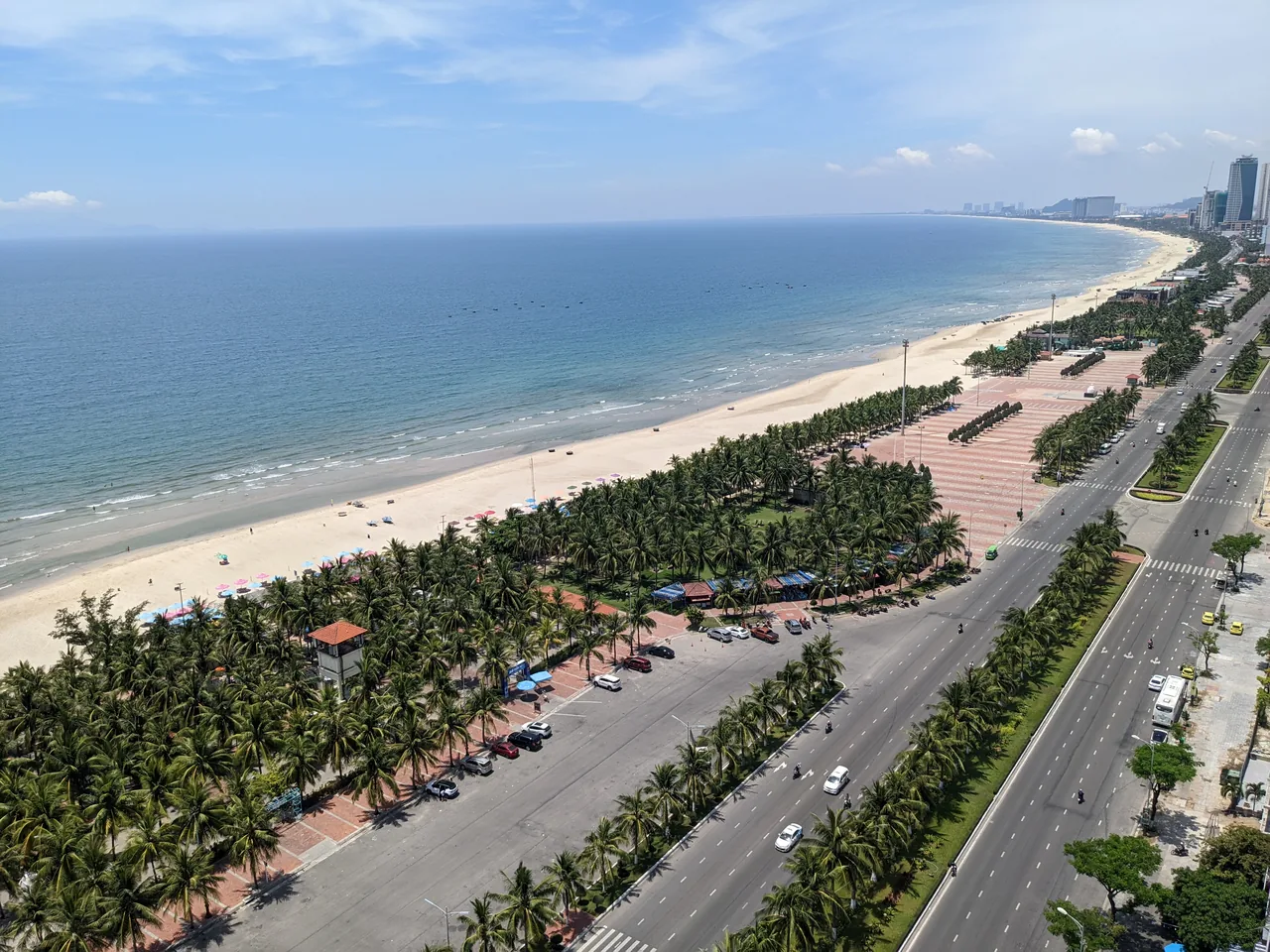
Head south or to the central coast. February is the driest month of the year in Ho Chi Minh City, the Mekong Delta and Phu Quoc, and Da Nang and Hoi An have just finished their rainy months, so they get less rain now than at any other time of year. Da Lat is sunny too, with warm days and cold nights.
The north is different. Hanoi, Ninh Binh and Ha Long Bay are a little warmer than in January, but the sky is often grey, light drizzle is common and everything feels damp. Sapa is still cold and misty on most days. You can travel there, but bring a warm jacket and an umbrella and expect few blue skies.
The other thing to check before you book is Tết, the Lunar New Year. Its date moves every year and in many years it falls somewhere in February. During that week trains, flights and resort hotels fill up and many local restaurants close for a few days, and tickets stay hard to get for a few weeks either side. In years when Tết falls in January, February is usually easier, although the first part of the month can still be busy for transport.
February weather in 18 destinations
The table lists a typical daytime high and night-time low for each place, what the rain is like, and the one thing worth knowing about it in February.
| Destination | Day | Night | Rain | In February |
|---|---|---|---|---|
| Phu Quoc | 31°C | 24°C | Almost none | Least rainy month, light wind, the easiest beach choice |
| Ho Chi Minh City | 33°C | 23°C | Almost none | Driest month of the year, hot afternoons from late February |
| Mekong Delta (Can Tho) | 31°C | 23°C | Almost none | Driest month, good for an overnight trip to the floating market |
| Con Dao | 29°C | 24°C | Very few rainy days | Windy with high waves on many days, flying is the sure way in |
| Da Nang | 26°C | 20°C | Little | Least rainy month, sea at its coolest |
| Hoi An | 26°C | 20°C | Little | Least rainy month, lantern night every lunar month |
| Hue | 25°C | 18°C | Rain still fairly frequent | Much drier than January, often cloudy |
| Phong Nha | 22°C | 18°C | Little, but often cloudy | All the big cave expeditions are running |
| Nha Trang | 28°C | 22°C | Almost none | Sunny, but the sea can be rough until around Tết |
| Mui Ne and Phan Thiet | 30°C | 22°C | Almost none | Windiest month, great for kitesurfing, poor for calm swimming |
| Da Lat | 24°C | 12°C | Almost none | Sunny, biggest gap between day and night |
| Mang Den | Fairly warm | Cold | Almost none | Highland town with chilly nights |
| Hanoi | 21°C | 16°C | Frequent light drizzle | Grey and damp, little sunshine |
| Ninh Binh | 20°C | 16°C | Frequent light drizzle | Boats run, busy with festival-goers after Tết |
| Ha Long Bay | 20°C | 15°C | Frequent light drizzle | Calm water, but often hazy |
| Cat Ba and Hai Phong | 20°C | 15°C | Frequent light drizzle | Like Ha Long, with more fog on the Hai Phong side |
| Ha Giang | 21°C (town) | 15°C (town) | Little, often cloudy | Much colder up on the plateau, peach blossom from mid-February |
| Sapa | 14°C | 8°C | Frequent mist and drizzle | Still cold, misty on most days |
Temperatures are rounded February averages from Vietnam’s national climate data for building design (QCVN 02); the Ho Chi Minh City figures come from the older edition of the standard. For the actual forecast a few days before you travel, use the National Centre for Hydro-Meteorological Forecasting.
Best places for a beach holiday in February
For warm water and dry, calm days, Phu Quoc is the easiest pick. Con Dao has very few rainy days, but the windy season is not over and waves are often high, so whether you can swim depends on the day. Da Nang and Hoi An have dry, mild weather, but the sea is at its coolest of the year, so many people find it too cold for a long swim.
Two beach towns need a closer look. Nha Trang is sunny, but the sea can be rough with big waves until around Tết. Mui Ne has its windiest month, which is perfect for kitesurfers and not much fun if you want to float in calm water.
Where February is harder going
Sapa is the coldest stop on most itineraries, and the mountains are hidden in cloud on most days. Hue still gets drizzle fairly often. Hanoi, Ninh Binh and Ha Long are fine for sightseeing, but if blue skies matter to you, the south is a better use of your time. If you are deciding between months, our guide to Vietnam in January covers the month before.
2. Why the south is dry and the north is grey
February is still in the north-east monsoon season, and Vietnam has two very different climates at the same time. The south gets dry, sunny weather. The north gets low cloud and drizzle. The central coast is somewhere in between and improving fast.
The south and south-central coast
Ho Chi Minh City, the Mekong Delta, Phu Quoc, Con Dao and the coast from Phan Thiet up to Nha Trang are on the dry side of the monsoon. Rain is rare, the sun is out most days, and the air is warm without the heavy humidity of the wet season.
The north
Northern Vietnam is at the end of its winter. Moist air comes in from the sea, so the rain that does fall is light drizzle, but it falls on many days and the cloud sits low over Hanoi and Ha Long. Later in the month this turns into the damp spell Vietnamese call nồm, explained in the Hanoi section below.
The central coast
Da Nang, Hoi An and Hue had their heavy rain in autumn and early winter. By February that is over, and Da Nang and Hoi An reach their driest month. Hue, a little further north, keeps getting rain for longer, so it is drier than in January but not dry yet.
If you are travelling the length of the country, this means packing for two seasons: summer clothes for the south and a proper jacket for the north. Our regional guides to the north, centre and south go into each area in more detail.
3. How Tết affects a February trip
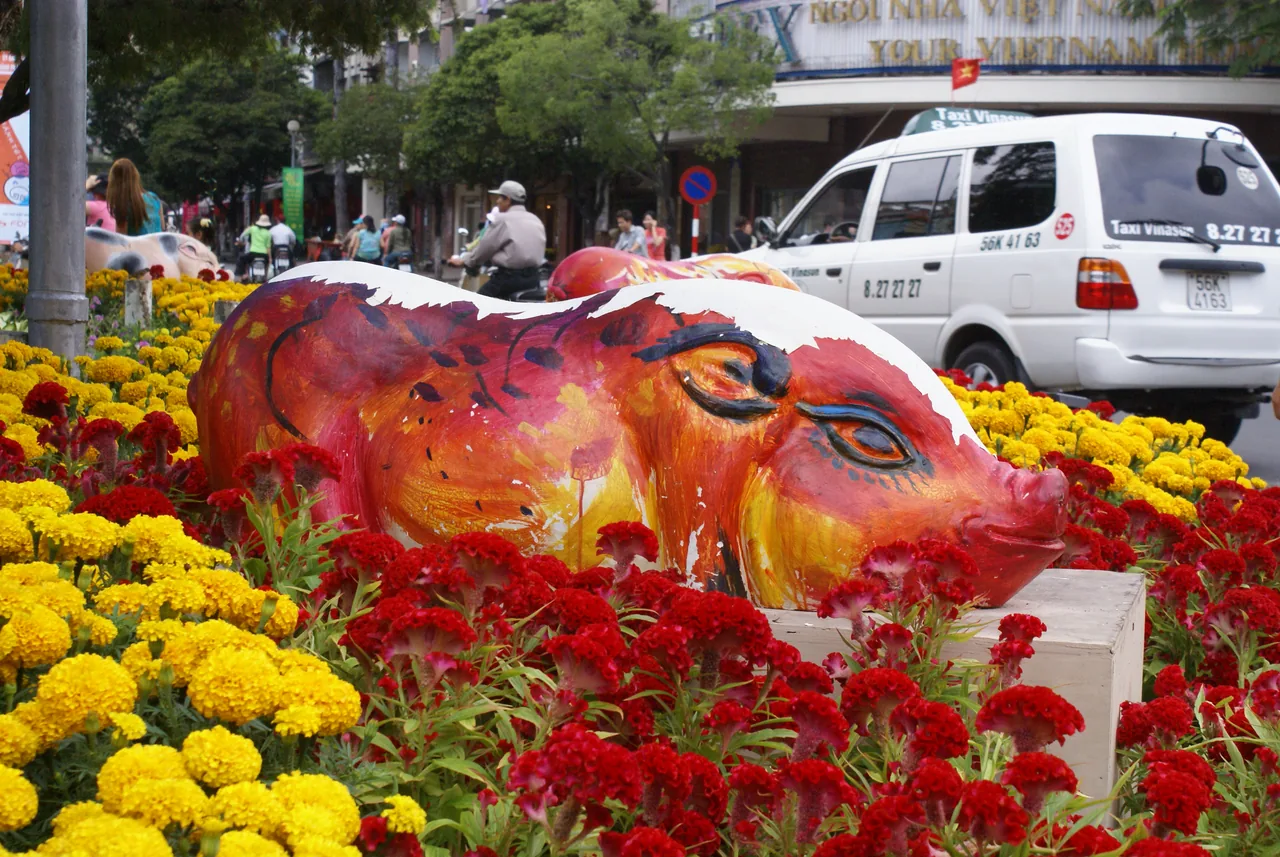
If Tết falls in February in the year you travel, plan for about a week when transport and resort hotels are full, many local restaurants are shut and banks are closed. Transport stays busy for roughly a month around it, from about two weeks before Tết to around the first full moon after it.
The date changes every year
Tết is the first day of the lunar year, so on the Western calendar it moves between late January and mid-February. In years when it falls in January, February has no Tết holiday at all, only the festivals of the first lunar month. Look up the date for your year before you choose flights.
The government sets and announces the official holiday for public employees each year (see this Vietnamese government notice and the state news agency’s report on it).
The holiday usually runs from about the 28th or 29th day of the last lunar month to about the 5th or 6th day of the new year, roughly a week, and it has been as long as 9 days. Private companies and shops pick their own days off, so they vary.
| When Tết falls | Early February | Mid-February | Late February |
|---|---|---|---|
| Late January | People travelling back to the cities, festivals opening | First full moon, temples and festival sites busy | Mostly back to normal |
| Early February | Pre-Tết rush, then the holiday and closures | Return travel, festivals opening | First full moon, transport easing |
| Mid-February | Trains and flights filling up | The holiday itself, many places closed | Return rush, festivals opening |
Trains, flights, buses and Grab
The busy travel period is far longer than the holiday. Airlines and the railway run their Tết schedules from about two weeks before Tết until around the 15th to 20th day of the first lunar month, about a month in total. When Tết is in early February, most of the month falls inside it.
Direction matters more than date. Before Tết, flights and trains from Ho Chi Minh City and the south to central and northern Vietnam sell out and cost more. The opposite direction, from Hanoi to Ho Chi Minh City, Da Nang, Nha Trang (Cam Ranh) or Phu Quoc, has seats and is cheaper, as the airlines themselves point out in this report on Tết flight sales. After Tết the flow reverses, and the busiest day for flights back to the cities has been around the last day of the holiday.
Travelling north to south in the days before Tết, or south to north just after it, means moving against the crowds. Seats are easier to find and fares are lower.
Tết train tickets go on sale in the autumn, and in recent years the sale has opened earlier and earlier. Domestic Tết flights go on sale from late summer. You can book on the Vietnam Railways website. Long-distance buses add a surcharge to their normal fares around Tết, and in Ho Chi Minh City it has been higher on routes over 300 km (local news report). Charging more than the fare a company has registered is illegal.
Grab adds a flat surcharge per ride during the daytime on several days of the holiday, and the app shows it before you book (Grab’s Tết notice). Cars are hard to find around New Year’s Eve. For routes and booking tips, see our guide to getting around Vietnam.
What closes
From the evening of New Year’s Eve until about the 3rd day, many neighbourhood restaurants and street stalls in the big cities close. In Ho Chi Minh City, plenty of restaurants have put up signs saying they are shut until the 6th day. Hotel restaurants, food courts in shopping malls, chain restaurants and places in tourist areas stay open.
Bank branches close for the whole official holiday. ATMs, card payments and instant transfers keep working, and the State Bank of Vietnam has told banks to keep ATMs stocked with cash and to offer currency exchange for foreigners.
Change money before the holiday starts or at the airport when you land. Our money and currency exchange guide explains the options.
Most sights stay open, including resorts, theme parks and cable cars. The main exceptions are Hoi An Old Town, where ticket sales have stopped for about four days, the Temple of Literature in Hanoi, which has closed at noon on New Year’s Eve, Trang An in Ninh Binh, and Hue’s Imperial City, where queues are long on New Year’s Day. Each one is covered in its own section below.
Hotels and prices
Beach and mountain resorts fill up first. In one year Phu Quoc and Sapa were almost fully booked over Tết, and most rooms in Da Lat and Phan Thiet were taken too (report citing the national tourism authority). Some resorts add a nightly Tết surcharge or a compulsory gala dinner, so read the booking conditions.
South Korea, China and Taiwan usually celebrate the Lunar New Year on the same day as Vietnam, though it is a day apart in some years. Their holidays fall in the same week, so beach resorts may see more visitors from those countries too. For what Tết is like and how people celebrate it, read our full Tết guide.
4. Phu Quoc: dry, warm and calm
Phu Quoc is at its best in February. It is the least rainy month of the year on the island, the wind is among the lightest of the year, and you can expect around 31°C by day and 24°C at night. The sea is warm and usually calm, which makes it the most reliable beach destination in Vietnam this month.
Which beaches to choose
The long west coast faces the sunset. Bai Truong, also called Long BeachMap, lies south of the main town on this coast. Bai SaoMap is on the south-east coast and makes an easy day trip.
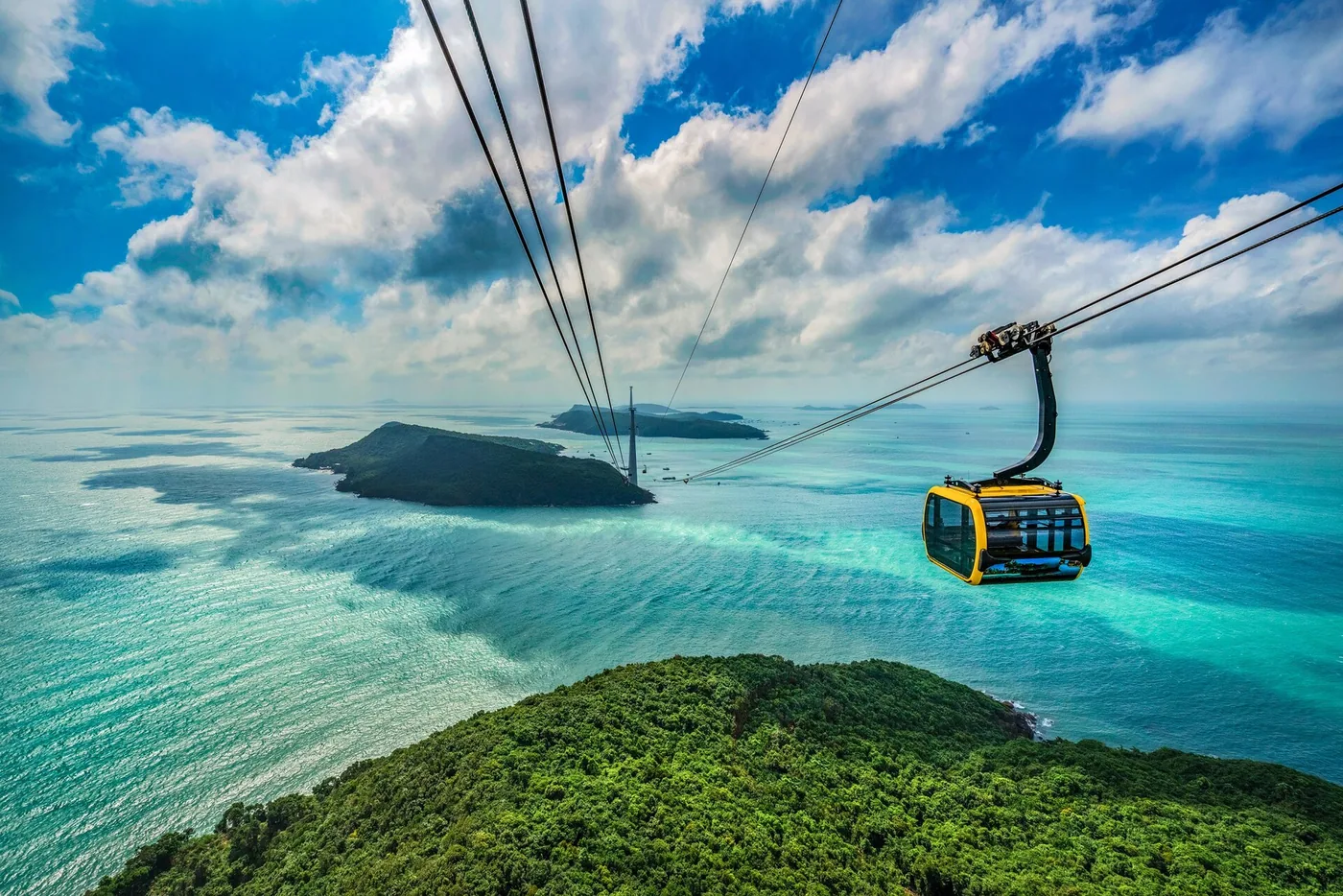
In the far south, Sunset TownMap is the starting point for the Hon Thom cable car, which crosses the sea to the islands. The calm water also makes this a good time for island hopping and snorkelling trips.
Duong DongMap is the main town. Its night market is much smaller than it used to be, so see our Phu Quoc night market and food guide for where to eat now.
Tết and prices
Island hotels were almost fully booked over Tết in one year, so if your dates include the holiday, book well ahead. Phu Quoc stays busy after Tết as well, so do not expect prices to drop as soon as the holiday is over.
If you are still choosing a month, compare our guide to the best time to visit Phu Quoc, and if you are torn between two beach trips, read Da Nang vs Phu Quoc. Everything else is in our Phu Quoc travel guide.
5. Ho Chi Minh City and the Mekong Delta
February is the driest month of the year in Ho Chi Minh City, with highs around 33°C and nights around 23°C. It is not the hottest month, which is April. Early February mornings feel fresh, and from late in the month you start to get properly hot afternoons.
In the city
Dry weather makes this a good time to walk the centre around Ben Thanh MarketMap and Nguyen Hue walking streetMap. Plan indoor stops for the middle of the day, when the sun is strongest.
Day trips are easy too. The Cu Chi Tunnels are a popular half-day trip, and dry evenings suit eating out, for example at the seafood street in District 4.
Around Tết, many small local restaurants in Ho Chi Minh City close for several days. Mall food courts, hotels and chain restaurants stay open, so eat there if your trip overlaps the holiday.
The Mekong Delta
The delta around Can Tho is also at its driest, with highs around 31°C. If you want to see Cai Rang Floating MarketMap, stay a night in Can Tho and go at dawn, when the boats are trading. Day tours from Ho Chi Minh City usually visit delta villages closer to the city instead.
For where to stay in the city, see our Ho Chi Minh City hotel guide.
6. Con Dao: dry, but still breezy
Con Dao has fewer rainy days in February than in any other month, with highs around 29°C and nights around 24°C, but it is not a reliable swimming destination yet. February is the tail end of the windy season, which lasts from autumn to early spring, and waves are often high. For a beach holiday built around swimming, Phu Quoc is the safer choice this month.
Wind and sea
The wind is lighter than in January, but the provincial tourism portal names roughly March to September as the best season and says waves are often high outside it. Check the sea each day before you go in, and keep boat trips flexible.
Getting there
Flying is the reliable option, and most flights leave from Ho Chi Minh City. The fast boats from Ho Chi Minh City and Vung Tau have stopped for the winter in some years, and February sailings are not guaranteed.
Do not plan a Con Dao trip around the fast boat from Ho Chi Minh City or Vung Tau without checking that it is running. Boats from Tran De portMap in the Mekong Delta do operate.
Most places to stay are in or near Con Dao townMap. See our Con Dao hotel guide for areas and prices.
7. Da Nang: dry and mild, with a cool sea
Da Nang is much better in February than in January. This is its least rainy month of the year, with highs around 26°C and nights around 20°C, a little warmer than January and with far less rain. Most days are dry and pleasant for walking, eating out and day trips.
Can you swim in Da Nang in February?
Yes, but the sea is at its coolest of the year, and many people find it too cold for a long swim. A quick dip on a sunny afternoon is fine.
Lifeguards are on duty every day in February. Winter hours run from 05:00 to 18:30, and the summer timetable starts in mid-March (Da Nang beach safety report). My Khe BeachMap runs along the city’s seafront, and East Sea ParkMap sits beside it.
Ba Na Hills
Ba Na Hills sits at about 1,500 m, so it is cold up there and some days are foggy. Take a jacket for the ride up from the Ba Na Hills cable car stationMap. In one year a tulip flower festival ran there from February into early March.
For more detail on this month, read our guide to Da Nang in February. If you are choosing between beach towns, Da Nang vs Nha Trang compares the two.
8. Hoi An: lantern nights and a Tết pause
Hoi An has its least rainy month in February, with highs around 26°C and nights around 20°C. The Old Town is easy to explore on foot in dry weather.
Lantern night
On the 14th day of every lunar month, the Old Town turns down its electric lights and people float paper lanterns on the river, according to the Da Nang city portal. It takes place in the Old Town, which includes the Japanese Covered BridgeMap.
The 14th day of the first lunar month falls just before the first full moon of the year and is especially busy. Our Hoi An lantern festival guide explains how to see it.
Old Town tickets over Tết
For about four days around Tết, from the 29th day of the last lunar month to the 3rd day of the new year, Hoi An stopped selling Old Town tickets and running guided visits two years in a row (news report). You can walk around without a ticket, but the night market and walking-street events stopped a few days earlier, around the 27th day of the last lunar month. Old houses owned by families and clans stayed open because people go there to make offerings.
If you visit Hoi An in the first days of Tết, the usual ticketed sights and evening events may not run. Check what is open before you plan your day around them.
Cu Lao Cham
Boats to Cu Lao ChamMap depend on the sea. Some days they go and some days they do not. Boats were still running just before Tết in one season, and some foreign visitors had booked island homestays to spend Tết there (report from the island). Check on the morning whether boats are leaving. Our Cu Lao Cham guide has the rest, and the Hoi An travel guide covers the town.
9. Hue: drier than January, but not dry yet
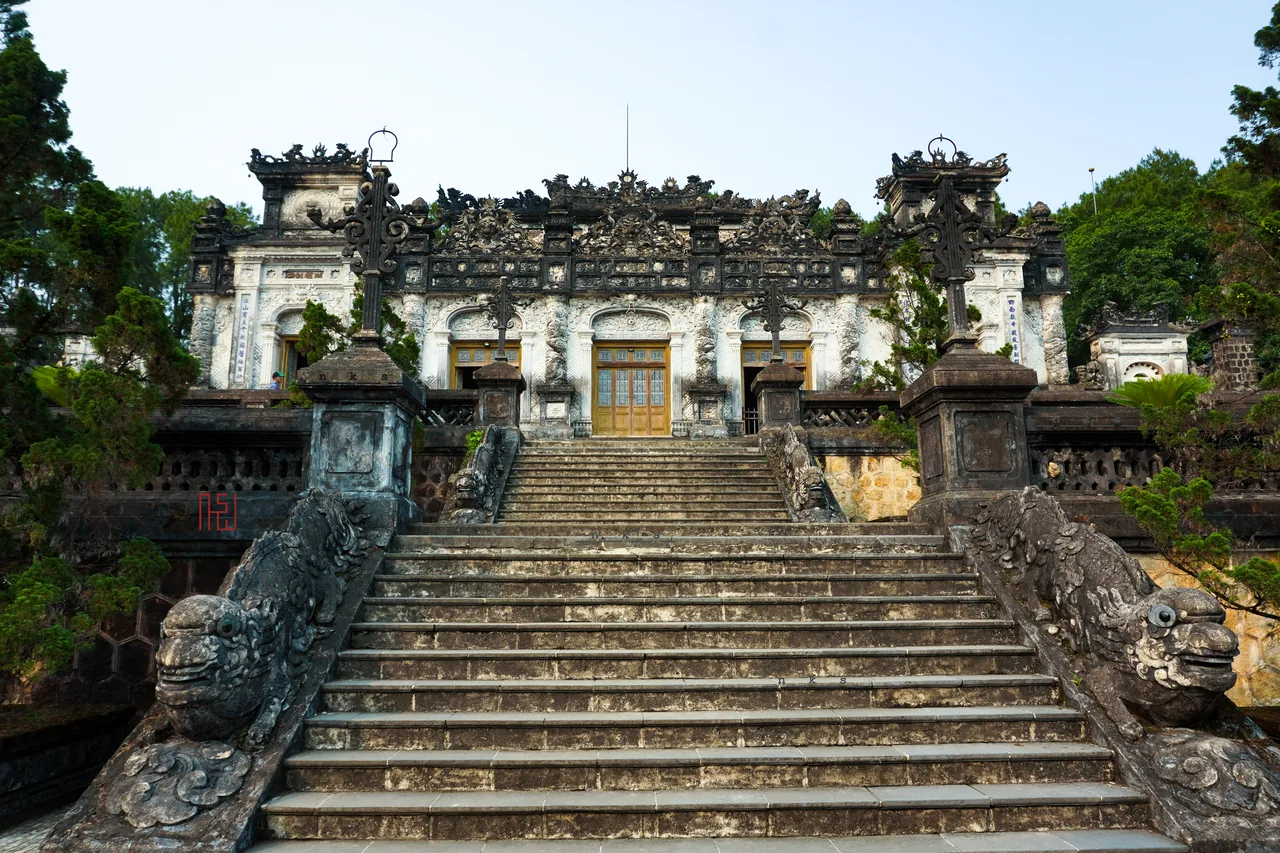
Hue has much less rain in February than in January, but it has not stopped. Rain, sometimes just drizzle, still comes fairly often, many days are cloudy and the air is humid. Highs are around 25°C and nights around 18°C. Bring an umbrella and you can see everything.
Sightseeing in February
The Imperial CityMap and the royal tombs, such as Khai Dinh TombMap, can be visited between showers. Stone steps get slippery after rain, so wear shoes with grip.
New Year’s Day in Hue
On the first day of Tết, the Imperial City and the tombs are free for Vietnamese citizens only, so the queues were long (news report). Foreign visitors buy tickets as usual.
If you are in Hue on New Year’s Day, expect long queues at the Imperial City. Visit the Imperial City on another day if you can.
There has been a changing-of-the-guard and cannon ceremony in front of Ngo Mon Gate on the morning of New Year’s Day, and lion dances during the holiday. Our Hue travel guide and Hue hotel guide cover the rest.
10. Phong Nha: caves open, cool and cloudy
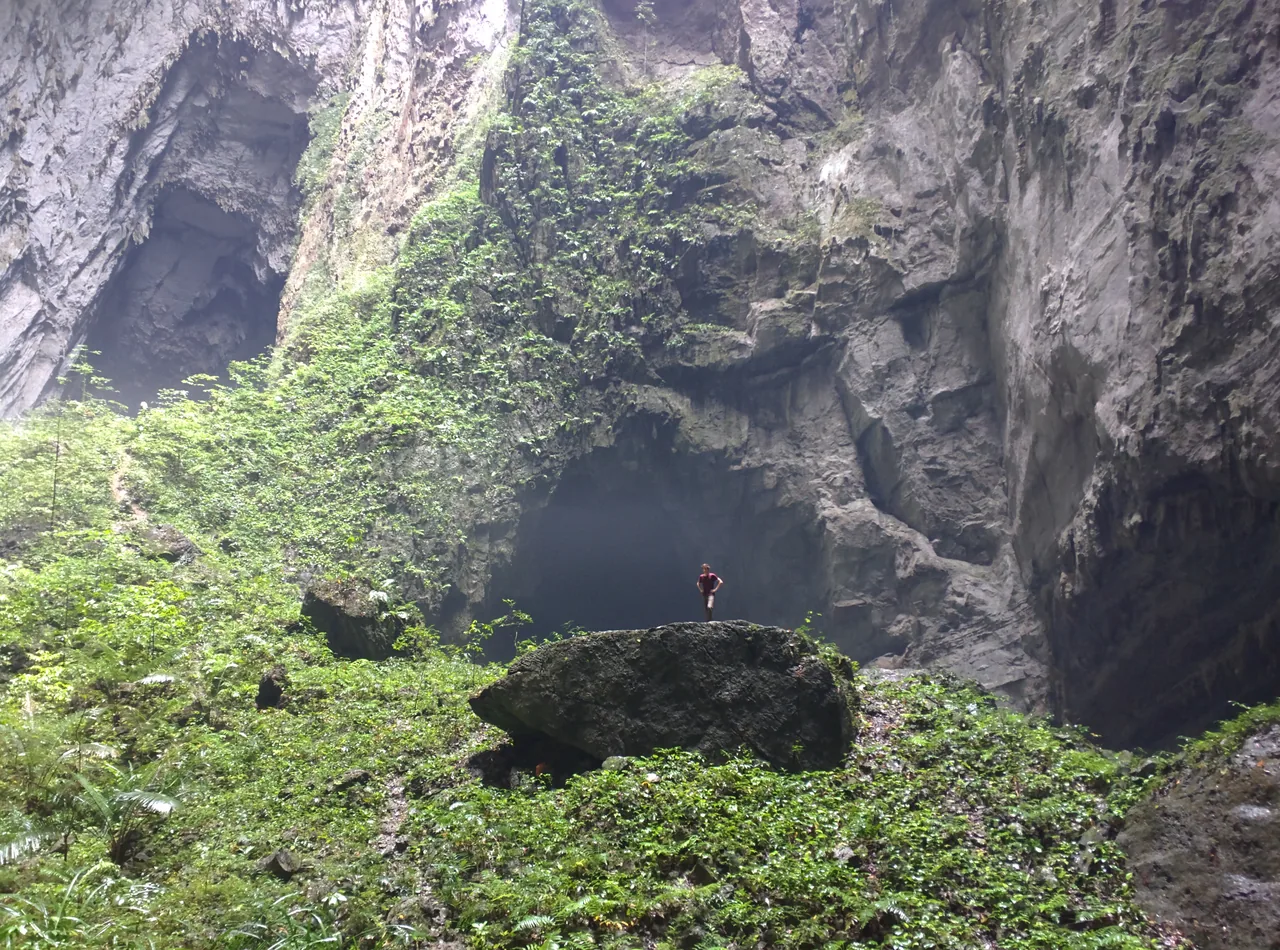
Phong Nha gets less rain in February than at any other time of year, but many days are cloudy, with highs around 22°C and nights around 18°C. All of the big cave expeditions run in February.
Which cave tours are running
According to Oxalis, the licensed operator, Son Doong runs from January to the end of August, Hang En from December to mid-September and Tu Lan from mid-November to mid-September. February is inside all three seasons.
Son Doong has a fixed number of places each year, and places are often booked up several years ahead. If Son Doong is full, Hang En and Tu Lan run in February too.
The operator warns that the weather from January to March can be quite cold, and wet clothes from river crossings cool you down fast, so pack a warm layer and dry clothes to change into.
The show caves
Phong Nha CaveMap, reached by boat, and Tien Son Cave keep winter hours of 07:30 to 15:45, so start early. Our Phong Nha caves guide explains how to get there.
11. Nha Trang: sunny, but check the waves
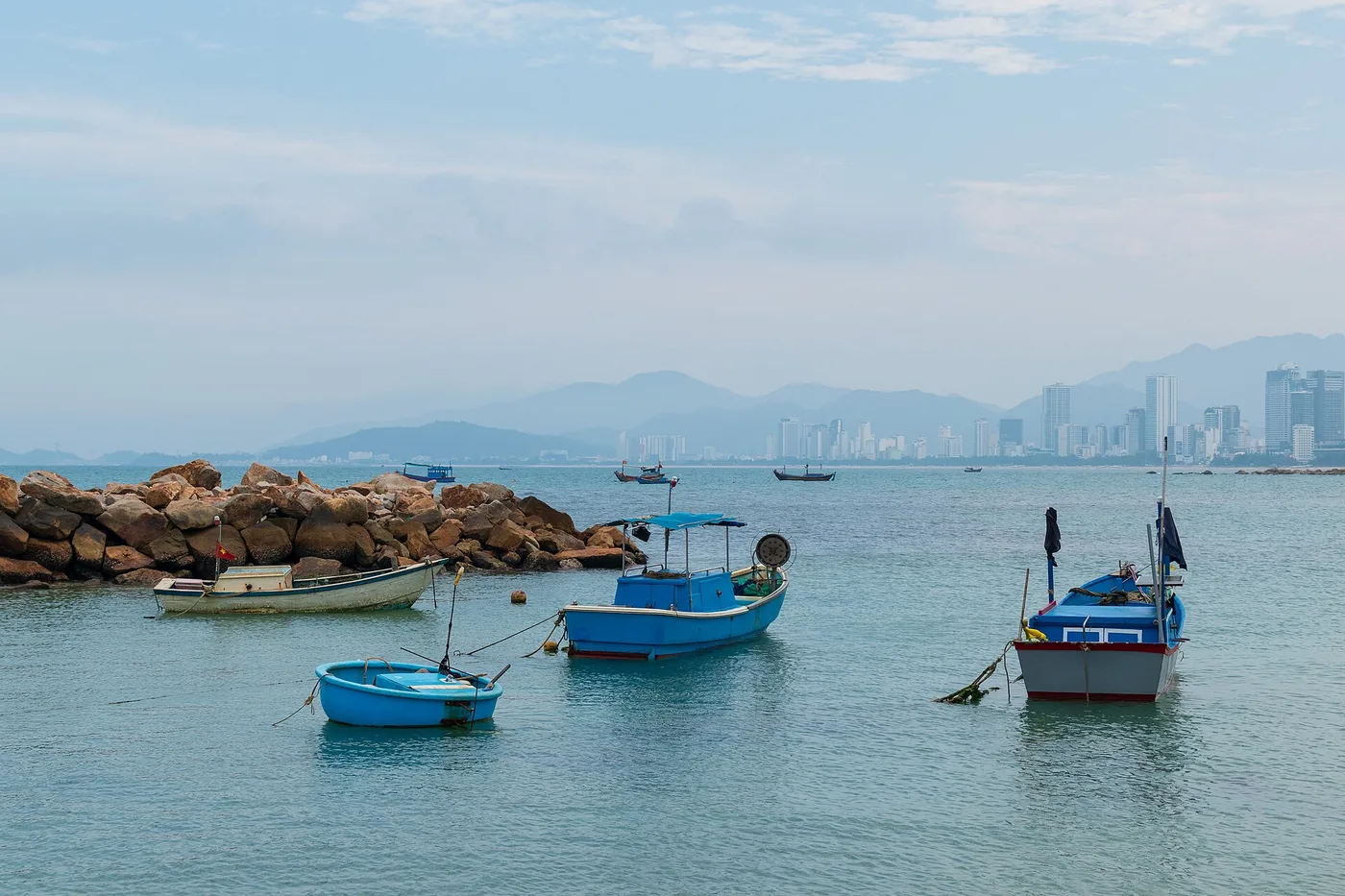
Nha Trang is sunny in February and gets less rain than in any other month, with highs around 28°C and nights around 22°C. The sea is the thing to watch. The rough-sea season here runs from around the 9th lunar month until around Tết, according to the bay’s management board (state news agency).
Swimming and the red flag
Around Tết, waves of up to 2 m have hit the beach even on sunny days. No-swimming flags went up, and lifeguards were called out often (news report). In another year, island boats left late (report from the harbour), though the boats usually still run.
After Tết the sea usually calms down. On Tran Phu BeachMap, look for the flags before you go in.
If a red flag is up in Nha Trang, do not swim, even if the sky is clear. Rescues are common on rough days.
Around town
The sea cable car to the VinWonders island stops when the wind is strong, and boats take visitors across instead. Check before you go if you have VinWonders Nha Trang tickets. In town, Nha Trang CathedralMap and 2/4 SquareMap are on land, so they work on days when the sea is too rough.
February is the middle of the winter charter season from Russia, so you will hear a lot of Russian in Nha Trang. For more, see our guide to Nha Trang in February, island hopping tours and Cam Ranh Airport to the city.
12. Mui Ne and Phan Thiet: windy and dry
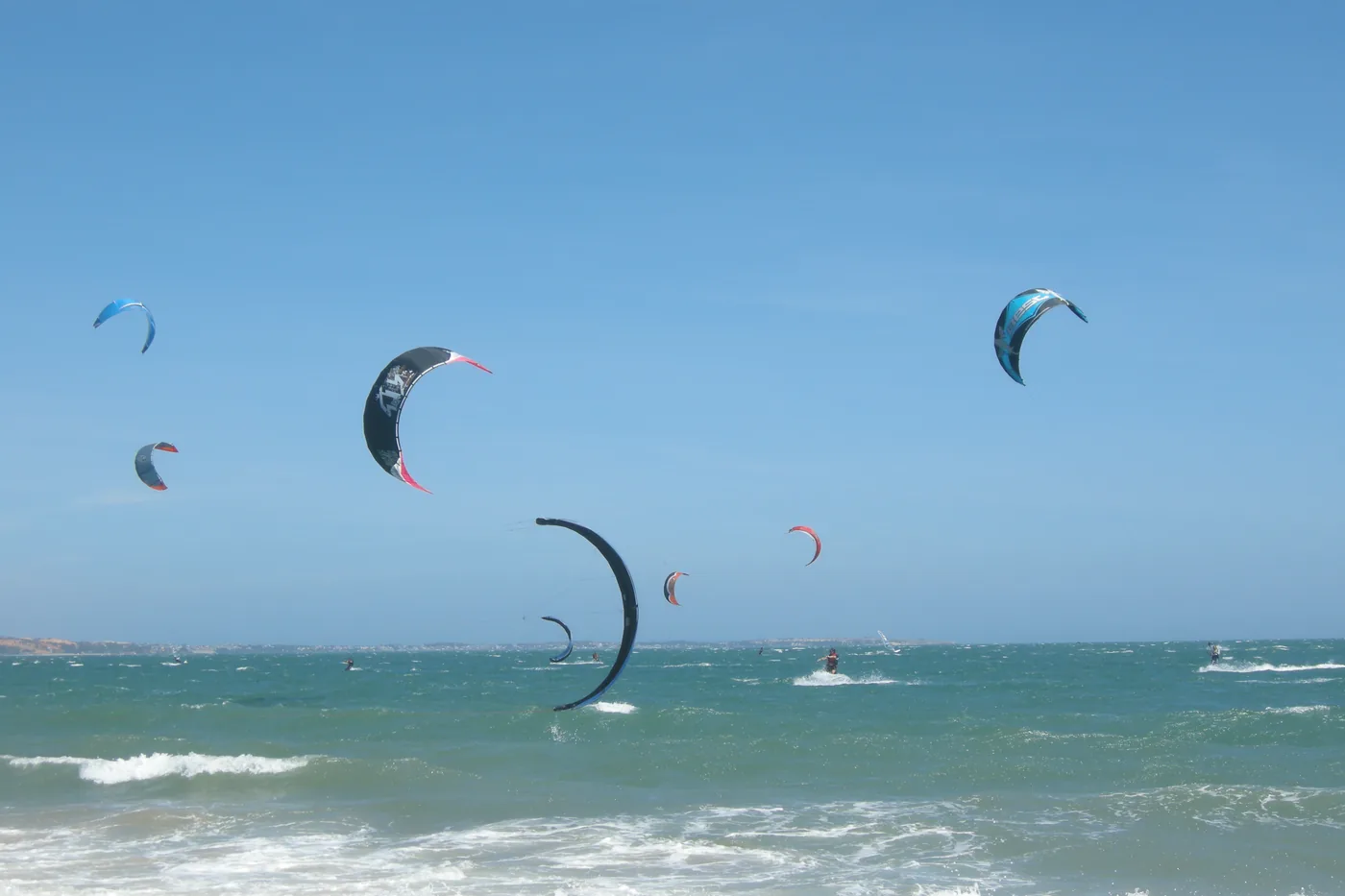
Mui Ne gets almost no rain in February, with highs around 30°C and nights around 22°C. It is also the windiest month of the year and the middle of the kitesurfing season, which runs from mid-December to the end of March or early April (state news agency).
Swimming in February
Mui Ne is not a good pick for calm swimming this month. Many people say the wind is lighter in the morning and stronger in the afternoon. If you want to swim, go early.
Plan your beach time for the morning in Mui Ne and save the afternoon for the dunes, a café or a long lunch out of the wind.
Kitesurfing
Lessons at Kite BeachMap and elsewhere are for people who are already strong swimmers in the sea.
The dunes
The wind blows sand around at the Red Sand DunesMap, so sunglasses and a light windproof jacket help.
Some resorts here add a compulsory gala dinner over Tết, so check before you book. See our Mui Ne hotel guide for areas to stay.
13. Da Lat and Mang Den: sunny days, cold nights
Da Lat is sunny and dry in February, with highs around 24°C and lows around 12°C. The gap between day and night is at its widest now and in March. Wear a T-shirt during the day and have a warm jacket ready for the evening.
Around Da Lat
Xuan Huong LakeMap and Lam Vien SquareMap are in the centre of town. Dry, sunny days suit day trips into the countryside around Da Lat.
Pink blossom
Da Lat’s pink mai anh đào trees look a lot like cherry blossom. When they flower varies a lot from year to year, usually somewhere between late December and February, and in one year as late as March. Higher areas such as Cầu Đất flower first (news report). You have a fair chance of seeing them in early February, but there is no guarantee in late February.
Da Lat rooms filled up over Tết in one year, so book early if your dates overlap. Our Da Lat travel guide, Da Lat hotel guide and Nha Trang to Da Lat transport guide can help you plan.
Mang Den
Mang Den is a highland town at about 1,200 m. Days are fairly warm and nights are cold, with a big difference between the two. Dak Ke LakeMap is in the town.
Mang Den’s mai anh đào once flowered all at once in early February, just before Tết, on a different schedule from Da Lat (news report). Do not count on the same timing every year. Our Mang Den guide covers getting there.

14. Is Hanoi cold in February?
Hanoi is cool rather than cold in February, with highs around 21°C and nights around 16°C, a degree warmer than January. What you notice more is the grey sky. The sun rarely comes out, the cloud is low, and light drizzle falls more often than in January.
Damp weather
In the north, nồm, a damp spell, usually starts around mid-February and is worst in March and April, according to the national forecasting centre (report from Vietnamese state television). Warm, wet air from the sea meets cold floors, walls and mirrors, and water forms on them. Floors get slippery and laundry will not dry.
Cold snaps can still arrive in February and push the daily average below 15°C. Pack a warm layer even if the forecast looks mild.
Sightseeing in February
You can still walk around Hoan Kiem LakeMap and St Joseph’s CathedralMap with an umbrella. Hoa Lo PrisonMap opens every day, including over Tết. The Ho Chi Minh MausoleumMap closes on Mondays and Fridays as usual, so check its hours if you are there around Tết.
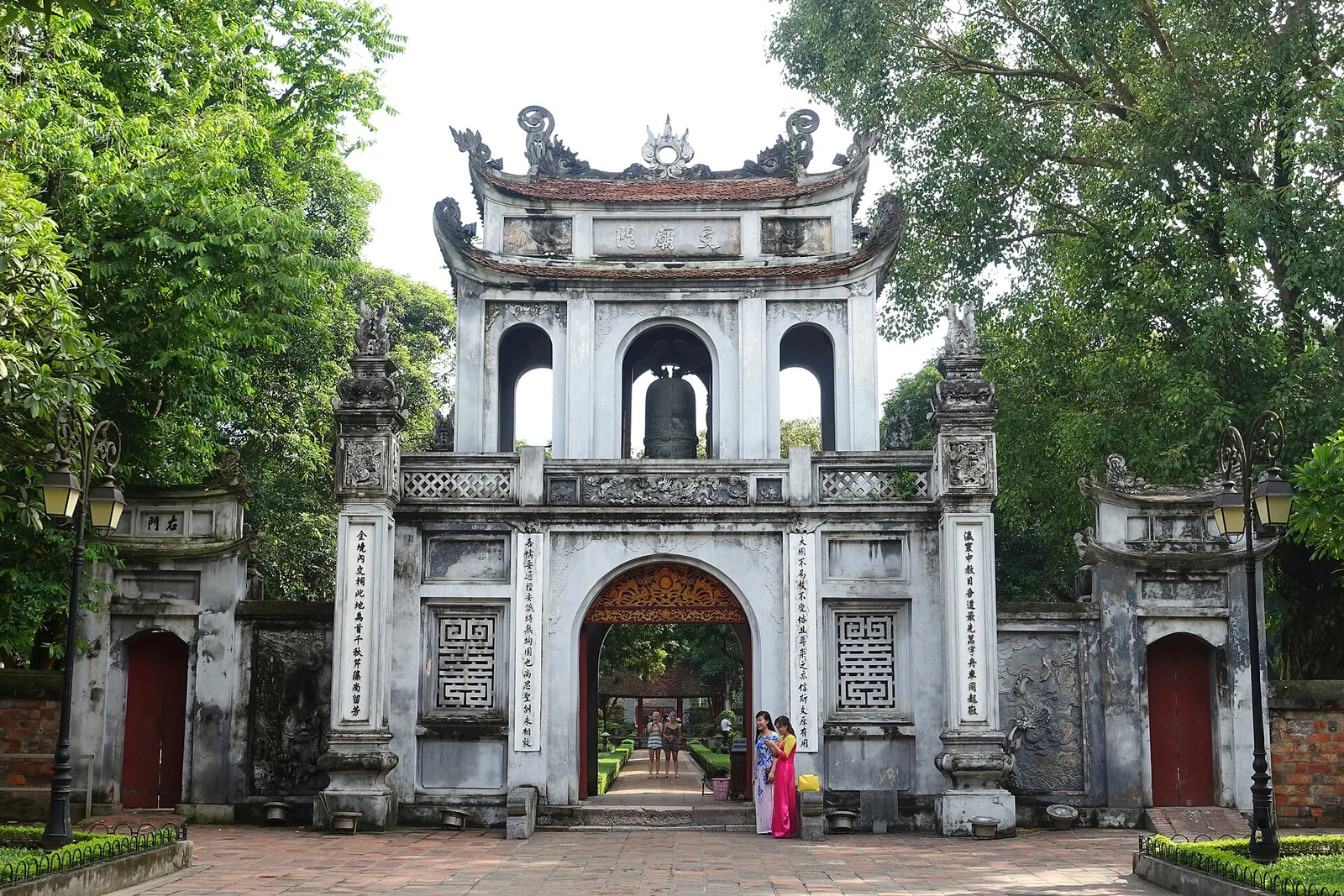
The Temple of LiteratureMap has closed at noon on New Year’s Eve and reopened on New Year’s Day (news report). Go in the morning if you are in town that day.
Markets and blossom
Dong Xuan MarketMap is known for starting its new year of trading on the 10th day of the first lunar month, so check before you go if you are in Hanoi in the first days of the new year. The peach trees at the Nhat Tan orchardsMap are grown by farmers to flower in time for Tết, not on a natural schedule.
Our Hanoi travel guide and Hanoi hotel guide have more. If you are choosing a city for a short trip, read Hanoi vs Ho Chi Minh City.
15. Ninh Binh: boats running, festivals after Tết
Ninh Binh is cloudy and damp in February, with light drizzle on many days, highs around 20°C and nights around 16°C. The boats still run, so a day trip from Hanoi works fine if you bring rain gear.
Trang An over Tết
Trang AnMap closed on New Year’s Eve and New Year’s Day in one year and reopened on the 2nd day. Check before you go if your trip falls on those dates.
After Tết
Once the holiday ends, Ninh Binh fills with visitors. The Bai Dinh Pagoda festival opens on the 6th day of the first lunar month, and Trang An gets very busy at the same time.
A rain jacket is easier than an umbrella when you are sitting in a small boat. If you have time, add Phat Diem CathedralMap, a church of stone and wood built in the style of a Vietnamese pagoda.
Our Ninh Binh day trip guide covers transport from Hanoi and the main boat routes.
16. Ha Long Bay, Cat Ba and Hai Phong
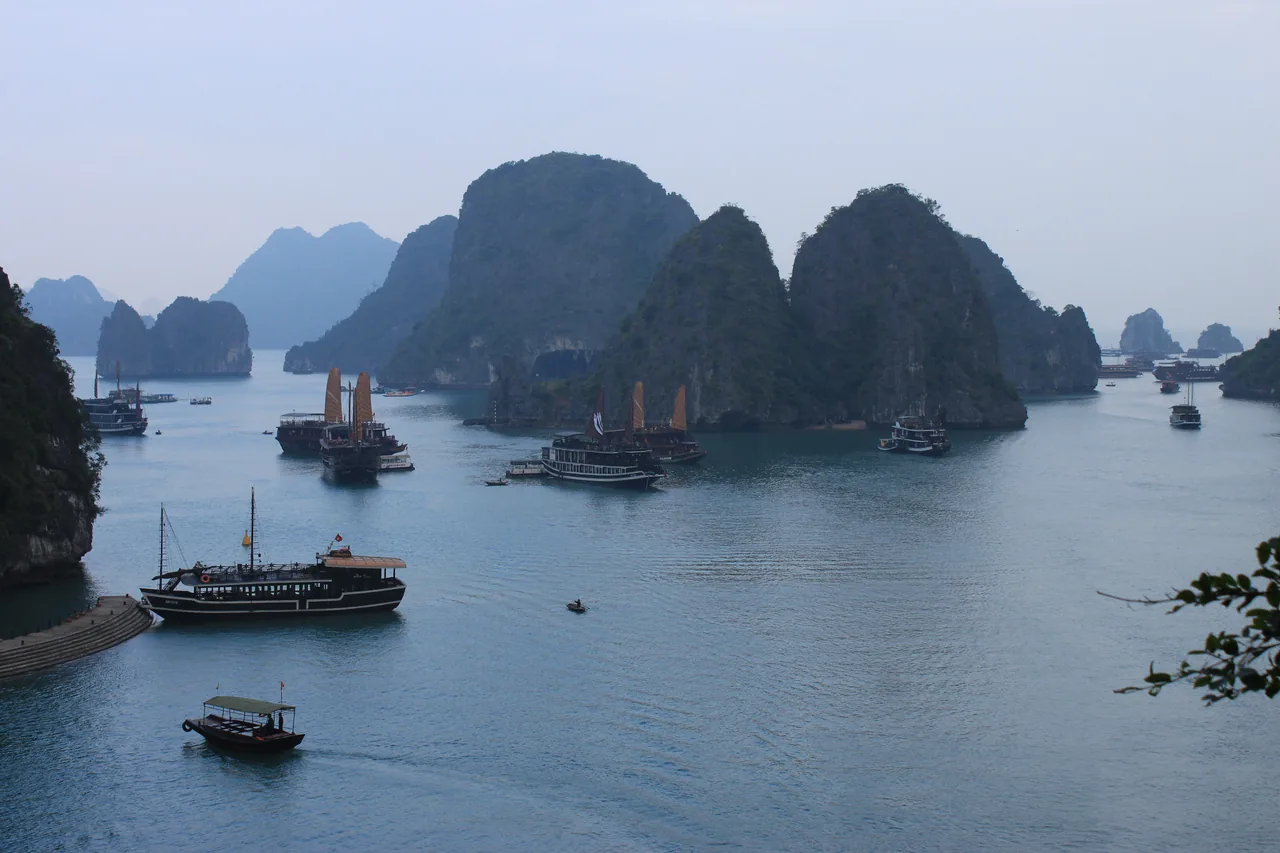
Ha Long Bay is a good cruise destination in February if you can accept hazy views. The wind is at its lightest of the year, much calmer than January, so the boats are usually comfortable. Highs are around 20°C and nights around 15°C.
Haze and mist
There is less sun, and morning mist and hazy days are more common than in January, so the islands can look faint in photos. March is mistier still. Official records of cruises being stopped by mist are hard to find, and sailing decisions are based on the wind. Even so, the views can be dull on misty days.
Many cruises leave from the Ha Long International Cruise PortMap, and others from Tuan Chau. Tour boats ran during Tết, and some cruise companies add a Tết surcharge. Prices and rules vary by company.
Swimming and kayaking
The water is too cold for most people to swim. Kayaking usually goes ahead, so bring a dry layer for afterwards.
Cat Ba and Hai Phong
Cat Ba and Hai Phong are on the same sea and have the same weather, with more fog on the Hai Phong side. From Cat Ba townMap, boats go out to Lan Ha BayMap, next to Ha Long Bay.
The Cat Ba cable car runs between Cat Hai and Phu Long in the north of the island, not from Cat Ba town, and closes every Tuesday for maintenance. Ferry tickets can sell out quickly over Tết and other holidays. See our guides to choosing a Ha Long Bay cruise, Cat Ba Island and Hai Phong.
17. Sapa and Ha Giang: cold, misty and blossoming
Sapa is still cold in February. Highs are around 14°C and nights around 8°C, a little warmer than January, but mist covers the town and mountains on most days. Winter is not over yet, and temperatures below freezing have been recorded even in March.
Snow and Fansipan
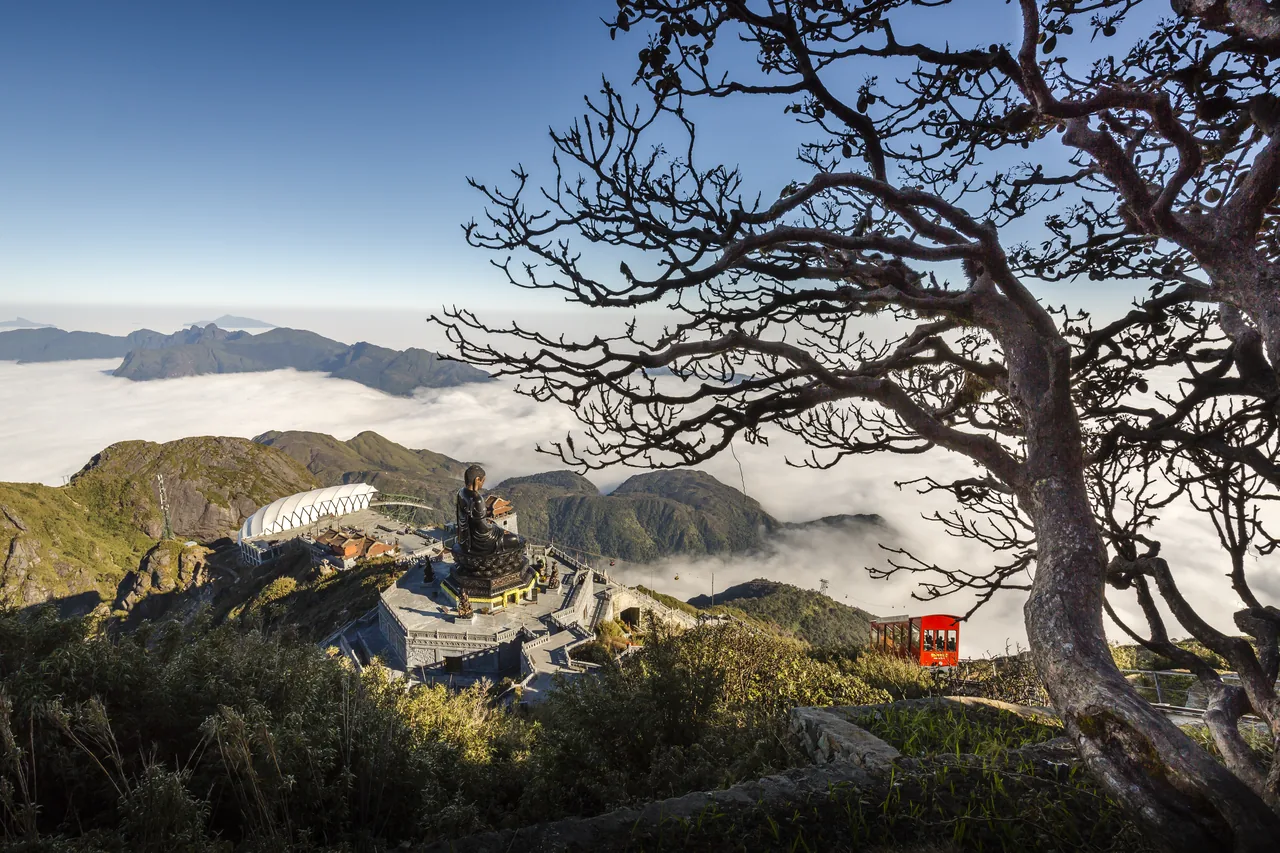
Snow in February has only been confirmed once, on the summit of FansipanMap, with more than 30 cm reported (news report). There have been February mornings with ice on the summit. Do not plan a trip around seeing snow.
The Fansipan cable car once closed for about a month in winter for maintenance and reopened just before Tết (news report). Check the operator’s notices before you go.
Wild peach trees in the Sapa area tend to flower around Tết. Sapa LakeMap is in the middle of town, and the road over O Quy Ho PassMap can be misty, so drive it in daylight. Sapa hotels were almost full over Tết in one year. See our Sapa travel guide and how to get from Hanoi to Sapa.
Ha Giang
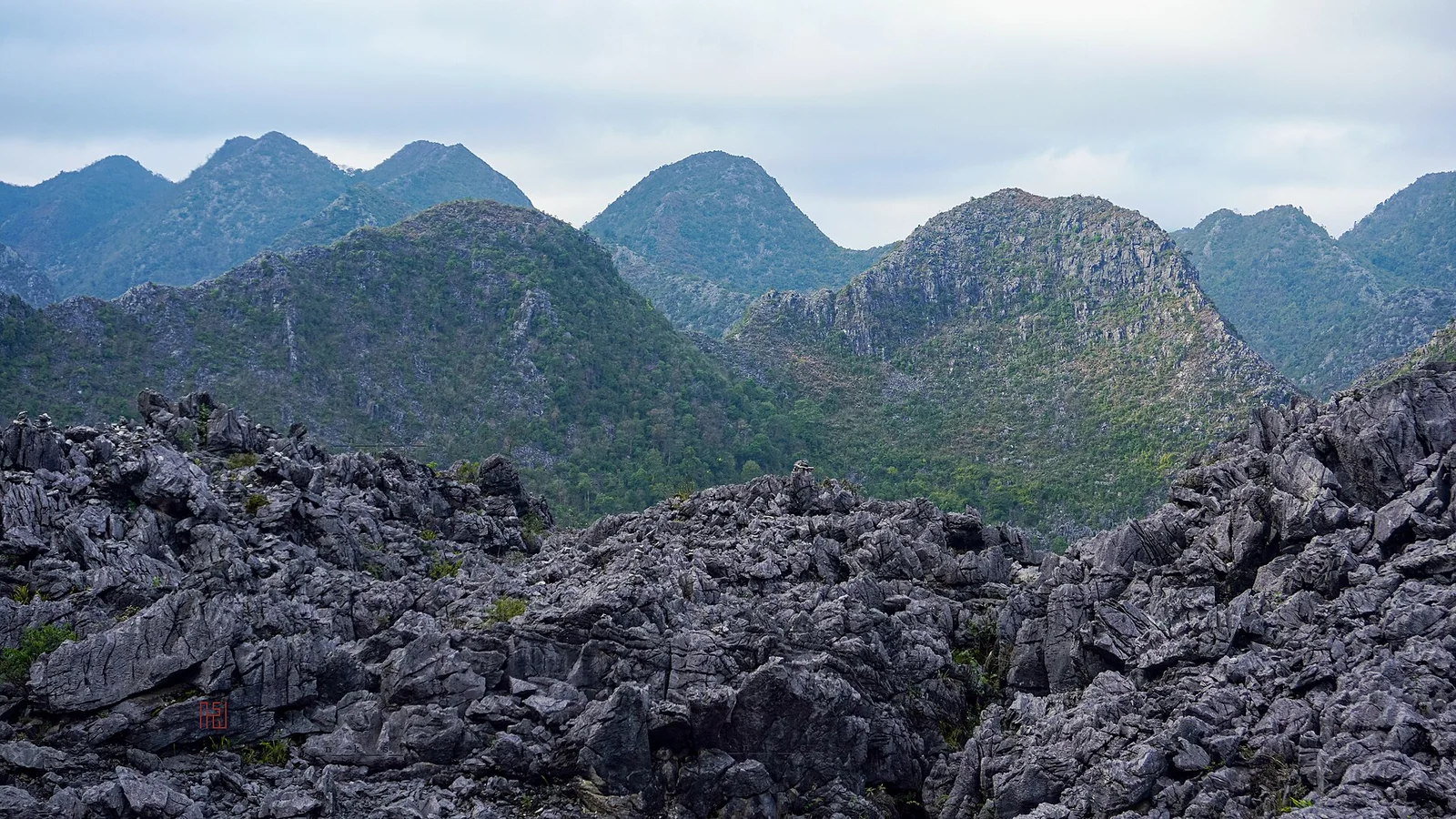
Ha Giang town sees around 21°C by day and 15°C at night, with little rain but many cloudy days. The plateau around Dong Van and Meo Vac is much colder than the town, so bring winter clothes for the loop.
Peach blossom in villages such as Lao Xa near Dong Van flowers from mid-February until around the end of March (news report quoting a local tourism worker). The weeks after Tết get busier with visitors coming to see it.
Most loops pass Dong Van Old QuarterMap and the Lung Cu Flag TowerMap near the northern border. Our Ha Giang Loop guide explains the route.
18. Festivals after Tết
The big spring festivals cluster from a few days after Tết to the first full moon, about two weeks later, so in many years they fall in February. Some, like the Perfume Pagoda, carry on for weeks after that. They follow the lunar calendar, which means the Western dates change every year. Most are pilgrimages to temples and pagodas and get very crowded.
Perfume Pagoda
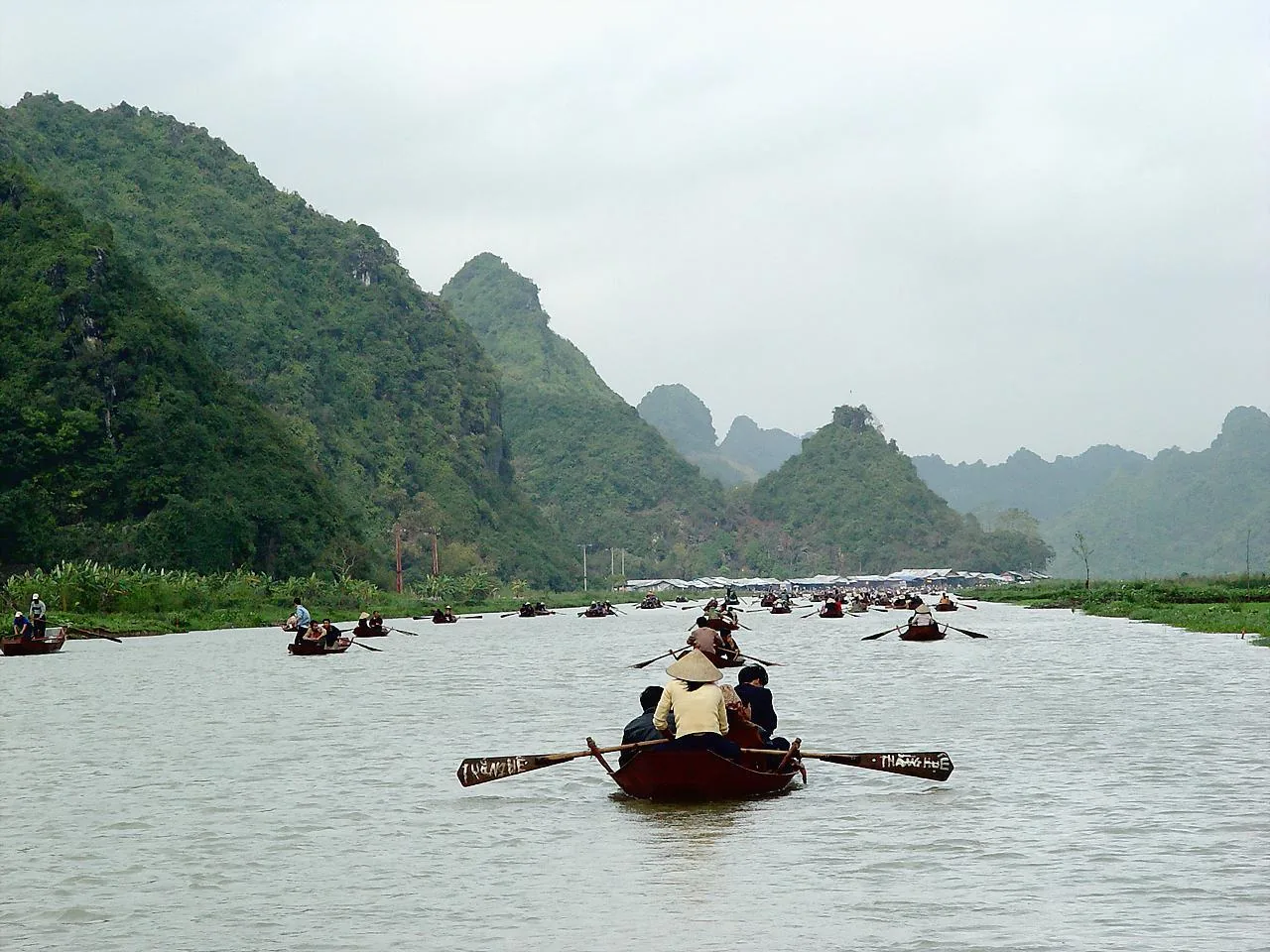
The Perfume Pagoda festival in the My Duc area, about 2 hours by car south-west of Hanoi, has its opening ceremony on the 6th day of the first lunar month. The season runs from around the 2nd day to the end of the 3rd lunar month. Visitors are rowed along the Yen stream to Thien Tru PagodaMap, and a cable car goes up towards Huong Tich Cave.
Motorboats are no longer allowed on the stream, so it is rowing boats only. You pay separately for entry, the boat and the cable car (festival report). The days just after Tết and weekends are the busiest.
Visit the Perfume Pagoda on a weekday, and avoid the days just after Tết if you can. Those are the busiest times.
Bai Dinh and Yen Tu
Bai Dinh PagodaMap in Ninh Binh opens its festival on the 6th day of the first lunar month, and it runs until around the end of the 3rd lunar month. On one opening day it was crowded even in the rain (festival report).
Yen Tu, in Quang Ninh on the way to Ha Long, opens its festival on the 10th day. A paid cable car goes up the mountain towards Dong Pagoda at the summitMap. The landscape entry fee is waived for a set period, so check the latest notice (report). The Yen Tu sites are now on the UNESCO World Heritage list.
Lim, the Tran Temple and the first full moon
The Lim festival, in Bac Ninh province, takes place on the 12th and 13th days and is known for quan họ folk singing, and the festival itself is listed as national intangible heritage. It centres on Lim villageMap (festival report).
At the Tran TempleMap in Nam Dinh, now part of Ninh Binh province, the seal ceremony runs from the night of the 14th to the early morning of the 15th, and it is busiest late at night (report).
The first full moon of the year, on the 15th day, brings crowds to temples and pagodas all over the country. Vietnam Poetry Day is held on this day every year, in a different city each time. In Hoi An, the lantern night on the 14th falls the evening before.
Ba Den Mountain in the south
In the south, the spring festival at Ba Den MountainMap in Tay Ninh, 2 to 3 hours by car from Ho Chi Minh City, opens around the 4th day. It is one of the busiest pilgrimage sites in southern Vietnam over Tết, and the cable car queues are long.
19. Holidays from other countries in February
If you are travelling from the US, Presidents’ Day falls on the third Monday of February, which gives a three-day weekend (US federal holiday calendar). That is a short window for Vietnam, but it can stretch a week of leave into a longer trip.
Who else is travelling
In one February when Tết fell in the middle of the month, the largest groups of foreign visitors came from South Korea, China, Russia and Taiwan, in that order (arrivals report). Korea, China and Taiwan usually have their Lunar New Year holiday in the same week as Tết, so beach resorts may see more visitors from those countries then.
February is also the middle of the winter charter season from Russia, mostly to Nha Trang (Cam Ranh) and Phu Quoc. Russia’s Defender of the Fatherland Day on 23 February can make a long weekend. Japan has public holidays on 11 February and 23 February, which sometimes create long weekends too.
Is February the busiest month?
No, February is not the peak month for foreign visitors. The crowds you notice are Vietnamese families travelling during Tết week.
Tết week is the busiest, and tickets also sell fast for several weeks before and after it. Away from that window, February is less crowded than the Christmas and New Year period. Valentine’s Day on 14 February sometimes falls on the first weekend after the Tết holiday.
20. What to pack for Vietnam in February
You will need two sets of clothes if you are covering the whole country. The south is summer, the centre is mild, and the north and the mountains are cool to cold.
Packing by region
| Region | What to wear | Extras |
|---|---|---|
| Hanoi, Ninh Binh, Ha Long | Long sleeves plus a light down jacket or warm coat | Umbrella or waterproof jacket, spare socks because laundry dries slowly |
| Sapa and Ha Giang | Full winter clothes: warm jacket, gloves, hat | Check if your hotel has heating |
| Hue and Phong Nha | Long sleeves and a light jacket | Umbrella, clothes that can get wet for caving, dry clothes to change into |
| Da Nang and Hoi An | T-shirts by day, a light layer for mornings and evenings | A jacket for Ba Na Hills |
| Da Lat and Mang Den | T-shirts by day, a warm jacket at night | Layers you can add and remove |
| Nha Trang, Mui Ne, Ho Chi Minh City, the Mekong, Con Dao, Phu Quoc | Summer clothes | Sun hat and sunscreen, plus a windbreaker and sunglasses for Mui Ne’s blowing sand |
Temples and palaces
Over Tết, many people visit temples, pagodas and the old palaces. Bring something that covers your shoulders and knees, even in the hot south.
A small foldable umbrella is worth packing for the north and Hue. In the south, a refillable water bottle and sunscreen matter more.
If you are flying between regions, wear your warmest layer on the plane to save space in your bag. Hotels in the cities can usually do laundry, but in damp Hanoi it may take more than a day.
21. Booking and getting ready
If your trip overlaps Tết, book transport and resort hotels first and early. If it does not, check whether your dates still fall in the month of busy travel around Tết, from about two weeks before it to around the first full moon after it. If they do, book trains and flights early. Outside that window, February needs little special planning.
A planning order for a February trip with Tết
- Check the date Look up when Tết falls in your year and mark the official holiday week and the month of busy travel around it.
- Book long trips early Domestic flights for the Tết period go on sale from late summer and trains from the autumn. Book as soon as you have dates, especially routes heading north before Tết or back to the cities after it.
- Choose your direction Where you can, travel against the flow: north to south before Tết, and south to north after it.
- Book resort hotels Phu Quoc, Sapa, Da Lat and Phan Thiet fill first. Check for Tết surcharges and compulsory gala dinners.
- Sort out money Change cash before the holiday or at the airport, because bank branches close for the whole week.
- Plan your meals For the first days of Tết, expect to eat at hotels, malls and chain restaurants.
Visas and entry
Nothing changes in February. Citizens of 24 countries can stay up to 45 days without a visa: 12 countries under Resolution 44 and 12 European countries under Resolution 229. Several other countries, including most of Southeast Asia, have their own visa-free stays under separate agreements, and visitors who fly straight to Phu Quoc can stay on the island for up to 30 days without a visa as long as they do not leave it. Most other visitors apply for an e-visa of up to 90 days on the official Vietnam e-visa website. Check the rules for your own passport in our entry guide.
E-visas are processed on working days, and the Tết holiday does not count as working days. If you are travelling just before or after Tết, apply well ahead.
A health declaration is not normally required. Read our Vietnam entry requirements and e-visa guide for the details, and our guide to common tourist scams before you land.
Phone and data
An eSIM is the easiest way to have data from the moment you land, and it saves queueing at a phone shop that may be closed over Tết. Our Vietnam eSIM guide compares the options. Have Grab installed before you arrive, as it is the easiest way to get around the cities.
22. January, February or March?
February is the best of the three months for the central coast and the driest for the south. In the north it is greyer than January, though not as damp and misty as March. If Tết lands in your dates, that week is the most expensive part of February.
How the three months compare
| Area | January | February | March |
|---|---|---|---|
| North (Hanoi, Ninh Binh, Ha Long) | Coldest month, often cloudy but brighter than February | A little warmer, more drizzle and damp, little sun | Warmer again, the dampest and mistiest time |
| Sapa | Coldest and mistiest | Slightly less cold, just as misty | Starting to warm up, though below-freezing days have been recorded |
| Hue | Frequent rain | Less rain, but still some | Driest time |
| Da Nang and Hoi An | Still rainy | Driest month, cool sea | Dry, sea starting to warm up |
| Nha Trang | Rough sea | Rough days until around Tết, calmer after | Sea settling down |
| Mui Ne | Windy | Windiest | End of the windy season |
| South (Ho Chi Minh City, Mekong, Phu Quoc) | Dry, coolest nights | Driest | Dry and getting hotter, the most sunshine on Phu Quoc |
| Da Lat | Dry, cold nights | Dry, biggest gap between day and night | End of the dry season |
| Crowds and prices | First week of the year is the priciest | Tết week is the priciest | Easy, apart from festival sites after Tết |
Who February suits
February is a great month for a beach trip to Phu Quoc, a city break in Ho Chi Minh City, a few days in Hoi An and Da Nang, or a cave expedition in Phong Nha. It also suits anyone who wants to see the spring festivals in the north, as long as you do not mind crowds.
Who should pick another month
If clear skies in Hanoi and Ha Long matter most, March will not help, as it is warmer but even damper and mistier there than February. For a long swim in Da Nang, March or April is better, once the sea starts to warm up. Read our guides to Da Nang in March and Nha Trang in March to compare. If you want fewer crowds and lower prices, choose a year when Tết falls in January, when only the first part of February is affected, or book transport for the weeks around Tết as early as you can.
Whichever month you pick, our Vietnam travel guide is the place to start planning the rest of your route.
🎡Things to Do79
🍜Food11
🏨Where to Stay16
🚇Getting Around16
🧭Travel Tips33
🧭Vietnam-wide essentials10
Vietnam in February: common questions
Yes, but the sea is at its coolest of the year, and many people find it too cold for a long swim. Lifeguards are on duty every day, and the weather is dry and mild, so a quick dip on a sunny afternoon is fine.
The south. Ho Chi Minh City reaches around 33°C, and Phu Quoc and Can Tho around 31°C. For warm sea as well as warm air, Phu Quoc is the best choice.
It is cool rather than cold, with highs around 21°C and nights around 16°C. It feels colder because of the grey sky, drizzle and damp, and a cold snap can still bring chilly days. Bring a warm jacket and an umbrella.
Hardly at all in the south and on the coast from Nha Trang down. Da Nang and Hoi An have their least rainy month. Hue still gets rain fairly often, and the north gets frequent light drizzle with low cloud.
It can be, if you book early. Transport and resort hotels fill up, many local restaurants close for a few days and banks shut, but hotels, malls, resorts and most sights stay open. Travelling against the flow of holiday traffic makes it much easier.
Yes, if you can accept hazy views. The wind is at its lightest of the year, so cruises are usually smooth, but mist and grey skies are common. The water is too cold for most people to swim, but kayaking usually goes ahead.
Very unlikely. Snow in February has only been confirmed once, on the Fansipan summit. Expect cold, misty days around 14°C and nights around 8°C instead.
The weather is sunny, but the sea can be rough until around Tết, with big waves and red flags on some days. It usually calms down after Tết. Never swim when the red flag is up.
Yes. E-visas are processed on working days, and the Tết holiday does not count, so apply well ahead if you arrive just before or after it. Citizens of the 24 visa-exempt countries can stay up to 45 days without one, and some other countries have their own visa-free arrangements, listed in our entry guide.