
Vietnam in January: Weather by Region, Where to Go and How Tết Affects Your Trip
In January the south and the islands are hot and dry, the north has its coldest month with many grey days, and the central coast is slowly drying out. Here is how that plays out in every major destination, plus what Tết and New Year do to the month.
| Short answer | Head south for sun and beaches; pack a warm jacket if you include the north. |
|---|---|
| Dry and sunny | Phu Quoc, Mui Ne, Ho Chi Minh City, the Mekong Delta and Da Lat see very little rain. |
| North | Hanoi, Ha Long Bay and Ninh Binh have their coldest month with many grey days, and Sapa is properly wintry. |
| Central coast | Da Nang, Hoi An and Hue still get regular showers; Da Nang often has big waves, and Nha Trang still has some rough, no-swimming days. |
| Tết | Look up the Lunar New Year date first: it decides how busy late January will be. |
| New Year | The first ten days of January are the priciest dates at Nha Trang and Phu Quoc beach hotels. |
1. Where to go in Vietnam in January
2. Why the north is cold while the south is hot
3. January weather across Vietnam at a glance
4. Beach trips: Phu Quoc
5. Beach trips: Mui Ne and Phan Thiet
6. Beach trips: Nha Trang
7. Beach trips: Con Dao
8. Cities and heritage: Da Nang and Hoi An
9. Cities and heritage: Hue
10. Cities and heritage: Hanoi
11. Cities and heritage: Ninh Binh
12. Cities and heritage: Ho Chi Minh City and the Mekong Delta
13. Bay cruises: Ha Long Bay, Lan Ha Bay and Cat Ba
14. Mountains: Sapa and Fansipan
15. Mountains: Ha Giang
16. Mountains and caves: Phong Nha
17. Highlands and flowers: Da Lat and Mang Den
18. Check the Tết date before you book
19. Flower markets in the weeks before Tết
20. New Year’s Eve and New Year’s Day
21. Who else travels in January, and what it means for prices
22. Visas, arrival and staying connected
23. What to pack for January
24. December, January and February compared
1. Where to go in Vietnam in January
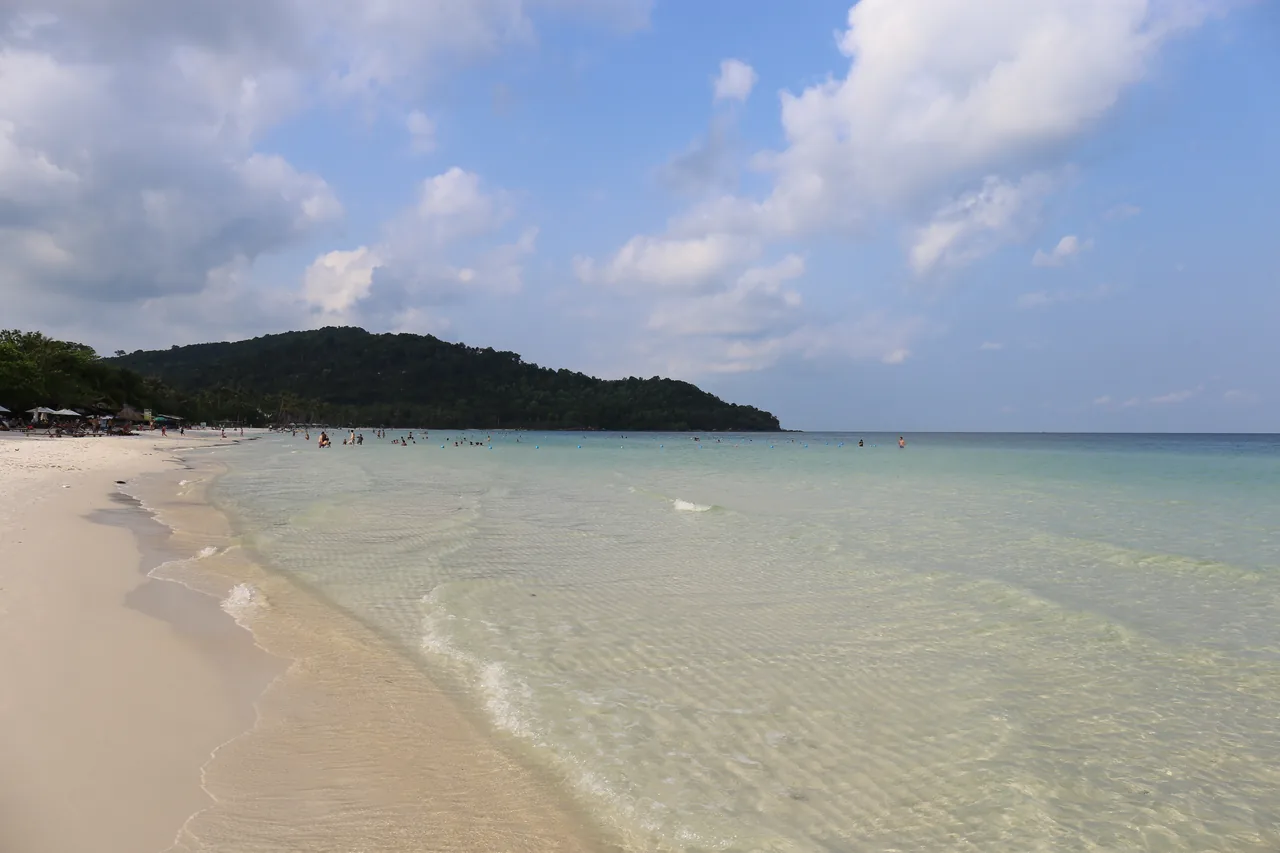
For warm, dry weather, go south. Phu Quoc, Mui Ne, Ho Chi Minh City and the Mekong Delta are in the middle of their dry season, with hot, sunny days and very little rain. In Saigon and the Delta, nights are the coolest of the year, but still nowhere near cold. If the main goal of your trip is time on the beach, start here.
The north has its coldest month. Hanoi averages around 20°C by day and 15°C at night, mostly under grey skies, and Ha Long Bay and Ninh Binh are much the same. Up in Sapa it gets properly wintry. City breaks, food trips and bay cruises still work well; you just need a proper jacket.
The central coast is drying out, but slowly. Da Nang, Hoi An and Hue still get regular showers, and Hue is still in its rainy season. Nha Trang is much drier than in December, but its rough-sea season lasts until around Tết, so some days still bring high waves and no swimming.
What this means for a two-week trip
A classic north-to-south route works fine in January as long as you pack for two kinds of weather: a warm layer for Hanoi and Ha Long Bay, and summer clothes for Saigon and the islands. If you are flying in from an Australian summer, the south will be as hot as you expect, but the north will be a lot colder.
Two things on the calendar shape the month. The first ten days of January are the most expensive dates at beach hotels in Nha Trang and Phu Quoc, because of Russia’s long New Year holiday. The other is Tết, the Lunar New Year. In years when it falls in late January or early February, the rush before it fills domestic flights and trains during the second half of January, and even with a mid-February Tết the last days of January can already be busy. Before you book anything else, look up when Tết falls in the year you are travelling.
Planning a beach stay over New Year? Rooms on Phu Quoc for the New Year dates are the first to go, so book them months ahead rather than weeks.
2. Why the north is cold while the south is hot
Several times during January, cold, dry air moves down from the Asian mainland into northern Vietnam. Each cold spell brings a drop in temperature. On top of that, Hanoi and the mountains have many days without sun at this time of year.
Forecasters call this the northeast monsoon, which simply means the winter wind that blows from the northeast. When the same wind crosses the sea and meets the mountains behind the central coast, it turns into rain. That is why Hue, Da Nang and Hoi An have their wet season in autumn and early winter, and why the rain there keeps easing through December and January and drops off further in February.
The south and the islands work the other way round. Their rain comes in summer, so January falls in the middle of their dry season: hot, sunny days and slightly cooler nights.
What it means if you are travelling the length of the country
A single trip can take in three kinds of weather. Going from Hanoi to Ho Chi Minh City, you move from jacket weather to T-shirt weather, with a stretch of showers in between. None of this stops you from travelling the whole country in January; it changes what you pack and where you plan your beach days.
We don’t try to guess how cold or wet any particular January will be. A few days before you travel, check the forecast from Vietnam’s National Centre for Hydro-Meteorological Forecasting, and look at the northern, central and southern Vietnam guides for the bigger picture.
3. January weather across Vietnam at a glance
The table covers every destination in this guide, grouped by the kind of trip they suit. The two temperatures are the usual daytime high and the usual overnight low in January.
The rain column is a rough guide. Where it says little or almost none, you can plan outdoor days with confidence. Where it says often, pack an umbrella and leave a spare day in your plans.
| Destination | January? | Day / night (°C) | Rain | What stands out |
|---|---|---|---|---|
| Beaches and islands | ||||
| Phu Quoc | Easy choice | 31 / 23 | Little | Dry season; light wind on the west coast |
| Mui Ne and Phan Thiet | Easy choice | 29 / 21 | Almost none | Kitesurfing season; breezy beach |
| Nha Trang | Good, with caveats | 27 / 21 | Some days | Calmer than December, but rough-sea days still happen |
| Con Dao | Good, with caveats | 28 / 24 | Little | Windy month; fly rather than take the boat |
| Cities and heritage | ||||
| Da Nang | Good, with caveats | 25 / 19 | Often | Big waves; cold and foggy on Ba Na Hills |
| Hoi An | Good, with caveats | 25 / 19 | Often | Wetter than Da Nang; monthly lantern night |
| Hue | Expect rain | 24 / 18 | Often | Still the rainy season |
| Hanoi | Good, with caveats | 20 / 15 | Little, but grey | Coldest month of the year |
| Ninh Binh | Good, with caveats | 20 / 15 | Little, but grey | Cold and cloudy; boats still run |
| Ho Chi Minh City | Easy choice | 32 / 21 | Almost none | Coolest nights of the year |
| Mekong Delta (Can Tho) | Easy choice | 30 / 22 | Almost none | Pre-Tết markets may fall in January |
| Bay cruises | ||||
| Ha Long Bay | Good, with caveats | 19 / 14 | Little | Clearer than February and March, but windy |
| Cat Ba and Hai Phong | Good, with caveats | 20 / 14 | Little | Same sea as Ha Long Bay |
| Mountains and caves | ||||
| Sapa | Only if you want the cold | 12 / 6 | Often: drizzle and fog | Coldest, foggiest month |
| Ha Giang | Good, with caveats | 20 / 13 (town) | Little, but grey | The high plateau is far colder than town |
| Phong Nha | Good, with caveats | 22 / 17 | Some days to often | Adventure cave tours are running |
| Highlands and flowers | ||||
| Da Lat | Easy choice | 22 / 12 | Almost none | Sunny days, cold nights, pink blossom |
| Mang Den | Easy choice | No figures; mild days, cold nights | Almost none | High plateau; blossom week in some years |
Temperatures come from the climate tables in the draft revision of Vietnam’s building standard on climate data (QCVN 02), rounded to whole degrees. The figures for Ho Chi Minh City come from the earlier edition of the same standard, QCVN 02:2009. Mang Den is not covered by either, so we give no figures for it.
Reading the temperatures if you think in Fahrenheit
For a quick sense of scale: 32°C is about 90°F, 25°C is 77°F, 20°C is 68°F, 15°C is 59°F and 6°C is about 43°F. In other words, the south is hot, the central coast is mild, Hanoi is cool and Sapa is cold.
4. Beach trips: Phu Quoc
Phu Quoc, the island off Vietnam’s far south-west coast, is in the middle of its dry season in January. Days are around 31°C, nights around 23°C, and rain is rare.
Most hotels are on the west coast, along Bai Truong (Long Beach)Map and around Duong Dong. On this side of the island the wind is at its lightest of the year in January and February. Which beach is calmest can still change from day to day, so ask at your hotel before crossing to the other side of the island.
On the south-east coast, Bai SaoMap is a popular white-sand beach for a half-day or full-day outing. Island-hopping boats leave from the south of the island; see our guide to island hopping on Phu Quoc for the main routes.
Evenings, theme parks and New Year
At Sunset TownMap in the far south, fireworks go up twice every night: around 19:30 with a show called Symphony of the Sea, and around 21:30 with Kiss of the Sea. Show days and times can change, so check them when you buy tickets. The Hon Thom cable car runs from the same area out to the islands. Up in the north of the island are Vinpearl Safari, VinWonders Phu Quoc and Grand World; our list of things to do on Phu Quoc covers the rest.
Hotel prices on the island are at their highest in the first ten days of January, during the Russian New Year holiday, and many hotels add a compulsory gala dinner on New Year’s Eve. Russian travel companies count December and January as the priciest months overall, so book ahead whatever your dates. Our Phu Quoc hotel guide covers where to stay, and the best time to visit Phu Quoc compares the other months.
Flying straight to Phu Quoc from abroad? Foreign visitors who arrive directly on the island can stay up to 30 days without a visa, as long as they stay on Phu Quoc. Our Phu Quoc airport guide explains how arrival works.
5. Beach trips: Mui Ne and Phan Thiet
Mui Ne and Phan Thiet, on the coast east of Ho Chi Minh City, get almost no rain in January. Days are around 29°C and nights around 21°C.
January is in the middle of the kitesurfing season, which runs from mid-December to the end of March or early April. The windiest part of the season is January and February. You will see the kites along Kite BeachMap, and Vietnam’s state news agency reports that this is when international kitesurfers come to Mui Ne.
You don’t have to kitesurf to enjoy Mui Ne in January. With almost no rain, it also works for a dry, sunny beach stay or as a base for the dunes, as long as you don’t mind sharing the beach with the kites.
The sand dunes
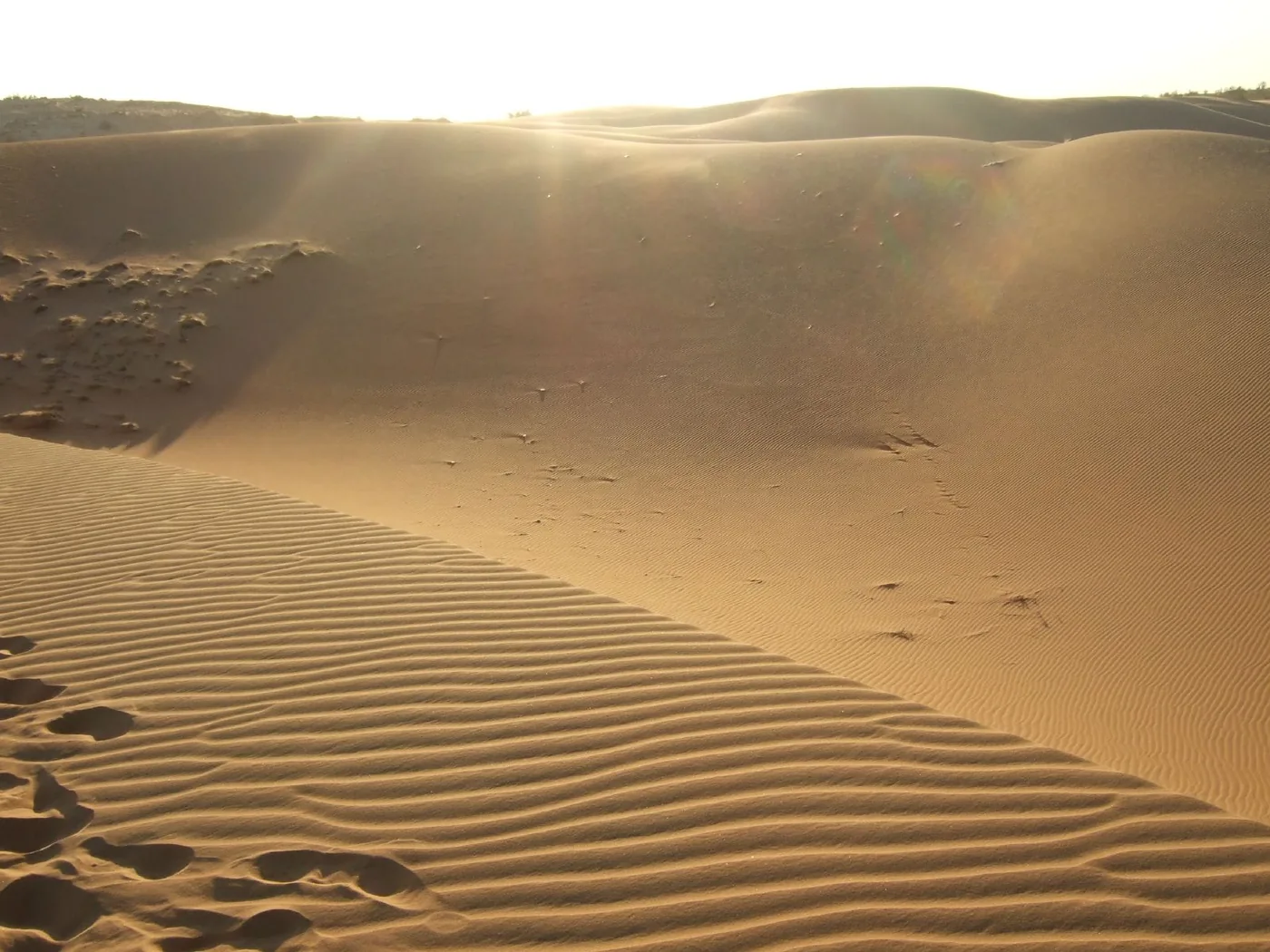
The red sand dunesMap are the other reason to come, and dry weather means dune trips run as normal. Go early in the morning or late in the afternoon, when the sun is low and the sand is not yet too hot to walk on.
Mui Ne is long and spread out along the bay, so where you stay matters more than in a compact town. Our Mui Ne hotel guide goes through the options.
6. Beach trips: Nha Trang
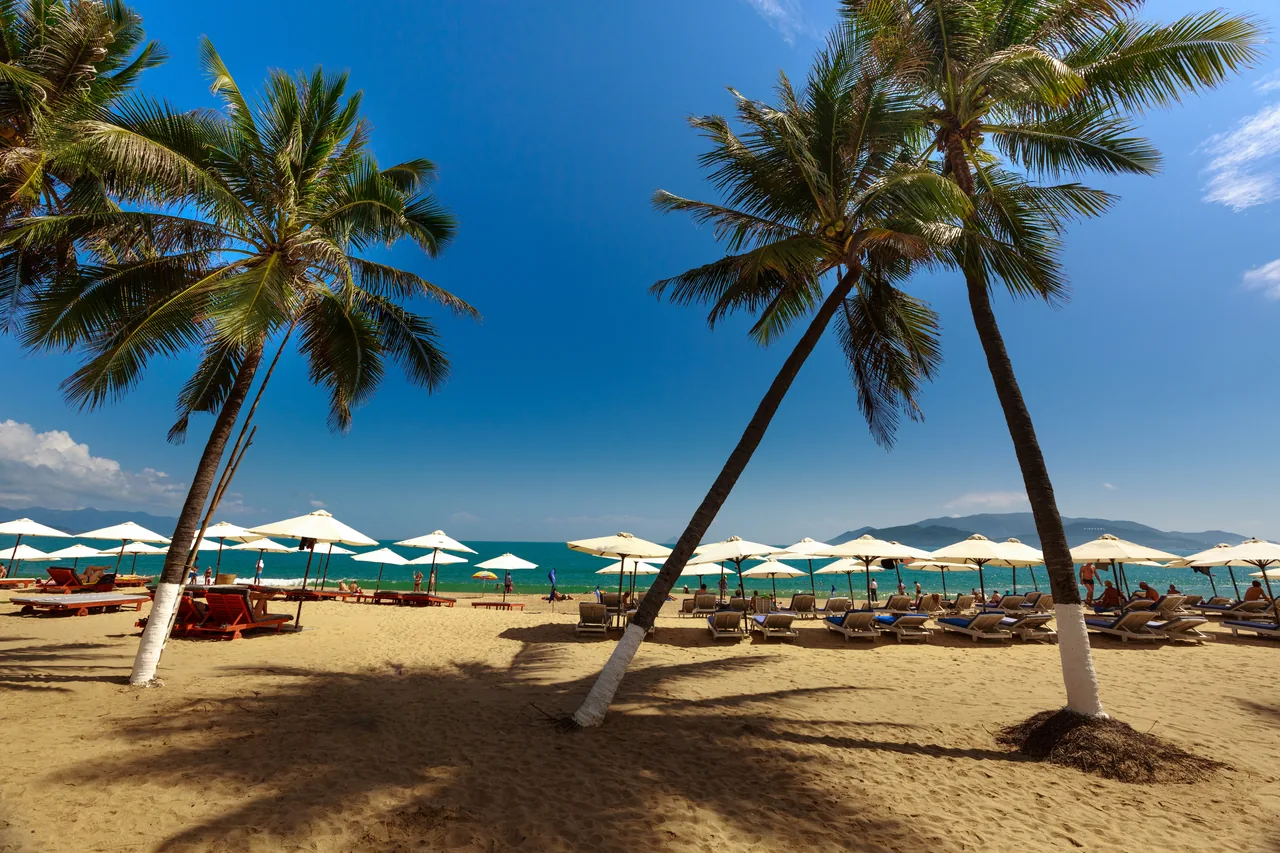
Nha Trang is much drier in January than in December, with days around 27°C and nights around 21°C. Showers still turn up on some days, but far less often than the month before.
The sea is the thing to watch. The Nha Trang Bay management board counts the rough-sea season as lasting from the ninth lunar month until around Tết, so January is still inside it. Expect some days with high waves, no-swimming signs on the beach and island boats that stay in port. The sea is calmer than in December, and calmer again in February.
Lifeguards cover Tran Phu beachMap from 5:00 to 18:30. On rough days they put up no-swimming signs in Vietnamese, English, Russian and Korean. When you see one, stay out of the water. You can read the state news agency’s report on Nha Trang’s swimming warnings.
Island boats, mud baths and where to stay
Want a day of island hopping in Nha Trang? Don’t tie it to one fixed date. Keep a couple of possible days free and book once you have seen the sea and the forecast, because the boats don’t go out on rough days.
On days when the island boats stay in, the mud baths are an easy alternative, and our list of things to do in Nha Trang has plenty more. VinWonders Nha Trang and the Vinpearl resorts are on Hon Tre island, across the bay from the city. Flying in? See getting from Cam Ranh airport to the city.
Around New Year, Nha Trang’s beachfront resorts are close to full. Many charge a holiday surcharge for those nights, although in some years many of them have waived it. For a closer look at the month, read Nha Trang in January, or compare with Nha Trang in December and our page on Nha Trang’s rainy season. Our Nha Trang hotel guide covers which area to stay in.
7. Beach trips: Con Dao
Con Dao, the island group off the southern coast, stays warm in January, with days around 28°C and nights around 24°C. Rain is light. It is, however, one of the windier months, and Con Dao’s official tourism portal notes that beach activities are more limited at this time.
That makes January a better fit for the island’s history and quiet roads than for a pure beach holiday. The old prisons and cemetery in Con Dao townMap are not affected by the wind, and you can easily spend a day or two on them.
Getting there in January
Boats are the uncertain part. Ferries from Tran De portMap in the Mekong Delta change their times with the tide and the weather, and boats from Vung Tau and Ho Chi Minh City don’t always run. Check the current situation before planning around any boat.
The reliable way to reach Con Dao is to fly. If you book a boat, keep a spare day and don’t lock in a hotel night that depends on it, because a rough sea can cancel the crossing.
Hotels on Con Dao are few compared with Phu Quoc, so it’s worth booking early; our Con Dao hotel guide lists the main options.
8. Cities and heritage: Da Nang and Hoi An
Da Nang has mild January days of about 25°C, with nights around 19°C. Rain still comes often, but it is less than in December and drops further in February.
The sea at My Khe beachMap is warm enough to swim, but big waves are common, and this is the season when surfers come to Da Nang. On calm days a swim is fine; on rough days, follow the lifeguards’ flags.
Ba Na Hills sits at about 1,500 m, and the operator’s own advice is that it is cold and often foggy in January. Take a warm layer even if it is hot at the Ba Na Hills cable car stationMap.
For more on the city this month, see Da Nang in January. Our guides to the Da Nang and Hoi An rainy season and the best time to visit Da Nang compare the rest of the year.
Hoi An and its lantern night
Hoi An has much the same temperatures as Da Nang but gets rain more often. The old town around the Japanese Covered BridgeMap is easy to see in a day of showers if you carry an umbrella and duck into the cafés and shops when it pours.
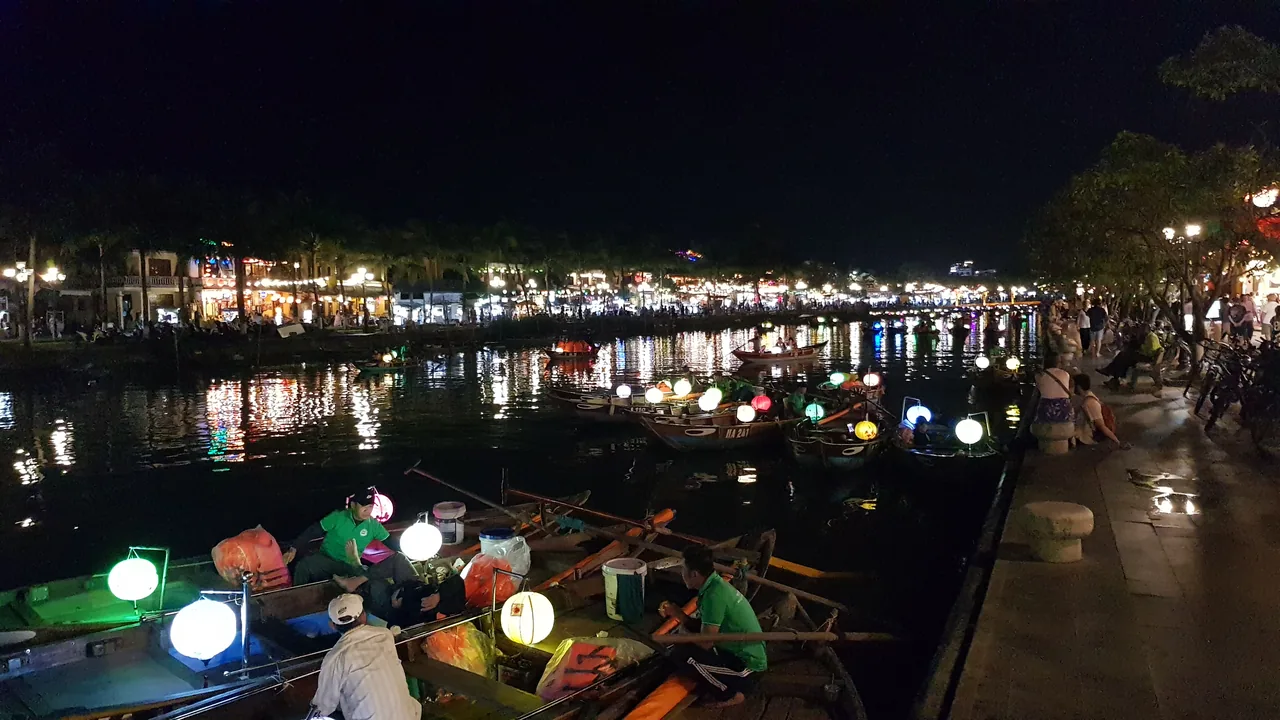
On the night of the 14th day of every lunar month, and often the 15th as well, Hoi An holds its lantern night. The old town switches off its electric lights, and only lanterns are lit along the streets and on the river. The lunar date moves against the western calendar, so look it up for your travel month.
Don’t count on a trip to the Cham Islands (Cu Lao Cham) this month. Most tourist boats out to the islands stop running from autumn until early in the year, and January falls inside that break.
9. Cities and heritage: Hue
Hue is still counted as being in its rainy season through January, so expect showers and grey days. Daytime temperatures are around 24°C, with nights around 18°C.
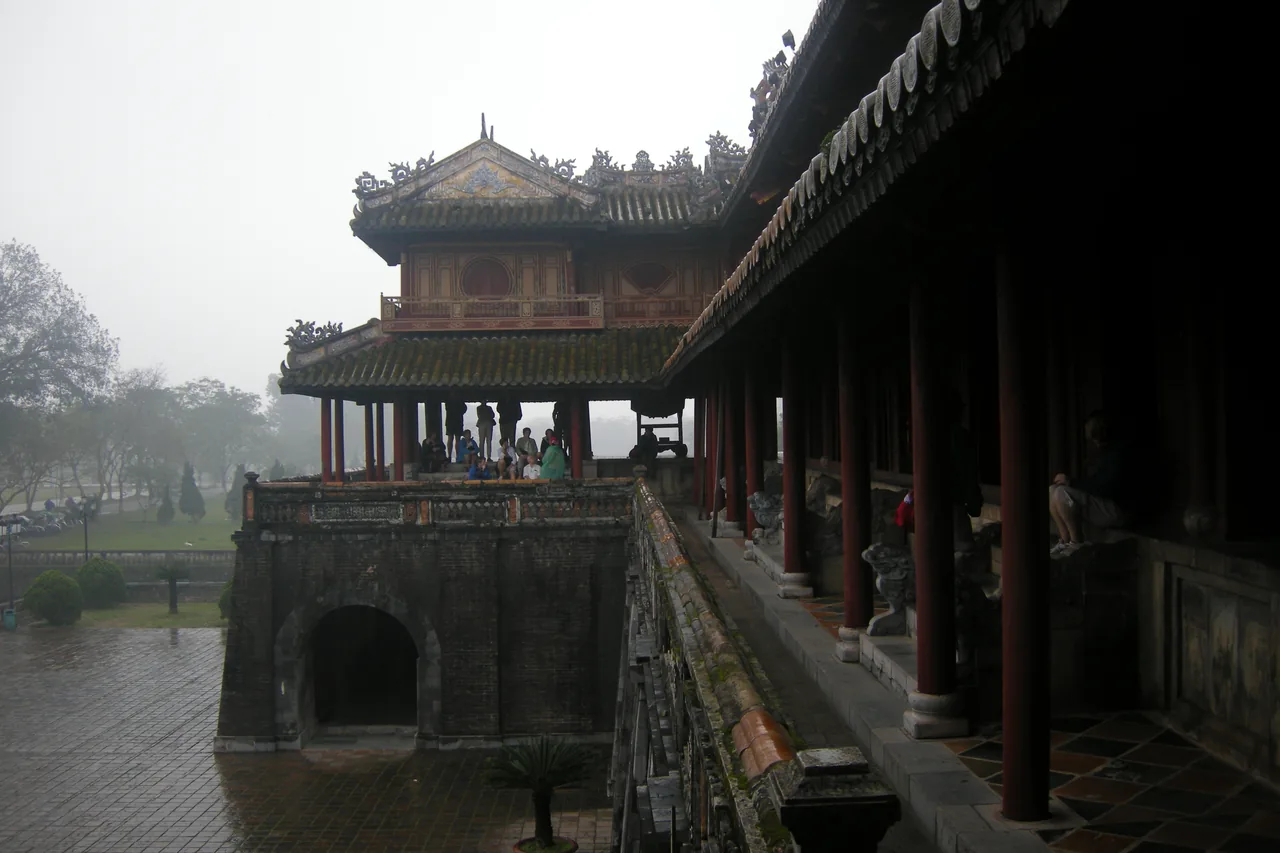
The Imperial CityMap keeps winter hours: tickets are sold from 7:00 to 17:00, and the site closes at 18:00. A ticket for the Imperial City alone costs 200,000 dong. The Hue Monuments Conservation Centre posts the current hours.
Give Hue an extra day. If the first day is wet, spend it in the Imperial City, and save the royal tombs outside town for a drier one.
Two events at the Imperial City
On 1 January, the Imperial City has staged a re-enactment of the Ban Soc ceremony, the Nguyen court’s ritual for handing out the calendar for the coming year.
On the 23rd day of the 12th lunar month, seven or eight days before Tết, staff raise a tall Nêu pole inside the Imperial City to start its Tết programme. The Nêu pole ceremony is now held every year. Whether it falls in January depends on that year’s Tết date.
For a hotel close to the citadel or by the river, see where to stay in Hue.
10. Cities and heritage: Hanoi
Hanoi averages about 20°C (68°F) by day and 15°C (59°F) at night in January, its coldest month of the year. Several cold spells come down from the north during the month, and on those days it feels colder than the averages suggest.
The sun doesn’t show much, and many days are overcast. Drizzle is more common in February and March, so January in Hanoi is usually grey and dry rather than wet. Walking the Old Quarter, eating street food and seeing museums all work fine.
Opening hours worth knowing
The Ho Chi Minh MausoleumMap opens in the mornings only in winter, roughly from 8:00 to 11:00, and is closed on Mondays and Fridays. Hours can change, so check before you go.
Hoa Lo PrisonMap is open every day from 8:00 to 17:00, holidays included, which makes it a good choice for a cold, grey afternoon. The Hoa Lo Prison website has details.
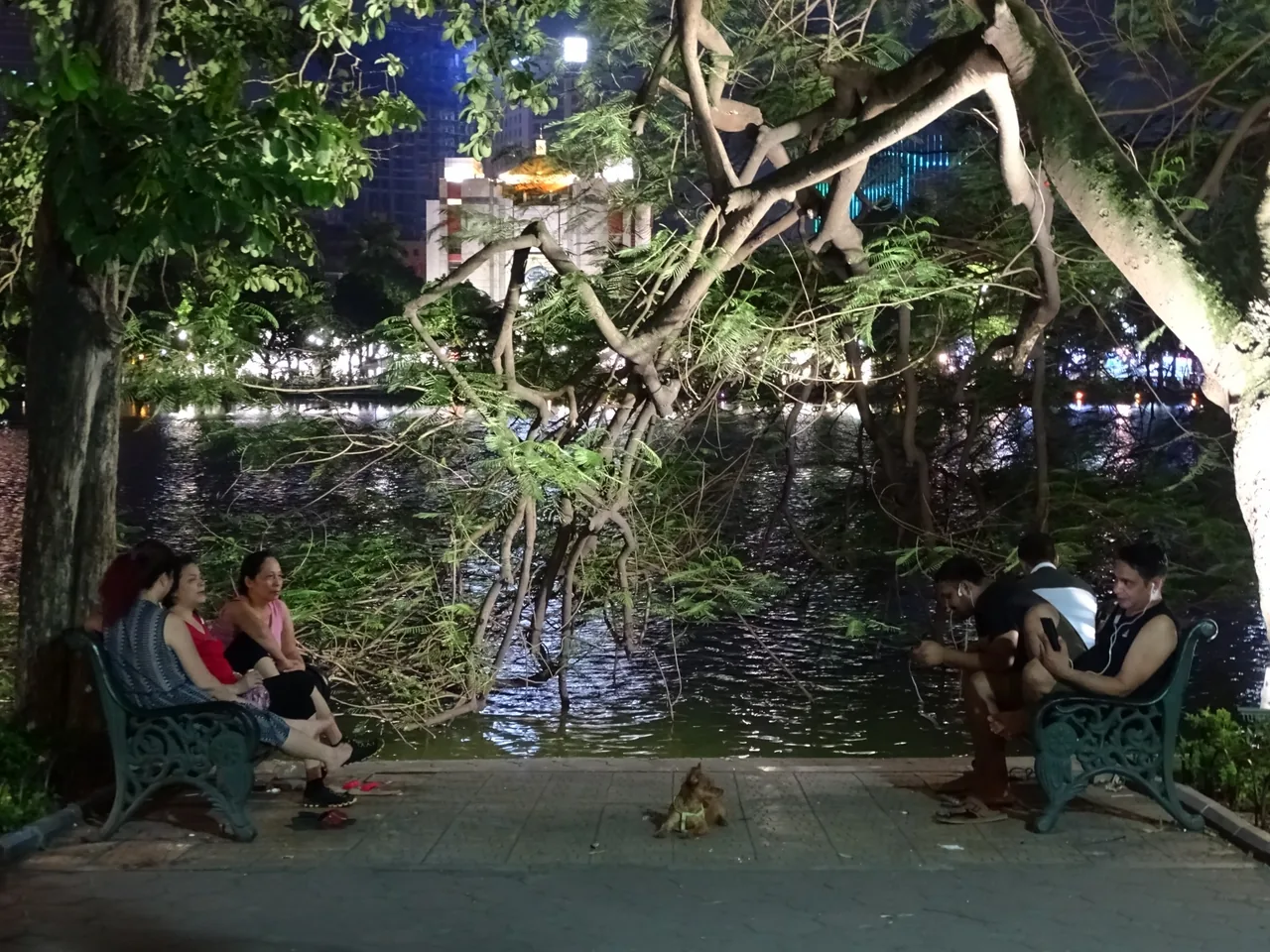
On New Year’s Eve, the area around Hoan Kiem LakeMap has been one of the city’s countdown spots in recent years. The lake is also the easiest place to start an Old Quarter walk on any evening.
Our Hanoi hotel guide covers where to stay. If you are choosing between the two big cities for a short trip, read Hanoi vs Ho Chi Minh City; in January the weather favours the south.
11. Cities and heritage: Ninh Binh
Ninh Binh has the same cool, grey January as Hanoi, at about 20°C by day and 15°C at night. The rowing boats through Trang AnMap and Tam Coc run as usual for most of the month. In years when Tết falls in January, some sites close on Tết Eve or the first day of Tết, so check ahead if your dates overlap.
On the water, the wind makes it feel colder than it is in town. Take a warm jacket for the boat ride, and something to keep your hands warm if you plan to take photos.
Grey skies make the limestone hills look flatter in photos than they do on a sunny day, but the boat trip, the caves along the river and the temples are just as good.
Doing it as a day trip from Hanoi
Most people visit Ninh Binh as a day trip from Hanoi, with a boat ride in the morning and a temple or viewpoint in the afternoon. Short winter daylight means an early start is worth it.
If your Hanoi dates are flexible, check the forecast and move Ninh Binh to the brightest day of your stay.
12. Cities and heritage: Ho Chi Minh City and the Mekong Delta
Ho Chi Minh City is hot and dry in January, with days around 32°C and nights around 21°C. Rain is close to non-existent, and nights are the coolest of the year, which makes evenings outdoors more comfortable than at most times of year.
Daytime sightseeing is still hot work. Do the outdoor sights, such as Ben Thanh MarketMap and the colonial buildings around it, in the morning or late afternoon, and save the middle of the day for museums and cafés.
On New Year’s Eve, recent countdowns have been held on Nguyen Hue walking streetMap, with fireworks over the Saigon River. In the evening, the District 4 seafood street is a good place to eat outdoors, and the Cu Chi Tunnels make an easy half-day trip. Our Ho Chi Minh City hotel guide covers which district to stay in.
The Mekong Delta
Further south, Can Tho and the Mekong Delta are also hot and dry, at about 30°C by day and 22°C at night. As in Saigon, nights are the coolest of the year.
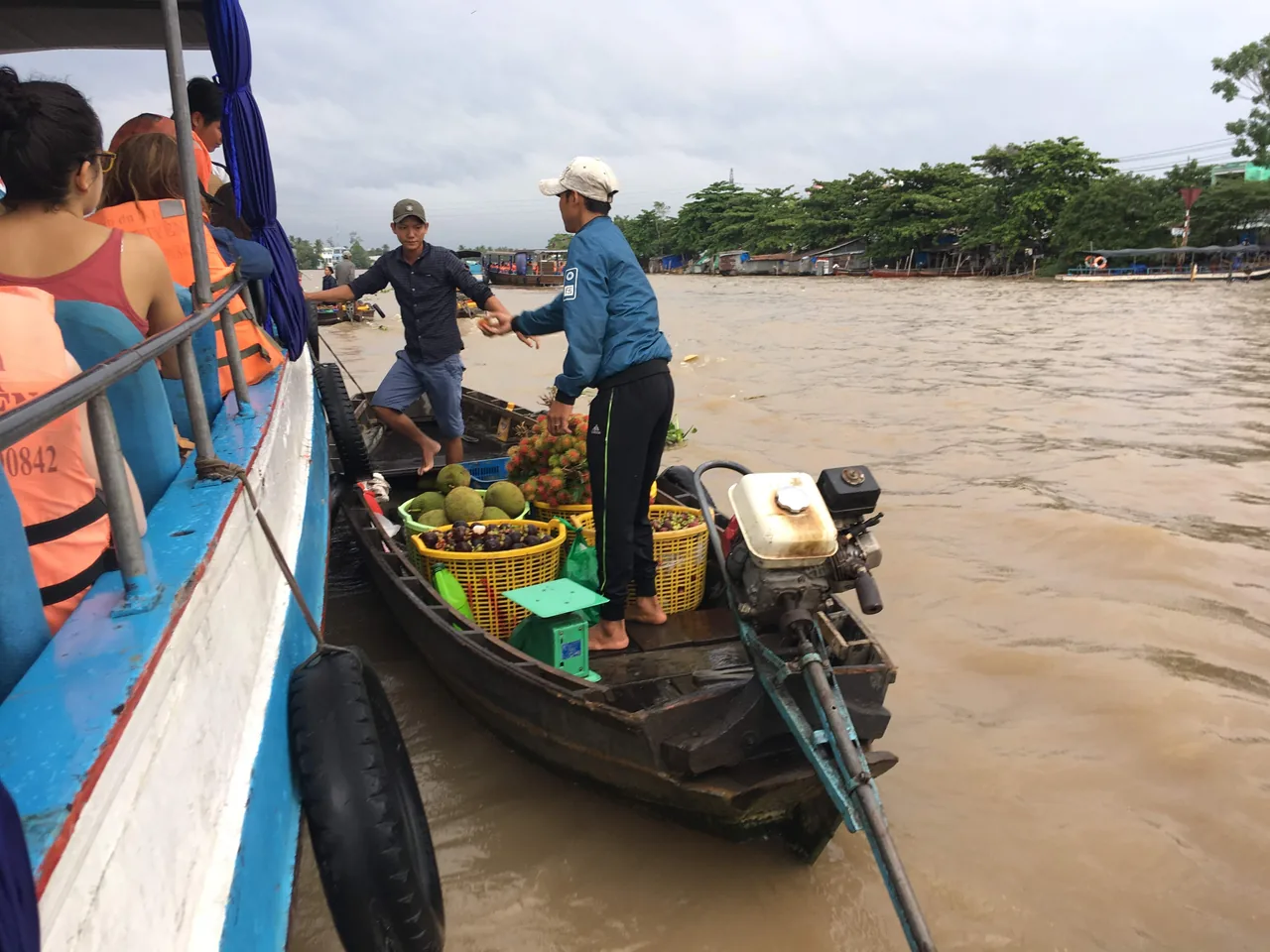
The Cai Rang floating marketMap near Can Tho trades every morning, so go early. In the weeks before Tết it gets far busier with boats of flowers and watermelons, and depending on the Tết date, that busy stretch can fall in January. The section on flower markets below explains when.
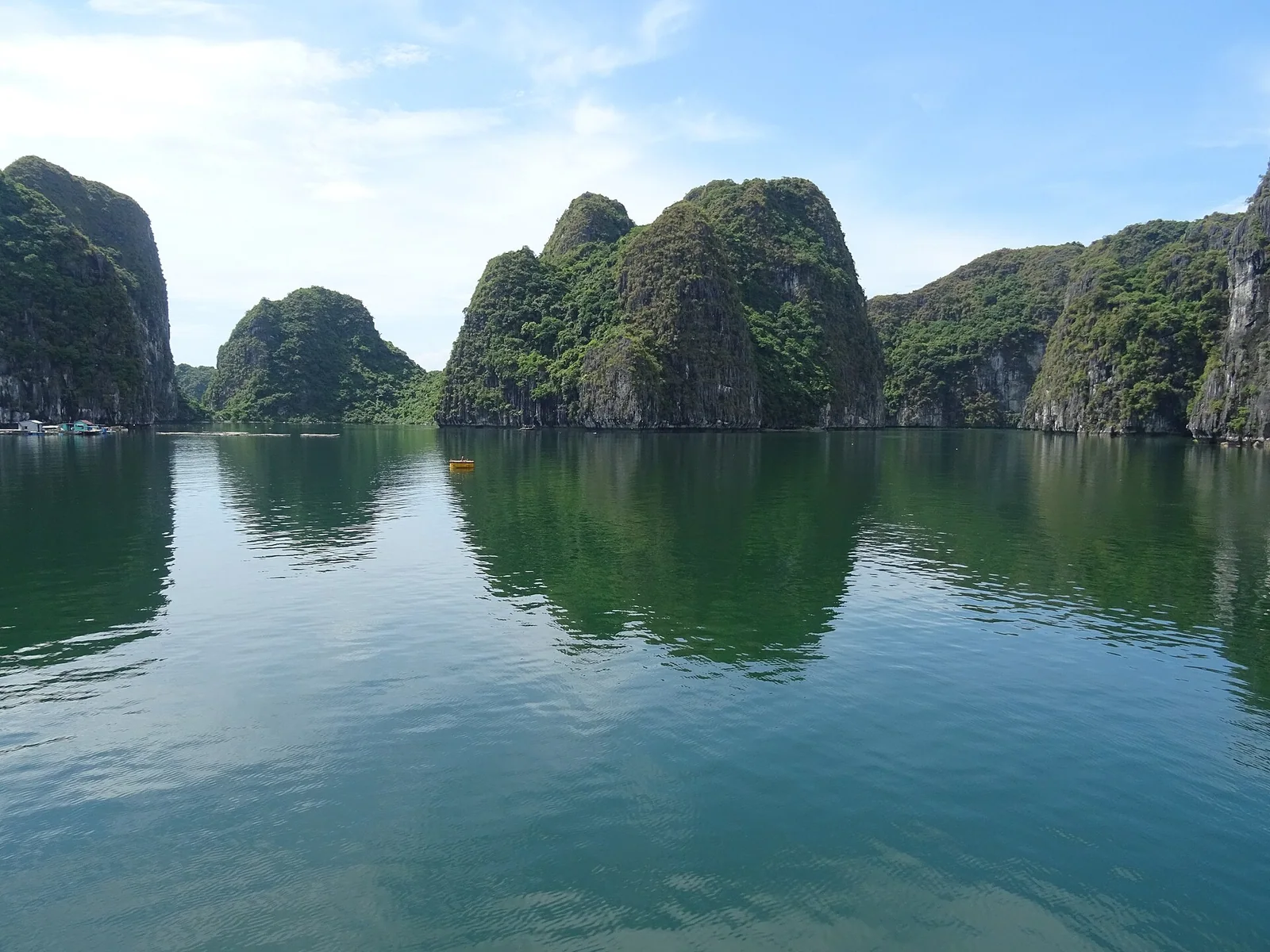
13. Bay cruises: Ha Long Bay, Lan Ha Bay and Cat Ba
On Ha Long Bay, January days are about 19°C and nights about 14°C. Fog, drizzle and overcast skies are more common in February and March than in January, so January often gives clearer views of the islands.
Wind is the bigger issue. January is often windy on the bay, and when the wind passes a set strength (around force 5 on the Beaufort scale), the port authority stops tourist boats from leaving. On normal days cruises run as usual. This news report on Ha Long cruise suspensions shows how the port authority handles bad weather.
When departures are stopped, cruise boats stay in port, whether they leave from Tuan Chau or from Ha Long International Cruise PortMap. Before you pay, ask your cruise company what happens if your date is cancelled, and don’t book a cruise that ends on the same day as an international flight.
Swimming, kayaking and Lan Ha Bay
The water is too cold for most people to swim in January, but kayaking usually goes ahead. A warm jacket for the deck is essential, because the wind on an open boat is cold.
Lan Ha BayMap, on the same stretch of sea, is reached from Cat Ba Island and from Hai Phong. Cat Ba and Hai Phong see about 20°C by day and 14°C at night. Most of the island’s hotels are in Cat Ba townMap on the south coast. The cable car on the north side of the island, which links Cat Hai with Phu Long, closes every Tuesday for maintenance.
If you haven’t picked a boat yet, start with our guide on how to choose a Ha Long Bay cruise.
14. Mountains: Sapa and Fansipan
Sapa has its coldest weather of the year in January, about 12°C (54°F) by day and 6°C (43°F) at night, and the coldest temperatures ever recorded there were also in January. It is also the month with the most drizzle and fog.
Snow comes down to luck. During cold snaps, the summit of FansipanMap often gets ice and frost, but settled snow is rare: it has only happened a handful of times in recent years, as in this report of snow on Fansipan and O Quy Ho.
So January in Sapa suits people who want the cold and the winter scenery for their own sake. If you are hoping for clear views of rice terraces and long, dry hikes, another month will serve you better.
The cable car and the roads around town
In at least one recent year, the Fansipan cable car closed for close to a month in January for maintenance. Check that it is running before you build a trip around it. It has, however, kept running on icy days in late January.
The road over O Quy Ho PassMap is often in fog, so leave extra time if you are driving. In town, the area around Sapa LakeMap is the easiest base for walks. For transport, see how to get from Hanoi to Sapa.
Pack proper winter clothes: a down jacket, a hat and gloves. The summit can drop below freezing.

15. Mountains: Ha Giang
Ha Giang town averages about 20°C by day and 13°C at night in January, with plenty of grey days. The high plateau around Dong Van old townMap and Meo Vac is much colder than the town, so don’t plan your clothes around the town figures.
Peach and plum blossom on the plateau is at its best around Tết. In most of January you are early, so expect the first flowers rather than full bloom.
Snow is rare. The one recent case we could confirm was in villages on the Chinese border in Meo Vac district, during a cold snap. It is not something to plan for.
Riding the loop in January
Most visitors ride the Ha Giang loop by motorbike or as a passenger on an easy rider’s bike. On a bike the cold feels much stronger, so bring gloves, a windproof jacket and warm layers.
The road up to the Lung Cu flag towerMap, close to Vietnam’s northernmost point, is part of most loop routes and can be cold and misty at the top.
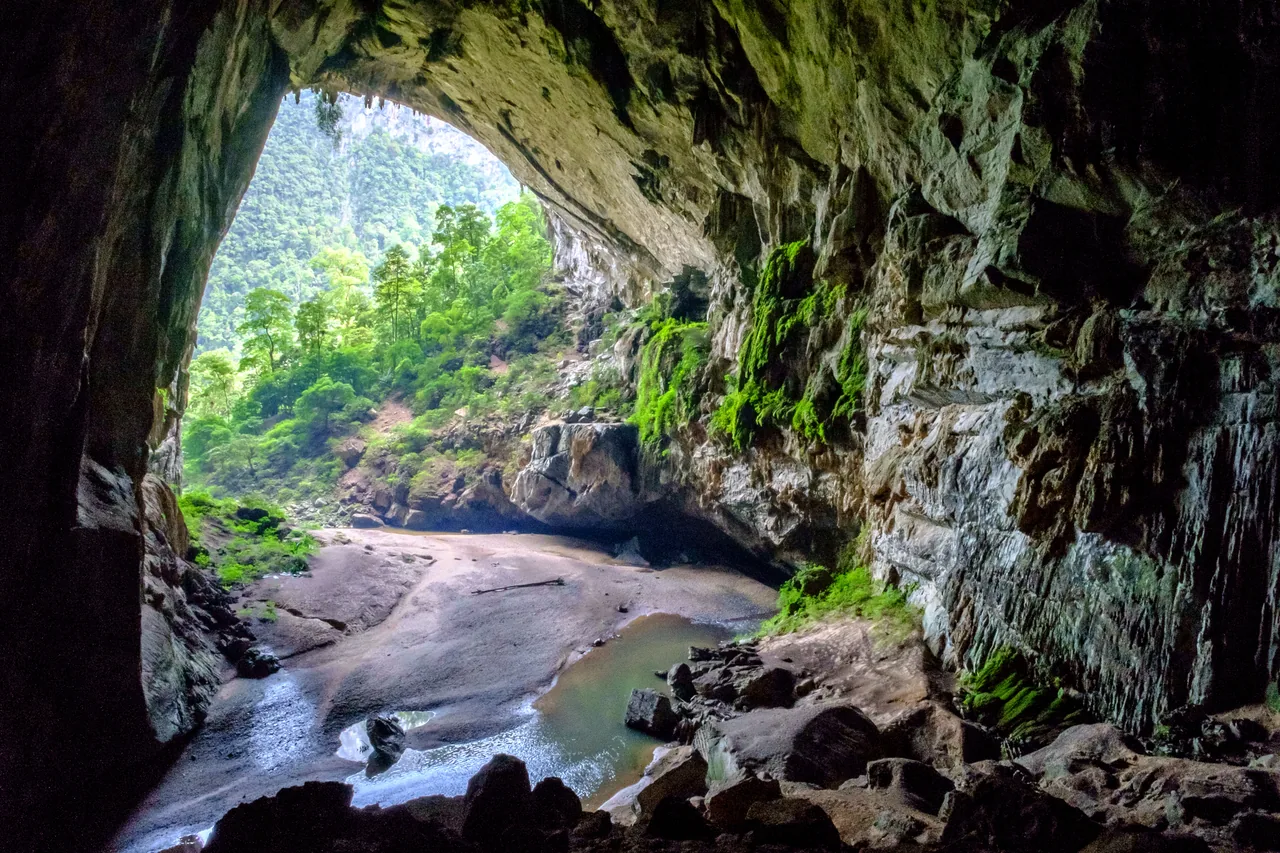
16. Mountains and caves: Phong Nha
Phong Nha has days around 22°C and nights around 17°C in January, with rain anywhere from some days to often.
All the adventure cave trips are running in January. Overnight trips to Hang En and tours in the Tu Lan cave system are already well into their season by now; the licensed operator Oxalis lists dates for its Hang En cave camp.
The Son Doong expedition is the one whose season opens in January, but places are often booked up for years ahead.
Don’t plan a trip around Son Doong unless you already have a confirmed place. The other adventure caves are much easier to book.
The show caves
Phong Nha CaveMap and Tien Son Cave are on winter hours, from 7:30 to 15:45. Phong Nha Cave is reached by boat along the river, so wear something warm for the ride.
17. Highlands and flowers: Da Lat and Mang Den
Da Lat, up in the Central Highlands, is in the middle of its dry season in January. Expect plenty of sun, days around 22°C and nights around 12°C. Some nights drop into single figures, so bring a warm jacket for evenings and early mornings.
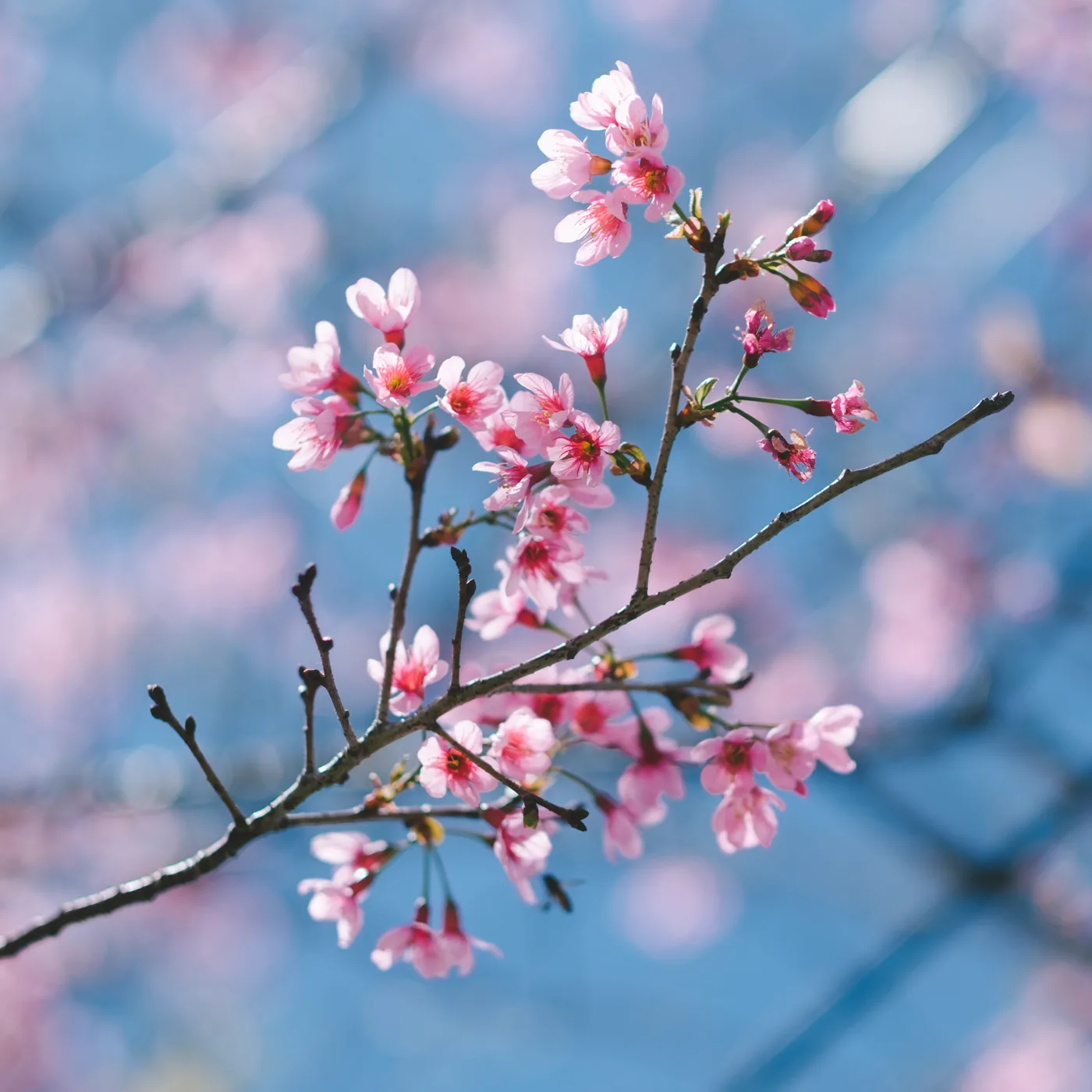
January is also when Da Lat’s pink mai anh dao blossom comes out. It usually appears between January and early February, but the timing varies from year to year. You’ll find the trees around Xuan Huong LakeMap and on streets across the city.
Lam Vien SquareMap beside the lake is a good starting point for a first walk. Our Da Lat hotel guide covers where to stay, and getting between Nha Trang and Da Lat explains the road between the beach and the highlands.
Mang Den
Mang Den is a plateau town at about 1,200 m and is also dry in January. Days are mild, but the nights get cold. The pine forest and Dak Ke LakeMap are the main sights.
In some years, Mang Den has held a cherry blossom week around New Year. We couldn’t confirm that it is held every year, so check locally before planning a trip around it.
18. Check the Tết date before you book
Tết, the Lunar New Year, moves around the western calendar and falls somewhere between 21 January and 20 February. In some years it lands in late January, in others in February, and late January looks quite different in each case. Look up the date for your year before you book flights.
When Tết falls after the first few days of February, the holiday closures all come after January ends, and most of January comes before the travel rush. That rush, the Tết peak for flights and trains, starts about two weeks before Tết, around the 15th day of the 12th lunar month. So whenever Tết falls on or before about 15 February, the last days of January are already part of it. Tết train tickets go on sale months ahead, usually around September, on the Vietnam Railways booking site.
When Tết falls in late January or the first few days of February, you get the same transport rush, and Tết Eve and the start of the holiday can land in late January too. For the first few days of Tết many shops and restaurants close, and prices go up for a few days afterwards.
| Tết in mid or late February | Tết in late January or the first days of February | |
|---|---|---|
| Holiday closures | None in January | Tết Eve and the first days of Tết can fall in late January, when many shops and restaurants close |
| Flights and trains | Most of January comes before the rush, but it starts about two weeks before Tết, so the last days of January can already be busy | The Tết rush starts about two weeks before Tết, so it falls inside January |
| Direction of travel | Out of Saigon to the north and centre is packed just before Tết; the other way is quiet | The same pattern, but in late January |
| Flower markets | Sa Dec’s fields may already be filling up in late January. Most of January comes before Hanoi’s flower market and the Cai Rang rush, but the last days of the month can catch their start | Sa Dec’s flowers are out, and Hanoi’s flower market and the Cai Rang rush can fall in January |
| Hotel prices | Normal January prices | Higher for a few days after Tết |
The government sets the official Tết holiday dates each year, so check its announcement for the exact days off. For how Tết affects buses, trains and flights, see our guide to getting around Vietnam, which has a section on travelling at Tết. If Tết falls in late January and you are heading to the beach, Da Nang in February and Nha Trang in February cover the days just after the holiday.
The Kitchen Gods’ day
On the 23rd day of the 12th lunar month, families send off the Kitchen Gods (Ông Công Ông Táo) by releasing carp into rivers and lakes, and markets are crowded. It is the first big day of the Tết season. Because it comes seven or eight days before Tết, it lands in January only when Tết falls on or before about 8 February.
Planning a late-January trip
- Find the Tết date Look up when Tết falls in your year. Everything else depends on it.
- Book long-distance travel early If any part of your trip falls in the two weeks before Tết, book domestic flights and trains as soon as you can.
- Travel against the flow Just before Tết, heading south out of Hanoi or Da Nang is easier than heading north out of Saigon.
- Plan for closures If Tết itself is in your dates, stay somewhere with a hotel restaurant for the first days of the holiday.
- Check the official days off Look for the government’s announcement of the public holiday before fixing your plans.
Travelling by train around Tết? Buy your tickets as soon as Tết sales open, because the popular trains sell out quickly.
19. Flower markets in the weeks before Tết
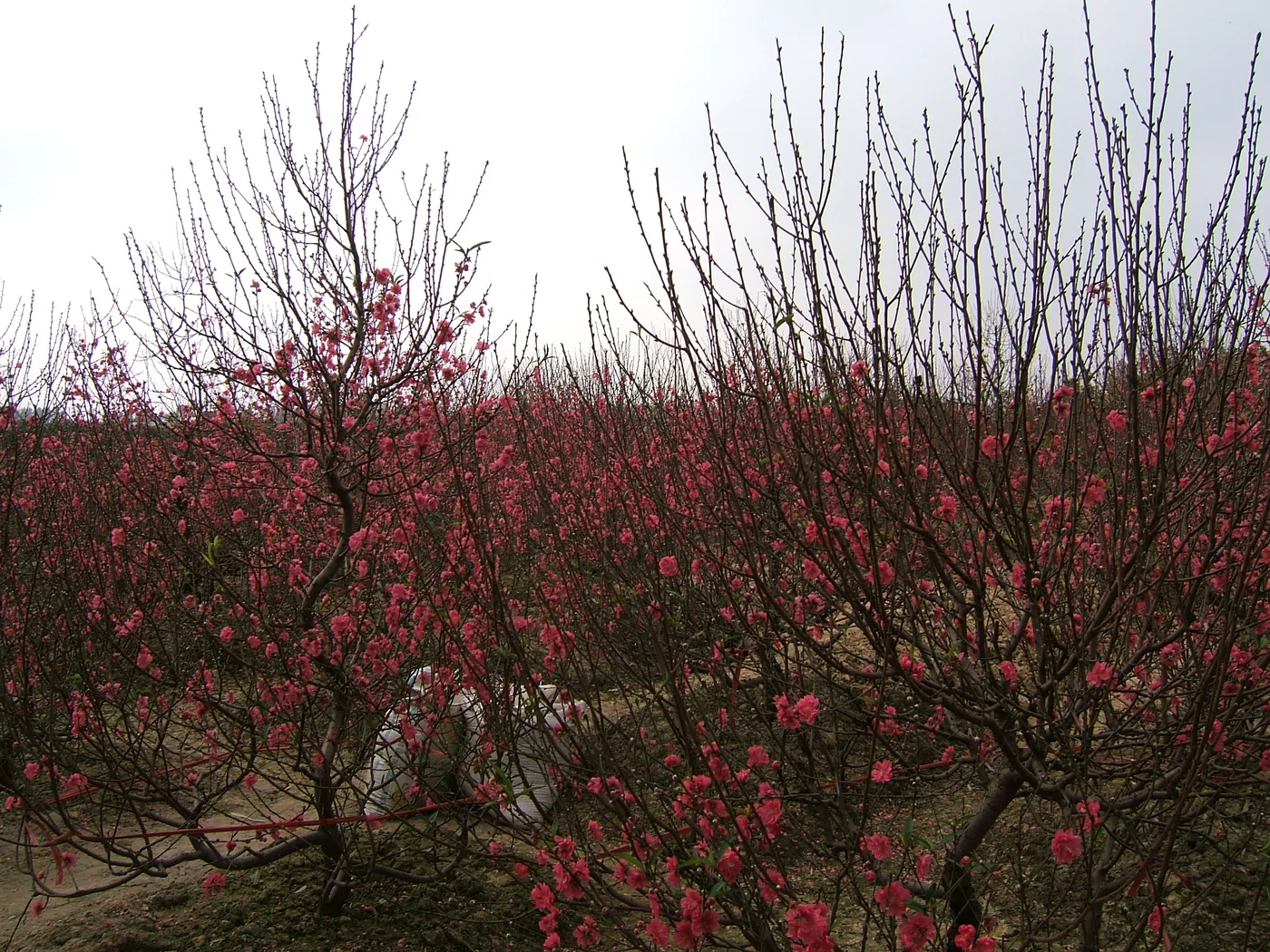
In the last weeks of the lunar year, flower markets and orchards fill with Tết flowers. Whether you see them in January depends on that year’s Tết date, so use the lunar dates below.
Hanoi: the Old Quarter flower market and Nhat Tan
Hanoi’s Old Quarter flower market, around Hang Luoc streetMap, runs from around the middle of the 12th lunar month until New Year’s Eve. In some years it has opened a little earlier, from about the 12th day, so in a mid-February Tết year it can already be open in the last days of January.
The peach orchards at Nhat TanMap, by the Red River, look their best from the middle to the end of the 12th lunar month. Growers charge 30,000 to 50,000 dong to walk in and take photos.
The Mekong Delta: Sa Dec and Cai Rang
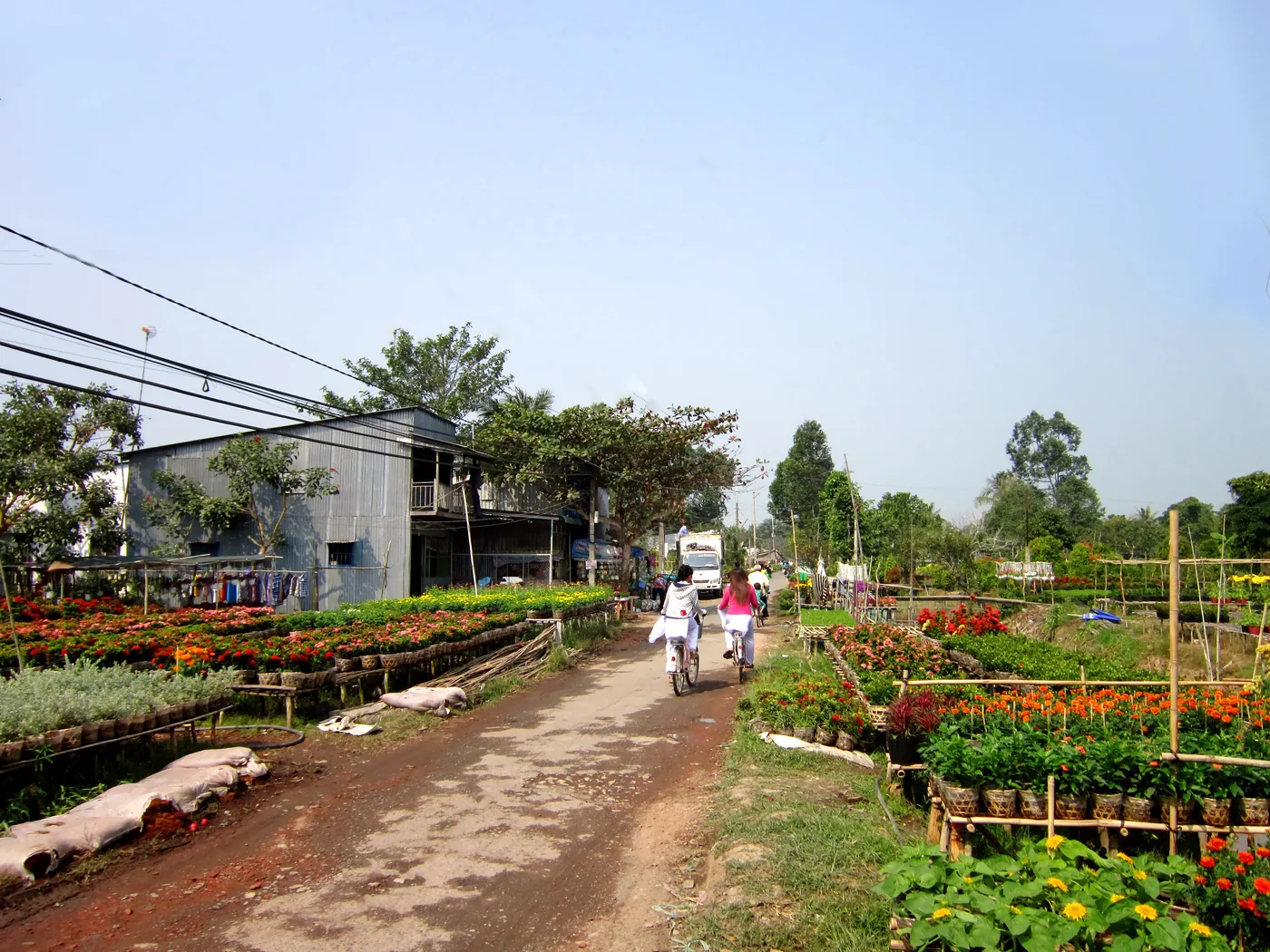
At Sa Dec flower villageMap in Dong Thap, the flowers start blooming from the beginning of the 12th lunar month. Growers say most of the pots are usually sent off to Ho Chi Minh City from around the 23rd, so the fields tend to look much emptier in the last week before Tết.
Cai Rang floating market in Can Tho is busiest from the 15th to the 28th day of the 12th lunar month, when boats arrive loaded with flowers and watermelons for Tết.
Ho Chi Minh City: Nguyen Hue flower street
The Nguyen Hue flower street opens on the evening of the 28th day of the 12th lunar month and stays open until the 5th or 6th day of Tết, so it covers the days before Tết and the first week of the new year; this government newspaper report covers the opening.
Unless Tết falls in late January or the first days of February, the Nguyen Hue flower street will not be open during a January trip. Check the lunar dates before planning around it.
Day tours from Ho Chi Minh City usually go to the nearer parts of the delta, which is enough for a first look at river life. Cai Rang is a different trip. It is at Can Tho, a few hours from Saigon, and the market is busiest at dawn, so most people spend a night in Can Tho to be on the water early.
20. New Year’s Eve and New Year’s Day
New Year’s Day, 1 January, is a one-day public holiday in Vietnam. On the night of 31 December, the big cities hold countdowns, and most put on fireworks.
In recent years, Hanoi has gathered around Hoan Kiem Lake and at several other spots, and Ho Chi Minh City on Nguyen Hue walking street, with fireworks near the Saigon River. Da Nang has used East Sea ParkMap by the beach. Nha Trang has held its countdown at 2/4 SquareMap on Tran Phu street, with fireworks from Vinpearl on Hon Tre island.
Locations and times change every year. Each city announces its New Year’s Eve plans in December, so check the local news before you head out.
Booking around New Year
Beach hotels in Nha Trang and Phu Quoc are close to full over New Year. Many add a compulsory gala dinner, and many also charge a holiday surcharge, though in some years a lot of them have dropped it. If you want to be on the beach for 31 December, book as early as you can.
For a city countdown, a hotel within walking distance of the main square saves you a long wait for a taxi afterwards, since streets near the celebrations are crowded.
21. Who else travels in January, and what it means for prices
For Australians, January is the busiest month of the year for trips to Vietnam. The Australian Bureau of Statistics figures on residents returning from short trips abroad have put January at the top for Vietnam three years running. Australian summer school holidays run until late January, so families travel throughout the month.
Russian holidaymakers arrive for their long New Year holiday, which runs from around 31 December to around 10 January and includes Orthodox Christmas on 7 January. Charter flights from Russian cities go to Nha Trang (Cam Ranh) and Phu Quoc. Russian travel companies report that December and January are the most expensive months for hotels there, that good rooms go months in advance, and that many hotels add a compulsory gala dinner on New Year’s Eve.
Other visitors from Asia have shorter breaks. Japan’s year-end holidays end around 3 January, and Coming of Age Day, on the second Monday of January, gives a three-day weekend. Taiwan has 1 January off, which only turns into a three-day break when it sits next to a weekend, and South Korea has a single day off. Their Lunar New Year holidays follow the Tết date.
What this means when you book
The first ten days of January are the most expensive dates at the beach in Nha Trang and Phu Quoc. If your trip includes the start of January, book those beach nights before anything else.
Inside Vietnam, the busy stretch is the run-up to Tết, when domestic flights and trains fill up. Compare prices for your exact dates rather than counting on a quiet week.
Travelling from Australia in the school holidays? Book flights and family rooms early, because you will be competing with many other Australian families for the same dates.
22. Visas, arrival and staying connected
If your passport is on Vietnam’s 45-day visa-free list, you can stay up to 45 days without a visa. The list includes the UK, Germany, France, Italy, Spain, Denmark, Sweden, Norway, Finland, Russia, Japan and South Korea, as set out in this government announcement.
A second group of European countries gets the same 45 days for tourism trips: Belgium, Bulgaria, Croatia, the Czech Republic, Hungary, Luxembourg, the Netherlands, Poland, Romania, Slovakia, Slovenia and Switzerland. See the government announcement on the European tourism exemption.
Most other passports, including Australian, American and Canadian ones, need an e-visa, valid for up to 90 days. Some Southeast Asian countries have their own visa-free arrangements with Vietnam, so check yours if you hold one of those passports. Apply for an e-visa only through the official e-visa portal. If you fly straight to Phu Quoc, you can stay 30 days without a visa as long as you stay on the island.
Arrival forms and getting set up
Some airports ask for an online arrival declaration before you land. A health declaration is not required of every traveller; it applies only when the authorities name a specific disease and period. For the visa application itself, our step-by-step e-visa guide walks through the form, and the government pages linked above set out who qualifies for visa-free entry.
For cash, cards and exchange rates, see money in Vietnam. An eSIM for Vietnam is the easiest way to have data from the moment you land. It’s also worth a quick look at common tourist scams and things that are illegal in Vietnam before you go.
23. What to pack for January
If your route covers both north and south, pack for two seasons. Layers work better than one heavy coat, because you can take them off as you head south.
| Where | What to bring |
|---|---|
| Hanoi, Ninh Binh, Ha Long Bay, Cat Ba, Ha Giang | A proper warm jacket. Grey, chilly days follow one another, and the wind on boats is cold. |
| Sapa and Fansipan | Full winter clothes: down jacket, hat and gloves. The summit can drop below freezing. |
| Da Lat, Mang Den, Ba Na Hills | Light clothes for the day and a warm jacket for evenings and early mornings. On Ba Na Hills, keep the jacket with you all day. |
| Da Nang, Hoi An, Hue, Phong Nha | Long sleeves, a light jacket and an umbrella. |
| Nha Trang, Mui Ne, Con Dao | Summer clothes, plus a windproof layer. |
| Ho Chi Minh City, the Mekong Delta, Phu Quoc | Summer clothes. Mornings and evenings are the coolest of the year, but not cold. |
A few extras
On the central coast, shoes that can get wet are more useful than trainers, and a light rain jacket is easier to carry than a big umbrella on a motorbike.
In the north, a warm hat and a scarf take up little space and make a big difference on a Ha Long cruise or a Ha Giang ride.
In the south and on the islands, only the nights are cooler than usual. The sun is as strong as ever during the day, so bring sunscreen, sunglasses and a hat.
24. December, January and February compared
If your dates are flexible, it helps to see how January sits between the months either side of it.
| Region | December | January | February |
|---|---|---|---|
| North (Hanoi, Ha Long, Sapa) | Clear and cool | Coldest month, often grey | Drizzle and mist start to build, peaking in March |
| Central coast (Hue, Da Nang, Hoi An) | Still wet | Rain easing | Much less rain |
| Nha Trang | Rain and wind | Much drier, but still some rough-sea days | Calmer again |
| South and islands | Dry season begins | Middle of the dry season, coolest nights | Driest month |
| Highlands (Da Lat) | Dry season begins | Sunny, cold nights, pink blossom | Much the same |
For the month before, see Vietnam in December and Vietnam in November. For the central coast, Da Nang in December and Da Nang in February show how quickly the rain eases.
Who January suits
January works well if you want a beach holiday in the south, a city and food trip in the north with warm clothes, sunny days in Da Lat, kitesurfing in Mui Ne, an adventure cave trip in Phong Nha, or a look at the run-up to Tết.
It suits you less if you want to swim every day on the central coast, see Hanoi in warm sunshine, be sure of snow in Sapa, or walk around Hue without rain.
Still deciding between beaches? Compare Da Nang vs Nha Trang and Da Nang vs Phu Quoc, or start with our Vietnam travel guide.
🎡Things to Do79
🍜Food10
🏨Where to Stay16
🚇Getting Around16
🧭Travel Tips32
🧭Vietnam-wide essentials10
Vietnam in January: common questions
Yes, if you plan around the regions. The south and the islands are hot, sunny and dry, Da Lat is sunny with cold nights, and the north is cold and grey but fine for cities, food and cruises. The central coast still gets regular showers.
Phu Quoc is the easiest choice, with light wind on the west coast. Mui Ne is warm but windy, and Nha Trang is calmer than in December but still has some rough days when swimming is banned. Da Nang often has big waves, and in the north the water is too cold for most people.
Days average about 20°C (68°F) and nights about 15°C (59°F), and cold spells during the month can make it feel colder. Many days are overcast. A warm jacket is enough for the city.
Probably not. The Fansipan summit often gets ice and frost during cold snaps, but settled snow has only happened a handful of times in recent years. Go for the winter atmosphere, not for snow.
Fog and drizzle are more common in February and March, so January is often clearer. It is windy, though, and the port authority stops tourist boats when the wind gets too strong. On most days, cruises run as normal.
In some years. Tết falls between 21 January and 20 February, so check your year. Even when it is in February, domestic flights and trains get busy from about two weeks before.
Hoi An holds its lantern night on the 14th day of every lunar month, and often the 15th too, so there is one in January. Look up the lunar date for your trip.
If your passport is on the 45-day visa-free list, which includes the UK, you do not. Most other passports, including Australian, American and Canadian ones, need an e-visa of up to 90 days, and some Southeast Asian passports have their own visa-free stays. Flying straight to Phu Quoc gives 30 days on the island without a visa.
The first ten days of January are the most expensive at the beach in Nha Trang and Phu Quoc because of the Russian New Year holiday, and domestic transport gets busy before Tết. Australian school holidays also run until late January, so book early.