
Mang Den: Vietnam’s ‘Second Da Lat’ and the Central Highlands Secret
A pine-forest plateau at 1,200 m in Quảng Ngãi province (the former Kon Tum) — cool, misty and still far quieter and less built-up than Da Lat. Here’s what to do in Mang Den, what to eat, how to get there, and the best time to go.
| Where | Măng Đen, Quảng Ngãi province (formerly Kon Tum) — Central Highlands, ~1,200 m |
|---|---|
| Known for | Pine forests, lakes & waterfalls — ‘the second Da Lat’; cool 16–22°C year-round |
| Don’t miss | Pa Sy Waterfall, Dak Ke Lake, Our Lady of Mang Den, the pine roads & wild sunflowers |
| Eat | Grilled free-range chicken + bamboo rice, sturgeon hotpot, free-range pork |
| Getting there | Nearest airport Pleiku (~2.5 h); Kon Tum city ~1.5 h; from Da Nang ~6–7 h by road |
| Best time | Nov–Apr (dry, cool, clear); wild sunflowers Nov–Dec |
| Stay | Homestays 400,000–800,000 VND; Kon Tum/Mang Den hotels from ~US$17 |
1. Where is Mang Den, and why go?
2. Top things to do in Mang Den
3. Spiritual Mang Den: Our Lady & Khanh Lam Pagoda
4. Ethnic culture & the villages
5. What to eat in Mang Den
6. How to get to Mang Den
7. Best time to visit & weather
8. Where to stay & practical tips
1. Where is Mang Den, and why go?
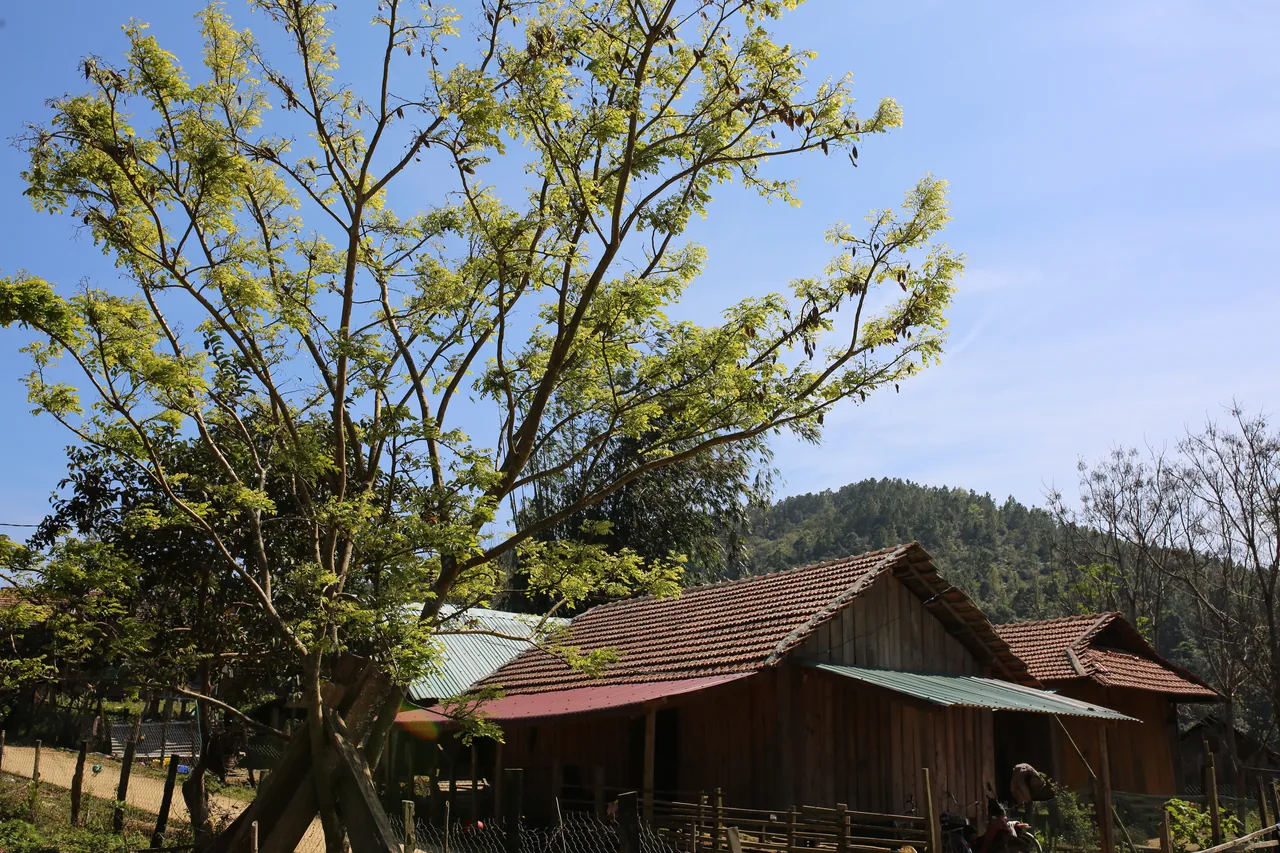
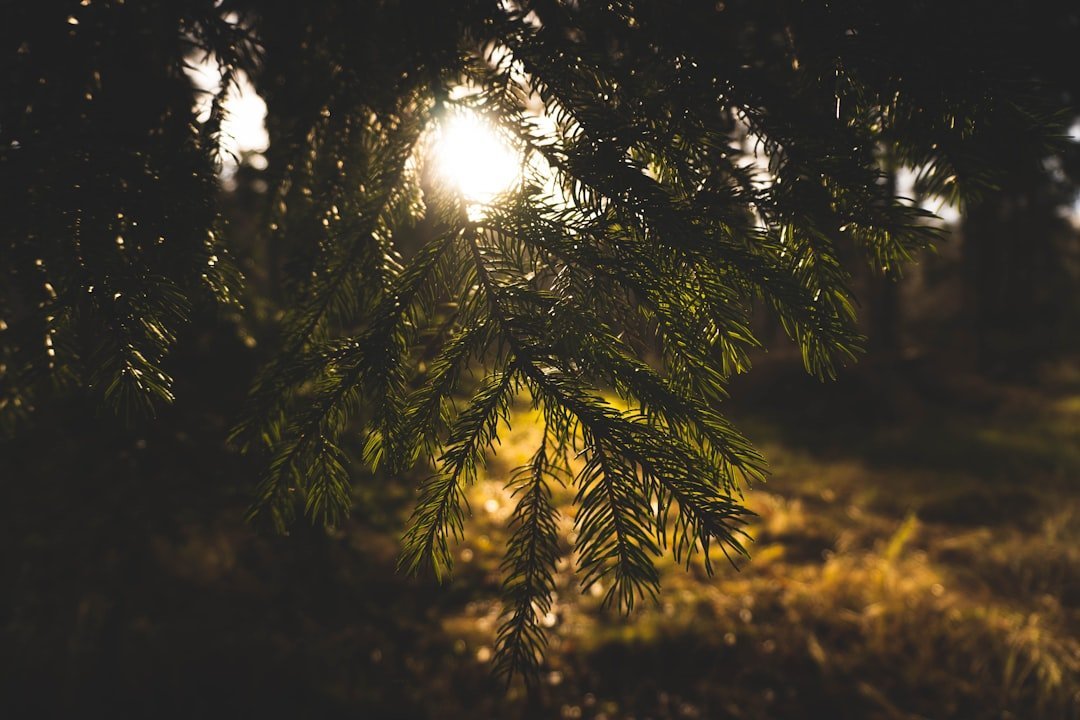
Mang Den (Măng Đen) is a cool, pine-clad plateau town in Quảng Ngãi province (formerly Kon Tum), in Vietnam’s Central Highlands — and the easiest shorthand is “the second Da Lat.” It sits at around 1,200 metres, which means crisp 16–22°C air, low cloud drifting through the pines, and a calm that the coast simply doesn’t have. Locals call it the land of seven lakes, three waterfalls and seven springs. (Note: in the July 2025 provincial merger, the old Kon Tum province became the western part of Quảng Ngãi — you’ll still see “Kon Tum” everywhere, but officially it’s now Quảng Ngãi.)
What makes it special right now is what it isn’t: it’s still far less developed and commercialised than Da Lat. Where Da Lat has gone full theme-park, Mang Den is forest roads, small homestays, a handful of lakes and waterfalls, and ethnic-minority villages going about their day. If you want nature, quiet and cool weather rather than nightlife and big resorts, this is the trip.
2. Top things to do in Mang Den
The sights are spread across the plateau, so rent wheels and string them together. These are the ones worth your time:
| Place | Why go | Map |
|---|---|---|
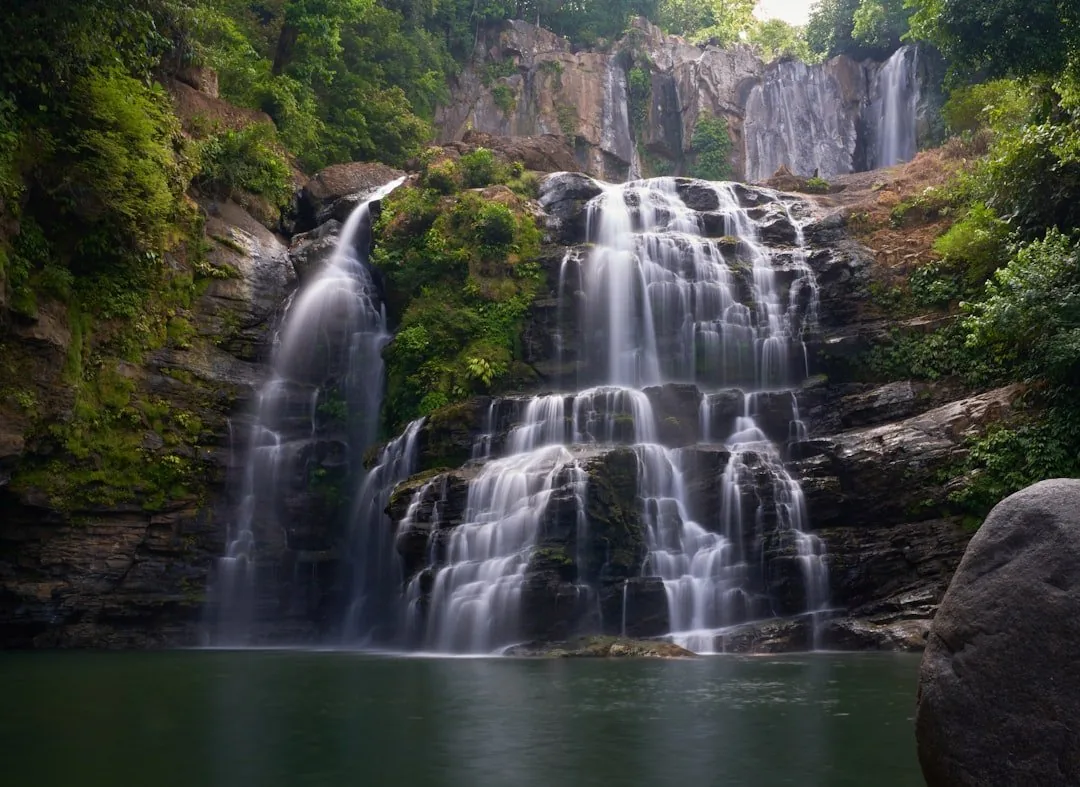
| Pa Sy Waterfall | Three streams meeting in jungle; the most developed falls, with a wooden-statue garden next door | Map |
| Dak Ke Lake | The central, most famous lake — lakeside paths, canoeing and fishing, right by town | Map |
| E Ban Farm | A 30-ha flower-and-fruit farm 6 km out: hydrangeas, strawberries, photo corners and a café | Map |
| Pine-forest roads | The signature Mang Den experience — hike, cycle or just drive slowly through the pines | Map |
Time your visit for November to December and the hills turn gold with wild sunflowers (dã quỳ) — the Central Highlands’ great seasonal show, lining the roads all the way up from the lowlands. It’s the single best reason to come in late autumn.
3. Spiritual Mang Den: Our Lady & Khanh Lam Pagoda
Two of Mang Den’s most-visited sites are spiritual, and both are worth an hour even if you’re not religious.
- Our Lady of Mang Den (Đức Mẹ Măng Đen) Map — a Marian statue set in the pine forest, famously missing its hands, and one of central Vietnam’s most important Catholic pilgrimage sites. Pilgrims come year-round; the setting among the trees is quietly moving whatever your faith.
- Khanh Lam Pagoda (Chùa Khánh Lâm) Map — a hilltop Buddhist temple reached by climbing around 200 stone steps, rewarded with forest views and cool, incense-scented calm at the top.
4. Ethnic culture & the villages
Mang Den sits in the heart of Xơ Đăng and Mơ Nâm country, and the cultural villages are part of what makes it more than a pretty landscape. Kon Pring village Map is the easiest to visit, with community-run homestays in traditional stilt houses.
If you stay overnight in a village, you may be invited to a gong performance and to share rượu cần — rice wine drunk communally through long bamboo straws — around a fire. It’s the real Central Highlands, and spending a night with a host family is the most memorable way to experience it.
5. What to eat in Mang Den
Highland food here is hearty, smoky and built around free-range meat and the cool-climate produce the plateau grows. Don’t leave without trying:
| Dish | What it is |
|---|---|
| Gà nướng + cơm lam | The signature plate: free-range chicken grilled with wild pepper leaf, served with rice roasted in bamboo tubes |
| Lẩu cá tầm | Sturgeon hotpot — the cold streams here farm sturgeon, simmered with herbs into a fragrant pot |
| Heo rẫy | Small free-range “garden pork,” grilled or roasted, lean and full-flavoured |
| Gỏi lá | A Kon Tum specialty — a salad of 30–40 edible leaves you wrap around pork, shrimp and rice |
| Strawberries & rượu cần | Cool-climate strawberries and avocados, plus the communal jar wine |
Most homestays will cook a chicken-and-bamboo-rice dinner if you ask ahead — eating with your hosts is half the experience.
6. How to get to Mang Den
This is the catch: Mang Den is remote, and getting there takes a bit of effort. There’s no airport and no railway in town, so you arrive by road.
| From | How | Time |
|---|---|---|
| Pleiku airport (Gia Lai) | Nearest airport (~110 km); taxi or private car | ~2.5 h |
| Kon Tum city | Local bus, taxi or rented scooter/car (~55 km) | ~1.5 h |
| Da Nang | By road ~300 km, or fly to Pleiku then drive | ~6–7 h drive |
| Ho Chi Minh City | Sleeper bus (250,000–450,000 VND) | ~10–12 h |
Getting around: there’s no real public transport between the sights, which are spread out, so rent a scooter or hire a car with a driver. The mountain roads are scenic but can get foggy, so if you’d rather not ride yourself, a private car with a driver from Da Nang — the usual gateway — is the easiest way to cover the distance and link the sights. Read our Vietnam travel tips and etiquette guide before you set off.
7. Best time to visit & weather
Mang Den is cool all year — rarely above the mid-20s°C by day, and genuinely chilly at night in winter — so a jacket is non-negotiable. The seasons split cleanly:
| Season | What to expect |
|---|---|
| Nov–Apr (dry) | The best window: clear skies, sunshine, comfortable 18–22°C days and cold nights. Nov–Dec brings the wild sunflowers |
| May–Oct (wet) | Lush, green and misty, with afternoon downpours. Atmospheric, but plan around the rain |
Pack layers: light clothes for the day, a warm layer and a rain shell for evenings and the mountain mist. It can feel 10°C colder than Da Nang on the same day.
8. Where to stay & practical tips
Mang Den is homestay country. Most places are cosy wooden cabins and stilt houses tucked into the pines, run by families, from around 400,000–800,000 VND for a room for two — names travellers return to include Nắng Homestay, Soc’s House and T’Mang Deeng. There’s a growing crop of small hotels and boutique stays in and around town too (Golden Boutique Hotel Mang Den among them), with rooms from about US$17.
Weekends and the sunflower season fill up — and the best cabins go first — so book ahead.
- Bring cash. ATMs are limited and many homestays and stalls are cash-only.
- Two days is the sweet spot — one for the lakes and waterfalls, one for the farms, villages and pine roads.
- Pair it with Kon Tum city for its wooden cathedral and Bahnar rông houses, or fold Mang Den into a wider Central Highlands loop.
For the bigger picture, see our Central Vietnam guide and the full Vietnam travel guide.
🎡Things to Do52
🍜Food8
🏨Where to Stay6
🚇Getting Around9
🧭Travel Tips21
🧭Vietnam-wide essentials56
Mang Den: FAQ
Planning the whole trip? See our complete Vietnam travel guide →