
Hoi An Tailors: How to Get a Suit Made (and Not Overpay)

What to get made, what it really costs, how the fittings work, how to pick a tailor who won’t disappoint, and the fabric tricks to know — the honest guide to Hoi An’s famous custom clothing.

Last updated & checked: June 2026
Hoi An tailoring in 30 seconds

  • Hoi An is Vietnam’s tailoring capital — hundreds of shops will make a suit, dress, shirt or coat to your measurements in a day or two.
  • Budget realistically: a good wool suit is $200–400, a dress $40–120; rock-bottom prices mean synthetic fabric and a rushed cut.
  • Allow 2–3 days, not 24 hours. The magic is in the fittings — one cut is never enough for a great fit.
  • Fabric is everything. In the humidity, choose lightweight wool or linen, and make sure \”wool\” is really wool.
  • Pick on reviews, not touts — the best shops give honest advice and never pressure you.

A suit or dress made just for you, in a day or two, for a fraction of what it costs at home — that’s why people have travelled to Hoi An’s tailors for decades. The Old Town has hundreds of shops, and the experience can be genuinely brilliant or a rushed, ill-fitting disappointment, depending on how you go about it. This guide tells you the truth: what you can get made, what it actually costs, how the measuring-and-fitting process works, how long to allow, how to spot a great tailor from a tourist trap, and the fabric and fit tricks that separate a treasured garment from a holiday mistake. (New here? Pair it with our complete Hoi An travel guide and things to do in Hoi An.)
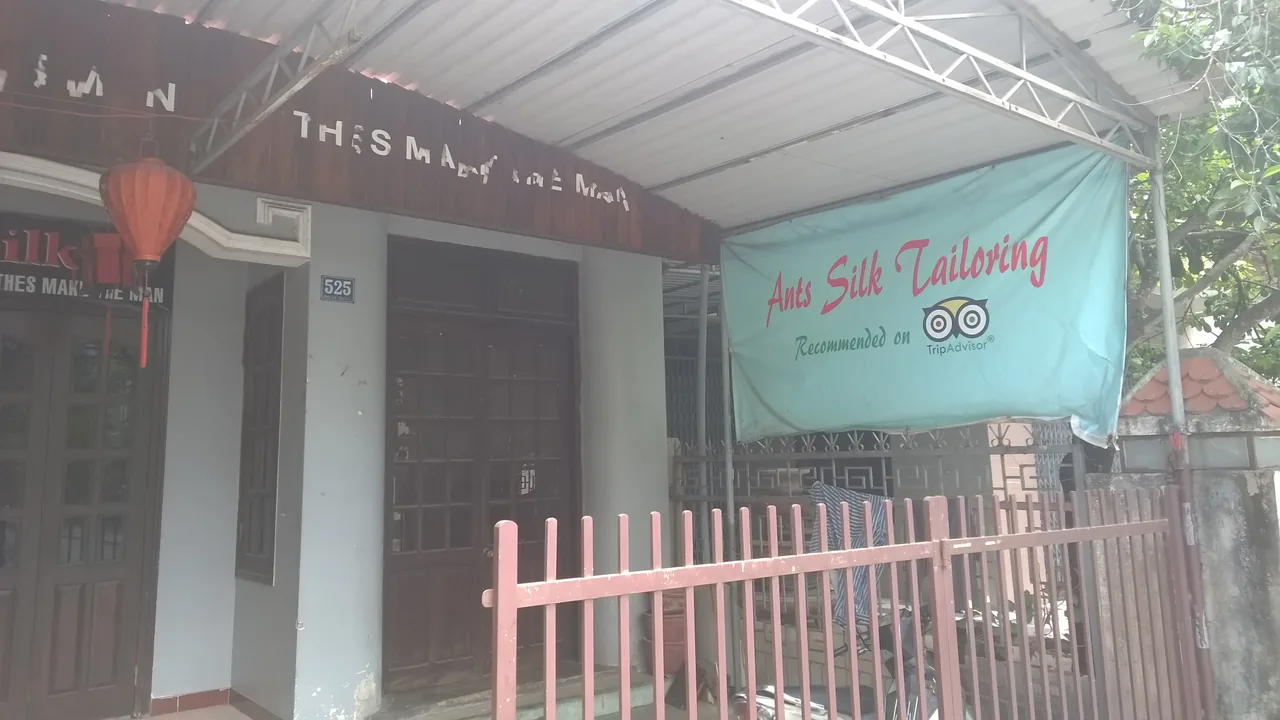
Rolls of suit fabric lining the wall of a Hoi An tailor shop
Hoi An’s tailor shops are lined with hundreds of fabrics — the choice you make here matters more than the price. (© Vuong Tri Binh / CC BY-SA 4.0)

1. Hoi An Tailoring at a Glance

What people get made — and a realistic price for decent quality. Prices vary hugely with fabric and shop, but these are sensible 2026 ranges to budget for:

ItemBudget priceGood-quality priceNotes
Two-piece suit$80–150$200–400Wool/wool-blend; the sweet spot is $200–400
Dress shirt$10–20$25–45Cotton; often 3–5 for a discount
Summer / sun dress$30–50$60–120Cotton or linen
Evening / formal dress$60–120$120–300Silk or with detailing
Overcoat / blazer$70–130$150–300Wool; great value vs home
Áo dài (Vietnamese dress)$40–80$80–180Silk; a lovely keepsake
💡 The honest rule: if a suit price looks too good to be true, it’s synthetic. Genuine wool, proper canvassing and real fittings cost money — and are worth it.
🏨 Two fittings is what turns a decent fit into a good one, and that means 2–3 nights in Hoi An rather than a day trip from Da Nang — book the room before you book the suit.See on Trip.com See on Agoda See on Expedia Affiliate link — we may earn a commission at no extra cost to you.

2. What You Can Get Made

Almost anything. Bring a photo or a favourite garment and a good shop will copy or adapt it:

  • For men: suits (two- or three-piece), blazers, dress shirts, trousers, overcoats, even tuxedos.
  • For women: dresses (summer, cocktail, evening), blouses, skirts, suits, coats and the elegant Vietnamese áo dài.
  • Also: leather jackets and bags, and custom shoes (several shops specialise in made-to-measure leather shoes).
  • Copies: bring a beloved jacket or dress that’s wearing out and they’ll remake it in new fabric.
👗 Tip: a clear photo of exactly the style you want (front and back) is the single best thing you can bring.

3. How Much It Really Costs

Price is driven almost entirely by fabric, then by construction quality:

  • Budget ($80–150 suit): synthetic or poly-blend fabric, machine-finished, one quick fitting. Looks fine in photos, wears hot and won’t last.
  • Mid-range ($150–350): imported wool-blend, some hand-finishing — the realistic zone for most travellers.
  • Premium ($350–800+): pure Italian or English wool, hand-canvassed, multiple fittings — a genuine bespoke garment.
  • The sweet spot is $200–400, where you get real wool, proper finishing and a fit worth flying home with.

Factor tailoring into your trip budget early — see our Da Nang & Hoi An budget guide for how it fits the bigger picture.

4. How the Process Works

From walking in to wearing it out, custom tailoring runs in clear stages:

  1. Choose the style & fabric. Browse the bolts, feel the cloth, look at lookbooks or show your photo. This is the most important step — take your time.
  2. Get measured. A dozen or more measurements; a good tailor also watches how you stand and move.
  3. First fitting (next day): the garment is tacked together so they can pin and adjust.
  4. Alterations: they take it back and refine — sleeves, waist, shoulders, length.
  5. Final fitting & collect. Try it on properly; don’t accept anything that isn’t right.
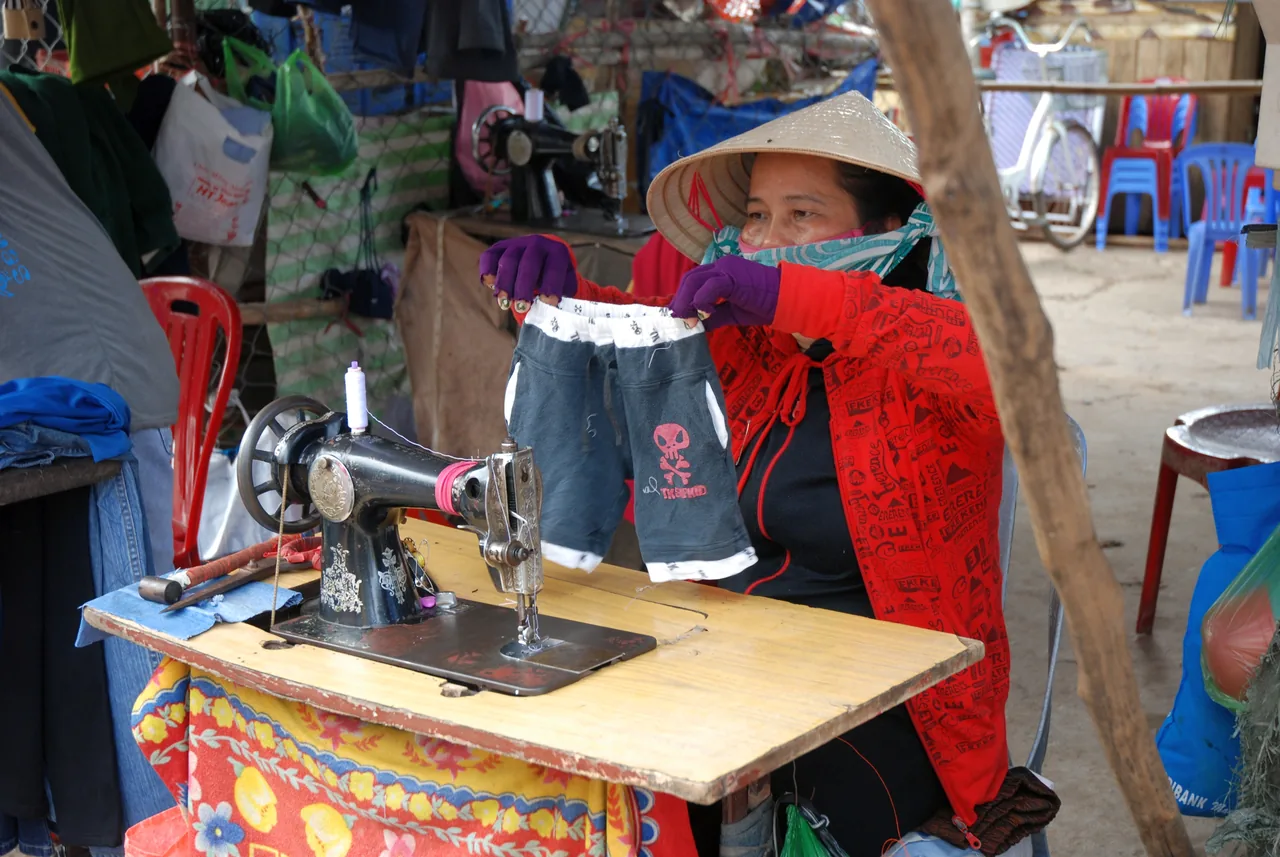
A tailor taking measurements for a custom suit in Hoi An
The fit comes from the fittings — allow time for at least one or two before you fly out. (© Thomas Schoch / CC BY-SA 3.0)

5. How Long It Takes (don’t rush it)

Shops advertise 24-hour turnaround, and it’s possible — but it usually means a single fitting, overnight work and often a 10–20% rush fee.

  • Best practice: allow 2–3 days so you can have a first fitting, alterations and a final fitting. That second fitting is where a good fit becomes a great one.
  • Order early in your stay — go to the tailor on day one, not the night before you leave.
  • Complex pieces (structured suits, beaded dresses, leather) need more time than a simple shirt or sundress.

Plan your days around it with our things to do in Hoi An guide while the work is underway.

6. Choosing a Good Tailor

Quality varies enormously between the hundreds of shops. How to pick well:

  • Read recent reviews (Google, forums) rather than following a tout or a hotel commission. Long-established names like A Dong Silk, Yaly Couture, Bebe and Nathan Tailors are popular for a reason, but plenty of smaller shops are excellent too.
  • Look for honest fabric advice — a good tailor will steer you to the right cloth, not just the most expensive.
  • No pressure: the best experiences are relaxed; walk away from hard-sell shops.
  • See finished work: inspect the stitching, linings and buttonholes on display pieces.

7. The Fabric Guide

Because fabric makes or breaks the result, learn the basics:

  • For Vietnam’s heat & humidity: choose lightweight wool (it breathes and drapes better than you’d think) or linen for a relaxed look; cotton for shirts.
  • Check \”wool\” is wool: ask the fabric weight and composition, and do the feel/crease test — pure wool springs back, synthetic stays creased and feels plasticky.
  • Silk is wonderful for dresses and áo dài but creases and needs care.
  • Bring time to choose: the fabric decision deserves more attention than the haggling.

8. Getting the Fit Right

A custom garment is only worth it if it fits. Make that happen:

  • Go to every fitting and move around — sit, reach, button it up. Tell them exactly what feels off.
  • Bring a reference garment that already fits you perfectly; \”make it like this\” beats any measurement.
  • Be specific: sleeve length, trouser break, how fitted you want it. Tailors can’t read your mind.
  • Don’t accept \”close enough\” at the final fitting — alterations are included; ask for them.
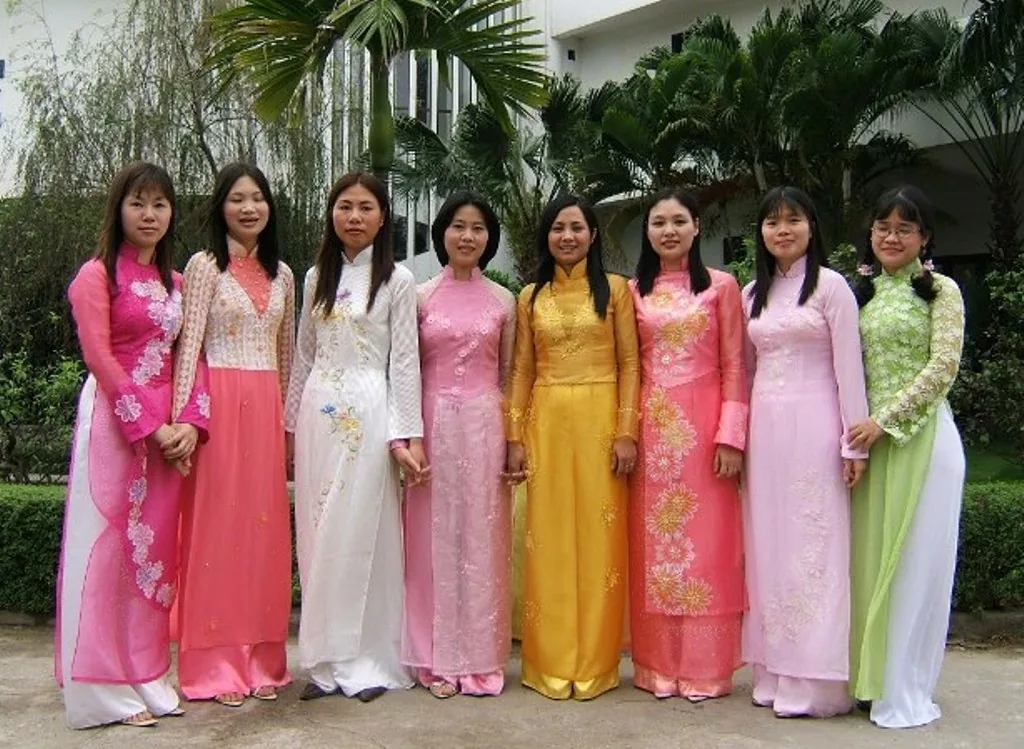
A custom áo dài, the Vietnamese dress, made in Hoi An
Suits, shirts, dresses and coats — almost anything can be copied or made to measure in Hoi An. (© nuocnga.net / CC0)

9. Shipping It Home

Most established tailors will ship internationally if you run out of time or buy a lot:

  • Costs vary by weight and destination; ask for a quote and a tracking number, and keep your receipt.
  • For anything valuable, prefer a tracked courier over cheap post.
  • Still, try to do the final fitting in person — shipping an unfinished or unchecked garment is the main way things go wrong.

10. Common Mistakes & How to Avoid Them

The classic Hoi An tailoring regrets — and the fixes:

  • Leaving it too late: ordering the night before means no proper fittings. Order on arrival.
  • Chasing the cheapest price: you’ll get synthetic cloth and a poor cut. Pay for fabric.
  • Following touts / hotel referrals blindly: these often carry a commission baked into your price — see our Vietnam scams & safety guide.
  • Skipping fittings: the fit lives in the second fitting; don’t skip it.
  • Vague instructions: bring photos and a garment you love, and speak up.

11. Practical Tips Before You Go In

Set yourself up for a great result:

  • Start on day one of your Hoi An stay; build in time for two fittings.
  • Bring: photos of the styles you want, a well-fitting reference garment, and cash or card (many take cards, some add a fee).
  • Know the Old Town hours: tailor streets sit inside the pedestrian zone — see our getting around Hoi An guide.
  • Pair it with the rest of your trip: eat well between fittings with our what to eat in Hoi An guide.
🎟️ There is a full day of waiting between the first fitting and the final one, which is the natural slot for a Hoi An cooking class, a basket-boat run or a countryside cycle — book it when you order.See on Klook See on Viator See on KKday See on Trip.com Affiliate link — we may earn a commission at no extra cost to you.
📚 More Hoi An guides
★ Start here Vietnam Travel Guide: Regions, Best Time, Itineraries, Costs & Visas
🎡Things to Do53
Start with the hubThings to Do in Hoi An: Beyond the LanternsA Day Trip to Hue from Da Nang: Citadel, TombsA Hoi An Cooking Class: Which to Pick & What You’ll MakeBa Na Hills & the Golden Bridge: The Complete Guide (Tickets, Cable Cars, One-Day Plan)Ba Na Hills Overnight Stay: Mercure Rates, Cable Car Tickets, Golden Bridge at DawnCu Lao Cham Day Trip from Hoi An: Fares, Rules, What’s OpenDa Nang Activities: The Tours & Experiences Worth BookingDa Nang Dolphinarium: The ‘Dance of the Ocean’ Dolphin ShowDa Nang for Couples & Honeymooners: Five-Star Romance for Half the PriceDa Nang Itinerary: 3, 4 and 5 Day Plans That WorkDa Nang Nightlife: What Costs Money, What Shuts WhenDa Nang Solo: Bike Taxi Fares, Where One Person Can Eat, Which Area to Sleep In and a Three-Day TimetableDa Nang Travel Guide 2026: The Complete Plan (Flights, Weather, Hotels, Food & More)Da Nang vs Nha Trang: Which Beach City Fits Your Trip?Da Nang vs Phu Quoc: City-and-Culture or Island-and-Resort?Da Nang with Kids: The Family Trip That Actually WorksDa Nang With Older Parents: How to Build a Day Around the Early MorningDa Nang’s Best Beaches: Which One Is Right for You?DIFF 2026: Da Nang’s Fireworks Festival — Dates, Tickets & Where to WatchDragon Bridge, Da Nang: Fire-Show Times & Where to StandGolf in Da Nang: The Best Courses, Green Fees & Tee TimesHalal Da Nang: Muslim-Friendly Food, Mosques & Prayer SpotsHiring a Car and Driver in Da Nang: How It Is Priced and When It Beats GrabHoi An Beaches: An Bang vs Cua Dai — Which One to Choose?Hoi An Itinerary: One, Two and Three Days, Built Around the Hours Things Actually OpenHoi An Travel Guide: Ancient Town, Lanterns & TailoringHoi An’s Lantern Festival: Dates, What HappensHue Travel Guide: Vietnam’s Imperial Capital, Done ProperlyLap An Lagoon: Da Nang’s Mirror-Water SunriseLiving in Da Nang as a Digital Nomad: Costs, Wi-FiMang Den: Vietnam’s ‘Second Da Lat’ and the Central Highlands SecretMarble Mountains Da Nang: Tickets, the Elevator, and the Am Phu Cave Ticket TrapMassage & Spa in Da Nang: What to Book and What to PayMikazuki Water Park, Da Nang: Indoor Slides, OnsenMy Khe Beach, Da Nang: The Sand, the SurfMy Son Sanctuary: Visiting Vietnam’s Ancient Cham RuinsNui Than Tai Hot Springs Park: The Complete Day-Trip GuidePhong Nha Caves: A Complete Guide to Vietnam’s Greatest Cave CountryRainy Day in Da Nang? 15 Things to Do When the Weather TurnsShopping in Da Nang: What to Buy at Han MarketSon Tra & the Lady Buddha: Da Nang’s Best Sunset ViewpointThe Best Day Trips from Da Nang: Where to Go Beyond the CityThe Best Things to Book in Hoi An: Tours, Classes & Boat RidesThe Best Time to Visit Da Nang: A Month-by-Month BreakdownThe Cham Sculpture Museum, Da Nang: Is It Worth a Visit?The Golden Bridge, Da Nang: Vietnam’s Giant Hands BridgeThe Hai Van Pass: Da Nang to Hue by Bike, Car or Easy RiderThe Han River Night Cruise in Da Nang: Which Sailing Actually Sees the Fire ShowThe Hoi An Basket Boat Ride: Worth It? Prices, TipsThe Lady Buddha & Linh Ung Pagoda: Da Nang’s Tallest StatueThings to Do in Da Nang: What to Book Ahead, What to Walk Up To, and What Everything CostsTra Que Herb Village, Hoi An: A Calm Half-Day in the GardensVegan & Vegetarian Da Nang: Where to Eat, and How to Order
🍜Food8
🏨Where to Stay6
🚇Getting Around9
🧭Travel Tips20
🧭Vietnam-wide essentials58
Cam Ranh Airport to Nha Trang: What Each Option Costs, and Why Your Landing Time Decides ItCat Ba Island Travel Guide: Getting There from Hanoi, Ferries, Weather and Where to StayCon Dao Travel Guide: Getting There, the Prison Museums, Beaches and Where to StayCu Chi Tunnels: You Buy Two Tickets, and Two Sites to Choose FromDa Lat Travel Guide: What to See, How Many Days, Weather, Prices and Where to StayDatanla Falls and the Alpine Coasters, Da Lat: Which Ticket to Buy and When Each Counter ClosesDistrict 4 Seafood Street: Vĩnh Khánh Ốc GuideGrab vs Xanh SM vs Be in Vietnam (2026): Which Ride App Is Cheapest & How to Use ThemHa Long Bay Cruise: The Complete Guide to Choosing the Right OneHai Phong Travel Guide: Getting There From Hanoi, What to See, Where to Stay and What to EatHanoi to Ninh Binh Day Trip: Trang An, Mua Cave & How to Do It RightHanoi to Sapa: Buses, the Night Train, and What Time You Actually ArriveHanoi Travel Guide 2026: The Old Quarter, Hoan Kiem Lake & Everything First-Timers NeedHo Chi Minh City (Saigon) Travel GuideHon Thom Cable Car, Phu Quoc: What 850,000d Buys and Why the Morning Crossing Is Worth Twice the Afternoon OneIs Vietnam Safe? Every Tourist Scam in 2026 & the 4 Rules That Stop ThemLong Thanh International Airport: What Travelers Need to Know Before It OpensMoney in Vietnam: Cash or Card, ATMs, and How Much to BringMui Ne and Phan Thiet Travel Guide: Two Sand Dunes, Prices, Getting There, Where to StayNha Trang in December: when boats do not sail, what to do in the city, and how prices moveNha Trang in February: the Driest Month, Calmer Seas, and What Tet Does to PricesNha Trang in January: Weather, Sea Conditions, New Year Crowds and Hotel PricesNha Trang in March: Calmer Seas, Warmer Water and Low-Season PricesNha Trang in the Rainy Season (Sep-Nov): Is It Still Worth It? An Honest GuideNha Trang Island Hopping: Party Boat vs Speedboat, the Four Islands, Costs and the Bay Fee Nobody MentionsNha Trang Mud Bath Guide: Thap Ba, I-Resort, 100 Egg, Galina and Hon Tam ComparedNha Trang Nightlife: Closing Times for Night Markets, Rooftops and Beach ClubsNha Trang to Da Lat: buses, limousine vans, fares and how long it takesNha Trang Travel Guide: Islands, Diving, Mud Baths & the Dry-Season Beach CityNoi Bai Airport to Hanoi: fares, pickup points and what changed in August 2026Northern Vietnam Travel Guide: Hanoi, Ha Long Bay, Sapa, Ninh Binh and Ha GiangPanorama Nha Trang: one building, many names, and what to check before you bookPhu Quoc Island Hopping in the An Thoi Archipelago: Ports, Hours, Prices and What Is Charged On TopPhu Quoc Travel Guide: Arrival Times, Drive Times and What a Day Actually CostsPhu Quoc: When to Go, Month by MonthSapa, Vietnam: A Complete Guide to the Rice Terraces, the Trekking & FansipanSouthern Vietnam Itinerary 2026: Ho Chi Minh City & the Whole South, Planned RightSymphony of the Sea or Kiss of the Sea: Which Should You See?Tết Trung Thu: A Traveller’s Guide to Vietnam’s Mid-Autumn FestivalThe Ha Giang Loop: The Complete Guide to Vietnam’s Greatest RideThings to Do in Nha Trang: The Full List, from Po Nagar and the Museum to Hon Tam and Yang BayThings to Do in Phu Quoc: The Complete Activities GuideVietnam City-to-City Travel: Trains, Buses, FlightsVietnam Entry Requirements 2026: Health Declaration + Digital Arrival Card for Da Nang, Ho Chi Minh City & HanoiVietnam eSIM & SIM Card: Best Plans, Prices & How to Set It UpVietnam Travel Guide: Regions, Best Time, Itineraries, Costs & VisasVinpearl Safari Phu Quoc: Feeding Times, Safari Bus Cut-Off and Which Ticket to BuyVinWonders Nha Trang: Ticket Prices, Full-Day vs After-4PM, the Cable Car and Every Zone in the ParkVinWonders Phu Quoc: Zone Opening Hours, Show Times, Ticket Prices and the Safari ComboWhat Is Illegal in Vietnam: Vapes, Fines and What Customs TakesWhat to Eat in Nha Trang: Bun Sua, Nem Nuong Ninh Hoa, Banh Can and the Bo Ke Seafood StripWhere to Stay in Da Lat: Which Areas You Can Walk and Which Need a CarWhere to Stay in Hanoi: Best Areas and HotelsWhere to Stay in Ho Chi Minh City (Saigon): Best AreasWhere to Stay in Mui Ne: Beachfront, Across the Road, and What Each Stretch Is LikeWhere to Stay in Nha Trang: Zones & HotelsWhere to Stay in Phu Quoc: The 5 Best Areas, Decoded HonestlyWhere to Stay on Con Dao: The Four Resorts and the Town Hotels
Browse all our Vietnam guides →

Frequently Asked Questions

Q. How much does a tailored suit cost in Hoi An?
A custom two-piece suit ranges from about $80–150 for budget synthetic fabric, $150–350 for imported wool-blends, and $350–800+ for pure Italian or English wool with hand-finishing. The sweet spot for genuine quality is $200–400, where you get real wool and proper fittings.
Q. Can you really get clothes made in 24 hours in Hoi An?
Yes, many shops offer 24-hour turnaround, but it usually means a single fitting, overnight work and sometimes a 10–20% rush fee — and the fit suffers. For a garment you’ll actually love, allow 2–3 days so you can have a first fitting, alterations and a final fitting.
Q. What should I get made in Hoi An?
Popular choices are tailored suits, blazers and overcoats for men, dresses (summer, cocktail, evening), blouses and the áo dài for women, plus dress shirts, trousers, leather jackets and even custom shoes. Bring a photo or a favourite garment to copy.
Q. Which are the best tailors in Hoi An?
Long-established, highly reviewed names include A Dong Silk, Yaly Couture, Bebe and Nathan Tailors, but many smaller shops are excellent too. Choose on recent reviews, honest fabric advice and a no-pressure feel rather than following a tout or hotel referral.
Q. How do I make sure the fabric is real wool, not synthetic?
Ask the tailor for the fabric’s weight and composition, and do a feel/crease test: pure wool feels soft and springs back when scrunched, while synthetic blends stay creased and feel plasticky. Be wary of very low suit prices — they almost always mean synthetic cloth.
Q. How many fittings do I need?
Ideally two: a first fitting where the tacked-together garment is pinned and adjusted, then a final fitting after alterations. That second fitting is where a decent fit becomes a great one, so allow enough days in Hoi An to attend both.
Q. Is tailoring in Hoi An worth it?
For many travellers, yes — you get custom-fit clothing in quality fabric for a fraction of the price back home. The key is to allow time for fittings, choose good fabric over the cheapest price, and pick a well-reviewed shop. Rushed, bargain-basement orders are where people are disappointed.
Q. What fabric is best for the Hoi An climate?
For Vietnam’s heat and humidity, choose lightweight wool (which breathes and drapes better than people expect) or linen for a relaxed look, and cotton for shirts. Silk is beautiful for dresses and áo dài but creases more and needs care.
Q. Can Hoi An tailors ship clothes home?
Yes, most established tailors ship internationally — useful if you run out of time or buy a lot. Ask for a price, a tracking number and keep your receipt, and use a tracked courier for anything valuable. Still try to do the final fitting in person before you leave.
Q. How early should I order from a tailor?
On the first day of your Hoi An stay. Ordering early gives time for a first fitting, alterations and a final fitting — the recipe for a good fit. Leaving it to the last night forces a single rushed cut with no chance to perfect it.
Q. Should I bargain with Hoi An tailors?
You can negotiate a little, especially for multiple items, but don’t make price the priority — pushing too hard usually means cheaper fabric or a rushed job. Spend your energy on choosing good cloth and getting the fit right; that’s what makes the garment worth it.
Q. Where are the tailor shops in Hoi An?
They’re concentrated in and around the Old Town, with clusters on streets like Trần Hưng Đạo and through the Ancient Town lanes. Many sit inside the pedestrian zone, so check the car-free hours in our getting-around guide and plan to walk between shops.

🏮 Complete Hoi An Travel Guide →