

Hanoi vs Ho Chi Minh City: Weather, Airports and Day Trips Compared
The two cities sit in the same country, yet January lows differ by 9.1C. Hanoi swings 13.4C across the year while Ho Chi Minh City moves inside 3.3C. Here is the comparison in temperature, rain, air quality, airport distance and what lies within a day trip.
| January | Hanoi lows of 14.3C against 23.4C in Ho Chi Minh City. One city needs a jacket. |
|---|---|
| Yearly swing | Hanoi highs run 19.7-33.1C; Ho Chi Minh City stays inside 31.6-34.9C. |
| Rain | Hanoi peaks at 274mm in August; Ho Chi Minh City at 490mm in September. |
| Air quality | Annual PM2.5 averages 45.9 in Hanoi against 21.5 in Ho Chi Minh City. |
| Airports | Noi Bai is 27.8km from the centre; Tan Son Nhat is 8.0km. |
| Day trips | Hanoi reaches Ha Long, Ninh Binh and Sa Pa; Saigon reaches Cu Chi, the Mekong and Vung Tau. |
1. If your travel dates are fixed, the city is half chosen already
2. January lows differ by 9.1 degrees
3. The rain arrives differently in each city
4. Annual fine particulate levels differ by a factor of 2.1
5. From the airport it is 27.8km and 8.0km
6. Moving around inside each city
7. Hanoi is changing its central traffic rules in stages
8. Day trips point in completely different directions
9. The two cities are not the same size
10. What you eat is different in each city
11. Where you stay changes the shape of the day
12. How many days each city needs
13. Budget: the same prices, spent in different places
14. Busy periods and closures
15. Which city suits which traveller
16. Assumptions that turn out to be wrong
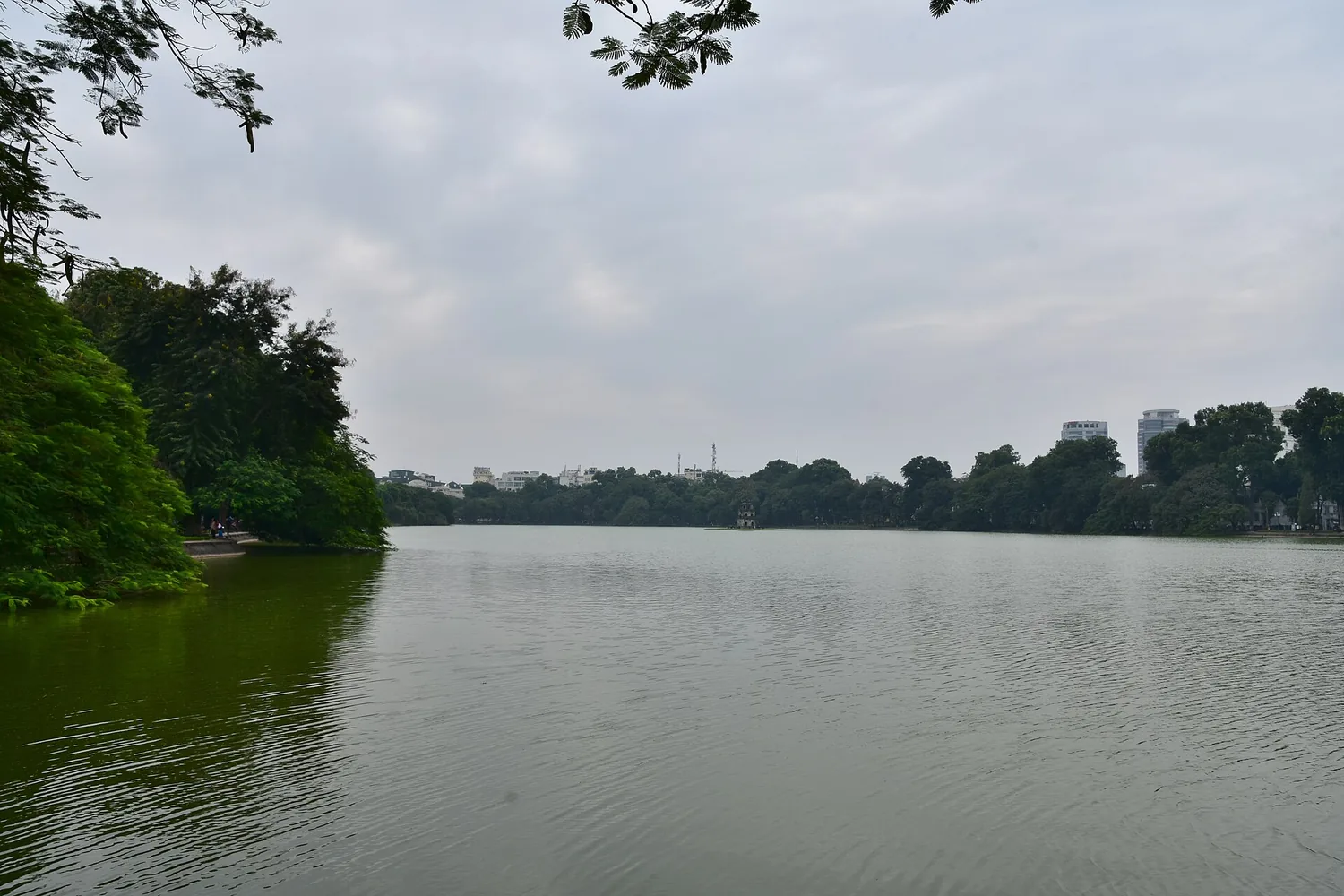
1. If your travel dates are fixed, the city is half chosen already
In January, Hanoi bottoms out at 14.3C while Ho Chi Minh City sits at 23.4C. In July both cities run to about 33C in the afternoon. So the month you travel settles roughly half the decision.
The other half comes from airport distance, air quality and what you can reach on a day trip. The table below is the summary; the rest of this page is the evidence behind it.
By condition
| What you want | Which city | Why |
|---|---|---|
| Warmth in December to February | Ho Chi Minh City | Highs of 32C, rainfall 8-41mm |
| Cool weather in December to February | Hanoi | Highs of 19.7-22.0C, jacket needed |
| To travel in September or October | Hanoi | Saigon takes 490mm in September, its wettest month |
| A short airport transfer | Ho Chi Minh City | Tan Son NhatMap 8.0km against Noi BaiMap 27.8km |
| Sea and mountains on the same trip | Hanoi | Ha Long 153km, Sa Pa 322km |
| Rivers and war history | Ho Chi Minh City | Mekong 70km, Cu Chi 48-58km |
| Cleaner air | Ho Chi Minh City | Annual PM2.5 of 21.5 against 45.9 |
If you are doing both
Flights take 2 hours 5 minutes to 2 hours 15 minutes and there are more than 30 a day. The train takes more than 30 hours, which makes the journey an itinerary item rather than a transfer.
City-level detail sits in the Hanoi travel guide and the Ho Chi Minh City travel guide. This page only puts the two side by side.
2. January lows differ by 9.1 degrees
Put the two temperature tables next to each other and the difference is immediate. These are long-term averages, not one year of readings.
Monthly highs and lows
| Month | Hanoi high/low | Ho Chi Minh City high/low |
|---|---|---|
| January | 19.7 / 14.3 | 32.0 / 23.4 |
| February | 20.1 / 15.3 | 32.7 / 23.1 |
| March | 22.9 / 18.1 | 33.6 / 24.9 |
| April | 27.2 / 21.7 | 34.5 / 26.4 |
| May | 31.4 / 24.6 | 34.9 / 26.4 |
| June | 32.9 / 26.1 | 33.5 / 25.5 |
| July | 33.1 / 26.3 | 33.0 / 25.2 |
| August | 32.3 / 26.0 | 32.9 / 25.1 |
| September | 31.2 / 24.9 | 32.6 / 25.0 |
| October | 28.8 / 22.3 | 32.3 / 25.0 |
| November | 25.3 / 18.9 | 32.4 / 24.9 |
| December | 22.0 / 15.6 | 31.6 / 23.9 |
What the table says
January lows are 14.3C and 23.4C, a gap of 9.1 degrees. Compare highs and the gap widens to 12.3 degrees, 19.7C against 32.0C. That spread holds from December through February.
From June to September the two cities converge: afternoon highs of 31C to 33C in both. Travel in summer and temperature gives you no reason to prefer one over the other.
The yearly swing
Hanoi highs move across 13.4 degrees, from 19.7C to 33.1C. Saigon highs move across 3.3 degrees, from 31.6C to 34.9C. That single difference is why packing lists for the two cities are not interchangeable.
Visit Hanoi between December and February and you need a jacket; some days do not clear 20C and evenings are colder still. Ho Chi Minh City is short sleeves in every month of the year.
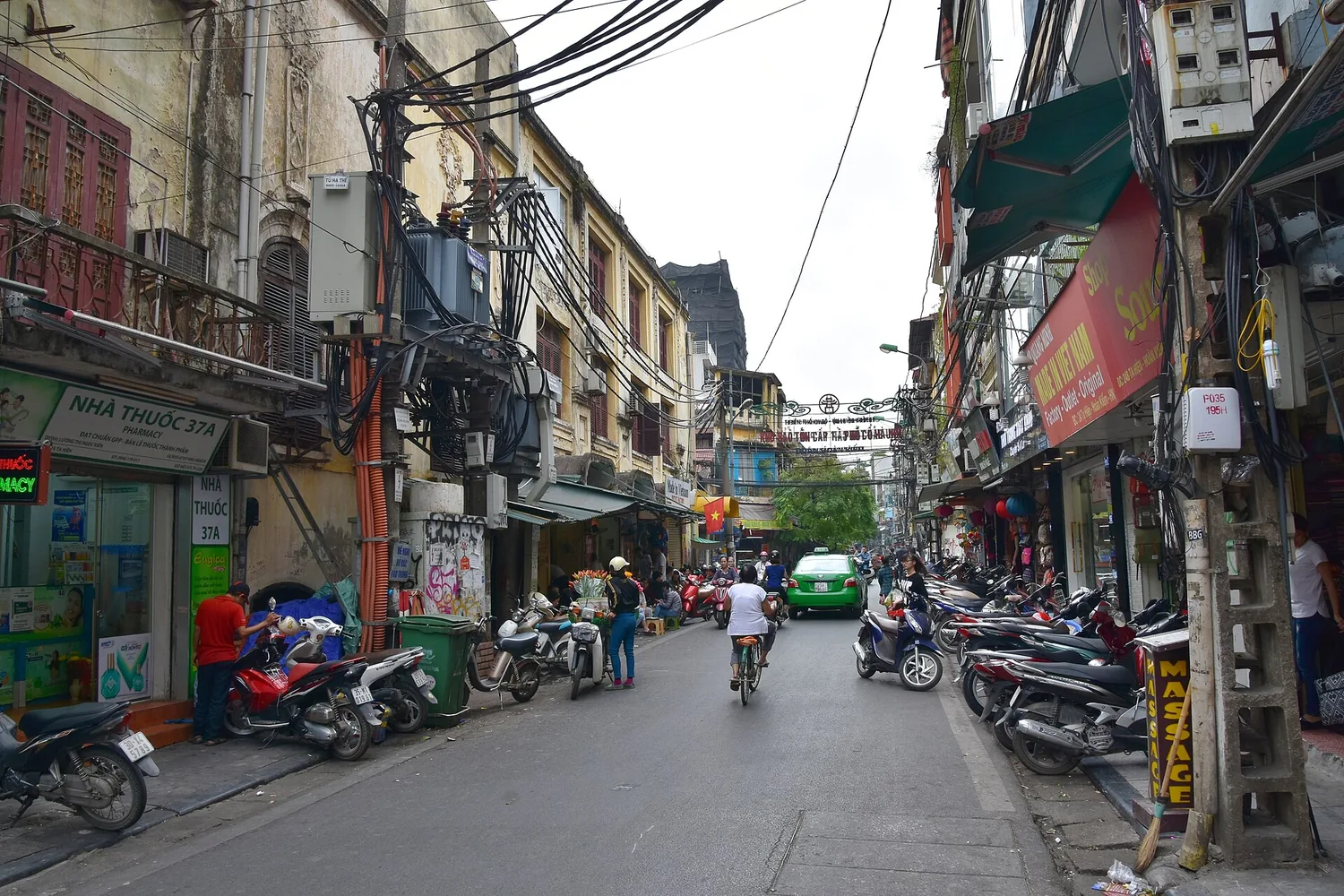
3. The rain arrives differently in each city
Rainfall totals cover two separate questions: how much falls, and when it is likely to interrupt a day.
Monthly rainfall
| Month | Hanoi (mm) | Ho Chi Minh City (mm) |
|---|---|---|
| January | 18 | 12 |
| February | 19 | 8 |
| March | 34 | 18 |
| April | 105 | 57 |
| May | 165 | 202 |
| June | 266 | 224 |
| July | 253 | 231 |
| August | 274 | 219 |
| September | 243 | 490 |
| October | 156 | 340 |
| November | 59 | 128 |
| December | 20 | 41 |
The peaks are six weeks apart
Hanoi peaks in August at 274mm. Ho Chi Minh City peaks in September at 490mm, which is 216mm more than Hanoi’s wettest month.
The pattern differs too. Saigon rain often falls hard for an hour or two in the afternoon and then stops, so an indoor block in the middle of the day absorbs most of it. Hanoi rain in summer can settle in for the day when a storm system is involved.
Hanoi’s grey months do not show up in the rainfall column
January to March in Hanoi brings only 18 to 34mm, yet the sky is overcast a great deal of the time. Reading the rainfall column alone will mislead you here, because what falls is drizzle and what lingers is humidity.
Hanoi sunshine hours by month
| Month | Sunshine | Month | Sunshine |
|---|---|---|---|
| January | 74 h | July | 195 h |
| February | 47 h | August | 174 h |
| March | 47 h | September | 176 h |
| April | 90 h | October | 167 h |
| May | 183 h | November | 137 h |
| June | 172 h | December | 124 h |
March gives 47 hours of sunshine against 195 in July, roughly a quarter. Per day that is about 1 hour 30 minutes against more than 6 hours. If photographs are the point of the trip, this table matters more than the rainfall one.
October and November combine falling rain totals, 156mm and 59mm, with 167 and 137 hours of sunshine. Those two months are the steadiest stretch of the Hanoi year.
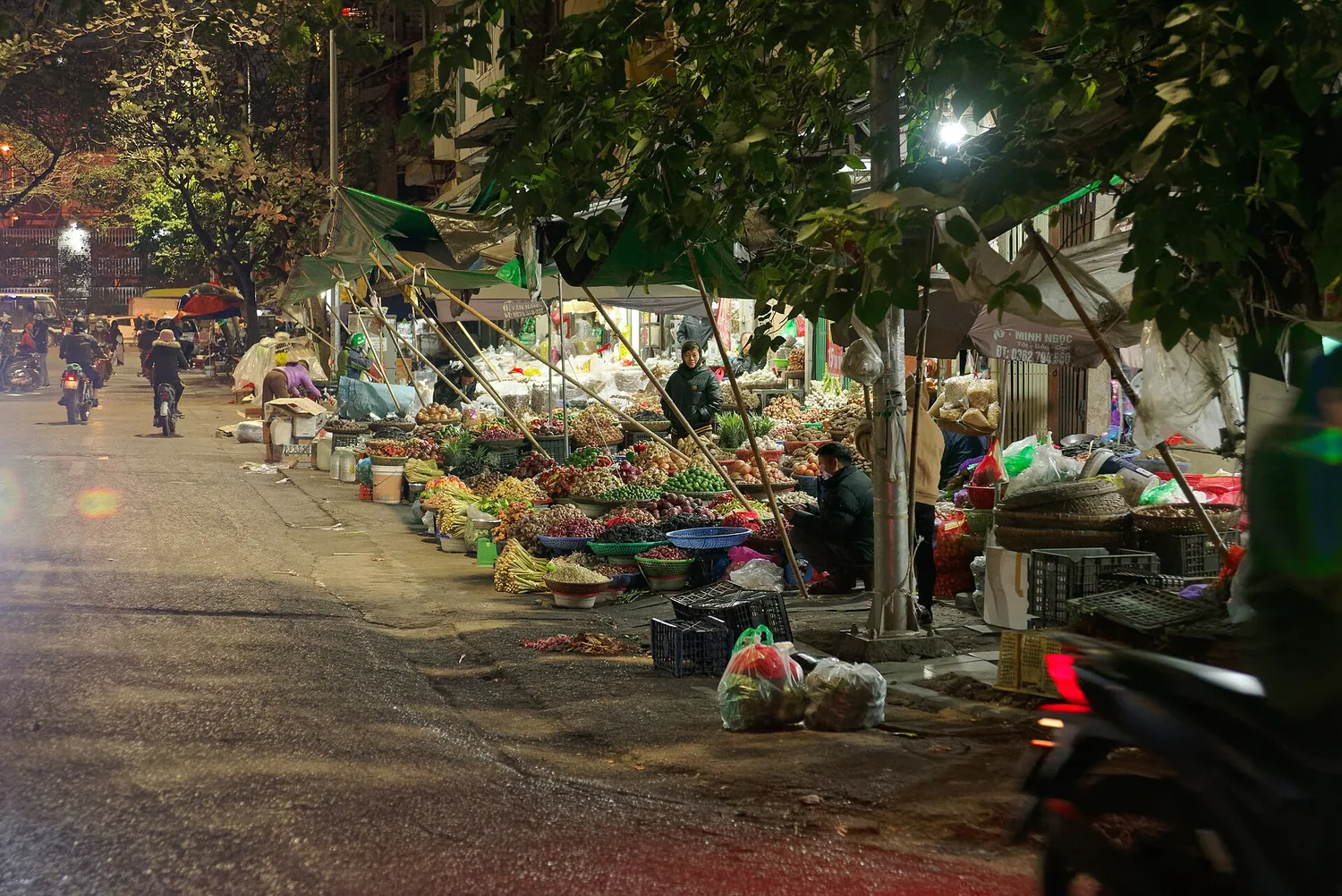
4. Annual fine particulate levels differ by a factor of 2.1
After weather, this is the difference travellers notice most, and it is measured consistently enough to compare.
Annual average PM2.5
| City | Annual PM2.5 | Against the WHO guideline |
|---|---|---|
| Hanoi | 45.9 µg/m³ | 9.1 times |
| Ho Chi Minh City | 21.5 µg/m³ | 4.3 times |
The guideline is 5 µg/m³. Hanoi carries 2.1 times the Saigon level, and among 9,446 surveyed cities Ho Chi Minh City ranks 860th.
Hanoi is worst in winter
From December to February the air stagnates over the city for days at a time, and readings climb. Hanoi appears in reports of the world’s most polluted cities repeatedly during those months.
If you are going in winter, bring a mask and plan more indoor time if anyone in the group has a respiratory condition. Museums, galleries and cafes make that easy to arrange.
Saigon is not clean either
At 21.5 µg/m³ Ho Chi Minh City still sits at 4.3 times the guideline. What differs is persistence: the terrain and the wind clear the air more often, so multi-day episodes are rarer.
Both cities run on motorbikes. Hanoi has about 6.9 million registered, plus more than 1.1 million cars. Ho Chi Minh City has more than 9 million.
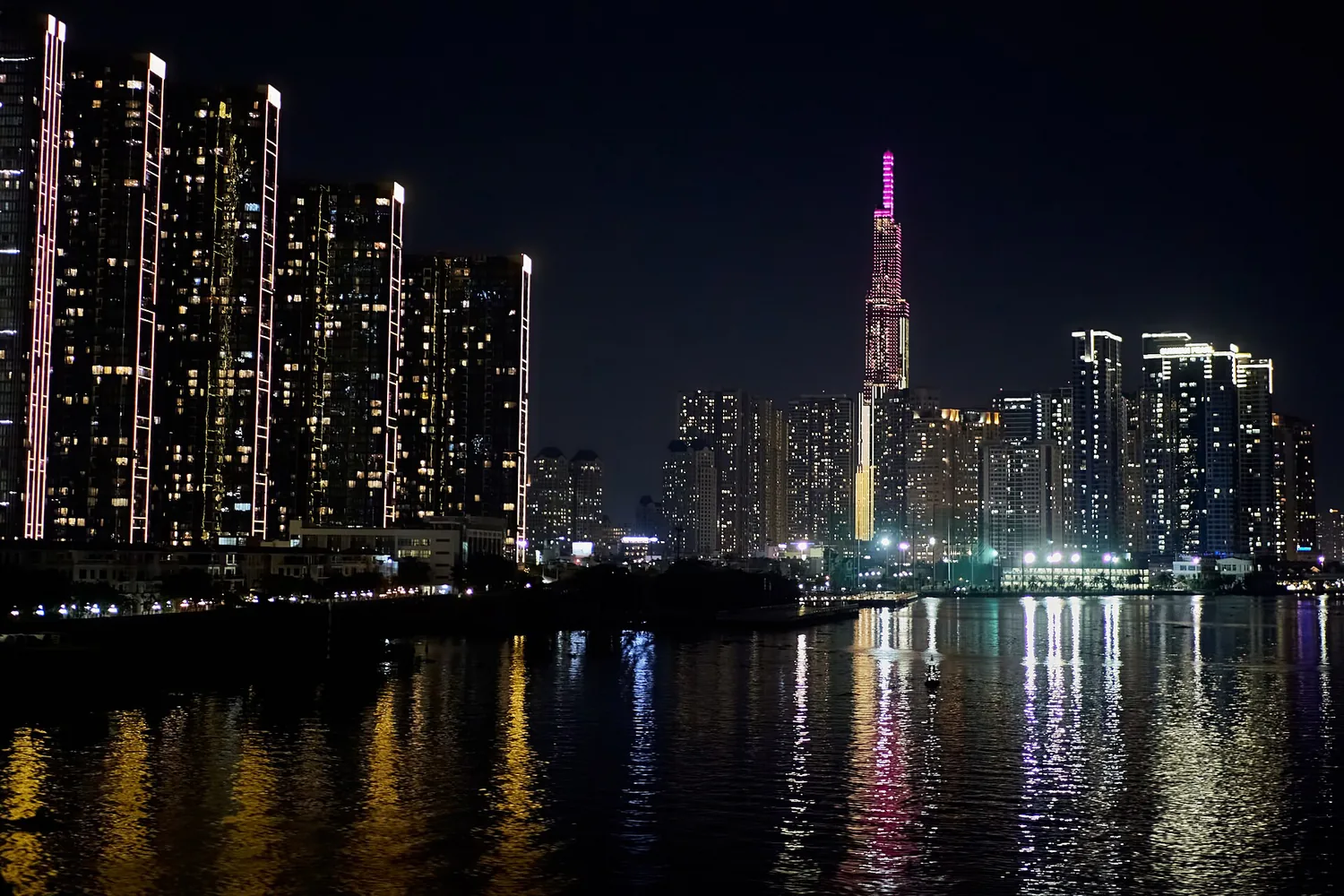
5. From the airport it is 27.8km and 8.0km
The first hour after landing goes differently in the two cities, because one airport is more than three times further out.
Airport to city centre
Those times assume clear roads. Both cities are slower in the rush hours, and Tan Son Nhat in particular sits inside the built-up area, so the short distance runs through congested streets rather than around them.
Airport capacity
Tan Son Nhat opened a new domestic terminal that handles 20 million passengers a year and lifts the airport’s total to 50 million.
Noi Bai is further out but connected by expressway, which makes the ride simple even though it is longer. Fares and vehicle choices are set out in getting from Noi Bai airport into Hanoi.
Entry formalities
The digital arrival card started at the Tan Son Nhat international terminal and is being extended to other airports. It is free, filled in online, and can only be submitted within 72 hours of arrival.
The paperwork is otherwise the same whichever city you land in. Requirements are covered in Vietnam entry requirements, and the new airport being built south of Saigon has its own page, the Long Thanh airport guide.
6. Moving around inside each city
Both cities have metro lines, but they are useful to visitors in different degrees.
Metro compared
| Item | Hanoi | Ho Chi Minh City |
|---|---|---|
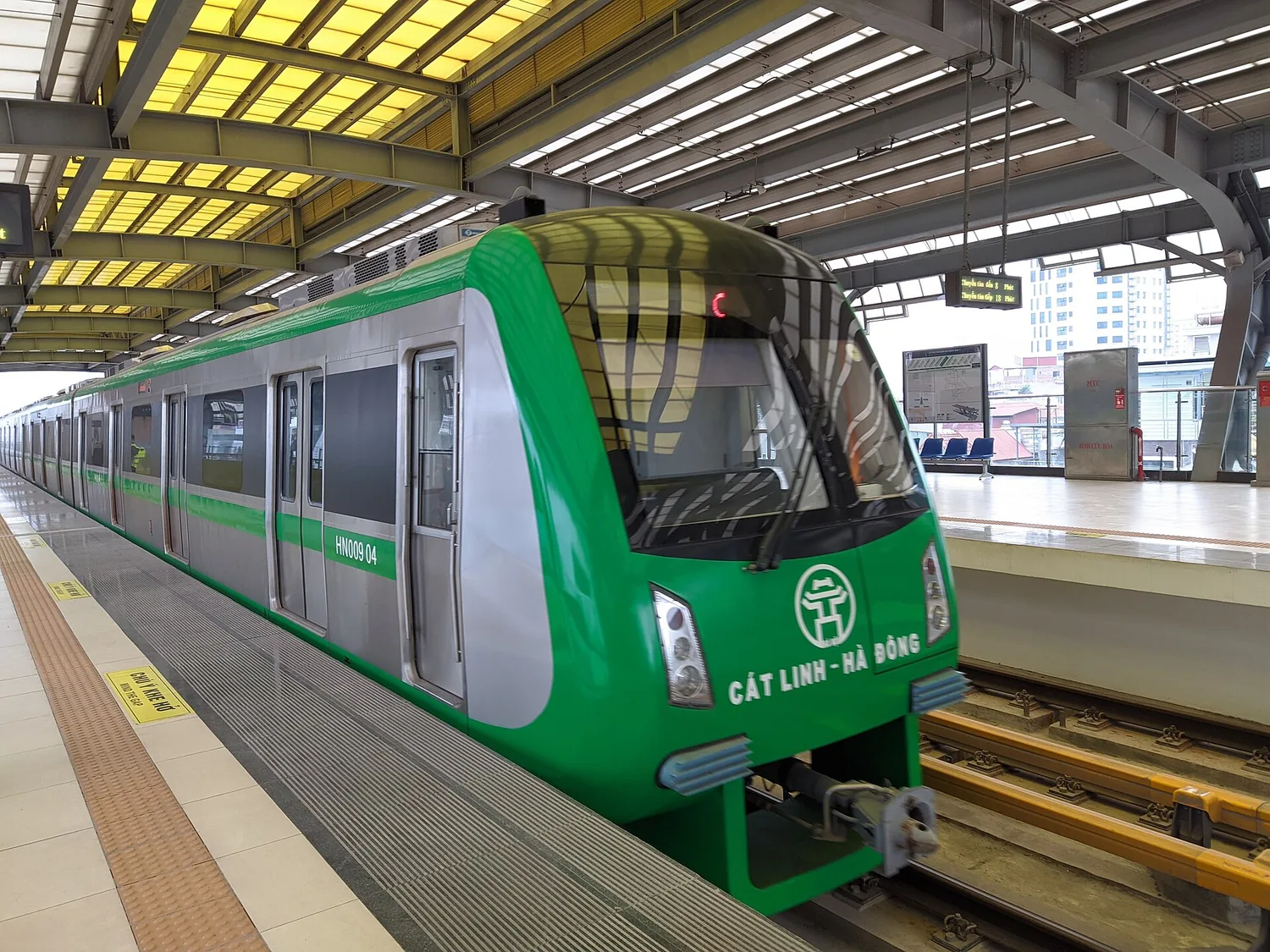
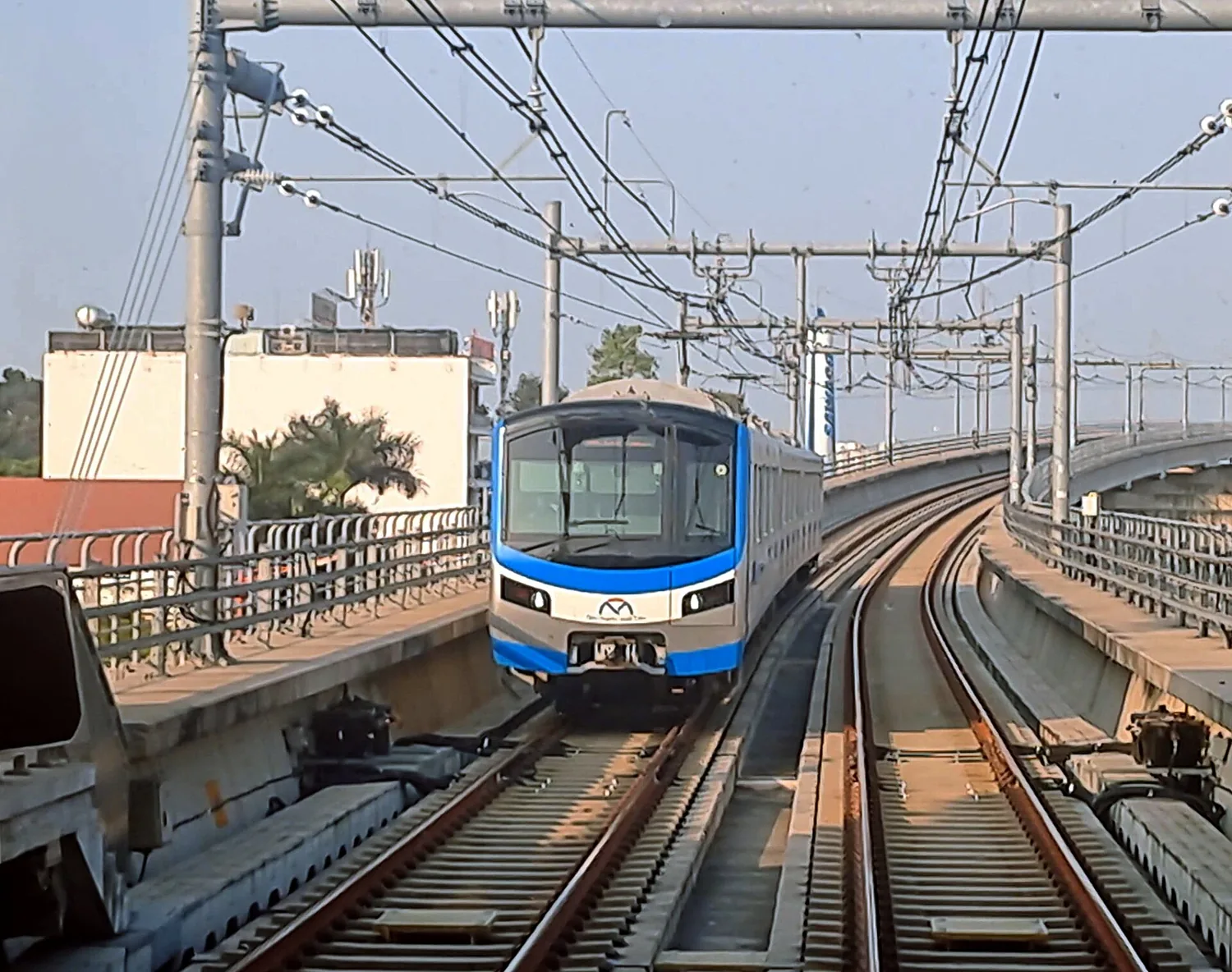
| Lines | 2A Cat Linh-Ha Dong, 3.1 Nhon-Cau Giay (extension to Hanoi station under construction) | Line 1 Ben Thanh-Suoi Tien |
| Hours | 05:30-22:00 | 05:00-22:00 |
| Frequency | 6 min at peak, 10 min otherwise | 8 min at peak, 12 min otherwise |
| Single ride | 8,000-15,000 dong | 6,000-20,000 dong |
| Day pass | 30,000 dong | 40,000 dong (3-day pass 90,000) |
Hanoi’s two lines pass almost nothing a visitor is heading for, so they rarely enter a traveller’s day. Line 1 in Saigon starts at Ben Thanh MarketMap and runs east to Suoi Tien, which makes the ride itself part of an outing.
Buses inside Hanoi’s Ring Road 1 are free
Forty-five bus routes crossing Ring Road 1 carry passengers free of charge for the portion of the trip inside that ring. The measure comes from a city council resolution and runs until 30 June 2027.
There is one condition: you must tap an electronic card both boarding and alighting. Tourist coaches are excluded, and the section of any route outside Ring Road 1 is charged normally.
Ride-hailing
Grab and Green SM work in both cities and quote the fare before you accept, which removes the meter argument entirely. Cyclos, where the price is agreed on the street, are where disputes concentrate. Both apps are covered in the Grab and Green SM guide.
7. Hanoi is changing its central traffic rules in stages
Hanoi has introduced a low emission zone in the centre. It affects visitors, so it is worth knowing before you book a room in the Old Quarter.
Phase one, in force now
The zone covers about 0.5 km² in the core of Hoan KiemMap ward, taking in 11 streets and around 20,000 residents, with a buffer area of a further 1.65 km².
The rule itself is simple. No road vehicles circulate in the zone from 19:00 to midnight on Friday, Saturday and Sunday. Those are the same hours as the long-running pedestrian street around the lake.
What that changes for a visitor
- On weekend evenings vehicles do not reach the lakeside. If your hotel is inside the zone, expect to walk the last stretch with your bags.
- Ride-hailing pickups shift to the edge of the zone. Worth knowing if your flight lands in the evening.
- Buses keep running. With the Ring Road 1 fare waived, they are the easier option those nights.
What comes next
In 2027 the zone grows beyond Hoan Kiem to take in Cua Nam ward, fossil-fuelled motorbikes may no longer be used for app-based commercial rides inside it, and older and larger vehicles face restrictions. From 2028 the zone covers the whole of Ring Road 1, which takes in nine wards including Hoan Kiem, Ba Dinh and Tay Ho.
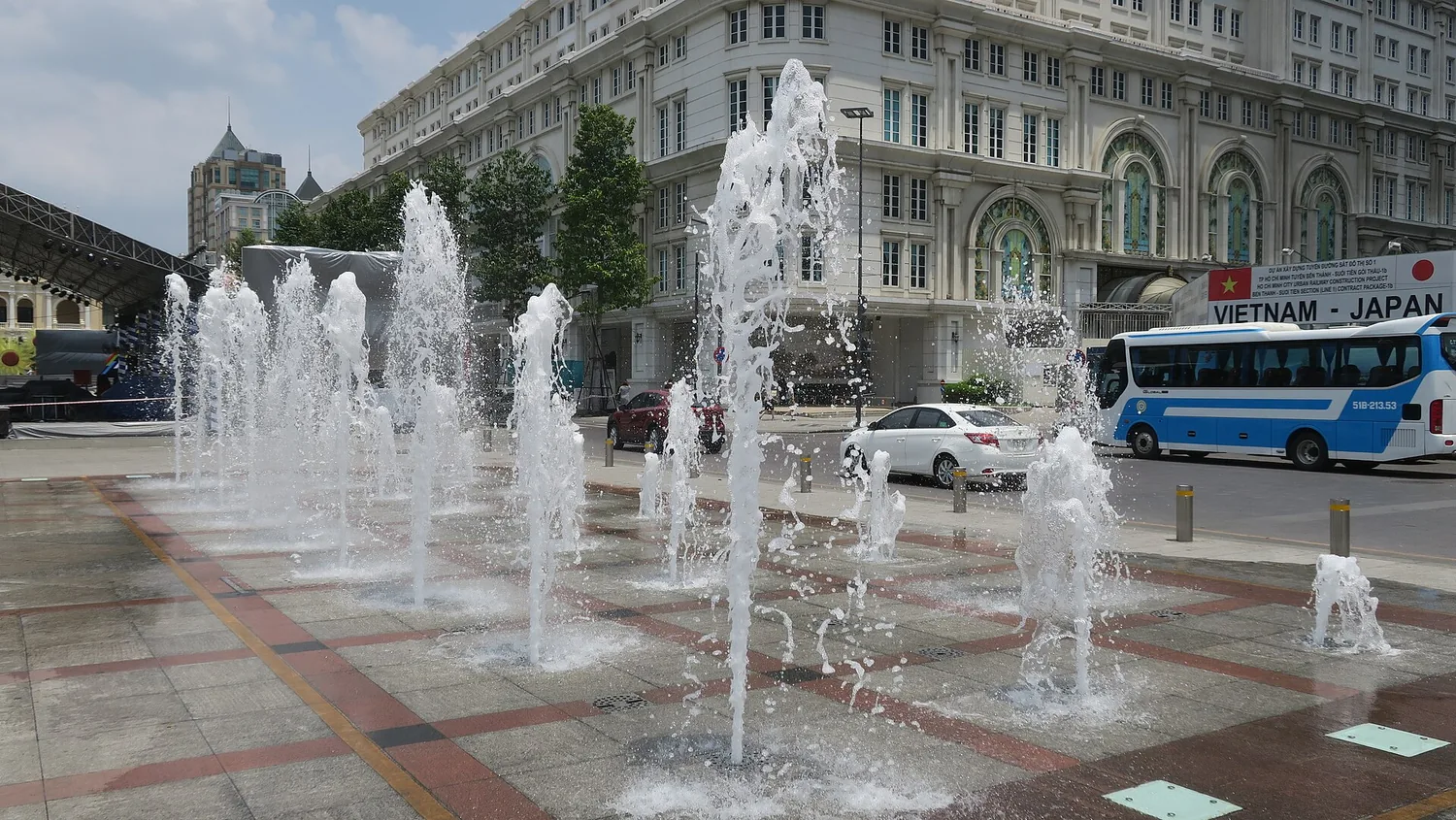
Ho Chi Minh City has no equivalent scheme. What it has instead is Nguyen HueMap, a permanent pedestrian street that works the same way on a Tuesday as on a Saturday.
8. Day trips point in completely different directions
Plenty of people choose the city for what lies outside it rather than what is in it. Here the two have little in common.
Out of Hanoi
Out of Ho Chi Minh City
The difference in one line
From Hanoi, sea, mountains and heritage are all reachable by road. From Saigon, rivers and war history are close, and islands mean a flight: Phu Quoc and Con Dao both leave from here.
Northern routes are set out in the northern Vietnam guide and southern ones in the southern Vietnam guide. Individual pages cover Ha Long Bay cruises, the Ninh Binh day trip and Sa Pa.
9. The two cities are not the same size
Area and population differ by nearly a factor of two, and a 2025 administrative reform widened the gap.
Scale in numbers
| Item | Hanoi | Ho Chi Minh City |
|---|---|---|
| Area | 3,358.6 km² | 6,772 km² |
| Population | about 8.86 million | about 14.0 million |
| Registered motorbikes | about 6.9 million | more than 9 million |
In July 2025 Ho Chi Minh City absorbed the neighbouring provinces of Binh Duong and Ba Ria-Vung Tau. Vung Tau is therefore inside the city on paper, though it is 95km from Ben Thanh and functions as a day trip.
The part you actually walk
In Hanoi, the Old Quarter, the French Quarter and the main museums sit within about 2km of Hoan Kiem Lake, so walking carries a large share of the day.
Saigon concentrates its sights in the former District 1, but the blocks are longer. Short hops such as Ben Thanh to Nguyen Hue are walkable; for the rest, most people call a car.
Address names
The same reform abolished the district tier in favour of wards. In practice everyone, including map apps and drivers, still says District 1, District 3 and District 5. New ward names turn up mainly on booking paperwork.
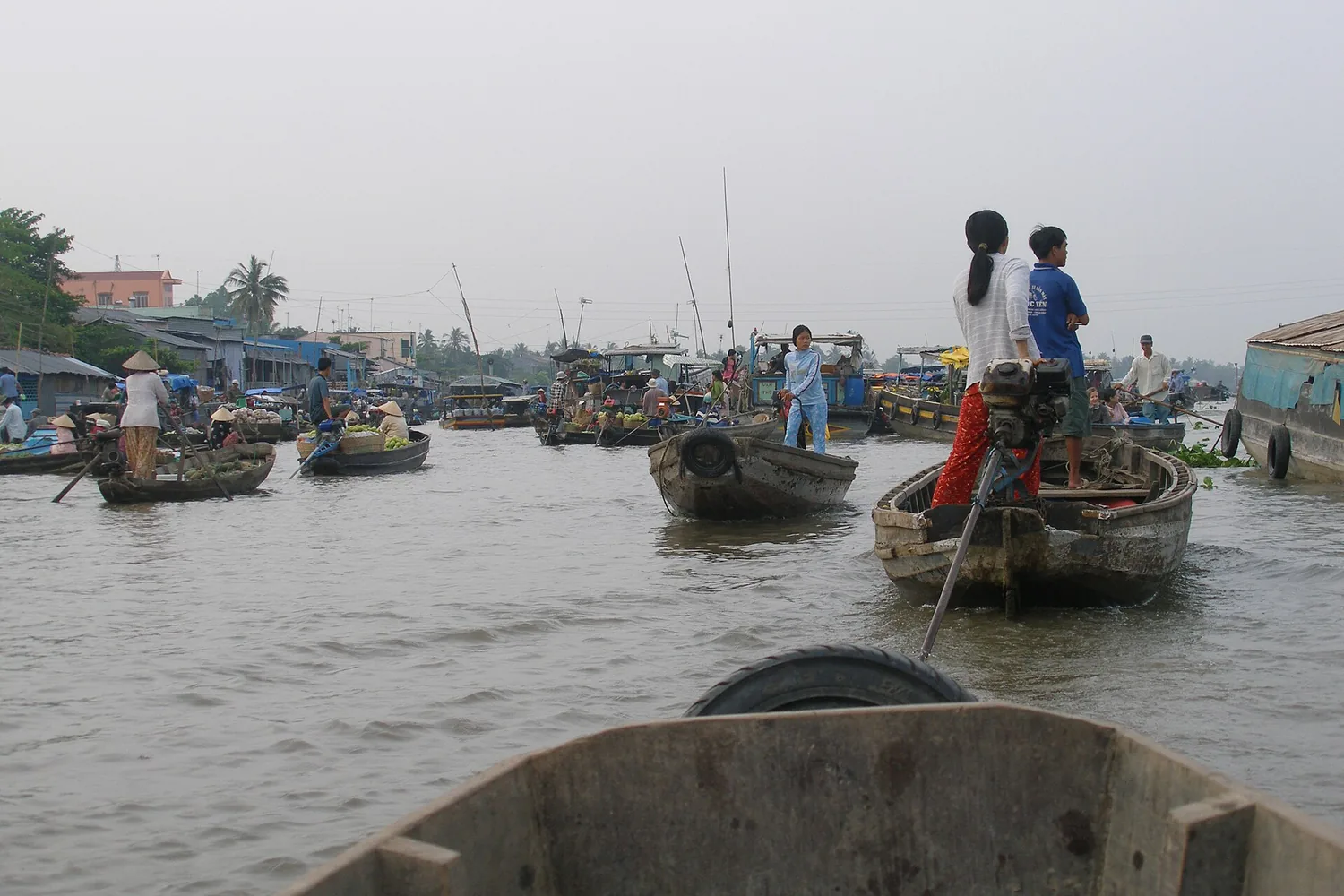
10. What you eat is different in each city
The signature dishes barely overlap, and over several days that shapes the trip more than any monument does.
Hanoi
- Pho. Clear broth, restrained garnish.
- Bun cha. Charcoal-grilled pork dipped in a bowl of sauce, eaten with noodles.
- Cha ca. Turmeric-marinated fish finished at the table.
- Egg coffee. Whipped egg yolk over coffee, a Hanoi invention.
- Bia hoi. Same-day draught beer sold by the glass on the pavement.
Ho Chi Minh City
- Com tam. Broken rice with grilled pork, a full plate meal.
- Banh mi. Fillings vary from cart to cart.
- Hu tieu. A southern noodle dish served either in broth or dry.
- Condensed milk coffee. Stronger and sweeter in the south.
- Seafood. The District 4 strip across the canal is where the evening trade concentrates.
Prices are broadly similar
A bowl of noodles from a street kitchen costs about the same in both cities, and restaurant tiers scale similarly. The difference is what is being sold, not what it costs.
The Saigon seafood strip has its own page: District 4 seafood street.
11. Where you stay changes the shape of the day
Both cities have an obvious first-visit district, and those districts behave differently.
Hanoi
First time, that means the Old QuarterMap: hotels, restaurants and tour desks packed into narrow lanes, with the lake a short walk away. The trade-offs are noise and, on weekend evenings, restricted vehicle access under the low emission zone.
For quiet, look at West Lake or the French Quarter. Areas and hotels are compared in where to stay in Hanoi.
Ho Chi Minh City
First time, the former District 1. Ben Thanh Market, Dong Khoi and the Nguyen Hue pedestrian street connect on foot. Backpackers head for Bui Vien; for quiet, look at the former District 3 or Thao Dien.
Areas and price bands are in where to stay in Ho Chi Minh City.
12. How many days each city needs
The cities themselves take a similar amount of time. The day trips are what change the total.
Days by scope
| Scope | Hanoi | Ho Chi Minh City |
|---|---|---|
| City only | 2-3 days | 2-3 days |
| Plus one day trip | 3-4 days (Ninh Binh or Ha Long) | 3-4 days (Cu Chi or the Mekong) |
| Going further out | 5-6 days (including Sa Pa) | 4-5 days (including Vung Tau or Can Gio) |
Hanoi needs the extra day or two because of Sa Pa. At 4 hours 29 minutes each way it does not work as a day trip, so at least one overnight is required.
Combining the two
Flying takes 2 hours 5 minutes to 2 hours 15 minutes with more than 30 departures a day, so a morning flight moves you between cities before lunch.
The train takes more than 30 hours, with 5 to 6 departures a day. Unless the ride is something you want for its own sake, fly. If a sleeper carriage appeals, take a shorter middle section instead. Route choices are compared in the guide to getting around Vietnam.
Which order
In winter, doing Hanoi first and then flying south keeps the packing simple: the jacket you needed in the north never comes out again once you are in Saigon.
13. Budget: the same prices, spent in different places
Day-to-day costs are close. Where the money goes is not.
Same category, different usage
| Item | Hanoi | Ho Chi Minh City |
|---|---|---|
| Airport transfer | 27.8km, so the round trip costs more | 8.0km, a short round trip |
| Getting around the centre | More of it on foot | More of it by car |
| City buses | Free inside Ring Road 1 | Normal fares |
| Day trips | Ha Long and Sa Pa need an overnight | Most return the same day |
Hanoi spends less on getting around town and more on accommodation outside it. Saigon reverses that: more taxi fares, fewer nights away.
Cash and cards
Both cities have card-friendly restaurants and cash-only stalls. Markets, street food and buses are cash. Exchange and payment are covered in the Vietnam money guide.
Scams
The recurring reports in both cities are tampered taxi meters, cyclo price disputes, and objects pressed into your hands on the street followed by a demand for payment. Booking through an app and agreeing prices first removes most of it. Types are listed in the Vietnam tourist scams guide.
14. Busy periods and closures
Both cities observe the same public holidays, but the effect on a visitor is not identical.
Dates to watch
| Period | What changes |
|---|---|
| Tet, the lunar new year | Shops and restaurants close for several days; transport and rooms cost more |
| 30 April and 1 May | A linked holiday that fills domestic travel |
| 2 September, National Day | Beaches and day-trip destinations fill up |
| School summer holidays | Peak domestic season, heaviest at Ha Long and Vung Tau |
Why Tet feels different in each city
Hanoi’s centre runs on small family businesses, so the closures are conspicuous. Saigon has a higher share of larger restaurants and malls, which makes finding something open easier.
In both cities street stalls thin out around the holiday itself. If you are travelling then, check that your hotel serves breakfast and note a few restaurants that stay open.
Weekdays against weekends
Hanoi changes character at weekends because the lakeside closes to traffic from Friday evening to midnight Sunday. Saigon varies less, since Nguyen Hue is pedestrian every day.
Museums in both cities include some that close on Mondays. If a museum is central to your plan, fix the day of the week first.
15. Which city suits which traveller
Grouping the numbers above by type of trip gives a clearer answer than any general verdict.
Hanoi fits if
- You want cooler weather. December to February highs run 19.7C to 22.0C.
- You want to walk. The main sights sit within 2km of the lake.
- You want sea and mountains on one trip. Ha Long at 153km and Sa Pa at 322km are both road journeys.
- You are drawn to old streets and heritage. The Old Quarter and the French Quarter adjoin each other.
Ho Chi Minh City fits if
- You are escaping a northern-hemisphere winter. December to February highs sit near 32C.
- You want the airport close. Eight kilometres to the centre.
- Air quality matters to you. Annual PM2.5 of 21.5 against 45.9.
- You enjoy dense city life. Restaurants, cafes, shopping and late trade are packed together.
- You are continuing to the southern islands. Phu Quoc and Con Dao flights leave from here.
If neither fits
If the point of the trip is a beach, neither city is the answer. Da Nang, Nha Trang and Phu Quoc are. Those are compared in Da Nang versus Nha Trang and Da Nang versus Phu Quoc, and the country-level plan is in the Vietnam travel guide.
16. Assumptions that turn out to be wrong
These come up repeatedly when people are choosing between the two.
Vietnam is hot all year
Not in Hanoi. The January high is 19.7C and the low is 14.3C. Pack only short sleeves for a winter trip and you will be uncomfortable.
The capital is the bigger city
Ho Chi Minh City has about 14.0 million residents against Hanoi’s 8.86 million, and since the 2025 reform its area is nearly double.
The metro will get you around
Hanoi’s two lines pass almost none of the places visitors go. Saigon’s line 1 is genuinely useful heading east from Ben Thanh, but inside the centre walking or a car is still quicker.
Vung Tau is part of Saigon, so it must be close
Administratively it is inside the city. It is also 95.2km from Ben Thanh, about 1 hour 31 minutes by road, so plan it as a day trip.
The wet season rules out travel
Saigon’s rain typically falls for an hour or two in the afternoon. September and October are heavy at 490mm and 340mm, but alternating indoor and outdoor blocks absorbs it. Hanoi’s summer rain lasts longer when a storm is passing.
The language is identical in both cities
It is the same language with different pronunciation and vocabulary. Southern speech diverges from the spelling in places, and the same dish name can mean different things regionally. Pointing at the menu remains the reliable method.
🎡Things to Do27
🍜Food2
🏨Where to Stay10
🚇Getting Around7
🧭Travel Tips9
🧭Vietnam-wide essentials105
Hanoi and Ho Chi Minh City: common questions
Choose by month. Between December and February, Saigon is warm at about 32C while Hanoi is cool at 19.7C to 22.0C. From June to September the two are within a couple of degrees, so choose on day trips instead.
The January high is 19.7C and the low 14.3C. That is mild by northern standards but too cool for short sleeves alone. One light jacket covers it.
Annual PM2.5 averages 45.9 µg/m³ in Hanoi and 21.5 in Ho Chi Minh City. Hanoi is worst from December to February. Travelling then, bring a mask and weight the itinerary towards indoor sights.
Noi Bai to central Hanoi is 27.8km, about 29 minutes on clear roads. Tan Son Nhat to Ben Thanh Market is 8.0km, about 12 minutes. Both take longer in the rush hours.
Flying: 2 hours 5 minutes to 2 hours 15 minutes, more than 30 departures a day. The train takes more than 30 hours with 5 to 6 departures. Fly unless the journey itself is the attraction.
Yes. Under phase one of the low emission zone, no road vehicles circulate in the core of Hoan Kiem ward from 19:00 to midnight on Friday, Saturday and Sunday. Arriving then means walking the last stretch to your hotel.
On 45 routes, the portion of the journey inside Ring Road 1 is free until 30 June 2027. You have to tap an electronic card on and off. Tourist coaches and the sections outside the ring are excluded.
It depends what you want to see. Sea and mountains point to Hanoi (Ha Long 153km, Sa Pa 322km); rivers and war history point to Saigon (Mekong 70km, Cu Chi 48-58km).
It is inside the city administratively. It is also 95.2km from Ben Thanh Market, about 1 hour 31 minutes by road, so treat it as a day trip rather than a city beach.
September brings 490mm, the highest month of the year, but it usually arrives in short heavy bursts. Plan indoor blocks in the afternoon and allow extra travel time, because some streets flood.