A beach city built on the daily catch — what to order, how it’s cooked, the best spots, and how to enjoy it all without getting overcharged.
Last updated: June 2026
Da Nang seafood, in 30 seconds
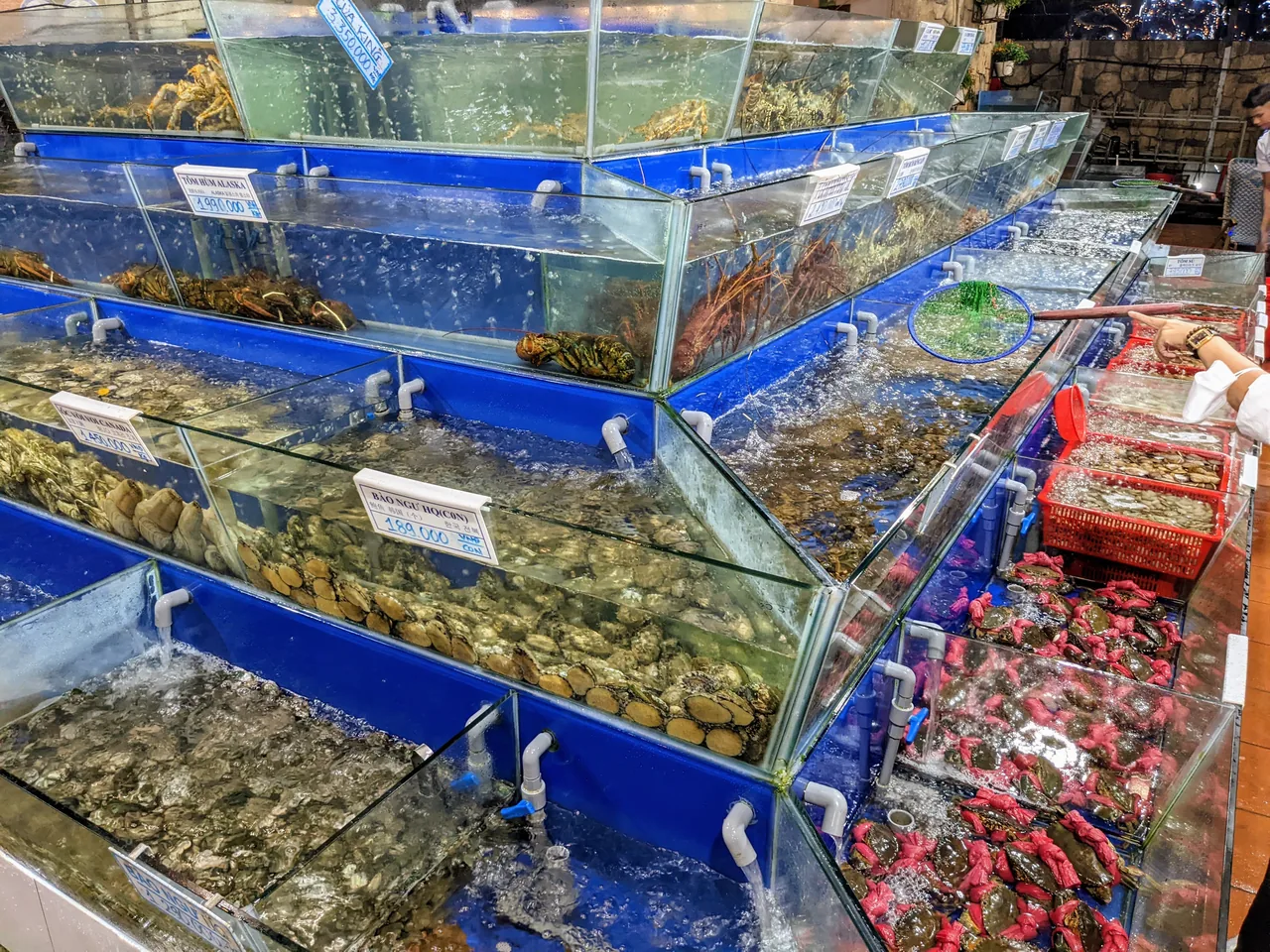
Fresh from the boat: Da Nang sits on rich fishing grounds, so prawns, crab, squid, snails and fish go from tank to table the same day — pick your own live and say how you want it cooked.
Where: the Võ Nguyên Giáp beach strip behind My Khe is seafood central. Bé Mặn (in the MICHELIN Guide), Làng Cá and Kim Seafood are reliable names.
How much: a good seafood blow-out runs roughly 200,000–400,000₫ (US$8–16) per person; it’s sold by weight, so confirm the price per kilo first.
One golden rule: see it weighed in front of you and agree the price/kg before cooking — that defeats the classic overcharging trick.
If there’s one thing you absolutely have to eat in Da Nang, it’s the seafood. This is a beach city wrapped around a working fishing fleet, so the prawns, crab, squid and snails on your plate were very likely swimming that morning. The classic experience is gloriously hands-on: you walk up to rows of bubbling tanks, point at what looks good, choose how it’s cooked, and it arrives minutes later, grilled over coals or steamed in beer. This guide covers what to eat, how it’s cooked, where to go (with real names), realistic prices, and — most importantly — how to avoid being overcharged, since seafood is sold by weight. (New to the city? Start with our complete Da Nang guide, and see the Da Nang food guide for the bigger picture.)
Two things make Da Nang one of Vietnam’s great seafood cities: freshness and value. The city sits beside rich fishing grounds, and the daily catch often reaches the restaurant tanks within hours of being landed. Combine that with prices a fraction of what you’d pay at home, and you have a feast that’s hard to beat.
The format is half the fun. Most seafood places keep their stock alive in tanks by the door: you choose your prawns, crab or fish by sight, the staff weigh it, and you say how you’d like it cooked. Minutes later it’s at your table, often with an ice-cold local beer and a sea breeze. It’s social, casual and best shared — order a few things and dig in together.
First time? A simple, brilliant order: grilled prawns, a plate of stir-fried sea snails (ốc), and a steamed or grilled fish to share — with rice, herbs and beer. You can’t really go wrong.
🎟️ The whole thing runs on pointing at a tank and agreeing a weight, so if that sounds like work on your first night, a food tour or market-and-cook class does the choosing and the pricing for you.See on Klook →See on Viator →See on KKday →See on Trip.com →Affiliate link — we may earn a commission at no extra cost to you.
2. What to Eat: Stars of the Tank
Here’s what you’ll see in the tanks and on the menu, and what each is like:
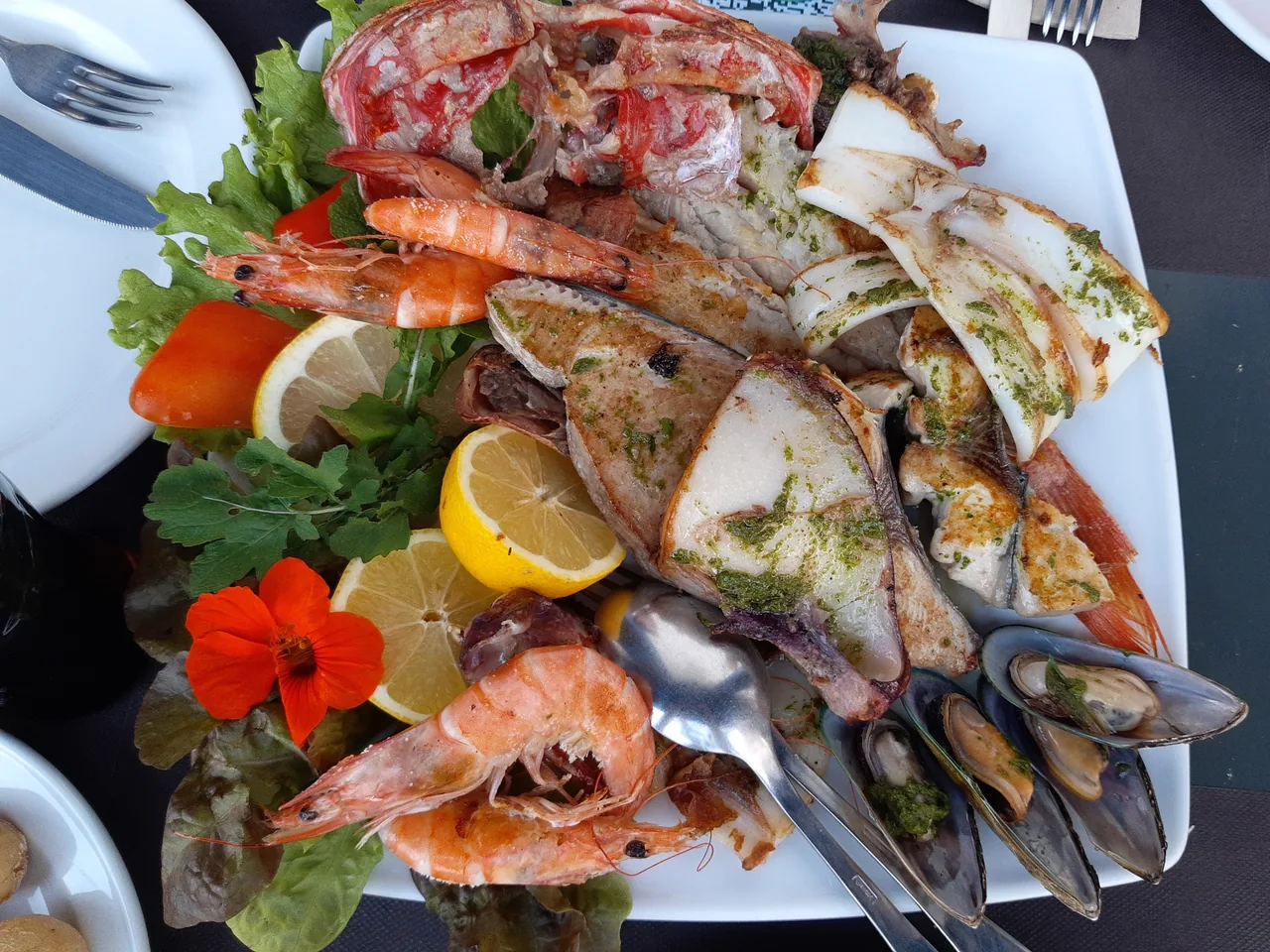
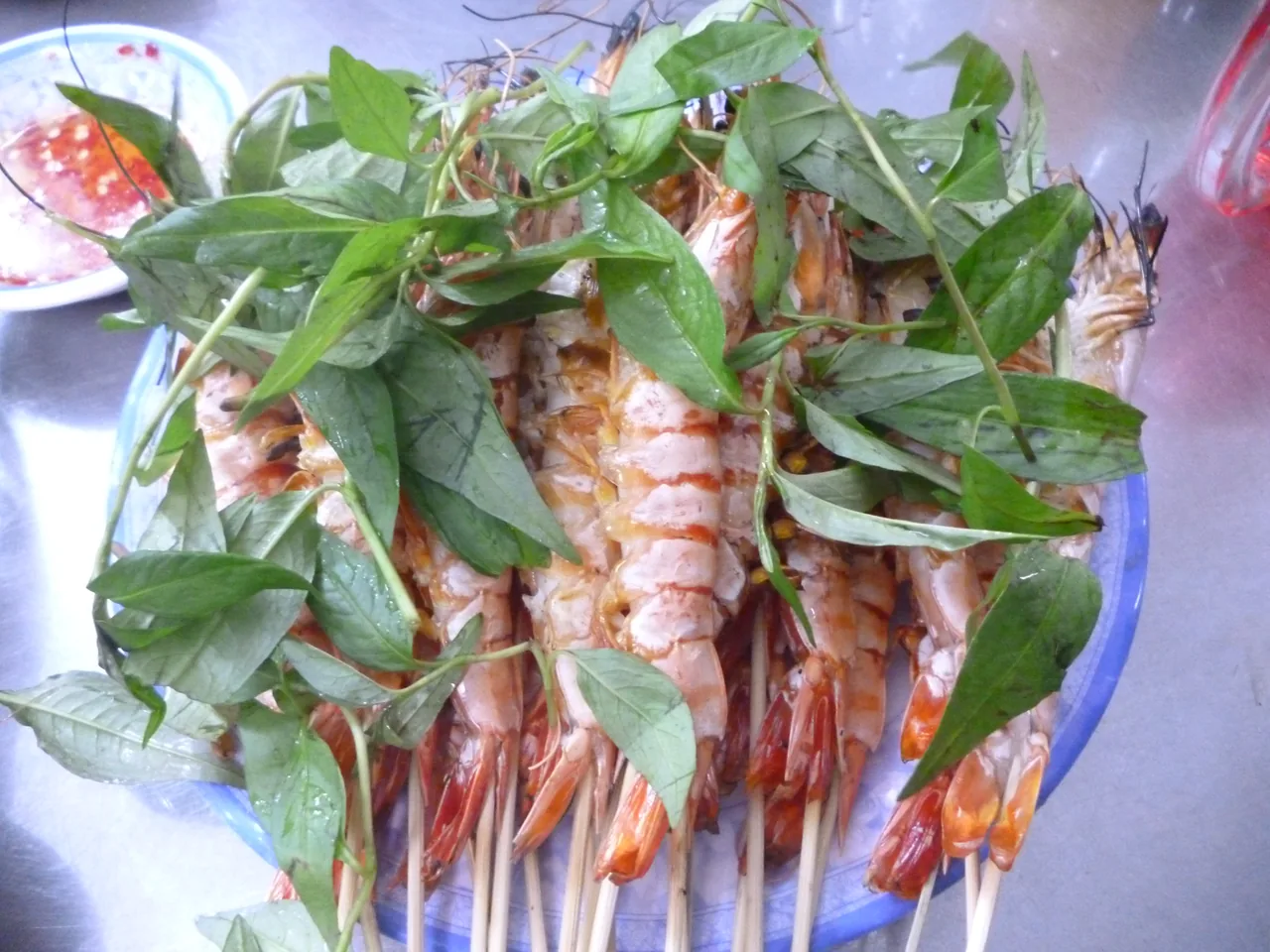
Prawns & shrimp (tôm) — the crowd-pleaser; superb grilled or steamed. Big tiger prawns are a treat.
Mud crab (cua) & blue swimmer crab (ghẹ) — sweet and meaty; steamed or stir-fried with tamarind or salt.
Squid (mực) — grilled or fried; look out for mực một nắng (“one-sun-dried” squid), a Central-Vietnam specialty, lightly dried then grilled.
Sea snails & shellfish (ốc) — a national obsession; stir-fried with lemongrass, chilli, tamarind or garlic butter. Cheap, fun and moreish.
Oysters & clams (hàu, nghêu/sò) — grilled with scallion oil and peanuts, or in a quick soup.
Fish (cá) — whole grilled or steamed fish is a centrepiece; ask what’s freshest.
Lobster (tôm hùm) — the splurge; priced high by weight, worth it for a special meal.
Seafood
Local name
Usually cooked
Notes
Prawns
Tôm
Grilled / steamed
The easy crowd-pleaser
Mud / blue crab
Cua / Ghẹ
Steamed / tamarind
Sweet, meaty
Squid
Mực
Grilled / fried
Try mực một nắng
Sea snails
Ốc
Stir-fried w/ lemongrass
Cheap, fun, local favourite
Oysters / clams
Hàu / Nghêu
Grilled / soup
With scallion oil & peanuts
Lobster
Tôm hùm
Grilled / steamed
The splurge, by weight
3. How It’s Cooked & How to Order
Once you’ve picked your seafood, you choose the cooking style. The classics:
Grilled (nướng) — over charcoal, brushed with scallion oil (mỡ hành) or seasoned with salt, chilli & lime. The most popular and the most fragrant.
Steamed (hấp) — pure and sweet; often steamed in beer (hấp bia) or with lemongrass and ginger. Great for crab and clams.
Tamarind (rang me) — stir-fried in a sweet-sour tamarind glaze; superb with prawns and crab.
The dipping sauce matters too: the Central-Vietnam classic is muối ớt xanh — a punchy green chilli, salt and lime dip that cuts through the richness. To order, just point at the tank, agree the cooking style, and confirm it’s weighed and priced before it hits the grill.
Order to share. Seafood here is family-style. Get a couple of cooking styles across different items so everyone tries a bit, and add rice or noodles and plenty of herbs.
You’re spoilt for choice, but the heart of it is clear:
The Võ Nguyên Giáp beach strip (My Khe)
The road running along My Khe Beach — Võ Nguyên Giáp and the streets just behind it — is lined with seafood restaurants, many with tanks out front and tables almost on the sand. If you’re staying near the beach (as most visitors are), this is your easiest, most atmospheric option. See our where-to-stay guide for the neighbourhood.
Beyond the beach
The Sơn Trà side and the fishing-harbour areas have more local, sometimes cheaper spots, and night markets do casual grilled snails and shellfish. Wherever you go, the busy places full of locals are the ones to trust.
5. Reputable Seafood Restaurants
These established places have strong, long-standing reputations. They’re popular, so go a little early or expect a wait at peak times. (Addresses, prices and hours change — check Google Maps before you go.)
Bé Mặn — perhaps Da Nang’s most famous seafood restaurant, on Võ Nguyên Giáp near My Khe and now recognised in the MICHELIN Guide. Pick from the tanks, watch it cooked, and expect a buzzing room full of locals. A safe, excellent first choice. 📍Map
Làng Cá — a large, airy seafood restaurant on Võ Nguyên Giáp, popular for a slightly more comfortable sit-down feast near the beach. 📍Map
Kim Seafood — a well-regarded, slightly more premium option known for freshness and generous portions. 📍Map
Plenty of smaller beachfront quán are excellent too. The rule is simple: choose places that are busy with locals, keep their seafood visibly alive, and are upfront about prices.
Where
Area
Known for
Approx / person
Bé Mặn
Võ Nguyên Giáp, My Khe
Famous, Michelin-listed, tanks
200,000–400,000₫
Làng Cá
Võ Nguyên Giáp
Large, airy, beachside feast
200,000–400,000₫
Kim Seafood
My Khe area
Premium, fresh, big portions
250,000–500,000₫
Local beach quán
Võ Nguyên Giáp / Sơn Trà
Cheap, busy, authentic
150,000–300,000₫
6. ⚠️ Prices & Avoiding the Overcharging Scam
Seafood is sold by weight, and that’s where the one real pitfall lies. The vast majority of places are honest, but the classic trick at a minority of tourist spots is to overstate the weight, quietly swap in a pricier item, or add things you didn’t order. A little care removes the risk entirely:
Protect yourself:
Confirm the price per kilo for each item before it’s cooked — not after.
Watch it weighed in front of you on the scale; agree the weight.
Check the menu has prices; be wary of places that won’t quote a number.
Check the bill against what you ordered before paying.
Do that and a Da Nang seafood meal is brilliant value: roughly 200,000–400,000₫ (US$8–16) per person for a generous spread, less at local spots, more for lobster or crab. For more on common pitfalls and money tips, see our Vietnam scams & money guide.
Mì Quảng, bún chả cá and bánh xèo — the signature noodle and crepe dishes, in our food guides.
A day trip to Hội An for its own distinct specialties.
Pick your own, watch it cooked, agree the price, and eat it by the sea — a Da Nang seafood dinner is one of the trip’s great, simple pleasures.
🎟️ A generous spread runs about $8–16 (200,000–400,000 VND) a person as long as the price per kilo is agreed before anything hits the grill — a guided food tour or cooking class settles that part in advance.See on Klook →See on Viator →See on KKday →See on Trip.com →Affiliate link — we may earn a commission at no extra cost to you.
Da Nang is known for super-fresh prawns, mud and blue crab, squid (including mực một nắng, lightly sun-dried squid), sea snails (ốc), oysters, clams and whole fish — usually picked live from tanks and grilled, steamed in beer, or stir-fried with tamarind. It’s a beach city beside rich fishing grounds, so the catch is landed daily.
Q. How much does seafood cost in Da Nang?
Roughly 200,000–400,000₫ (US$8–16) per person for a generous meal, less at local spots and more for lobster or crab. Seafood is sold by weight, so always confirm the price per kilo before it’s cooked.
Q. How do I avoid being overcharged for seafood?
Confirm the price per kilo for each item before cooking, watch it weighed in front of you, choose places with priced menus, and check the bill against your order. Most places are honest; this simply removes the risk at tourist spots.
Q. Where is the best seafood in Da Nang?
The Võ Nguyên Giáp beach strip behind My Khe is seafood central. Bé Mặn (in the MICHELIN Guide), Làng Cá and Kim Seafood are reliable, well-known names; many smaller local quán are excellent too. Pick busy places full of locals.
Q. How does ordering seafood work?
You pick your seafood live from tanks by the entrance, the staff weigh it (watch this), and you choose how it’s cooked — grilled, steamed in beer, tamarind stir-fry or salt-fried. Confirm the weight and price before it goes on the grill, then it’s cooked fresh to order.
Q. What’s the best way to have it cooked?
Grilling over charcoal (nướng) with scallion oil or salt-chilli-lime is the most popular and fragrant; steaming in beer (hấp bia) is great for crab and clams; tamarind stir-fry (rang me) suits prawns and crab. Order a couple of styles to share. Don’t miss the green-chilli salt dip (muối ớt xanh).
Q. When is the best time to eat seafood in Da Nang?
The evening — seafood restaurants on the beach strip come alive after dark, with sea breezes and smoking grills. Sunset onward is prime time, and a plate of stir-fried sea snails with a cold beer is the classic casual Da Nang night.
Q. Is Da Nang seafood safe to eat?
Yes — choose busy places that keep seafood visibly alive in tanks and cook it fresh to order, which is the norm here. Flag any shellfish allergy clearly, since it’s central to the cuisine and grills and sauces are often shared.