Vietnam Visa & E-Visa: Who Needs One, and How to Apply
Most visitors now either enter visa-free for 45 days or get a 90-day e-visa online in minutes — here’s exactly which one applies to you, how to apply on the one official site, and how to dodge the fake-visa scams.
Updated June 2026
At a glance
Official site
evisa.gov.vn only — the single government portal (beware look-alikes)
Visa-free
45 days for ~13 countries incl. UK, France, Germany, Spain, Russia, Japan, South Korea (to Aug 2028)
E-visa
All nationalities · up to 90 days · single US$25 / multiple US$50 · ~3–5 working days
Entry points
~83, incl. Da Nang (DAD), Hanoi, HCMC airports + land & sea borders
Passport
Valid 6+ months beyond arrival, with blank pages
Phu Quoc
Separate 30-day visa exemption if you fly in directly
When to apply
At least a week before you fly; the e-visa is emailed as a PDF to print
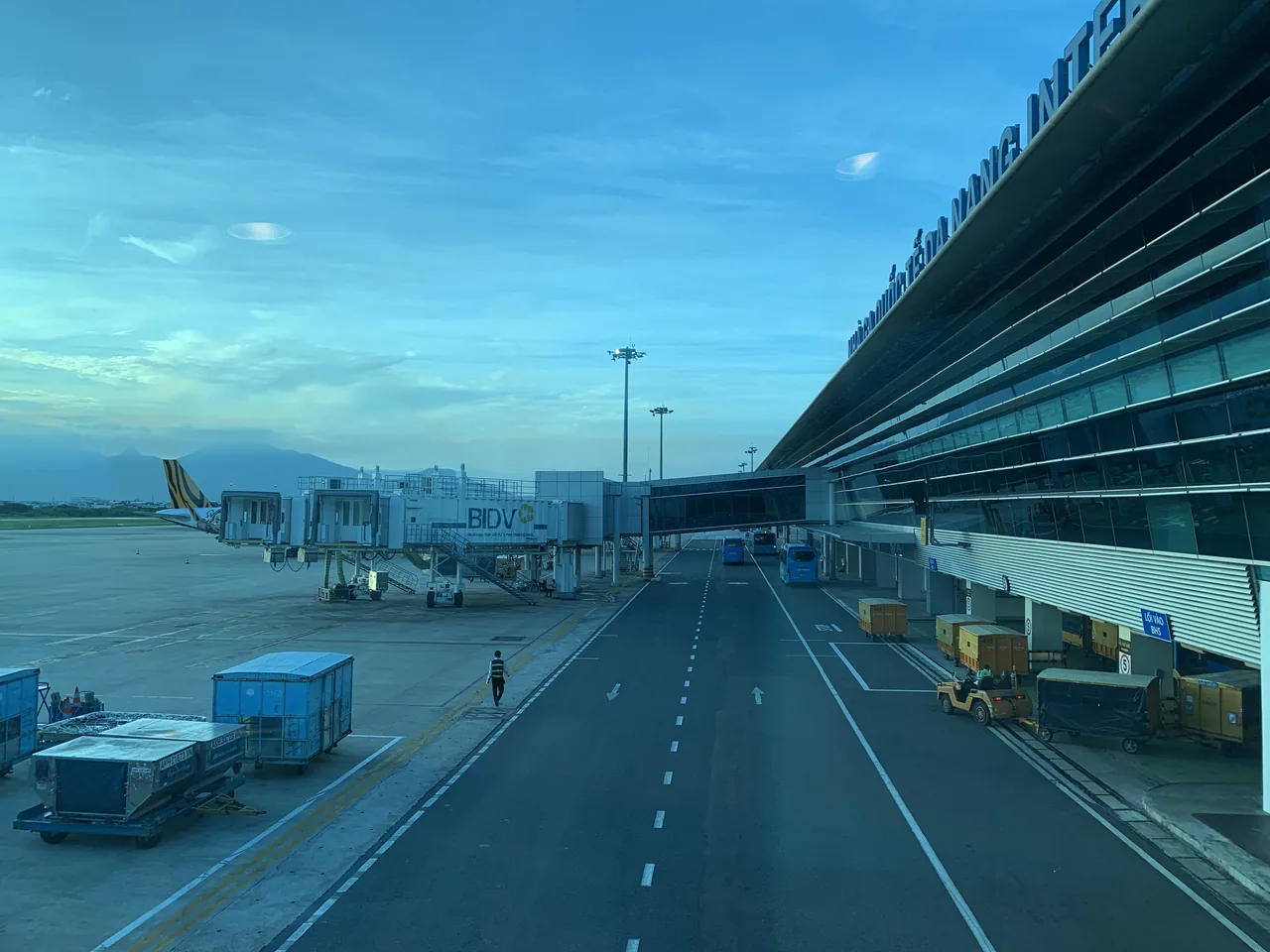
Da Nang International Airport (DAD) — where most visa-holders and visa-free travellers arrive. With a printed e-visa you walk straight to the immigration counters, no stamp-desk queue.
It depends on your passport and how long you’re staying — but for most travellers the answer is now refreshingly simple. Vietnam runs two easy routes in: a 45-day visa exemption for citizens of around a dozen countries, and a 90-day e-visa that’s open to every nationality and takes a few minutes online.
Work out which lane you’re in with this quick table:
Your situation
What you need
From an exempt country (UK, FR, DE, ES, RU, JP, KR…), staying ≤ 45 days
Nothing — enter visa-free, no paperwork
From an exempt country, staying 46–90 days
An e-visa (don’t rely on the exemption)
From any other country, any length up to 90 days
An e-visa from evisa.gov.vn
Flying directly to Phu Quoc island only
Nothing for up to 30 days (separate island exemption)
Staying over 90 days / working / studying
A proper consular visa — outside this guide
💡 Whatever your route, your passport must be valid for at least 6 months beyond your arrival date and have a couple of blank pages. This is the single most common reason people get turned away — check it now.
🛂 New for 2026: from July 1 every traveler files a health declaration, and a digital arrival card is rolling out at major airports. We break down both in our Vietnam entry requirements guide.
2. Visa-free entry: who qualifies, and for how long
Vietnam waives the visa entirely for citizens of a set list of countries, currently for up to 45 days per visit (extended from the old 15 days, and locked in through August 2028). It covers tourism and business, and you need no application — you just arrive with your passport.
The 45-day exemption list includes (among others):
Region
Exempt countries (45 days)
Europe
UK, France, Germany, Italy, Spain, Denmark, Sweden, Norway, Finland, Belarus + more
Asia
Japan, South Korea
Other
Russia
A few neighbours (e.g. several ASEAN countries) get their own longer or different arrangements. Two cautions: the 45 days is per entry and counted from your arrival date, and if there’s any chance you’ll stay longer than 45 days, get an e-visa instead — overstaying even by a day means fines at the airport.
💡 Phu Quoc island has its own deal: anyone, of any nationality, can stay up to 30 days visa-free if they fly directly to the island (an international flight, or a domestic connection that stays airside). Step onto the mainland and the normal rules apply.
3. The Vietnam e-visa: all nationalities, up to 90 days
The e-visa is the workhorse, and it’s genuinely easy. Since 2023 it’s been open to citizens of every country, valid for up to 90 days, and you choose single or multiple entry when you apply. You fill in a form, upload two images, pay by card, and the visa arrives by email as a PDF you print and carry.
Detail
2026
Who
All nationalities
Length
Up to 90 days from your chosen start date
Entries
Single or multiple (pick at application)
Fee
US$25 single / US$50 multiple (card, non-refundable)
Processing
About 3–5 working days (allow longer in peak season)
Valid at
~83 entry points incl. Da Nang, Hanoi & HCMC airports, plus land/sea borders
Choose multiple-entry if you’ll pop out to Cambodia, Laos or Thailand and come back, or do a side trip; otherwise single-entry is fine. The 90-day clock and your entry/exit windows are printed on the visa — read them. The e-visa has now replaced the old “visa on arrival” letter for almost everyone; you no longer need a pre-approval letter or a stamp queue if you hold an e-visa.
One thing to watch: the 90 days runs from the entry date you choose, not from the day you apply. Your e-visa carries a validity window with a start and end date, and you must enter within it — so set the start on or just before your real arrival, and don’t apply months ahead. The 90 days is a maximum, not a target: you can leave any time before it, but unused days aren’t refunded or carried over. If your dates slip past the window, you simply apply again — at US$25, that flexibility beats the stress of forcing old dates to fit.
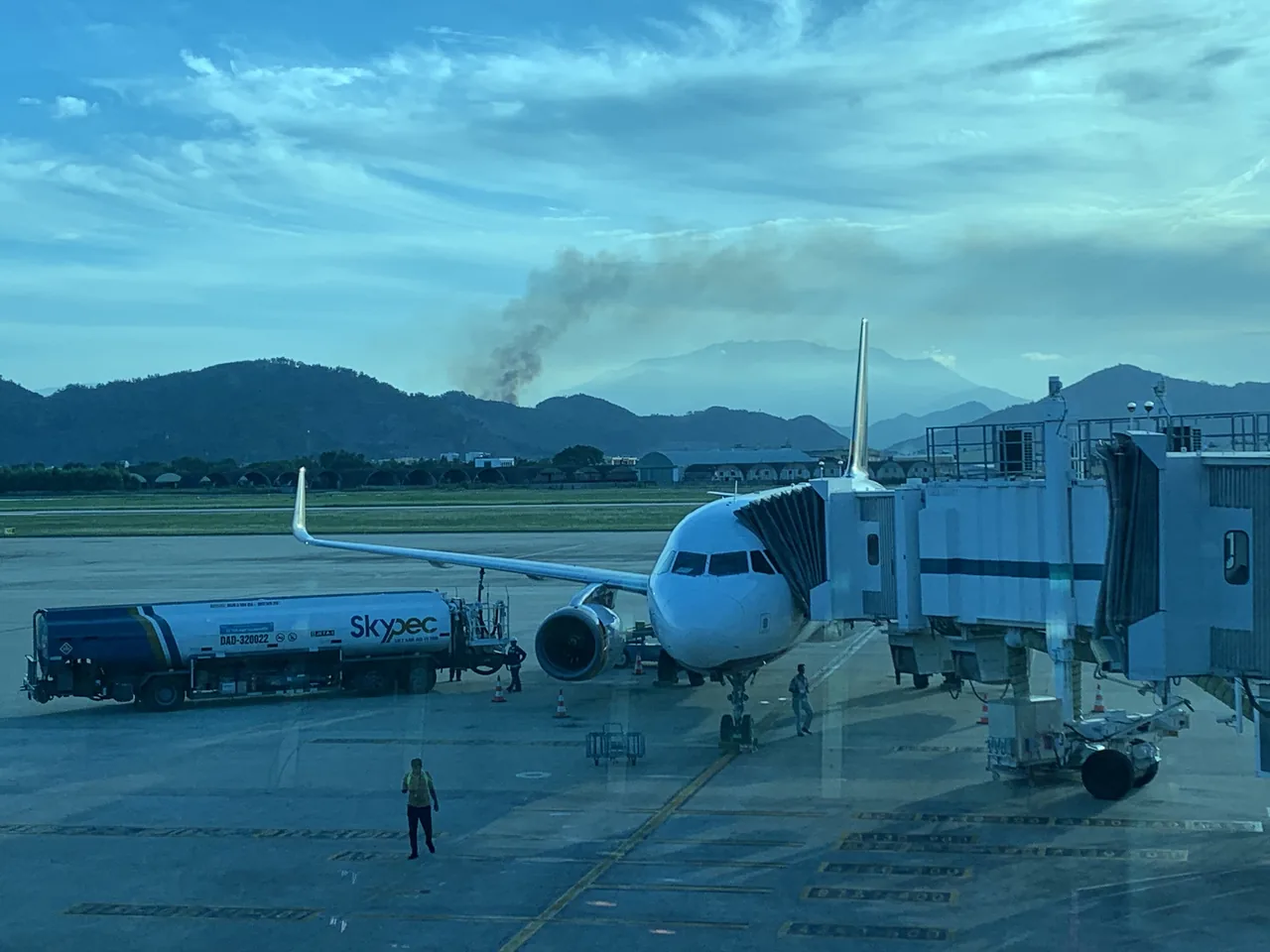
Da Nang is an approved e-visa entry point. Almost everyone now arrives on the official e-visa from evisa.gov.vn — no agent and no pre-approval letter.
4. How to apply for the e-visa, step by step
Set aside ten minutes and have these ready: your passport bio page (a clear scan), a passport-style photo (plain background, no glasses), your travel dates and intended entry/exit points, and a payment card.
Go to the one official site:evisa.gov.vn (the National Electronic Visa portal). Do not use any other site (see the scam warning next).
Start a new application, agree to the terms, and fill in your personal and passport details exactly as they appear in your passport.
Upload the passport photo and a scan of your passport bio page.
Enter your trip: intended date of entry, length of stay, single/multiple entry, and your port of entry (e.g. Da Nang International Airport) and exit.
Pay the US$25 / US$50 fee by card and submit. You’ll get a registration code — save it.
Wait ~3–5 working days, then check the result with your code, or watch your email. Download the PDF and print it — carry a paper copy.
⚠️ Apply at least a week before you fly (longer in busy periods). Double-check every detail against your passport before paying — the fee is non-refundable, and a typo in your passport number or name can invalidate the visa at the airport.
5. ⚠️ Avoid fake visa websites & scams
This is the part to read twice. The single most common Vietnam-trip mistake is paying a fake or middleman visa site. Dozens of sites copy the government design, rank in ads, and charge two to five times the real fee — some take your money and deliver nothing, or harvest your passport data.
There is exactly one official site: evisa.gov.vn (the Immigration Department also uses evisa.xuatnhapcanh.gov.vn). The real e-visa fee is US$25 / US$50 — full stop.
Ignore the ads. Sponsored results at the top of Google are almost always agents charging a markup. Scroll to the official .gov.vn site.
Be wary of “fast-track”, “guaranteed 24h”, “official partner” language and prices like US$70–150 — that’s a middleman markup, not a government fee.
A legitimate agent can be fine if you knowingly pay for convenience, but you never need one for a standard tourist e-visa.
For the wider pattern of traveller traps, see our Vietnam scams guide. When in doubt, type evisa.gov.vn directly — don’t click an ad.
6. Arriving in Da Nang: immigration & what to show
Landing at Da Nang International Airport (DAD)📍Map with an e-visa or under the exemption is quick. At immigration, have ready:
Your passport (valid 6+ months).
Your printed e-visa PDF (if you have one) — a paper copy is safest, even though it’s electronic.
Sometimes asked: proof of onward/return travel and accommodation. Have your hotel booking and flight handy.
With an e-visa you go straight to the immigration counters — no separate “visa on arrival” stamp desk or letter needed. Officers scan or check your e-visa, stamp you in, and you’re through. After immigration, grab cash and a SIM/eSIM and head out — our Da Nang guide covers the airport-to-city run, and you can set up data before you even land:
📶 Landing with data already live means Grab and your hotel map work before you leave the terminalSee on Yesim →See on Saily →See on Airalo →Affiliate link — we may earn a commission at no extra cost to you.
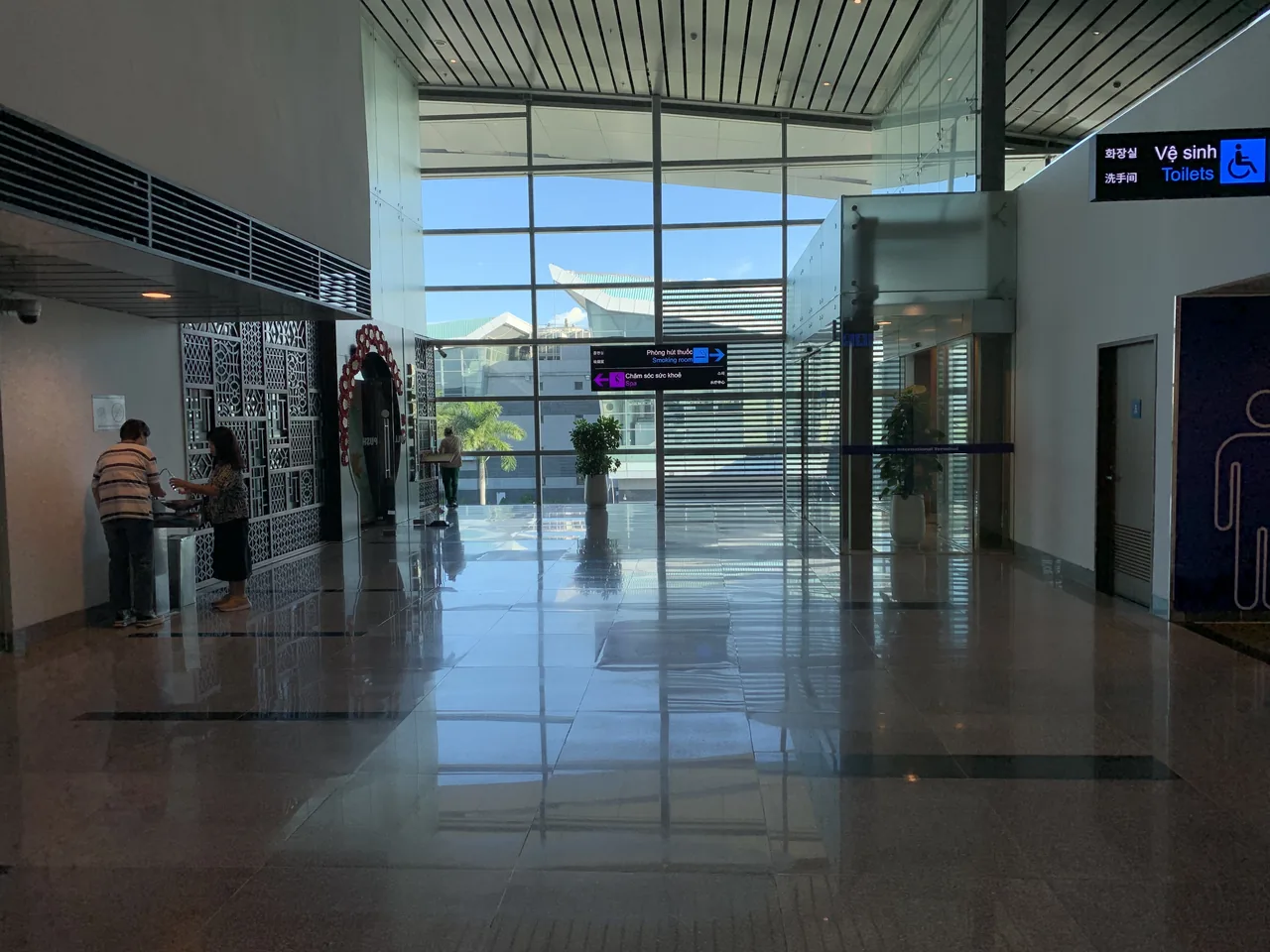
Inside the terminal at Da Nang. After immigration, grab cash and a SIM/eSIM and head out — the visa is the one thing you can’t sort on the spot.
7. Overstaying, extensions & longer stays
Don’t overstay — even by a day. Vietnam fines overstays at departure, and it’s a hassle you don’t want at the airport. Plan to leave on or before your visa/exemption end date.
Need longer than your exemption? Get a 90-day e-visa instead of relying on the 45-day waiver.
Already inside and want to extend? Extensions are possible but bureaucratic and usually done through a visa agent; it’s often easier to do a border run (exit and re-enter) on a fresh e-visa, especially with a multiple-entry visa.
Long stays, nomads, repeat visits: a 90-day multiple-entry e-visa plus the occasional hop to a neighbour is the common pattern. Make sure your travel insurance covers the whole stretch.
What an overstay actually costs: for a short slip you pay a fine at the immigration desk on departure — typically from around US$25 for the first day or two and climbing from there — and you may be pulled aside while it’s processed and a form is stamped, which is the last thing you want with a flight to catch. Longer overstays can bring bigger penalties, a temporary entry ban, or a flag on your next arrival. It is never worth it: a fresh e-visa costs less than most overstay fines and skips the airport drama entirely.
🛡️ Long stays and border runs need cover that spans the whole trip, not just the first 30 daysSee on SafetyWing →Affiliate link — we may earn a commission at no extra cost to you.
8. Pre-trip visa checklist
Passport valid 6+ months beyond arrival, with blank pages.
Know your lane: visa-free (≤45 days, exempt country) or e-visa (everyone else / longer).
Applied on evisa.gov.vn only, at least a week ahead — not an ad or middleman.
Details match your passport exactly (name, number) before you pay the US$25/US$50.
Printed the e-visa PDF and saved your registration code.
Entry point matches your flight (e.g. Da Nang) and entries (single/multiple) match your plan.
Have onward travel & a hotel booking handy for immigration.
Sorted insurance and an eSIM for the moment you land.
It depends on your passport and stay length. Citizens of ~13 countries (incl. the UK, France, Germany, Spain, Russia, Japan and South Korea) can enter visa-free for up to 45 days. Everyone else — and anyone staying 46–90 days — needs a 90-day e-visa from evisa.gov.vn.
Q. How much does the Vietnam e-visa cost?
US$25 for single entry and US$50 for multiple entry, paid by card on the official site. The fee is non-refundable. Any site charging much more (US$70–150) is a middleman adding a markup.
Q. What is the official Vietnam e-visa website?
evisa.gov.vn — the National Electronic Visa portal (the Immigration Department also uses evisa.xuatnhapcanh.gov.vn). It is the only official site; dozens of look-alikes overcharge or scam. Type the address directly rather than clicking an ad.
Q. How long does the Vietnam e-visa take?
About 3–5 working days normally; allow longer in peak season. Apply at least a week before you fly. You receive the visa by email as a PDF to download and print.
Q. How long can I stay in Vietnam on an e-visa?
Up to 90 days from your chosen entry date, as a single or multiple-entry visa (you choose when applying). Read the entry and exit dates printed on the visa, and don’t overstay.
Q. Is there still a visa on arrival for Vietnam?
For tourists, the e-visa has effectively replaced it. With an e-visa you go straight to immigration — no pre-approval letter or stamp desk. ‘Visa on arrival’ services you see advertised are middleman products you generally don’t need.
Q. Can I get a Vietnam visa at Da Nang airport?
Da Nang International Airport (DAD) is an approved e-visa entry point, so you can arrive there with an e-visa (or visa-free if eligible). Just have your printed e-visa and a passport valid for 6+ months.
Q. Do I need a visa for Phu Quoc?
No, if you fly directly to Phu Quoc island and stay up to 30 days — it has its own visa exemption for all nationalities. The moment you travel to the Vietnamese mainland, the normal visa or exemption rules apply.
Q. What happens if I overstay my Vietnam visa?
You’ll be fined at departure, and repeated or long overstays can mean bigger penalties or trouble re-entering. Always leave on or before your end date; if you need longer, get a 90-day e-visa or do a border run rather than overstay.
Q. Single or multiple entry — which e-visa should I choose?
Single entry is fine for a one-country trip. Choose multiple entry (US$50) if you’ll leave and re-enter Vietnam — for example a side trip to Cambodia, Laos or Thailand — within your 90 days.
Q. Does my passport need to be valid for 6 months?
Yes — your passport should be valid for at least six months beyond your arrival date, with blank pages. An expiring passport is one of the most common reasons travellers are denied boarding or entry.
Q. Can I extend my Vietnam visa from inside the country?
Extensions are possible but bureaucratic and usually handled by a visa agent. Many travellers find it simpler to do a border run on a fresh e-visa, or to start with a 90-day multiple-entry e-visa if they know they’ll stay a while.