Mang Den: Vietnam’s ‘Second Da Lat’ and the Central Highlands Secret

A pine-forest plateau at 1,200 m in Quảng Ngãi province (the former Kon Tum) — cool, misty and still far quieter and less built-up than Da Lat. Here’s what to do in Mang Den, what to eat, how to get there, and the best time to go.

Updated June 2026
At a glance

WhereMăng Đen, Quảng Ngãi province (formerly Kon Tum) — Central Highlands, ~1,200 m
Known forPine forests, lakes & waterfalls — ‘the second Da Lat’; cool 16–22°C year-round
Don’t missPa Sy Waterfall, Dak Ke Lake, Our Lady of Mang Den, the pine roads & wild sunflowers
EatGrilled free-range chicken + bamboo rice, sturgeon hotpot, free-range pork
Getting thereNearest airport Pleiku (~2.5 h); Kon Tum city ~1.5 h; from Da Nang ~6–7 h by road
Best timeNov–Apr (dry, cool, clear); wild sunflowers Nov–Dec
StayHomestays 400,000–800,000 VND; Kon Tum/Mang Den hotels from ~US$17
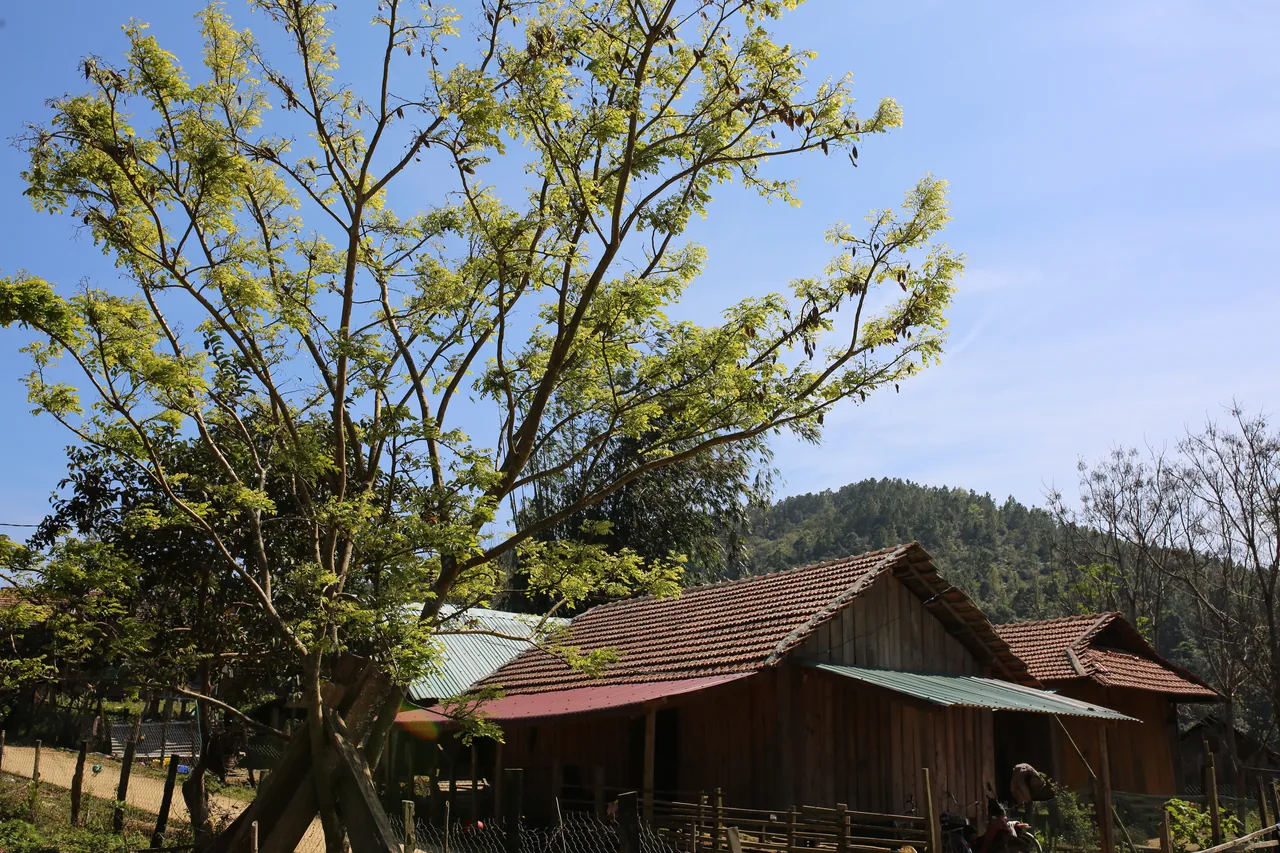
A village among pine forests and green hills on the Mang Den plateau, Kon Tum
Mang Den sits at around 1,200 m on the Kon Tum plateau — pine forests, lakes and a cool highland climate that earned it the nickname ‘the second Da Lat’.

1. Where is Mang Den, and why go?

Mang Den (Măng Đen) is a cool, pine-clad plateau town in Quảng Ngãi province (formerly Kon Tum), in Vietnam’s Central Highlands — and the easiest shorthand is “the second Da Lat.” It sits at around 1,200 metres, which means crisp 16–22°C air, low cloud drifting through the pines, and a calm that the coast simply doesn’t have. Locals call it the land of seven lakes, three waterfalls and seven springs. (Note: in the July 2025 provincial merger, the old Kon Tum province became the western part of Quảng Ngãi — you’ll still see “Kon Tum” everywhere, but officially it’s now Quảng Ngãi.)

What makes it special right now is what it isn’t: it’s still far less developed and commercialised than Da Lat. Where Da Lat has gone full theme-park, Mang Den is forest roads, small homestays, a handful of lakes and waterfalls, and ethnic-minority villages going about their day. If you want nature, quiet and cool weather rather than nightlife and big resorts, this is the trip.

💡 Set expectations: Mang Den is offbeat and still developing. Roads, signage and restaurants are improving fast but it isn’t polished — that’s the appeal. Come for pine forests, mist and slow mornings, not luxury or buzz.

2. Top things to do in Mang Den

The sights are spread across the plateau, so rent wheels and string them together. These are the ones worth your time:

PlaceWhy goMap
Pa Sy WaterfallThree streams meeting in jungle; the most developed falls, with a wooden-statue garden next doorMap
Dak Ke LakeThe central, most famous lake — lakeside paths, canoeing and fishing, right by townMap
E Ban FarmA 30-ha flower-and-fruit farm 6 km out: hydrangeas, strawberries, photo corners and a caféMap
Pine-forest roadsThe signature Mang Den experience — hike, cycle or just drive slowly through the pinesMap

Time your visit for November to December and the hills turn gold with wild sunflowers (dã quỳ) — the Central Highlands’ great seasonal show, lining the roads all the way up from the lowlands. It’s the single best reason to come in late autumn.

3. Spiritual Mang Den: Our Lady & Khanh Lam Pagoda

Two of Mang Den’s most-visited sites are spiritual, and both are worth an hour even if you’re not religious.

  • Our Lady of Mang Den (Đức Mẹ Măng Đen) Map — a Marian statue set in the pine forest, famously missing its hands, and one of central Vietnam’s most important Catholic pilgrimage sites. Pilgrims come year-round; the setting among the trees is quietly moving whatever your faith.
  • Khanh Lam Pagoda (Chùa Khánh Lâm) Map — a hilltop Buddhist temple reached by climbing around 200 stone steps, rewarded with forest views and cool, incense-scented calm at the top.
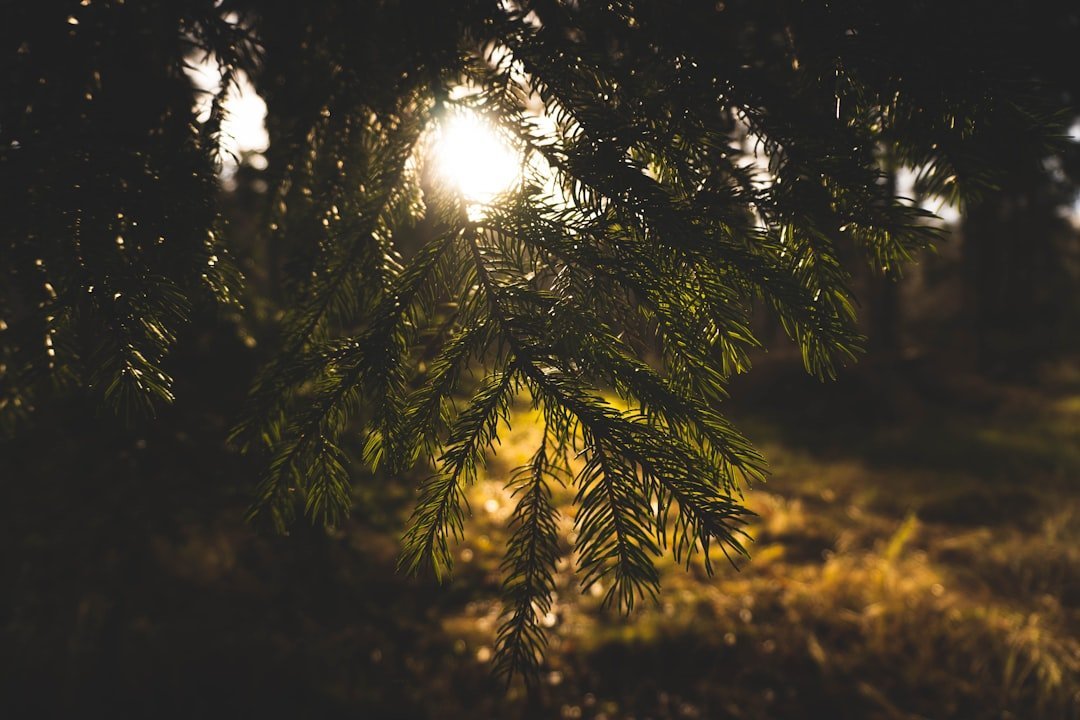
A pine forest road in the cool highlands of Mang Den
The pine-lined roads are the whole point: cool air, low cloud, and almost no traffic. This is hiking, biking and slow-coffee country.

4. Ethnic culture & the villages

Mang Den sits in the heart of Xơ Đăng and Mơ Nâm country, and the cultural villages are part of what makes it more than a pretty landscape. Kon Pring village Map is the easiest to visit, with community-run homestays in traditional stilt houses.

If you stay overnight in a village, you may be invited to a gong performance and to share rượu cần — rice wine drunk communally through long bamboo straws — around a fire. It’s the real Central Highlands, and spending a night with a host family is the most memorable way to experience it.

5. What to eat in Mang Den

Highland food here is hearty, smoky and built around free-range meat and the cool-climate produce the plateau grows. Don’t leave without trying:

DishWhat it is
Gà nướng + cơm lamThe signature plate: free-range chicken grilled with wild pepper leaf, served with rice roasted in bamboo tubes
Lẩu cá tầmSturgeon hotpot — the cold streams here farm sturgeon, simmered with herbs into a fragrant pot
Heo rẫySmall free-range “garden pork,” grilled or roasted, lean and full-flavoured
Gỏi láA Kon Tum specialty — a salad of 30–40 edible leaves you wrap around pork, shrimp and rice
Strawberries & rượu cầnCool-climate strawberries and avocados, plus the communal jar wine

Most homestays will cook a chicken-and-bamboo-rice dinner if you ask ahead — eating with your hosts is half the experience.

6. How to get to Mang Den

This is the catch: Mang Den is remote, and getting there takes a bit of effort. There’s no airport and no railway in town, so you arrive by road.

FromHowTime
Pleiku airport (Gia Lai)Nearest airport (~110 km); taxi or private car~2.5 h
Kon Tum cityLocal bus, taxi or rented scooter/car (~55 km)~1.5 h
Da NangBy road ~300 km, or fly to Pleiku then drive~6–7 h drive
Ho Chi Minh CitySleeper bus (250,000–450,000 VND)~10–12 h

Getting around: there’s no real public transport between the sights, which are spread out, so rent a scooter or hire a car with a driver. The mountain roads are scenic but can get foggy, so if you’d rather not ride yourself, a private car with a driver from Da Nang — the usual gateway — is the easiest way to cover the distance and link the sights. Read our Vietnam travel tips and etiquette guide before you set off.
📲 See Da Nang car charter on Klook
Affiliate link — we may earn a commission at no extra cost to you.

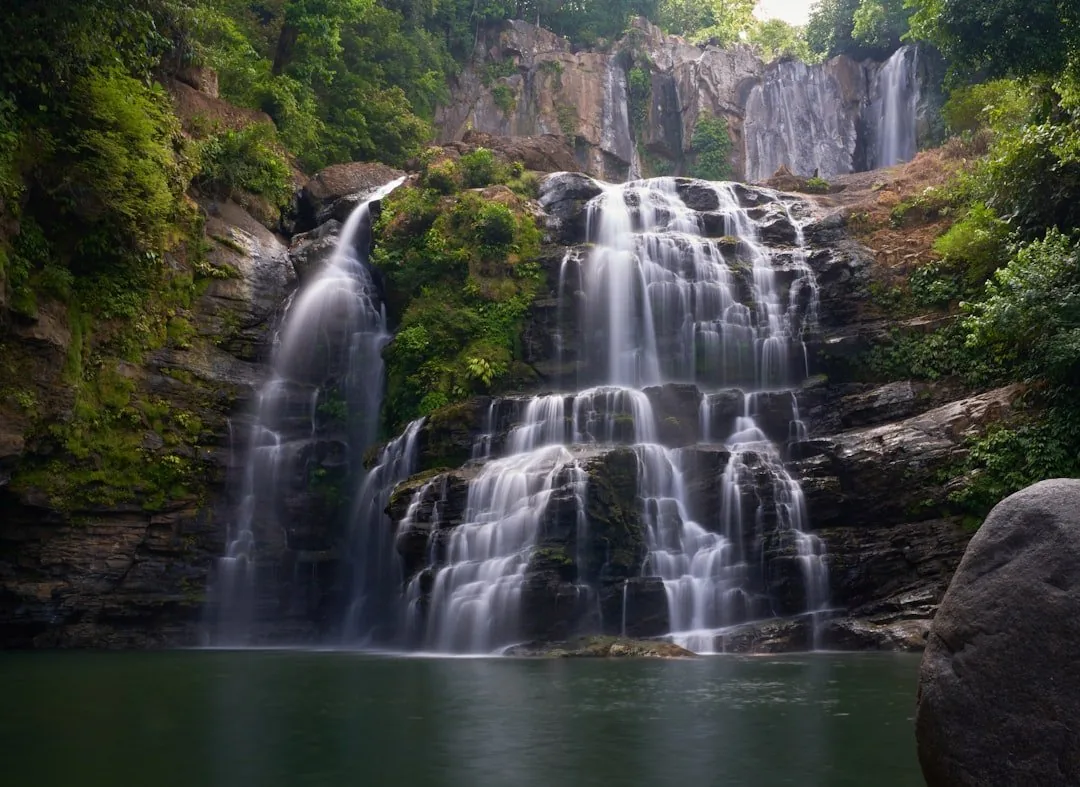
A jungle waterfall in the forests around Mang Den
Pa Sy is the best-known of Mang Den’s waterfalls — three streams meeting in the forest, with a quirky wooden-statue garden next door.

7. Best time to visit & weather

Mang Den is cool all year — rarely above the mid-20s°C by day, and genuinely chilly at night in winter — so a jacket is non-negotiable. The seasons split cleanly:

SeasonWhat to expect
Nov–Apr (dry)The best window: clear skies, sunshine, comfortable 18–22°C days and cold nights. Nov–Dec brings the wild sunflowers
May–Oct (wet)Lush, green and misty, with afternoon downpours. Atmospheric, but plan around the rain

Pack layers: light clothes for the day, a warm layer and a rain shell for evenings and the mountain mist. It can feel 10°C colder than Da Nang on the same day.

8. Where to stay & practical tips

Mang Den is homestay country. Most places are cosy wooden cabins and stilt houses tucked into the pines, run by families, from around 400,000–800,000 VND for a room for two — names travellers return to include Nắng Homestay, Soc’s House and T’Mang Deeng. There’s a growing crop of small hotels and boutique stays in and around town too (Golden Boutique Hotel Mang Den among them), with rooms from about US$17.

Weekends and the sunflower season fill up — and the best cabins go first — so book ahead.

🏨 Mang Den & Kon Tum stays — pine-forest cabins from ~US$17Check your dates on Trip.com Live lowest prices   Many rooms free to cancelAffiliate link — we may earn a commission at no extra cost to you.
  • Bring cash. ATMs are limited and many homestays and stalls are cash-only.
  • Two days is the sweet spot — one for the lakes and waterfalls, one for the farms, villages and pine roads.
  • Pair it with Kon Tum city for its wooden cathedral and Bahnar rông houses, or fold Mang Den into a wider Central Highlands loop.

For the bigger picture, see our Central Vietnam guide and the full Vietnam travel guide.

📚 More Central Vietnam guides
★ Start here Vietnam Travel Guide: Regions, Best Time, Itineraries, Costs & Visas
🎡Things to Do47
A Day Trip to Hue from Da Nang: Citadel, TombsA Hoi An Cooking Class: Which to Pick & What You’ll MakeBa Na Hills & the Golden Bridge: The Complete Guide (Tickets, Cable Cars, One-Day Plan)Cu Lao Cham Day Trip from Hoi An: Fares, Rules, What’s OpenDa Nang Activities: The Tours & Experiences Worth BookingDa Nang Dolphinarium: The ‘Dance of the Ocean’ Dolphin ShowDa Nang for Couples & Honeymooners: Five-Star Romance for Half the PriceDa Nang Itinerary: 3, 4 and 5 Day Plans That WorkDa Nang Nightlife: What Costs Money, What Shuts WhenDa Nang Travel Guide 2026: The Complete Plan (Flights, Weather, Hotels, Food & More)Da Nang vs Nha Trang: Which Beach City Fits Your Trip?Da Nang vs Phu Quoc: City-and-Culture or Island-and-Resort?Da Nang with Kids: The Family Trip That Actually WorksDa Nang’s Best Beaches: Which One Is Right for You?DIFF 2026: Da Nang’s Fireworks Festival — Dates, Tickets & Where to WatchDragon Bridge, Da Nang: Fire-Show Times & Where to StandGolf in Da Nang: The Best Courses, Green Fees & Tee TimesHalal Da Nang: Muslim-Friendly Food, Mosques & Prayer SpotsHoi An Beaches: An Bang vs Cua Dai — Which One to Choose?Hoi An in 1, 2 or 3 Days: A Day-by-Day ItineraryHoi An Travel Guide: Ancient Town, Lanterns & TailoringHoi An’s Lantern Festival: Dates, What HappensHue Travel Guide: Vietnam’s Imperial Capital, Done ProperlyLap An Lagoon: Da Nang’s Mirror-Water SunriseLiving in Da Nang as a Digital Nomad: Costs, Wi-FiMarble Mountains Da Nang: Tickets, the Elevator, and the Am Phu Cave Ticket TrapMassage & Spa in Da Nang: What to Book and What to PayMikazuki Water Park, Da Nang: Indoor Slides, OnsenMy Khe Beach, Da Nang: The Sand, the SurfMy Son Sanctuary: Visiting Vietnam’s Ancient Cham RuinsNui Than Tai Hot Springs Park: The Complete Day-Trip GuidePhong Nha Caves: A Complete Guide to Vietnam’s Greatest Cave CountryRainy Day in Da Nang? 15 Things to Do When the Weather TurnsShopping in Da Nang: What to Buy at Han MarketSon Tra & the Lady Buddha: Da Nang’s Best Sunset ViewpointThe Best Day Trips from Da Nang: Where to Go Beyond the CityThe Best Things to Book in Hoi An: Tours, Classes & Boat RidesThe Best Time to Visit Da Nang: A Month-by-Month BreakdownThe Cham Sculpture Museum, Da Nang: Is It Worth a Visit?The Golden Bridge, Da Nang: Vietnam’s Giant Hands BridgeThe Hai Van Pass: Da Nang to Hue by Bike, Car or Easy RiderThe Hoi An Basket Boat Ride: Worth It? Prices, TipsThe Lady Buddha & Linh Ung Pagoda: Da Nang’s Tallest StatueThings to Do in Da Nang: The Attractions Actually Worth Your TimeThings to Do in Hoi An: Beyond the LanternsTra Que Herb Village, Hoi An: A Calm Half-Day in the GardensVegan & Vegetarian Da Nang: Where to Eat, and How to Order
🍜Food8
🏨Where to Stay5
🚇Getting Around7
🧭Travel Tips20
🧭Vietnam-wide essentials29
District 4 Seafood Street: Vĩnh Khánh Ốc GuideGrab vs Xanh SM vs Be in Vietnam (2026): Which Ride App Is Cheapest & How to Use ThemHa Long Bay Cruise: The Complete Guide to Choosing the Right OneHanoi to Ninh Binh Day Trip: Trang An, Mua Cave & How to Do It RightHanoi Travel Guide 2026: The Old Quarter, Hoan Kiem Lake & Everything First-Timers NeedHo Chi Minh City (Saigon) Travel GuideIs Vietnam Safe? Every Tourist Scam in 2026 & the 4 Rules That Stop ThemLong Thanh International Airport: What Travelers Need to Know Before It OpensMoney in Vietnam: Cash or Card, ATMs, and How Much to BringNha Trang in the Rainy Season (Sep-Nov): Is It Still Worth It? An Honest GuideNha Trang Travel Guide: Islands, Diving, Mud Baths & the Dry-Season Beach CityNorthern Vietnam: Hanoi, Ha Long, Sapa & Ha Giang, in One PlanPhu Quoc Travel Guide: Everything You Need to Know Before You GoPhu Quoc: When to Go, Month by MonthSapa, Vietnam: A Complete Guide to the Rice Terraces, the Trekking & FansipanSouthern Vietnam Itinerary 2026: Ho Chi Minh City & the Whole South, Planned RightSymphony of the Sea or Kiss of the Sea: Which Should You See?Tết Trung Thu: A Traveller’s Guide to Vietnam’s Mid-Autumn FestivalThe Best eSIM for Vietnam: An Honest ComparisonThe Ha Giang Loop: The Complete Guide to Vietnam’s Greatest RideThings to Do in Phu Quoc: The Complete Activities GuideVietnam City-to-City Travel: Trains, Buses, FlightsVietnam Entry Requirements 2026: Health Declaration + Digital Arrival Card for Da Nang, Ho Chi Minh City & HanoiVietnam eSIM & SIM Card (2026): Best Plans, Prices & How to Set It UpVietnam Travel Guide: Regions, Best Time, Itineraries, Costs & VisasWhere to Stay in Hanoi: Best Areas and HotelsWhere to Stay in Ho Chi Minh City (Saigon): Best AreasWhere to Stay in Nha Trang: Zones & HotelsWhere to Stay in Phu Quoc: The 5 Best Areas, Decoded Honestly
Browse all our Vietnam guides →

Mang Den: FAQ

Q. Where is Mang Den?
Mang Den (Măng Đen) is a highland town in Quảng Ngãi province (formerly Kon Tum), in Vietnam’s Central Highlands. It sits at about 1,200 m on a pine-forested plateau, roughly 55 km from Kon Tum city and 110 km from Pleiku airport. Since the July 2025 merger, the old Kon Tum province is the western part of Quảng Ngãi.
Q. Why is Mang Den called ‘the second Da Lat’?
Like Da Lat, it’s a cool, misty highland town surrounded by pine forests, lakes and waterfalls, with a year-round climate of about 16–22°C. The big difference is that Mang Den is far less developed and far quieter.
Q. What are the best things to do in Mang Den?
Visit Pa Sy Waterfall and its wooden-statue garden, walk around Dak Ke Lake, see Our Lady of Mang Den and Khanh Lam Pagoda, explore E Ban Farm, and drive or hike the pine-forest roads. In Nov–Dec, the wild sunflowers are the highlight.
Q. How do I get to Mang Den?
There’s no airport in town. The nearest is Pleiku (~2.5 h by car), or come via Kon Tum city (~1.5 h). From Da Nang it’s a 6–7 hour drive (~300 km), and sleeper buses run from Ho Chi Minh City in 10–12 hours.
Q. Is Mang Den worth visiting?
Yes — if you want cool weather, pine forests, waterfalls and quiet over nightlife and big resorts. It’s offbeat and still developing, which is exactly why it’s special right now. Nature lovers and slow travellers love it.
Q. What is the best time to visit Mang Den?
November to April, the dry season, with clear skies and comfortable 18–22°C days. November and December add the wild-sunflower bloom. May–October is green and misty but rainy in the afternoons.
Q. What is the weather like in Mang Den?
Cool all year, usually 16–22°C by day and chilly at night, especially in winter. Bring a warm layer and a rain shell — it can feel about 10°C colder than coastal Da Nang.
Q. What food is Mang Den famous for?
Grilled free-range chicken with bamboo-tube rice (gà nướng + cơm lam) is the signature, along with sturgeon hotpot (lẩu cá tầm), free-range pork, Kon Tum leaf salad (gỏi lá), cool-climate strawberries and communal rượu cần rice wine.
Q. Where should I stay in Mang Den?
Mostly homestays — wooden cabins and stilt houses in the pines, around 400,000–800,000 VND a night — plus a growing number of small hotels from about US$17. Book ahead on weekends and during the sunflower season.
Q. How many days do you need in Mang Den?
Two days is ideal: one for the lakes and waterfalls, and one for the farms, villages and pine-forest roads. Add more if you want to fold in Kon Tum city or a wider Central Highlands loop.
Q. Can you visit Mang Den as a day trip from Da Nang?
Not really — it’s a 6–7 hour drive each way, so it works far better as an overnight or a stop on a longer Central Highlands trip rather than a day trip.
Q. What is Our Lady of Mang Den?
Đức Mẹ Măng Đen is a Marian statue set in the pine forest, well known for being ‘handless,’ and one of central Vietnam’s major Catholic pilgrimage sites. Pilgrims visit year-round, and the forest setting is peaceful for any visitor.

Planning the whole trip? See our complete Vietnam travel guide →

Browse all our guides →