
Da Nang Weather: The Dry & Rainy Seasons, Month by Month
Da Nang has two clear seasons — a long dry, sunny stretch and a short, intense rainy one. Here’s exactly when each falls, a month-by-month breakdown of heat, rain and sea, and the best time to come for beaches, festivals or fewer crowds.
| Two seasons | Dry ~Feb–Aug (sunny, hot) · Rainy ~Sep–Dec (heavy, peaks Oct–Nov) |
|---|---|
| Best overall | February–May — sunny, calm seas, lower humidity, fewer crowds |
| Hottest | June–August, 33–34°C and humid (great for the beach) |
| Wettest | October (often 600 mm+) and November — typhoon & flood risk |
| Coolest | December–February, 18–23°C at night — bring a light layer |
| Sea | Swimmable most of the year; calmest May–Aug, rough in the monsoon |
| Rain total | ~2,500 mm a year, but most of it falls in just four months |
1. Da Nang weather at a glance
2. The two seasons explained
3. Da Nang weather month by month
4. When is the best time to visit?
5. Rainy & typhoon season: what to expect
6. The hot season (June–August)
7. Sea & swimming by season
8. Microclimates: Ba Na Hills & the highlands
9. What to pack for the weather
10. Planning around the weather
1. Da Nang weather at a glance
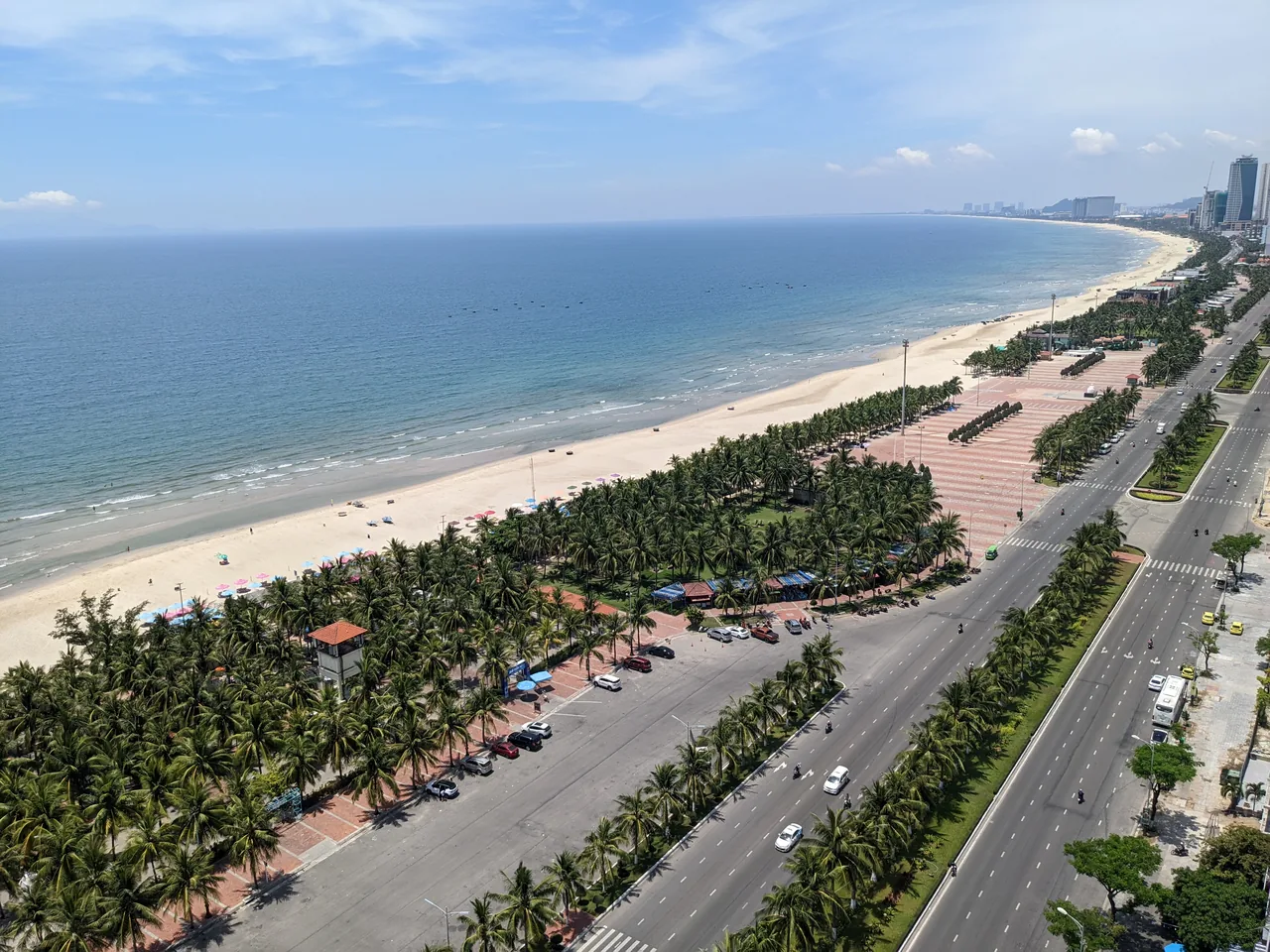
Da Nang has two seasons, not four: a long dry season from about February to August, and a shorter, heavier rainy season from September to December. The dry months are sunny and hot with calm seas; the rainy months bring concentrated downpours and, at their peak in October and November, the risk of typhoons and flooding. For most travellers the sweet spot is February to May — warm and sunny but before the fiercest summer heat, with the lowest humidity and thinnest crowds of the year.
The city’s annual rainfall is high — around 2,500 mm — but the headline number is misleading, because the bulk of it falls in just four months. Time your trip outside that window and Da Nang is one of the most reliably sunny beach cities in Vietnam.
2. The two seasons explained
Da Nang’s weather is driven by the monsoon. Understanding the two phases is all you really need to plan a trip.
☀️ Dry season (≈ February–August)
Months of sunshine, low rainfall (usually under 100 mm a month) and calm, swimmable seas. It splits into a mild, pleasant early phase (Feb–May) and a hot, humid peak (Jun–Aug) when daytime highs reach 33–34°C. This is beach weather, festival weather, and the right time for day trips.
🌧️ Rainy season (≈ September–December)
The northeast monsoon brings the rain, and it doesn’t drizzle — it pours, often in heavy bursts. It builds in September, peaks hard in October and November (the two wettest, and the months to avoid if you can), and eases through December. Temperatures are cooler and the sea turns rough. It’s also the window for typhoons and the occasional flood.
3. Da Nang weather month by month
Here’s the whole year at a glance. Temperatures are typical daytime high / night low; rain and sea are the general pattern, not a promise. Tap any month for the full guide.
| Month | Temp °C | Rain | In short |
|---|---|---|---|
| January | 25 / 19 | Low–moderate | 🟡 Cool, the odd grey drizzle; quiet |
| February | 27 / 20 | Low | 🟢 Dry begins, mild, few crowds |
| March | 29 / 22 | Very low | 🟢 Warm, sunny — ideal |
| April | 31 / 24 | Low | 🟢 Sunny, calm sea — ideal |
| May | 33 / 25 | Low–moderate | 🟢 Hot, beach season on |
| June | 34 / 26 | Moderate | 🟢 Peak heat, fireworks season |
| July | 34 / 26 | Moderate | 🟢 Hot, calmest seas |
| August | 33 / 26 | Moderate | 🟡 Hot, humid, first showers |
| September | 31 / 24 | High | 🟠 Rain returns — shoulder |
| October | 29 / 23 | Very high | 🔴 Wettest; flood & typhoon risk |
| November | 27 / 22 | High | 🔴 Still very wet, cooler |
| December | 25 / 20 | Moderate–high | 🟡 Cool, rain easing off |
Want a single month in depth — what to wear, what’s open, what to do? Each links to its own guide above; start with the standouts, March and April.
4. When is the best time to visit?
There’s no single “best” — it depends on what you want. Match your trip to the weather:
| You want… | Go in | Why |
|---|---|---|
| Best all-round weather | Feb–May | Sunny, warm but not scorching, calm seas, low humidity, fewer crowds |
| Beach & watersports | May–Aug | Hottest days, calmest seas — but peak heat and peak crowds |
| Festivals & buzz | Jun–Jul | The fireworks festival lights up the river through early summer |
| Fewer crowds, lower prices | Feb / Sep | Shoulder edges — good weather odds, quieter and cheaper |
| To gamble against rain | Avoid Oct–Nov | The two wettest months; save them for indoor-heavy trips |
For a deeper, purpose-by-purpose breakdown, see our dedicated best time to visit Da Nang guide.
5. Rainy & typhoon season: what to expect
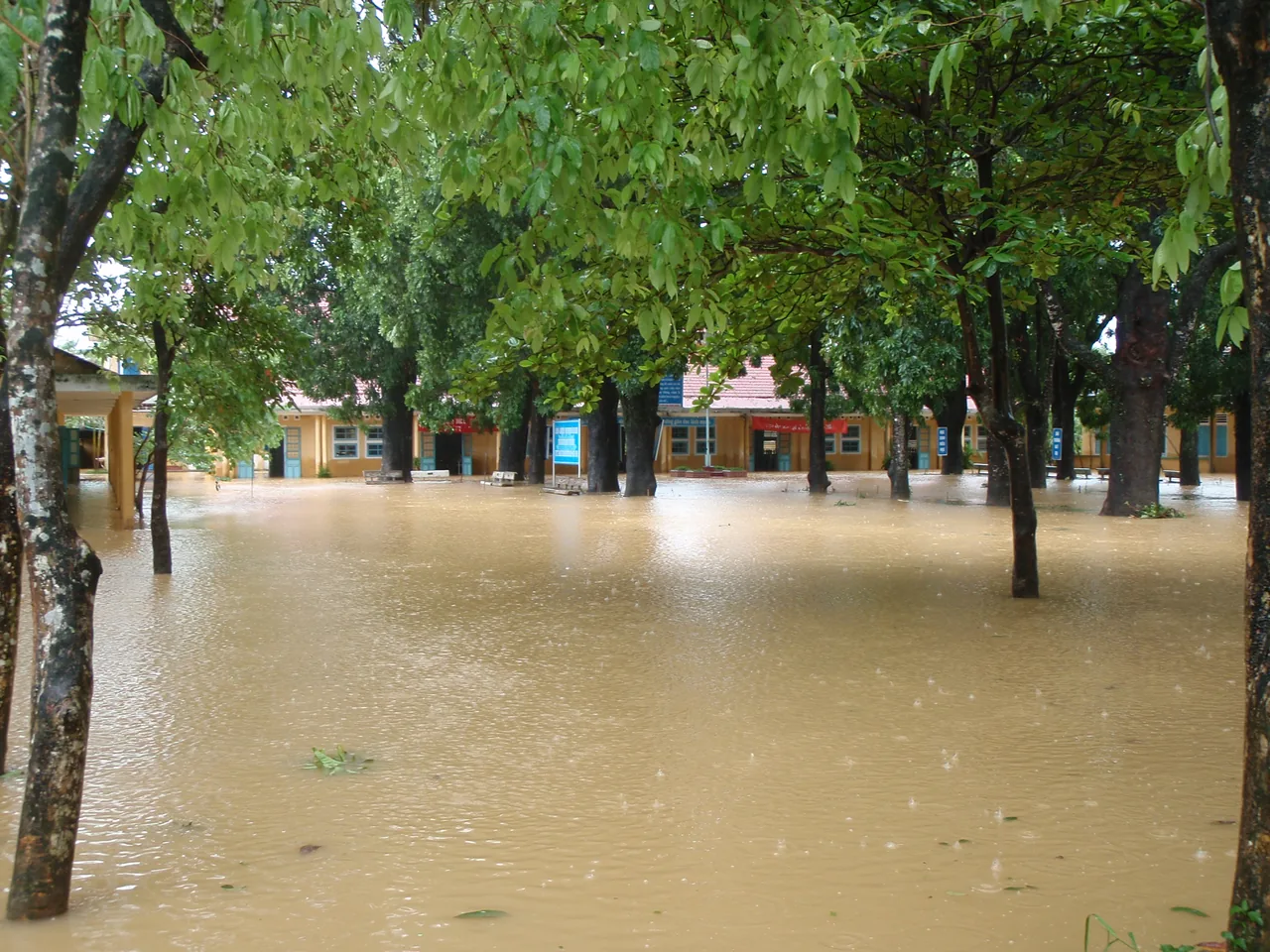
From September to December the monsoon takes over, and October and November are the wettest months of the year — October alone can top 600 mm. Expect heavy, often sudden downpours rather than all-day grey; mornings can be bright before the afternoon opens up. The sea gets rough, some boat trips and islands close, and central Vietnam is prone to flooding in this window — usually short-lived, but worth planning around.
This is also typhoon season (mainly October–December, occasionally late April–June). A direct hit is uncommon and forecast days ahead, but a passing storm can mean a washed-out day or two, rough seas and the odd flight delay. If you travel in these months, build in flexibility, keep an eye on the forecast, and make sure your trip is covered:
Don’t write off the rainy season entirely, though: it’s green, dramatic and cheap, the rain often clears for hours at a time, and the city has plenty to do indoors — see our rainy-day in Da Nang guide for the backup plan.
6. The hot season (June–August)
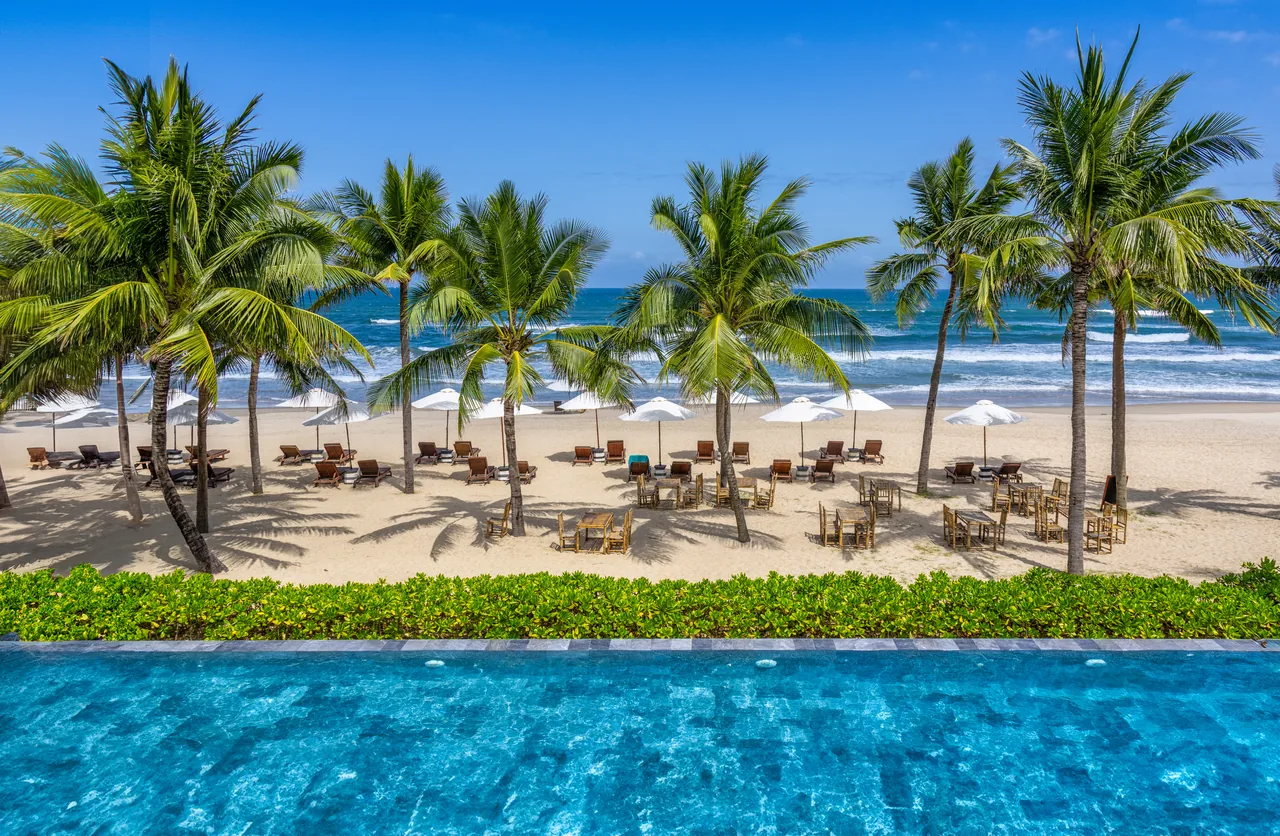
High summer in Da Nang is genuinely hot: daytime highs of 33–34°C, strong sun and high humidity that can push the “feels-like” higher. It’s the busiest season — Vietnamese and international visitors both pile in for the beach — and the most expensive.
The upside is real, though: the seas are at their calmest and clearest, it rarely rains for long, and the energy is high (the June fireworks season is in full swing). Beat the heat the local way — beach and pool in the early morning and late afternoon, a long lunch and a nap or a cafe or spa in the fierce midday hours, and plenty of water. Sunscreen and a hat aren’t optional here.
7. Sea & swimming by season
Da Nang’s water is warm enough to swim in almost year-round, dipping to about 23.5°C in February and peaking in summer. What really changes with the season is the surf, not the temperature:
- May–August: calmest, clearest water — prime swimming and watersports at My Khe Beach.
- February–April: pleasant and generally calm, water still on the cooler side early on.
- September–December: rough, with big swells and strong currents during the monsoon; red flags go up and swimming is often unsafe. Great for watching the waves, less so for getting in.
Always check the beach flags and lifeguards, especially in the rainy season — the currents off My Khe are no joke when the swell is up.

8. Microclimates: Ba Na Hills & the highlands
The coast isn’t the whole story. Just inland, altitude rewrites the forecast:
- Ba Na Hills Map: at ~1,400 m it’s 5–10°C cooler than the city and far cloudier — the Golden Bridge is often wrapped in mist. Bring a layer even on a hot day, and pick a clear morning for the views.
- Hai Van Pass Map: the ridge between Da Nang and Hue is a genuine weather divide — it can be sunny in Da Nang and grey, windy and wet at the top, or on the Hue side.
- The Central Highlands (Kon Tum, Da Lat) are cool year-round — a different climate entirely if you’re heading inland. See our Central Vietnam guide.
9. What to pack for the weather
| Season | Pack |
|---|---|
| Dry & mild (Feb–May) | Light clothes, swimwear, sunscreen, sunglasses, a light layer for cool evenings |
| Hot (Jun–Aug) | Lightest breathable clothes, strong sunscreen, hat, refillable water bottle; beat the midday sun |
| Rainy (Sep–Dec) | Compact rain jacket/poncho, quick-dry shoes or sandals, a dry bag for electronics, a warmer layer for December |
Year-round: high-SPF sunscreen (the UV is strong even when it’s cloudy), mosquito repellent (worse in the wet months), and a reusable water bottle.

10. Planning around the weather
A few practical moves make the weather work for you. If you’re chasing sun and a beach view, book ahead for the dry season and the summer peak — the best rooms and the best rates go early — and consider a higher floor or a sea/river view to make the most of the light. In the rainy months, stay central so a downpour doesn’t strand you, and value a hotel with a pool and good indoor spaces.
Line your trip up with the season and the rest falls into place: pair this with the best time to visit, the rainy-day plan, and the full Da Nang travel guide.
🎡Things to Do53
🍜Food8
🏨Where to Stay6
🚇Getting Around9
🧭Travel Tips20
🧭Vietnam-wide essentials56
Da Nang weather: FAQ
Planning the whole trip? See our complete Da Nang travel guide →