Is Vietnam Safe? Every Tourist Scam in 2026 & the 4 Rules That Stop Them

Vietnam is friendly and genuinely safe — but a familiar set of tourist scams keeps catching visitors. Here’s every common one, city by city, and the simple habit that beats it.

Last updated: June 2026
Stay scam-free, in 30 seconds

  • Agree the price first. Every ride, coconut, shoeshine or photo should have a number before you say yes.
  • Use ride apps (Grab / Xanh SM) instead of street taxis, so the fare is fixed and there are no meter or route tricks.
  • Know the notes and count your change. The 10,000-vs-100,000₫ mix-up and the 500k→20k swap are the #1 ways tourists lose money.
  • Almost every “scam” is overcharging, not crime. Vietnam is very safe; a calm “no, thank you” handles 90% of it. The one real risk is bag-snatching in big cities.
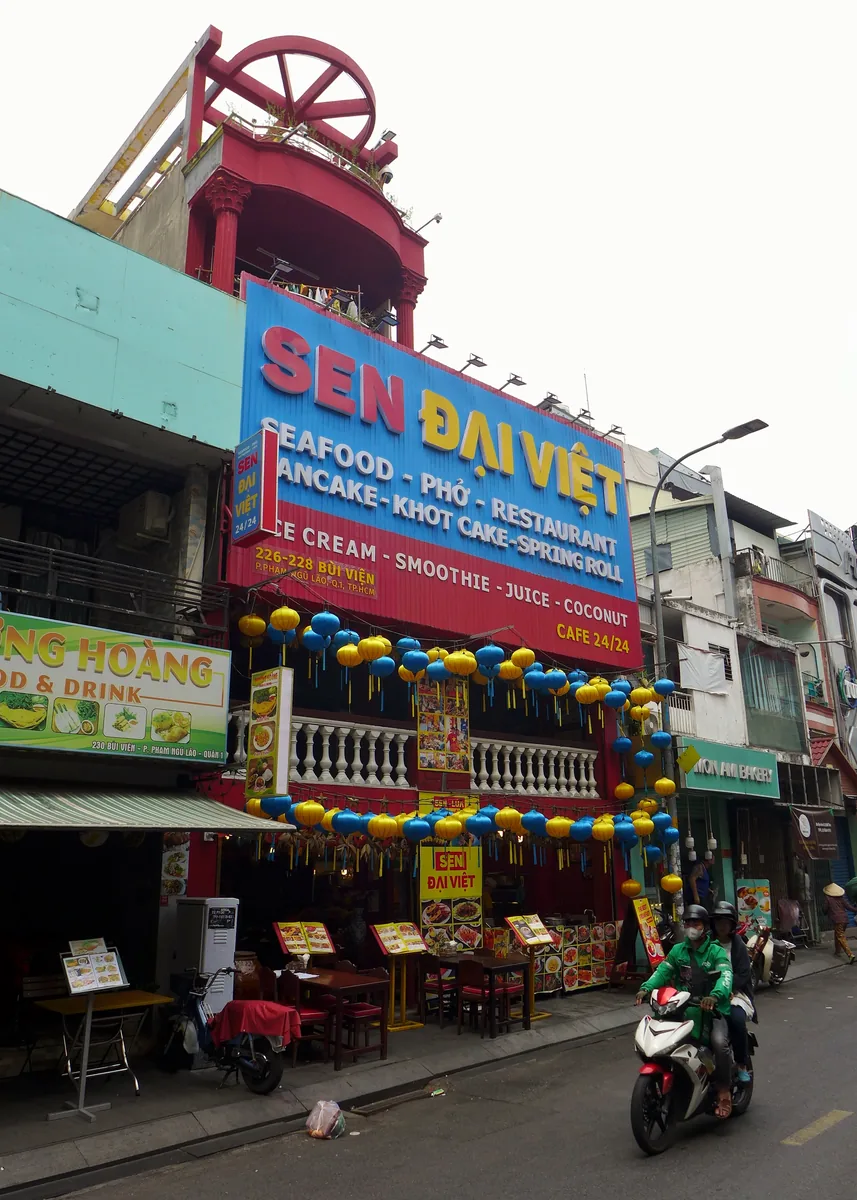
Busy tourist street in Vietnam at night
Busy tourist hotspots are where most overcharging happens — know the price before you commit. (© Bahnfrend / CC BY-SA 4.0)

1. How Scams Really Work in Vietnam (& the Golden Rules)

Almost every Vietnam “scam” is really overcharging — paying tourist prices because you didn’t know the local rate or didn’t agree a number up front. Violent crime against visitors is rare and Vietnam rates as low-risk on government travel advisories (UK FCDO); the real threat to your wallet is small, repeated mark-ups. Four golden rules stop nearly all of them:

  • Agree the price before you accept anything — a ride, a coconut, a shoeshine, a photo with a fruit pole. “How much?” first, always.
  • Use apps for transport so the fare is fixed and tracked (more below).
  • Know the notes and count your change — several Vietnamese banknotes look alike, especially in poor light.
  • It’s fine to say no. A smile and a firm “no, thank you” ends most hustles instantly.
The scamWhere it happensThe fix
Taxi meter & route tricksAirports, tourist areasUse Grab / Xanh SM — fixed app price
10k-vs-100k note swapChange, anywhereKnow the notes, count out loud
“Free” photo / bracelet / shoeshineHanoi Old Quarter, HCMC District 1Don’t accept anything pressed on you
No-price-menu over-billingTourist restaurants & marketsOnly eat where prices are shown
Bag-snatch from a motorbikeHCMC, Hanoi, Nha TrangBag on your front, phone away from the road
💡 Carry small notes. Many “no change” situations are just a nudge to overpay — if you have the exact amount, the problem disappears.

2. Taxi, Grab & Transport Scams

Transport is the classic trouble spot — and the easiest to solve. The usual tricks:

  • The “broken” or fast meter, or a scenic detour to push up the fare.
  • Fake taxis with logos copied from trusted firms (look-alikes of Mai Linh / Vinasun).
  • Airport touts who approach you inside the terminal with a “fixed” (inflated) price.
  • The xe om (motorbike-taxi) extra zero — you agree 30,000₫, somehow it becomes 300,000₫. Agree and repeat the number first.
  • The “your hotel is closed/full” detour — a driver insists your booking fell through and takes you to a place that pays him commission. Call your hotel; don’t be re-routed.

The fix is simple: use a ride app. With Grab or Xanh SM the price is set in the app before you get in, the route is tracked, and there’s nothing to argue about. If you must take a street taxi, use only clearly branded Mai Linh or Vinasun cars and insist on the meter.

⚠️ At airports, ignore anyone who waves you over inside the building. Walk to the official ride-app pickup area or the marked taxi rank, and match the plate on your phone.

3. Money & Change Scams

Vietnam’s currency has lots of zeros and similar-looking notes — exactly what these tricks exploit:

Look-alike notesThe trickBeat it
10,000₫ & 100,000₫ (one zero apart)Change given in 10ks instead of 100ksCount change out loud before you leave
20,000₫ & 500,000₫ (both teal/blue)The palm-swap: “you gave me a 20k, not a 500k”Hand over notes one at a time, say the amount
A torn or old noteRefused as “no good” so you pay againOld polymer notes are fine; don’t be rushed

Get familiar with the banknotes on day one. The 10,000₫ is yellow-brown and the 100,000₫ is green, so this swap relies on the missing zero and quick hands, not colour — the only pair that genuinely looks alike is the teal 20,000₫ and 500,000₫. And every note from 10,000₫ up is polymer (paper is only 5,000₫ and below), so feeling for plastic won’t tell big from small. At ATMs, use machines inside bank branches, cover the keypad, and if the screen offers to “charge in your home currency” (dynamic currency conversion), always choose VND.

💡 A quick photo of the note line-up on your phone (saved on arrival) makes spotting the 10k/100k difference instant.

4. Market & Shopping Scams

Markets are fun, but the opening price for a foreigner can be several times the real one — typically 15–25% above local price in touristy markets, and much more for souvenirs. It’s not malice, it’s expected haggling, but know the game:

  • The opening price is a test. Counter at roughly 40–50% and settle in the middle; walking away usually drops it fast.
  • Bait & switch / heavy scales: you agree a price, then the item is swapped for a lesser one or the fruit is “weighed” heavier. Watch the transaction.
  • Fake brands & “real” gems or silk — assume branded goods are copies and pay accordingly. In Hoi An, pin down the exact fabric, scope and price in writing before a tailor starts, and treat “genuine gemstone” offers with deep suspicion.
  • “Free” gifts — a bracelet slipped onto your wrist, a sample pressed into your hand — that then demand payment. Don’t accept things pushed at you.
💡 Agree the number clearly — type it into a phone calculator if needed — before money or goods change hands. And it’s always OK to walk away.

5. Street & “Friendliness” Scams

These rely on a warm approach and a sudden bill. The classics, mostly in Hanoi’s Old Quarter and HCMC’s District 1:

  • The forced shoeshine / repair: someone points at a “problem”, grabs your shoe and does a quick fix, then demands a steep fee.
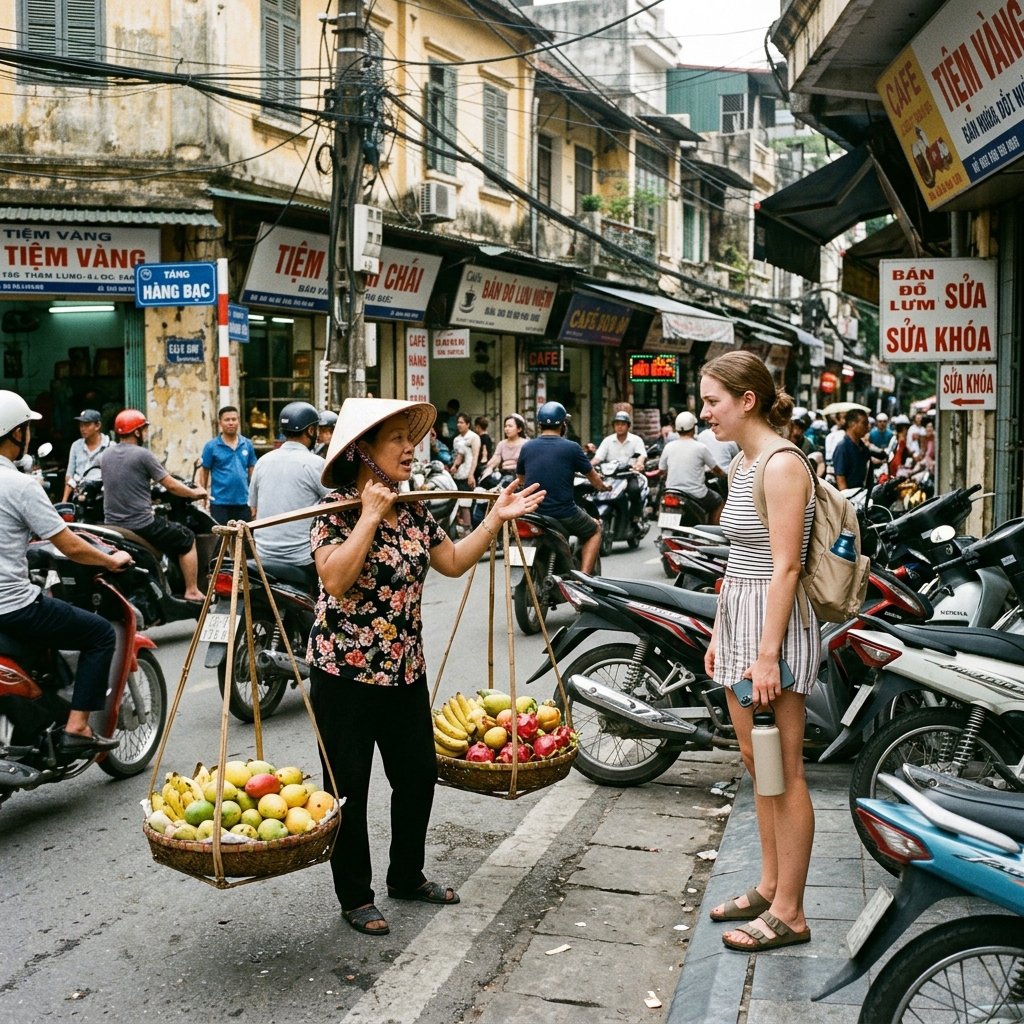
  • The fruit-pole photo: a vendor drops their yoke and fruit baskets on your shoulder for a “free” photo, then charges 200,000–500,000₫ for it (and the fruit).
  • The “free” donut / snack (mainly Hanoi): a taste becomes a bag you’re pressured to buy.
  • The “monk” with a lucky bracelet who then asks for a big donation — real monks in Vietnam don’t solicit cash this way.
  • The friendly local / “student” who walks you to a café or bar where the bill is wildly inflated.
  • Motorbike-rental “damage”: on return you’re blamed for old scratches. Photograph the whole bike before you ride off.
⚠️ If someone puts something on you or in your hands — a pole, a bracelet, your own shoe — hand it straight back and keep walking. Engaging is exactly what they want.

6. Food, Drink & Bar-Bill Scams

The good news: Vietnamese food is cheap and overwhelmingly honest — see our Da Nang food guide. A few traps at tourist spots:

  • No-price menus: if a menu has no prices, ask before ordering. The restaurants around Ben Thanh Market (HCMC) are notorious for adding items you never ordered.
  • Seafood “by weight”: confirm the price per kilo and watch it weighed.
  • Unordered extras: wet towels, peanuts or tissues placed on the table can appear on the bill — you can decline them.
  • Bar & club bills in nightlife streets like Bui Vien (HCMC) can balloon, and “come have one drink” invitations from someone on the street usually end in a shock bill. Check drink prices first; check the bill before paying.
💡 Busy local eateries with prices on the wall (and lots of Vietnamese customers) are both the tastiest and the safest bet.
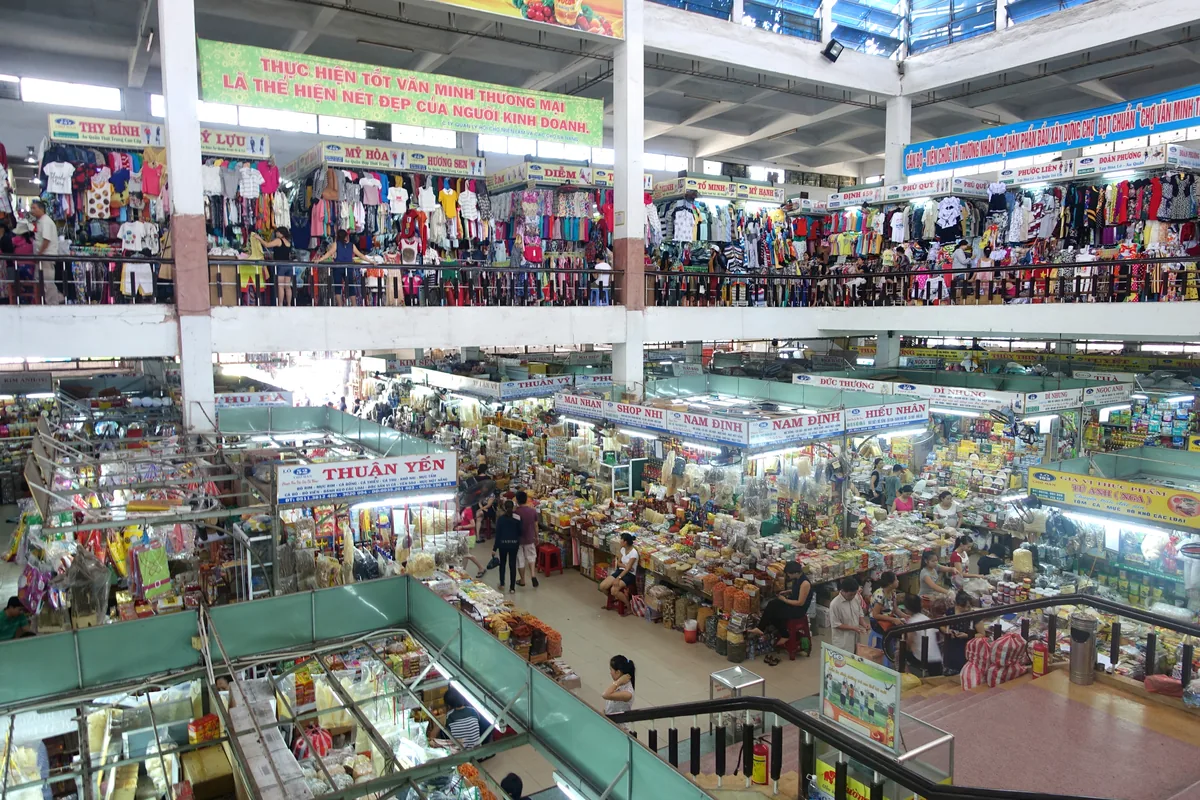
Han Market in Da Nang, Vietnam
At markets, agree (and ideally write down) the price before you buy — and feel free to walk away. (Wikimedia Commons / CC0)

7. Tour, Bus & Sapa Scams

Most operators are fine, but a few patterns cost travellers money and time:

  • Too-cheap tours with no online reviews, cash-only demands or last-minute itinerary changes — book through a reputable agency with real reviews.
  • Sleeper-bus surprises: overbooked seats, a “VIP” bus that isn’t, or being dropped far from the centre so you need their taxi. Book with a known company and confirm the drop-off point.
  • Sapa trekking: H’mong sellers who walk with you for hours then press you hard to buy, plus “porter” and photo tips. It’s fine to enjoy the company, but be clear from the start that you’re not buying, and book treks through a proper agency.
💡 Pay tours by card or through a known platform where you can, so there’s a record if something goes wrong.

8. The One Real Risk: Theft & Bag-Snatching

Unlike the overcharging above, this is actual crime — still uncommon, but the thing genuinely worth guarding against. Drive-by bag- and phone-snatching from motorbikes happens mostly in Ho Chi Minh City, Hanoi and Nha Trang, and pickpocketing in crowds (US State Dept advisory):

  • Wear your bag on your front, on the building side of the pavement, not dangling toward the road.
  • Don’t use your phone at the kerb or hold it loosely while walking near traffic — that’s the classic snatch.
  • Keep little on you after dark; leave spare cash and your passport in the hotel safe.
  • In a cyclo or on a bike taxi, keep bags zipped and in front of you.
⚠️ If a snatch happens, let go — a bag is replaceable; being dragged off a kerb is not. Then report it (see below) for your insurance.

9. City-by-City Scam Hotspots

The same few tricks cluster in predictable places. Where to keep your guard up:

City / areaWatch out forGood to know
Hanoi (Old Quarter)Forced shoeshine, fruit-pole photo, “free” donut, cyclo “waiting” feesThe friendliest hustles; a firm “no” works
Ho Chi Minh City (D1 / Bui Vien)Inflated bar bills, bag-snatching, Ben Thanh restaurant over-billingKeep your phone off the road; check bar prices first
Hoi AnTailor & “gem” upsells, boat/lantern overchargeAgree tailoring scope & price in writing
Nha TrangBag-snatching, seafood-by-weight billsConfirm the per-kilo price and watch it weighed
SapaTrek/homestay pressure-selling, “porter” & photo tipsBook trekking through a reputable agency
Da Nang & airportsAirport taxi touts, fake-Grab approachesBook a ride app from the official pickup area
💡 None of this should stop you exploring — it just tells you where a calm “no, thank you” is most useful.

10. What to Do If You’re Scammed

First, keep perspective: most of these cost a few dollars, not a holiday. If something does go wrong:

  • Stay calm and walk away from a hostile vendor — it’s rarely worth escalating over a small sum.
  • For real theft or a serious dispute, go to the local police (tourist-police points exist in big cities); for anything major involving documents or money, contact your embassy.
  • Report dodgy rides in the app — another reason to use Grab or Xanh SM.
  • Stop card fraud fast: note your bank’s number before you travel and freeze the card in your banking app if needed.
  • Keep receipts and a police report for anything stolen — you’ll need them for an insurance claim.

🛡️ Travel insurance for VietnamSafetyWing’s Nomad Insurance covers medical emergencies and travel mishaps on a simple monthly plan — ideal for long trips, digital nomads and anyone who wants cover that’s easy to start and stop.🛡️ Get a SafetyWing quoteAffiliate link — we may earn a commission at no extra cost to you.

None of this should put you off: Vietnam is welcoming and overwhelmingly safe. Learn the patterns above and you’ll travel relaxed and rarely, if ever, pay the “tourist tax.”

📚 Vietnam-wide essentials
★ Start here Vietnam Travel Guide: Regions, Best Time, Itineraries, Costs & Visas
🧭Vietnam-wide essentials116
A Day Trip to Hue from Da Nang: Citadel, TombsA Hoi An Cooking Class: Which to Pick & What You’ll MakeBa Na Hills & the Golden Bridge: The Complete Guide (Tickets, Cable Cars, One-Day Plan)Bánh Xèo & Nem Lụi: How to Eat Da Nang’s Sizzling PancakesBest Da Nang Resorts & Hotels: Honest Picks by BudgetBún Chả Cá: The Fish-Cake Noodle Soup Da Nang Does BestCentral Vietnam Travel Guide: Da Nang, Hoi An, Hue, My SonCu Lao Cham Day Trip from Hoi An: Fares, Rules, What’s OpenDa Nang & Hoi An in Typhoon Season (Sept–Nov): Should You Still Go?Da Nang Activities: The Tours & Experiences Worth BookingDa Nang Airport to the City & Hoi An (2026): Grab, Taxi & Transfer GuideDa Nang Coffee: What to Order and Where to Drink ItDa Nang Dolphinarium: The ‘Dance of the Ocean’ Dolphin ShowDa Nang for Couples & Honeymooners: Five-Star Romance for Half the PriceDa Nang in April: Sunshine, Calm Seas & Fewer CrowdsDa Nang in August: Heat, the First Rains & What to DoDa Nang in December: Cool Days, ChristmasDa Nang in February: Tết Festivities & Spring in the AirDa Nang in January: Mild Weather, Tết & the Best Things to DoDa Nang in July: Peak Summer, Calm Seas & Long Beach DaysDa Nang in June: Hot, Sunny & the Start of Fireworks SeasonDa Nang in March: Warm, Dry & the Start of Beach SeasonDa Nang in May: Hot Beach Days Before the Summer RushDa Nang in November: Cooler, Wetter & Quieter — What to ExpectDa Nang in October: Floods, Typhoons & How to Plan Around ThemDa Nang in September: The Rain Returns — Is It Still Worth It?Da Nang Itinerary: 3, 4 and 5 Day Plans That WorkDa Nang Nightlife: What Costs Money, What Shuts WhenDa Nang Seafood: What to Order, Where to GoDa Nang to Hoi An: Taxi, Grab, Bus or Bike — What’s Best?Da Nang Travel Guide 2026: The Complete Plan (Flights, Weather, Hotels, Food & More)Da Nang vs Nha Trang: Which Beach City Fits Your Trip?Da Nang vs Phu Quoc: City-and-Culture or Island-and-Resort?Da Nang Weather: The Dry & Rainy Seasons, Month by MonthDa Nang with Kids: The Family Trip That Actually WorksDa Nang’s Best Beaches: Which One Is Right for You?DIFF 2026: Da Nang’s Fireworks Festival — Dates, Tickets & Where to WatchDistrict 4 Seafood Street: Vĩnh Khánh Ốc GuideDragon Bridge, Da Nang: Fire-Show Times & Where to StandGetting Around Da Nang: Grab, Taxis, Scooters & WalkingGetting Around Hoi An: The Car-Free Old Town, Grab & ParkingGolf in Da Nang: The Best Courses, Green Fees & Tee TimesGrab vs Xanh SM vs Be in Vietnam (2026): Which Ride App Is Cheapest & How to Use ThemHa Long Bay Cruise: The Complete Guide to Choosing the Right OneHalal Da Nang: Muslim-Friendly Food, Mosques & Prayer SpotsHanoi to Ninh Binh Day Trip: Trang An, Mua Cave & How to Do It RightHanoi Travel Guide 2026: The Old Quarter, Hoan Kiem Lake & Everything First-Timers NeedHo Chi Minh City (Saigon) Travel GuideHoi An Beaches: An Bang vs Cua Dai — Which One to Choose?Hoi An in 1, 2 or 3 Days: A Day-by-Day ItineraryHoi An Tailors: How to Get a Suit Made (and Not Overpay)Hoi An Travel Guide: Ancient Town, Lanterns & TailoringHoi An’s Lantern Festival: Dates, What HappensHow Much Does a Da Nang Trip Really Cost? A Real Budget BreakdownHue Travel Guide: Vietnam’s Imperial Capital, Done ProperlyHyatt Regency Danang Resort and Spa: An Honest, Booking-Ready ReviewInterContinental Danang Sun Peninsula Resort: An Honest, Booking-Ready ReviewLap An Lagoon: Da Nang’s Mirror-Water SunriseLiving in Da Nang as a Digital Nomad: Costs, Wi-FiLong Thanh International Airport: What Travelers Need to Know Before It OpensLuggage Storage in Da Nang & Hoi An: Where to Drop Your BagsMang Den: Vietnam’s ‘Second Da Lat’ and the Central Highlands SecretMarble Mountains Da Nang: Tickets, the Elevator, and the Am Phu Cave Ticket TrapMassage & Spa in Da Nang: What to Book and What to PayMì Quảng: How to Order Da Nang’s Signature Noodle BowlMikazuki Water Park, Da Nang: Indoor Slides, OnsenMoney in Vietnam: Cash or Card, ATMs, and How Much to BringMy Khe Beach, Da Nang: The Sand, the SurfMy Son Sanctuary: Visiting Vietnam’s Ancient Cham RuinsNha Trang in the Rainy Season (Sep-Nov): Is It Still Worth It? An Honest GuideNha Trang Travel Guide: Islands, Diving, Mud Baths & the Dry-Season Beach CityNorthern Vietnam: Hanoi, Ha Long, Sapa & Ha Giang, in One PlanNui Than Tai Hot Springs Park: The Complete Day-Trip GuidePhong Nha Caves: A Complete Guide to Vietnam’s Greatest Cave CountryPhu Quoc Travel Guide: Everything You Need to Know Before You GoPhu Quoc: When to Go, Month by MonthRainy Day in Da Nang? 15 Things to Do When the Weather TurnsRenting a Scooter in Da Nang: Costs, Rules & the Honest RisksSapa, Vietnam: A Complete Guide to the Rice Terraces, the Trekking & FansipanShopping in Da Nang: What to Buy at Han MarketSon Tra & the Lady Buddha: Da Nang’s Best Sunset ViewpointSouthern Vietnam Itinerary 2026: Ho Chi Minh City & the Whole South, Planned RightSymphony of the Sea or Kiss of the Sea: Which Should You See?Tết Trung Thu: A Traveller’s Guide to Vietnam’s Mid-Autumn FestivalThe Best Bánh Mì in Da Nang: Where the Locals Actually QueueThe Best Day Trips from Da Nang: Where to Go Beyond the CityThe Best eSIM for Vietnam: An Honest ComparisonThe Best Things to Book in Hoi An: Tours, Classes & Boat RidesThe Best Time to Visit Da Nang: A Month-by-Month BreakdownThe Cham Sculpture Museum, Da Nang: Is It Worth a Visit?The Da Nang to Hue Train: Vietnam’s Best Coastal Ride, Seat by SeatThe Golden Bridge, Da Nang: Vietnam’s Giant Hands BridgeThe Ha Giang Loop: The Complete Guide to Vietnam’s Greatest RideThe Hai Van Pass: Da Nang to Hue by Bike, Car or Easy RiderThe Hoi An Basket Boat Ride: Worth It? Prices, TipsThe Lady Buddha & Linh Ung Pagoda: Da Nang’s Tallest StatueThings to Do in Da Nang: The Attractions Actually Worth Your TimeThings to Do in Hoi An: Beyond the LanternsThings to Do in Phu Quoc: The Complete Activities GuideTra Que Herb Village, Hoi An: A Calm Half-Day in the GardensVegan & Vegetarian Da Nang: Where to Eat, and How to OrderVietnam City-to-City Travel: Trains, Buses, FlightsVietnam Entry Requirements 2026: Health Declaration + Digital Arrival Card for Da Nang, Ho Chi Minh City & HanoiVietnam eSIM & SIM Card (2026): Best Plans, Prices & How to Set It UpVietnam Etiquette & Tipping: How Much, and WhenVietnam Travel Guide: Regions, Best Time, Itineraries, Costs & VisasVietnam Visa & E-Visa: Who Needs One, and How to ApplyWhat to Eat in Da Nang: 10 Dishes Worth Travelling ForWhat to Eat in Hoi An: Cao Lầu, White RoseWhat to Pack for Da Nang: A Season-by-Season ChecklistWhere to Stay in Da Nang: The 5 Best Areas for Every Kind of TravellerWhere to Stay in Hanoi: Best Areas and HotelsWhere to Stay in Ho Chi Minh City (Saigon): Best AreasWhere to Stay in Hoi An: Old Town, Beach or Rice Fields?Where to Stay in Nha Trang: Zones & HotelsWhere to Stay in Phu Quoc: The 5 Best Areas, Decoded Honestly
Browse all our Vietnam guides →

Frequently asked questions

Q. Is Vietnam safe for tourists in 2026?
Yes — Vietnam is one of the safer countries in Southeast Asia, with low violent crime against visitors. The main risk is petty overcharging, which a few simple habits (agree prices, use ride apps, count change) almost entirely prevent. The one real crime to guard against is motorbike bag-snatching in big cities.
Q. What is the most common scam in Vietnam?
Overcharging — especially taxi meter/route tricks and the 10,000-vs-100,000₫ change swap. Both are beaten by using a ride app and counting your change out loud.
Q. How do I avoid taxi scams in Vietnam?
Use a ride app like Grab or Xanh SM so the fare is fixed and tracked. If you take a street taxi, only use branded Mai Linh or Vinasun cars and insist on the meter; ignore anyone touting inside an airport terminal.
Q. Why do Vietnamese banknotes confuse tourists?
A few denominations are easy to mix up — the 10,000 and 100,000₫ differ only by a zero (one is yellow-brown, the other green), while the teal 20,000 and 500,000₫ genuinely look alike. Learn them on arrival, hand over notes one at a time, and always count change before leaving.
Q. Is haggling at Vietnamese markets a scam?
No — bargaining is normal and expected. The first price to a foreigner is just a high starting point; counter at around half and meet in the middle, or walk away to lower it. That’s the game, not a scam.
Q. What’s the fruit-pole / yoke photo scam?
A street vendor drops their carrying pole and fruit baskets on your shoulder for a “free” photo, then demands 200,000–500,000₫. If you want the photo, agree a price first; otherwise hand the pole straight back and walk on.
Q. Are there dangerous scams in Vietnam, or just overcharging?
Almost all “scams” are overcharging, not danger. The exception is petty theft — mainly bag- and phone-snatching from motorbikes in HCMC, Hanoi and Nha Trang. Wear your bag in front and keep your phone away from the road.
Q. Should I worry about restaurant and bar scams?
Rarely with street food and local eateries — they’re cheap and honest. Watch menus with no prices (notorious near Ben Thanh Market), confirm “by weight” seafood rates, and check bar bills in nightlife areas like Bui Vien before paying.
Q. Which Vietnamese cities have the most tourist scams?
The hustles cluster in Hanoi’s Old Quarter (shoeshine, photo pole, donut), HCMC’s District 1 and Bui Vien (bar bills, bag-snatching, Ben Thanh restaurants), and tourist Hoi An (tailor and gem upsells). Sapa sees trek pressure-selling.
Q. What should I do if a vendor puts something on me?
Politely hand it straight back and keep walking. Items pressed onto you — a fruit pole, a bracelet, your own shoe — are a setup to demand payment. Don’t take it and there’s nothing to charge for.
Q. Do I need travel insurance for Vietnam?
It’s not required for entry, but it’s strongly recommended — it covers theft, medical care and trip mishaps, which is exactly what you’d want if a snatch or accident does happen. Keep receipts and a police report for any claim.
Q. How do I avoid ATM and card scams?
Use ATMs inside bank branches, cover the keypad, keep your card in sight when paying, and if a screen offers to bill “in your home currency”, always choose VND to avoid a poor conversion rate.
Q. What do I do if I get scammed in Vietnam?
For small overcharges, walk away — it’s rarely worth a confrontation. For theft or serious disputes go to the police, contact your embassy for anything major, report bad rides in the app, and freeze your card if it’s a payment problem.

🧭 The complete Vietnam travel guide →

Browse all our guides →