
Tra Que Herb Village, Hoi An: A Calm Half-Day in the Gardens

The complete guide to Tra Que Vegetable Village — the 400-year-old organic herb village named a UN Tourism Best Village: what to do, prices, the farming experience, the famous foot soak and how to visit.

Last updated & checked: June 2026
Tra Que Herb Village in 30 seconds

  • What: a 400-year-old organic herb-growing village just outside Hoi An — named a UN Tourism Best Tourism Village 2024.
  • Where: Hoi An Tay, about 3 km north of the Old Town — an easy bike ride.
  • Do: become a farmer for a day, soak in a herbal foot bath, take a farm-to-table cooking class, cycle the lanes.
  • Price: a 35,000₫ (≈$1.50) village ticket covers sightseeing & farming; classes and foot baths cost extra.
  • Best time: early morning or late afternoon for soft light and cool air.

Just north of Hoi An, between the Old Town and the beach, lies one of the loveliest half-days in central Vietnam: Tra Que Herb Village (Làng rau Trà Quế), a 400-year-old organic farming community that the UN named one of the world’s Best Tourism Villages in 2024. Here you can pull on a conical hat and farm alongside the growers, soak tired feet in a herbal bath, learn to cook with herbs you’ve just picked, and cycle lanes lined with forty kinds of fragrant greens. This is our complete guide: what to do, exactly what it costs, why the herbs are world-famous, how to get there and how to fold it into a perfect Hoi An day. (Planning the whole trip? Start with our complete Hoi An guide and the Hoi An activities guide.)
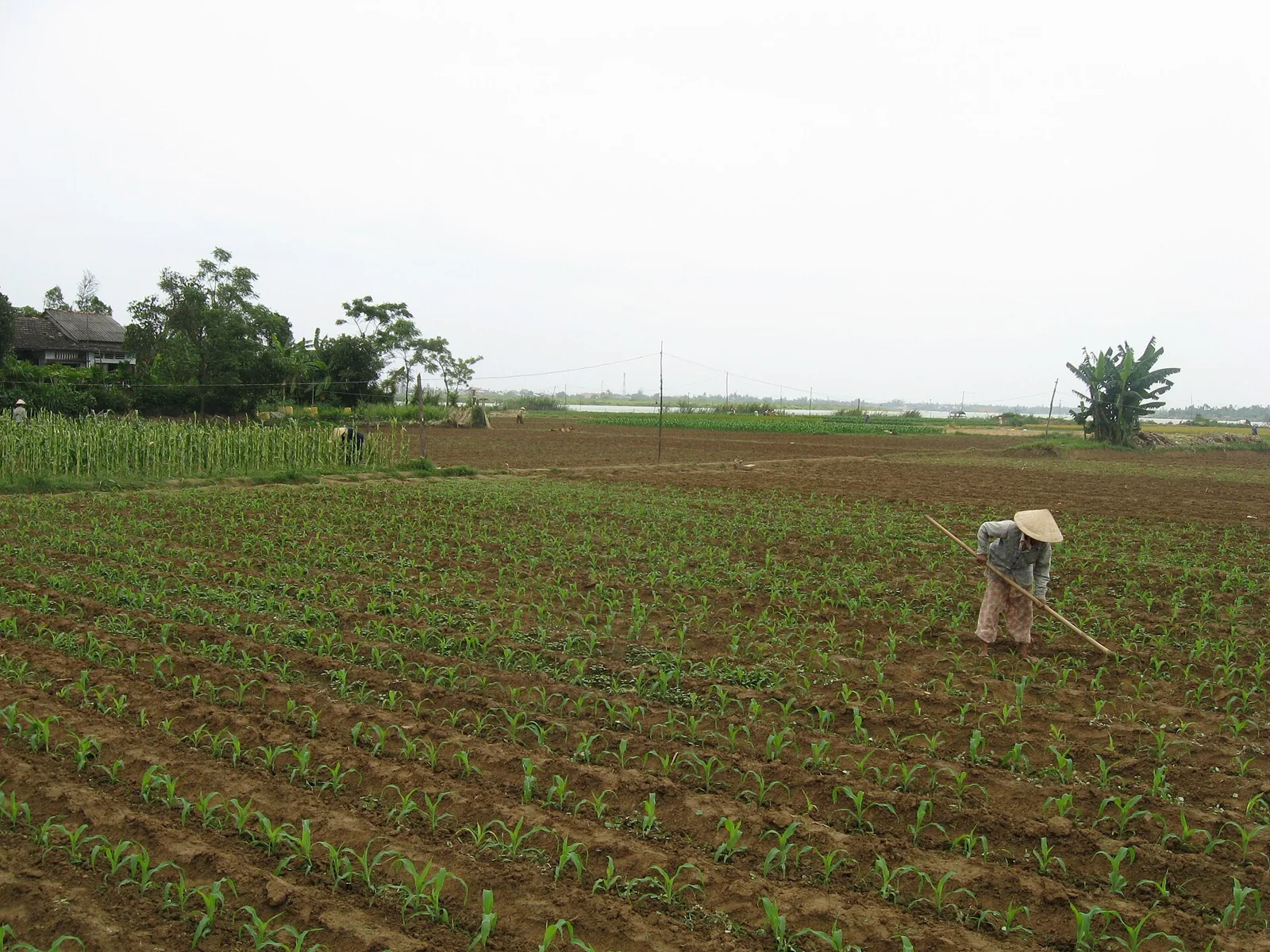
Rows of organic herbs and vegetables at Tra Que Village near Hoi An with a farmer watering
Tra Que Herb Village — 400 years of organic herbs, and a UN Tourism Best Tourism Village 2024. (© Dragfyre / CC BY-SA 3.0)
⚡ Quick Facts
⏰ Hours≈07:00–18:00 daily (best early morning or late afternoon)
💵 Entry / priceVillage ticket ≈35,000₫ (≈$1.50); foot bath ≈$5–10; cooking class ≈$25–45
📍 LocationHoi An Tay, ~3 km north of the Old Town (towards An Bang beach)📍 Map →
🚗 Getting there~15 min by bike from the Old Town; or scooter, taxi/Grab, or a tour
⏱️ Time needed2–4 hours (half-day with a class)
📅 Best timeEarly morning or late afternoon; dry season Feb–Apr & Sep–Dec

1. Tra Que Herb Village at a Glance

Here’s the whole thing in one box before we go deeper:

DetailWhat to know
What400-year-old organic herb & vegetable village — UN Tourism Best Tourism Village 2024
WhereHoi An Tay, ~3 km north of the Old Town (towards An Bang beach)
Ticket≈35,000₫/person (≈$1.50) — sightseeing & farming experience
DoFarming, herbal foot soak, cooking class, cycling, photos
Foot bath / cooking classExtra (≈$5–10 foot bath; ≈$25–45 cooking class)
Time needed2–4 hours (half-day with a class)
Best timeEarly morning or late afternoon; dry months Feb–Apr & Sep–Dec
BookWalk in for the ticket, or book a farming/cooking tour (Klook / KKday)
💡 The most rewarding way to do Tra Que is a cycle out + farming + cooking class: you ride through the rice paddies, plant and harvest with the farmers, then cook (and eat) what you picked — a half-day for around $25–45.

2. What Is Tra Que Herb Village?

Tra Que is a working organic village of around 40 hectares where roughly a hundred families have grown herbs and vegetables for more than 400 years. It sits on a strip of land between the De Vong (Cổ Cò) river and a lagoon, just north of the Old Town on the way to the beach.

In 2024 the UN’s tourism body (UN Tourism / UNWTO) named Tra Que one of the world’s Best Tourism Villages — recognition of its sustainable, centuries-old farming and the way it has opened up to visitors without losing its soul. It’s not a theme park: real farmers really work these beds every day, and you join them.

For travellers it’s a window into rural Vietnam a short ride from the lanterns — green, calm and genuinely photogenic.

3. Why the Herbs Are So Special

Tra Que’s vegetables are famous across Vietnam, and the secret is in the soil — and the water:

  • River algae as fertiliser: the farmers feed the beds with rong, a green algae/seaweed scooped from the nearby river and lagoon. It’s a natural fertiliser found here and few other places.
  • Fully organic: no chemicals — just algae, compost and hand-watering, the way it’s been done for centuries.
  • Forty-plus herbs: basil, mint, coriander, perilla, lemongrass, fish-mint and more, grown intensely in small raised beds.
  • The aroma: Tra Que herbs are prized by Hoi An’s restaurants for a distinctive fragrance locals credit to the algae and the climate.

That’s why so many of Hoi An’s signature dishes — and our food guide favourites — lean on Tra Que greens.

4. Become a Farmer for a Day

The headline experience is hands-on farming, guided by the growers:

  • Dress the part: you pull on a conical hat (nón lá) and sometimes a farmer’s shirt.
  • Prepare the beds: learn to rake and turn the soil, and to spread the river-algae fertiliser.
  • Sow & plant: press in seeds and seedlings the traditional way.
  • Water like a local: carry the famous twin watering cans on a shoulder pole and water the beds — harder (and funnier) than it looks.
  • Harvest: pick fresh herbs to smell, taste and often cook with afterwards.
💡 It’s gentle, genuinely fun and brilliant with kids — and the photos of you in a conical hat among the green beds are some of the best you’ll take in Hoi An.

5. The Herbal Foot Soak & Wellness

After farming or cycling, Tra Que’s signature reward is a herbal foot bath:

  • What it is: a warm soak in water boiled with the village’s own medicinal herbs — lemongrass, basil, ginger and more.
  • Why: it eases tired legs and is wonderfully relaxing after a morning in the beds or on a bike.
  • Often paired with a herbal massage and a cup of herbal tea.
  • Cost: roughly $5–10, sometimes included in farming or cooking packages.
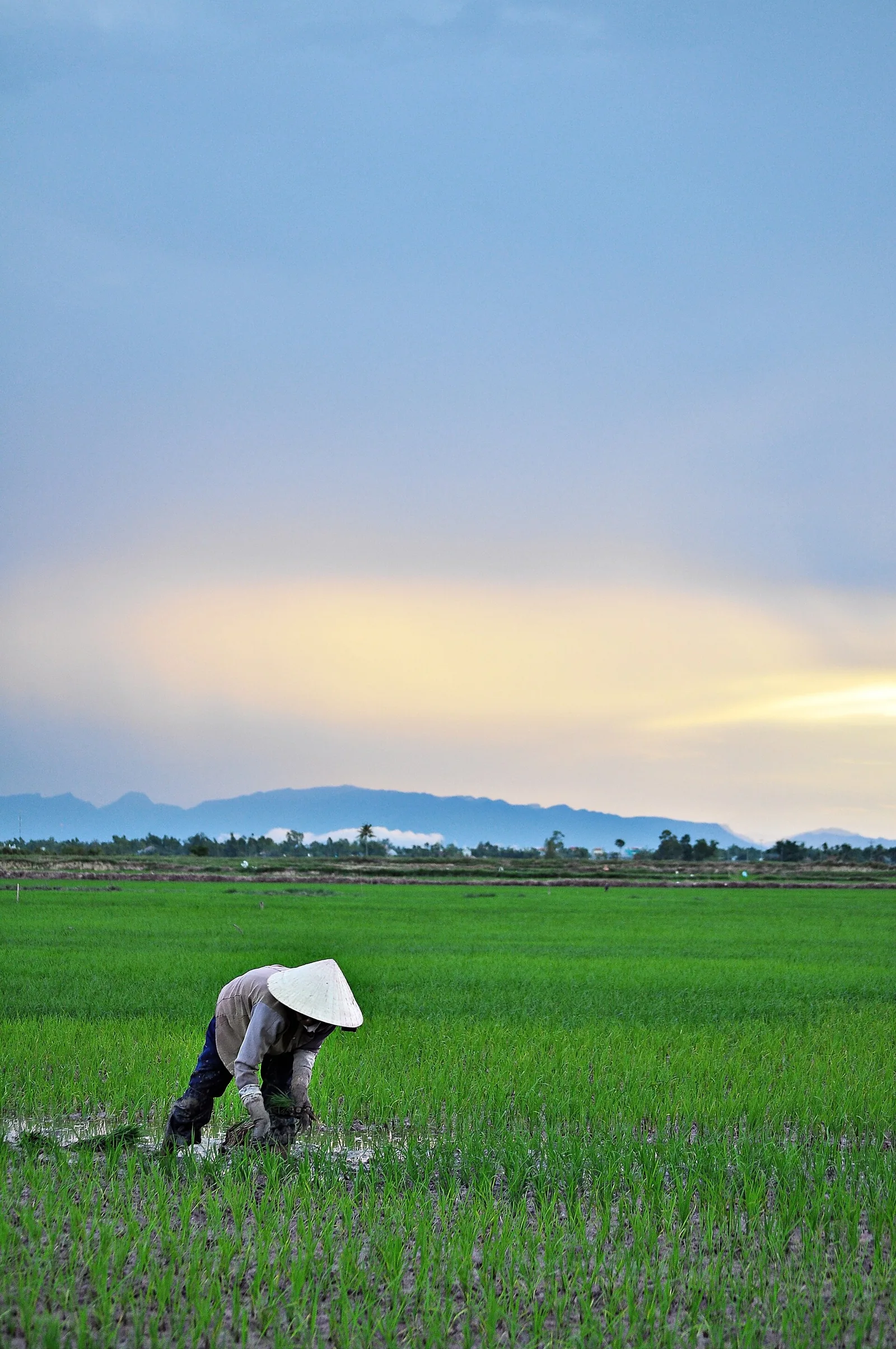
A farmer in a conical hat working in the green fields near Hoi An
The farming countryside around Hoi An — the green fields you cycle through to reach Tra Que. (© Davidlohr Bueso / CC BY 2.0)

6. A Farm-to-Table Cooking Class

Tra Que is one of the best places near Hoi An for a cooking class, because you cook with herbs you’ve literally just harvested:

  • Pick then cook: harvest your own herbs and vegetables, then a chef guides you through local dishes.
  • What you’ll make: Hoi An specialities like mì Quảng, bánh xèo, fresh spring rolls and the village’s own tam hữu herb rolls.
  • Eat it all: the class finishes with a meal of everything you’ve cooked.
  • Veg-friendly: a herb village is naturally great for vegetarians and vegans — just ask.
💡 Compare a Tra Que cooking class with a town-centre one in our full Hoi An cooking class guide — the farm setting is the draw here.
🎟️ The farm-to-table sitting is a cooking class with the garden attachedSee on Klook See on Viator See on KKday See on Trip.com Affiliate link — we may earn a commission at no extra cost to you.

7. Cycling Through the Village

Half the joy of Tra Que is getting there and around on two wheels:

  • The ride out: a flat, scenic 15-minute cycle from the Old Town through rice paddies and along the river.
  • Around the village: car-free lanes between the green beds are made for a gentle pedal and frequent photo stops.
  • Bikes: many hotels lend them free, or rent one in town for ≈25,000₫; e-bikes and scooters work too (see our scooter guide).
  • Combine the ride with the Cam Thanh basket boat for a classic countryside loop.

8. What to Eat at Tra Que

Naturally, the food here is herb-forward and fresh:

  • Tam hữu (“three friends”): Tra Que’s signature — fresh rolls of shrimp, pork and herbs tied with a chive, found here above all.
  • Bánh xèo: crispy turmeric pancakes loaded with the village’s herbs.
  • Mì Quảng & salads: the local noodle dish and herb-heavy salads taste their best here.
  • Herbal tea: a fragrant brew from the same gardens.

For the wider scene, see our what to eat in Hoi An guide.

9. How Much Tra Que Costs

Tra Que is excellent value. Rough prices:

ItemTypical price
Village ticket (sightseeing + farming)≈35,000₫/person (≈$1.50)
Herbal foot bath≈$5–10
Cooking class (with farming)≈$25–45
Cycling + farming half-day tour≈$20–40
Bicycle rental≈25,000₫/day
💡 The ticket alone is tiny; the cost is in the experiences (foot bath, cooking class, guided tour). Booking a combined farming-and-cooking tour online (Klook / KKday) is usually the best value — and confirms transport and the meal.

10. How to Get There from Hoi An

Tra Que is an easy hop, about 3 km north of the Old Town towards An Bang beach:

  • By bicycle: the nicest way — a flat, pretty 15-minute ride; many hotels lend bikes free.
  • By scooter: 8–10 minutes; see our scooter rental guide.
  • By taxi or Grab: ~10 minutes, cheap and easy.
  • On a tour: most farming and cooking tours include hotel pickup from Hoi An, and many from Da Nang.
💡 Search ‘Tra Que Vegetable Village’ (Làng rau Trà Quế) and aim for the village entrance, where you buy the small ticket.
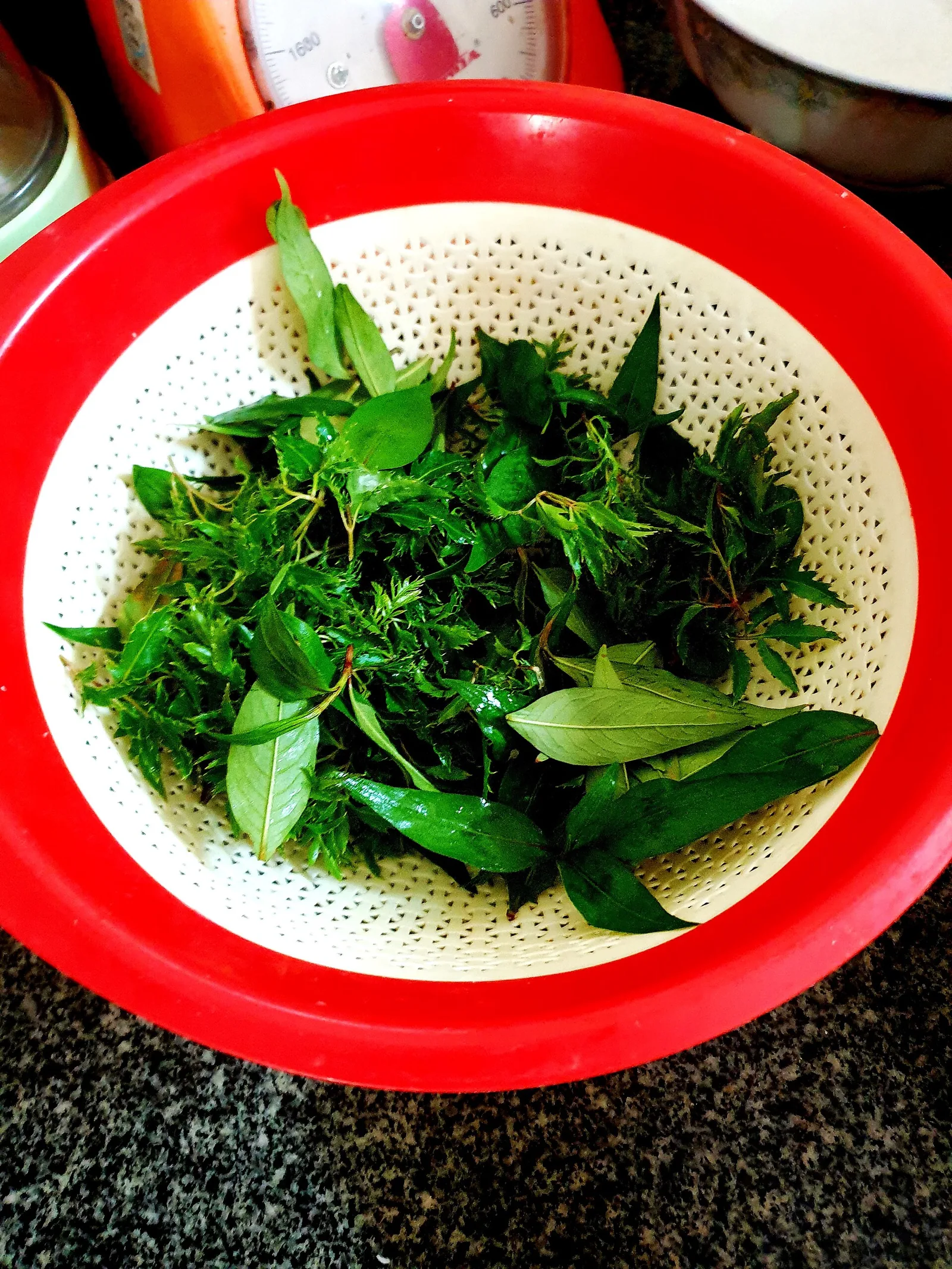
Fresh Vietnamese herbs and vegetables grown at Tra Que Village
The forty-odd herbs of Tra Que — fed with river algae, which gives them their famous aroma. (© Phương Huy / CC BY-SA 4.0)

11. Best Time to Visit

Timing makes Tra Que magical. Pair this with our Hoi An weather guide and best-time guide:

  • Best of day: early morning (cool, the farmers are working, soft light) or late afternoon for golden light and sunset over the beds.
  • Avoid the midday heat, when the open beds offer little shade.
  • Best seasons: February–April and September–December, when it’s drier and comfortable; the village is green year-round.
  • Rainy spells (Oct–Nov): the foot bath and cooking class are lovely even when it drizzles.

12. Combine It: Cooking, Basket Boat & An Bang Beach

Tra Que is short, so it pairs beautifully with the rest of the countryside:

  • A cooking class: the natural partner — farm, then cook what you picked.
  • The Cam Thanh basket boat: many bike tours loop both villages in one morning.
  • An Bang beach: Tra Que is on the way — finish with lunch and a swim by the sea.
  • The lanterns after: head back to town for the lantern-lit Old Town in the evening.

See how it all fits in our Hoi An itinerary.

🎟️ Tra Que and the basket boats sit on the same road out of townSee on Klook See on Viator See on KKday See on Trip.com Affiliate link — we may earn a commission at no extra cost to you.

13. With Kids, Families & Photography

Tra Que is a winner for families and photographers alike:

  • Great with kids: planting, watering with the twin cans and harvesting are hands-on and fun; gentle and safe.
  • Photography: the geometric green beds, conical hats and golden-hour light are gorgeous — come early or late and bring a wide lens.
  • Respect the farms: these are working beds — follow your guide, don’t trample the rows, and ask before photographing farmers up close.
  • More family ideas in our Da Nang with kids guide.

14. Is Tra Que Worth It? Tips & a Sample Plan

Yes — it’s one of Hoi An’s most charming and best-value half-days, and the UN Best Village recognition is well earned. The farming is genuinely fun, the foot bath blissful, the cooking class memorable, and the cycle out is half the pleasure. It’s cheap, green and a lovely contrast to the Old Town crowds.

Tips: go early or late; bring sun protection, small cash and mosquito repellent; wear sandals you don’t mind getting muddy; and book a combined farming-and-cooking tour for the best value.

A sample half-day

TimePlan
07:30Cycle out from the Old Town through the paddies
08:00Buy the ticket; farming with the growers — hoe, sow, water, harvest
09:30Herbal foot bath and a cup of herbal tea
10:00Farm-to-table cooking class with your harvested herbs
12:00Eat your feast; cycle on to An Bang beach or back to town
🎟️ The village charges a small entry, and the farming session is the part you bookSee on Klook See on Viator See on KKday See on Trip.com Affiliate link — we may earn a commission at no extra cost to you.
📚 More Central Vietnam guides
★ Start here Vietnam Travel Guide: Regions, Best Time, Itineraries, Costs & Visas
🎡Things to Do52
A Day Trip to Hue from Da Nang: Citadel, TombsA Hoi An Cooking Class: Which to Pick & What You’ll MakeBa Na Hills & the Golden Bridge: The Complete Guide (Tickets, Cable Cars, One-Day Plan)Ba Na Hills Overnight Stay: Mercure Rates, Cable Car Tickets, Golden Bridge at DawnCu Lao Cham Day Trip from Hoi An: Fares, Rules, What’s OpenDa Nang Activities: The Tours & Experiences Worth BookingDa Nang Dolphinarium: The ‘Dance of the Ocean’ Dolphin ShowDa Nang for Couples & Honeymooners: Five-Star Romance for Half the PriceDa Nang Itinerary: 3, 4 and 5 Day Plans That WorkDa Nang Nightlife: What Costs Money, What Shuts WhenDa Nang Solo: Bike Taxi Fares, Where One Person Can Eat, Which Area to Sleep In and a Three-Day TimetableDa Nang Travel Guide 2026: The Complete Plan (Flights, Weather, Hotels, Food & More)Da Nang vs Nha Trang: Which Beach City Fits Your Trip?Da Nang vs Phu Quoc: City-and-Culture or Island-and-Resort?Da Nang with Kids: The Family Trip That Actually WorksDa Nang With Older Parents: How to Build a Day Around the Early MorningDa Nang’s Best Beaches: Which One Is Right for You?DIFF 2026: Da Nang’s Fireworks Festival — Dates, Tickets & Where to WatchDragon Bridge, Da Nang: Fire-Show Times & Where to StandGolf in Da Nang: The Best Courses, Green Fees & Tee TimesHalal Da Nang: Muslim-Friendly Food, Mosques & Prayer SpotsHiring a Car and Driver in Da Nang: How It Is Priced and When It Beats GrabHoi An Beaches: An Bang vs Cua Dai — Which One to Choose?Hoi An Itinerary: One, Two and Three Days, Built Around the Hours Things Actually OpenHoi An Travel Guide: Ancient Town, Lanterns & TailoringHoi An’s Lantern Festival: Dates, What HappensHue Travel Guide: Vietnam’s Imperial Capital, Done ProperlyLap An Lagoon: Da Nang’s Mirror-Water SunriseLiving in Da Nang as a Digital Nomad: Costs, Wi-FiMang Den: Vietnam’s ‘Second Da Lat’ and the Central Highlands SecretMarble Mountains Da Nang: Tickets, the Elevator, and the Am Phu Cave Ticket TrapMassage & Spa in Da Nang: What to Book and What to PayMikazuki Water Park, Da Nang: Indoor Slides, OnsenMy Khe Beach, Da Nang: The Sand, the SurfMy Son Sanctuary: Visiting Vietnam’s Ancient Cham RuinsNui Than Tai Hot Springs Park: The Complete Day-Trip GuidePhong Nha Caves: A Complete Guide to Vietnam’s Greatest Cave CountryRainy Day in Da Nang? 15 Things to Do When the Weather TurnsShopping in Da Nang: What to Buy at Han MarketSon Tra & the Lady Buddha: Da Nang’s Best Sunset ViewpointThe Best Day Trips from Da Nang: Where to Go Beyond the CityThe Best Things to Book in Hoi An: Tours, Classes & Boat RidesThe Best Time to Visit Da Nang: A Month-by-Month BreakdownThe Cham Sculpture Museum, Da Nang: Is It Worth a Visit?The Golden Bridge, Da Nang: Vietnam’s Giant Hands BridgeThe Hai Van Pass: Da Nang to Hue by Bike, Car or Easy RiderThe Han River Night Cruise in Da Nang: Which Sailing Actually Sees the Fire ShowThe Hoi An Basket Boat Ride: Worth It? Prices, TipsThe Lady Buddha & Linh Ung Pagoda: Da Nang’s Tallest StatueThings to Do in Da Nang: What to Book Ahead, What to Walk Up To, and What Everything CostsThings to Do in Hoi An: Beyond the LanternsVegan & Vegetarian Da Nang: Where to Eat, and How to Order
🍜Food8
🏨Where to Stay6
🚇Getting Around9
🧭Travel Tips21
🧭Vietnam-wide essentials56
Cam Ranh Airport to Nha Trang: What Each Option Costs, and Why Your Landing Time Decides ItCat Ba Island Travel Guide: Getting There from Hanoi, Ferries, Weather and Where to StayCon Dao Travel Guide: Getting There, the Prison Museums, Beaches and Where to StayCu Chi Tunnels: You Buy Two Tickets, and Two Sites to Choose FromDa Lat Travel Guide: What to See, How Many Days, Weather, Prices and Where to StayDatanla Falls and the Alpine Coasters, Da Lat: Which Ticket to Buy and When Each Counter ClosesDistrict 4 Seafood Street: Vĩnh Khánh Ốc GuideGrab vs Xanh SM vs Be in Vietnam (2026): Which Ride App Is Cheapest & How to Use ThemHa Long Bay Cruise: The Complete Guide to Choosing the Right OneHanoi to Ninh Binh Day Trip: Trang An, Mua Cave & How to Do It RightHanoi to Sapa: Buses, the Night Train, and What Time You Actually ArriveHanoi Travel Guide 2026: The Old Quarter, Hoan Kiem Lake & Everything First-Timers NeedHo Chi Minh City (Saigon) Travel GuideHon Thom Cable Car, Phu Quoc: What 850,000d Buys and Why the Morning Crossing Is Worth Twice the Afternoon OneIs Vietnam Safe? Every Tourist Scam in 2026 & the 4 Rules That Stop ThemLong Thanh International Airport: What Travelers Need to Know Before It OpensMoney in Vietnam: Cash or Card, ATMs, and How Much to BringMui Ne and Phan Thiet Travel Guide: Two Sand Dunes, Prices, Getting There, Where to StayNha Trang in December: when boats do not sail, what to do in the city, and how prices moveNha Trang in February: the Driest Month, Calmer Seas, and What Tet Does to PricesNha Trang in January: Weather, Sea Conditions, New Year Crowds and Hotel PricesNha Trang in March: Calmer Seas, Warmer Water and Low-Season PricesNha Trang in the Rainy Season (Sep-Nov): Is It Still Worth It? An Honest GuideNha Trang Island Hopping: Party Boat vs Speedboat, the Four Islands, Costs and the Bay Fee Nobody MentionsNha Trang Mud Bath Guide: Thap Ba, I-Resort, 100 Egg, Galina and Hon Tam ComparedNha Trang Nightlife: Closing Times for Night Markets, Rooftops and Beach ClubsNha Trang to Da Lat: buses, limousine vans, fares and how long it takesNha Trang Travel Guide: Islands, Diving, Mud Baths & the Dry-Season Beach CityNoi Bai Airport to Hanoi: fares, pickup points and what changed in August 2026Northern Vietnam Travel Guide: Hanoi, Ha Long Bay, Sapa, Ninh Binh and Ha GiangPhu Quoc Island Hopping in the An Thoi Archipelago: Ports, Hours, Prices and What Is Charged On TopPhu Quoc Travel Guide: Arrival Times, Drive Times and What a Day Actually CostsPhu Quoc: When to Go, Month by MonthSapa, Vietnam: A Complete Guide to the Rice Terraces, the Trekking & FansipanSouthern Vietnam Itinerary 2026: Ho Chi Minh City & the Whole South, Planned RightSymphony of the Sea or Kiss of the Sea: Which Should You See?Tết Trung Thu: A Traveller’s Guide to Vietnam’s Mid-Autumn FestivalThe Ha Giang Loop: The Complete Guide to Vietnam’s Greatest RideThings to Do in Nha Trang: The Full List, from Po Nagar and the Museum to Hon Tam and Yang BayThings to Do in Phu Quoc: The Complete Activities GuideVietnam City-to-City Travel: Trains, Buses, FlightsVietnam Entry Requirements 2026: Health Declaration + Digital Arrival Card for Da Nang, Ho Chi Minh City & HanoiVietnam eSIM & SIM Card: Best Plans, Prices & How to Set It UpVietnam Travel Guide: Regions, Best Time, Itineraries, Costs & VisasVinpearl Safari Phu Quoc: Feeding Times, Safari Bus Cut-Off and Which Ticket to BuyVinWonders Nha Trang: Ticket Prices, Full-Day vs After-4PM, the Cable Car and Every Zone in the ParkVinWonders Phu Quoc: Zone Opening Hours, Show Times, Ticket Prices and the Safari ComboWhat Is Illegal in Vietnam: Vapes, Fines and What Customs TakesWhat to Eat in Nha Trang: Bun Sua, Nem Nuong Ninh Hoa, Banh Can and the Bo Ke Seafood StripWhere to Stay in Da Lat: Which Areas You Can Walk and Which Need a CarWhere to Stay in Hanoi: Best Areas and HotelsWhere to Stay in Ho Chi Minh City (Saigon): Best AreasWhere to Stay in Mui Ne: Beachfront, Across the Road, and What Each Stretch Is LikeWhere to Stay in Nha Trang: Zones & HotelsWhere to Stay in Phu Quoc: The 5 Best Areas, Decoded HonestlyWhere to Stay on Con Dao: The Four Resorts and the Town Hotels
Browse all our Vietnam guides →

Tra Que Herb Village — FAQ

Q. What is Tra Que Herb Village?
Tra Que (Làng rau Trà Quế) is a 400-year-old organic herb and vegetable village about 3 km north of Hoi An’s Old Town. Around a hundred families grow more than forty kinds of herbs using river algae as fertiliser. In 2024 the UN’s tourism body named it one of the world’s Best Tourism Villages. Visitors can farm alongside the growers, take a herbal foot bath, join a cooking class and cycle the green lanes.
Q. How much does it cost to visit Tra Que Village?
The village ticket is about 35,000₫ per person (≈$1.50), which covers sightseeing and the farming experience. A herbal foot bath costs roughly $5–10 and a cooking class (usually with farming) about $25–45. Bicycle rental in Hoi An is around 25,000₫ a day. Booking a combined farming-and-cooking tour online often gives the best value and includes transport and a meal.
Q. Is Tra Que really a UN Best Tourism Village?
Yes. In 2024 UN Tourism (the UN World Tourism Organization, UNWTO) named Tra Que one of its Best Tourism Villages, recognising its sustainable, centuries-old organic farming and responsible tourism. It’s a genuine working village, not a built attraction — real farmers tend the beds daily and visitors join in.
Q. What can you do at Tra Que Vegetable Village?
You can become a farmer for a day (rake and prepare the soil, spread river-algae fertiliser, sow seeds, water the beds with the traditional twin cans and harvest), relax with a herbal foot bath, take a farm-to-table cooking class using herbs you’ve just picked, cycle the lanes, and eat local specialities like tam hữu rolls and bánh xèo.
Q. Why are Tra Que’s herbs special?
The farmers fertilise the beds with rong — a green algae/seaweed scooped from the nearby river and lagoon — a natural method found in few other places. Combined with fully organic, chemical-free growing and the local climate, it gives Tra Que’s forty-plus herbs a distinctive aroma that Hoi An’s restaurants prize. The village has grown them this way for over 400 years.
Q. How do I get to Tra Que from Hoi An?
Tra Que is about 3 km north of the Old Town towards An Bang beach. The nicest way is to cycle — a flat, scenic 15-minute ride, and many hotels lend bikes free. You can also take a scooter (8–10 min), a taxi or Grab (~10 min), or join a tour that includes hotel pickup from Hoi An or Da Nang.
Q. What is the herbal foot bath at Tra Que?
It’s a warm soak for your feet in water boiled with the village’s own medicinal herbs — lemongrass, basil, ginger and others. It eases tired legs after farming or cycling and is deeply relaxing, often paired with a herbal massage and tea. It costs roughly $5–10 and is sometimes included in farming or cooking packages.
Q. Is there a cooking class at Tra Que?
Yes — Tra Que is one of the best places near Hoi An for a farm-to-table cooking class, because you cook with herbs you’ve just harvested. A chef guides you through dishes like mì Quảng, bánh xèo, fresh spring rolls and the village’s tam hữu rolls, then you eat the lot. Classes are very vegetarian- and vegan-friendly; just ask when you book.
Q. When is the best time to visit Tra Que?
Go early in the morning (cool air, farmers at work, soft light) or in the late afternoon for golden light and sunset over the beds; avoid the midday heat, as the open beds give little shade. The best seasons are February–April and September–December, when it’s drier and comfortable. The village stays green all year.
Q. Is Tra Que good for kids and families?
Very — planting, watering with the twin cans and harvesting are hands-on, gentle and fun for children, and the village is safe and easy to explore. The herbal foot bath and cooking class also suit families. It’s one of Hoi An’s most family-friendly half-days, and a lovely calm contrast to the busy Old Town.
Q. Can I just walk around Tra Que, or do I need a tour?
You can simply buy the small village ticket (≈35,000₫) and wander or cycle the lanes at your own pace. A guided farming session, foot bath or cooking class costs extra and adds the hands-on experiences. Many travellers book a combined farming-and-cooking tour for convenience, transport and a meal, but independent visits are easy too.
Q. What should I bring to Tra Que?
Sun protection (hat, sunscreen, sunglasses), small cash for the ticket, foot bath and snacks, mosquito repellent for the beds, and sandals or shoes you don’t mind getting a little muddy. A wide-angle camera or phone is great for the green beds and golden-hour light. Bring water, especially if you visit midday.
Q. How long do you need at Tra Que?
Allow about 2 hours to wander, farm a little and have a foot bath, or a half-day (4–5 hours) if you add a cooking class and cycle out from town. Combined with the Cam Thanh basket boat or An Bang beach, it easily fills a relaxed morning or afternoon.
Q. Can I combine Tra Que with other activities?
Yes — Tra Que pairs naturally with a Hoi An cooking class (farm then cook), the Cam Thanh basket boat (many bike tours loop both villages), and An Bang beach, which is on the way. End the day back in town for the lantern-lit Old Town. See our Hoi An itinerary for how it all fits together.
Q. Is Tra Que Herb Village worth visiting?
Yes — it’s one of Hoi An’s most charming and best-value experiences, and its UN Best Tourism Village status is well deserved. The farming is genuinely fun, the foot bath blissful, the cooking memorable and the cycle out half the pleasure. Cheap, green and peaceful, it’s a perfect contrast to the Old Town — especially for families and food lovers.

🏮 Complete Hoi An Travel Guide →