For most people, November to April is the sweet spot — dry, sunny skies, calm flat seas and warm water, with the absolute peak running December through March. That’s the postcard version of Phu Quoc, and it’s why prices climb in those months. But “best” depends on what you’re after. If you’re chasing cheap flights and empty beaches you’ll want the green season; if you want guaranteed sun for a one-shot trip, you’ll pay for the dry months and not regret it.
Here’s the thing worth knowing up front: Phu Quoc doesn’t really have a bad month. The sea stays between 26 and 31°C all year, so you can swim in January or July. What changes is the rain, the price tag, how busy the beaches feel, and how flat the water is. This guide walks through all of it, month by month, with real numbers.
💡 One-line rule of thumb: go in the dry season (Nov–Apr) if you want certainty, and the wet season (May–Oct) if you want value and space. Neither is a wrong answer.
2. Dry season vs wet season, in plain terms
Phu Quoc runs on two seasons, and once you understand the rhythm the whole calendar makes sense.
Dry season is November to April. Skies are clear, the west-coast water goes glassy, and the island is at its most photogenic. The trade-off is people and prices — December through April is the busy, expensive stretch, with January, February and March the most heavily booked months of the year.
Wet season is May to October. Rain becomes a daily feature, the west coast gets choppier, and the crowds thin right out. In exchange you get hotels 30–50% cheaper and beaches you might have largely to yourself. July to September is both the wettest and the cheapest part of the year.
Air temperatures barely move — the yearly average sits around 27–28°C. The real swing is humidity and rain, not heat. January and February are the most comfortable (around 28°C by day, 23°C at night, with humidity dipping to roughly 62%, the year’s low), while April is the hottest at about 33°C, and April–May can nudge 35°C.
This is the table I’d want before booking. It pulls together day and night air temperature, sea temperature, rain, how rough the water tends to be, the crowd-and-price picture, and a one-line verdict for each month.
Month
Air (day/night)
Sea
Rain
Sea state
Crowds & price
In a line
Jan
~28 / 23°C
~26–27°C
Dry, sunny
Calm, clear
Peak, high
The most-booked month of the year.
Feb
~28 / 23°C
~26–27°C
Dry
Calm, clear
Peak
Tết mid-month — domestic surge, rooms scarce.
Mar
~30 / 24°C
~27–28°C
End of dry, warming
Still calm
Tail of peak
Warm, dry, calm sea.
Apr
~33°C (hottest)
~28–29°C
Hot, humidity rising
Calm
Easing
Boat racing ~Apr 30; jellyfish breeding starts.
May
~31°C
~29–30°C
Wet starts, PM showers
Roughening
Dropping
Shoulder — good value, still plenty of sun.
Jun
~30°C
~29–30°C
More frequent rain, humid
Choppier west coast
Low season
Quiet and cheap; pack a rain jacket.
Jul
~30°C
~30–31°C
Heavy rain
Rough spells
Cheapest
Flights and hotels at their lowest, few people.
Aug
~30°C
~30–31°C
Heavy rain
Rough seas/winds possible
Cheapest
Warmest water; end of jellyfish breeding.
Sep
~30°C
~29–30°C
Heavy rain
Rough spells
Lowest fares
Cheapest flights all year; Nguyễn Trung Trực festival (late Sep) & Mid-Autumn.
Oct
~29°C
~28–29°C
Wet ending, turning dry
Calming
Hotels cheapest
Rooms bottom out (~US$150); seas settling.
Nov
~30 / 23°C
~27–28°C
Rain easing, dry starts
Calming
Prices rising
Lovely shoulder; jellyfish from late month.
Dec
~27°C
~26–27°C
Sunny, dry, breezy
Calm
Peak, priciest
Christmas/NYE; hotels at their dearest (~US$512).
If you skim that and your eye lands on October and November, you’ve found my two favourite shoulder picks — more on those below.
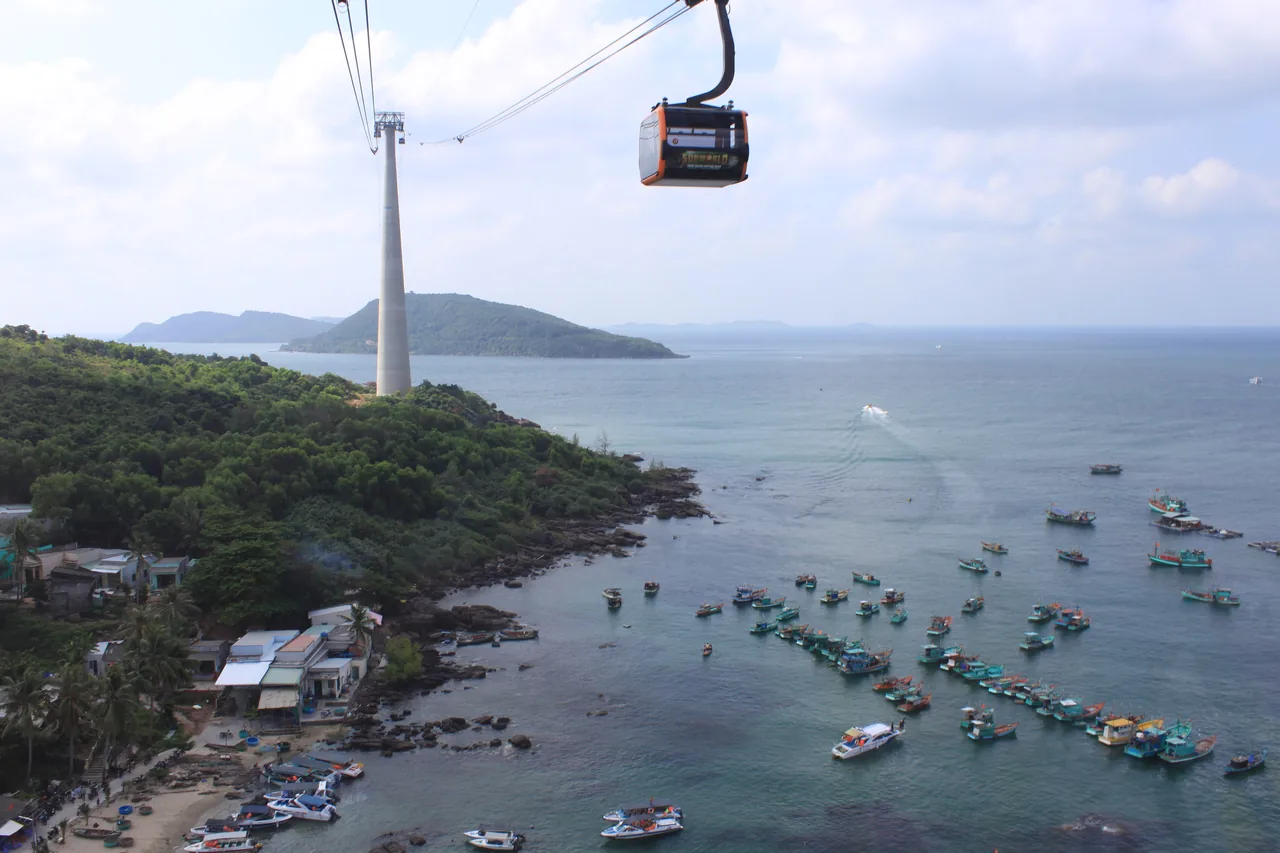
The Hon Thom cable car strings out over the An Thoi islands — calmest, clearest views in the dry season.
4. Sea temperature and when the water is calmest
Good news for beach people: the sea sits between 26 and 31°C all year, so it’s warm enough to swim in every single month. There’s no “too cold to get in” season here.
Coolest water — late dry season and the turn of the year, around 26–27°C. Still bath-warm by most standards.
Spring into early summer — roughly 27–29°C.
Mid to late summer — the warmest, 29–31°C (Jul–Aug peak).
Early autumn — back down to about 28–29°C.
Temperature is only half the story, though. What really matters for swimming, snorkelling and boat trips is how flat the water is. The calmest, glassiest seas run December through March, on the west coast especially. From May the west coast starts to roughen, and July through September can bring genuinely rough spells. So: warm year-round, but flat and clear in the dry season.
5. Why Phu Quoc dodges typhoons
This is the data point that surprises people, and it’s a real reason to consider Phu Quoc when the rest of Vietnam looks stormy on the forecast.
Phu Quoc sits in the southern Gulf of Thailand, well south of the storm tracks that batter central and northern Vietnam between September and November. Major typhoon landfalls here are rare — fewer than about two significant tropical events per decade, per Vietnam’s National Centre for Hydro-Meteorological Forecasting.
Put that next to the central coast, where Da Nang and Hoi An face real flood and typhoon risk in October and November, and the contrast is stark. You can get rough seas and strong winds on Phu Quoc in August and September, sure — but the destructive coastal typhoons that close roads up north largely skip this island.
💡 If your dates fall in Vietnam’s autumn storm window and you want to be near the beach, Phu Quoc is the low-drama choice over the central coast.
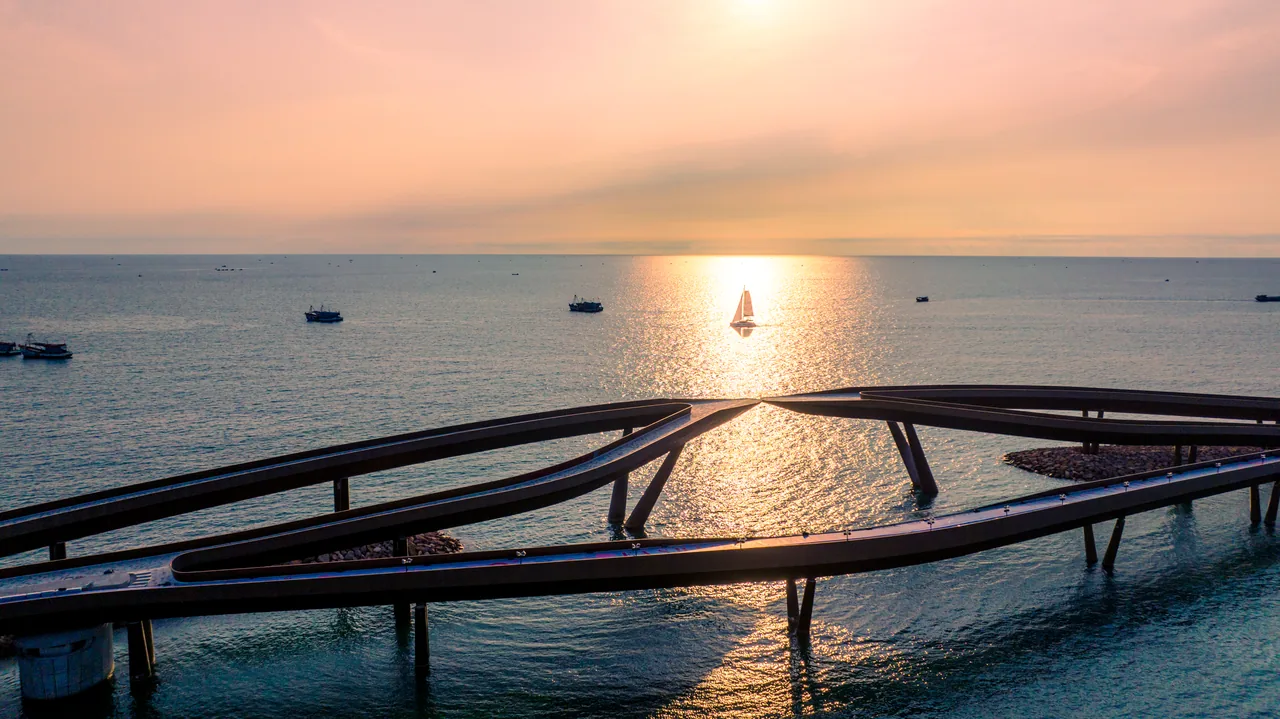
Sunset Town at golden hour, where most evenings end up no matter when you visit.
6. Flight and hotel prices through the year
Money is often what tips the decision, so let’s get specific. Prices below are in US dollars with Vietnamese đồng in parentheses, since most of you will be converting from your own currency anyway.
Flights
Domestic (Ho Chi Minh City → Phu Quoc): about US$30–70 (≈770,000–1,800,000₫) one-way; round trips from roughly US$96 (≈2,500,000₫).
International direct (Taipei, Seoul or Warsaw → Phu Quoc): roughly US$250–450 (≈6,400,000–11,500,000₫).
Cheapest month to fly is around September, when one-way fares average about US$88 (≈2,250,000₫) — roughly 27% below the yearly average.
Hotels (double room)
Yearly average is about US$258/night (≈6,600,000₫).
December is the dearest at around US$512/night (≈13,100,000₫).
October is the cheapest at around US$150/night (≈3,800,000₫).
Across May–October, hotels generally drop 30–50% from peak.
By tier: budget rooms from about US$23/night (≈590,000₫); 4-star roughly US$41–86 (≈1,050,000–2,200,000₫); 5-star from about US$86 (≈2,200,000₫) up.
So the cheapest combination isn’t a single month — it’s September flights paired with the falling-then-bottoming hotel rates of September and October. Slot a few sunny breaks into that and you’ve had a near-free upgrade. For keeping spending sane on the ground, my notes on cash, cards and ATMs in Vietnam are worth a glance, and the common tourist traps to sidestep will save you more than the odd dong.
The “best” month genuinely changes depending on your plans. Here’s how I’d time the main things people fly here for.
Snorkelling, diving and island tours
Head out to the An Thới archipelago in the dry season (Nov–Apr) for calm seas, easy conditions and visibility up to about 20 m. There’s a wrinkle worth knowing: local operators (OnBird among them) note that water clarity off South Phu Quoc can actually be better in the green season — but rougher seas and stronger currents tend to cancel that advantage out. For most visitors, dry-season is the safer, smoother bet. 📍Map
Beach and swimming
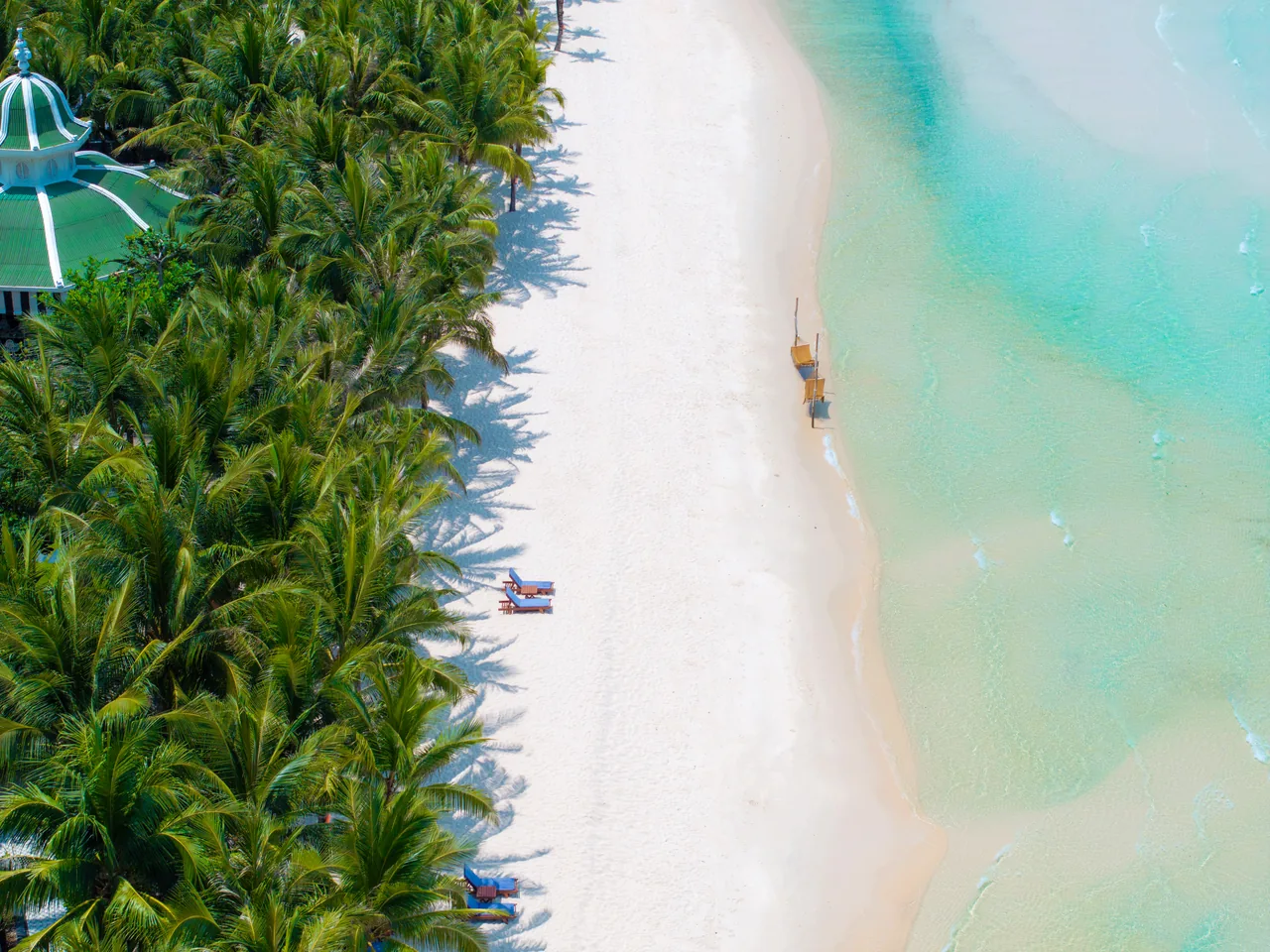
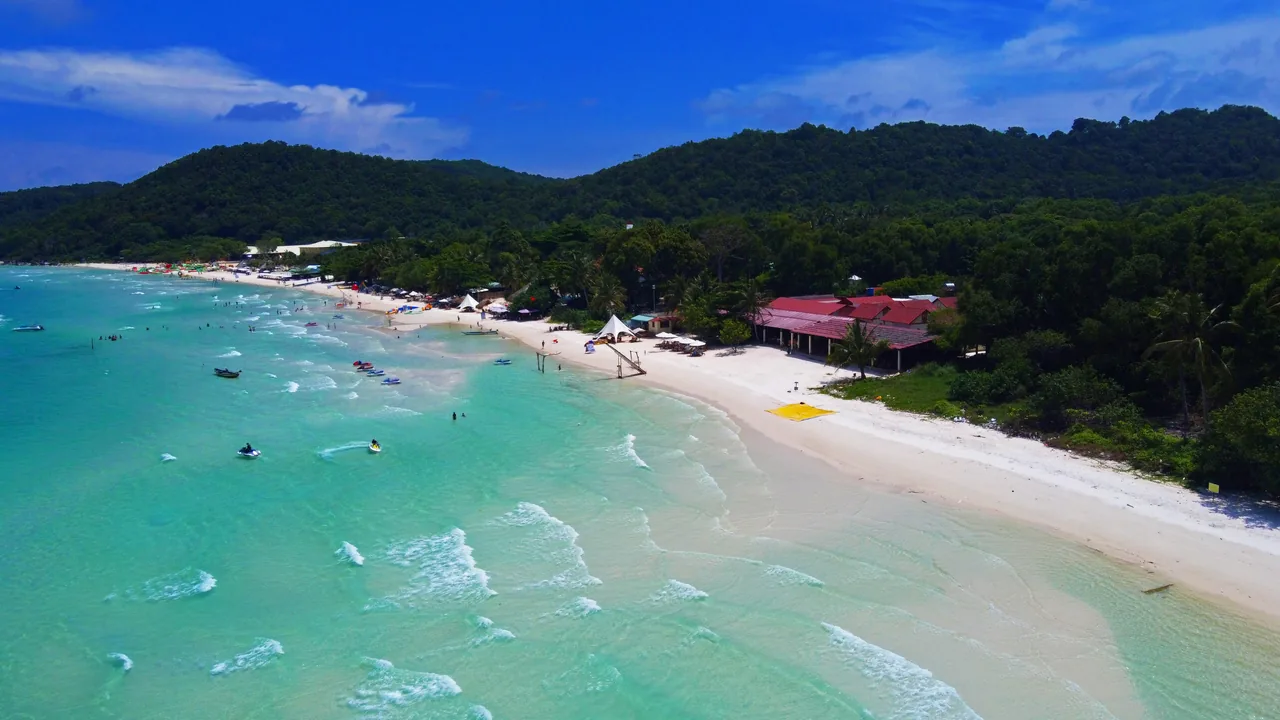
Any month works (sea 26–31°C), but the calmest, flattest water is December to March. The headline beaches are Bãi Sao, Bãi Khem and Bãi Trường. For sunsets, Sunset Town is the spot, and the nightly “Kiss of the Sea” show is the reliable evening fixture.
Night squid fishing
These sunset cruises with an onboard seafood dinner run year-round, but they’re calmer and easier in the dry season when the swell is down.
Pepper farms, fish-sauce factories and sim-wine houses
Year-round, and honestly some of the best rainy-day options on the island — they’re mostly indoors or under cover.
Theme parks
VinWonders, Vinpearl Safari and Grand World are essentially weather-independent, which makes them a green-season lifesaver. You can sort tickets ahead here.
Jellyfish are a genuine seasonal factor on Phu Quoc, and a little planning takes the sting out of it (sorry).
There are two windows to watch:
Late November to mid-December, peaking in early December.
April to August, the breeding stretch.
They’re most likely on the calmer beaches — Gành Dầu, Cửa Cạn, Bãi Thơm, Hàm Ninh and around the An Thới area. If you’re swimming during either window, a long-sleeve rash guard is the simple fix and well worth packing.
⚠️ If you do get stung: rinse with vinegar or warm water. Do not rub the area, and do not rinse with fresh water — both can make it worse by triggering more stinging cells.
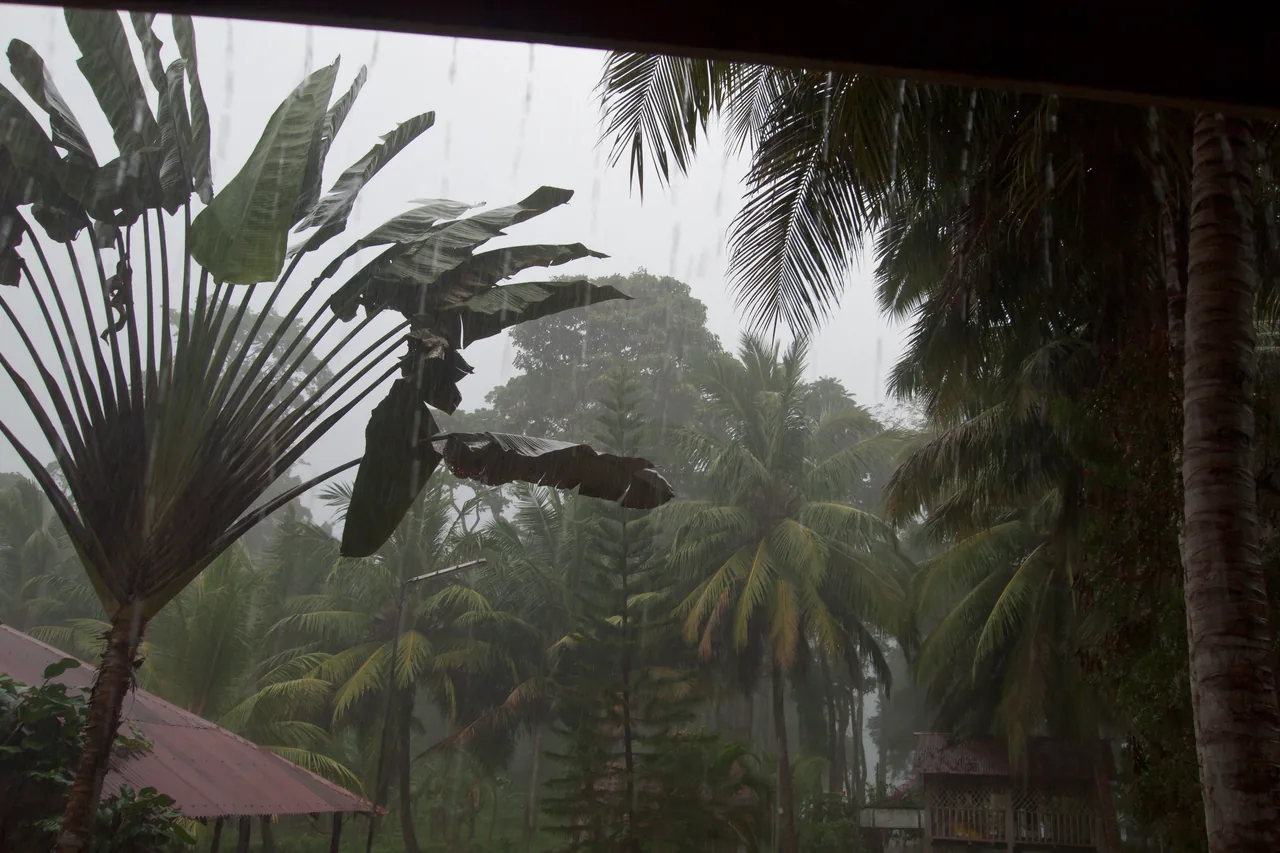
Green-season rain: usually one sharp afternoon downpour, not an all-day washout.
9. Festival calendar
Timing your trip around an event can be a highlight — or, in Tết’s case, something to plan carefully around. Here’s the year at a glance.
When
Festival
What it’s about
~Mid-Feb
Tết (Lunar New Year)
Temple visits, lion and dragon dances, fireworks. The biggest domestic travel peak — rooms get scarce and dear.
Late Sep (lunar 8/26–28)
Nguyễn Trung Trực Temple Festival
Honouring the local national hero; processions and rituals.
~April 30
Phu Quoc Boat Racing Festival
Lively races held at Dinh Cầu beach.
Lunar (confirm)
Nghinh Ông (Whale God) Festival
Fishing-village boat processions; date follows the lunar calendar, so check the year.
Sep/Oct
Mid-Autumn Festival
Rainy but quieter — lanterns and a good night-market evening at Hàm Ninh village.
⚠️ If your dates land on Tết (mid-February in 2026), book flights and rooms well ahead. It’s the one time of year domestic demand can outstrip supply and prices spike.
10. Travelling in the rainy season (it’s better than it sounds)
People hear “wet season” and picture a write-off. It usually isn’t. The typical pattern is a dry morning, one sharp afternoon downpour, and then it clears — not grey rain from dawn to dusk.
What you get in return is real: hotels down 30–50%, the year’s cheapest flights around September, and beaches that feel like they’re yours. The trick is structuring your day around the weather rather than against it — beach and boat trips in the morning, indoor stuff after lunch.
Solid rainy-day plans:
VinWonders’ indoor zones and Grand World for a few covered hours.
A spa afternoon or a deliberate do-nothing resort day.
Pepper farms, fish-sauce factories and sim-wine houses — interesting and mostly under cover.
Go in with the right expectations and the green season is, for a lot of travellers, the smart play.
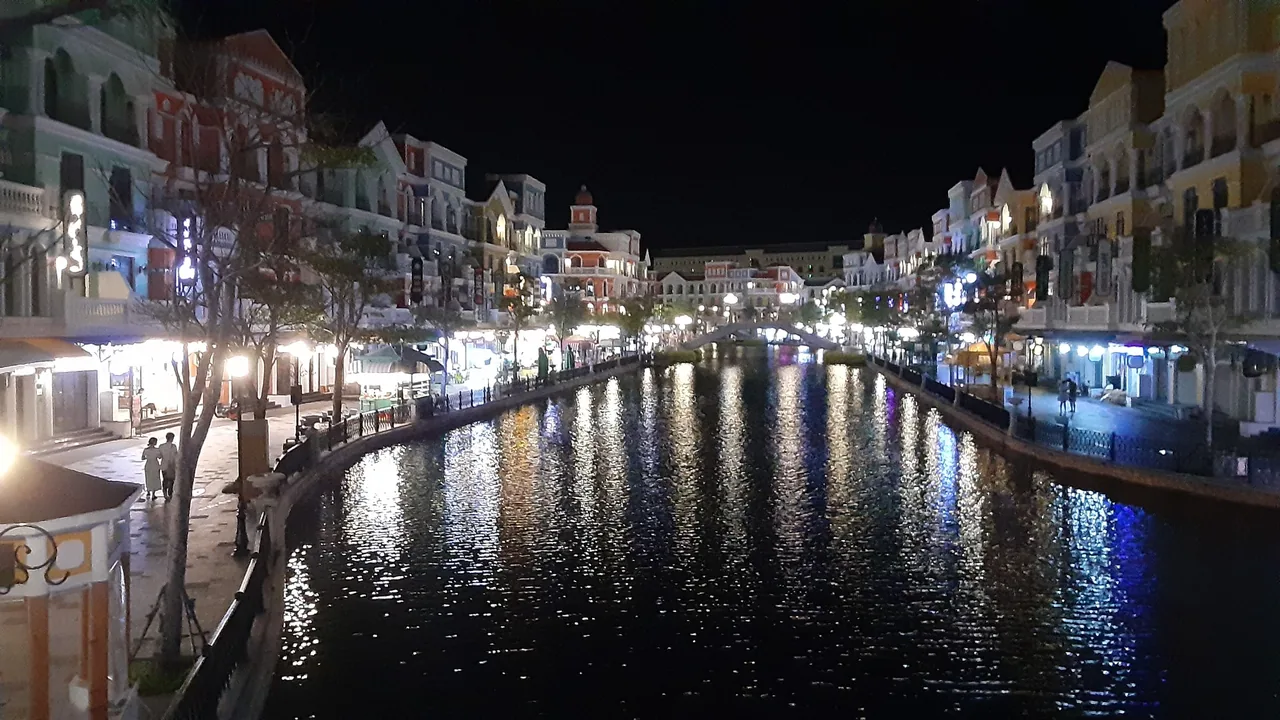
Grand World after dark — the kind of place you’re glad exists when the rain rolls in.
11. What to pack, by season
Pack for the season you’re actually getting, not just “tropical island.”
Dry season (Nov–Apr)
Sunscreen, a hat and light clothes — the sun is strong.
Swimwear, obviously.
A light layer for December–February evenings, which can feel slightly cool with the breeze.
Wet season (May–Oct)
A light rain jacket or a compact umbrella.
Quick-dry clothes that won’t stay damp.
A waterproof pouch for your phone.
During either jellyfish window
A long-sleeve rash guard for swimming.
And whenever you go, sort your data before you fly so you land connected. A travel eSIM for Vietnam is the painless route — install it at home, switch it on when you touch down.
📶 Grab, maps and the booking apps all need data from the moment you landSee on Yesim →See on Saily →See on Airalo →Affiliate link — we may earn a commission at no extra cost to you.
12. Getting there & the Phu Quoc visa quirk
You’ll fly into Phu Quoc International Airport (PQC). How you arrive matters more than you’d expect, because of a visa rule unique to the island.
Arrive by a direct international flight, or by international transit (staying airside in the transit zone with your bags through-checked to Phu Quoc), and the island’s 30-day visa-free entry applies. Take a domestic leg from the mainland instead — say Da Nang → Phu Quoc — and that counts as a normal entry, not the Phu Quoc exemption.
Whether that 30-day rule helps you depends entirely on your passport:
If your country already gets 45 days mainland visa-free (South Korea, Japan, Russia, the UK, much of the EU and others), the Phu Quoc rule is largely moot — 45 days is longer and freer, and a Da Nang → Phu Quoc domestic hop is perfectly fine. Nice to know, not a deciding factor.
If you’re not on the 45-day list (Taiwan, the USA, Canada, Australia, India and more), the direct-entry Phu Quoc 30-day visa-free is a genuine perk — for the mainland you’d otherwise need an e-visa (good for 90 days).
It’s worth checking the current detail for your nationality before booking; my Vietnam visa rundown keeps the specifics straight.
If you want one answer, aim for the dry season’s heart — December through March — for sun, calm seas and warm water. November and April are excellent shoulder picks with smaller crowds. For value and space over guaranteed sun, May–October wins.
Q. Is Phu Quoc worth visiting in the rainy season?
Yes, with the right expectations. Rain usually comes as one afternoon downpour, not all day, mornings are often dry, and you get hotels 30–50% cheaper plus near-empty beaches. Plan boat trips for mornings and indoor activities for afternoons.
Q. When is Phu Quoc cheapest?
Flights are cheapest around September (one-way averages near US$88 / ≈2,250,000₫, about 27% below the yearly average). Hotels bottom out in October at roughly US$150/night (≈3,800,000₫). Pair September flights with September–October rooms for the lowest overall cost.
Q. When is Phu Quoc most expensive?
December is the priciest, with hotels averaging around US$512/night (≈13,100,000₫) thanks to Christmas and New Year. The whole December–April peak runs dear, with January–March the most heavily booked.
Q. Can you swim in Phu Quoc year-round?
Yes. The sea stays between 26 and 31°C every month, so it’s always warm enough. The water is warmest in July–August (29–31°C) and calmest December–March.
Q. Does Phu Quoc get typhoons?
Very rarely. It sits in the southern Gulf of Thailand, south of the storm tracks that hit central and northern Vietnam — fewer than about two significant tropical events per decade. You may get rough seas and wind in August–September, but the destructive coastal typhoons largely miss the island.
Q. When are the fewest crowds on Phu Quoc?
May through October, the wet season, is quietest. If you want quiet plus decent weather, the shoulder months of April, October and November hit the balance well.
Q. Are there jellyfish in Phu Quoc?
Seasonally, yes. Two windows: late November to mid-December (peaking early December) and April to August. They favour calmer beaches like Gành Dầu, Cửa Cạn, Bãi Thơm, Hàm Ninh and the An Thới area. A long-sleeve rash guard handles it.
Q. What do I do if a jellyfish stings me?
Rinse with vinegar or warm water. Don’t rub the area and don’t use fresh water — both can trigger more stinging cells and make it worse.
Q. When is the best time for snorkelling and diving?
The dry season, November to April, for calm seas, easy conditions and visibility up to about 20 m around the An Thới archipelago. South Phu Quoc can be clearer in the green season, but rougher seas and currents usually offset that for casual snorkellers.
Q. What’s the weather like during Tết?
Tết falls around mid-February, deep in the dry season, so the weather is lovely — about 28°C by day, calm clear seas. The catch is demand: it’s the biggest domestic travel peak, so rooms get scarce and prices jump. Book early.
Q. How hot does Phu Quoc get?
Air temperatures hover around 27–28°C on average. April is the hottest at about 33°C, and April–May can reach 35°C. December–February are the most comfortable, around 28°C by day and a cooler 23°C at night.
Q. How much are flights to Phu Quoc?
Domestic flights from Ho Chi Minh City run about US$30–70 (≈770,000–1,800,000₫) one-way, with round trips from around US$96 (≈2,500,000₫). Direct international flights from places like Taipei, Seoul or Warsaw are roughly US$250–450 (≈6,400,000–11,500,000₫).
Q. Do I need a visa for Phu Quoc?
It depends on your nationality. Arriving by direct international flight (or international transit) gives 30 days visa-free on the island for everyone. If your country already has 45-day mainland visa-free entry, that’s longer and more useful. If not, the Phu Quoc 30-day rule is a real perk — otherwise the mainland needs an e-visa (90 days). Check the current rules for your passport.
Q. What should I pack for Phu Quoc?
Dry season (Nov–Apr): sunscreen, hat, light clothes, swimwear, and a light layer for cool December–February evenings. Wet season (May–Oct): a light rain jacket or umbrella, quick-dry clothes, and a waterproof phone pouch. During jellyfish windows, add a long-sleeve rash guard.
Q. Is October a good time to visit Phu Quoc?
It’s underrated. The wet season is winding down and the seas are calming, yet hotels are at their cheapest (~US$150/night / ≈3,800,000₫). You risk some rain but get great value and few crowds — a strong shoulder-season pick alongside November.