
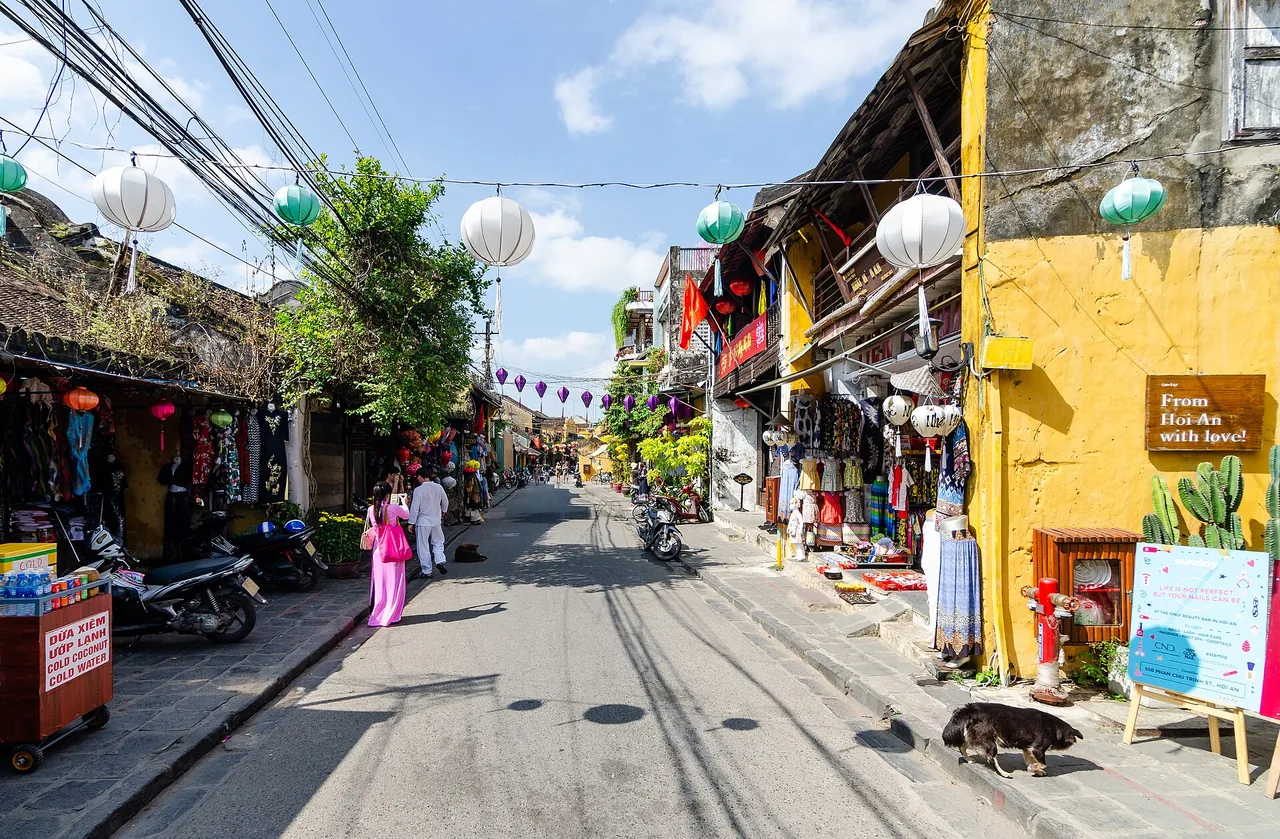
Vietnam Travel Guide: Regions, Best Time, Itineraries, Costs & Visas
A 1,650-kilometre country you can’t see in a week, here’s how to plan a Vietnam trip that actually works, from when to go to what it costs.
| Best time | Oct-Dec & Mar-Apr are the broadest bets; no single month is perfect countrywide |
|---|---|
| Visa | 24 nationalities exempt for 45 days; US/Canada/Australia/Ireland need the $25 e-visa |
| Money | Vietnamese dong; about 26,000 to US$1; cash-first, cards in cities |
| Language | Vietnamese; English is decent in tourist zones, thin elsewhere |
| How many days | 7 days = one region; a real north-south trip needs 2-3 weeks |
| Daily budget | Backpacker $30-50, mid-range $60-120, luxury $200+ (excl. flights) |
| Getting around | Domestic flights between regions; Grab & Green SM apps in cities; trains for the scenery |
| Safety | Very safe from crime; traffic and petty scams are the real risks |
| 2025 province shake-up | 63 provinces became 34; Phu Quoc is now ‘An Giang’, not Kien Giang |
| The classic mistake | Trying to see the whole country in seven days |
1. So what kind of trip is Vietnam, really?
2. Vietnam at a glance (and why your booking site’s map is wrong)
3. North, centre, south: the three-region model that decides your trip
4. Month by month: the full climate calendar
5. Best time by what you actually want to do
6. Festivals and public holidays: the full year
7. How many days do you actually need?
8. Route library: real itineraries, day by day
9. Which trip style fits you?
10. What a Vietnam trip actually costs
11. The North, place by place
12. The Centre, place by place
13. The South, place by place
14. Beaches and islands: which one is yours
15. Caves, karst and the great outdoors
16. History and heritage: what actually earns your time
17. The experiences genuinely worth booking ahead
18. Getting to Vietnam: the five gateways
19. International flights: getting the fare right
20. Getting around: flights, the train, and the two-wheel reality
21. Visas, the e-visa and the arrival card, sorted
22. Where to base yourself in each city
23. Money: cash, cards and the note that costs you 25×
24. The food: honestly, the main reason to come
25. Staying connected: eSIM, wifi and the apps to install first
26. Staying safe: traffic, scams, health and emergencies
27. Etiquette, tipping and the practical A–Z
28. First-timer mistakes, what to pack, and where to start
1. So what kind of trip is Vietnam, really?
Vietnam is a 1,650 km ribbon of a country, and that length, not any shortage of things to see, is the one fact that shapes every good trip here. HanoiMap to Ho Chi Minh CityMap is roughly London to Rome as the crow flies, and the country narrows to under 50 km at its waist. You don’t ‘do Vietnam’ in a week any more than you’d do Italy plus a slice of Germany in a week.
So your first real decision isn’t where to go. It’s whether to go deep on one region or commit the two-to-three weeks a true north-to-south run actually needs.
This guide is written for someone who is actually planning the trip and will make real decisions from it, dates, routes, budgets, not for someone browsing pretty photos. That means naming trade-offs plainly rather than selling every corner of the country as unmissable.
Who this guide is for
- First-timers who want a clear country overview before committing to dates and a route.
- Region-pickers torn between the north, the centre and the south when they can’t do all three.
- Returnees who’ve already ‘done’ the Da Nang or Nha Trang package tour and want the rest of the country.
- Trip-shapers weighing families against couples against solo travel, and comfort against budget.
Three honest ways to play it
| Approach | Time | What you get |
|---|---|---|
| Go deep on one region | 5-8 days | Real texture instead of a highlights reel. The centre, Da Nang and Hoi An, is the easiest, most rewarding first-timer base, pairing beach, food and heritage within an hour of each other. |
| Two big anchors | 10-12 days | North plus centre, or centre plus south, joined by a single one-hour flight. A strong first visit that still moves without exhausting you. |
| The full length | 2-3 weeks | Hanoi down to Saigon with the central coast in between, and room to bolt on one mountain or one island. The classic, and worth every day. |
If you take only one line from this whole guide, make it this: Vietnam rewards choosing. The travellers who leave frustrated are almost always the ones who tried to force the map into the calendar instead of the other way around. Pick your region, match it to your season, and the rest of this guide fills in exactly how, what it costs, when to go, and the routes that actually work on the ground.
2. Vietnam at a glance (and why your booking site’s map is wrong)
Vietnam runs about 1,650 km north to south, is home to roughly 100 million people, and makes far more sense as three regions than as one destination. The north is mountains, the Red River delta and Hanoi; the centre is the historic coast of Hue, Da Nang and Hoi An; the south is the Mekong Delta, tropical islands and Ho Chi Minh City. Keep that three-part shape in your head and everything else, weather, routes, budgets, clicks into place.
| The basics | What to know |
|---|---|
| Length | ~1,650 km tip to tip; narrowest point under 50 km wide |
| Population | ~100 million; the two hubs are Hanoi (capital) and Ho Chi Minh City (largest, ~14 million in its new boundaries) |
| Currency | Vietnamese dong (₫); about 26,000 to US$1, and barely moved in a year |
| Language | Vietnamese; tonal, so romanised phrasebooks are only ever approximate |
| Time zone | Indochina Time (UTC+7), no daylight saving |
| Electricity | 220V; sockets take European round pins and flat US pins, so most travellers need no adapter |
The 2025 shake-up nobody’s map has caught up with
On 1 July 2025 Vietnam merged its 63 provinces down to 34 and abolished the district tier entirely, moving to a simpler two-level system of province and commune. For a traveller that matters for exactly one practical reason: booking sites, older guidebooks and even some maps now show province names that no longer exist.
Three of the changes are genuinely counterintuitive, the province that survived is the opposite of the one you’d guess. Keep searching by the famous place name, which is what everyone still uses; just don’t panic when the paperwork shows a different province beside it.
| Famous place | Old province (now gone) | New name on your booking |
|---|---|---|
| Phu Quoc island | Kien Giang | An Giang (Phu Quoc is now a ‘special zone’) |
| Phong Nha caves | Quang Binh | Quang Tri |
| Ha Giang Loop | Ha Giang | Tuyen Quang |
| Hoi An & My Son | Quang Nam | Da Nang City |
| Da Lat & Mui Ne | Lam Dong / Binh Thuan | Lam Dong |
| Vung Tau & Con Dao | Ba Ria-Vung Tau | Ho Chi Minh City |
A few town-level quirks follow from scrapping the district tier: Hoi An is now three wards inside Da Nang City, and Sapa is a single ward rather than a town. Reassuringly, the places that were left untouched include Hanoi, Hue and Ha Long Bay‘s Quang Ninh province, so most of a normal itinerary still reads exactly as you’d expect.
For Da Lat on its own, our Da Lat travel guide covers the flights, the measured drive times, the official ticket prices and the weather month by month.
For Mui Ne and Phan Thiet on their own, our Mui Ne and Phan Thiet guide covers both dunes with their prices, the measured drive times, the train days and where along the strip to stay.
3. North, centre, south: the three-region model that decides your trip
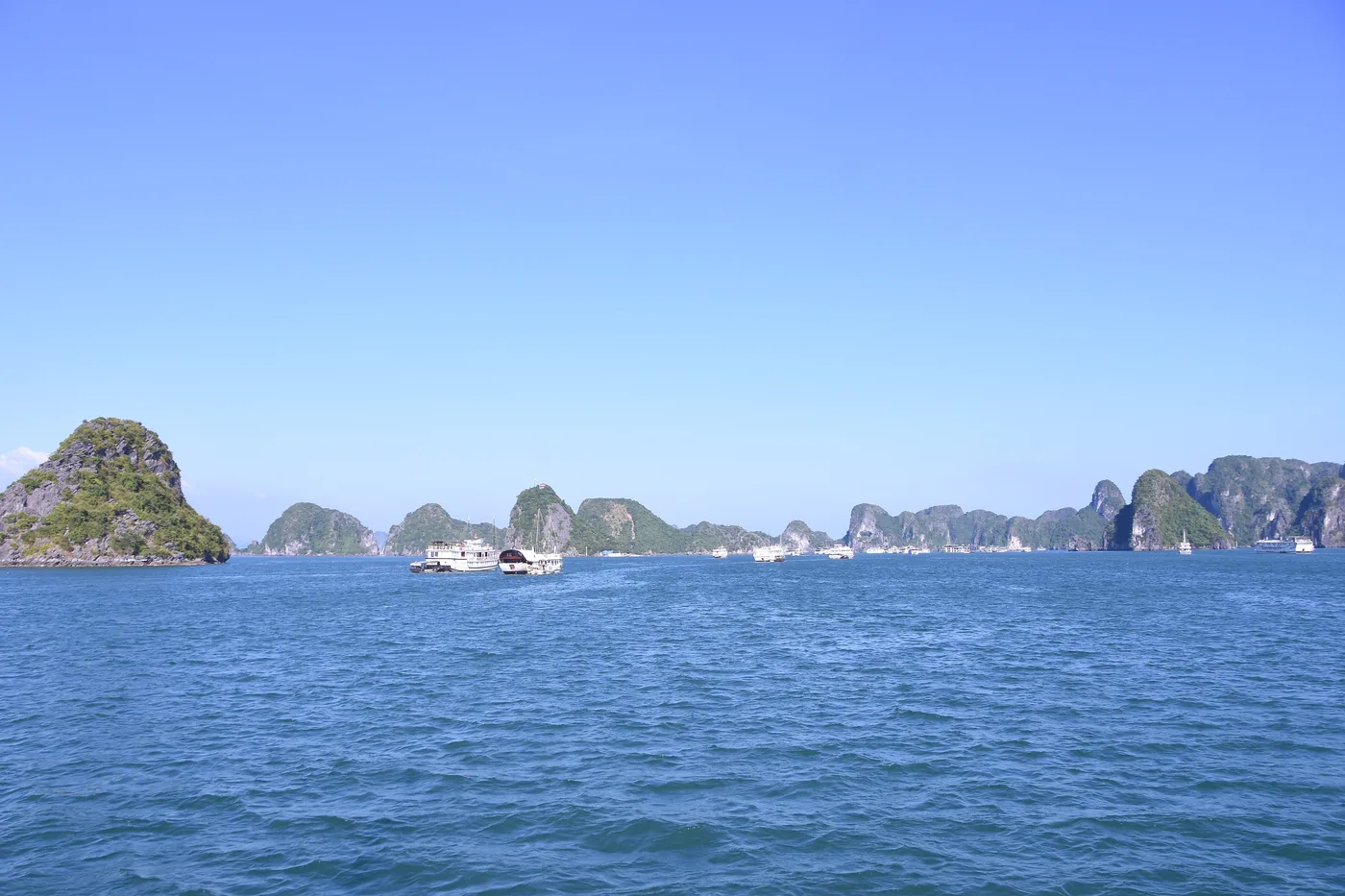
This is the mental model the whole trip hangs on: Vietnam’s three regions have different weather at the same moment, different moods and different reasons to visit, which is why ‘when is Vietnam good?’ has no single answer. Choose the region first, and the right month follows almost automatically.
| North | Centre | South | |
|---|---|---|---|
| Mood | Atmospheric, historic, mountainous | Beaches meet heritage; the easy balance | Tropical, fast, delta-and-islands |
| Weather | Four seasons; genuinely cold Dec-Feb | Dry spring/summer, a fierce Oct-Nov wet season | Hot all year; dry Dec-Apr, wet May-Nov |
| Anchor cities | HanoiMap, Sapa, Ninh Binh | Da Nang, Hoi An, Hue | Ho Chi Minh City, Mekong, Phu Quoc |
| Best at | Culture, landscapes, trekking, Ha Long BayMap | First trips: sightseeing plus beach in one base | Beaches, nightlife, food, island resorts |
| Who it suits | Slow travellers, hikers, culture-first | First-timers, couples, families | Beach-and-city people, foodies, returnees |
The north: atmosphere and mountains
The northern region is Vietnam at its most atmospheric, the tangle of Hanoi’s Old Quarter, the karst seascape of Ha Long Bay, the ‘inland Ha Long’ of Ninh BinhMap, and the rice terraces of Sapa and the Ha Giang Loop. It is also the only part of the country that turns properly cold, with December-to-February days sometimes near 10 °C and no heating indoors, so pack a real jacket.
The centre: the honest first-visit pick
The central coast is the recommendation for a first visit, because it stacks three very different experiences within an hour or two of one base. Da Nang gives you a modern beach city, Hoi An a lantern-lit trading town frozen in the 18th century, and Hue the tombs and citadel of the Nguyen emperors. The one real catch is a savage October-November rainy season that floods Hoi An’s old town most years.
The south: tropical and always open
The southern region never gets cold: the restless energy of Ho Chi Minh City, the floating life of the Mekong Delta, and the resort beaches of Phu Quoc. It has the most dependable dry-season sunshine, December to April, and the country’s best island escapes, which makes it the natural place to end a trip on a beach.
4. Month by month: the full climate calendar
There is no single perfect month for the whole of Vietnam, while the centre floods, the south is bone dry; while the north shivers, the beaches are open. The broadest safe bets nationwide are October to December and March to April, when most of the country is doing something reasonable at once. Below is each region month by month, so you can match your dates to where you’re actually going rather than to a national average that describes nowhere.
North (Hanoi)
| Month | High/Low °C | What it actually feels like |
|---|---|---|
| Jan | 20/14 | Cool, grey, dry; a damp chill that feels colder than the number, since buildings have no heating |
| Feb | 21/16 | Peak fog and drizzle; low cloud, high humidity, little actual rain volume |
| Mar | 24/18 | Warming but the most overcast month; persistent light ‘mua phun’ drizzle |
| Apr | 28/22 | Pleasant and warm, humidity climbing; the first real downpours arrive |
| May | 32/25 | Hot and sticky; afternoon thunderstorms begin |
| Jun-Jul | 34/26 | Hottest, most humid heat; short violent storms most afternoons, brief street flooding routine |
| Aug | 33/26 | Wettest month (~280 mm); typhoon remnants reach the delta as multi-day rain |
| Sep | 32/25 | Still hot but rain easing; clearer spells return |
| Oct | 29/22 | The best month: warm, dry, clear, low humidity |
| Nov | 26/19 | Mild, dry, sunny; a close second-best |
| Dec | 22/15 | Cool and dry; cold snaps can dip near 10 °C for a few days |
Centre (Da Nang / Hoi An)
| Month | High/Low °C | What it actually feels like |
|---|---|---|
| Jan | 25/19 | Mild, often grey; sea rough, beach season effectively closed |
| Feb | 26/20 | Driest turn of the year; pleasant, not yet beach-hot |
| Mar | 28/22 | Dry, sunny, sea calming; an excellent all-round month |
| Apr | 31/24 | Warm, dry, sea flat; arguably the best beach month of all |
| May-Jul | 33-35/25-26 | Hot and mostly dry; brief afternoon showers rarely spoil a day; peak domestic season |
| Aug | 34/25 | Still hot, rain building; the first typhoon risk of the season |
| Sep | 32/24 | The switch flips; heavy rain arrives and typhoon season opens in earnest |
| Oct | 30/23 | Wettest month by far (~650 mm); Hoi An’s old town floods routinely |
| Nov | 28/22 | Still very wet and cooling; typhoon risk persists |
| Dec | 25/20 | Grey and damp, rain easing; cool sea, big surf |
South (Ho Chi Minh City)
| Month | High/Low °C | What it actually feels like |
|---|---|---|
| Dec-Jan | 32/23 | Dry-season peak: hot, bright, the most reliable stretch of the year |
| Feb | 33/23 | Driest month; essentially zero rain |
| Mar | 34/24 | Heat ramping; hazy, dry, dusty |
| Apr | 35/26 | Hottest month; oppressive just before the rains break |
| May-Aug | 33-35/25 | Monsoon rhythm: fine mornings, then one violent hour-long afternoon storm |
| Sep-Oct | 32/24 | Wettest stretch; longer storms combine with high tides for street flooding |
| Nov | 32/24 | Rains winding down, improving fast |
5. Best time by what you actually want to do
Forget ‘best time to visit Vietnam’ as one question, the right month depends entirely on what you came for. A beach trip and a rice-terrace photography trip want opposite ends of the calendar, and a trekking trip wants something in between. Here’s the timing broken down by purpose, with the where attached, so you can plan around the thing you actually care about.
| What you want | When | Where |
|---|---|---|
| Central-coast beach | Feb-Aug | Da Nang, Hoi An, Quy Nhon |
| Southern-island beach | Nov-Apr for Phu Quoc, Mar-Sep for Con Dao | Phu QuocMap, Con Dao |
| Mountain trekking | Sep-Nov & Mar-May | SapaMap, Ha GiangMap |
| Rice terraces, mirror-green (flooded) | May-Jun | Sapa water-pouring season |
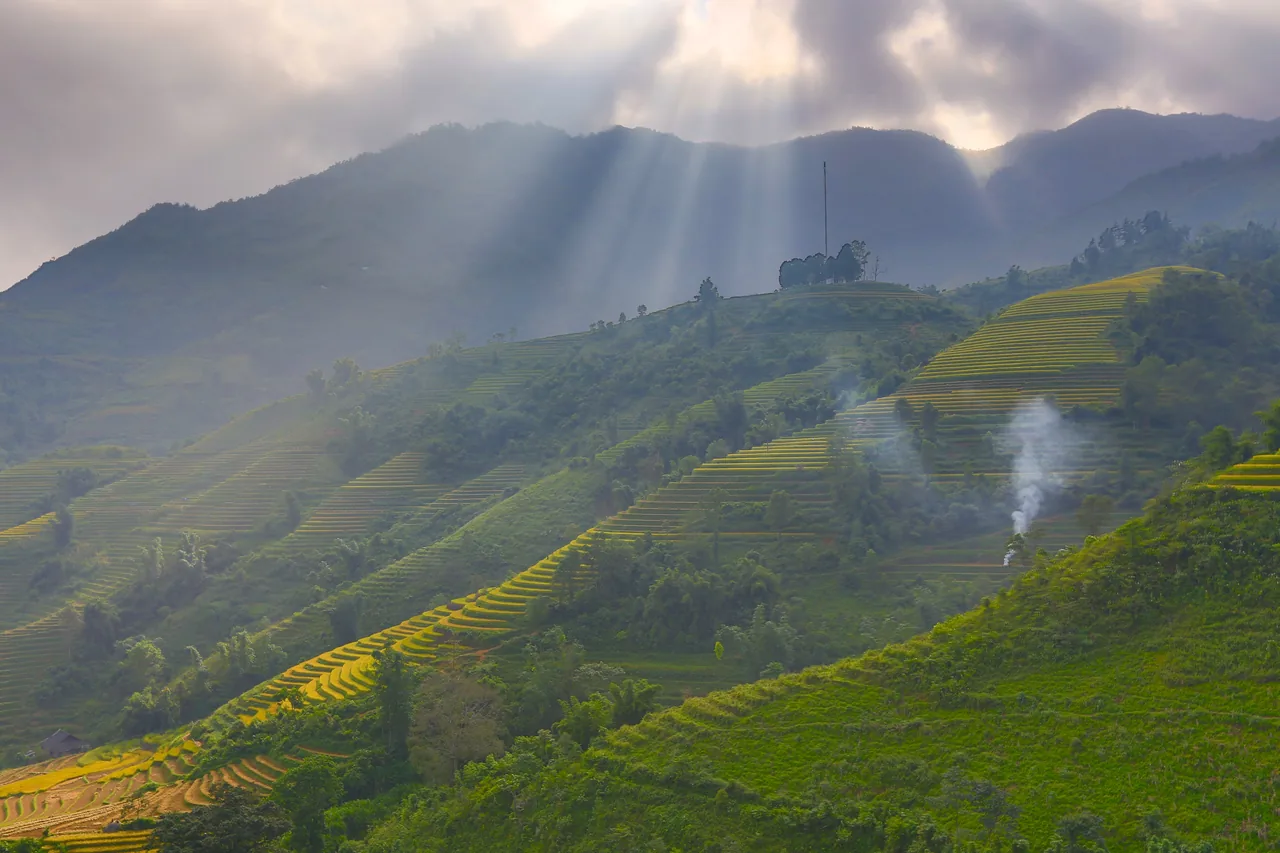
| Rice terraces, golden harvest | mid-Sep to early Oct | Sapa (a tight ~3-week window) |
| Ninh Binh golden fields | late May-early Jun | Tam Coc (~2 weeks only) |
| Clearest northern light | Oct-Nov | Hanoi, Ha Long, Ninh Binh |
| Cool-highland heat escape | Year-round | Da LatMap (a steady 14-23 °C at ~1,500 m) |
| Honeymoon, coffee & flowers | Dec-Mar (driest, sunniest) | Da Lat (cool climate is the product) |
| Sand-dune photography & kitesurfing | Nov-Apr | Mui NeMap (the reliable wind season) |
| Lowest prices & fewest crowds | May-Sep | Nationwide (hot/wet shoulder) |
| Calm seas for snorkelling | Nov-Apr | Phu Quoc west coast |
The timing traps worth knowing
Two rice-terrace windows are far tighter than guides admit. Sapa’s famous golden terraces peak mid-September to early October, arrive in mid-October and most of the rice is already cut to stubble. Ninh Binh’s golden Tam Coc fields last only about two weeks around the end of May, even though the area is sold as a year-round day trip and every postcard is shot in that fortnight.
The highland and dune picks work differently from the coast. Da Lat is cool all year (roughly 14-23 °C at ~1,500 m), so it’s the answer when the lowlands are sweltering; time it for Dec-Mar if you want the dry, sunny version for flower gardens, café-hopping and wedding-shoot weather, since May-Oct brings afternoon showers. Mui Ne is the opposite bet: its Nov-Apr northeast monsoon is precisely the wind that makes the dunes photogenic at dawn and the bay rideable for kitesurfers, so the ‘best beach weather’ months and the ‘best kite/dune’ months line up here rather than fight.
Two more myths to retire. Sapa town basically doesn’t snow, frost is common, but actual snow is a once-in-several-years event confined to the highest passes and the Fansipan summit. And Phu Quoc’s wet-season problem isn’t rain, it’s sea state: the southwest monsoon churns up the west coast enough that snorkelling and island-hopping tours get cancelled, which is exactly what people fly there for.
There is, in short, no month that is simultaneously ideal for the beaches and the far-north terraces, pick the experience, then the date. For a Da Nang-specific deep dive on seasons, see our month-by-month breakdown for central Vietnam.
6. Festivals and public holidays: the full year
The single most important date to plan around is Tet, the Lunar New Year, in 2027 it falls on Saturday 6 February, and the country substantially shuts down around it. Get the holiday calendar right and you’ll dodge closed shops, sold-out flights and price spikes; get it wrong and it can quietly wreck an otherwise well-planned trip.
Public holidays
| Holiday | 2026 date | 2027 date | Traveller note |
|---|---|---|---|
| New Year’s Day | 1 Jan | 1 Jan | Minor |
| Tet (Lunar New Year) | 16-20 Feb | 6 Feb (official range not yet set) | The big one, see below |
| Hung Kings Day | 26 Apr | 16 Apr | Domestic day out |
| Reunification + Labour Day | 30 Apr-1 May | 30 Apr-1 May | Huge domestic travel surge |
| National Day | 2 Sep (2 days) | 2 Sep (2 days) | Second big domestic peak |
| Vietnam Culture Day | 24 Nov | 24 Nov | Brand new for 2026 |
Vietnam’s labour ministry only publishes the following year’s exact day-off ranges around November, so while the fixed dates above are certain, the bridge days that pad each 2027 holiday won’t be confirmed until roughly November 2026.
What actually happens at Tet
The three most sacred days are the first three of the lunar year. Around them, family-run restaurants and independent shops close, often for a week or more, while banks shut for the official period and many museums cut their hours. International hotels, the big chains and the major ticketed attractions largely stay open.
The honest verdict is two-sided. Tet is the most culturally extraordinary time to be in Vietnam, full of flower markets and family ritual, and also the single biggest trip-ruiner for an unprepared visitor: transport books out and prices climb for the week on either side as the whole country travels home.
Domestic surges and cultural dates
- 30 Apr-1 May and the 29 Aug-2 Sep National Day break: locals travel en masse, so book beds and flights well ahead.
- 24 Dec-1 Jan: popular spots run roughly 15-30% dearer for the Christmas-New Year window.
- Hoi An Lantern Festival is monthly, on the 14th day of every lunar month, not once a year, as most guides imply. The old town’s electric lights switch off for candlelit silk lanterns and floating candles on the river, which makes it easy to build into any itinerary.
- Mid-Autumn Festival: Friday 25 Sep 2026 and Wednesday 15 Sep 2027; not a public holiday, so banks and transport run normally, and it’s wonderful with children.
- Da Nang International Fireworks (DIFF) 2026: Saturday competition nights from 30 May to the 11 July final, with Da Nang hotel prices spiking on show nights.
- Perfume Pagoda Festival (near Hanoi, roughly February-April): spectacular but drowning in domestic pilgrim crowds in the first lunar month, visit outside the peak weeks.
7. How many days do you actually need?
Seven days is one region, full stop, the country is simply too long to sample end to end in a week without spending the whole trip in transit. The useful answer is a framework rather than a single number: decide how much ground you’re willing to sacrifice to distance, then read across the table and be honest with yourself about the trade.
| You have | What it realistically buys |
|---|---|
| 7 days | One region done well. The centre (Da Nang + Hoi An + a Hue day trip), or the north (Hanoi + Ha Long + Ninh Binh), or the south (Saigon + Mekong + Phu Quoc). Pick one, not two. |
| 10 days | Two anchors linked by one internal flight: north + centre, or centre + south. A strong, unhurried first visit that still sees real variety. |
| 14 days | The classic north-to-south: Hanoi, Ha Long, the central trio of Hue-Hoi An-Da Nang, then Saigon and the Mekong. Everything major hits, nothing feels rushed. |
| 21+ days | All of the above plus one ‘slow’ pick, the Ha Giang Loop, Phong Nha’s caves, or a Phu Quoc beach finish, without robbing the rest of the trip. |
The maths nobody budgets for: transfers eat your days
A domestic flight looks like two hours in the air. Door to door it’s closer to half a day once you count the taxi to the airport, check-in, the flight itself, and the transfer at the far end into town.
The structural fix: don’t backtrack
Because Vietnam is essentially linear, the smartest planning move is an open-jaw ticket, fly into one end of the country and out of the other, Hanoi in and Saigon out or the reverse. It usually costs the same as a standard return and saves you a full day you would otherwise waste doubling back to your arrival city.
The rhythm that works: spend your days in the places, not on the connections. If a stop can’t earn two nights, ask whether it belongs in this trip at all, Vietnam will still be here for the next one, and a second visit is a far better outcome than a blurred first one.
8. Route library: real itineraries, day by day
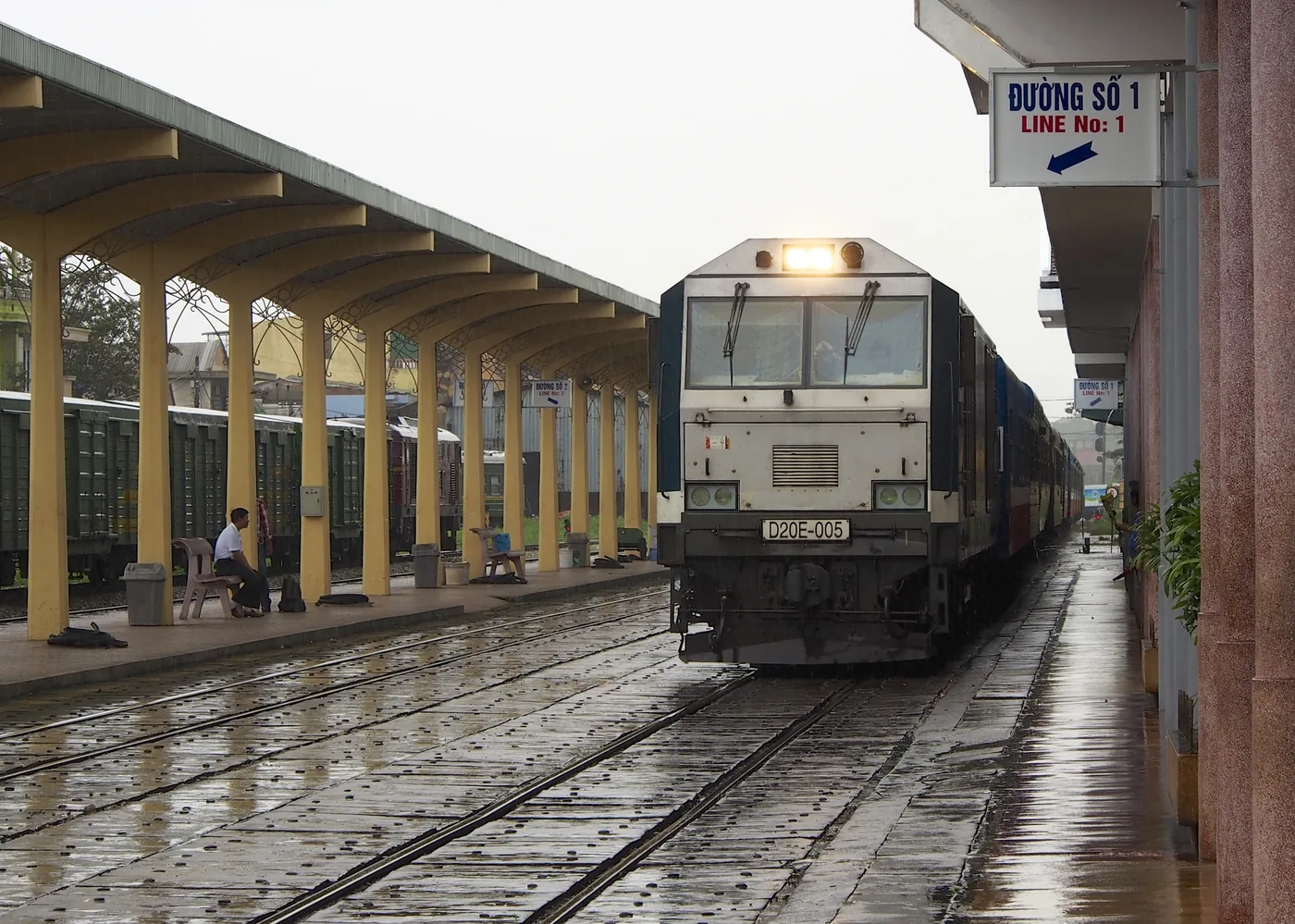
These are the routes that actually work on the ground, broken down day by day, pick the one that matches your time, and assume an open-jaw ticket wherever it saves a backtrack. Distances between regions are covered by short domestic flights unless a train or road leg genuinely earns its place, as the Hai Van coastal railway does.
One week, three ways
| Central classic | North only | South + island |
|---|---|---|
| D1-2 Da Nang beach & city | D1-3 Hanoi + street-food crawl | D1-3 Ho Chi Minh City + Cu Chi Tunnels |
| D3-5 Hoi An old town | D4 Ninh Binh day trip | D4 Mekong Delta day trip |
| D6 Hue day trip | D5-6 Ha Long Bay overnight | D5-7 Phu Quoc beach |
| D7 Ba Na Hills / depart | D7 Hanoi + depart | D7 depart |
Ten days: north + centre
| Days | Base | Doing |
|---|---|---|
| 1-3 | Hanoi | Old Quarter, Temple of Literature, egg coffee, an evening food tour |
| 4-5 | Ha Long Bay | Overnight cruise, kayaking, a cave stop |
| 6 | Fly to Da Nang | Beach afternoon, then transfer to Hoi AnMap |
| 7-9 | Hoi An | Old town, tailoring, a cooking class, and a HueMap day trip |
| 10 | Da Nang | My Khe beach, depart |
Two weeks: the classic north-to-south
| Days | Stop | Why it’s here |
|---|---|---|
| 1-2 | Hanoi | The cultural heart of the north |
| 3 | Ha Long Bay (1 night) | The karst seascape, best overnight |
| 4 | Fly Hanoi to Da Nang | Skip a long overland slog |
| 5-6 | Hue | Imperial citadel and royal tombs |
| 7-11 | Hoi An + Da Nang | The trip’s slow, easy centre |
| 12-13 | Fly to Ho Chi Minh City | Southern energy and food |
| 14 | Mekong DeltaMap day trip | Waterways, then depart |
Three weeks and up
With 21+ days, keep the two-week spine and add exactly one immersive block. Good options: the Ha Giang Loop or Sapa for mountains after Hanoi, Phong Nha‘s enormous caves slotted between Hue and Hoi An, a Da Lat highland pause (pine forests, coffee estates, waterfalls) or a Mui Ne dune-and-kitesurf stop on the way south to HCMC, or a Phu Quoc beach finish after the Mekong to end on sand. Add only one, bolting on several brings back the every-day-a-transfer problem this whole guide keeps warning about, and turns a great trip into a tiring one.
9. Which trip style fits you?
The same country rewards very different travellers in very different ways, the trick is matching the shape of your trip to who’s actually going. Find your row, take the recommended shape, and read the caveat carefully, because each style comes with one honest downside that the brochures leave out.
| You are | Recommended shape | The honest caveat |
|---|---|---|
| Family, young kids | One base in the centre: a Da Nang beach resort with Hoi An nearby, short days and pool downtime. | Traffic makes crossing streets stressful with toddlers; choose walkable, beachfront areas over busy old towns. |
| Couples / honeymoon | Hoi An’s lantern-lit old town plus a Phu Quoc or Con Dao beach finish for the quiet. | Hoi An fills with day-trippers by mid-morning; have the town at dawn and dusk, and the beach in the middle of the day. |
| Solo / backpacker | The full north-to-south spine by budget flights and sleeper trains; hostels for the social side. | Distances are real, so resist over-planning, two regions well beat a blur of six cities. |
| First big trip abroad | Central Vietnam only: one base, English widely spoken in tourist zones, everything close and low-stress. | Avoid October and November’s floods; the centre’s wet season is the one time ‘easy’ stops being true. |
| Foodies | Hanoi for northern subtlety and Saigon for southern sweetness, with a Hue stop for royal cuisine. | The best food is at plastic-stool street stalls, not restaurants, eat where the local queue is longest. |
| Returnees (‘done’ Da Nang / Nha Trang) | The north you skipped: the Ha Giang Loop, Sapa, Ninh Binh and Phong Nha’s caves. | These need more time and more tolerance for rough mountain roads than a resort trip did. |
| Budget-first | Slow travel, one region, street food, sleeper buses and trains, dorm beds. | $30-50 a day is the realistic floor once everything’s counted, not the $20 some guides still quote. |
| Luxury | A private driver linking central heritage to a five-star Phu Quoc or Da Nang resort. | Isolated beachfront resorts often mean a taxi to anywhere worth eating; factor the transfers in. |
If two rows describe you, a foodie couple, a budget solo returnee, blend the recommended shapes freely, but keep every caveat that applies. The recommendations combine cleanly; it’s the downsides that quietly stack up if you ignore them.
10. What a Vietnam trip actually costs
Vietnam is genuinely cheap by any Western measure, but the honest backpacker floor is about $30-50 a day once everything is counted, not the $20 that lowball guides love to quote. Below are real prices for real things, in three tiers, so you can build a budget from the ground up. International flights are excluded, since those depend entirely on where you’re flying from.
| Per day, all in | Backpacker | Mid-range | Luxury |
|---|---|---|---|
| Total | $30-50 | $60-120 | $200-400+ |
| Bed | Dorm $8-15 | 3-star $25-50 | 4-5 star $100-150+ |
| Food | Street x3, $10-18 | Street + restaurant $20-30 | Fine dining |
| Transport | Local buses $3-8 | Grab $10-15 | Private driver |
| Extras | One activity | One paid attraction | Spa, premium tours |
What individual things cost
| Item | Typical price |
|---|---|
| Street bowl of pho / banh mi | 15,000-30,000₫ ($0.60-1.20) |
| Bia hoi (fresh street draught) | 5,000-15,000₫ ($0.20-0.60) |
| Vietnamese iced coffee, local cafe | ~20,000₫ ($0.76) |
| Mid-range 3-course meal for two | ~500,000₫ ($19) |
| Short GrabBike hop | from ~14,000₫ ($0.55) |
| War Remnants Museum, HCMC | 40,000₫ ($1.54) |
| Trang An boat tour, Ninh Binh | 250,000₫ ($10) |
| One-hour massage (standard) | 350,000-450,000₫ ($13-17) |
| Ba Na Hills / Golden Bridge | 950,000₫ ($36) |
City variance and how to not overpay
Hanoi and Ho Chi Minh City are cheapest for budget beds thanks to dense hostel competition. Counter-intuitively, Phu Quoc and Da Nang are cheapest for luxury, resort-grade beachfront at prices that would only buy a mid-range city room in Europe, with Phu Quoc four-stars averaging around $41 a night.
Two money notes save real cash. On cards, always choose to be charged in dong, never your home currency, since ‘pay in USD’ screens add a 3-8% markup; and for ATM withdrawals, VPBank is currently the fee-free choice with a high per-withdrawal ceiling, so take out a lot at once rather than a little often. One number puts spending in perspective: Ba Na Hills at $36 costs 24 times the War Remnants Museum and more than a night in a good Phu Quoc hotel, a genuine decision point, not a footnote. For a fuller category-by-category breakdown, see our Vietnam budget guide.
11. The North, place by place
Base yourself in Hanoi and most of the north unfolds in day trips and one- or two-night hops. This is the culture-and-scenery half of the country: karst seascapes, rice terraces, and the capital that holds more genuine atmosphere than anywhere else in Vietnam. For the deeper regional breakdown see the full northern Vietnam guide.
| Place | What it is | Give it | Best months | From Hanoi |
|---|---|---|---|---|
| Hanoi | Capital, Old Quarter, food | 2-3 days | Oct-Apr | base |
| Ha Long Bay | Overnight karst cruise | 1 night | Oct-Apr | ~2.5h car to Tuan Chau |
| Lan Ha / Cat Ba | Quieter Ha Long | 1-2 nights | Apr-Oct | ~3h bridge + ferry |
| Ninh Binh | UNESCO karst, boat-cave rivers | 1 night ideal | Nov-Apr | ~1h30-2h |
| Sapa | Mountain terraces, hill tribes | 2 nights | Sep-Oct gold, Jun-Sep green | night train/bus to Lao Cai +45min |
| Ha Giang Loop | Motorbike mountain circuit | 3-4 days | Oct-Nov, Mar-Apr | night bus (Tuyen Quang province) |
| Mai Chau | Thai stilt-house valley | 1 night | Mar-Nov | ~3h |
Hanoi
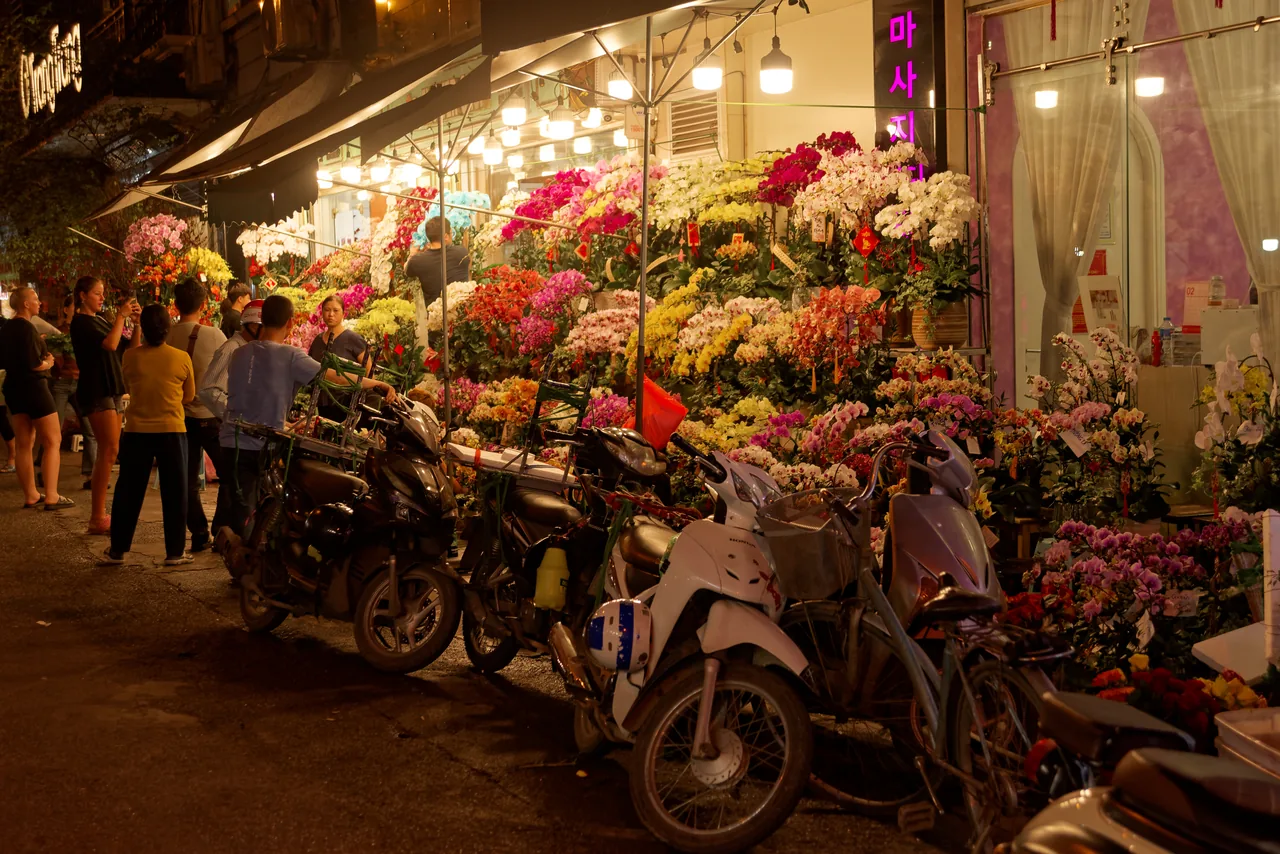
The thousand-year Old Quarter around Hoan Kiem LakeMap is the single most atmospheric urban patch in Vietnam, laced with the Temple of LiteratureMap, the Ho Chi Minh Mausoleum and egg-coffee cafes. Give it two full days, three if you want a slower pace. The honest downside is the traffic and the grey, 10-15 degrees C winters from November to February that catch people who packed for the tropics. See the full Hanoi guide for neighbourhoods and an itinerary.
Ha Long Bay and the quieter alternatives
Almost everyone does Ha Long as an overnight cruise out of Tuan Chau PortMap, and one night on the water is the right dose. For fewer boats, Lan Ha Bay and Cat Ba IslandMap cover the same limestone scenery with a fraction of the crowd, and Bai Tu Long is quieter still.
Ninh Binh
Ninh Binh is “Ha Long Bay on land,” a maze of limestone towers, flooded caves and rice paddies about 90 km south of the capital that you explore from a rowing boat. It is the north’s biggest recent breakout on two triggers: UNESCO inscribed the Trang An complex in 2014 as Southeast Asia’s first mixed cultural-and-natural World Heritage site, and Kong: Skull Island filmed here in 2017, which put the karst on every backpacker and photographer’s map. Boat operators still brand their trips “Kong Skull Island,” and this is now a permanent fixture rather than a passing fad.
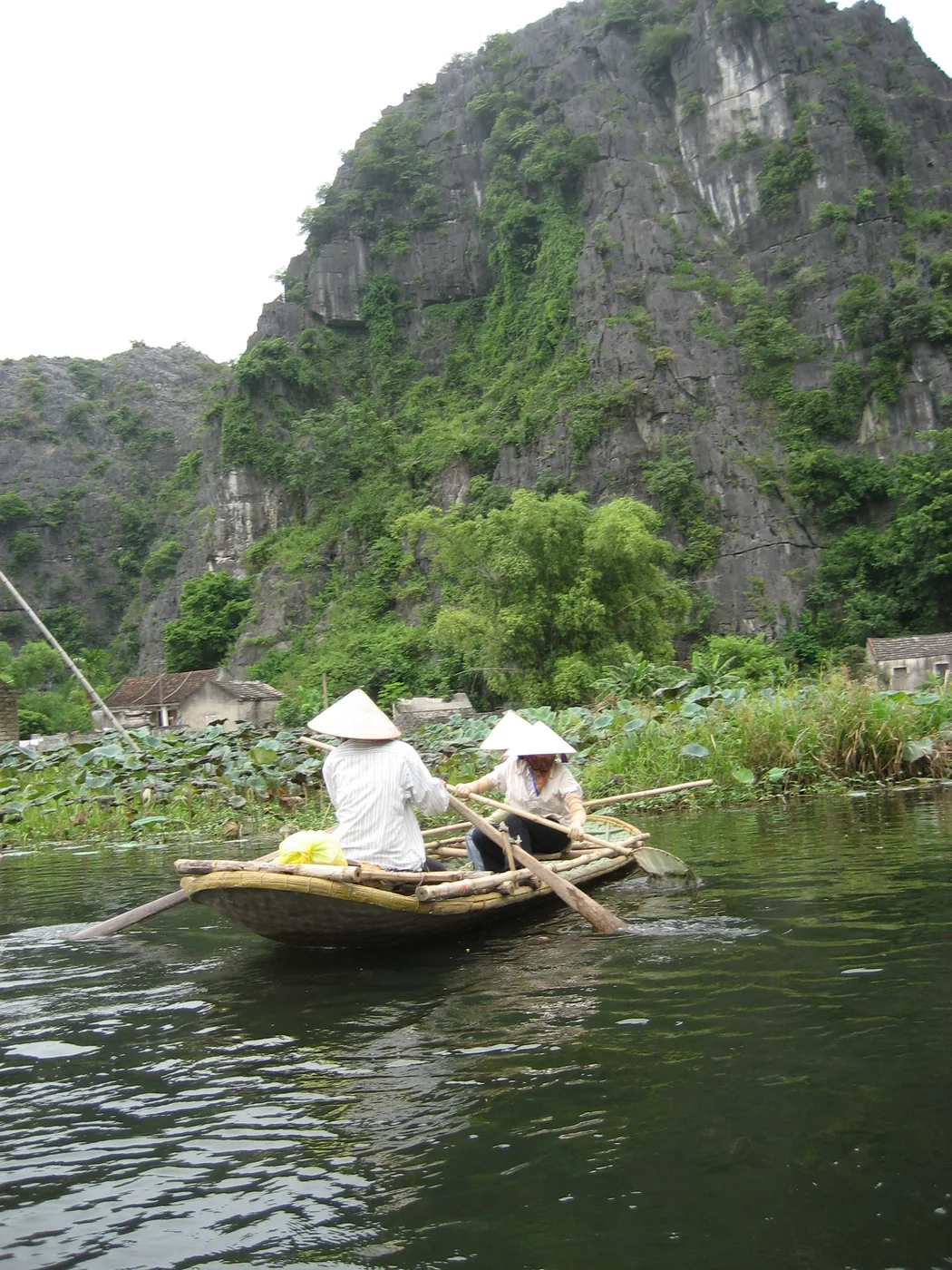
The single most useful thing to get right is which sight is which, because they are not interchangeable. The short version: if you dislike hawking, take Trang An rather than Tam Coc for your one boat trip.
| Sight | What it is | The catch |
|---|---|---|
| Trang AnMap | The UNESCO route: longer, quieter, multiple cave tunnels and hillside temples, government-run rowers | Little to fault; almost no hawking, so the better first boat trip. |
| Tam Coc | The famous golden rice-paddy scenery, on a shorter route | More touristy; rowers and vendors push snacks and tips at the turnaround. |
| Mua CaveMap | A roughly 500-step climb to the “dragon” ridge, the panoramic viewpoint over the Tam Coc river bend | Not a boat trip but a short, steep stair climb. |
| Hoa Lu | Vietnam’s 10th-century ancient capital, low-key temples of the Dinh and early Le dynasties | Historical rather than scenic, and quick to see. |
| Bai Dinh | An enormous modern pagoda complex, grand in sheer scale | New-built, not the ancient karst; the huge grounds need a shuttle buggy. |
Getting here takes about 1h30 to 2h from Hanoi by limousine van, private car or train, so a day trip covering two or three sights genuinely works. Even so, one overnight is the honest sweet spot: it lets you pair Trang An, Mua Cave and Hoa Lu without rushing and reach the rivers before the day-tripper crush. Expect soft, low-cost boat and entry fees at each site, plus a small customary tip for the rower.
Come November to April for cool, dry climbing weather. The paddies below Mua Cave only turn gold for short windows, roughly late May into early June and again from late September into early October.
Sapa and the Ha Giang Loop
Sapa (now in Lao Cai province) is about the valleys and the Black Hmong and Red Dao villages, not the town itself, which has over-built into a permanent construction site. The terraces are green roughly June to September and gold for a short window from late September into early October, and winters can frost. Reach it by night train or bus to Lao Cai, then about 45 minutes up the mountain.
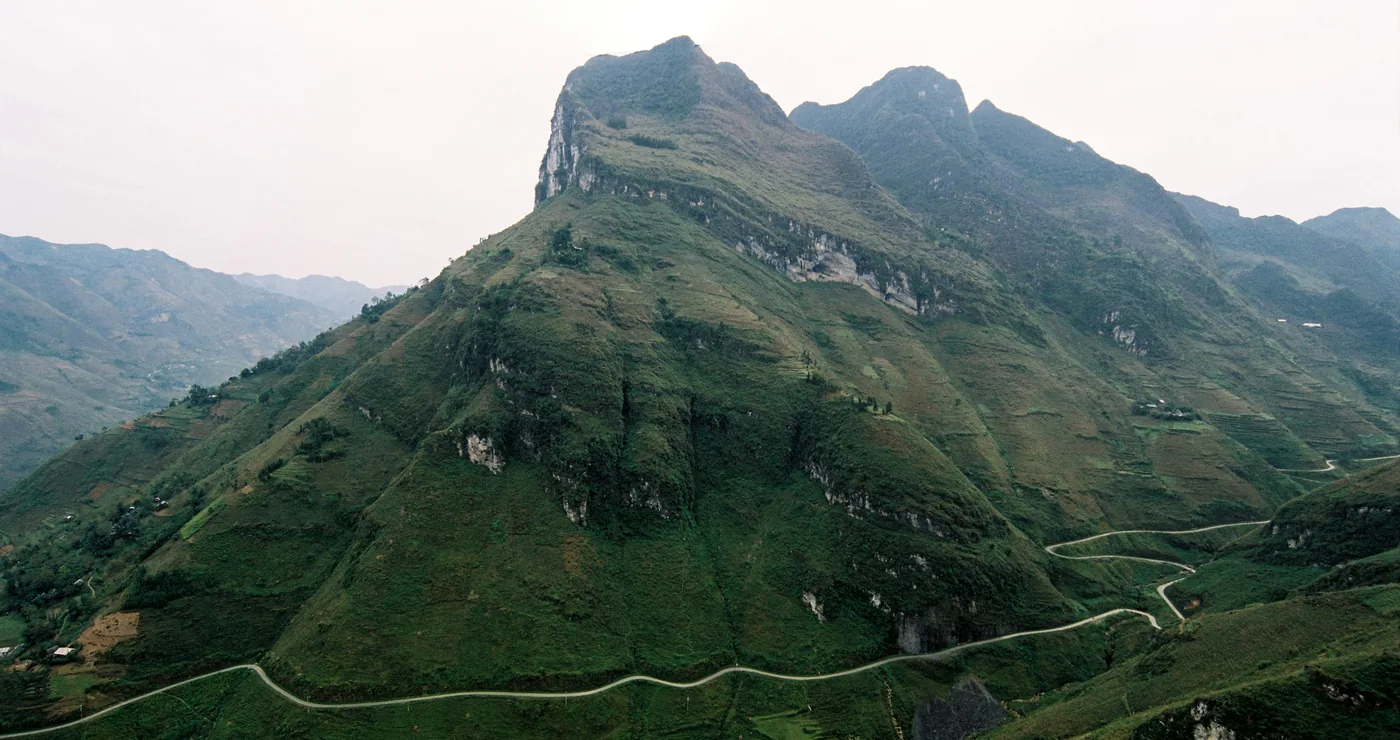
The Ha Giang Loop (now in Tuyen Quang province) is Vietnam’s most dramatic mountain circuit, built around the Ma Pi Leng PassMap and the Dong Van karst plateau, and it needs three to four days. Most foreigners ride pillion behind an “easy rider” driver rather than self-ride, which is the sensible call given the insurance trap on renting your own bike, and a frontier permit is required, so verify current rules before you go. Mai Chau, a gentle Thai stilt-house valley about three hours out, is the low-effort alternative for anyone who wants terraces without the epic.
12. The Centre, place by place
Central Vietnam is the easiest first trip: one short coastline strings together a beach city, a lantern-lit trading port, an imperial capital and a Cham temple ruin, most of it within a couple of hours of Da Nang airport. See the full central Vietnam guide for how to stitch it together.
| Place | What it is | Give it | Best months |
|---|---|---|---|
| Da Nang | Beach city and regional base | 2-3 days | Feb-May |
| Hoi An | UNESCO lantern town | 2 days | Feb-Apr |
| Hue | Nguyen imperial capital | 2 days | Feb-Apr |
| Phong Nha | World-class cave country | 2-3 days | Feb-Aug |
| My Son | Cham Hindu temple ruins | half day | Feb-Apr |
| Ba Na Hills | Cable-car theme park | full day | Feb-May |
| Quy Nhon | Domestic-tourist coast | 2-3 days | Feb-Mar, Jun-Aug |
Da Nang
Da Nang is the region’s base camp: long beaches at My KheMap, the Marble MountainsMap, the Son Tra peninsula with its 67-metre Lady Buddha, and the Dragon Bridge fire-and-water show on weekend nights at 9pm (free). The honest frame is that Da Nang is pleasant infrastructure rather than atmosphere; the real attractions (Hoi An, My Son, Ba Na) are all elsewhere. See the full Da Nang guide.

Hoi An
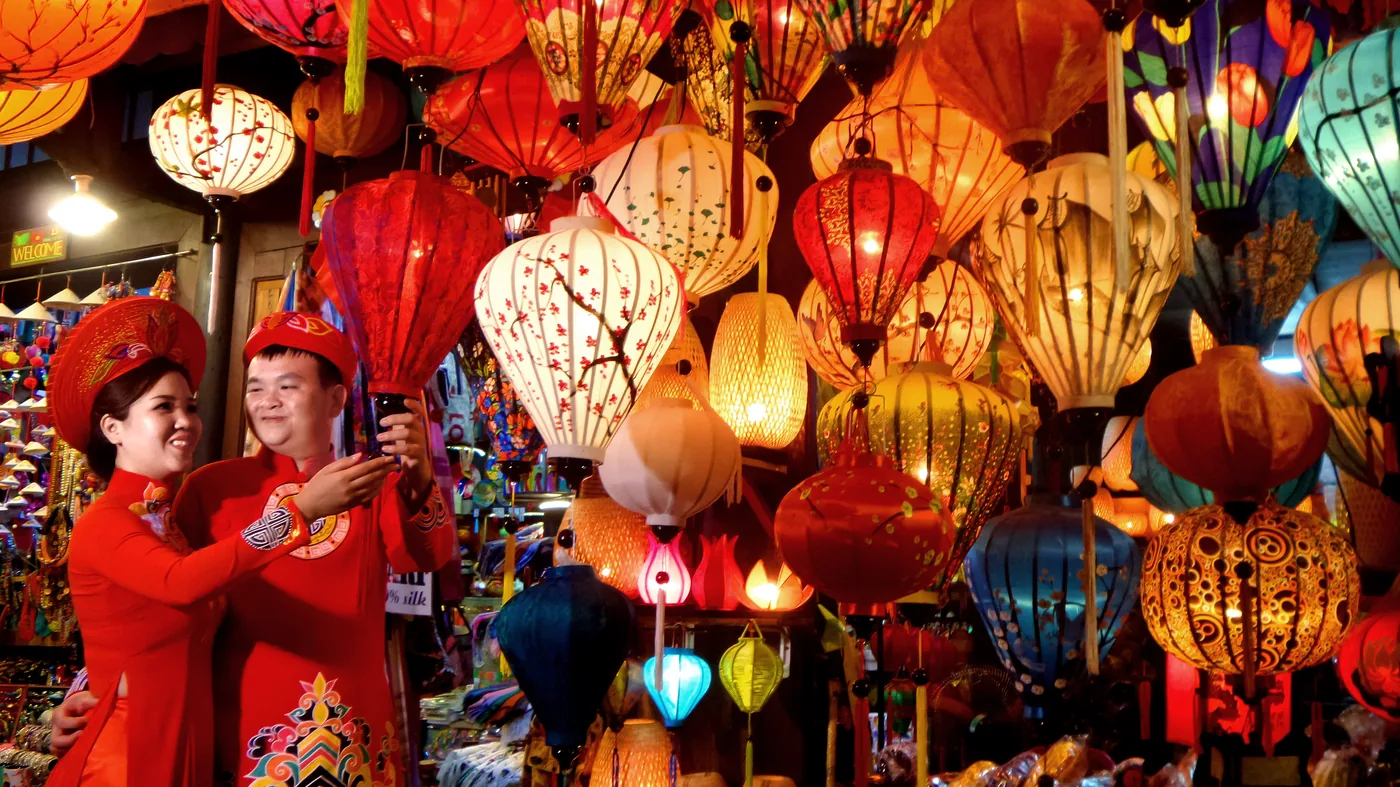
The UNESCO old town, 30 km south of Da Nang and now administratively part of Da Nang City, is Vietnam’s prettiest evening: the Japanese Covered BridgeMap, Tan Ky House, the Fujian Assembly Hall and lantern boats on the Thu Bon. The 120,000d international ticket covers five of the 22 heritage sites and is not needed just to walk the streets. The honest downside is authenticity: the 2024 restoration of the Japanese Bridge drew backlash for looking too new, and the city ordered it repainted to look older. More at the Hoi An guide.
Hue
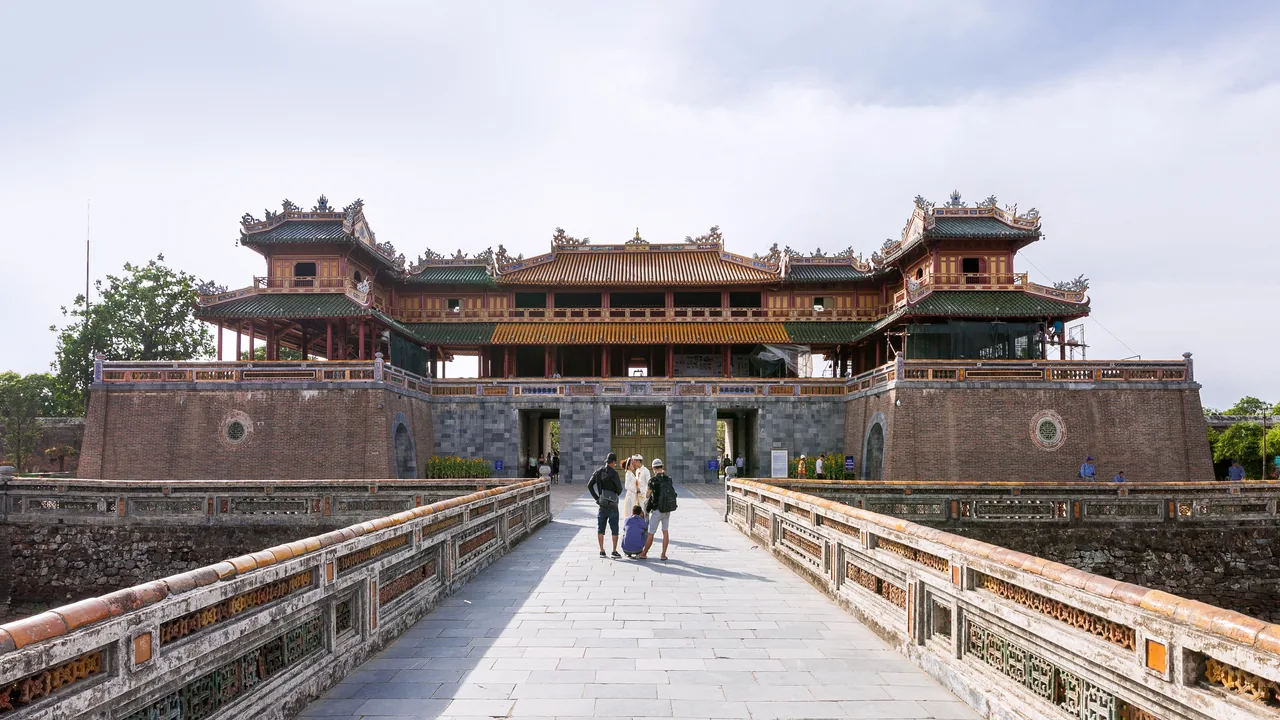
Hue was the Nguyen dynasty capital and holds Vietnam’s first UNESCO listing (1993): the walled Imperial CityMap at 200,000d, plus royal tombs (a combo with three tombs runs 530,000d). Be honest with yourself first: only about ten of the citadel’s 160-odd buildings survived the 1968 Battle of Hue, so without a guide or audio guide the 200,000d largely buys pretty, empty lawns between restored jewels. The most affecting stop is free: Thien Mu PagodaMap, which houses the blue Austin that drove Thich Quang Duc to his 1963 self-immolation. Skip the Perfume River dragon boat, which is a tourist trap best used only as transport. See the Hue day-trip guide.
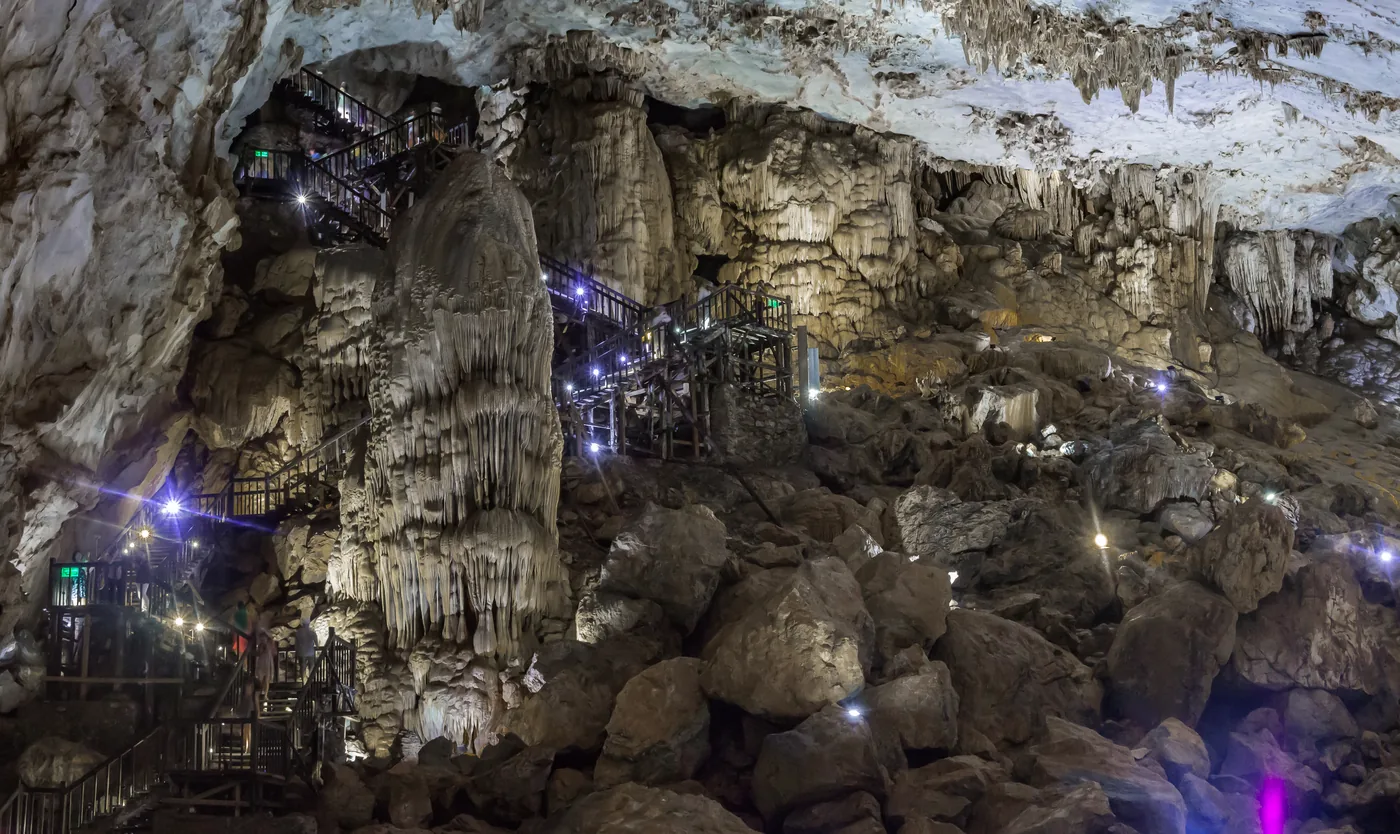
Phong Nha, My Son and the rest
Phong Nha (now in Quang Tri province) is the oldest major karst landscape in Asia and the country’s best cave country, tiered neatly by difficulty. Paradise Cave (250,000d) is an easy lit boardwalk; river caves close in flood season while dry caves stay open. The catch is distance: it is about seven hours overland from Da Nang, so it earns its own two or three days.
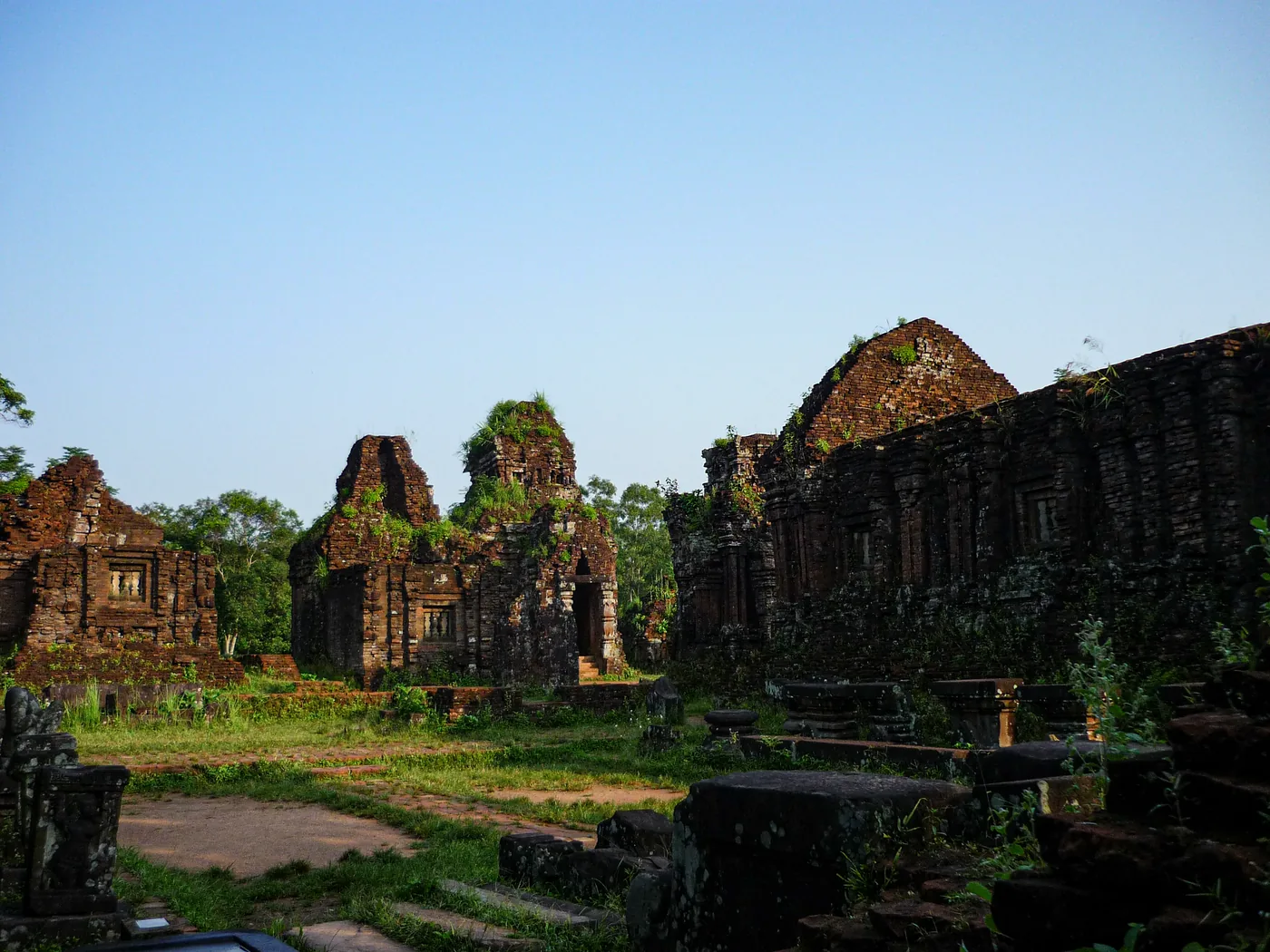
My Son (also now in Da Nang City) is a Cham Hindu temple complex and the one Cham site to prioritise, best at dawn before the unshaded brick turns brutal and the Hoi An tour buses arrive. Manage expectations: US carpet-bombing in 1969 destroyed more than two-thirds of the site, including the great A1 tower, so this is a modest cluster of survivors, not Angkor.
Two more decisions. The Hai Van PassMap is the rare “not overrated” case: the 2005 tunnel took the traffic and left riders a quiet, scenic 30 km coast road (mist is the only real risk). And Ba Na HillsMap with its Golden Bridge is a tacky, crowded, expensive theme park wrapped around a world-class cable car; from 1 January 2026 each ticket (1,000,000d adult) is valid for up to three days, so go after 3pm when crowds thin. Quy Nhon (now Gia Lai province) is worth it for repeat visitors and rail travellers, not first-timers on two weeks; its “undiscovered” label is a myth (12.4 million visitors in 2025, but only about 1% foreign, because its airport has no international flights).
13. The South, place by place
The south is Vietnam at full volume: a megacity, a cool-highland escape, a run of beach towns, the river labyrinth of the Mekong, and the country’s best all-round island. See the full southern Vietnam guide for the regional shape.
| Place | What it is | Give it | Best months |
|---|---|---|---|
| Ho Chi Minh City | Megacity, history, food | 2-3 days | Dec-Apr |
| Da Lat | Cool highland flower-and-coffee city | 2-3 days | Dec-Mar |
| Nha Trang | Big resort-and-theme-park beach city | 2-3 days | Feb-Aug |
| Mui Ne | Sand dunes, easy HCMC weekend | 1-2 days | Nov-Apr |
| Mekong Delta | Rivers, canals, dawn market | day, 1 night better | Dec-Apr |
| Phu Quoc | Best all-round island | 3-4 days | Nov-Apr |
| Con Dao | Remote prison-island escape | 2-3 days | Mar-Sep |
| Cu Chi Tunnels | War tunnel network | half day | year-round |
Ho Chi Minh City
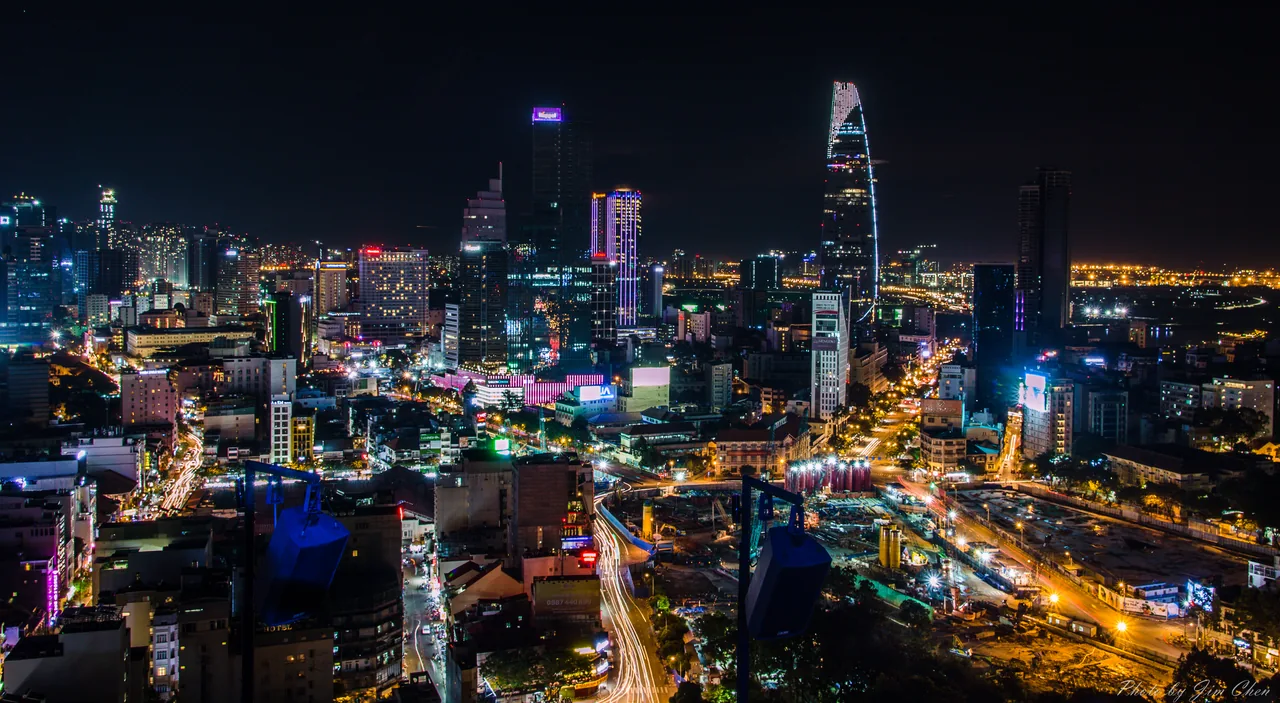
Saigon is the commercial engine and it never stops: Ben Thanh MarketMap, the sobering War Remnants MuseumMap, Reunification Palace, the Notre-Dame cathedral and Central Post Office, and rooftop bars stacked over the chaos. The new Metro Line 1 finally makes some of it walkable-plus, running from Ben Thanh to the Opera House and Thao Dien. The honest downside is that it is relentless and less immediately charming than Hanoi; come for energy, food and history rather than beauty. See the full Ho Chi Minh City guide.
Da Lat
Da Lat is the cool-climate escape, a French-founded hill station at about 1,500 m in the Central Highlands (now the capital of the merged Lam Dong province) where the “eternal spring” weather is the whole point: pine forests, flower farms and genuinely chilly nights instead of coastal heat. It is Vietnam’s number-one domestic honeymoon city and a fast-rising Korean favourite, and it has become the epicentre of the country’s Instagram-cafe scene, all valley-view terraces and forest-edge coffee. Give it two to three days.
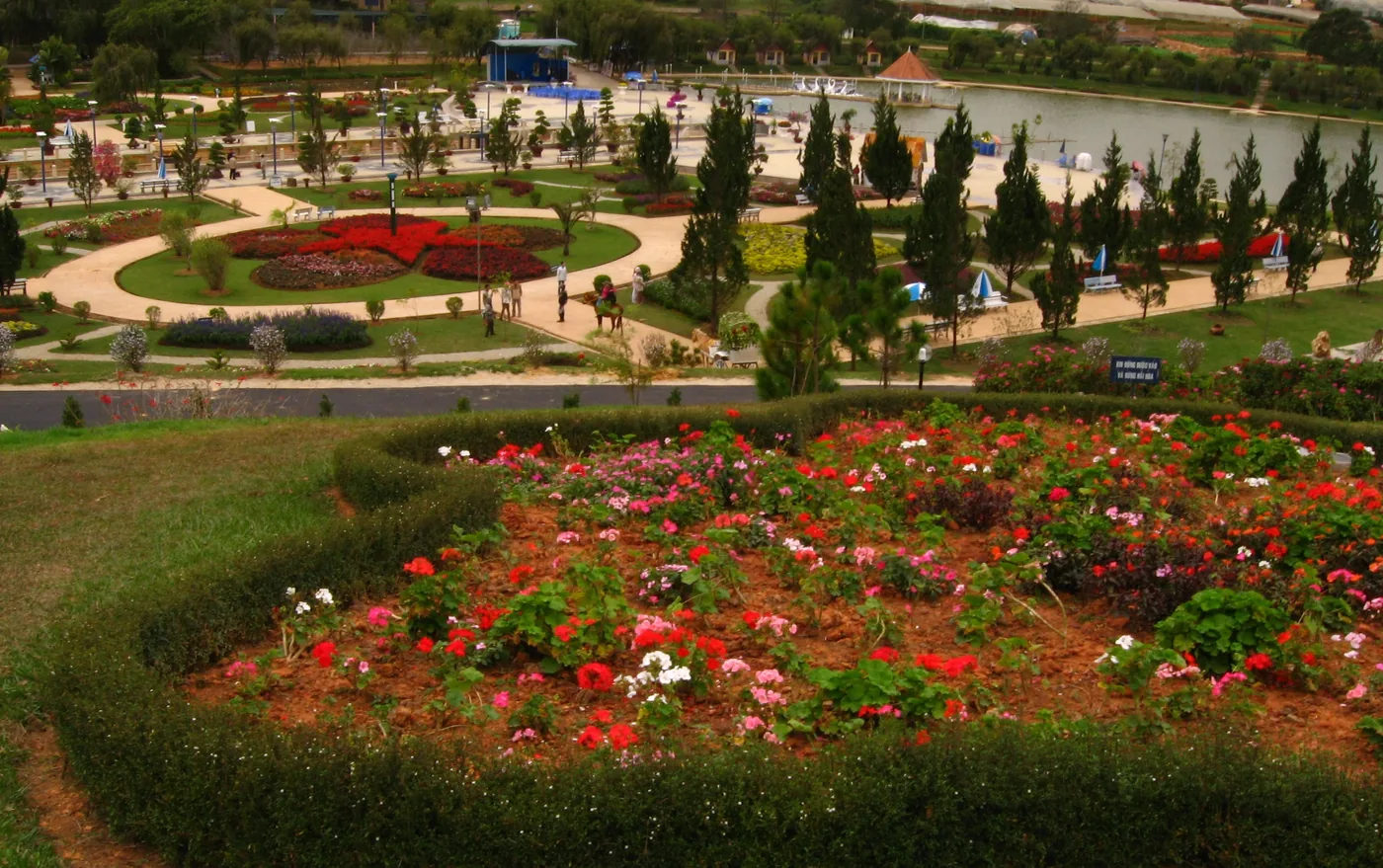
The in-town circuit covers Xuan Huong LakeMap, the surreal Crazy House (Hang Nga), the mosaic Linh Phuoc Pagoda out at Trai Mat and the heritage tourist train that chugs there through pine forest, plus the night market and the strawberry and coffee farms on the edge of town. Further out lie the Datanla, Elephant and Pongour waterfalls. Canyoning down the Datanla cascade is the top adrenaline draw, but book only a licensed operator: three tourists died here in 2016 on an unlicensed tour, and the activity is now heavily regulated with certified guides.
Nha Trang
Nha Trang is Vietnam’s most developed mainstream beach city (now in the enlarged Khanh Hoa province), a long municipal beach backed by a high-rise resort strip. Get the current picture right, because older guides do not: it boomed before 2020 on Russian and Chinese charter flights, slumped badly from 2020 to 2022 when those markets vanished, and has rebuilt Korean-dominant, with Russian visitors surging back through 2025. In short it is busy again, not the quiet post-pandemic city some write-ups still describe.
By character this is a developed, package-friendly beach-and-theme-park break rather than a slow-travel slice of “authentic Vietnam.” The headline sights are VinWonders and the roughly 3.3 km Vinpearl sea cable car out to Hon Tre, the long central beach, the 7th-century Po Nagar Cham Towers, the Thap Ba mineral mud baths, and island-hopping boat trips, though the coral at Hon Mun has degraded. Note the seasons run opposite to the north: the dry, beach-friendly stretch is roughly January or February to August, with October and November the wettest. Fly into Cam Ranh (CXR), about 35 km south.
Mui Ne
Mui Ne is the sand-dune coast near Phan Thiet (now part of Lam Dong province), a resort strip fronting a shallow, windy bay. The draw is the scenery run: the pale White Sand Dunes and the smaller Red Sand DunesMap, the wadeable Fairy Stream, the coracle-dotted fishing harbour, the Ta Cu reclining Buddha reached by cable car, and the 9th-century Po Shanu Cham towers. Give it one to two days.

The reason Mui Ne is easy to reach for at all now is access: the Dau Giay to Phan Thiet expressway opened in 2023 and cut the drive from HCMC from about 5h to roughly 2.5-3h, turning it into a simple weekend. Be honest about the beach, though. The international kitesurfing scene that once defined the strip has faded with beach erosion and a shift in the market, even if schools still run through the November to April wind season, so come for the dunes and the weekend rather than a bucket-list beach.
Mekong Delta
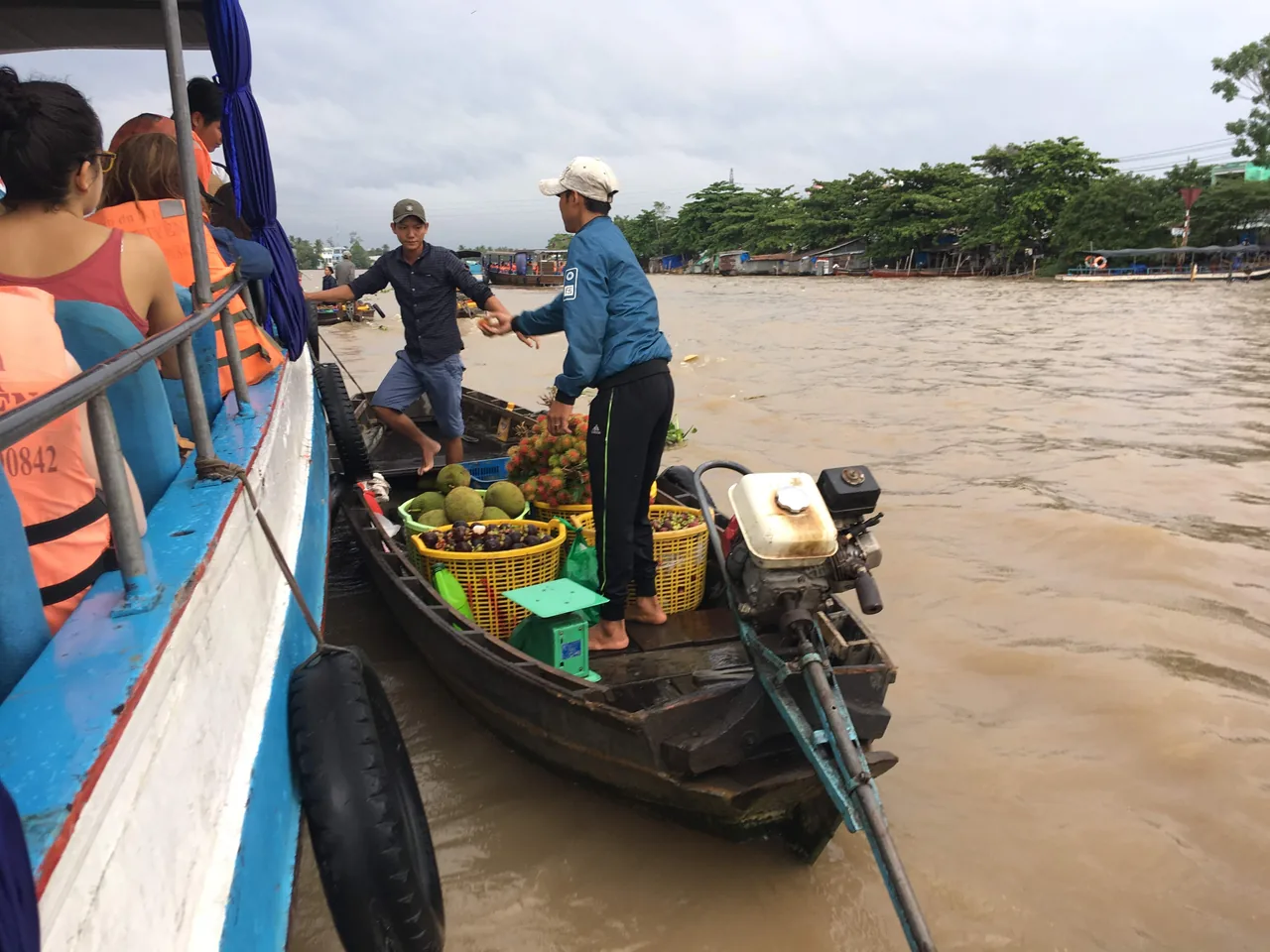
Be clear-eyed about which Mekong trip you are buying. The HCMC one-day tour is the weak, staged version: a coconut-candy workshop, a honey-tea stop, a few minutes of staged folk music and a rowboat down a palm canal, and crucially it does not include a real floating market, because Cai Rang runs at dawn about 3.5h away and no same-day tour can physically reach it. The substantive version is an overnight in Can Tho to catch the Cai Rang market at sunrise, though even that has thinned to a couple of hundred boats and reads now as a fading tradition. If you have the time, do the overnight; if you do not, take the day tour as pleasant scenery, not delta life.
Phu Quoc, Con Dao and the day trips
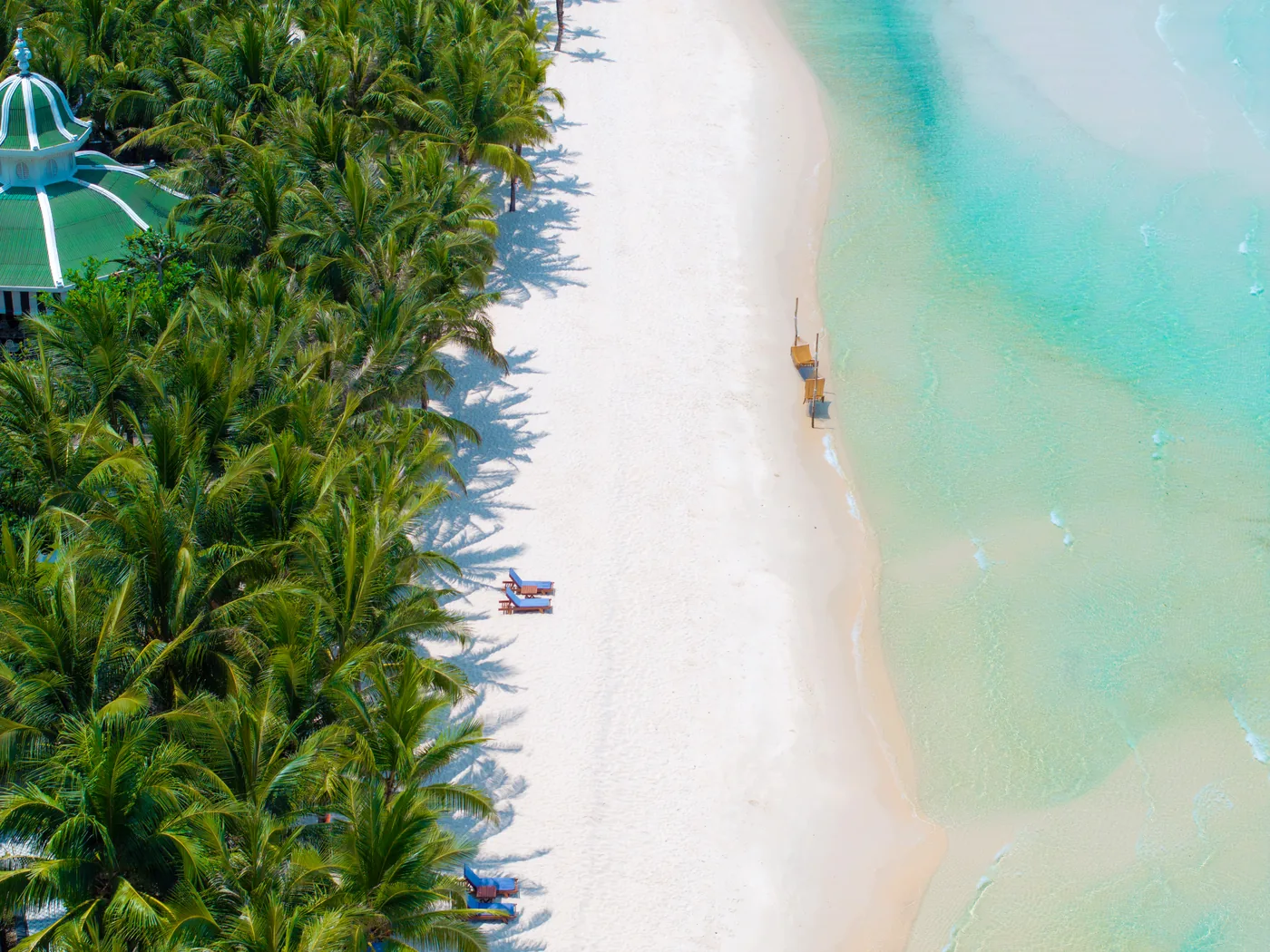
Phu Quoc (now a special zone under An Giang, not the defunct Kien Giang) has the best all-round island beaches and the world’s longest over-sea cable car to Hon Thom. The trade-off is speed of development: parts of the island are a construction site, so location choice matters. See the full Phu Quoc guide.
Con Dao (a special zone under HCMC) is the remote, low-key opposite: a former prison archipelago that is now a nature-and-history escape with sea-turtle nesting. Its seasonality is counterintuitive and worth getting right: the best window is March to September, because here the dry-season northeast monsoon (November to March) is the rough season, when seas run high, ferries cancel and dive centres close.
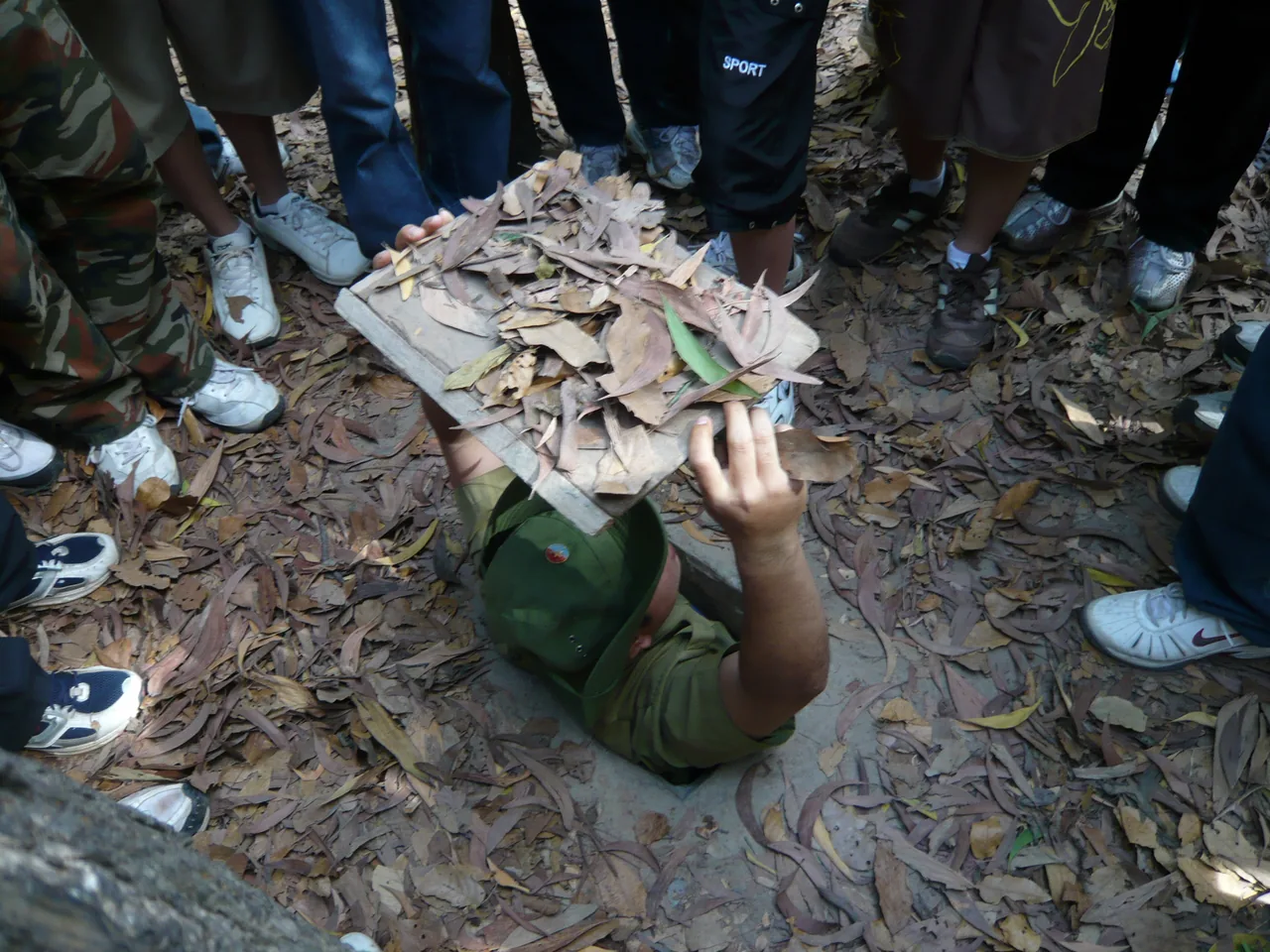
Two easy add-ons from Saigon. Vung Tau (now part of HCMC) is the nearest beach city, a simple weekend escape. The Cu Chi TunnelsMap are a half-day war-history trip into the Viet Cong network; it is touristy and tight, and firing-range gunfire carries across the site, but it lands hard all the same.
14. Beaches and islands: which one is yours
Vietnam’s coast is long enough that “the beaches” are really several different holidays. The decisive variables are the sea window (each stretch has a different good season) and how developed you want it. Match the mood, then match the month.
| Beach | Sea & scene | Best months | Development | Who it suits | Getting there |
|---|---|---|---|---|---|
| Phu Quoc | Calm, clear, all-round | Nov-Apr | Fast-growing resort | All-rounders, families | Fly (PQC) |
| Nha Trang | Bay swimming, diving | Feb-Aug | Heavily built resort | Resort + activities crowd | Fly (CXR) + ~35km |
| My Khe (Da Nang) | Long city beach, surf Sep-Dec | May-Aug | Urban, convenient | Base-camp beach days | 3km from DAD |
| Con Dao | Wild, pristine, turtles | Mar-Sep | Barely developed | Escape seekers | Fly (VCS) or ferry |
| Quy Nhon | Quiet coves, drier summers | Feb-Mar, Jun-Aug | Domestic, low foreign | Repeat visitors | Fly (UIH) or train |
| Mui Ne | Windy, dunes, kite | Dec-Apr | One tired strip | Dune / kite dabblers | ~4-5h from HCMC |
| Cat Ba / Lan Ha | Karst-bay swims | Apr-Oct | Town developed, bay quiet | Ha Long alternative | ~3h from Hanoi |
For a first island trip, Phu Quoc wins on sheer versatility and easy flights: calm, clear water, a real spread of hotels, and the world’s longest over-sea cable car if you want an outing. Con Dao is the reward pick for anyone who will trade convenience for near-empty sand and can time the March-to-September window.
A few honest distinctions between the mainland options. My Khe in Da Nang is the convenience beach, a long clean strip a taxi-hop from the city, but its cleaner swimming runs May to August and it picks up surf from September. Nha Trang is the built-up resort-and-diving city if you want activities on tap; Quy Nhon is the quieter, more Vietnamese coast whose summers (June to August) are actually drier than Da Nang’s.
- Want easy and all-round: Phu Quoc, or My Khe if you are already based in Da Nang.
- Want wild and empty: Con Dao, timed March to September.
- Want diving and nightlife: Nha Trang.
- Want a karst-bay swim near Hanoi: Lan Ha off Cat Ba, quieter than Ha Long proper.
One structural point: because central Vietnam’s rain peaks in October and the south’s dry season runs through winter, there is rarely a month when every beach in the country is good at once. Pick the coast first, then let it choose your dates.
15. Caves, karst and the great outdoors
Vietnam’s wild side splits into two headline acts: the cave country of Phong Nha and the mountain trekking of the far north. Both reward a little planning, and one of them (Son Doong) needs planning measured in years, not weeks.
The caves, by difficulty and price
Phong Nha (now Quang Tri province) is unusually well-tiered, so you can pick the cave that matches your legs and budget rather than being funnelled into one product.
| Cave | Effort | Rough price | Reality |
|---|---|---|---|
| Paradise (Thien Duong) | Easy | 250,000d | 1km lit boardwalk; a 1.6km uphill approach (buggy available) |
| Phong Nha Cave | Easy | Boat entry, per-boat charter | Solo travellers pay disproportionately; share a boat |
| Hang En | Moderate (Level 3) | ~US$333, 2D1N | The honest choice: same first-night trek as Son Doong, a fraction of the price |
| Son Doong | Hard (Level 6) | ~US$3,000 | Elite expedition, not a casual add-on |
Trekking, parks and karst
The north owns the trekking: the terraced valleys around SapaMap, the multi-day Ha Giang Loop, and FansipanMap, Indochina’s highest peak at 3,143 metres, reachable by cable car or a hard two-day climb. Most travellers ride the Ha Giang Loop pillion behind a local “easy rider” rather than self-driving, which sidesteps the insurance problem that comes with renting your own bike. Ninh Binh and Ha Long deliver the same limestone drama at ground and sea level for a fraction of the effort.
- Cat Ba National Park: forest trails and the quieter Lan Ha karst, an easy pairing with a Ha Long-alternative cruise.
- Con Dao: sea-turtle nesting peaks June to September; the reef is best March to June before the water clouds and the dive centres shut for the November-to-February monsoon.
- Cuc Phuong: Vietnam’s oldest national park, a primate rescue centre and old-growth forest, doable from Ninh Binh.
- Ba Be Lake: a freshwater lake and national park in the northern hills, a genuinely off-track add-on for slow travellers.
The through-line is that Vietnam’s best nature is rarely a quick stop. Cave treks, multi-day loops and turtle-nesting trips all reward committing a couple of days rather than trying to bolt them onto a city break.
16. History and heritage: what actually earns your time
Vietnam packs an unusual density of layered history: Cham Hindu kingdoms, a thousand-year Chinese and then imperial thread, French colonialism, and a war whose sites are still raw. As of 2025 it has nine UNESCO World Heritage sites, after Yen Tu was inscribed that year.
| UNESCO site | What it is | Where (new province) |
|---|---|---|
| Hue Monuments | Nguyen imperial capital (1993, the first) | Hue |
| Ha Long Bay | Karst seascape (natural) | Quang Ninh |
| Hoi An Ancient Town | Preserved trading port | Da Nang City |
| My Son Sanctuary | Cham Hindu temples | Da Nang City |
| Phong Nha-Ke Bang | Karst caves (transboundary with Laos, 2025) | Quang Tri |
| Imperial Citadel of Thang Long | Millennium of Hanoi power | Hanoi |
| Citadel of the Ho Dynasty | 14th-c. stone citadel | Thanh Hoa |
| Trang An | Karst + archaeology (mixed) | Ninh Binh |
| Yen Tu complex | Buddhist monastic landscape (2025) | Quang Ninh area |
The imperial and Cham thread
Two dynastic stories carry the country. My Son is the surviving heart of Champa, the Hindu kingdom that ruled the centre for over a millennium, while Hue is the last-act Nguyen capital and Thang Long in Hanoi is the northern seat that predates them both. Seen together they turn a scatter of ruins into a single, long argument about who ruled Vietnam and from where.
Precision helps here, because guides get it wrong: Hue became a centrally-run city on 1 January 2025 through a separate, earlier act, not the July 2025 province merger. Its Imperial City and My Son’s Cham towers are the two ends of Vietnam’s imperial story, and standing in both in one trip is one of the real rewards of the central route.
The French layer
Colonial-era architecture is the quiet third thread, and it is everywhere once you look. Hanoi’s Opera House and the tree-lined French Quarter, Saigon’s Central Post Office and Notre-Dame cathedral, and the villas and old rail station of Da Lat are all worth a slow half-day, and most of it is free to walk past.
War history, approached with care
The war sites are the ones visitors feel most and understand least, so give them context. The War Remnants Museum in Saigon is unflinching and one-sided by design; the Cu Chi Tunnels show the guerrilla reality; and the old DMZ around Quang Tri (the Vinh Moc tunnels, the Hien Luong bridge over the Ben Hai river) is where the country was physically split in two.
17. The experiences genuinely worth booking ahead
Most things in Vietnam you can arrange the day before. A short list genuinely cannot be, either because they sell out, jump in price, or run on a fixed daily cap. First, the honest part.
Booking ahead does not make a mediocre attraction good. Ba Na Hills is a crowded, expensive, faintly tacky theme park redeemed by a superb cable car, and the Mekong “floating markets” have shrunk so far that some tours sell a market that barely exists. Book these for the logistics (a guaranteed slot, a skipped queue, a dawn start), not because the marketing promises magic.
| Experience | Why book ahead | Lead time |
|---|---|---|
| Ha Long overnight cruise | Good boats sell out in season; weather can suspend departures | 1-4 weeks |
| Ba Na Hills / Golden Bridge | Skip the ticket queue; the 72-hour ticket lets you go late for smaller crowds | Days |
| Mekong boat + Cai Rang market | Dawn slot and a private boat beat the packed day-tour barge | Days to a week |
| Phu Quoc Hon Thom cable car | Combo tickets and peak-season queues | Days |
| Son Doong expedition | Sole operator, ~1,000 places a year, sells out | Well over a year |
A little detail on why each one earns the reservation. Good Ha Long boats (the ones with fewer cabins and better safety records) genuinely fill in high season, and weather can cancel a departure, so a buffer day and a confirmed operator beat a walk-up deal. Ba Na’s cable-car ticket has, since 1 January 2026, been valid for up to three days, which means booking ahead lets you engineer a late-afternoon visit when roughly the worst of the crowds have gone.
The Mekong is the same logic in reverse: the reason to pre-book is the dawn start, since Cai Rang is a real market only around 5-6am and the standard day-tour barge arrives after the trade has wound down. Phu Quoc’s Hon Thom cable car and Son Doong sit at opposite ends of the effort scale, but both benefit from a slot locked in, the former to bundle the island’s parks and skip peak queues, the latter because roughly 1,000 places a year through one operator means the earliest realistic dates are well over a year out.
The pattern is simple: anything with a boat, a cap, or a peak-season crowd rewards a reservation, and everything else you can leave loose. If you want a guided cruise, cave trek or delta boat locked in before you land, a reputable tour marketplace is the low-friction way to compare operators, read recent reviews, and check cancellation terms in one place rather than trusting a street-side booking desk.
18. Getting to Vietnam: the five gateways
Vietnam has five international gateways, and which one you fly into shapes your whole route. There are no direct flights from most of Europe or North America, so plan on one stop through a Gulf, East Asian or Southeast Asian hub. Choose the airport that matches where your trip starts, not just the cheapest fare.
| Airport | Code | Good for | To centre |
|---|---|---|---|
| Noi Bai (Hanoi) | HAN | North: Hanoi, Ha Long, Sapa | ~28km; Grab ~250,000-350,000d, 35-60min |
| Tan Son Nhat (HCMC) | SGN | South: Saigon, Mekong, Phu Quoc hop | ~7km; 25-45min in traffic |
| Da Nang | DAD | Centre: Hoi An, Hue, beaches | ~3-5km; Grab ~60,000-120,000d, 10-17min |
| Cam Ranh (Nha Trang) | CXR | Nha Trang resort coast | ~35km; airport bus 18 |
| Phu Quoc | PQC | Island-only arrivals | ~10-15km; taxi ~180,000-220,000d + toll |
Da Nang is the standout for convenience, sitting just a few kilometres from the city and its beaches. Hanoi is the opposite: at roughly 28 km out, an airport car costs four to five times a Saigon run, which is the one trip where the airport bus saves the most in absolute terms.
Match the gateway to your route rather than the fare. Fly into DAD if you are doing the central classic (Hoi An, Hue, the beaches), HAN for the north, and SGN for the south and the Mekong. Cam Ranh and Phu Quoc are single-purpose: CXR only makes sense if Nha Trang is your destination, and it is a solid 35 km from the resort strip, while PQC exists for island-only arrivals.
Open-jaw and the new Saigon airport
For a north-to-south trip, book an open-jaw ticket (into Hanoi, out of Saigon). It usually costs the same as a return and saves you a full day of backtracking. As for the long-promised Long Thanh airport southeast of Saigon, it is not open as of mid-2026, with a December 2026 target that is a goal rather than a certainty; until then, every HCMC booking flies SGN, full stop.
Two quick updates worth knowing: Noi Bai’s Terminal 2 finished a capacity expansion at the end of 2025, and once Long Thanh does open it will sit about 40 km from the current airport, so from that point on you will need to check the airport code on your ticket, not just the city.
19. International flights: getting the fare right
🚆 Getting between Vietnamese cities: trains, buses, flights and ferries compared →
Before any booking tactic, the honest limitation: long-haul fares to Vietnam swing hard by season and by day, no single search site always wins, and the headline “cheap” fares often hide the extras. Treat the number you first see as a starting point, not the price.
Vietnam Airlines (full service, with a checked bag included) and Vietjet (a budget carrier whose base fare includes no checked bag and which enforces cabin-weight limits strictly) fly the trunk routes; from the West you will usually connect on a Gulf or Asian hub carrier. Add a bag to any Vietjet teaser fare before you compare it with a full-service ticket, or you are comparing different things.
| Fare peak | Dates | What happens |
|---|---|---|
| Tet (Lunar New Year) | ~3-11 Feb 2027 (New Year 6 Feb) | Highest peak; book months ahead, many shops shut |
| Reunification + Labour Day | 30 Apr – 1 May | Huge domestic surge; internal legs spike |
| National Day | 2 Sep | Domestic travel bump |
| Christmas / New Year | 24 Dec – 1 Jan | Prices up ~15-30% at popular spots |
| Summer | Jun – Aug | Second peak, driven by domestic holidays |
A word on the domestic legs, because they hide inside the “international” budget. If your trip involves an internal flight (say Hanoi to Da Nang, or a hop to Phu Quoc), the same peak dates hammer those fares too, and around Tet the usual economy fare caps are exceeded in practice. Book internal flights in the same sitting as the long-haul rather than assuming they will be cheap later.
For a long-haul ticket the sensible window is usually a couple of months ahead for regional connections and longer for the Tet and summer peaks. A flight metasearch is the fastest way to see who actually flies your route on your dates and to catch the swings, as long as you re-price the checked bag and the open-jaw option yourself rather than trusting the headline number.
20. Getting around: flights, the train, and the two-wheel reality
Vietnam is long and thin, so your real enemy is distance, not choice. For the big north–south hops you fly; for scenery and a genuine slow-travel leg you take the train; for city hops you open an app. Overland by road is the slowest option and the one most people overestimate.
Domestic flights do the heavy lifting. Vietjet has the widest network and the cheapest headline fares, but its base fare includes zero checked baggage and it weighs carry-ons at the gate. Vietnam Airlines costs a little more and includes 23 kg, which often makes it the better real-world price once you add a bag.
| Route | Air time | One-way fare band |
|---|---|---|
| Hanoi ↔ HCMC | ~2h05–2h15 | ~$30–145 (bag not always included) |
| Hanoi ↔ Da Nang | ~1h15–1h25 | ~$23–56 |
| HCMC ↔ Da Nang | ~1h15–1h20 | comparable to Hanoi–Da Nang |
| HCMC ↔ Phu Quoc | ~1h00–1h05 | ~$30–48 |
Those low anchors are teaser fares: one seat, off-peak, no bag. Book flights over Tet in the September–October early-bird window, because fares around the Lunar New Year blow straight through the regulated cap in practice.
The Reunification Express
The old metre-gauge line down the coast is one of the best-value experiences in the country, not just a way to move. Skip the “luxury” private carriages (Livitrans, Violette and the rest), they are mostly the same state rolling stock with different blankets at roughly double the price.
- Soft seat, air-conditioned, fine for short daytime hops.
- Hard sleeper (6-berth), cheapest lie-down, roughly 60–70% of a soft-sleeper fare.
- Soft sleeper (4-berth), the comfortable standard; lower berths cost more, upper berths sleep quieter at night.
- VIP 2-berth, only a handful of cabins per train, about double a soft sleeper.
The single most valuable train fact, and the one most blogs get backwards: on the Hue → Da Nang leg over the Hai Van PassMap, the sea views are on the LEFT. Going the other way, Da Nang → Hue, they are on the right. Da Nang is a reversal point, so don’t over-plan a seat number, just walk to the sea side once the train is climbing.
The Hue–Da Nang run is only ~2.5–3 hours and genuinely cheap (~$4–7 in a soft seat). Book longer journeys through Baolau, which takes foreign cards and shows a clear seat map; the official DSVN site has a long history of failing at checkout with overseas cards.
Buses and vans
For daytime legs under about 4–5 hours a limousine van (9–11 leather seats, hotel pickup) beats a sleeper; for overnight runs the sleeper wins. Two things blogs get wrong about sleepers: the berths are only ~1.70–1.80 m so anyone over ~180 cm is cramped, and most have no onboard toilet. Phuong Trang (Futa) is the reliable default in the south and centre.
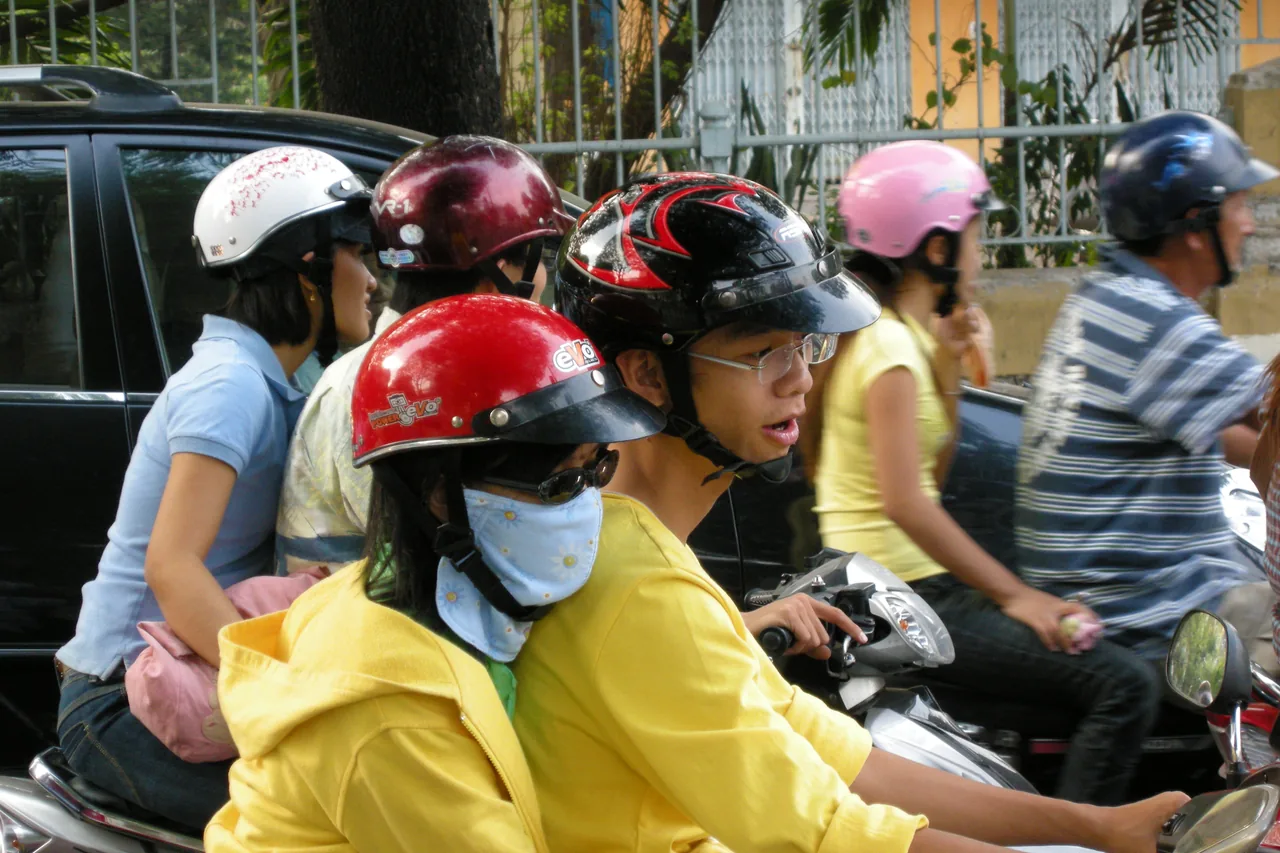
Ride-hailing and city transport
Put Grab and Green SM on your phone before you land. Green SM (the all-electric VinFast fleet, renamed in mid-April 2026) now leads the app-taxi car market, the first time Grab lost a Vietnam lead since 2014, while Grab still leads on motorbikes and Be is the strongest local challenger. Keep both: Green SM cars are newer and often cheaper, and a useful backup when Grab surges in rain.
A GrabBike is 40–60% cheaper than a GrabCar on the same route; the choice is really about heat, rain and luggage, not money. Fares roughly double in heavy rain. Read the app’s guide to Grab and Green SM before your first ride so the fake-app touts at the airport get nowhere.
Metros: HCMC’s Line 1 (open December 2024) is genuinely useful, it links Ben Thanh, the Opera House, Thao Dien and Suoi Tien, with a 40,000₫ day pass. Hanoi’s two metro lines don’t reach the Old Quarter or Hoan Kiem, so for tourists they’re mostly irrelevant for now.
For a multi-stop day or a group, a private car with driver (~$50–150/day, fuel included) is the sane luxury. The North–South high-speed rail you may read about is real but under construction, it will not carry a single tourist for well over a decade, so today still means flights plus the existing ~30–34-hour Reunification Express.
21. Visas, the e-visa and the arrival card, sorted
🚫 What is illegal in Vietnam: vapes, fines and what customs takes →
Whether you need to do anything before you fly comes down to your passport, so start there. Vietnam waives visas for citizens of 24 countries for up to 45 days, and that list is where a Western group splits in two.
| Your passport | What you need |
|---|---|
| UK, Germany, France, Italy, Spain + most EU/Nordic states | 45 days visa-free, nothing to apply for |
| USA, Canada, Australia, Ireland | E-visa required (up to 90 days) |
| New Zealand, India, China, Taiwan, HK | E-visa required |
So a British traveller lands with just a passport, while an American, Canadian, Australian or Irish traveller must arrange an e-visa first. Check your exact case, because the 45-day list is specific, it is not “all of Europe,” and it is not the whole ASEAN bloc either.
The e-visa, step by step
It’s straightforward and cheap if you use the real site. The only official portal is evisa.gov.vn, anyone charging more than the government fee is a middleman.
- Go to evisa.gov.vn and start a new application.
- Upload a passport bio-page scan and a plain-background portrait photo (no glasses, no smile, no tilt, photo defects are the top rejection cause).
- Choose single entry (USD 25) or multiple entry (USD 50), up to 90 days.
- Pay by card. The fee is not refunded if you’re refused.
- Official processing is 3 working days, but apply 1–2 weeks ahead to be safe.
- Download and PRINT the approved PDF and carry the paper to the airport.
The digital arrival card
Since 2026 Vietnam has rolled out a free online arrival declaration at its main airports (Tan Son Nhat, Noi Bai, Da Nang, Cam Ranh and Phu Quoc so far, not nationwide, and not at land borders yet). Sources genuinely disagree on whether it’s mandatory, and nobody documents a penalty for skipping it. The sane move: fill it in anyway.
Don’t confuse three separate things the internet keeps merging: the e-visa (an actual visa), the arrival card (a declaration), and a dormant health-declaration rule that can be switched on during an outbreak but requires nothing from you right now.
The details that trip people up
- Passport validity: at least 6 months beyond your entry date, with a couple of blank pages.
- Cash: declare only if you’re carrying over USD 5,000 (or the VND equivalent). There’s no limit on the amount itself.
- Overstay: fines rose sharply in December 2025 (max around VND 40 million) and 16+ days can now trigger deportation. Don’t chance it.
- Phu Quoc is widely reported to still allow 30-day visa-free entry for direct arrivals by air or sea, but it’s unconfirmed against any 2026 official source, never book a non-refundable trip relying on it without checking with your airline first.
22. Where to base yourself in each city
Vietnam has everything from $5 hostel pods to $500 beachfront suites, and the country’s quirk is where the value sits. Hanoi and HCMC are cheapest for budget beds thanks to dense hostel competition; Da Nang and Phu Quoc are cheapest for luxury, resort-grade beachfront at prices that would buy a mid-range city room in Europe.
The accommodation types are what you’d expect, with one local strength: the family-run mini-hotel and boutique guesthouse. For $20–40 you often get a spotless room, a warm host who arranges tours and airport pickups, and a home-cooked breakfast, frequently better value than a chain twice the price. Hostels here are excellent and social; resorts cluster on the coast.
| Tier | Per night | What you get |
|---|---|---|
| Hostel dorm | $3–15 | Bunk, A/C, wifi; best-in-class from ~$15 |
| Budget hotel / guesthouse | $10–20 | Private room, A/C, hot water |
| 3–4 star | $25–100 | Pool, breakfast, central location |
| 5-star resort | $100–150 entry; $400–600 iconic | Beachfront, spa; Phu Quoc’s 4-star average is ~$41 |
The neighbourhood you pick matters more than the star rating, and almost every city has a lively-but-loud option versus a calmer-but-further one. Here’s the honest trade-off per city.
| City | Central & lively | Calmer alternative |
|---|---|---|
| Hanoi | Old Quarter, walkable, atmospheric, in the thick of it | West Lake (Tay Ho), leafy, spacious, quieter, a taxi from the sights |
| Da Nang / Hoi An | Da Nang My Khe beachfront or Hoi An old town | Hoi An riverside/An Bang, greener, needs a bike or taxi to town |
| HCMC | District 1, everything on your doorstep | District 3, local, tree-lined, cheaper, short hop to D1 |
| Phu Quoc | Duong Dong / Long Beach, restaurants, sunset bars | Quieter northern/southern resort strips, beautiful but isolated |
Book ahead for the peak windows: December–February, July–August, and around Tet (roughly 3–11 February 2027), when good rooms in Hoi An, Sapa and the islands sell out and rates jump. Outside those, a few days’ notice is usually fine.
23. Money: cash, cards and the note that costs you 25×
Vietnam runs on cash for daily life and cards for hotels and bigger spends. The dong sits at roughly 26,000 to the US dollar and has barely moved in a year, so the mental shortcut is easy: drop three zeros and divide by 26 (100,000₫ ≈ $3.80; 500,000₫ ≈ $19).
Every workhorse note is polymer and they all carry the same portrait, so colour is useless as an identifier, count the zeros. One pairing does real damage.
ATMs: the two rules that save real money
Vietnamese ATMs charge foreign cards a fee and cap each withdrawal low, so the strategy is fewer, bigger pulls at the right bank.
| Bank | Foreign-card fee | Max per withdrawal |
|---|---|---|
| VPBank | Free | 10,000,000₫, the best combination in the country |
| Vietcombank | ~50,000₫ | 2–5,000,000₫ |
| Agribank | ~55,000₫ (raised in 2025) | 5,000,000₫ |
| TPBank | No longer free, now expensive | 5,000,000₫ |
Use VPBank and withdraw the maximum. On a flat ~50,000₫ fee, a 5-million pull costs about 1%, while a 1-million pull costs 5.5%. And ignore the old advice: TPBank stopped being fee-free in mid-2025, so any guide still recommending it is out of date. Your home bank’s own foreign-withdrawal fee stacks on top, too.
Cards, cash and changing money
- Visa and Mastercard are the default in hotels, malls and mid-to-upscale restaurants. Amex is patchy; carry cash for markets, street food and small towns.
- Best exchange rates are at gold shops (Hanoi’s Ha Trung StreetMap is the classic strip); banks are fair but slower; the airport is worst, change only what you need to reach town.
- Bring crisp, unmarked USD hundreds, creased or stained bills get a worse rate or get refused.
- Skip the mobile wallets (MoMo, ZaloPay). Their 2026 KYC rules effectively need a Vietnamese ID and bank account.
One legal point worth knowing: paying in US dollars inside Vietnam is technically illegal, and even where a hotel accepts them, the exchange rate they apply is bad. Pay in dong, always, the same goes for tips. The full picture is in the Vietnam money guide.
24. The food: honestly, the main reason to come
Vietnamese food changes as you travel, and knowing the pattern turns every menu into a map. The north is subtle and broth-forward, the centre is bold, spicy and shaped by Hue’s royal kitchens, and the south is sweeter and drowning in fresh herbs.
| Region | Character | Order this |
|---|---|---|
| North | Subtle, less sweet, clear broths | Phở bò, bún chả, bánh cuốn |
| Centre | Bold, spicy, royal complexity | Bún bò Huế, mì Quảng, cao lầu |
| South | Sweeter, tropical, herb-heavy | Cơm tấm, bánh xèo, hủ tiếu |
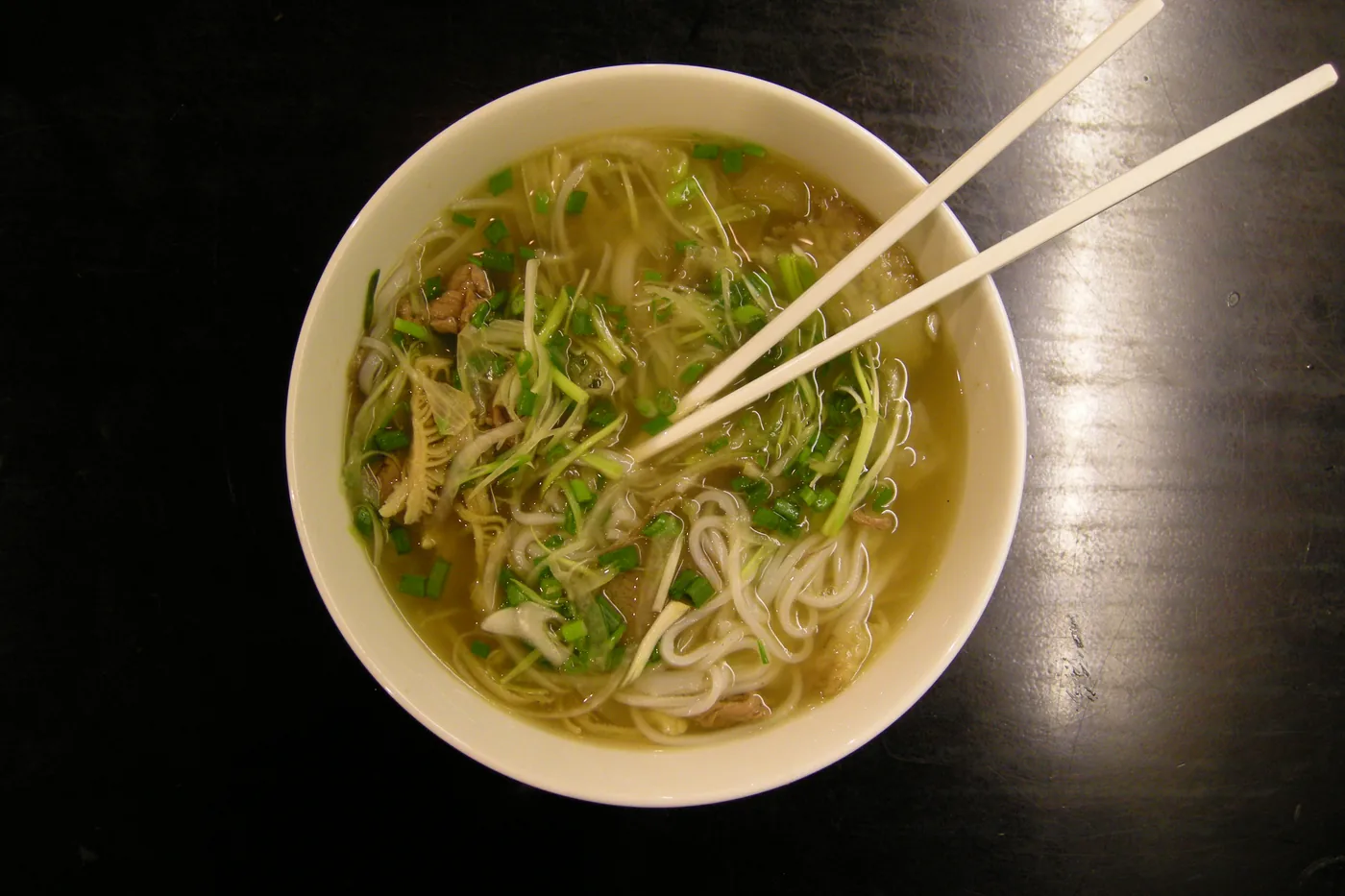
Here’s a working shortlist with real names, what’s actually in them, and street prices so you know when you’re being overcharged.
| Dish | What’s in it | Price |
|---|---|---|
| Phở bò | Rice noodles, slow beef broth, star anise; northern versions come plainer | 40,000–70,000₫ |
| Bún chả | Grilled pork patties in sweet-sour fish-sauce broth, cold vermicelli, herbs | 40,000–60,000₫ |
| Bún bò Huế | Lemongrass-chili-shrimp-paste beef soup, thick round noodles | 40,000–60,000₫ |
| Mì Quảng | Turmeric noodles, little intense broth, pork, shrimp, peanuts, cracker, you toss it | 30,000–50,000₫ |
| Cao lầu | Hoi An only: thick chewy noodles, pork, greens, croutons | 35,000–50,000₫ |
| Cơm tấm | Grilled pork chop over broken rice, pickles, fried egg, fish sauce | 40,000–60,000₫ |
| Bánh mì | Baguette with pâté, cold cuts or grilled meat, pickled veg, chili | 20,000–40,000₫ |
Coffee is its own event
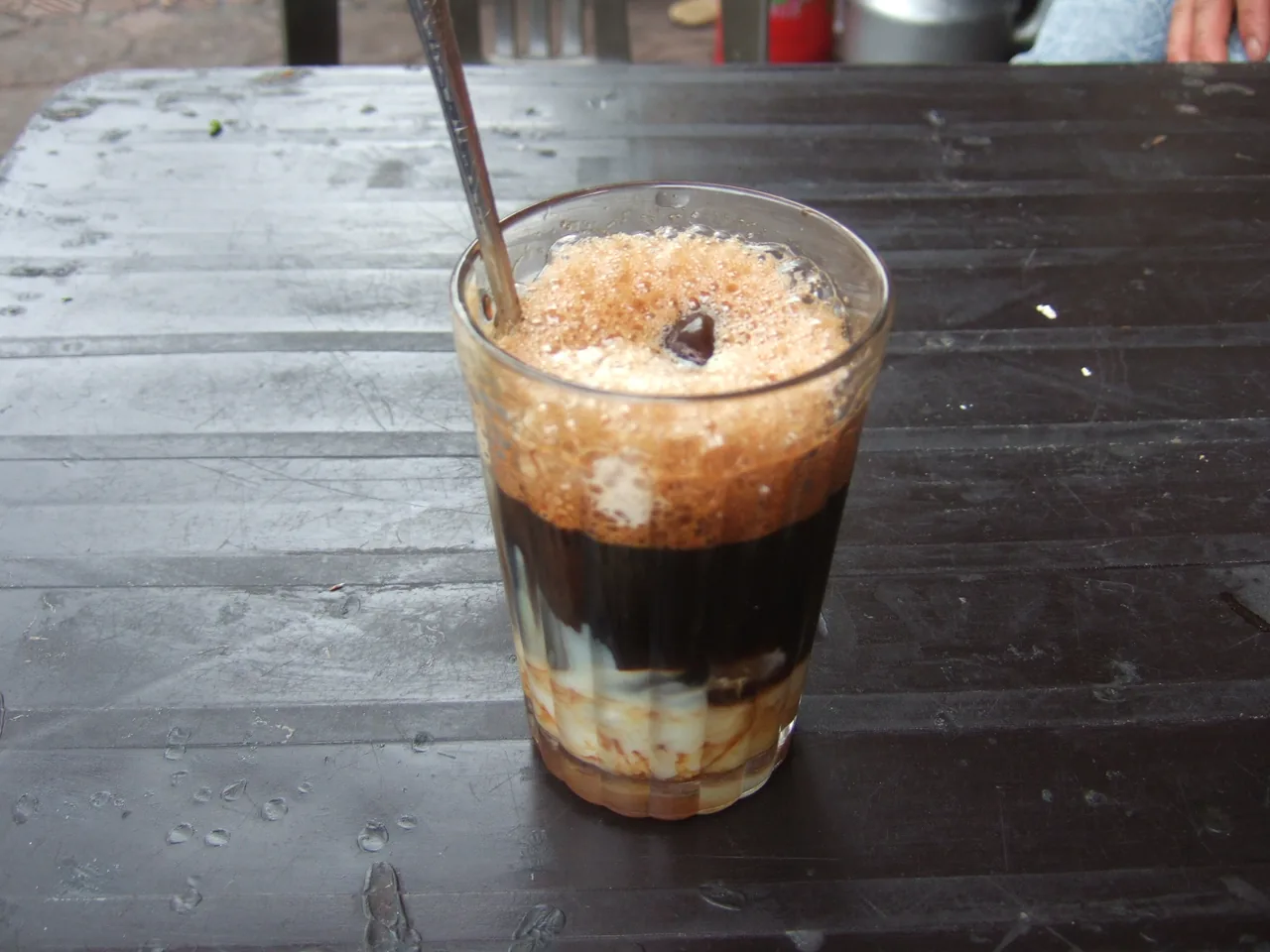
Vietnam is the world’s #2 coffee producer, and it grows strong, bitter robusta, which is exactly why the classic cup is small, intense and cut with condensed milk, dripped through a little metal phin filter. Start with cà phê sữa đá (iced), then branch out: bạc xỉu is milkier and gentler, Hanoi’s egg coffee is closer to warm tiramisu, and Hue’s salt coffee uses a lightly salted cream to tame the bitterness.
Eating well and eating safely
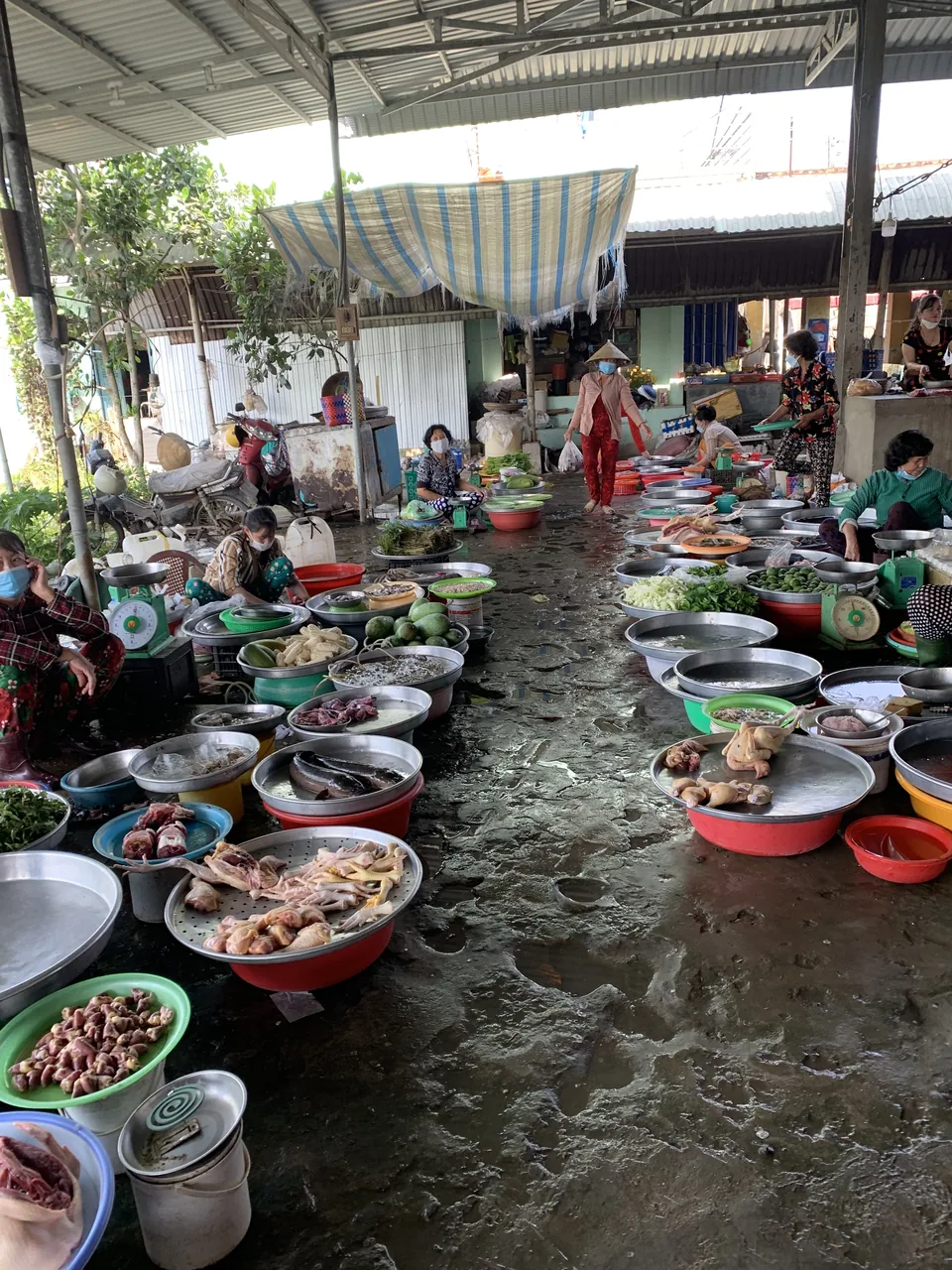
- Street-food rule: follow turnover. A busy stall with a fast-moving pot and a queue of locals means fresh food cooked hot to order; skip the empty stall at a busy hour.
- Vegetarian: say “tôi ăn chay”; look for a quán chay (veg restaurant). Note fish sauce and shrimp paste hide in many “vegetable” dishes, ask.
- Halal options cluster around the Cham Muslim community and central mosques in HCMC and Hanoi.
If you want a benchmark, the Michelin Guide now covers Hanoi, HCMC and Da Nang; the real traveller gold is the Bib Gourmand list, which includes genuine street stalls at street prices. Go deeper in the regional food guide.
25. Staying connected: eSIM, wifi and the apps to install first
You’ll want data the moment you land, for Grab, maps and translation, and the smoothest way to get it is a pre-installed eSIM you activate on the plane. No airport-counter queue, no haggling, and it’s usually cheaper than the SIM desks in arrivals. It’s live before you’ve cleared immigration.
Wifi, for what it’s worth, is excellent and free almost everywhere, hotels, cafés and restaurants nationwide, including smaller towns. But wifi doesn’t help you in a Grab or on a street corner, which is exactly when you need a map, so data is worth having regardless.
On plan size, don’t overthink it. A typical traveller burns most data on maps, ride-hailing and messaging, not streaming, so a modest allowance goes a long way. Coverage from the big networks (Viettel, Vinaphone, Mobifone) is strong in cities and along the coast, and only thins in remote mountains and on some islands.
Install these before you fly
| App | Why |
|---|---|
| Grab | Rides, food delivery; upfront prices defeat taxi scams |
| Green SM | All-electric taxi backup when Grab surges |
| Google Maps (+ offline areas) | Navigation; download city maps for offline use |
| Google Translate (+ Vietnamese offline) | Menus, pharmacies, the camera translation is a lifesaver |
| Arrival-card portal | File the free declaration in the 3 days before arrival |
Whichever you choose, sort it before departure so you’re not standing in an arrivals hall with a dead phone. The Vietnam eSIM guide walks through compatibility and which plan size fits your trip.
26. Staying safe: traffic, scams, health and emergencies
Here’s the honest headline: Vietnam is very safe from violent crime, it outranks South Korea on the Global Peace Index, and the real risks are the roads and petty scams, not assault. Reframe your worry away from personal danger and toward those two, and you’ve got the country’s risk profile right.
Traffic is the number-one physical risk
It isn’t close. Vietnam’s road-fatality rate is worse than the Asia-Pacific and Southeast Asian averages, over 90% of deaths involve motorbikes, and there are around 29 road deaths a day. Crossing a road here looks terrifying and works on one counterintuitive rule.
The scam field guide
| Scam | How it works | How to avoid it |
|---|---|---|
| Rigged taxi meter | Meter runs fast; worst near Noi Bai, 5–10× the real fare | Use Grab/Green SM; if a street taxi, only Mai Linh (green) or Vinasun (white) |
| Copycat taxi brands | “Mai Lin,” “Vinasum” mimic the real colours and names | Read the name letter by letter; better, just use an app |
| Shoe-shine grab | Starts polishing before you refuse, then demands a big fee | Firm “no,” keep walking; sandals defeat it entirely |
| Free-photo pole / fruit | Vendor hands you their basket for a photo, then charges 10× (2,000₫ doughnuts become 20,000–30,000₫) | Don’t accept anything “free”; agree a price first |
| Short-changing | Exploits the 20k/500k blue-note confusion | Count zeros not colours; say the amount out loud |
| Phone/bag snatching | Motorbike riders grab from behind at speed, esp. HCMC District 1 | Don’t walk phone-in-hand at the kerb; strap bags on the building side |
| QR-code fraud (new) | Fake QR stickers over real ones reroute your payment | Never scan a QR of unknown origin; verify the payee name |
Health, water and emergencies
- Water: don’t drink the tap water. Bottled is everywhere at ~8,000–15,000₫. For ice, the rule is simple, neat cylinders with a hole through the middle are factory ice (safe); irregular chipped ice is the one to skip.
- Mosquitoes: malaria is essentially zero risk on a standard tourist route, but dengue is real and rising, and its mosquito bites in the daytime, so daytime repellent matters. See a travel clinic 4–8 weeks before you go about routine vaccines plus hepatitis A and typhoid.
- Pharmacies are everywhere and will sell almost anything over the counter, but self-prescribing antibiotics is a bad idea. Use them for rehydration salts, painkillers and repellent; see a doctor for anything serious.
One more practical warning: international hospitals want insurance pre-authorisation or a $2,000–5,000 deposit before they admit you, and the uninsured pay upfront. Confirm before you fly whether your insurer direct-bills a named hospital where you’ll be. More detail in the scams and safety guide.
27. Etiquette, tipping and the practical A–Z
Vietnam is relaxed with visitors, and a little courtesy goes a long way. The two social rules worth internalising: dress modestly at temples and pagodas (shoulders and knees covered, shoes off where signed), and stay calm, visibly losing your temper makes you lose face and gets you nowhere. Anger doesn’t work here; patience and a smile do.
Tipping and bargaining
Tipping is optional and not traditionally expected, it’s not an insult to tip and not an insult to skip. This is genuinely different from the US, so relax about it.
| Who | Custom |
|---|---|
| Street food / local eateries | Nothing expected |
| Mid/upscale restaurants | 5–10%, but check for a service charge first |
| Grab / taxi | Round up to the nearest 10–20,000₫ |
| Hotel housekeeping / bellhop | 20,000–50,000₫, appreciated |
| Tour guide (group / private) | 100,000–200,000₫ / 150,000–300,000₫ per day |
| Spa / massage | 50,000–100,000₫, handed directly to the therapist |
Bargaining follows a clear line: haggle at markets, never at fixed-price shops, cafés or restaurants. Keep it good-humoured, and don’t grind a vendor down over a few thousand dong that mean nothing to you and something to them. Always tip and pay in dong, never USD, small foreign notes are expensive for staff to change.
The practical A–Z
| Thing | The reality |
|---|---|
| Electricity | 220V; sockets take flat US-style and round EU-style two-pin, a universal adapter covers you |
| Tap water | Not drinkable; bottled or filtered only |
| Toilets | Western in hotels, squat elsewhere; paper goes in the bin, carry tissue |
| Laundry | By the kilo (~15,000–30,000₫/kg), same or next day, everywhere in tourist towns |
| Opening hours | Eateries open early (phở is breakfast); many shops take a midday nap |
| Tet | Many family-run shops and restaurants shut for several days (2027: ~3–11 Feb) |
A few words go a long way
Vietnamese is tonal, so any romanized guide is only an approximation, but locals genuinely light up when you try.
| Vietnamese | Rough sound | Meaning |
|---|---|---|
| Xin chào | sin chow | Hello |
| Cảm ơn | cam un | Thank you |
| Bao nhiêu? | bow nyew | How much? |
| Đắt quá | dat kwa | Too expensive |
| Ngon quá | ngon kwa | Delicious |
| Không đá | khong da | No ice |
| Tính tiền | ting tien | The bill, please |
Responsible travel closes the loop: favour family-run places over faceless chains, and skip animal-entertainment attractions. The full rundown lives in the Vietnam etiquette guide.
28. First-timer mistakes, what to pack, and where to start
Almost every rough first trip to Vietnam traces back to the same handful of avoidable errors. Here they are with the fix attached.
| The mistake | The fix |
|---|---|
| Trying to “do” the whole country in a week | Pick one region and go deep; a true north–south trip needs 2–3 weeks |
| Skipping travel insurance | Non-negotiable, one hospital deposit is $2,000–5,000 |
| Packing only for a “hot country” | The North is 10–15°C Nov–Feb; bring a warm layer |
| Not booking Ha Long or Ba Na ahead in season | The good cruises and slots sell out; book early |
| Assuming USD works day to day | It’s illegal to pay in and the rate is bad, carry dong |
| Renting a scooter without checking cover | Wrong IDP = uninsured; confirm your policy and licence first |
| No printed e-visa letter | Print the approved PDF; a phone screenshot may not be enough |
| Underestimating overland transfers | A “2-hour” flight is half a day door to door; a mountain bus longer still |
A region-aware packing checklist
- Everywhere: light breathable clothes, a modest layer for temples, sandals plus one closed shoe, universal adapter, sunscreen, daytime mosquito repellent, a small first-aid kit with rehydration salts.
- North, Nov–Feb: a proper jacket and long layers, it’s genuinely cold and damp, and Hanoi’s winter air quality can be poor.
- Rainy/typhoon season: a packable rain shell beats an umbrella in the wind.
- Documents: printed e-visa, passport photocopies, insurance details and a named international hospital saved offline.
Where to go from here
You’ve got the country-wide picture, now dive into the region that fits your trip.
Start in the Centre
The easiest first-timer base, with beaches, old town and history close together, Central Vietnam, Da Nang, Hoi An and Hue.
Head north
Karst bays, mountains and the country’s cultural heart, Northern Vietnam and Hanoi.
Head south
Big-city energy, the Mekong and island beaches, Southern Vietnam, Ho Chi Minh City and Phu Quoc.
🏞️ Datanla Falls and the alpine coasters: which ticket and when the counters close →
🧭Vietnam-wide essentials154
Vietnam trip planning: quick answers
Plan on at least 10–14 days for a satisfying trip. Seven days realistically buys you one region and no more, because the country runs about 1,650 km north to south and transfers eat half-days. Ten days lets you pair two neighbouring regions; two weeks does the classic Hanoi-to-Saigon run; three weeks adds Sapa or Phong Nha and an island finish. Distance, not a shortage of sights, is your constraint.
It depends on your passport. UK, German, French, Italian, Spanish and most EU and Nordic citizens get 45 days visa-free with nothing to apply for. But US, Canadian, Australian and Irish travellers do need an e-visa, arranged in advance at evisa.gov.vn for USD 25 (single entry), valid up to 90 days. Check your own nationality, print the approved PDF, and make sure your passport has 6 months’ validity.
There is no single perfect month for the whole country, because the three regions have different climates at any given time. The broadest safe bets nationwide are roughly October–December and March–April, when most of the country is dry and mild. Central Vietnam’s rainy and typhoon season runs about September–November, and the North is genuinely cold from November to February. Choose the month for the region you’re prioritising.
Budget travellers realistically spend $30–50 a day, mid-range travellers $60–120, and luxury from $200 up. That covers a bed, three meals, local transport and an activity. Street bowls of phở run 40,000–70,000₫ (under $3), a Grab hop is a dollar or two, and beer starts absurdly low. The old “$20 a day” figure is optimistic once everything is counted, so plan for the $30–50 floor.
Either works, but fly into one end and out of the other rather than backtracking. An open-jaw ticket, into Hanoi and out of Ho Chi Minh City (or the reverse), costs about the same as a return and saves you a whole wasted day. Many people go north to south to end on the southern islands and warmth. The direction matters far less than not doubling back.
Fly for the long north–south hops, take the train for scenery, and use ride-hailing apps in cities. Domestic flights are cheap and frequent; the Reunification Express is slow but wonderful, especially the coastal Hue–Da Nang leg. Download Grab and Green SM for taxis and bikes, where the upfront app price defeats meter scams. For multi-stop days, a private car with driver (~$50–150) is the easy option.
Yes, Vietnam is very safe from violent crime and ranks well on global peace and safety indices. The real risks are the roads and petty scams, not assault. Traffic is the number-one physical danger, so learn to cross slowly and predictably. Watch for phone-snatching in Ho Chi Minh City and the usual taxi and vendor scams. Solo and female travellers generally report feeling safe and welcome.
Use Vietnamese dong. Paying in US dollars is technically illegal inside Vietnam, and even where a hotel accepts them the exchange rate is poor, so you lose money every time. Carry dong for daily spending, street food, taxis, markets and tips are all cash, in dong. Cards work in hotels and bigger restaurants, but the country still runs on cash for everyday life. Withdraw from a VPBank ATM to avoid fees.
Yes, for most short trips a pre-installed eSIM is the smartest move. You activate it on the plane, so you have data and maps the moment you land, no airport-counter queue, and it’s usually cheaper than the SIM desks. It needs a recent, eSIM-compatible, unlocked phone, so check yours first. For stays of a month or more, a cheap physical local SIM with a Vietnamese number can be the better call.
Don’t lose your temper, staying calm is the cultural norm and anger gets you nowhere. Don’t pay in US dollars, don’t leave your passport as a rental deposit, and never scan an unknown QR code for payment. Dress modestly at temples, and don’t ride a scooter without confirming your licence and insurance cover. Above all, don’t bring a vape, e-cigarettes are banned and can be confiscated with a fine.
Honestly, it rewards more than one visit, but not for vague “come back someday” reasons. The country is long enough that a single two-week trip forces a real choice between north, centre and south, and each has a distinct climate, cuisine and character. Many travellers do the classic north–south run first, then return years later to go deep on one region, Ha Giang’s mountains, the Mekong, or a slow month by the coast.
Independent travel is easy and cheaper here, and it’s what most first-timers should do, transport, hotels and food are all simple to arrange, and English is common in tourist areas. A package makes sense mainly if you’re short on time, nervous about logistics, or want specific experiences (a Ha Long cruise, a Mekong overnight) handled for you. A good middle path is independent travel with a few day tours booked locally.
The traffic. The sight of a solid river of motorbikes with no apparent gaps stops most newcomers dead at the kerb. The trick is counterintuitive: walk slowly and steadily without stopping, and let the riders steer around you, traffic here behaves like a fluid, not a queue. Sudden stops or jumps backwards are what cause accidents. Within a day or two it stops feeling like chaos and starts feeling like a system.
Don’t drink the tap water, stick to bottled, which is cheap and everywhere. Street food, though, is one of the best reasons to visit, and the safety rule is turnover: a busy stall with a fast-moving pot and a queue of locals is serving fresh food cooked hot to order. For ice, look for the neat cylinders with a hole through the middle, that’s factory ice and it’s safe; skip irregular chipped ice.
In July 2025 Vietnam reorganised its provinces from 63 down to 34 and abolished the district tier, so some booking sites and older maps now show province names that no longer exist. A few are counterintuitive: Phu Quoc now sits under An Giang, Phong Nha under Quang Tri, and Hoi An under Da Nang City. The famous destination names haven’t changed, keep searching by those, and just be aware the province label may differ.
No, you can travel comfortably with English in tourist areas, hotels and with ride-hailing apps. That said, Vietnamese is tonal, so even a few words earn genuine warmth: xin chào (hello), cảm ơn (thank you), bao nhiêu (how much). Google Translate’s camera function handles menus and pharmacies well. For a serious food allergy, carry a written card in Vietnamese, because spoken English is patchy at street level and the tones are hard to get right.
Yes, Vietnam is a rewarding family destination, with warm locals, cheap food kids will eat, beaches and easy flights between regions. The main things to manage are the traffic (hold hands crossing, and be careful with scooters) and the heat. Da Nang and Hoi An make a particularly easy family base, a calm beach, a walkable old town and a short airport transfer. Bring daytime mosquito repellent and keep everyone hydrated.
Both are superb, so it comes down to what you want. Thailand has smoother tourist infrastructure, world-class islands and a bigger party scene, and it’s slightly easier for a first trip. Vietnam offers more dramatic landscape variety, a stronger sense of a country in fast motion, arguably deeper regional food, and lower prices. If you want polished beach-resort ease, lean Thailand; if you want texture, history and value, lean Vietnam.
Tipping is optional and not traditionally expected, it’s neither rude to tip nor rude to skip. Street food and local eateries expect nothing; at mid-range or upscale restaurants 5–10% is customary, but check first for an added service charge so you don’t pay twice. Round up taxi and Grab fares, and hand spa or massage tips directly to the therapist. Always tip in dong, never in US dollars.
Central Vietnam’s typhoon and heavy-rain season runs roughly September to November, and it can bring flooding to Hue, Hoi An and Da Nang and cancel Ha Long Bay cruises. You don’t have to avoid the country entirely, the South and North are less affected at that time, so you can shift your route. If your heart is set on Central Vietnam, aim for its dry window (around February to August) instead.
First time in Vietnam? The easiest, most balanced place to start is the middle, read our guide to Central Vietnam.