
How Much Does a Da Nang Trip Really Cost? A Real Budget Breakdown
Flights, hotels, food, Grab, Ba Na Hills tickets — exactly what a Da Nang trip costs in 2026, with honest daily budgets for backpackers, mid-range travellers and luxury, plus sample trip totals and money-saving tips.
- Daily budget (per person, excl. flights): backpackers ≈ 600,000 VND (~$24)/day, mid-range ≈ 1,500,000 VND (~$59)/day, and luxury ≈ 4,500,000 VND+ (~$176)/day. Couples sharing a room land even lower per person.
- Da Nang is cheap: it’s one of Asia’s best-value beach cities — noticeably cheaper than Bangkok or Bali for the same comfort, and great value next to Nha Trang or Phu Quoc.
- Food is the bargain: a bowl of mì Quảng or pho is 40,000–70,000 VND ($1.60–2.80); you can eat very well on $10–15 a day.
- The big splurge: Ba Na Hills (~900,000 VND / $36) is the one ticket worth budgeting separately. Most beaches and viewpoints are free or under $2.
- Pre-trip costs: a return flight from Korea/Japan/Taiwan runs roughly $200–450, and the e-visa is about $25–50 — both one-off, on top of your daily budget.
1. The Quick Answer: How Much Does a Da Nang Trip Cost?
2. Daily Budget by Travel Style
3. Costs for Couples, Families & Solo Travellers
4. A Real Day in Da Nang: What You’ll Actually Spend
5. Accommodation Costs (Hostel to 5-Star)
6. Food & Drink: What You’ll Really Spend
7. Getting Around: Transport Costs
8. Attractions & Activities: What They Cost
9. Flights & Visa: The Pre-Trip Costs
10. Sample Trip Budgets (3, 5 & 7 Days)
11. Three Example Trips: The $500, $1,000 & $2,000 Week
12. Hidden Costs & Fees People Forget
13. Is Da Nang Expensive? How It Compares
14. Da Nang vs Other Vietnam Destinations: Cost Compared
15. Where to Splurge, Where to Save
16. How to Save Money in Da Nang
17. Your Da Nang Budget Cheat-Sheet
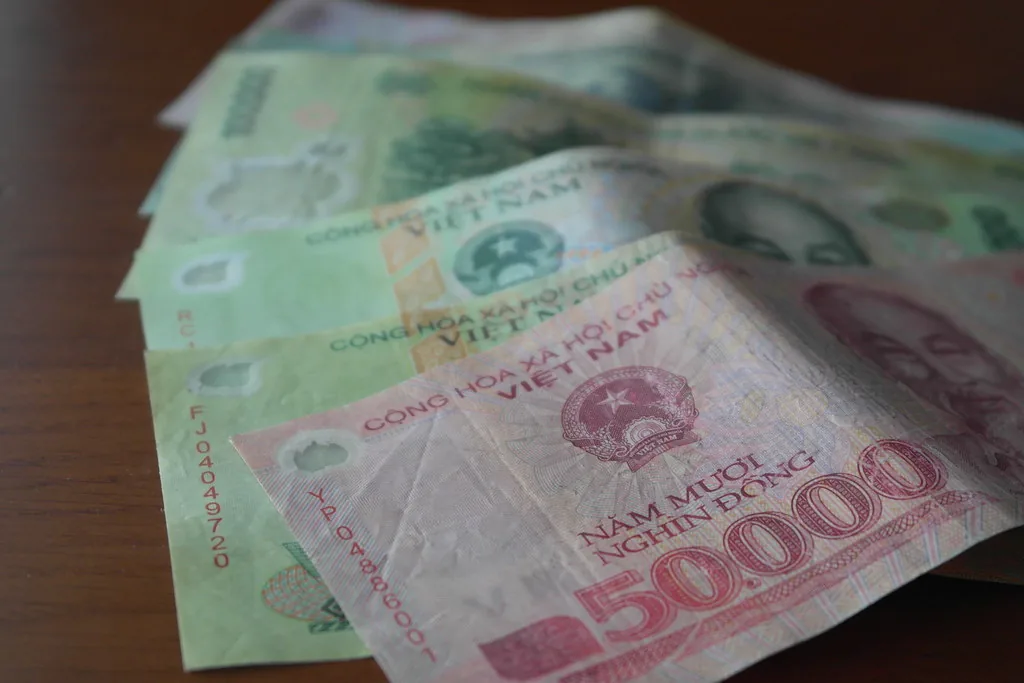
Da Nang is one of the best-value city breaks in Asia: a comfortable mid-range trip costs about 1,500,000 VND (around US$59) per person per day excluding flights, while budget travellers manage on roughly 600,000 VND (about US$24) a day and luxury travellers spend 4,500,000 VND ($176) and up. That makes a week here cheaper than a long weekend in many Western cities — and the beaches, food and day trips are world-class. But “how much does Da Nang cost?” really depends on how you travel, so this guide breaks down every line of the budget with real 2026 prices: accommodation by star rating, food from street stalls to tourist strips, Grab and motorbike transport, attraction tickets, flights and visa, plus ready-made sample budgets for 3, 5 and 7 days. All prices are per person unless noted, in Vietnamese đồng (VND) with US-dollar approximations at roughly 25,500 VND to US$1 (always check the live exchange rate before you travel, as it moves). Planning the whole trip? Start with our complete Da Nang travel guide.
1. The Quick Answer: How Much Does a Da Nang Trip Cost?
🧍 Da Nang solo: bike taxi fares, meals for one and a three-day timetable →
For most travellers, Da Nang costs about 1,500,000 VND (≈ US$59) per person per day for a comfortable mid-range trip — a 3-star hotel, a mix of local and restaurant meals, Grab rides and a couple of paid attractions. Travel leaner and you’ll spend around 600,000 VND (≈ $24) a day; travel in style and it’s 4,500,000 VND ($176) and up. None of that includes flights or your visa, which are one-off costs on top.
| Per person, per day | Backpacker | Mid-range | Luxury |
|---|---|---|---|
| Accommodation | 250,000 (dorm/2★, shared) | 700,000 (3★) | 2,500,000 (5★) |
| Food & drink | 150,000 | 400,000 | 900,000 |
| Transport | 80,000 (motorbike/walk) | 150,000 (Grab) | 400,000 |
| Sights & extras | 120,000 | 250,000 | 700,000 |
| Total / day | ≈ 600,000 VND ($24) | ≈ 1,500,000 VND ($59) | ≈ 4,500,000 VND+ ($176) |
The rest of this guide explains each line, so you can build a budget that matches how you like to travel.
2. Daily Budget by Travel Style
Here’s what each budget tier actually looks like on the ground in Da Nang.
🎒 Backpacker — about 600,000 VND ($24) a day. A hostel dorm or simple guesthouse, breakfast and lunch from street stalls, a rented motorbike or your own two feet, free beach time, and the occasional cheap ticket. It’s a genuinely comfortable budget here — Da Nang’s street food is excellent, so eating cheap is a pleasure, not a sacrifice.
🏨 Mid-range — about 1,500,000 VND ($59) a day. A clean 3-star hotel or smart mini-hotel near the beach, a daily mix of local spots and nicer restaurants, Grab for getting around, and paid attractions like Ba Na Hills when you want them. This is the sweet spot most travellers land on, and it still feels like great value.
💎 Luxury — 4,500,000 VND ($176) and up. A 4- or 5-star beach resort, fine dining, private cars or premium Grab, spa treatments and tours. Even here, your money goes much further than it would at a comparable European or Australian beach destination.
3. Costs for Couples, Families & Solo Travellers
The budgets above are per person — but who you travel with changes the per-head cost a lot, mostly because accommodation (your biggest expense) gets shared. Here’s how a comfortable mid-range day shifts:
| Who | Mid-range / day, each | Why |
|---|---|---|
| Solo traveller | ~1,500,000 VND ($59) | Carries the whole room alone |
| Couple | ~1,050,000 VND ($41) each | Splits one room + some taxis & meals |
| Family of 4 (2+2) | ~750,000–900,000 VND ($30–35) each | One family room; kids eat & enter cheaper |
| Group of friends | ~900,000 VND ($35) each | Dorms or shared rooms, split tours |
- Couples get the biggest saving — one room instead of two. A couple in a mid-range hotel often travels for little more than a solo backpacker each.
- Families do well here: under-3s are usually free at Ba Na Hills and on transport, food is cheap and shareable, and a family room beats two doubles. Our Da Nang with kids guide has the family-specific picks.
- Solo travellers pay the most per head (the room is all yours), but hostels, street food and Grab bikes keep it very affordable — and the social scene is a bonus.
4. A Real Day in Da Nang: What You’ll Actually Spend
A table is one thing; here’s what a real day on the ground actually looks like, item by item, so you can sanity-check the numbers against the way you travel.
🎒 A backpacker day — about 570,000 VND ($22):
| What | VND |
|---|---|
| Hostel dorm bed | 250,000 |
| Bánh mì + Vietnamese coffee breakfast | 50,000 |
| Mì Quảng lunch | 50,000 |
| Two Grab-bike hops | 60,000 |
| Marble Mountains entry + lift | 70,000 |
| Street-food dinner + a bia hơi | 90,000 |
| Day total | ≈ 570,000 ($22) |
🏨 A mid-range day — about 1,450,000 VND ($57):
| What | VND |
|---|---|
| 3-star hotel (your half of a shared room) | 350,000 |
| Café breakfast | 60,000 |
| Lunch at a nice local restaurant | 150,000 |
| Grab cars around town | 150,000 |
| Ba Na Hills ticket (spread over the trip) | 130,000 |
| Seafood dinner with drinks | 400,000 |
| Coffee, water & snacks | 110,000 |
| Day total | ≈ 1,450,000 ($57) |
5. Accommodation Costs (Hostel to 5-Star)
Accommodation is the biggest swing in your Da Nang budget — and the city offers superb value at every level, especially near My Khe Beach. Typical 2026 rates per night:
| Type | Price / night | Good for |
|---|---|---|
| Hostel dorm bed | ~250,000 VND ($10) | Solo backpackers, social travellers |
| 2★ hotel / guesthouse | ~380,000 VND ($15) | Budget privacy |
| 3★ hotel (near beach) | ~700,000 VND ($29) | Most travellers — great value |
| 4★ hotel / smart resort | 1,300,000–1,800,000 VND | Comfort & pools |
| 5★ beach resort | ~4,200,000 VND ($164) | Luxury & honeymoons |
Da Nang’s sweet spot is the 3-star and 4-star band, where a modern room with a pool, often a short walk from the sand, costs a fraction of European prices. Where you stay matters as much as the star rating — our guide to the best areas to stay in Da Nang breaks down the beach, city and resort zones — and the Non Nuoc resort strip is where the big-name 5-stars cluster.
6. Food & Drink: What You’ll Really Spend
Food is where Da Nang is almost unbelievably cheap. You can eat three superb local meals a day for under $10, and even daily restaurant dining rarely breaks the bank. Typical 2026 prices:
| Item | Typical price |
|---|---|
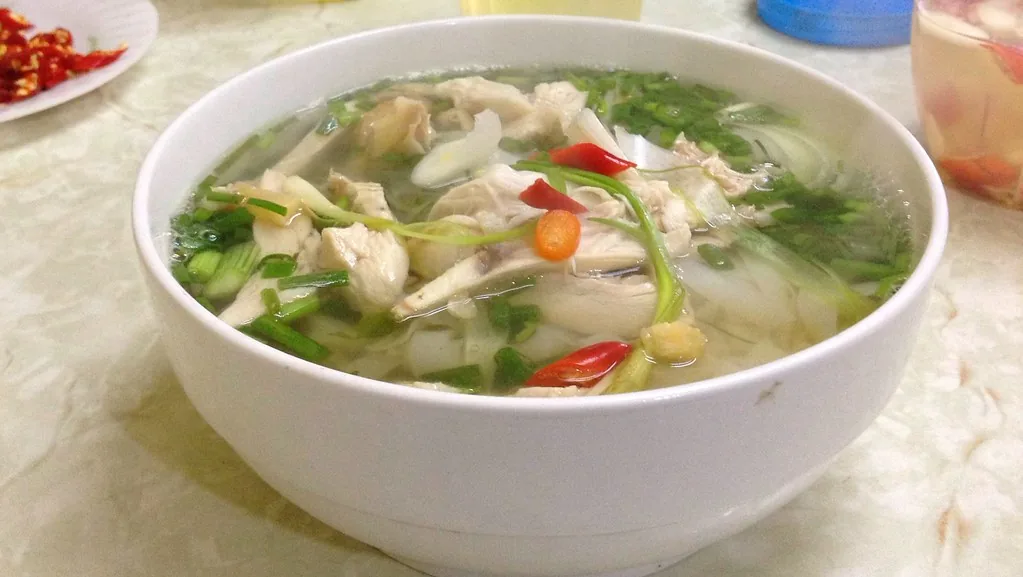
| Bowl of mì Quảng or pho | 40,000–70,000 VND ($1.60–2.80) |
| Bánh mì sandwich | 20,000–35,000 VND (under $1.50) |
| Local sit-down meal | 60,000–120,000 VND |
| Mid-range restaurant (per person) | 150,000–300,000 VND |
| Tourist-strip Western main | 300,000–600,000 VND |
| Vietnamese coffee | 25,000–45,000 VND ($1–1.80) |
| Local draft beer (bia hơi) | 20,000–30,000 VND |
A realistic food budget is 150,000–250,000 VND ($6–10) a day if you eat mostly local, rising to 400,000–600,000 VND if you favour Western restaurants and cocktails on the An Thuong tourist strip. Our Da Nang food guide shows where to find the best cheap eats — and what each dish should cost so you don’t overpay.
7. Getting Around: Transport Costs
Da Nang is cheap and easy to get around. Most travellers use a mix of Grab (the ride-hailing app) and walking; confident riders rent a motorbike.
- Grab bike (motorbike taxi): 20,000–40,000 VND for most city hops — the cheapest way to zip around.
- Grab car: from about 50,000 VND for short trips; a cross-city ride is 80,000–120,000 VND.
- Airport to My Khe Beach: ~80,000–120,000 VND by Grab car (the airport is just 10–15 minutes from the beach — a big Da Nang advantage).
- Motorbike rental: ~120,000 VND ($5) a day. If you’re comfortable riding, it pays for itself by mid-morning and unlocks the Marble Mountains and coastal road.
- Day-trip car with driver: 900,000–1,500,000 VND for a full day to Hoi An or Ba Na Hills (split between a group, it’s cheap).
Budget around 80,000 VND ($3) a day on transport if you walk and grab the odd bike, or 150,000–250,000 VND if you Grab everywhere. Full details, fares and app tips are in our Grab vs Xanh SM guide.
8. Attractions & Activities: What They Cost
Here’s the good news: most of Da Nang’s best experiences — the beaches, the coastal viewpoints, walking the night markets — are free or nearly so. The paid attractions are a la carte, so you only spend on what you choose. 2026 ticket prices:
| Attraction | Entry price |
|---|---|
| Ba Na Hills (cable car + Golden Bridge) | ~900,000 VND ($36); with buffet ~1,300,000 ($52) |
| Marble Mountains | 40,000 VND + lift 15,000/way + Am Phu cave 20,000 |
| Hoi An Ancient Town ticket | 120,000 VND |
| Cham Museum | ~60,000 VND |
| My Khe & city beaches | Free |
| Son Tra Peninsula / Lady Buddha | Free |
Ba Na Hills is the one big-ticket day out — budget it separately at ~900,000 VND, and remember the price includes the cable car and the famous Golden Bridge. Almost everything else is cheap: a few dollars gets you into the Marble Mountains or a museum, and the beaches cost nothing.
9. Flights & Visa: The Pre-Trip Costs
Two costs sit outside your daily budget because they’re one-offs: getting to Da Nang, and your visa.
- Flights: Da Nang International (DAD) has direct flights from across Asia. A return fare runs roughly $200–350 from Korea, $300–450 from Japan, and $200–350 from Taiwan; budget carriers (VietJet, Jetstar) can be cheaper if you book ahead and travel light. From Europe or North America, expect $600–900+ with a connection.
- Visa: most visitors need a Vietnamese e-visa, which costs about $25–50 for 90 days and is applied for online — check your nationality’s rules and the official site in our Vietnam visa & e-visa guide.
- Travel insurance: budget $20–50 for a week’s cover — cheap peace of mind for scooters and the unexpected.
10. Sample Trip Budgets (3, 5 & 7 Days)
Putting it together — here’s what a whole trip costs per person, excluding international flights and visa, at each style:
| Trip length | Backpacker | Mid-range | Luxury |
|---|---|---|---|
| 3 days / 2 nights | ~1,800,000 VND ($70) | ~4,500,000 VND ($177) | ~13,500,000 VND ($530) |
| 5 days / 4 nights | ~3,000,000 VND ($118) | ~7,500,000 VND ($294) | ~22,500,000 VND ($882) |
| 7 days / 6 nights | ~4,200,000 VND ($165) | ~10,500,000 VND ($412) | ~31,500,000 VND ($1,235) |
Add roughly $200–450 for flights and $25–50 for the e-visa on top. So a realistic all-in mid-range week from Korea or Japan lands around $650–900 per person — flights, visa, hotel, food, Grab and a couple of big attractions included. That’s outstanding value for a beach holiday.
11. Three Example Trips: The $500, $1,000 & $2,000 Week
To make it tangible, here are three real one-week trips — per person, including flights from Korea/Japan/Taiwan and the e-visa — and exactly what each one gets you.
💵 The ~$500 week — shoestring:
- Budget return flight ~$200 + e-visa ~$25
- 6 nights in hostels or simple 2★ (~$60–75)
- Street food, a rented motorbike, free beaches, the Marble Mountains
- Skip or share a Ba Na Hills ticket
- Total ≈ $480–520 — a brilliant beach-and-food week on a true budget.
💵 The ~$1,000 week — the sweet spot:
- Return flight ~$300 + e-visa ~$30
- 6 nights in a smart 3★ near the beach (~$175)
- A mix of local and nicer restaurants, Grab everywhere, Ba Na Hills, and a Hoi An day trip
- A massage or two
- Total ≈ $950–1,050 — comfortable, well-rounded and still superb value.
💵 The ~$2,000 week — affordable luxury:
- Return flight ~$400 + e-visa ~$30
- 6 nights in a 4–5★ beach resort (~$700+)
- Fine dining, private car transfers, spa days and premium tours
- Total ≈ $1,900–2,200 — a luxury beach holiday for what a mid-range week costs in much of the world.
12. Hidden Costs & Fees People Forget
The headline budget is the easy part — it’s the small, unexpected costs that catch people out. Build these in so nothing surprises you:
- Service charge & VAT: upscale hotels and restaurants often add about 5% service + 8–10% VAT on top — look for “++” or “net” on the menu so the bill isn’t a shock.
- ATM fees: most Vietnamese ATMs charge ~22,000–55,000 VND per withdrawal, plus whatever your home bank adds — so withdraw larger amounts less often (more in our Vietnam money guide).
- Deposits: some guesthouses want a small cash deposit, and motorbike rental usually needs a deposit plus fuel (~20,000–40,000 VND/day) — budget a little buffer.
- Airport taxi vs Grab: a tout’s “metered” taxi can cost double — agree the price first or just use the Grab app.
- Data & insurance: an eSIM and a week of travel insurance are a few dollars each — small but real.
- Tips: not expected in Vietnam, but rounding up for spa staff, guides and drivers is a kind 10,000–50,000 VND.
- Sun & water: imported sunscreen is pricey (bring your own); bottled water is cheap at 5,000–10,000 VND.

13. Is Da Nang Expensive? How It Compares
No — Da Nang is one of the most affordable beach-city destinations in Asia. For the same comfort, it typically costs less than Bangkok or Bali, and noticeably less than Western beach destinations. Here’s the rough picture for a mid-range day:
- Da Nang: ~$59/day — superb beaches, $2 meals, $29 hotels.
- Bangkok / Bali: ~$70–90/day for comparable comfort.
- Phuket / Western beach towns: often double or more.
Within Vietnam, Da Nang offers better all-round value than the busy tourist strips of Nha Trang or Phu Quoc, with the bonus of being a real city with an airport, great food and easy day trips. The one thing that costs the same anywhere is the Ba Na Hills ticket — but even that is cheap for what you get.
14. Da Nang vs Other Vietnam Destinations: Cost Compared
Combining Da Nang with other stops, or choosing between them? Here’s roughly how a mid-range day compares across Vietnam’s top spots:
| Destination | Mid-range / day | Notes |
|---|---|---|
| Da Nang | ~$59 | Beach + city + day trips — best all-round value |
| Hoi An | ~$60–70 | Charming, but old-town dining & hotels run pricier |
| Hanoi | ~$50–65 | Cheap food & hostels, lots to see — but no beach |
| Ho Chi Minh City | ~$55–70 | The big city; pricier nightlife & rooftop bars |
| Nha Trang | ~$55–70 | Beach-resort town, busier tourist pricing |
| Phu Quoc | ~$70–100 | Island premium — resorts and ferries cost more |
Da Nang’s edge is that it bundles a great beach, a real city with an airport, and easy day trips to Hoi An and Ba Na Hills — at among the lowest prices in the country. Hanoi and HCMC are cheap for food but have no beach; Nha Trang and Phu Quoc have beaches but charge more on the tourist strips. For value per day across beach, food and culture, Da Nang is hard to beat.
15. Where to Splurge, Where to Save
The smartest budgets aren’t simply the cheapest — they spend where it genuinely adds to the trip and save where it doesn’t. In Da Nang, here’s where each dollar works hardest:
✅ Worth the splurge:
- Ba Na Hills — the one big-ticket day; it’s genuinely spectacular and the cable car and Golden Bridge earn the price.
- One great seafood dinner — fresh, generous and still cheap by world standards; a proper treat that won’t dent the budget.
- A night or two in a beach resort — 5-star luxury here costs what a mid-range hotel does back home, so it’s the place to taste it.
- A massage or spa — affordable indulgence you’d rarely get this cheaply anywhere else.
💸 Easy to save on:
- Everyday food — local is cheaper and better; eating at busy local spots is a gain, not a sacrifice.
- Transport — Grab bikes and walking instead of cars and private drivers.
- Drinks — local coffee and bia hơi beat imported wine and cocktails on both price and atmosphere.
- Day trips you can DIY — the Marble Mountains, beaches and Son Tra are cheap or free under your own steam, no tour needed.
16. How to Save Money in Da Nang
Da Nang is already cheap, but a few habits stretch your budget further without sacrificing the good stuff:
- Eat local. The best food in Da Nang is also the cheapest — busy local spots beat tourist-strip restaurants on both price and taste.
- Share a room. Accommodation is your biggest cost; splitting it with a partner or friend instantly drops your per-person tier.
- Use Grab, know the fare. The app shows the price upfront, so you never haggle or get overcharged — see our Grab guide.
- Book big tickets online. Attraction tickets and tours are usually cheaper online than at the gate, especially Ba Na Hills.
- Withdraw cash smartly. Take out larger amounts less often to minimise ATM fees, and pay in VND not your home currency — details in our Vietnam money guide.
- Get an eSIM instead of roaming. A travel eSIM is a few dollars and saves a fortune over carrier roaming.
- Travel in shoulder season. The same hotel can cost 30–50% less outside peak dates and holidays.
- Staying a while? Monthly apartments and local life make long stays remarkably cheap — see our Da Nang digital nomad guide.
17. Your Da Nang Budget Cheat-Sheet
To sum it all up — plan around these per-person, per-day numbers, then add flights and visa:
- Backpacker: ~600,000 VND ($24)/day — dorm, street food, motorbike, free beaches.
- Mid-range: ~1,500,000 VND ($59)/day — 3-star hotel, mixed dining, Grab, paid sights.
- Luxury: 4,500,000 VND ($176)+/day — beach resort, fine dining, private transport, spa.
- One-offs: flights ~$200–450, e-visa ~$25–50, Ba Na Hills ~$36.
The bottom line: Da Nang delivers a world-class beach holiday for a fraction of what it costs elsewhere. Eat local, share a room and time your trip well, and you’ll be amazed how far your money goes. Ready to plan the rest? Our complete Da Nang travel guide covers where to stay, what to see and a day-by-day itinerary.
🎡Things to Do53
🍜Food8
🏨Where to Stay6
🚇Getting Around9
🧭Travel Tips20
🧭Vietnam-wide essentials58
Frequently Asked Questions