
The Best Time to Visit Da Nang: A Month-by-Month Breakdown
The honest answer to “when should I go?” — the sweet-spot months, the two to avoid, and how the best time shifts depending on whether you want empty beaches, warm sea, festivals or low prices (and where you’re flying from).
- Best overall: February to May. Warm, dry, low humidity and the sea warming up — the happiest balance of good weather, fair prices and bearable crowds.
- Best for the beach: April to August. Hot sun, calm clear sea and the warmest water of the year — but also the busiest and priciest, especially July.
- The two months to avoid: October & November. This is peak monsoon — the heaviest rain of the year, the highest typhoon risk, and the months Hoi An is most likely to flood.
- For quiet & cheap: December to February (outside Tết). Coolest, fewest tourists, and rooms can run 40–50% below summer — just don’t expect prime swimming weather.
- Pick by what you want: empty sand, warm sea, the DIFF fireworks (Jun–Jul) or a bargain — there’s no single “best”, only the best for your trip. The month table below sorts it out.
1. The Short Answer: When to Go
2. Da Nang’s Two Seasons, Explained
3. Month-by-Month, at a Glance
4. Best Time for the Beach & Swimming
5. Best Time for Fewer Crowds & Lower Prices
6. Best Time for Festivals & Events
7. The Months to Avoid (and How to Cope if You Can’t)
8. Best Time by Where You’re Flying From
9. Crowds & Prices: a Quick Calendar
10. So, When Should You Go?
“When’s the best time to visit Da Nang?” is the question everyone asks first, and the honest answer is: it depends on what you came for. Da Nang runs on two simple seasons — a long, sunny dry season and a sharp, stormy wet one — and almost everything about your trip, from whether you can swim to what you pay for a room, hangs on which side of that line you land. The good news is the pattern is reliable, so once you understand it you can plan with confidence. The short version most people want: February to May is the all-round sweet spot, the beach is at its best from April to August, and you want to steer clear of October and November, the heart of the rainy season. But “best” genuinely changes with your priorities — a surfer, a sunbather, a budget backpacker and a family chasing the school holidays all have a different ideal month. This guide breaks it down month by month, by season, by what you want to do, and even by where you’re flying from, so you can pin the right dates. For the day-to-day detail of any single month, follow the links in the table to our full month-by-month guides; for the underlying climate, see our Da Nang weather guide, and for the whole trip our complete Da Nang travel guide.
1. The Short Answer: When to Go
🌊 Hoi An flooding: which streets go under, what closes and how long it lasts →
If you just want a date and a nod, here it is. The all-round best time to visit Da Nang is February to May — warm and dry, the humidity still gentle, the sea steadily warming, and prices and crowds short of their summer peak. If your trip is mostly about the beach, push that window to April through August, when the sun is reliable, the sea is calm and clear, and the water hits its warmest. And if your only firm rule is “don’t get rained out”, then avoid October and November, full stop — they are the wettest, stormiest months of the year.
Everything after this is detail and nuance: how each month actually feels, when the crowds and prices spike, the festivals worth timing for, and how the calculus shifts if you’re coming from a cold country, chasing empty sand, or travelling on a budget. Skim the month table next, then jump to whichever section matches your priority.
2. Da Nang’s Two Seasons, Explained
Central Vietnam doesn’t do four seasons — it does two, and they could hardly be more different. Understanding the split is the whole game.
The dry season runs roughly February to August. Skies are mostly clear, rain is rare and brief, the sea flattens out, and from spring into summer the heat builds steadily until June and July, when it’s genuinely hot. This is the long, sunny stretch that makes Da Nang a beach city, and it’s when the vast majority of visitors come. The trade-off is simple: the best weather draws the biggest crowds and the highest prices.
The wet season runs roughly September to December, and it doesn’t ease in gently. Rainfall climbs fast through September, peaks brutally in October and November — often more than 600 mm a month — and comes with the year’s real typhoon risk and the floods that periodically swamp low-lying Hoi An. By December the worst has usually passed: it’s cooler and still showery, but the storms are fading. Knowing exactly where you sit in this arc is the difference between a sun-soaked trip and a soggy one. Our full weather guide has the month-by-month rainfall and temperature numbers if you want the data.
3. Month-by-Month, at a Glance
Here’s the whole year in one view — the feel of each month, and a quick verdict. Tap any month to open its full guide with festivals, what to pack, sea conditions and the best things to do.
| Month | Weather & temp | Verdict |
|---|---|---|
| January | Cool & mostly dry · 19–25°C | 🟢 Good — quiet, cool, cheap (sea still cool) |
| February | Mild & dry · 21–26°C | 🟢 Great — sweet spot begins (Tết crowds late Jan/Feb) |
| March | Warm & dry · 22–28°C | 🟢 Excellent — shoulder: fewer crowds, sea warming |
| April | Hot & dry · 24–30°C | 🟢 Excellent — beach season opens, calm sea |
| May | Hot & dry · 26–33°C | 🟢 Excellent — warm sea, DIFF fireworks begin |
| June | Very hot & dry · 28–34°C | 🟢 Great beach — peak heat, DIFF, busy |
| July | Very hot & dry · 28–34°C | 🟡 Great beach but peak crowds & prices |
| August | Hot, late showers · 27–33°C | 🟢 Good — beach still great, showers creep in |
| September | Warm, rain rising · 26–32°C | 🟡 Shoulder — quieter, but rain building |
| October | Wet & stormy · 24–30°C | 🔴 Avoid for beach — peak rain, typhoons, Hoi An floods |
| November | Wettest & stormy · 23–28°C | 🔴 Avoid for beach — wettest month, typhoons |
| December | Cooler, easing rain · 21–26°C | 🟡 Mixed — cool, rain easing, quiet & cheap |
🟢 great / 🟡 mixed — manage expectations / 🔴 avoid for a beach trip. Temperatures are typical daytime ranges; the wet-season months can still deliver beautiful bright spells between downpours.
4. Best Time for the Beach & Swimming
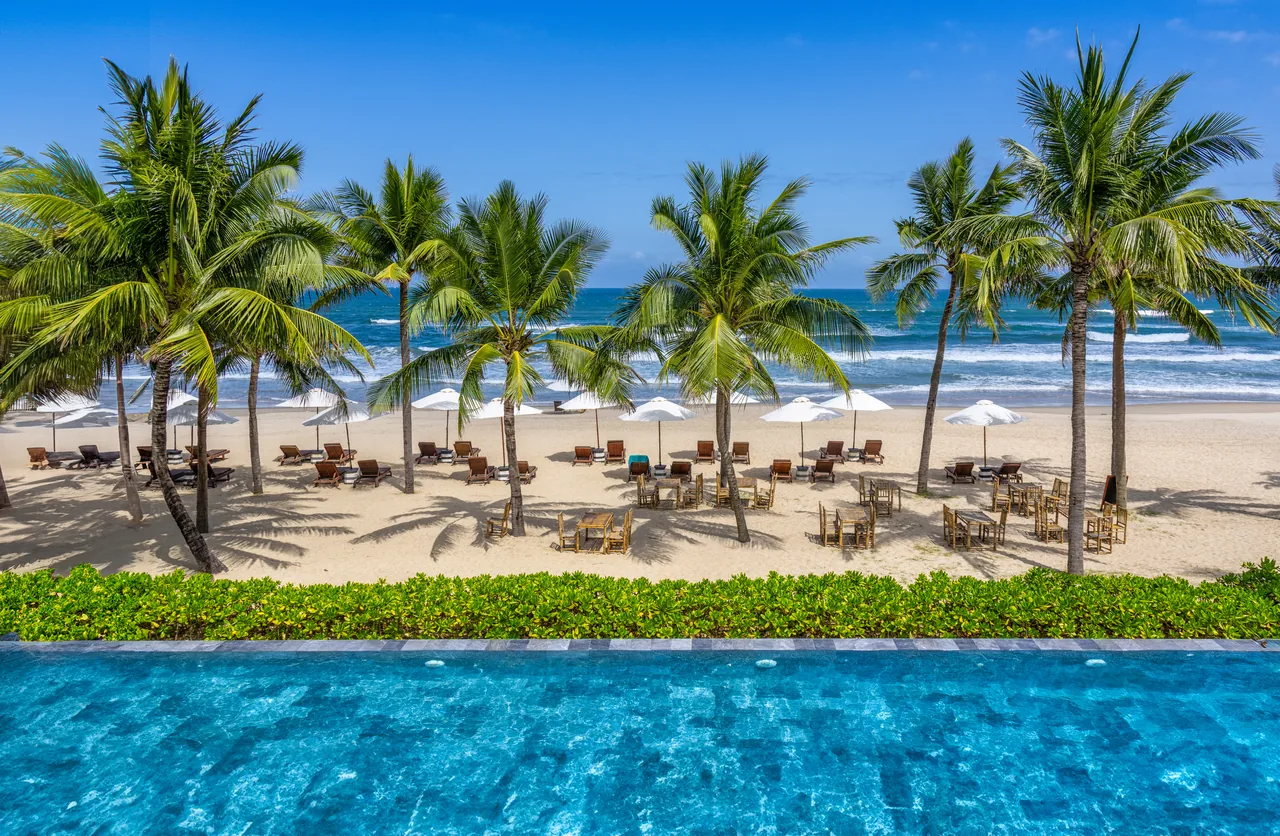
If you’re here for the sand and the sea — and in Da Nang, most people are — the window you want is April to August. That’s when the sun is most reliable, the sea is calmest and clearest, and the water is at its warmest, peaking around bath-temperature in June and July. My Khe and the city beaches are at their glorious best, and day trips out to Hoi An and the islands all run smoothly on flat seas.
The flip side is that this is also peak season: July in particular brings the biggest crowds and the steepest prices, swelled by domestic summer holidays and regional travellers. If you want that warm-sea beach experience with a bit more breathing room, aim for the edges — April/May or late August — when the water is still lovely but the beach is less of a scrum. Come the wet season, swimming gets dicey: storms churn up currents and lifeguards often raise red flags, so October–November is a look-don’t-swim affair.
5. Best Time for Fewer Crowds & Lower Prices
Travelling on a budget, or just allergic to crowds? Da Nang rewards you for going slightly against the grain. The two shoulder months, March and September, are the sweet spot for value: the weather is still largely on your side (warm and mostly dry in March; warm with rising showers in September), but the peak-season surcharge and the crush have eased off.
For the deepest bargains, the low season from December to February (outside the Tết holiday) is unbeatable on price — hotels and resorts can run 40–50% below their summer rates, the beaches are blissfully quiet, and the city feels local again. The catch is the weather: December still sees showers, and January–February, while drier, are Da Nang’s coolest months, with a sea that’s refreshing rather than warm. If you care more about a great-value room and an uncrowded city than about beach time, this is a genuinely underrated window. For where to base yourself whatever the season, see our Da Nang hotels & resorts guide.
6. Best Time for Festivals & Events
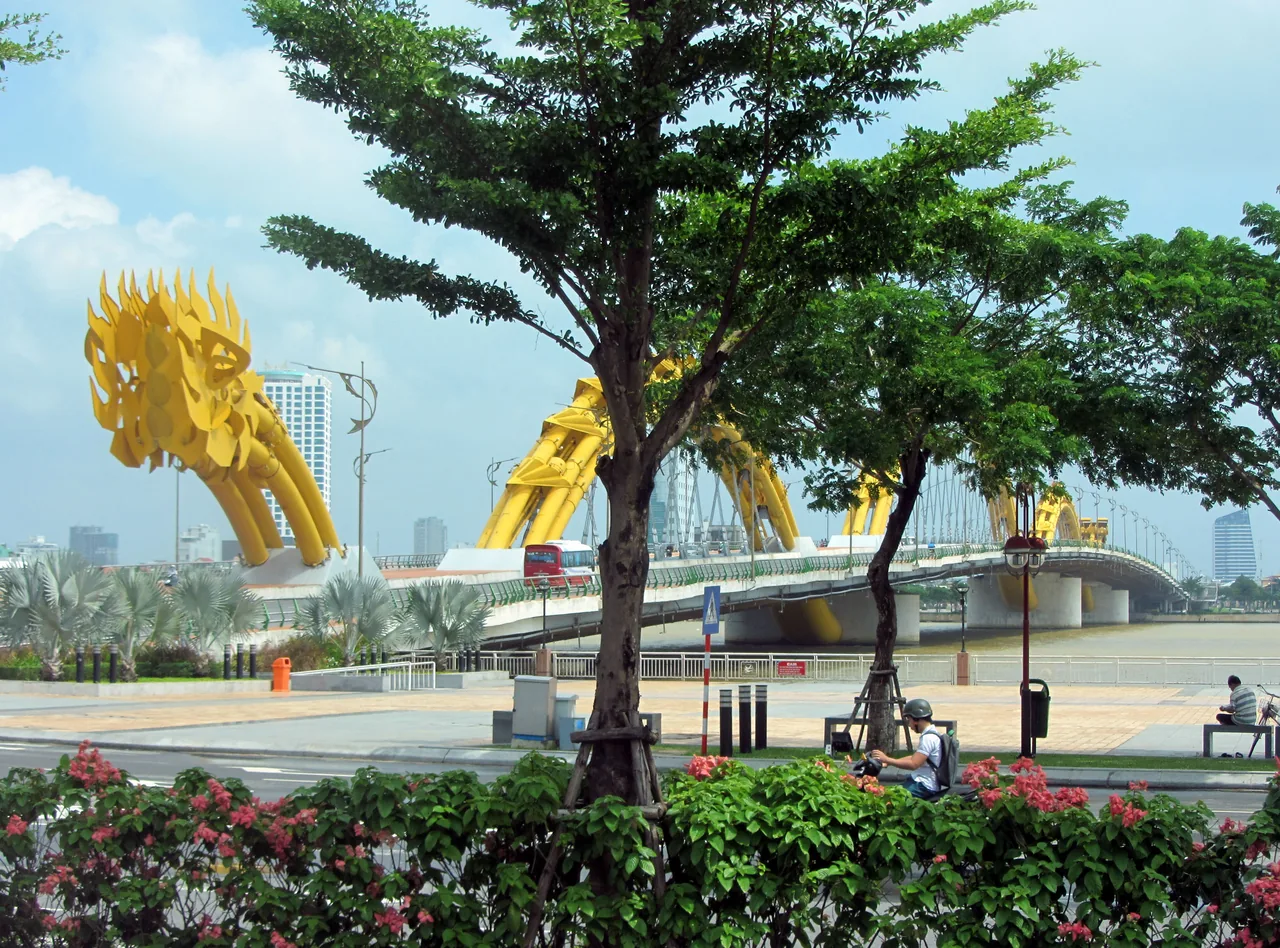
If you want your trip to land on something special, two windows stand out. The headline event is the Da Nang International Fireworks Festival (DIFF), which lights up the Han River across several weekends from roughly June into July — it’s spectacular, but it also pulls big crowds and pushes hotel prices up, so book early. Our guide to fair prices & avoiding rip-offs is handy when demand is high.
The other is Tết (Vietnamese Lunar New Year), in late January or February, when the city dresses up in flowers and lights and the atmosphere is wonderful — with the caveats above about prices, crowds and closures. Beyond those, the dry-season months are simply the safest bet for any outdoor event, night market or riverside evening to actually go ahead as planned. For everything happening around your dates, each month’s full guide lists the local festivals.
7. The Months to Avoid (and How to Cope if You Can’t)
Let’s be blunt about the bad stretch. October and November are the months to avoid if a beach holiday is the goal. They are the peak of the monsoon: the heaviest rainfall of the year (frequently over 600 mm a month), the highest chance of a tropical storm or typhoon, rough seas that close the swim zones, and the period when Hoi An‘s old town is most likely to flood. September is the wet-season warm-up and December the wind-down — both wetter than the dry months but far more forgiving than the Oct–Nov core.
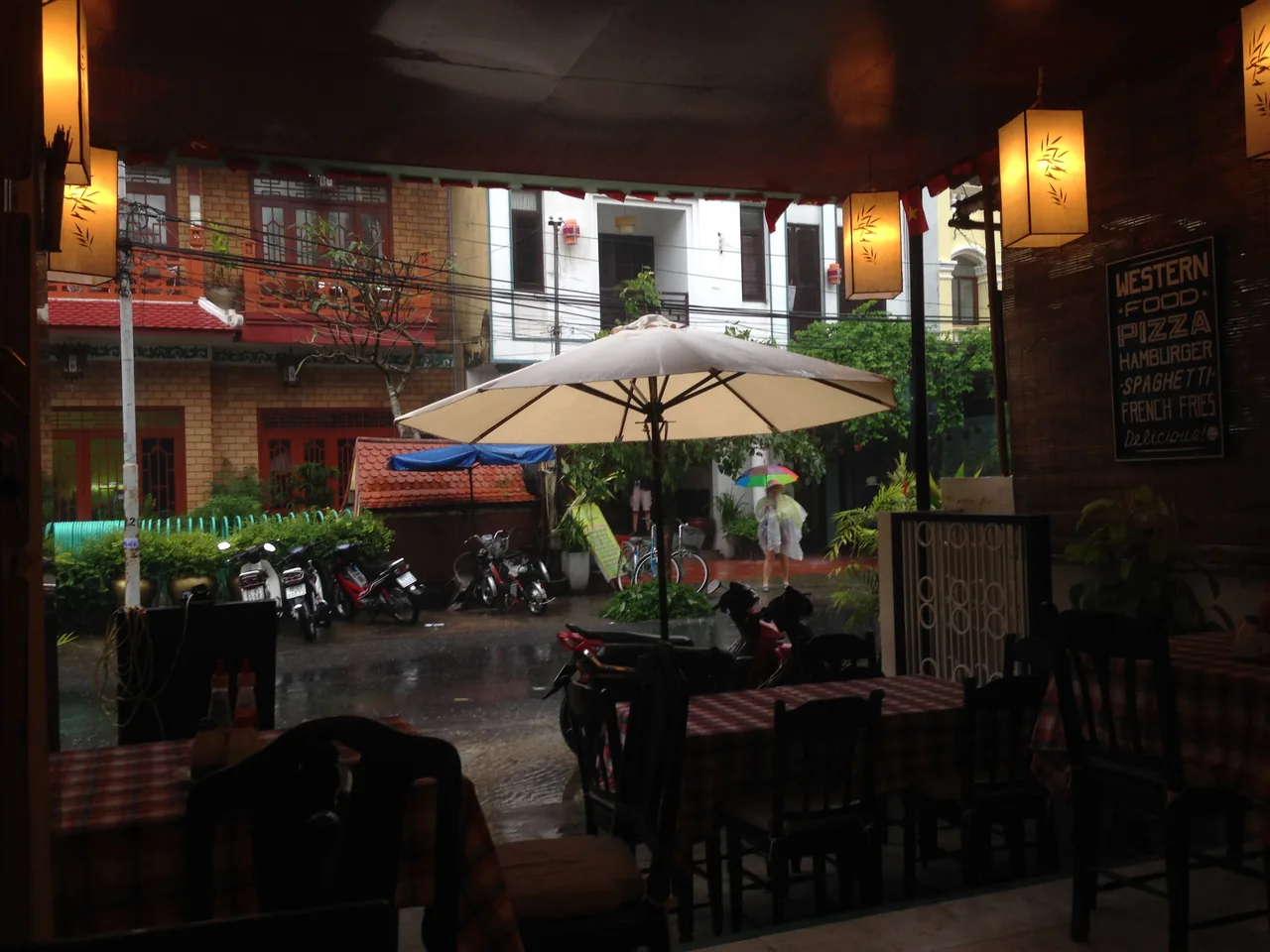
That said, the wet season isn’t a write-off if your dates are fixed. The rain often comes as intense afternoon downpours with bright spells either side, prices are at their lowest, and the city is green and quiet. The trick is to plan flexibly, keep beach days loose, and have indoor options ready — our weather guide explains the season in depth, and a rainy afternoon in Da Nang is more salvageable than you’d think with cafés, museums, spas and cooking classes on hand.
8. Best Time by Where You’re Flying From
“Best” also depends on your own calendar — when you can actually get away, and what weather you’re escaping. A few notes for international travellers:
- Escaping a northern winter? Da Nang in December–February is mild and a world warmer than home, but it’s the city’s coolest, occasionally showery stretch — fine for sightseeing and great value, less so for serious beach time. For guaranteed warm sea, you’d want to hold out for spring.
- Tied to summer school holidays (Jun–Aug)? You’re in luck on weather — it’s prime beach season — but you’ll share it with the year’s biggest crowds and top prices, so book flights and rooms early.
- Flexible on dates? Target March–May: arguably the best all-round window, with warm dry weather, a warming sea, and noticeably fewer people and lower prices than mid-summer.
- Chasing a bargain? The Dec–Feb low season (avoiding Tết) has the cheapest rooms and quietest beaches — accept cooler, occasionally wet weather as the price of the deal.
Whatever your window, getting the flights and first night sorted early pays off in peak months — our where-to-stay guide helps you pick the right area before prices climb.
9. Crowds & Prices: a Quick Calendar
One more way to see the year — by how busy and how pricey it gets:
| Period | Crowds & prices | Why |
|---|---|---|
| Jun–Aug (esp. July) | 🔴 Highest | Peak beach weather + domestic & regional summer holidays + DIFF fireworks |
| Tết (late Jan/Feb) | 🔴 High, brief | Vietnamese New Year — domestic travel peak, some closures |
| Feb–May (non-Tết) | 🟡 Moderate | Great weather, but ahead of the summer rush — the value sweet spot |
| March & September | 🟢 Lower | Shoulder months — softer prices, thinner crowds |
| Oct–Nov | 🟢 Lowest (weather-driven) | Monsoon keeps visitors away; cheap but wet |
| Dec–early Feb | 🟢 Low | Cool low season — quietest beaches, rooms 40–50% off summer |
In short: you trade weather for value. The best weather (summer) costs the most and is busiest; the best deals (winter shoulder/low) come with cooler, occasionally wet skies; and the in-between months (Feb–May, Sep) are where most travellers find the happiest compromise.
10. So, When Should You Go?
Pulling it all together: if you want one safe recommendation, go between February and May — it’s the best all-round balance of sun, sea, crowds and cost. If the beach is everything, April to August gives you the warmest water and the surest sun, at the price of crowds. If you’re counting pennies or craving quiet, the December–February low season is a steal, as long as you accept cooler, sometimes-wet weather. And whatever you do, think hard before booking a beach trip for October or November — the monsoon doesn’t negotiate.
Once you’ve settled on a month, open its full guide for the fine detail — festivals, sea conditions, what to pack and the best things to do — and let our complete Da Nang travel guide tie the rest of the trip together. Half the battle of a great Da Nang holiday is simply showing up in the right week.
🎡Things to Do52
🍜Food8
🏨Where to Stay6
🚇Getting Around9
🧭Travel Tips21
🧭Vietnam-wide essentials56
Frequently Asked Questions