
Da Nang’s Best Beaches: Which One Is Right for You?
Da Nang has 30+ km of coastline — from the famous My Khe strip to wild, moss-covered rocks and hidden Son Tra coves. Here’s every beach worth your time and exactly which one to pick.
- The famous one: My Khe — long white sand, the most hotels, bars, seafood and water sports. Safe, easy, year-round swimming.
- Cooler & laid-back: My An (the An Thuong end) — same great sand, plus craft beer, cafés and a surf vibe just behind it.
- Quieter sands: Non Nuoc below the Marble Mountains, and Bac My An — soft, calm and far less crowded.
- Wild & local: Nam O (rocky, moss-covered reef, great sunset) and the hidden Son Tra coves (Tien Sa, Bai But) — rent a hut, order seafood.
- Best swimming: April–August (calm sea). In the Sep–Nov rains, currents are strong — obey red flags and swim between them.
1. Da Nang’s Beaches at a Glance
2. My Khe & My An: The Main Beach Strip
3. Non Nuoc & Bac My An: Quiet, Soft Sand
4. Nam O: Wild Rocks, Moss Reef & Local Sunset
5. Son Tra’s Hidden Coves: Tien Sa & Bai But
6. Xuan Thieu (Red Beach) & the Quiet North
7. Which Da Nang Beach Is Right for You?
8. Swimming Safety: Season, Currents & Flags
9. Beach-Day Practicalities
10. So, Which Beach Should You Choose?
Da Nang is one of Asia’s great beach cities — over 30 km of coastline runs straight along the edge of town, so you’re never more than a few minutes from sand. But the beaches are not all the same: My Khe is the buzzing, developed star; My An has the cafés and surf crowd; Non Nuoc and Bac My An are quiet and soft; Nam O and the Son Tra peninsula coves are wild, rocky and gloriously local. This guide compares every Da Nang beach worth visiting and tells you exactly which one to pick for swimming, surfing, sunsets, families, food or finding a quiet patch of sand — plus the swimming season and rip-current safety that actually matters here. Note: sea conditions change with the season; always check the flags on the day. (Want the deep dive on the main beach, or to plan the rest? See our complete Da Nang travel guide and the Da Nang weather guide.)
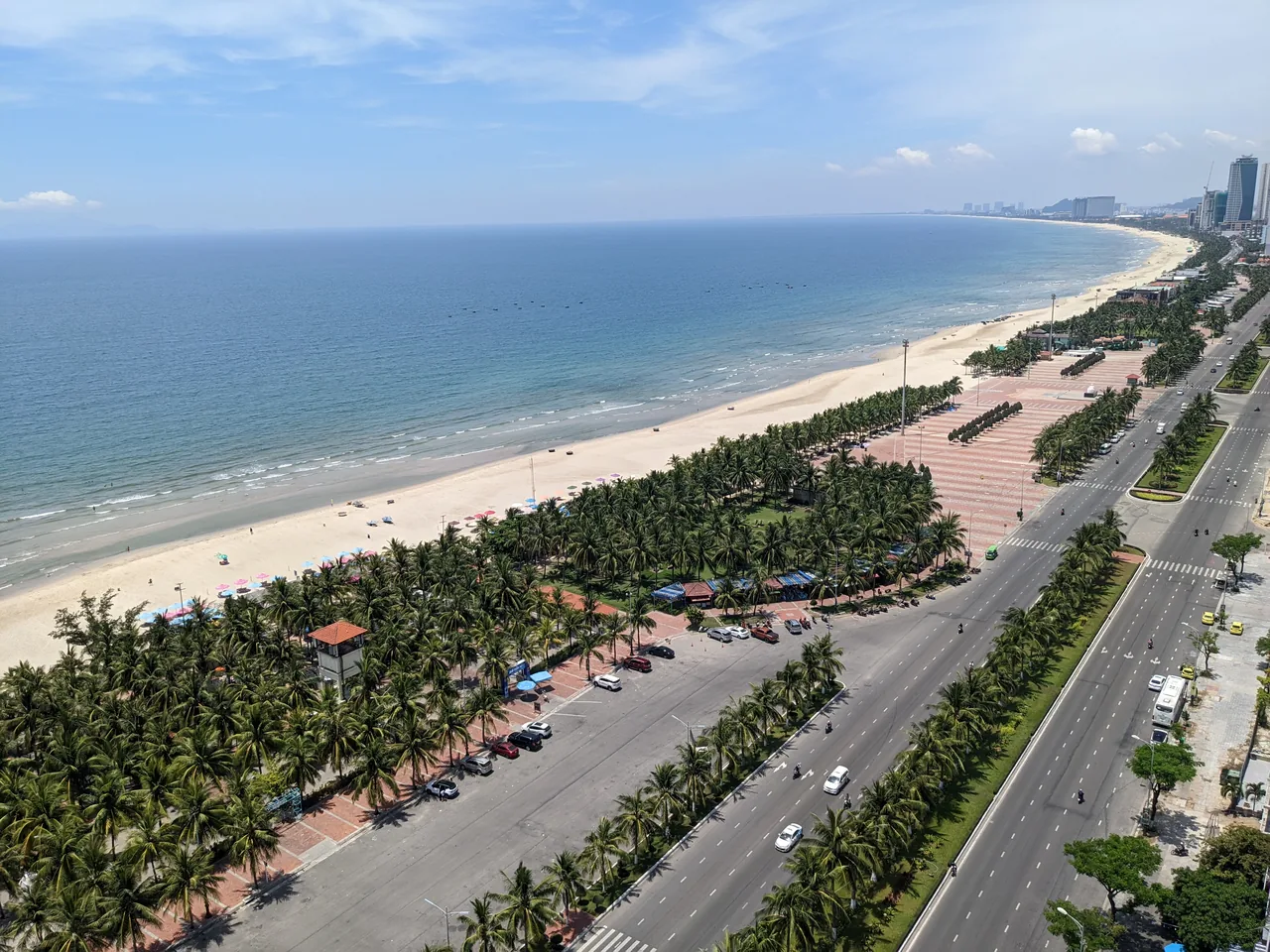
1. Da Nang’s Beaches at a Glance
Short version: most visitors should base themselves around My Khe / My An, and day-trip to the wilder beaches. Here’s the whole coastline, north to south, before the detail:
| Beach | Vibe | Best for |
|---|---|---|
| My Khe (Mỹ Khê) | Famous, lively, developed | First-timers, easy swimming, water sports |
| My An / An Thuong | Cooler, café & surf scene | Cafés, craft beer, younger crowd, surfing |
| Bac My An (Bắc Mỹ An) | Soft, calmer, resort-y | Relaxing, families, fewer crowds |
| Non Nuoc (Non Nước) | Quiet, under Marble Mtns | Peace, resorts, pairing with Marble Mountains |
| Nam O (Nam Ô) | Wild, rocky, local | Sunset, photos, fishing-village feel |
| Son Tra coves | Hidden, jungle-backed | Snorkelling, privacy, rent-a-hut days |
| Xuan Thieu / Red Beach | Quiet, north bay | Sunset, calm water, escaping crowds |
2. My Khe & My An: The Main Beach Strip
This is the beach most people mean when they say “Da Nang beach” — a long, straight ribbon of fine white sand running right along the east of the city, consistently rated among Asia’s best.
- My Khe (Mỹ Khê) is the developed heart: the most hotels, beach bars, seafood restaurants and water-sports rentals of any beach in the city. Waves are usually gentle enough for swimming, and there are lifeguards in season. Easiest, busiest, best for first-timers.
- My An / An Thuong is the southern continuation — same lovely sand, but with a cooler, more “expat” feel: trendy cafés, craft-beer bars and a small surf scene in the streets just behind the beach. A touch more laid-back than the main My Khe stretch.
For the full breakdown of this beach — the best stretches, sun-lounger prices, safety flags and where to enter — see our dedicated My Khe guide (linked below). For most trips, staying here keeps everything walkable.
3. Non Nuoc & Bac My An: Quiet, Soft Sand
If the main strip feels too busy, head a little south to the calmer beaches:
- Non Nuoc (Non Nước) sits right at the foot of the Marble Mountains, which makes it a perfect pairing — beach in the morning, marble caves in the afternoon. It’s noticeably more serene and less touristy than My Khe, lined with quiet luxury resorts. There’s a gentle surf scene here too.
- Bac My An (Bắc Mỹ An) has some of the softest white sand in the city and a relaxed, resort-y feel — good for families and anyone who wants room to breathe.
4. Nam O: Wild Rocks, Moss Reef & Local Sunset
For something completely different from the resort sand, go north to Nam O (Nam Ô) — a working fishing village with a rugged, rocky shoreline and dark sand. It’s the most “local” beach experience near the city.
- The star here is the moss-covered reef: at low tide (roughly March–August), big rock formations emerge cloaked in vivid green moss, surrounded by clear shallow water — a famous photo spot.
- It’s swimmable but the water gets deeper with stronger currents than My Khe, so take more care and don’t go far out.
- Stay for the sunset and grab seafood in the village — it feels a world away from the high-rises.
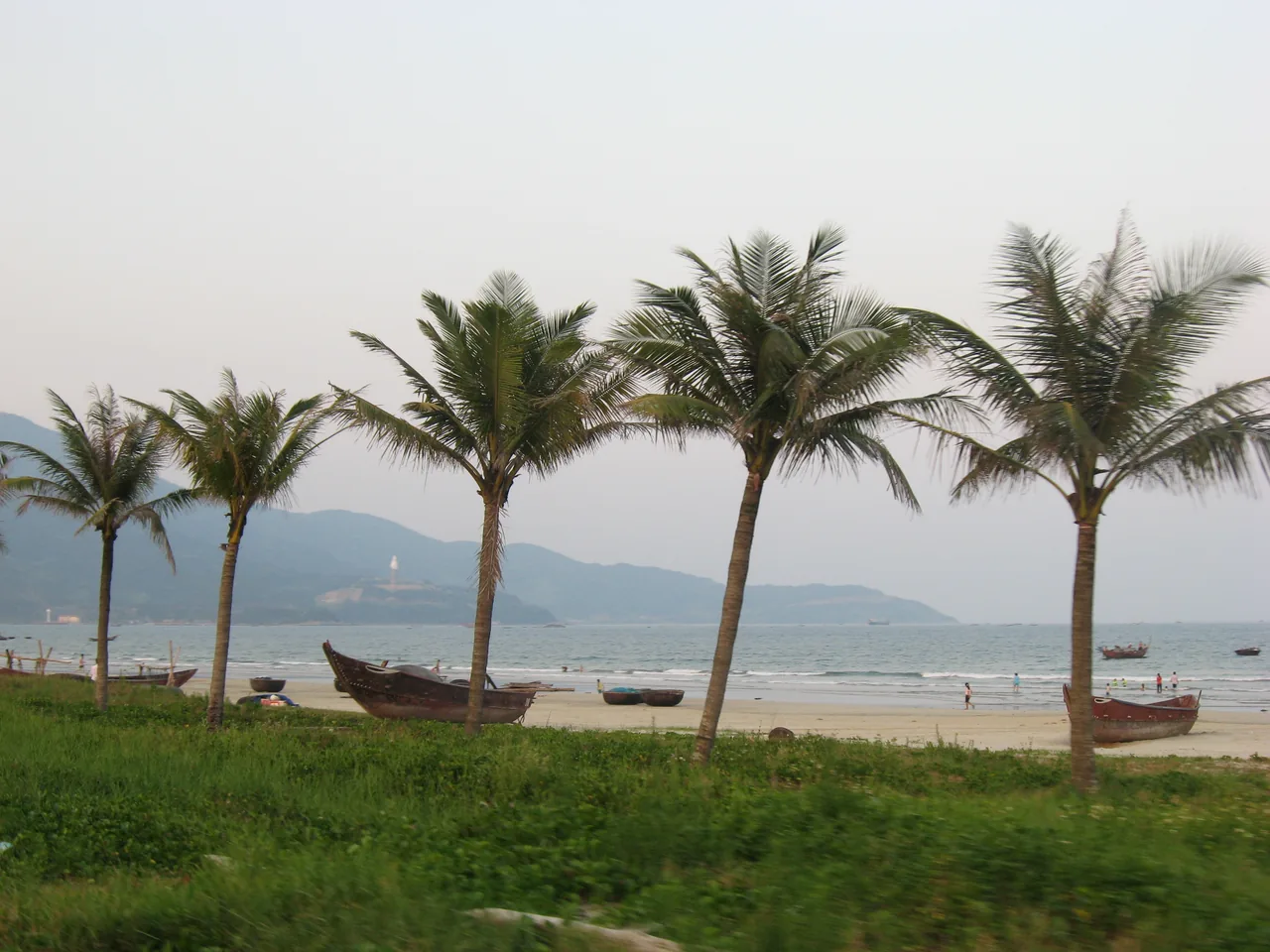
5. Son Tra’s Hidden Coves: Tien Sa & Bai But
The jungly Son Tra peninsula (the green mountain with the giant Lady Buddha) hides Da Nang’s most secluded beaches — reached by winding roads you’ll often share with monkeys more than tourists.
- Tien Sa (Tiên Sa), on the northern side, has calm, clear water and soft sand. It’s attached to a resort but open to the public, and its west-facing cove — one of the very few on Da Nang’s coast — delivers an extraordinary sunset.
- Bai But & Bai Rang, past the Lady Buddha, are rocky coves tucked between jungle and sea. You can rent a simple local hut (chòi), order fresh seafood and spend the day snorkelling or doing nothing in total peace.
These are best reached by car, taxi or confident scooter — and they pair perfectly with a Son Tra peninsula trip (linked below).
6. Xuan Thieu (Red Beach) & the Quiet North
On the north side of Da Nang Bay, Xuan Thieu (Xuân Thiều) — nicknamed “Red Beach” for the colour the water takes at sunset — is peaceful and rarely crowded. The sand is smooth and white, the water calmer and less salty than the main strip, and there’s a big resort complex nearby. It also carries historical weight as the 1965 US Marine landing site. A good choice if you want a quiet swim and a great sunset away from the crowds.
7. Which Da Nang Beach Is Right for You?
Pick by what you actually want from a beach day:
| You want… | Go to |
|---|---|
| Easy swimming + everything nearby | My Khe |
| Cafés, craft beer, surf, younger vibe | My An / An Thuong |
| Quiet soft sand + Marble Mountains | Non Nuoc |
| Families & relaxing | Bac My An / Non Nuoc |
| Wild scenery, photos, sunset | Nam O |
| Snorkelling, privacy, a rent-a-hut day | Son Tra coves (Bai But, Tien Sa) |
| A quiet sunset swim | Xuan Thieu / Tien Sa |
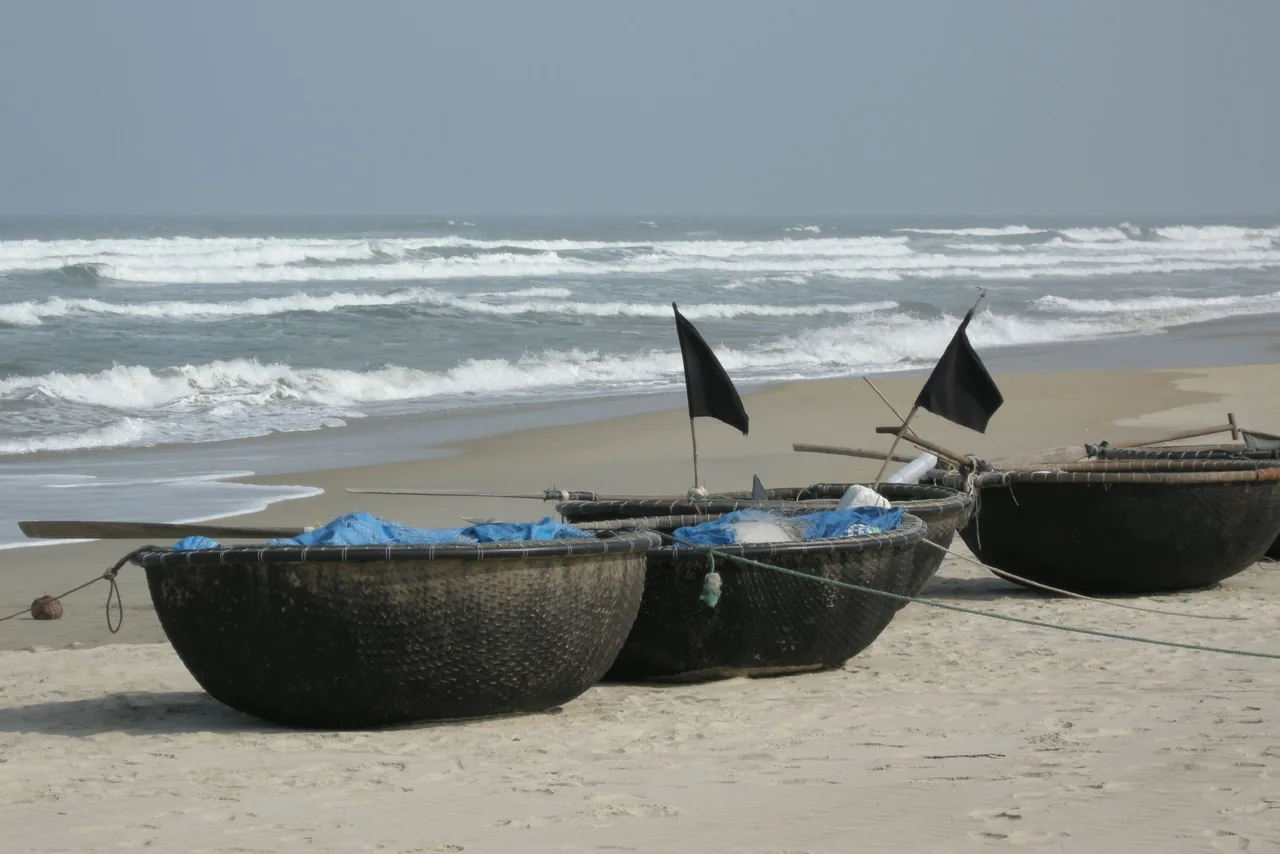
8. Swimming Safety: Season, Currents & Flags
Da Nang’s sea is beautiful but it has a real seasonal rhythm — getting this right matters more than which beach you pick:
| Season | Sea conditions | Swimming |
|---|---|---|
| Apr–Aug | Calm, warm, clear | ✅ Best — calm and safe |
| Sep–Nov | Rainy, big waves, strong rip currents | ⚠️ Risky — beaches may close swim zones |
| Dec–Mar | Cooler, choppier | △ Swimmable on calm days, water cooler |
- Obey the flags. Swim only between the flags where lifeguards mark a safe zone, and get out when a red flag is up.
- Rip currents are the real hazard, strongest in the Sep–Nov rains. Spot them as a darker, calmer-looking channel with fewer breaking waves and a line of foam/debris heading out.
- If you’re caught in one, don’t fight it. Stay calm, don’t swim against it — swim parallel to the beach until the pull weakens, then angle back in.
- My Khe and My An are the safest for swimming (gentle waves, lifeguards). Treat Nam O and the rocky coves as photo/sunset spots, not swimming beaches.
9. Beach-Day Practicalities
A few things that make a Da Nang beach day better:
- When to go: early morning or late afternoon. Midday sun (especially May–August) is fierce — locals largely vanish from the sand from about 11am to 3pm.
- Sun loungers & umbrellas are cheap to rent on My Khe / My An; quieter beaches have fewer, so bring a mat if you head to Nam O or the coves.
- Bring: reef-safe sunscreen, water, grippy sandals (for rocks), and small cash for loungers, drinks and seafood.
- Jellyfish can appear after storms — another reason to heed lifeguard flags.
- Seafood is everywhere behind the beaches; agree the price/weight first (see our scams guide, linked below).
10. So, Which Beach Should You Choose?
For most trips: stay around My Khe or My An so the sand, food and nightlife are on your doorstep, swim there when the flags are green, and spend one free morning at a wilder beach — Non Nuoc for quiet sand, Nam O or a Son Tra cove for something wild and photogenic. Get the season right (April–August for the best swimming, flags first in the rains) and Da Nang gives you one of the easiest, most beautiful coastlines in Asia.
Ready to plan around it? Build the rest of your trip with our complete Da Nang travel guide, and time it with the Da Nang weather guide.
🎡Things to Do52
🍜Food8
🏨Where to Stay6
🚇Getting Around9
🧭Travel Tips21
🧭Vietnam-wide essentials56
Frequently Asked Questions