
Money in Vietnam: Cash or Card, ATMs, and How Much to Bring
The Vietnamese đồng is full of zeros, ATMs charge fees (but some are free), and cash is still king on the street. Here’s exactly how to handle money in Da Nang and Vietnam.
- Currency: the Vietnamese đồng (₫, VND). About 26,000 VND to 1 USD — so prices have lots of zeros. Watch the 20,000 vs 200,000 note mix-up.
- Cash vs card: cards work in city hotels, malls and nicer restaurants; cash is essential for street food, markets, taxis and small shops.
- ATMs: everywhere, but most charge a foreign-card fee (~22,000–55,000₫). VPBank, TPBank and ACB are usually fee-free — use those.
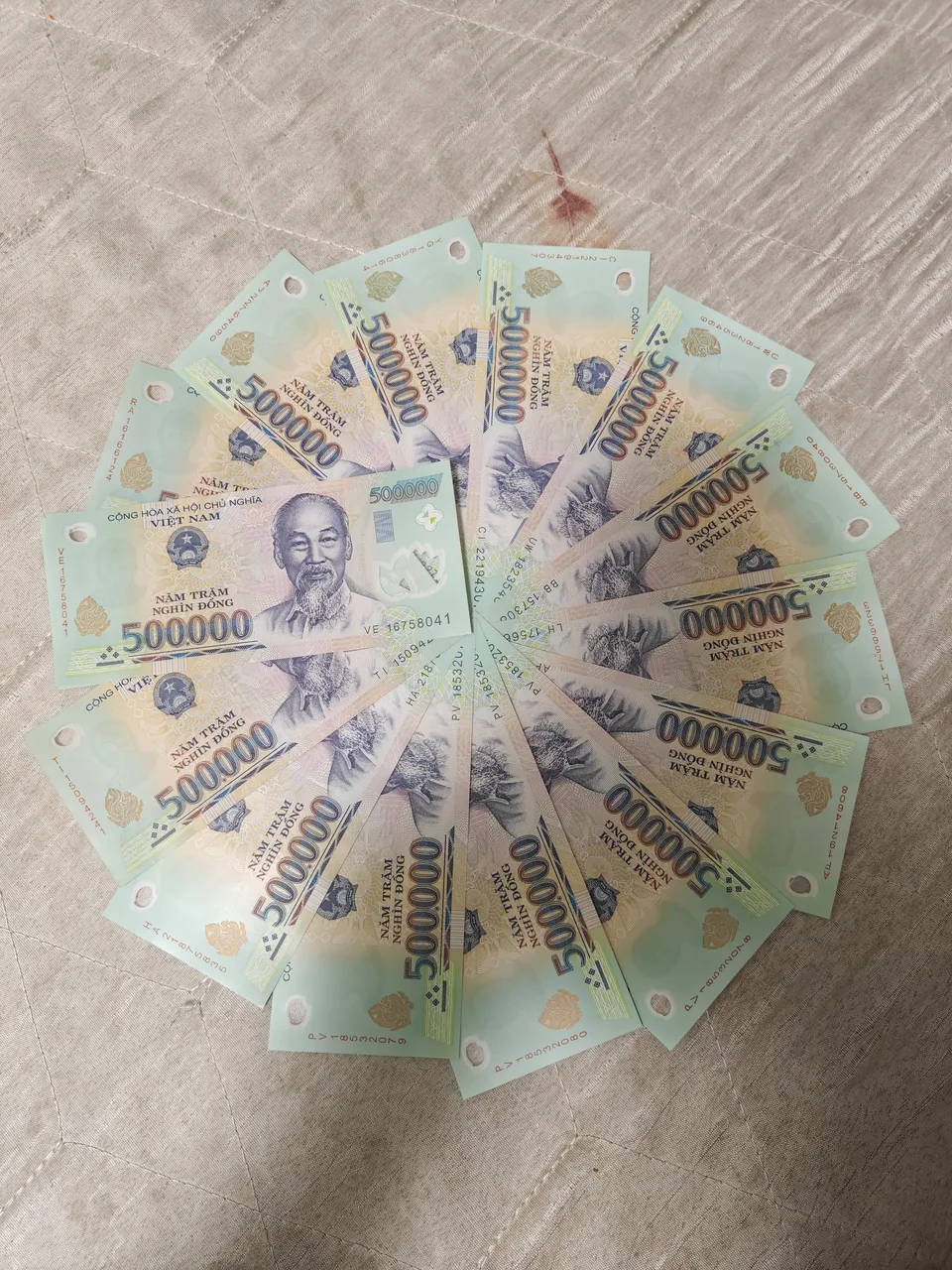
- Carry small: keep only ₫1–2 million on you and lots of small notes — vendors struggle to change a 500,000₫ bill.
- Tipping: not expected but appreciated — round up or 5–10% in restaurants, 20–50k₫/day for housekeeping, 50–200k₫ for guides.
1. Money in Vietnam at a Glance
2. The Vietnamese Đồng: Notes & All Those Zeros
3. Cash vs Card: What to Use Where
4. ATMs in Da Nang: Fees, Limits & the Free Ones
5. Exchanging Cash: Where It’s Legal and Where Rates Are Best
6. How Much Cash Should You Carry?
7. Tipping in Vietnam: Who, When & How Much
8. Mobile Payments & Paying Like a Local
9. Keeping Your Money Safe
10. So, How Should You Handle Money in Da Nang?
1. Money in Vietnam at a Glance
In short: Vietnam uses the đồng, cards work in the cities but cash rules the street, and you’ll want a fee-free ATM card. Here’s the quick picture before the detail:
| Question | Quick answer |
|---|---|
| Currency | Vietnamese đồng (₫ / VND) |
| Rough rate | ~26,000₫ to 1 USD (check live) |
| Cash or card? | Both — cards in cities, cash on the street |
| Best ATMs | VPBank, TPBank, ACB (usually fee-free) |
| Typical ATM fee (others) | ~22,000–55,000₫ per withdrawal |
| Cash to carry | ₫1–2 million, plus small notes |
| Tipping | Not expected, but appreciated |
| USD accepted? | Sometimes, but pay in đồng for value |
2. The Vietnamese Đồng: Notes & All Those Zeros
Vietnam’s currency is the đồng (symbol ₫, code VND). Because one US dollar is worth around 26,000₫, everyday prices run into the tens and hundreds of thousands — a bowl of noodles might be 50,000₫, a nice dinner 300,000₫. It feels strange at first, but you adjust fast.
Notes come in these denominations (there are effectively no coins in daily use):
| Note | Rough value (USD) | Colour / note |
|---|---|---|
| 1,000–5,000₫ | a few cents | small paper notes, low value |
| 10,000₫ | ~$0.40 | brown polymer |
| 20,000₫ | ~$0.75 | blue polymer ⚠️ |
| 50,000₫ | ~$1.90 | pink polymer |
| 100,000₫ | ~$3.80 | green polymer |
| 200,000₫ | ~$7.60 | reddish-brown polymer ⚠️ |
| 500,000₫ | ~$19 | dark blue polymer (highest) |
3. Cash vs Card: What to Use Where
Da Nang is increasingly card-friendly, but Vietnam still runs largely on cash. The simple rule: carry both.
- Cards work at: hotels and resorts, shopping malls (Vincom, Lotte Mart, GO!), mid-range and upmarket restaurants, convenience stores, and many cafés in the city. Visa and Mastercard are widely accepted (UnionPay too).
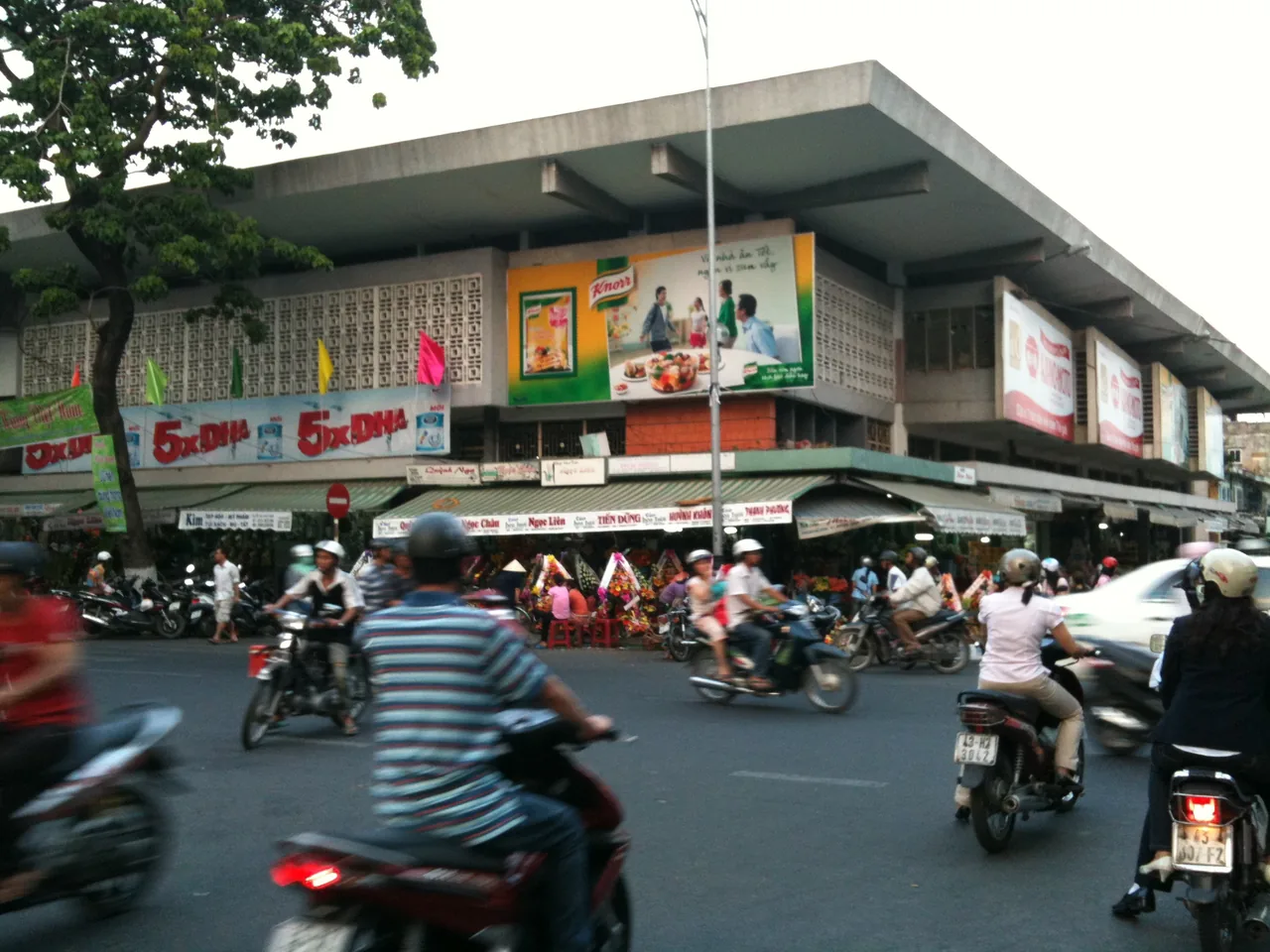
- Cash is needed for: street food, local markets (Hàn, Cồn), taxis and Grab-cash, small cafés and shops, entrance fees, and anything in the countryside.
- Card surcharge: some smaller places add a 2–3% fee for card payment — ask first if it matters.
4. ATMs in Da Nang: Fees, Limits & the Free Ones
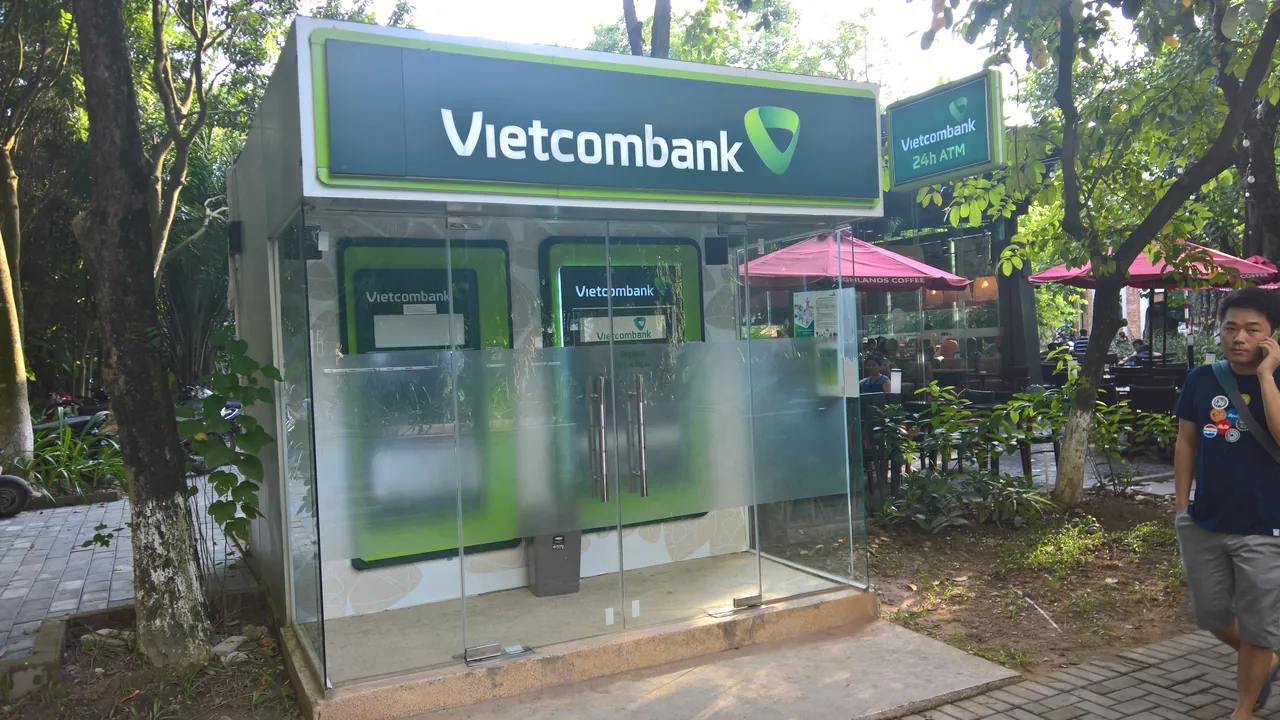
ATMs are everywhere in Da Nang — at the airport, in malls, convenience stores and on busy streets — and withdrawing đồng is usually the easiest, best-value way to get cash. The catch is fees: most banks charge foreign cards a withdrawal fee of about 22,000–55,000₫ on top of whatever your home bank adds.
The trick is to use the banks that don’t charge that local fee:
| Bank | Foreign-card fee | Per-withdrawal limit |
|---|---|---|
| VPBank | Usually free | up to ~10,000,000₫ |
| TPBank | Usually free | up to ~10,000,000₫ |
| ACB | Usually free | ~5,000,000₫ |
| Vietcombank / BIDV / Agribank | ~22,000–55,000₫ | ~3,000,000–5,000,000₫ |
- Withdraw the maximum your card allows in one go — fewer transactions means fewer flat fees.
- Decline the ATM’s currency conversion (choose to be charged in đồng, not your home currency) to avoid a poor “DCC” exchange rate.
- Tell your bank you’re travelling so the card isn’t blocked, and bring a backup card.
5. Exchanging Cash: Where It’s Legal and Where Rates Are Best
🚫 What is illegal in Vietnam: vapes, fines and what customs takes →
You can change cash too, though an ATM is usually just as good and more convenient. If you do exchange, where you do it now matters legally — not just for the rate.
- Legal & best: banks and licensed exchange counters that openly display an “authorised currency exchange” licence/sign. They give fair rates and a receipt.
- Worse rates: hotels and especially the airport — fine for a small amount to get started, but don’t change a lot there.
- Bring clean USD if you plan to exchange — crisp, newer bills get better rates; torn or marked notes may be refused.
- Count before you leave the counter, and use a calculator — with all those zeros, mistakes (innocent or not) are easy.
6. How Much Cash Should You Carry?
Enough for the day, not your whole trip. A good habit:
- Keep ₫1–2 million (about $40–80) in your wallet for daily spending, and leave the rest in your hotel safe.
- Carry small notes — 10,000, 20,000, 50,000 and 100,000₫ are the workhorses. Street vendors and taxis often can’t change a 500,000₫ bill.
- Break big notes at convenience stores, malls or your hotel, so you always have small change for food stalls and tips.
- Don’t flash cash — pull out what you need discreetly, especially in crowded markets.
7. Tipping in Vietnam: Who, When & How Much
Tipping is not traditional or expected in Vietnam, and you’ll never be made to feel bad for not tipping. That said, in tourist areas it’s increasingly appreciated, and a little goes a long way. Here’s a sensible guide:
| Who | Typical tip |
|---|---|
| Restaurants | Not required; round up or 5–10% if you’re happy |
| Cafés / street food | Not expected; leave small change if you like |
| Hotel housekeeping | 20,000–50,000₫ per day |
| Bellhop / porter | 20,000–50,000₫ |
| Tour guide | 50,000–200,000₫ (by length & quality) |
| Driver | 50,000–100,000₫ |
| Spa / massage | Appreciated; 50,000–100,000₫ is generous |
8. Mobile Payments & Paying Like a Local
Vietnam loves mobile wallets — MoMo, ZaloPay and VietQR bank transfers are everywhere, and locals scan QR codes for almost everything. The catch for tourists: most require a Vietnamese bank account to set up, so they’re hard to use on a short visit.
- For most travellers: stick to cash and card — you won’t need a local wallet for a normal trip.
- Staying longer? If you open a Vietnamese bank account, MoMo and QR payments make daily life very convenient.
- Contactless cards (tap to pay) increasingly work in city shops and malls, which is handy.
9. Keeping Your Money Safe
Vietnam is generally safe, but a few money habits save hassle:
- Count your change and your notes — with so many zeros, short-changing (deliberate or accidental) is the most common money slip.
- Agree taxi/Grab fares via the app or up front, and have small notes ready so you don’t overpay for lack of change.
- Use ATMs attached to banks where possible, and shield your PIN.
- Split your money: some in your wallet, some in the hotel safe, plus a backup card — so one loss isn’t a disaster.
For the specific tricks to watch — taxi meters, the “broken” card machine, overcharging and more — see our guide to common scams in Vietnam.
10. So, How Should You Handle Money in Da Nang?
Put simply: bring a fee-free debit card and a backup, withdraw đồng from VPBank or TPBank ATMs, carry ₫1–2 million in small notes for the street, and put hotels and big purchases on a card. Keep an eye on the zeros, decline ATM currency conversion, and you’ll barely think about money for the rest of your trip.
Tipping is a kindness, not an obligation — round up if you’re happy, and a small note for great service is always welcome. Do that, and money in Vietnam goes from confusing to easy. Plan the rest with our complete Da Nang travel guide.
🧭Vietnam-wide essentials152
Frequently asked questions