Da Nang in January: Mild Weather, Tết & the Best Things to Do
January brings Da Nang its dry season in full: sunny, mild, low-rain days that make it one of the best months to visit — plus the festive build-up to Tết. Here’s the complete, honest guide.
Last updated & verified: August 2026
Da Nang in January, in 60 seconds
Dry season in full swing: January is one of the driest months (~85–100mm) with stable, sunny skies — long downpours are rare and sightseeing is a pleasure.
Mild & comfortable: daytime highs around 24–25°C and nights near 19–20°C, with lower humidity — cool, fresh and easy to explore.
The cooler sea (~24°C): the sea is close to its yearly low, swimmable for some but better for sunny beach days and coastal walks than long swims.
Tết is coming: Vietnam’s Lunar New Year falls on 6 February 2027, so a January trip catches the festive run-up — flower markets and decorations — but avoids the Tết closures (which hit in early February).
Peak high season: January is busy and pricier as the dry-season crowds arrive — book flights and hotels well ahead.
January is, for many travellers, the best time to visit Da Nang. The rains of autumn are gone, the typhoon season is over, and the city settles into its dry season: sunny, mild days, low humidity and stable skies that are perfect for the beach, the mountains and the old town of Hoi An. It’s cool rather than hot — a refreshing change — and although the sea is near its yearly low, the sightseeing weather is hard to beat. January also carries a special buzz: it’s the run-up to Tết, the Vietnamese Lunar New Year, which in 2027 falls on 6 February. That means a January visit catches the festive build-up — flower markets, kumquat trees and decorations everywhere — while avoiding the widespread closures that come with Tết itself. The trade-off is that January is peak high season, so it’s busier and pricier. This is a complete, no-spin guide to Da Nang in January: detailed weather, the truth about Tết timing, the state of the sea, what to do, and exactly what to pack. Note: figures are typical long-term averages; any given year can vary, so check a live forecast close to your trip. (Comparing months? See our Da Nang in December guide and November guide, or the full Da Nang weather guide.)
In short: January is dry, mild and sunny — prime sightseeing weather and one of the best months to visit, balanced by a cooler sea, peak-season crowds and higher prices. Here’s the quick picture:
What to expect
January in Da Nang
Daytime high
around 24–25°C (mild, comfortable)
Night-time low
around 19–20°C
Sea temperature
~24°C — near the yearly low (February is coldest), but swimmable
Rain
low (~85–100mm); mostly light, brief showers
Rainy days
roughly 9–12 days (often light)
Humidity
lower & comfortable, ~80%
Sunshine
good — stable, clearer skies
Tết (Lunar New Year)
6 Feb 2027 — January is the run-up
Crowds
busy — peak dry-season high season
Hotel prices
high; book ahead
Verdict
excellent for sightseeing; a top month to visit
One-line summary: January = sunny, mild and dry, ideal for exploring. Bring a light layer for cool evenings, book ahead for the high season, and enjoy the pre-Tết buzz.
🎟️ Rain drops to 85–100mm across 9–12 light days in January and the storm season is over, so you can book Ba Na Hills or a Hoi An day trip several days out without watching the forecast.See on Klook →See on Viator →See on KKday →See on Trip.com →Affiliate link — we may earn a commission at no extra cost to you.
2. January Weather in Detail: How It Compares to December & February
January is the heart of Da Nang’s dry, cool season. Daytime highs sit around 24–25°C and nights around 19–20°C, with lower humidity that makes it feel fresh and comfortable. Best of all, it’s dry: rainfall drops to roughly 85–100mm — about half of December — and the skies are far more stable, with plenty of sun and only brief, occasional light showers rather than the long downpours of autumn.
Here’s how the dry season builds across three months, so you can choose your dates with eyes open:
Aspect
December
January
February
Daytime high
~25–26°C
~24–25°C
~26°C
Sea temperature
~25°C
~23.5°C
~24°C
Rain (monthly)
easing (~215mm)
low (~85–100mm)
lowest (~30–40mm)
Rainy days
~14–18
~9–12
~5
Humidity
high
lower, comfortable
low
Crowds & prices
holiday spike
high season
high; Tết late Feb
The trend is clear: from December into February it gets drier and sunnier. January is reliably dry and mild, and February is drier still and a touch warmer (though it carries the Tết holiday). If you want the best mix of dry weather and comfortable temperatures, January and February are the sweet spot — both far drier than December. For the wetter shoulder months before, see our November guide.
3. The Dry Season Arrives: Sun, Low Rain & What to Expect
January is firmly in the dry season, and it’s one of the most reliable months for good weather in Da Nang. The wet season and typhoons are well behind you, the air is cooler and less humid, and the skies are mostly clear and stable. You’ll still get the odd cloudy spell or a short, light shower — central Vietnam can see a fine winter drizzle (locally called “mưa phùn”) on cooler days — but long, soaking rain is rare.
What this means for your trip:
Plan outdoor days with confidence: beaches, Ba Na Hills, the Marble Mountains, Son Tra and Hoi An all shine in dry, sunny weather.
Mornings can be cool and fresh; afternoons are pleasantly mild — perfect for walking without the summer heat.
Bring a light layer for cool evenings and breezy, overcast days, and keep a compact umbrella for the occasional light shower.
No typhoon worries: the storm season is over, so weather disruption is very unlikely.
Good to know: January’s stable weather and comfortable temperatures make it ideal for packed sightseeing itineraries — you can plan day after day outdoors with little fear of a washout.
4. Tết & the Lunar New Year Run-Up: What January Travellers Should Know
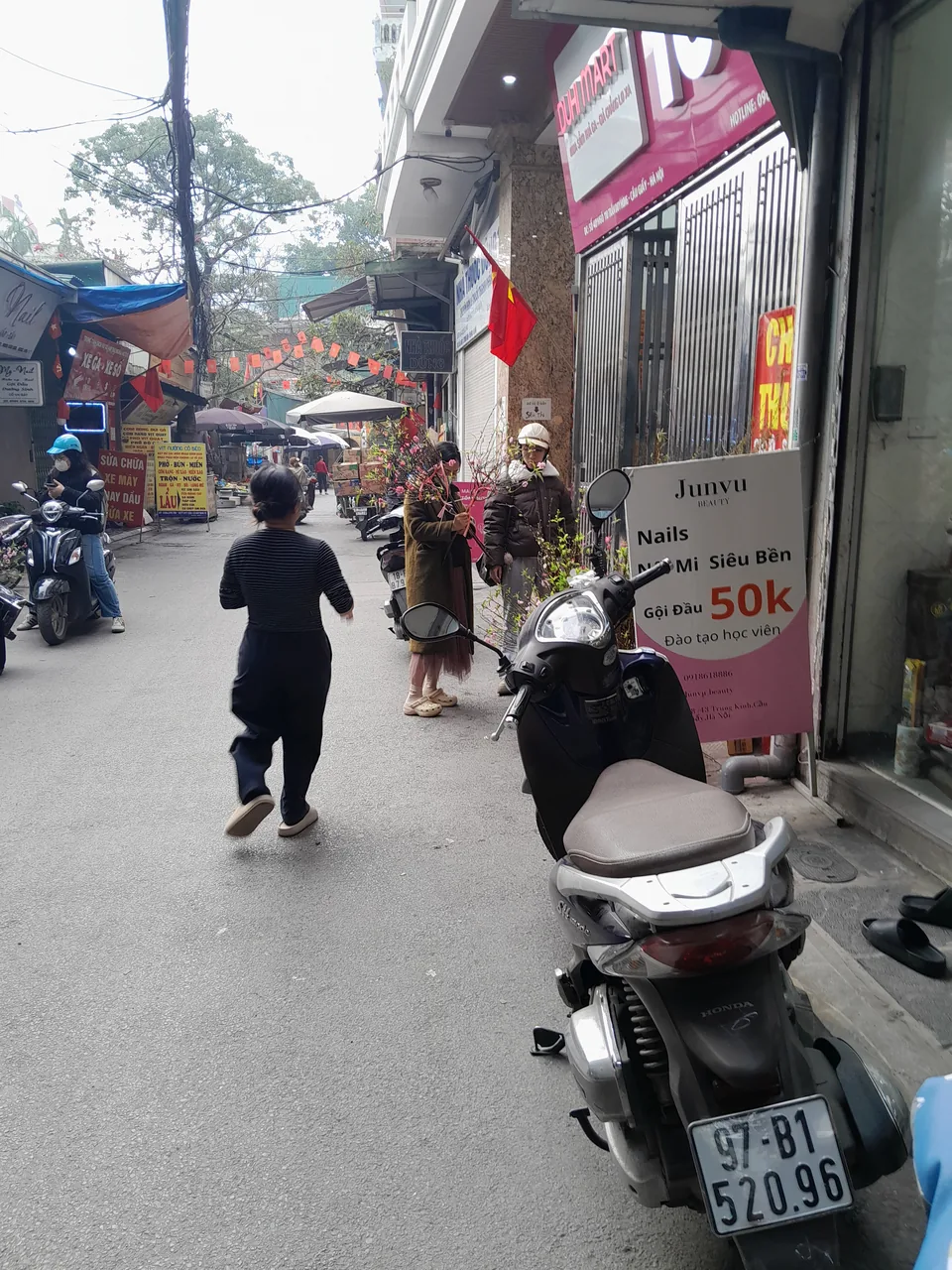
Tết — the Vietnamese Lunar New Year — is the country’s biggest and most important holiday, and in 2027 it falls on 6 February. That timing matters for a January trip: you’ll experience the joyful run-up to Tết without being caught in the holiday closures themselves. Through January, the city fills with festive energy — flower markets selling kumquat trees and yellow apricot blossom (hoa mai), red-and-gold decorations, gift shopping and a happy, year-end buzz — a wonderful, atmospheric time to visit.
Crucially, the widespread Tết closures (many local restaurants, shops and family businesses shut for several days as people return to their hometowns) mainly hit from around early February 2027. So a January traveller gets the best of both worlds: the festive atmosphere, with everything open and running normally.
Travelling late January? You’ll see the build-up intensify; everything still operates normally.
Trip stretching into early February? Plan around Tết: book ahead, expect some closures and higher prices, and check opening hours.
The Lunar New Year is shared across the region — it’s the same festival as China’s Spring Festival and Korea’s Seollal — so it may feel familiar to many visitors.
Hoi An is especially atmospheric in the run-up — see our Hoi An guide. For the wider picture across the year, our Da Nang weather guide helps you time it right.
The sea in January is close to its yearly low, around 24°C, with February the coldest month, and the winter monsoon can make it breezier with bigger waves. Swimming is still possible — and visitors from cooler climates often find it fine — but January is more about sunny beach days, coastal walks and views than long swims. The upside: with clear, dry skies, the beaches look their best.
Sunny but cool water: expect bright beach days where sunbathing beats swimming for many people.
Mind the waves & currents: the winter monsoon brings choppier seas and rip-current risk. Swim only between the flags and heed lifeguards.
Great for walks & photos: the long city beaches are quiet and beautiful under clear winter skies.
Boat trips are limited: Cham Islands tours generally don’t run in this season’s conditions.
For the full rundown of the city’s main beach — the best stretches, sun-lounger prices and safety flags — see our My Khe Beach guide. In January, pair beach time with plenty of sightseeing to make the most of the dry weather.
6. Crowds, Prices & Value: Peak Dry-Season High Season
January’s lovely weather comes at a price: it’s peak high season. The dry season draws international visitors, and with the post-holiday travel period and the build-up to Tết, the city is busy and accommodation is at its priciest. Popular attractions, restaurants and beaches are livelier than in the quiet wet-season months.
Book early: flights and well-located hotels fill up and cost more — reserve ahead, especially for the better beachfront resorts.
Expect more company at big sights like Ba Na Hills and in Hoi An’s old town; go early in the day to beat the crowds.
Value tip: you’re paying for great weather. If budget is tight, the quieter (wetter) months of October–November offer much lower prices — see our November guide.
Where to stay? Compare our pick of the best Da Nang beach resorts & hotels, and reserve early to lock in the best rooms and rates for the high season.
7. The Best Things to Do in Da Nang in January
January’s dry, mild weather is ideal for doing it all — make the most of the reliable sunshine across the city, coast and mountains.
Ba Na Hills & the Golden Bridge: clear winter days are perfect for the cable car and mountain-top views. See our Ba Na Hills guide.
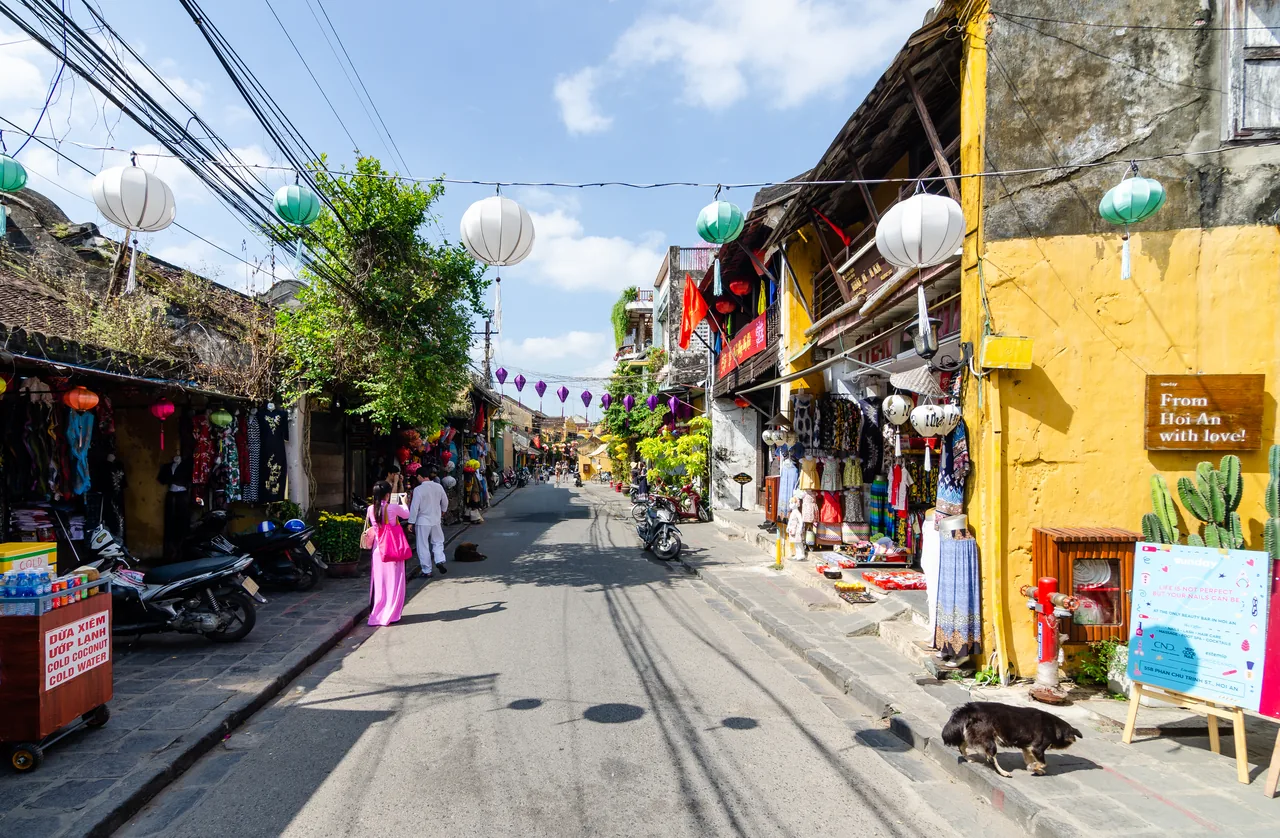
Hoi An old town: mild, sunny days (and the pre-Tết buzz) make the lantern-lit heritage town a highlight — see our Hoi An guide.
Marble Mountains & Son Tra Peninsula: comfortable temperatures make the caves, temples and viewpoints a joy to explore.
Beach & coastal strolls: sunny beach days are great even if the sea is cool; enjoy the long sands and seafood shacks.
Eat your way around: cooler weather suits Da Nang’s hot noodle soups and cosy cafés — dive into our Da Nang food guide.
Soak up the pre-Tết markets: wander the flower and gift markets for a taste of local festive life.
January is mostly dry, but you can still hit a cool, overcast day or a light winter drizzle — so it’s worth knowing your indoor options. Happily, Da Nang has plenty under cover. Keep this shortlist handy:
Rainy-day option
Why it works in the wet
Café or coffee crawl
Da Nang’s café scene is excellent & cosy
A cooking class
Hands-on, indoor, and you eat the results
Spa or massage
Perfect downtime on a cool day
Marble Mountains caves
Sheltered caverns, shrines & tunnels
Cham Museum of Sculpture
Indoor, fascinating, and quick to reach
Shopping malls & markets
Vincom, Lotte Mart and Han Market stay dry
Mikazuki water park & onsen
Indoor pools & hot springs — warm on a cool day
Pro move: on a cool January day, a warm onsen, a cosy café or a hot bowl of noodles is a treat. A compact umbrella and a light layer cover you for the occasional shower.
9. What to Pack for January’s Mild, Dry Weather
January asks you to pack for warm, sunny days and noticeably cooler evenings — the one season you’ll want a little warmth in Da Nang:
Light layers: a long-sleeve top, a light sweater or jacket for cool evenings, breezy days and air-conditioning.
Daytime basics: light, breathable clothing, sunglasses and sunscreen for the sunny afternoons.
A compact umbrella for the occasional light shower (you’ll need it far less than in autumn).
Comfortable walking shoes for all the sightseeing the dry weather invites, plus swimwear for sunny beach or pool days.
A modest cover-up for temples, and a smart-casual option if you’re out for nice dinners during the busy season.
Dry-season strategy: use the reliable weather to pack your days with outdoor highlights, keep a light layer for evenings, and book key tickets and tables ahead — January’s high season rewards a bit of planning.
10. So, Is January a Good Time to Visit Da Nang?
Yes — January is one of the very best months to visit Da Nang, especially for sightseeing and good weather. You get dry, sunny, mild days, low humidity, no typhoon risk, and the festive build-up to Tết — a winning combination for exploring the city, coast and mountains. The trade-offs are a cooler sea that’s less inviting for long swims, and peak-season crowds and prices.
January is ideal for travellers who want reliable weather and comfortable sightseeing, couples and families exploring beyond the beach, and anyone curious about the pre-Tết atmosphere. It’s less ideal if your priority is hot weather and warm-sea swimming (the summer months suit that better) or if you’re travelling on a tight budget (the wetter November and the December shoulder are cheaper). If your trip stretches toward early February, plan around the Tết holiday.
Pack a light layer, book ahead, and January can be a sunny, comfortable and culturally rich trip. Map out the rest with our complete Da Nang travel guide.
🏨 January is peak dry-season high season, so the well-placed beachfront hotels go first and cost the most — reserve early, because this is the month a walk-up rate really hurts.See on Trip.com →See on Agoda →See on Expedia →Affiliate link — we may earn a commission at no extra cost to you.
Q. What is the weather like in Da Nang in January?
January is mild, dry and sunny — the heart of the dry season. Daytime highs are around 24–25°C, nights about 19–20°C, with lower humidity and stable skies. Rainfall is low at roughly 85–100mm over about 9–12 days, mostly brief light showers, and there’s no typhoon risk.
Q. Is January a good time to visit Da Nang?
Yes — it’s one of the best months, especially for sightseeing. You get dry, mild, sunny weather, low humidity and no typhoons, plus the festive pre-Tết atmosphere. The trade-offs are a cooler sea (less ideal for long swims) and peak-season crowds and prices.
Q. Is it rainy in Da Nang in January?
Not very. January is one of the driest months, with around 85–100mm of rain over 9–12 days — about half of December — mostly as brief, light showers or a fine winter drizzle. Long downpours are rare and the skies are mostly clear.
Q. Can you swim in Da Nang in January?
You can, but the sea is near its yearly low (~24°C) and the winter monsoon makes it breezier with bigger waves. Visitors from cooler climates often find it fine; for most, January is better for sunny beach days and coastal walks than long swims. Swim only between the flags.
Q. When is Tết (Lunar New Year) in 2027, and does it affect a January trip?
Tết 2027 falls on 6 February, so a January trip lands in the festive run-up rather than the holiday itself. You’ll enjoy flower markets, decorations and a happy buzz while shops and restaurants stay open. The widespread Tết closures mainly hit in early February, so plan around them only if your trip extends into that period.
Q. Is Da Nang busy in January?
Yes — January is peak dry-season high season. The good weather and the run-up to Tết bring crowds, and hotels are at their priciest. Book flights and accommodation well ahead, and visit big sights early in the day.
Q. Is January cooler than other months in Da Nang?
January is one of the coolest, most comfortable months, with daytime highs around 24–25°C and cooler evenings. It’s a refreshing change from the summer heat, and the lower humidity makes it especially pleasant for sightseeing.
Q. What should I do in Da Nang if it’s cool or rainy in January?
Plenty stays open and cosy: a café or coffee crawl, a cooking class, a spa or massage, the Marble Mountains caves, the Cham Museum, the shopping malls, or the indoor pools and onsen at Mikazuki. On a cool day, a warm onsen or a hot bowl of noodles is especially nice.
Q. What should I pack for Da Nang in January?
Pack light layers — a long-sleeve top, light sweater or jacket for cool evenings — plus daytime basics like light clothing, sunglasses and sunscreen, a compact umbrella for the odd shower, comfortable walking shoes, and swimwear for sunny days. Add a modest cover-up for temples.
Q. January or February — which is better for Da Nang?
Both are excellent dry-season months. January is mild, sunny and dry with the pre-Tết buzz; February is drier still and a touch warmer, but it includes the Tết holiday (6 February 2027), which brings closures and higher prices for several days. For uninterrupted sightseeing, January (or after the Tết period) is the safer bet.