Bún Chả Cá: The Fish-Cake Noodle Soup Da Nang Does Best
A light, tangy fish broth, springy fish cakes and rice vermicelli — what bún chả cá is, how to eat it, where to find the best in Da Nang, and how it differs from Mì Quảng.
Last updated: June 2026
Bún chả cá, in 30 seconds
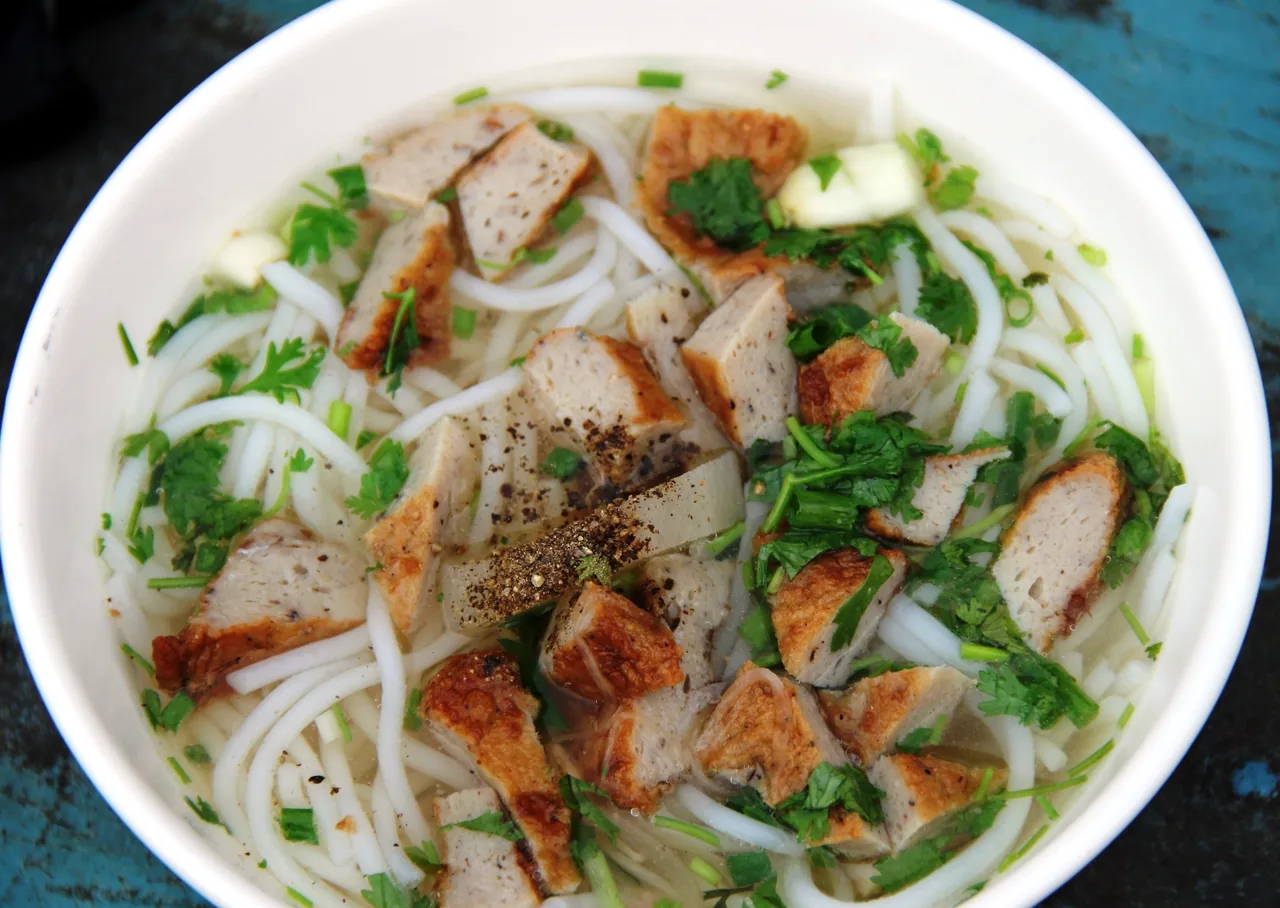
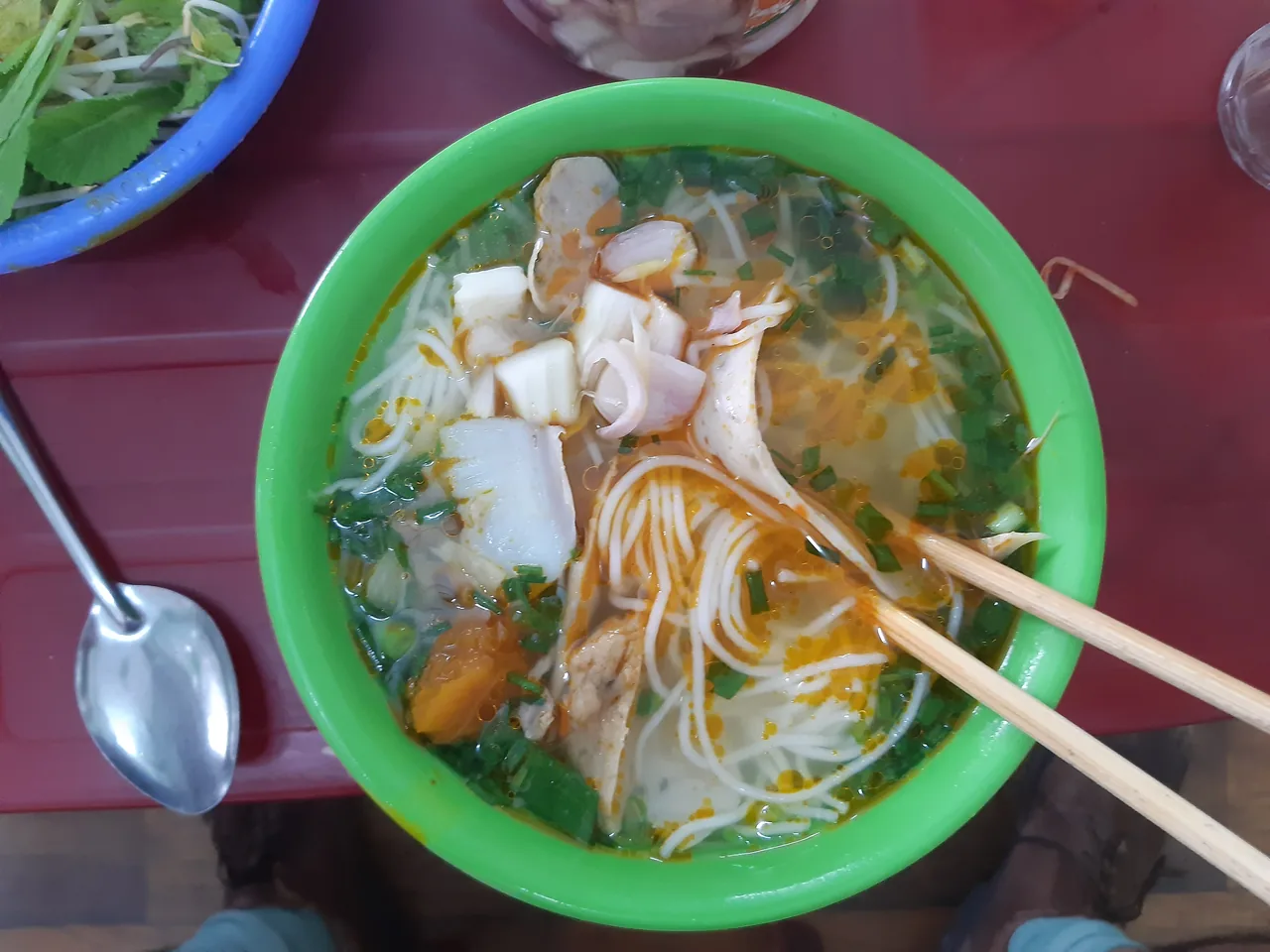
The dish: rice vermicelli in a clear, light, slightly sweet-and-sour fish broth, topped with two kinds of fish cake. Da Nang’s favourite breakfast soup.
The key move: stir in a little mắm ruốc (fermented shrimp paste), squeeze some lime/kumquat, add chilli and a big handful of herbs.
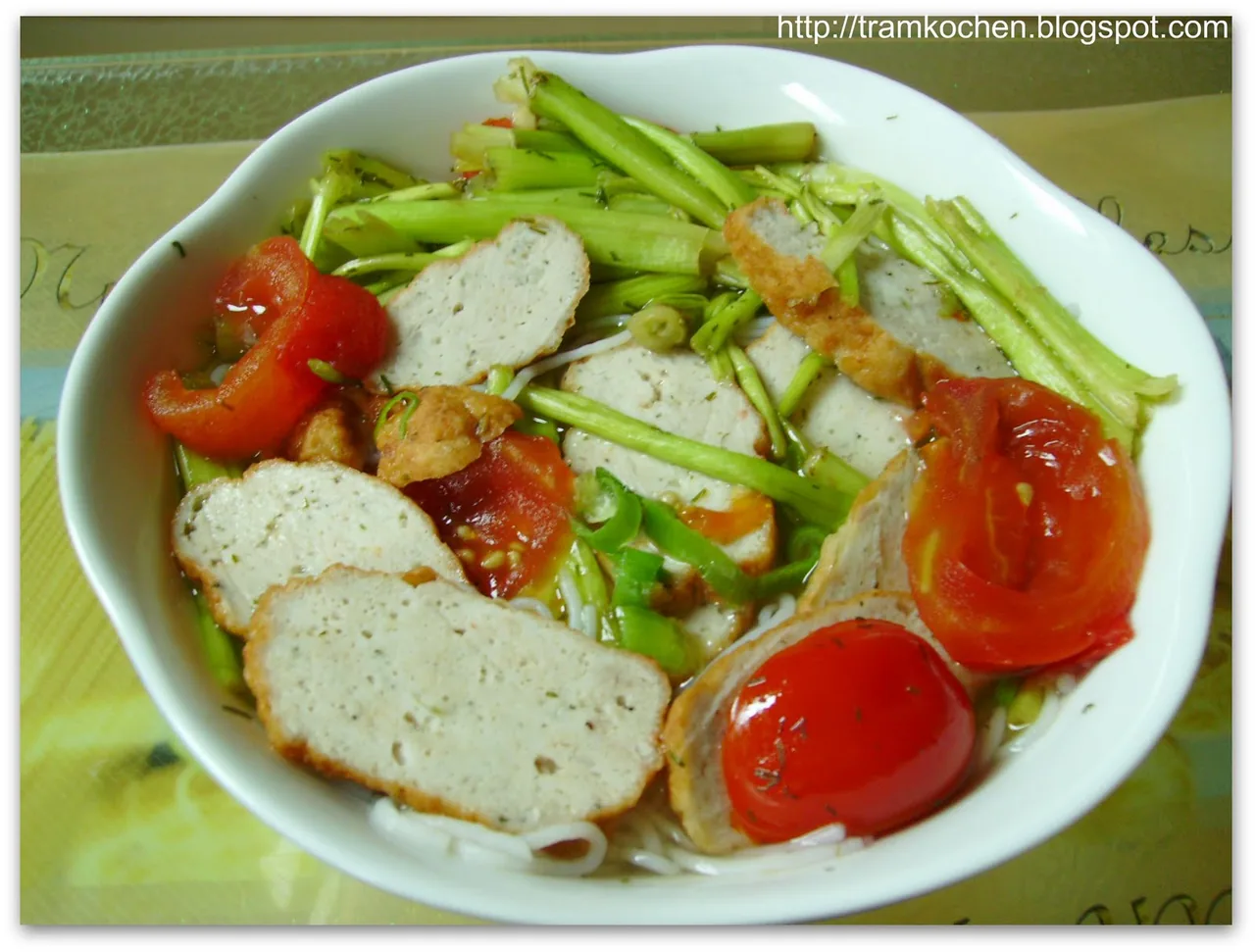
Two fish cakes:chả cá chiên (fried, golden) and chả cá hấp (steamed, springy) — a good bowl has both.
Price: ~25,000–45,000 VND a bowl. It’s a breakfast-to-lunch dish; the best places are busiest in the morning.
If Mì Quảng is Da Nang’s great dry noodle, then bún chả cá is its great noodle soup — and locals are fiercely loyal to it. It’s a bowl of rice vermicelli in a clear, light fish broth, gently sweet-and-sour from a touch of pineapple and tomato, crowned with springy fish cakes and eaten with a spoonful of pungent shrimp paste, a squeeze of lime and a pile of fresh herbs. Where the central coast really makes it sing is the fish cake itself — bouncy, savoury and made fresh — and Da Nang has whole shops devoted to nothing else. This guide explains what bún chả cá actually is, what’s in the bowl, how to season and eat it like a local, where to find the good stuff in Da Nang (with real, named places), and how it fits alongside the city’s other famous noodles. (Hungry for more? See our Da Nang food guide, or plan the whole trip with our complete Da Nang guide.)
Bún chả cá (pronounced roughly boon cha ka) means simply “rice-noodle fish cake” — bún is round rice vermicelli, and chả cá is fish cake. It’s a clear, light noodle soup built on a broth simmered from fish (and often pork) bones, lifted with a gentle sweet-and-sour note from pineapple and tomato, and sometimes a little squash or bamboo shoot. It’s a signature of Vietnam’s central coast — Da Nang, Nha Trang and Quy Nhơn all have their versions — and in Da Nang it’s an everyday favourite, especially for breakfast.
Think of it as the brothy cousin of Mì Quảng: where Mì Quảng is wide turmeric noodles with just a splash of intense sauce, bún chả cá is round vermicelli swimming in a light, refreshing fish broth.
💡 Don’t confuse it with bún chả (no “cá”) — that’s the grilled-pork-and-noodle dish from Hanoi. The “cá” (fish) is what makes this a central-Vietnam fish-cake soup.
🎟️ That sweet-sour edge is pineapple and tomato simmered into a fish-bone broth, and a Da Nang cooking class or food tour starts where the fish cake is actually made rather than where it is reheated.See on Klook →See on Viator →See on KKday →See on Trip.com →Affiliate link — we may earn a commission at no extra cost to you.
2. What’s in the Bowl
A bowl of bún chả cá is simple but layered. Here’s what you’ll find:
Element
Vietnamese
What it is
The broth
nước dùng
A clear, light fish-bone broth with a gentle sweet-sour edge from pineapple & tomato.
Rice vermicelli
bún
Thin, round rice noodles — soft and slippery, different from Mì Quảng’s flat noodles.
Fried fish cake
chả cá chiên
Golden, pan-fried fish cake — firmer, savoury, a little chewy.
Steamed fish cake
chả cá hấp
Pale, steamed fish cake — soft, springy and bouncy.
Herbs & sprouts
rau sống
Bean sprouts, Vietnamese coriander, shredded banana flower and greens, added to taste.
Shrimp paste
mắm ruốc
A pungent fermented shrimp paste stirred in for depth — the local secret.
💡 The fish cake is usually made from mackerel (cá thu) or similar, pounded into a springy paste — the bounce and freshness are what separate a great bowl from an average one.
3. The Broth & the Two Fish Cakes
Two things make bún chả cá what it is — and both are worth understanding before you order.
The broth is deliberately light and clean, not heavy. It’s simmered from fish (and sometimes pork) bones and seasoned to a delicate sweet-and-sour balance, usually with pineapple and tomato, occasionally with squash or bamboo shoot. It should taste fresh and slightly tangy rather than rich — a contrast to a deep beef phở.
The fish cake (chả cá) is the headline. A good shop makes it fresh from mackerel or other fish pounded into a bouncy paste, then serves it two ways in the same bowl:
Fried (chả cá chiên): golden and pan-fried, firmer and more savoury.
Steamed (chả cá hấp): pale and springy, with that signature bouncy bite.
💡 If you only try one Da Nang fish dish, make it this — the fresh, bouncy fish cake is the whole point, and the best shops are famous precisely for theirs.
Bún chả cá arrives fairly plain, and the seasoning is up to you — that’s half the fun:
Add herbs and sprouts. Pile in the bean sprouts and fresh herbs from the side plate.
Stir in mắm ruốc. Add a little of the pungent shrimp paste — start small, it’s strong — for that deep, savoury local flavour.
Brighten it. Squeeze in lime or kumquat and add chilli (fresh or as a paste) to taste.
Taste and adjust. The broth is light on purpose, so season it to your liking and slurp away.
⚠️ Mắm ruốc is potent. If you’re not sure, add a tiny bit, stir and taste before adding more — a little brings savoury depth, too much overwhelms the light broth.
5. Where to Eat Bún Chả Cá in Da Nang
Da Nang has shops that do little but bún chả cá, often for generations. A few established, well-known names that locals and visitors both rate:
A traditional shop popular with locals for breakfast.
⚠️ Opening hours and addresses change, and the best shops often sell out by lunchtime. Search the name in Google Maps for the nearest current branch, its hours and recent reviews before you go — and go early.
💡 Many bún chả cá shops are in the central Hải Châu district rather than the beach — an easy, cheap Grab from My Khe. See our transport & ride-app guide for getting around.
6. Price, Timing & What to Expect
A few practical notes:
Price: a bowl runs about 25,000–45,000 VND (roughly US$1–2) at local shops. Cheap, light and very good value — add an extra portion of fish cake if you’re hungry.
When to eat it: it’s a breakfast-to-lunch dish above all. The best shops open early and the freshest fish cake goes fast, so morning is ideal.
How it’s served: the bowl comes with a side plate of herbs and sprouts and a tray of condiments (shrimp paste, chilli, lime) — you finish it yourself.
Light meal: the broth is delicate, so one bowl is a light-to-medium meal; locals often pair it with a Vietnamese iced coffee afterwards.
💡 Make it a proper local morning: a bowl of bún chả cá followed by a cà phê sữa đá. Our Da Nang coffee guide covers where to get a good one nearby.
Central Vietnam is noodle country, so here’s how bún chả cá stands apart:
vs Mì Quảng: Mì Quảng has wide, turmeric-yellow noodles with only a splash of intense sauce and is tossed; bún chả cá is round vermicelli in a proper light fish broth. Dry vs brothy — the two great Da Nang noodles.
vs Phở: phở is a beef or chicken soup; bún chả cá is fish-based, lighter and tangier, and uses round vermicelli rather than flat phở noodles.
vs Bún cá: closely related — bún cá features chunks of actual fish, while bún chả cá centres on the fish cake. Many shops serve both.
💡 Doing a Da Nang noodle crawl? Pair this with our Mì Quảng guide and you’ve covered the city’s two signature bowls — one dry, one soup.
8. Variations & Ordering Tips
A few last things to order with confidence:
Bún cá vs bún chả cá: ask for bún chả cá for the fish-cake version; bún cá gets you chunks of fish instead. Some bowls come with both.
Jellyfish: some Da Nang versions add crunchy jellyfish (sứa) — a local touch worth trying if you see it.
Say it right: “cho tôi một tô bún chả cá” — “one bowl of bún chả cá, please.”
Spice: chilli comes on the side, so you control the heat. “không cay” means “not spicy.”
Mắm ruốc on the side: if you’re unsure about the shrimp paste, ask for it on the side and add your own.
⚠️ Shops, hours and prices change. Treat the names here as starting points and confirm the current details on Google Maps before you go.
🎟️ Most of the good shops sit in Hải Châu rather than by the beach and the fresh fish cake goes early, so a morning food tour saves you both the Grab ride and the guess about which one still has it.See on Klook →See on Viator →See on KKday →See on Trip.com →Affiliate link — we may earn a commission at no extra cost to you.
Bún chả cá is a Vietnamese fish-cake noodle soup, a signature of the central coast and a Da Nang favourite. It’s rice vermicelli (bún) in a clear, light, slightly sweet-and-sour fish broth, topped with fried and steamed fish cakes (chả cá) and eaten with herbs, lime, chilli and a little fermented shrimp paste.
Q. How is bún chả cá different from Mì Quảng?
Mì Quảng has wide, turmeric-yellow rice noodles with only a splash of intense sauce and is tossed, not soupy. Bún chả cá is round rice vermicelli served in a proper light fish broth — a true soup. They’re Da Nang’s two great noodle dishes: one dry, one brothy.
Q. What is the broth made of?
A clear, light broth simmered mostly from fish (and often pork) bones, seasoned to a gentle sweet-and-sour balance, usually with pineapple and tomato, sometimes squash or bamboo shoot. It’s meant to taste fresh and tangy rather than heavy.
Q. What is mắm ruốc and do I have to use it?
Mắm ruốc is a pungent fermented shrimp paste that locals stir into the broth for savoury depth. It’s optional and strong — add a little at a time, or ask for it on the side so you can control how much goes in.
Q. How much does bún chả cá cost in Da Nang?
About 25,000–45,000 VND a bowl (roughly US$1–2) at local shops. It’s cheap, light and great value; you can usually add an extra portion of fish cake for a little more.
Q. Is bún chả cá spicy?
Not by default — chilli (fresh or as a paste) comes on the side, so you control the heat. Say ‘không cay’ for none. The base flavour is light, fresh and tangy rather than fiery.
Q. When is the best time to eat bún chả cá?
Morning. It’s mainly a breakfast-to-lunch dish; the best shops open early and the freshest fish cake sells out fast, so go earlier rather than later. Many locals pair it with a Vietnamese iced coffee afterwards.
Q. Where is the best bún chả cá in Da Nang?
Established names include Bún chả cá 109 on Nguyễn Chí Thanh (the famous one, central), Bún chả cá Bà Lữ and Bún chả cá Ông Tạ. Most are in the central Hải Châu area, a cheap Grab from the beach. Check current hours and reviews on Google Maps and go in the morning.