
Da Nang Coffee: What to Order and Where to Drink It
From iced milk coffee to third-wave roasters — how Vietnamese coffee works, the drinks to try and the Da Nang cafés worth your morning.
- The coffee: Vietnam runs on strong robusta brewed in a metal phin filter — cheap, intense and usually drunk iced with condensed milk.
- Order this: cà phê sữa đá (iced milk coffee) to start; then try egg coffee, coconut coffee and Hue-style salt coffee.
- Where: big chains (Cộng, Highlands, Katinat, Phúc Long) for reliability; the An Thượng area for specialty roasters and café-hopping.
- Price: ~20,000–35,000 VND at local spots, ~45,000–70,000 VND at specialty cafés. Most have fast wi-fi and air-con.
1. How Vietnamese Coffee Works
2. The Da Nang Coffee Menu, Decoded
3. The Coffee Chains You’ll See Everywhere
4. Specialty Cafés for Coffee Lovers
5. Cafés With a View
6. Where the Café Districts Are
7. Must-Try Local Twists: Egg, Coconut & Salt Coffee
8. Practical Tips: Prices, Wi-Fi & Buying Beans
Coffee isn’t a side note in Vietnam — it’s a daily ritual, and Vietnam is the world’s second-biggest coffee producer. Da Nang does it brilliantly: strong phin-filter robusta for a few thousand dong on a plastic stool, sleek third-wave roasteries pulling single-origin shots, and beach-view cafés to kill an afternoon. This guide explains how Vietnamese coffee actually works, the drinks worth ordering (including egg, coconut and salt coffee), the chains you’ll see everywhere, the specialty cafés worth a detour, and where the café districts are — with real, named places. (Hungry too? Pair it with our Da Nang food guide, or plan the whole trip with our complete Da Nang guide.)
1. How Vietnamese Coffee Works
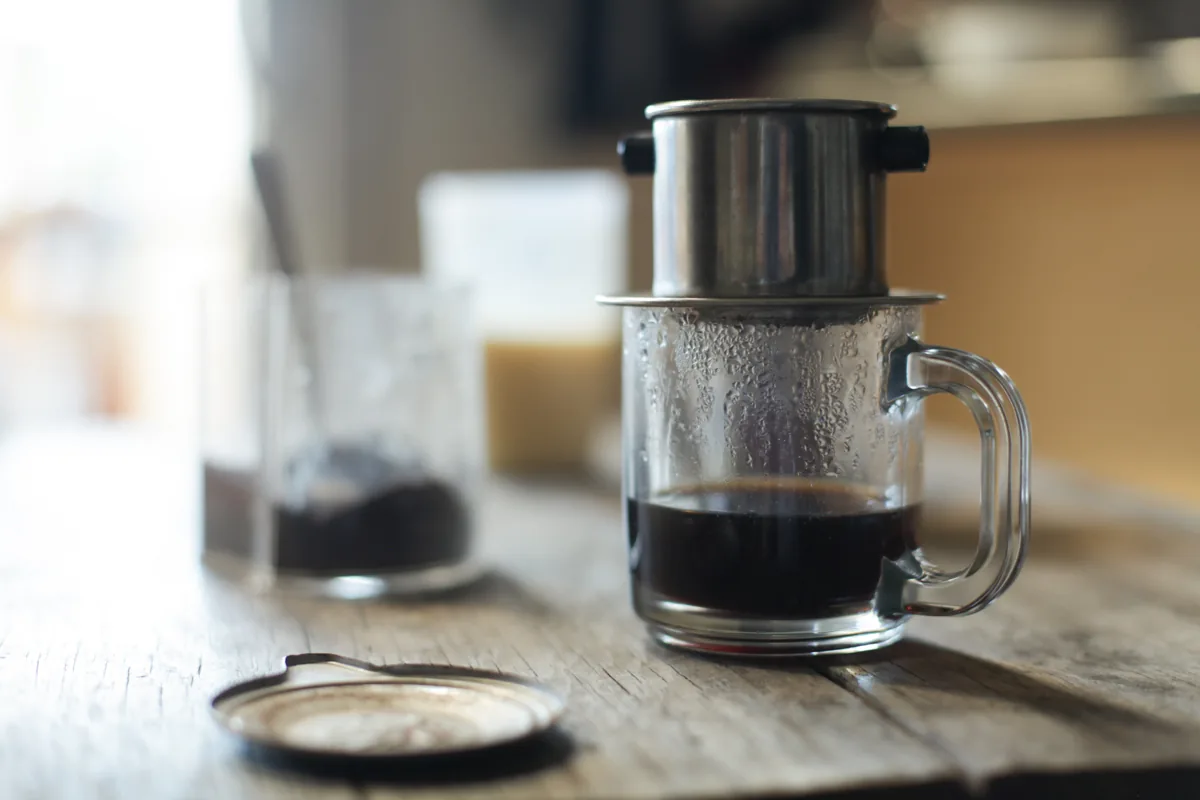
Vietnam grows mostly robusta — a bean that’s stronger, more bitter and more caffeinated than the arabica most Westerners know. Brewed in a small metal drip filter called a phin, it produces a tiny, intense cup that’s almost always cut with sweet condensed milk and poured over ice. The result — cà phê sữa đá — is the national drink.
Two things to know before you order:
- It’s strong. A single Vietnamese coffee has a serious caffeine hit. If you’re sensitive, share one or ask for it weaker.
- It’s slow. The phin drips at its own pace — part of the ritual is waiting. Sit, watch the street, don’t rush.
2. The Da Nang Coffee Menu, Decoded
Café menus can be baffling at first. Here are the drinks actually worth ordering:
| Drink | Vietnamese | What it is |
|---|---|---|
| Iced milk coffee | cà phê sữa đá | The classic: strong coffee, condensed milk, ice. Start here. |
| Black iced coffee | cà phê đen đá | No milk — strong, bitter, refreshing. Add sugar if you like. |
| Bạc xỉu | bạc xỉu | More milk, less coffee — a gentle, sweet, latte-like cup. Great for the coffee-shy. |
| Egg coffee | cà phê trứng | Whipped egg-yolk cream over coffee — rich, dessert-like, a must-try. |
| Coconut coffee | cà phê cốt dừa | Coffee blended with coconut cream/ice — Cộng’s signature, like a coffee smoothie. |
| Salt coffee | cà phê muối | A pinch of salted cream balances the bitterness — a Hue invention now everywhere. |
| Yogurt coffee | sữa chua cà phê | Cold yogurt with a coffee shot — tangy, sweet and surprisingly good. |
3. The Coffee Chains You’ll See Everywhere
Vietnam’s coffee chains are everywhere in Da Nang, reliable, air-conditioned and good for wi-fi. Each has its own character:
| Chain | Good for | Notes |
|---|---|---|
| Cộng Cà Phê | Coconut coffee & atmosphere | Retro war-era theme, distinctive look — try the coconut-milk coffee. |
| Highlands Coffee | Reliable & central | Vietnam’s biggest chain; safe bet, riverside and mall branches. |
| Katinat | Trendy & photogenic | A fast-growing Vietnamese chain with a stylish look and a big drinks menu — a hit with younger crowds. |
| The Coffee House | Working & wi-fi | Modern, calm, laptop-friendly with good iced drinks. |
| Phúc Long | Coffee + strong tea | Known for bold tea too; a good non-coffee option for your group. |
4. Specialty Cafés for Coffee Lovers
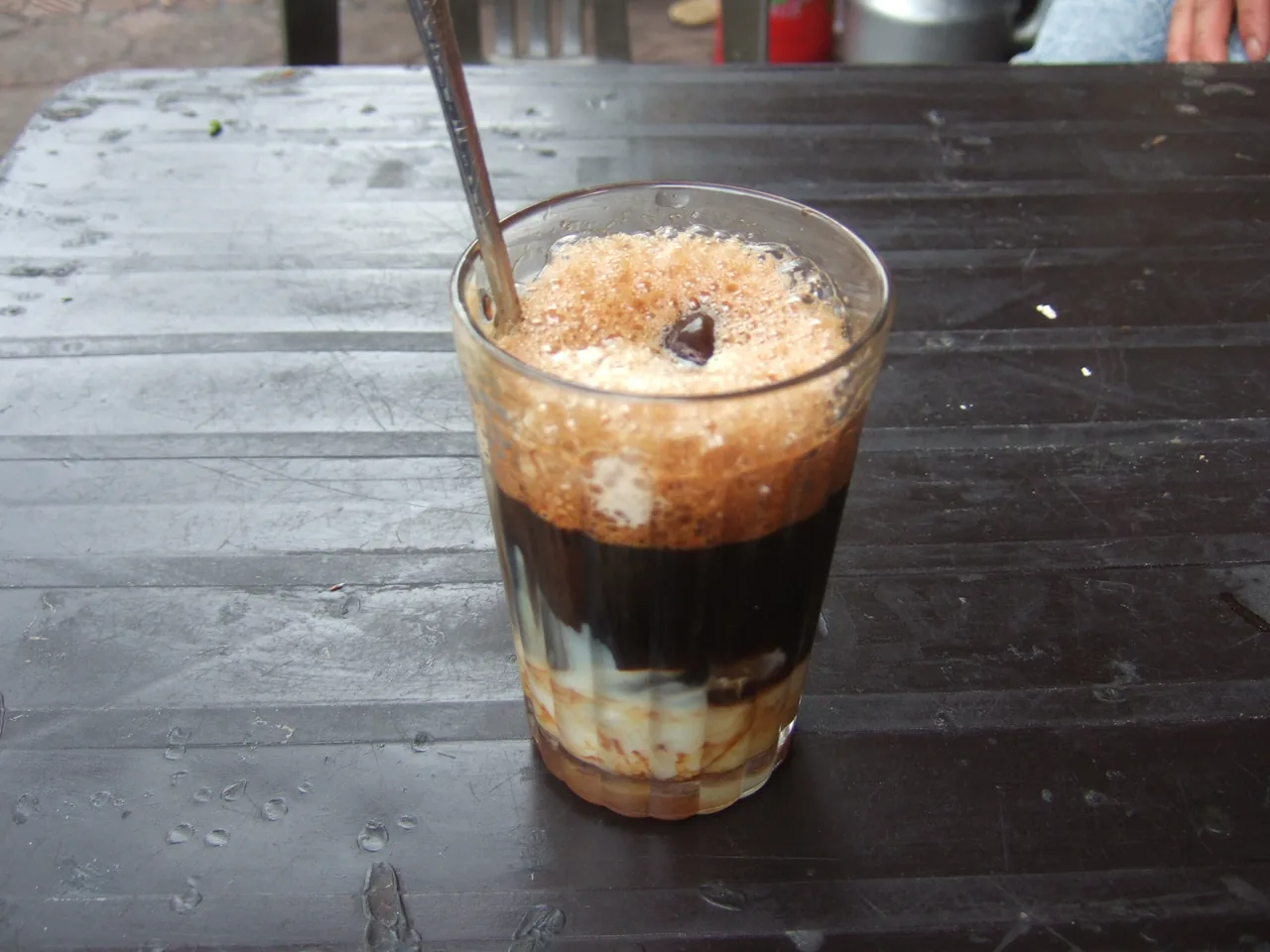
If you care about where your beans come from, Da Nang’s third-wave scene delivers. A few standouts:
☕ Third-wave roasteries
Sleek, single-origin-focused roasteries with serious brewing — most cluster in the An Thượng / My An quarter. The spot for coffee geeks.
🫘 Homegrown roaster-cafés
Local Da Nang roasters selling their own quality Vietnamese beans, with a relaxed vibe and friendly prices.
🏮 Garden hideaways
Rustic, plant-and-lantern cafés hugely popular for their atmosphere — as much about the setting as the cup.
5. Cafés With a View
Da Nang’s coffee gets even better with a backdrop. Look for these styles:
- Beachfront cafés along Võ Nguyên Giáp / My Khe — coffee with the sand and sea a few steps away. Wander the strip and pick one with a view you like.
- Rooftop cafés & bars for the city skyline and Dragon Bridge — the most famous high perch is Sky36 (atop the Novotel), though it’s more of an evening rooftop bar than a morning café.
- Riverside cafés along Bạch Đằng, facing the Han River and the bridges — lovely at sunset.
6. Where the Café Districts Are
You’re never far from coffee in Da Nang, but three areas stand out:
- An Thượng / My An (the “Western town”) — the dense café-and-brunch quarter just back from My Khe beach, full of specialty cafés, brunch spots and digital-nomad hangouts. Best for café-hopping.
- Bạch Đằng riverside — chains and view cafés along the Han River in the centre, handy between sights.
- Hải Châu (city centre) — old-school local cà phê stalls on plastic stools, where you’ll pay the least and feel the most local.
7. Must-Try Local Twists: Egg, Coconut & Salt Coffee
Beyond the everyday iced coffee, three local variations are worth going out of your way for:
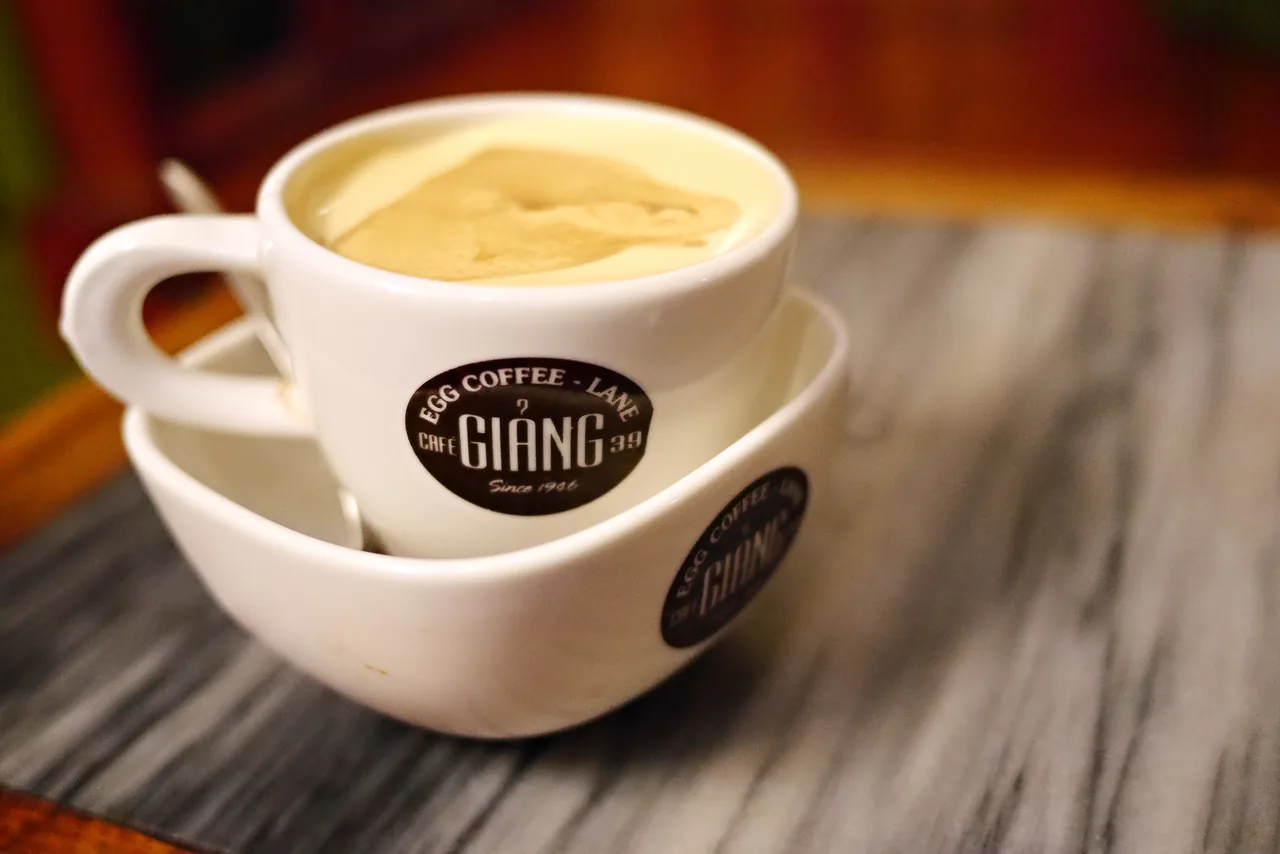
- Egg coffee (cà phê trứng) — a Hanoi invention now found nationwide: strong coffee under a thick, sweet whipped egg-yolk cream. It tastes like liquid tiramisu, not like eggs. Order it hot.
- Coconut coffee (cà phê cốt dừa) — coffee blended with coconut cream and crushed ice into a slushy, dessert-like drink. Cộng Cà Phê made it famous.
- Salt coffee (cà phê muối) — a Hue invention: a layer of lightly salted cream over the coffee that rounds off the bitterness. It’s now all over Da Nang, and it’s the perfect drink to try before or after a Hue day trip.
8. Practical Tips: Prices, Wi-Fi & Buying Beans
A few things that make café life in Da Nang easier:
- Prices: a local cà phê sữa đá runs about 20,000–35,000 VND; specialty and view cafés charge 45,000–70,000 VND. Still cheap by Western standards.
- Wi-Fi & working: almost every café has fast, free wi-fi and air-con, which is why Da Nang is a digital-nomad favourite. Chains and An Thượng cafés are the most laptop-friendly.
- Hours: many local cafés open early (6–7 am) for the morning crowd; specialty cafés tend to open later. Always confirm on Google Maps.
- Beans to take home: Trung Nguyên (in every supermarket) and the café chains above sell bags of beans and ready-ground coffee — an easy, genuinely useful souvenir. A cheap aluminium phin filter makes a great gift too.
- Getting around: café-hop by Grab or Xanh SM — see our transport & ride-app guide for prices and tips.
🎡Things to Do53
🍜Food7
🏨Where to Stay6
🚇Getting Around9
🧭Travel Tips21
🧭Vietnam-wide essentials56
Frequently asked questions