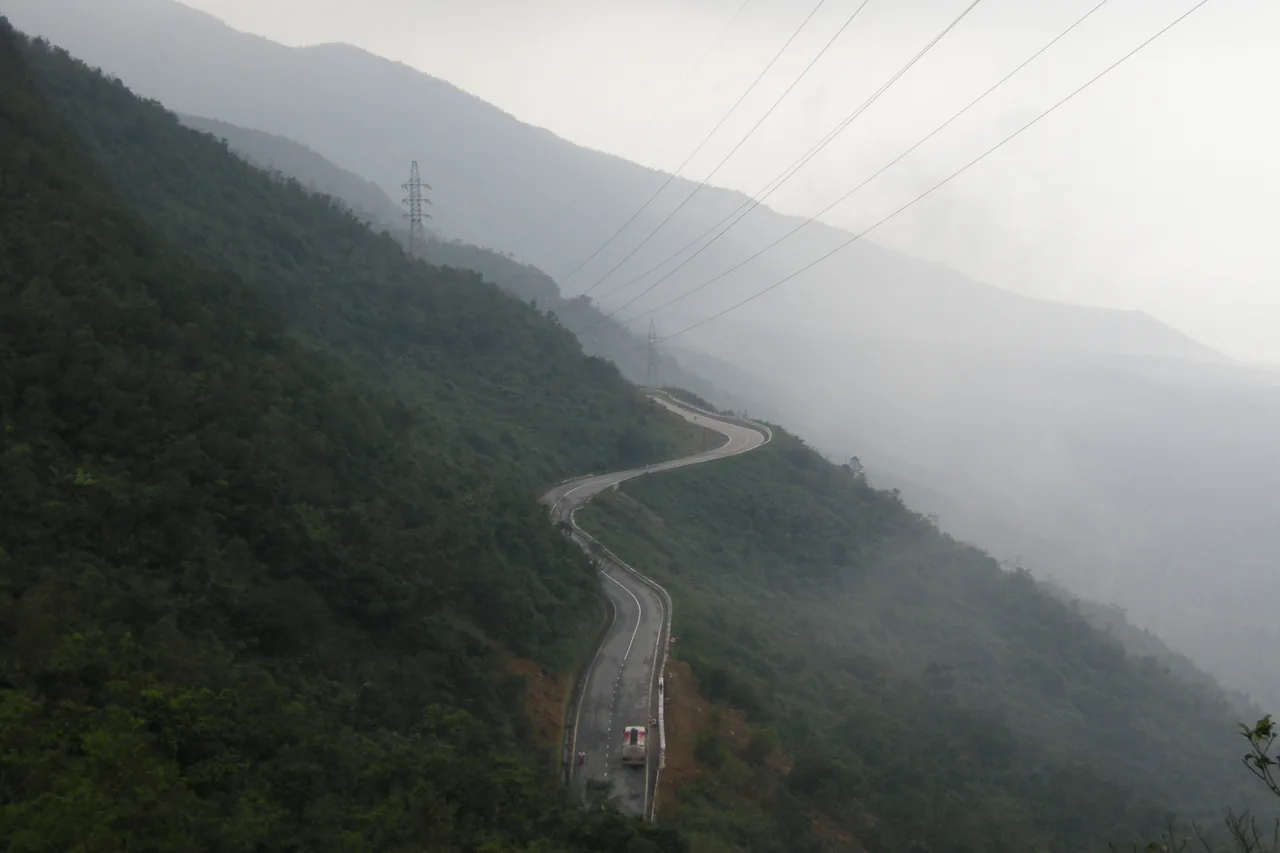
The Hai Van Pass (Đèo Hải Vân, the ‘Ocean Cloud Pass’) is the most spectacular stretch of road in central Vietnam — about 21 km of switchbacks climbing to roughly 500 m over the mountains that separate Da Nang from Hue. Top Gear called it “one of the best coast roads in the world,” and since the Hai Van Tunnel took the through-traffic underground in 2005, the old pass has become a quiet, jaw-dropping ride for motorbikes, easy riders and photo stops. This guide covers the four ways to do it, the route and best viewpoints, the historic gate at the top, exact distances and times to Hue, what to combine nearby, and the weather and safety you need to plan around. (New to the region? Start with our complete Da Nang guide.)
The Hai Van Pass is a ~21 km mountain road on the old QL1A national highway, climbing to about 500 m over the Hai Van (“Ocean Cloud”) mountains that divide Da Nang from Hue. It’s not just scenic — it’s a genuine boundary: the ridge marks a real weather line (often sunny in Da Nang, misty and cooler on the Hue side) and was historically the frontier between the Dai Viet and Champa kingdoms.
Two things made it the ride every traveller wants:
Top Gear, 2008. The famous Vietnam Special crossed the pass and called it “one of the best coast roads in the world” — and the views absolutely live up to it.
The tunnel, 2005. The 6.28 km Hai Van Tunnel (then the longest road tunnel in Southeast Asia) took the cars, buses and trucks underground. That left the old pass road quiet, slow and perfect for motorbikes and stopping for photos.
💡 Quick vocabulary: the pass is the scenic road over the top; the tunnel is the fast way through the mountain. Tourists ride the pass; most buses and trucks take the tunnel.
2. 4 Ways to Ride the Hai Van Pass
You don’t need to be a confident motorcyclist to do the Hai Van Pass. Pick the option that matches your comfort level:
Option
Best for
Approx. price (2026)
Notes
Easy rider (pillion)
Most travellers — no driving
~$15–25 loop · ~$30–50 to Hue
You sit behind a guide who drives, stops at viewpoints and carries your bag.
Self-drive motorbike
Confident riders
~120,000–150,000 VND/day + fuel
Most freedom and cheapest; bring a licence/IDP and real riding experience.
Private car + driver
Families, rain, comfort
~$50–70 Da Nang→Hue
Air-con, luggage, stops on request — the relaxed, all-weather choice.
One-way bike + luggage van
Backpackers Da Nang→Hue
~$15–30 + rental
Ride the pass yourself; your bag goes ahead by van to Hue.
💡 Can’t drive but want the full experience? The easy rider is the sweet spot — you get the wind, the viewpoints and a local guide’s stories without touching the handlebars.
3. The Route & Best Viewpoints
Heading north out of Da Nang, you pass Nam O and Xuan Thieu before the road tilts up and the switchbacks begin. From there the pass divides into three classic photo zones:
🌊 Da Nang Bay overlook
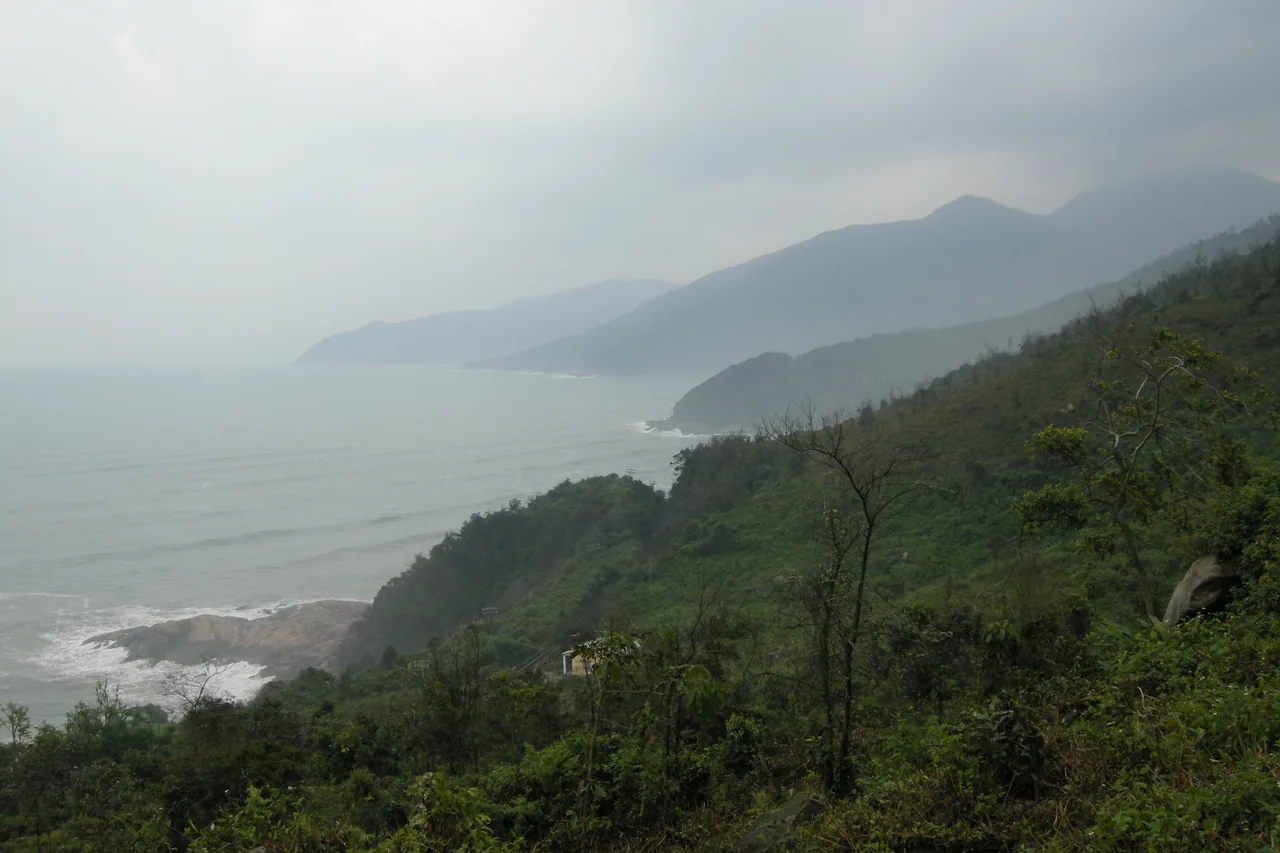
The southern climb hangs above the curve of Da Nang Bay, with the city skyline, Son Tra peninsula and the beaches laid out behind you.
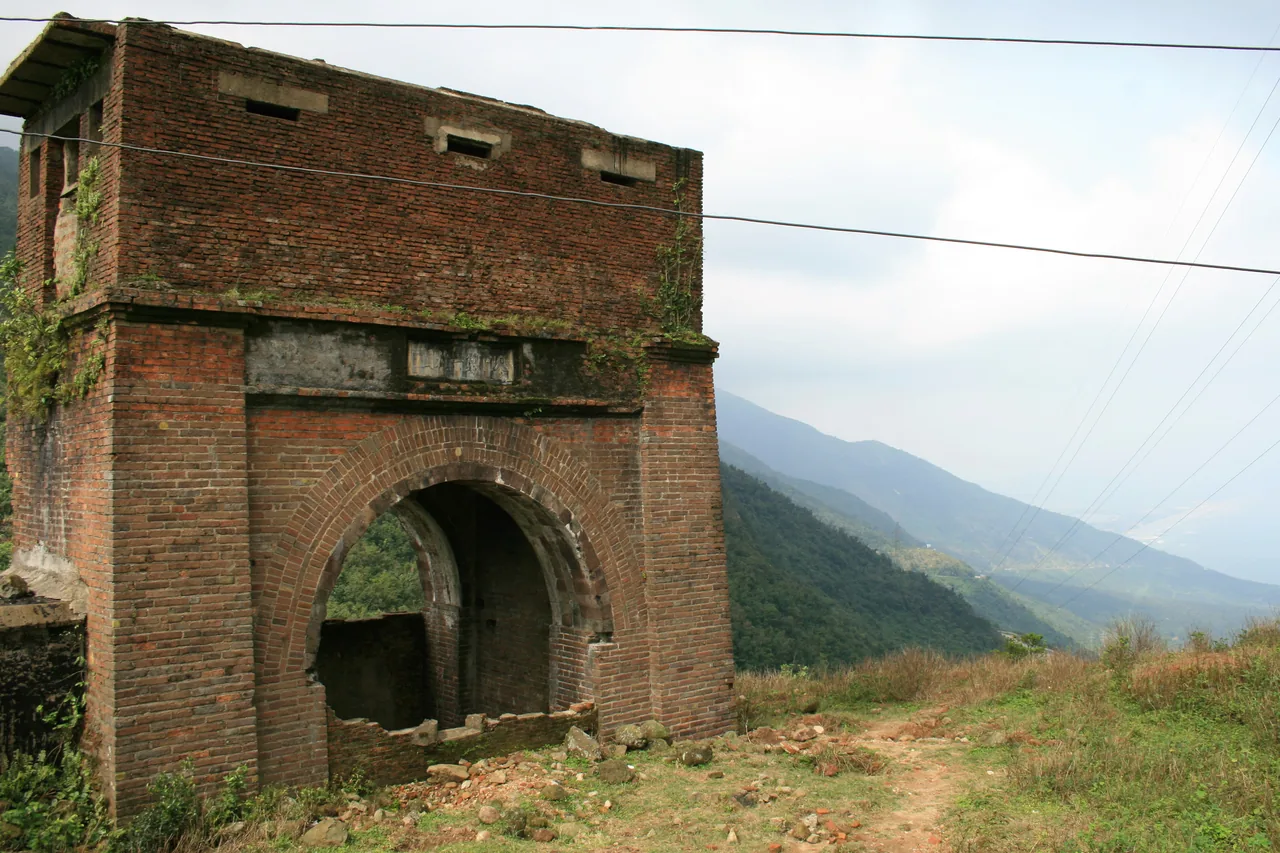
⛩️ Hai Van Quan (summit)
At ~500 m sits the old stone gate — the main stop, with cafés, sweeping 360° views and, often, a swirl of cloud.
🏝️ Lang Co Bay overlook
The northern descent reveals Lang Co’s white-sand bay and the mirror-like Lap An Lagoon — many riders’ favourite view of the whole trip.
The full pass takes about 30–45 minutes to drive without stopping, but nobody does — with photo stops, a coffee at the top and time to soak in the views, plan on 1.5–2 hours for the pass alone.
The fortified gate at the summit — Hải Vân Quan — is the pass’s historic heart. Built and expanded under the Nguyen dynasty (Minh Mang era) on the old Dai Viet–Champa frontier, it carries the inscription often translated as “the grandest pass under heaven.” Strategically it guarded the only land route between the imperial capital at Hue and the south.
For decades it sat as a crumbling ruin straddling the Da Nang / Thua Thien Hue boundary line. After a joint restoration by both provinces, it was reopened to visitors in 2024 — so today you can walk the twin gateways and old bunkers properly.
What you’ll see: the two restored gate towers, French- and war-era bunkers, and a full 360° panorama of coast and mountains.
Time needed: 20–40 minutes is plenty.
Heads up: the summit is the cloudiest, windiest spot on the pass — bring a light layer.
5. Da Nang to Hue: Distances, Times & Tunnel vs Pass
The pass is the classic scenic link between Da Nang and Hue. Here’s how the numbers work out:
Journey
Distance
Time
Notes
Da Nang → top of pass
~21 km
~40–45 min
The climb with all the Da Nang-side viewpoints
Da Nang → Hue via the pass
~80 km
3–4 hrs with stops
Scenic route; add Lang Co + photo stops
Da Nang → Hue via the tunnel
~80 km
~1.5–2 hrs
Fast, no views; cars & buses only
⚠️ Motorbikes are not allowed in the Hai Van Tunnel. If you’re on two wheels you must take the pass (or load the bike onto a shuttle truck through the tunnel). Cars and buses can choose either.
Rule of thumb: take the pass for the scenery and the experience; take the tunnel if you’re short on time, it’s pouring with rain, or you just want to get to Hue fast.
6. What to Combine Nearby
The pass is even better as part of a day. The best stops, north to south:
Lang Co Beach — a long white-sand bay at the northern foot of the pass; a classic lunch-and-swim stop.
Lap An Lagoon (Đầm Lập An) — an oyster-farming lagoon below the pass that turns into a giant mirror at low tide; one of central Vietnam’s most photographed spots.
Elephant Springs (Suối Voi) — natural swimming pools in the forest between Lang Co and Hue, great on a hot day.
Hue — the old imperial capital is the natural end point; see the Hue day-trip in our complete Da Nang guide.
💡 A popular full day: Da Nang → ride the pass → lunch at Lang Co → continue to Hue, then return by train or car in the evening. Pair it with Ba Na Hills on another day for Da Nang’s two great mountain trips.
The pass earns its “Ocean Cloud” name — weather is the single biggest factor in how good (or scary) the ride is.
Best season: the dry months (roughly February–August) give the clearest views. The wet season brings fog and slick roads — check our Da Nang weather guide before you commit.
Best time of day: go in the morning, before cloud builds over the summit and afternoon showers roll in.
Riding safety: the road has tight hairpins, the odd patch of gravel and sudden fog. Ride slowly, sound your horn on blind bends, check your brakes, and never ride it in heavy rain.
Essentials: wear a helmet (required by law), bring a light jacket (the summit is cooler and windy), and watch for the few remaining trucks and tour buses.
⚠️ If the summit is socked in with cloud or it’s raining hard, you’ll see little and the road gets genuinely slippery. On those days, take the tunnel by car and save the pass for a clear morning.
🚆 Rather see this coast from a train? Our Da Nang to Hue train guide covers the Hai Van railway, which side to sit on for the sea views, timetables, fares and how to book.
🚐 One-way with your bags in the boot: a chauffeured car to Hue saves the backtrackSee on Klook →See on KKday →See on Trip.com →Affiliate link — we may earn a commission at no extra cost to you.
Yes — it’s one of the most scenic roads in Vietnam, with sweeping views over Da Nang Bay, a historic summit gate and Lang Co Bay on the far side, all for very little money. On a clear day it’s a highlight of central Vietnam.
Q. How long does the Hai Van Pass take?
The pass itself is about 21 km and takes 30–45 minutes to drive without stopping, or 1.5–2 hours with photo stops. Da Nang to Hue over the pass with stops is a 3–4 hour trip.
Q. Can you drive the Hai Van Pass by car?
Yes — cars can take either the pass or the tunnel. But motorbikes are not allowed in the Hai Van Tunnel, so on two wheels you must ride the pass (or put the bike on a shuttle truck).
Q. How much does an easy rider over the Hai Van Pass cost?
Roughly $15–25 for a half-day loop from Da Nang, or about $30–50 one-way to Hue including luggage transfer and viewpoint stops. Always agree the price and route before you set off.
Q. Is the Hai Van Pass dangerous?
It’s safe if you respect it: tight hairpins, occasional gravel and sudden fog mean you should ride slowly, use your horn on blind bends and avoid heavy rain. Nervous riders should go with an easy rider or by car.
Q. Hai Van Pass or Hai Van Tunnel — which should I take?
Take the pass for the scenery and the experience; take the tunnel if you’re short on time or the weather is bad. Remember motorbikes can only use the pass.
Q. Can a beginner ride the Hai Van Pass on a motorbike?
Only if you already have real riding experience — the hairpins, traffic and weather are not a place to learn. Beginners are much better off as an easy-rider passenger or in a private car.
Q. What’s the best time to do the Hai Van Pass?
The dry season (February–August) and the morning, before cloud builds over the summit and afternoon rain arrives. A clear morning gives the best views and the safest road.