
My Son Sanctuary: Visiting Vietnam’s Ancient Cham Ruins
The UNESCO-listed Cham temple ruins in a jungle valley near Hoi An — what to see, how to get there, when to go and what it costs in 2026.
- What: a UNESCO World Heritage cluster of Hindu brick temple-towers built by the Champa Kingdom between the 4th and 13th centuries.
- Where: a mountain valley ~40 km southwest of Hoi An; about 1–1.5 hours from Da Nang.
- Cost: entry ~150,000 VND ($6), which includes the electric shuttle and a Cham dance performance.
- When: go at sunrise or early morning — little shade, and tour buses pour in from mid-morning.
1. My Son: What It Is & Why It Matters
2. Tickets, Hours & What’s Included
3. Best Time to Visit
4. How to Get to My Son
5. What to See: The Temple Groups
6. The Cham Dance & On-site Experience
7. Combine It with Hoi An (or a Sunrise Loop)
8. Practical Tips
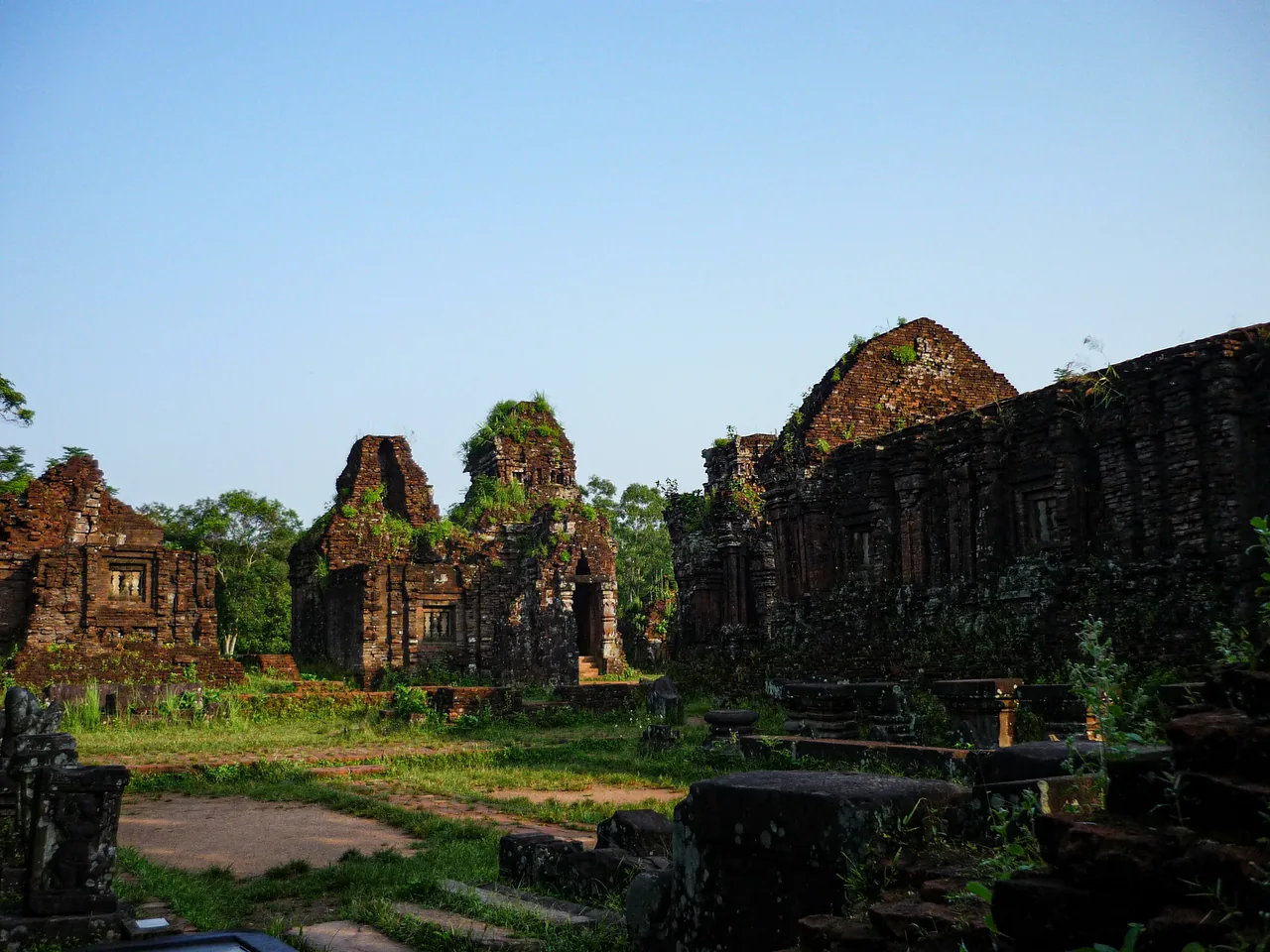
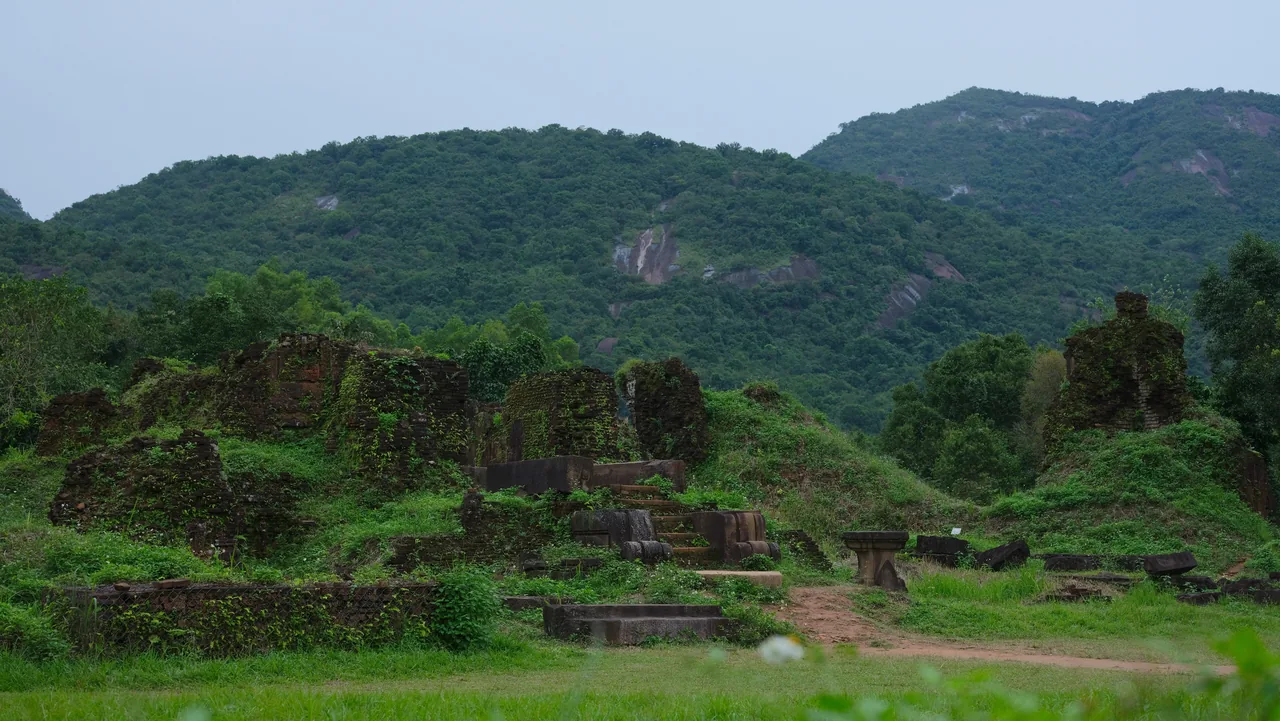
My Son (Mỹ Sơn) is central Vietnam’s most important ancient site — a cluster of red-brick Hindu temple-towers tucked into a jungle valley, built by the Champa Kingdom over nearly a thousand years and dedicated to the god Shiva. Often called “the Cham answer to Angkor,” it’s a UNESCO World Heritage Site and an easy half-day trip from Hoi An or Da Nang. This guide covers tickets and hours, the best time to go, every way to get there, what to see among the temple groups, the on-site Cham dance, and the practical tips that make the visit comfortable. (New to the region? Start with our complete Da Nang guide.)
| ⏰ Hours | 06:00–17:00 |
| 💵 Entry / price | 150,000 VND foreigners (incl. shuttle & dance show) |
| 📍 Location | Duy Phu, Duy Xuyen — ~40 km / 1 hr from Hoi An📍 Map → |
| 🚗 Getting there | Day tour, or Grab/private car ~1 hr from Hoi An |
| ⏱️ Time needed | Half day (3–4 hours) |
| 📅 Best time | Sunrise (~6–8 am) — cool & beats the crowds |
| 🔗 Official site | mysonsanctuary.com.vn |
1. My Son: What It Is & Why It Matters
🚗 Hiring a car and driver in Da Nang: how it is priced and when it beats Grab →
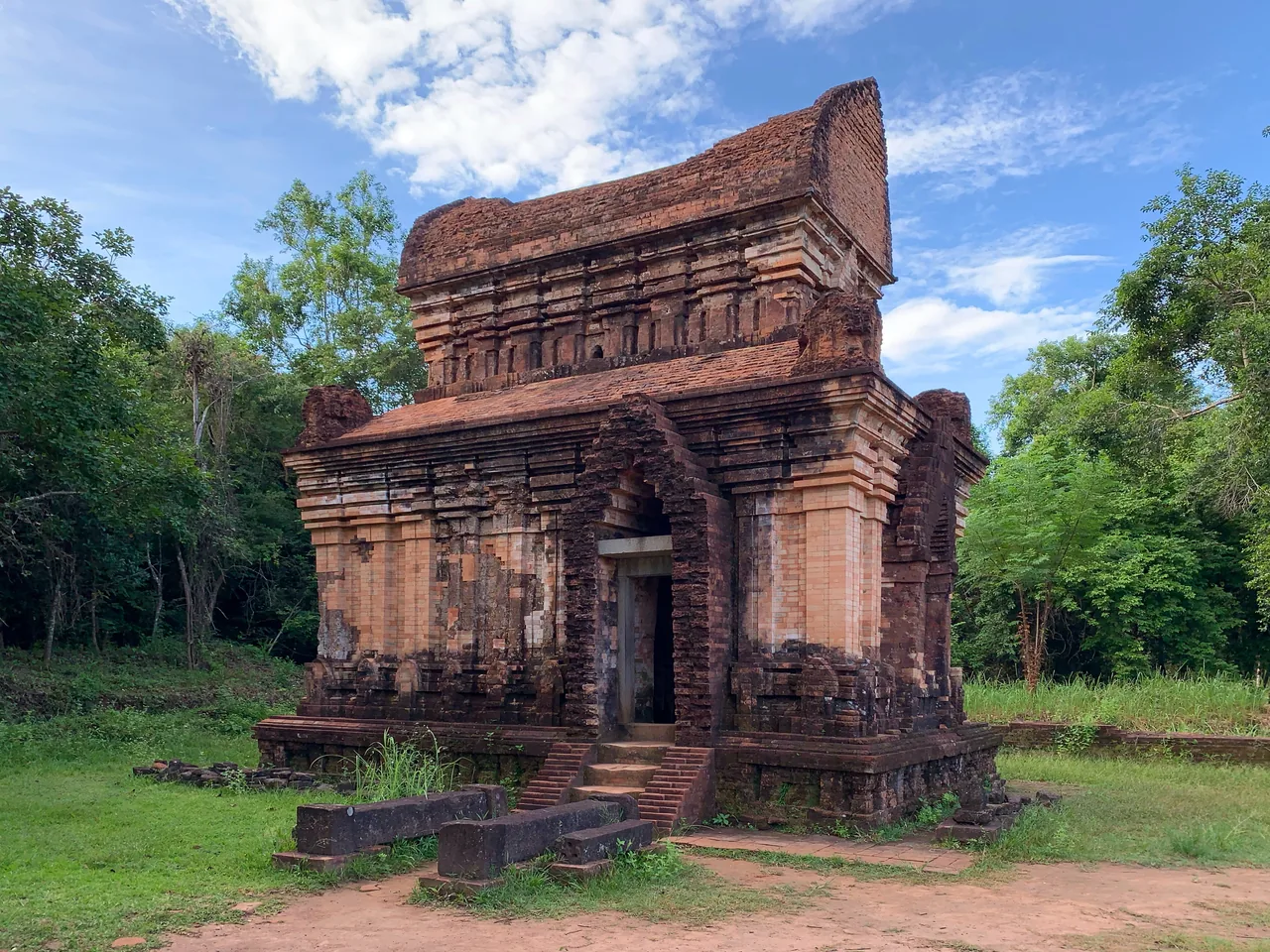
My Son is a UNESCO World Heritage Site (listed in 1999): a cluster of Hindu brick temple-towers built by the Champa Kingdom between roughly the 4th and 13th centuries, dedicated to the god Shiva. For a thousand years it was the spiritual and political heart of Champa — the largest and most important Cham site in Vietnam.
What makes it special:
- Living history: generations of Cham kings built and rebuilt here, leaving towers (kalan) in distinct architectural styles across the centuries.
- The brick mystery: the towers are built of fired brick with almost no visible mortar — how the Cham bonded them is still debated.
- War scars: US bombing in 1969 destroyed much of the finest group (Group A); bomb craters are still visible among the ruins.
2. Tickets, Hours & What’s Included
One ticket covers more than you might expect:
| Item | Detail (2026) | Notes |
|---|---|---|
| Entry ticket | ≈ 150,000 VND ($6) | Includes shuttle + dance show |
| Electric shuttle | Included | Buggy from the gate to the temple area |
| Cham dance show | Included | Short apsara performance, several times daily |
| Opening hours | ~6:00–17:00 daily | Open early for sunrise visits |
3. Best Time to Visit
Timing makes or breaks a My Son visit, for two reasons — heat and crowds:
- Go at opening / sunrise (around 6am). The valley is cool and quiet, the light is beautiful on the brick, and you beat the tour buses.
- Avoid mid-morning to early afternoon, when coach groups arrive and the sun is harsh — there’s very little shade among the ruins.
- Dry season is best (roughly February–August); check our Da Nang weather guide before you plan, as the valley can be wet and muddy in the rainy months.
4. How to Get to My Son
My Son sits off the main tourist track, so plan your transport. The options:
| Option | Approx. price | Best for |
|---|---|---|
| Join-in group tour | ~$6–18 | Easiest & cheapest; includes transport + guide |
| Sunrise tour | ~$15–30 | Beating crowds & heat; small groups |
| Private car + driver | ~$40–60 | Families, flexibility, your own schedule |
| Motorbike / easy rider | rental + fuel | Independent riders (≈45 min from Hoi An) |
From Hoi An it’s about 40 km / 45 minutes; from Da Nang roughly 1–1.5 hours. A ride app works one-way but is pricey and won’t wait, so a tour or private car is usually better value for a round trip.
5. What to See: The Temple Groups
The ruins are organised into lettered groups (A to H). You won’t need them all — focus on the best-preserved:
🛕 Groups B, C & D
The best-preserved core — temple-towers, carved lintels and a small display of sculpture. Start here.
💥 Group A
Once the grandest tower, largely destroyed by 1969 bombing — the craters nearby tell the story.
🗿 Carvings & lingam
Look for Shiva imagery, dancing apsaras and the lingam-yoni altars at the heart of the Hindu worship.
6. The Cham Dance & On-site Experience
Your ticket includes a short Cham (apsara) dance performance at the on-site theatre — graceful traditional dance and music that bring the carvings on the towers to life. Performances run several times a day, so check the board when you arrive.
- Layout: from the gate an electric buggy drops you near the temple groups; it’s then a flat, short walk between them.
- Small museum / displays near the entrance give context on Champa history and the site’s rediscovery.
- Time needed: 2–3 hours is comfortable for the towers, the dance and a wander.
7. Combine It with Hoi An (or a Sunrise Loop)
My Son is in the same direction as Hoi An, which makes pairing them natural:
- Sunrise + Hoi An: do My Son at dawn, then spend the rest of the day in Hoi An — the classic combo.
- Boat return: many tours come back by boat down the Thu Bon River, with a stop at a craft village.
- Two big day-trips: pair it on another day with Ba Na Hills for Da Nang’s headline mountain experience.
8. Practical Tips
- Sun protection: there’s almost no shade — bring a hat, sunscreen and water.
- Good shoes: the ground is uneven brick and packed earth; skip the flip-flops.
- Dress respectfully: it’s a sacred heritage site — cover shoulders and knees.
- Go early: beat the heat and the buses (worth repeating!).
- Cash: have small notes for the ticket, water and any guide.
- Stay on paths: the brickwork is fragile and the site is protected — don’t climb the towers.
🎡Things to Do52
🍜Food8
🏨Where to Stay6
🚇Getting Around9
🧭Travel Tips21
🧭Vietnam-wide essentials57
Frequently asked questions