
Central Vietnam Travel Guide 2026: Da Nang, Hoi An, Hue & the Coast in One Plan
The easiest, most rewarding slice of Vietnam — three cities, one airport, and almost no backtracking.
- Why here first: the centre packs a beach city, a UNESCO old town and an imperial capital into a 90-minute span, all reached from a single international airport — Da Nang.
- The three anchors: Da Nang (beaches, your base), Hoi An (lanterns & tailors, ~45 min south) and Hue (citadel & tombs, ~2.5 hr north over the Hai Van Pass).
- When to go: the centre is driest February–August. The one window to respect is the typhoon & flood season, roughly September–November.
- How long: 5–7 days is the sweet spot for the whole region; 3 days does Da Nang + Hoi An; a week lets you add Hue and a cave or mountain day.
- Budget: about US$35–60/day mid-range here, less if you stay in Hoi An or eat at the markets.
1. Why Central Vietnam is the easiest place to start
2. The lay of the land: how the central cities connect
3. When to go: the central calendar (and the typhoon caveat)
4. How long & sample routes
5. The places: what to see across the centre
6. Getting there & around
7. Food of the centre
8. Where to stay
9. What Central Vietnam costs
10. Plan your central trip: where to go next
1. Why Central Vietnam is the easiest place to start
If you have one week in Vietnam, or it is your first trip, the centre is the answer. Nowhere else in the country gives you so much variety in such a small radius: a long sweep of city beaches, a 600-year-old trading port, the tombs and citadel of a former emperor, mountain cable cars and Cham temple ruins — all within a couple of hours of one airport.
That airport is the secret. Da Nang International puts you in the middle of everything, so you fly in once, settle in, and reach the rest on short day trips instead of dragging luggage between far-apart cities. It is the opposite of the long, tiring north-to-south slog — and it is why we so often tell first-timers to begin here.
2. The lay of the land: how the central cities connect
Picture a short stretch of coast with Da Nang in the middle. Hoi An sits just south; Hue lies north over a mountain pass. Almost everything else — beaches, temples, a cave country — hangs off that spine.
| Place | What it is | From Da Nang |
|---|---|---|
| Da Nang | Modern beach city & the regional base | — |
| Hoi An | UNESCO old town, lanterns, tailors | ~30 km · 45 min (south) |
| Hue | Imperial citadel, royal tombs | ~95 km · 2.5 hr (north) |
| Hai Van Pass | Cinematic coastal mountain road | On the Da Nang–Hue route |
| Ba Na Hills | Golden Bridge & mountain park | ~35 km · 1 hr (west) |
| My Son | Ancient Cham temple ruins | ~40 km · 1 hr (southwest) |
The genius of the layout is how little time you lose. Hoi An is a quick taxi ride, the Golden Bridge at Ba Na Hills and the Cham ruins of My Son are easy half- or full-day trips, and the drive to Hue doubles as a sightseeing trip thanks to the Hai Van Pass. For the full menu of excursions, see our best day trips from Da Nang guide.
3. When to go: the central calendar (and the typhoon caveat)
The centre runs on its own weather clock — different from both the north and the south. The headline is simple: it is dry and beach-friendly for most of the year, with one stormy stretch to plan around.
| Season | Months | What to expect |
|---|---|---|
| Best / dry | Feb – Aug | Warm to hot, sunny, calm seas; peak beach weather May–Aug |
| Shoulder | Jan | Cooler, mostly dry, fewer crowds |
| Wet / storm | Sep – Nov | Typhoons & flooding possible, Hoi An especially |
4. How long & sample routes
The beauty of the centre is that you can do a lot in a little time. Here is how the days stack up.
3 days — Da Nang + Hoi An
The express version. Base on the Da Nang beach, spend a day on the sand and the Marble Mountains, and give Hoi An a full day and an evening for the lanterns. Follow our 3–4 day Da Nang itinerary or the Hoi An itinerary.
5 days — add Hue & the Hai Van Pass
The balanced trip. Two days around Da Nang (beaches, things to do), a day in Hoi An, and a day up to Hue over the Hai Van Pass, plus a half-day for Ba Na Hills or My Son.
7 days — go deep
The full region without rushing. Add a second, slower day in Hoi An, a Cham Islands snorkel trip, an overnight in Hue, and a spare day to push north toward the Phong Nha caves or simply do nothing on the beach.
5. The places: what to see across the centre
A shortlist of the region’s headline destinations, with links to the full guides where we have them.
Da Nang — the base
A modern city strung along a long beach, with mountains behind and a string of famous bridges. It is the easiest, most comfortable base in the centre, with the airport, the best range of hotels, and day trips in every direction. See things to do in Da Nang.
Hoi An — the heart
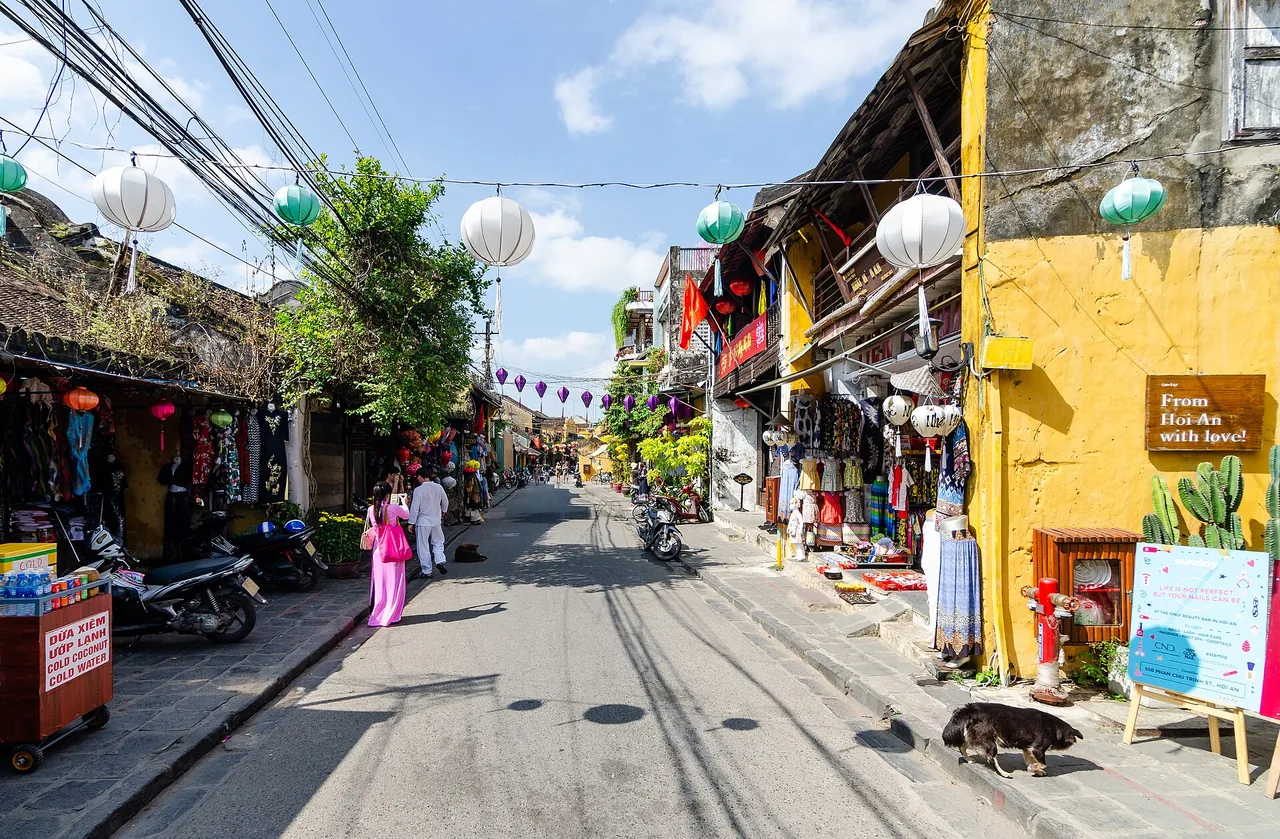
A UNESCO-listed trading port frozen in the 18th century: wooden shophouses, a Japanese covered bridge, riverside lanterns and streets full of tailors who can make a suit overnight. The old town glows after dark and is the single most photographed place in central Vietnam.
Hue — the imperial city
Vietnam’s last royal capital, ringed by a moated citadel and dotted with grand emperors’ tombs along the Perfume River. It is quieter and more solemn than its neighbours, and it pairs naturally with the drive over the pass.
The day-trip ring
- Ba Na Hills & the Golden Bridge — the giant stone hands and a French-village hill park, reached by one of the world’s longest cable cars.
- My Son Sanctuary — brick Hindu temple ruins of the ancient Cham kingdom, in a jungle valley.
- Marble Mountains — five limestone hills full of caves and pagodas, just off the Da Nang beach.
- Cham Islands — a snorkel-and-seafood boat trip from Hoi An.
- Phong Nha — further north, the world’s greatest cave country (including Son Doong); a trip in its own right.
- Quy Nhon — down the coast, a quieter beach town for travellers who want the centre without the crowds.
6. Getting there & around
The centre is the simplest part of Vietnam to move around, because almost everything radiates from one airport.
- Flying in: Da Nang International (DAD) connects to Hanoi, Ho Chi Minh City and a growing list of regional international routes. Sorting the ride from the terminal is easy — see our airport transfer guide.
- Around the cities: Grab (car and motorbike) is the safest, simplest way to get around, with the price fixed in the app. Our getting around Da Nang guide covers buses, taxis and scooter rental.
- Da Nang ⇄ Hoi An: about 45 minutes by Grab, private car, cheap public bus or hotel shuttle.
- Da Nang ⇄ Hue: ~2.5 hours over the Hai Van Pass — do it by private car or motorbike specifically to enjoy the road, or take the scenic coastal train.
7. Food of the centre
Central Vietnamese cooking is the country’s boldest — spicier, saltier and fiercely regional, a legacy of Hue’s royal kitchens and the centre’s fishing coast. Each city has dishes you cannot get done right anywhere else.
- Da Nang: mi quang (turmeric noodles with pork, shrimp and a crisp rice cracker) and some of Vietnam’s best seafood. Full rundown in the Da Nang food guide.
- Hoi An: cao lau (smoky noodles made only with local well water), white rose dumplings, and the famous banh mi carts. See what to eat in Hoi An.
- Hue: bun bo Hue (a fiery lemongrass beef noodle soup) and a whole repertoire of delicate royal-court dishes.
And everywhere, strong iced coffee on a plastic stool. The centre is where many travellers eat the best meal of their whole Vietnam trip — usually at a market stall costing a dollar or two.
8. Where to stay
Where you sleep shapes the whole trip, and the centre gives you three very different moods.
| Base | Best for | Trade-off |
|---|---|---|
| Da Nang beach | Resorts, nightlife, easy airport & day trips | Less old-world charm |
| Hoi An old town | Atmosphere, walkability, slow mornings | 30 km from the airport |
| Hue | History, the citadel & tombs on your doorstep | Quieter; usually a night or two only |
Most first trips split between Da Nang and Hoi An. For specifics, our best Da Nang resorts & hotels and where to stay in Hoi An guides break down the neighbourhoods and price brackets.
9. What Central Vietnam costs
The centre is excellent value, on par with the rest of Vietnam. Excluding flights into the country, here is the daily rough.
| Style | Per day | What it buys |
|---|---|---|
| Backpacker | US$25–40 | Hostels/guesthouses, market food, buses, Grab bikes |
| Mid-range | $35–60 | Good hotels, restaurants, day tours, Grab cars |
| Comfort/luxury | $120+ | Beach resorts, private drivers, fine dining |
Hoi An and the markets keep costs down; Da Nang’s beachfront resorts push them up. Our cost & budget guide gives day-by-day sample spends, and remember to budget for the Ba Na Hills ticket, which is the region’s one pricey attraction.
10. Plan your central trip: where to go next
You now have the shape of the region: how the cities link, when to come, how long to stay and what it costs. The next step is to go deep on the places you’ve chosen.
Da Nang
Your base. Start with the Da Nang master guide, then things to do and the 3–4 day itinerary.
Hoi An
The heart of the trip. The Hoi An guide, plus what to eat and where to stay.
Beyond the cities
Hue, the Hai Van Pass, Ba Na Hills and the best day trips.
And for the bigger picture — fitting the centre into a longer journey north or south — step up to our Vietnam travel guide.
Central Vietnam FAQ
Start with the city itself: the complete Da Nang master guide →