
html{scroll-behavior:smooth;}
.art{max-width:880px;margin:0 auto;font-size:1.05rem;line-height:1.75;color:#2d3436;}
.art-hero{background:linear-gradient(135deg,#0f766e,#155e75);color:#fff;padding:52px 26px;border-radius:14px;text-align:center;margin-bottom:26px;}
.art-hero h1{color:#fff;font-size:2rem;font-weight:800;margin:0 0 10px;line-height:1.3;}
.art-hero p{margin:0;opacity:.93;font-size:1.1rem;}
.art-upd{display:inline-block;background:rgba(255,255,255,.18);padding:5px 14px;border-radius:20px;font-size:.85rem;margin-top:14px;}
.art-sum{background:#ecfeff;border:1px solid #a5f3fc;border-radius:12px;padding:20px 24px;margin:24px 0;}
.art-sum b{color:#0e7490;}
.art-toc{background:#f8fafc;border-left:5px solid #0f766e;border-radius:0 8px 8px 0;padding:16px 22px;margin:24px 0;}
.art-toc a{color:#0e7490;font-weight:600;text-decoration:none;}
.art h2{font-size:1.45rem;font-weight:800;margin:36px 0 12px;padding-bottom:8px;border-bottom:2px solid #f1f2f6;scroll-margin-top:100px;}
.art h3{font-size:1.15rem;margin:20px 0 6px;color:#0e7490;}
.art-table{width:100%;border-collapse:collapse;margin:18px 0;font-size:.98rem;}
.art-table th,.art-table td{border:1px solid #e5e7eb;padding:10px 12px;text-align:left;}
.art-table th{background:#0f766e;color:#fff;}
.art-table tr:nth-child(even){background:#f0fdfa;}
.art-grid{display:flex;flex-wrap:wrap;gap:18px;margin:18px 0;}
.art-card{flex:1 1 calc(33.333% – 18px);min-width:230px;background:#f8f9fa;border:1px solid #eee;border-radius:10px;padding:18px;}
.art-card h3{margin:0 0 8px;}
.art-warn{background:#fff3f3;border-left:6px solid #ff4d4d;padding:16px 20px;border-radius:0 8px 8px 0;margin:20px 0;}
.art-tip{background:#ecfdf5;border-left:6px solid #10b981;padding:16px 20px;border-radius:0 8px 8px 0;margin:20px 0;}
.art-faq{margin-top:30px;}
.art-faq .q{font-weight:700;color:#2d3436;margin:18px 0 6px;}
.art-cta{display:block;background:linear-gradient(135deg,#0f766e,#0ea5e9);color:#fff!important;text-align:center;padding:18px;border-radius:12px;text-decoration:none;font-weight:800;font-size:1.15rem;margin:32px 0;}
.art img{max-width:100%;height:auto;border-radius:10px;margin:14px 0;display:block;}
.art figure.art-fig{margin:18px 0;}
.art figure.art-fig img{margin:0;}
.art figcaption{font-size:.9rem;color:#64748b;text-align:center;margin-top:7px;font-style:italic;}
Cu Lao Cham Day Trip from Da Nang & Hoi An (2026): Snorkelling, Beaches & the Plastic-Free Island
An hour from the beach towns, a cluster of jade-green islands sits inside a protected marine park where the coral is still alive and the locals banned plastic bags before anyone else in Vietnam. Here’s how to do Cu Lao Cham right — and when not to go at all.
- What it is: a cluster of eight small islands ~15 km off Hoi An, protected as a UNESCO World Biosphere Reserve and a marine park — clear water, living coral, quiet beaches and one inhabited fishing island.
- Getting there: almost everyone goes via Cua Dai Port in Hoi An. A speedboat is 15–20 minutes; the local wooden ferry is slower but a fraction of the price. From Da Nang it’s about a 45-minute drive to the port first.
- The big catch: the islands effectively close from around October to February when the sea turns rough. Go between March and August/September for calm water and good snorkelling.
- Easiest way: a full-day tour (speedboat, marine-park fee, snorkelling, seafood lunch) runs roughly 450,000–800,000₫ and takes the guesswork out — book the day before in Hoi An or Da Nang.
- One rule to remember: leave the plastic bags behind. Cu Lao Cham is Vietnam’s no-plastic-bag island, and the whole point of going is that it’s still clean.
1. Why Cu Lao Cham Is Worth the Crossing
2. Where It Is & How to Get There
3. Tour vs. Doing It Yourself
4. When to Go — and When the Sea Says No
5. Snorkelling & the Coral Reefs
6. The Beaches
7. The Village, the Pagoda & the Old Well
8. Eating on the Island
9. The Plastic-Free Island & Visiting Responsibly
10. Practical Tips for the Day
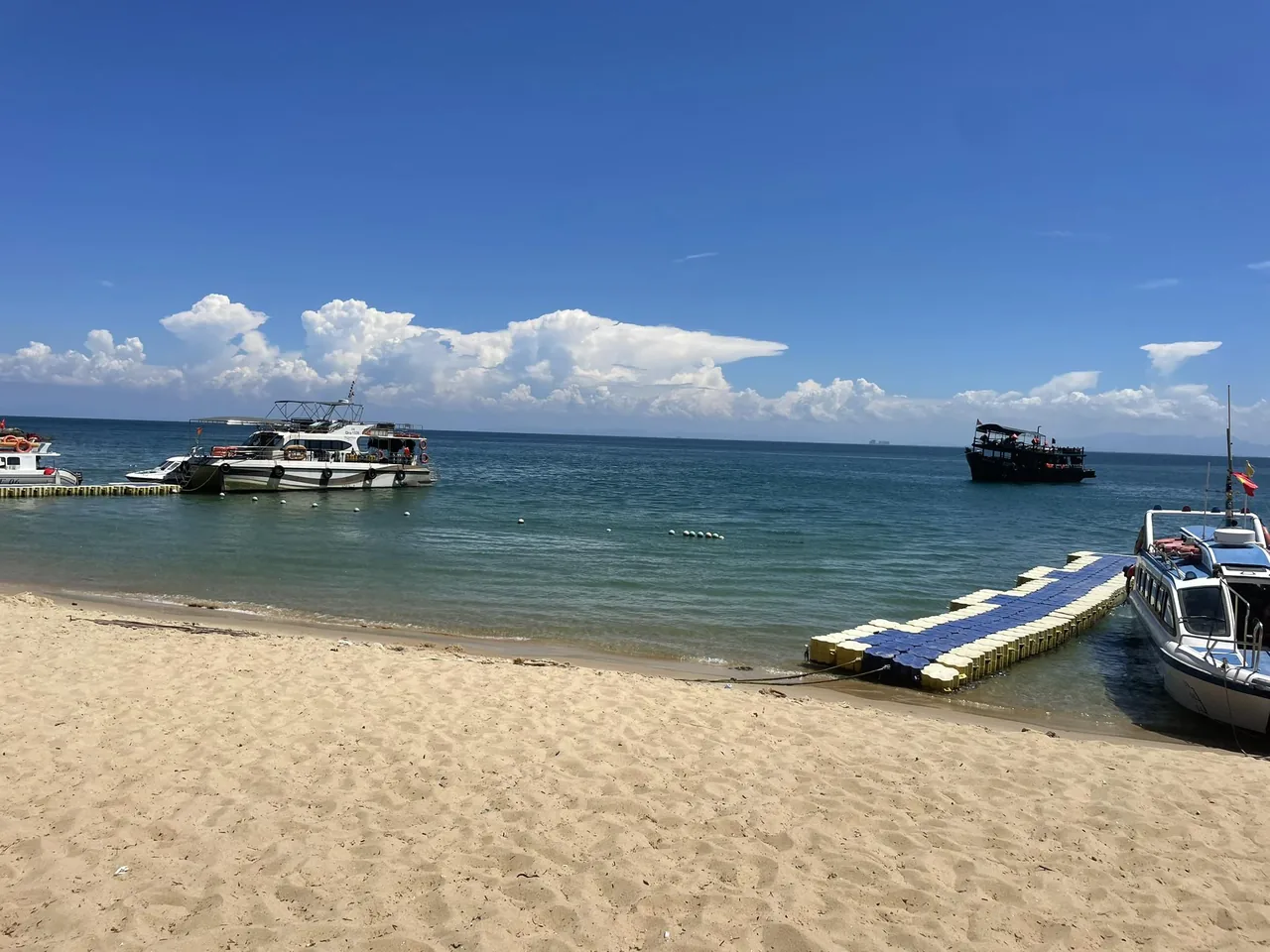
The first thing you notice is the colour of the water. The speedboat thumps out of the brown river mouth at Cua Dai, and somewhere past the breakers the sea shifts from milky green to a deep, clear teal you can actually see the bottom through. Twenty minutes later you’re stepping onto a wooden jetty in front of a fishing village, the islands rising green and steep behind it, and it’s hard to believe the souvenir-stall bustle of Hoi An is still in sight across the water. Cu Lao Cham — the Cham Islands — is the day trip that reminds you central Vietnam has a wild, marine side, and it’s close enough that thousands of people do it as an easy outing from Da Nang or Hoi An. But it rewards a little planning: the boats only run in calm weather, the snorkelling is genuinely good if you time it right, and the island runs on a few rules that make it worth protecting. This is the guide I wish I’d had before my first crossing — how to get there, when to go (and when the sea simply won’t let you), what’s actually worth doing once you land, and how to be the kind of visitor the island wants. For where this fits into a wider trip, see our Hoi An guide and the full Da Nang travel guide.
1. Why Cu Lao Cham Is Worth the Crossing
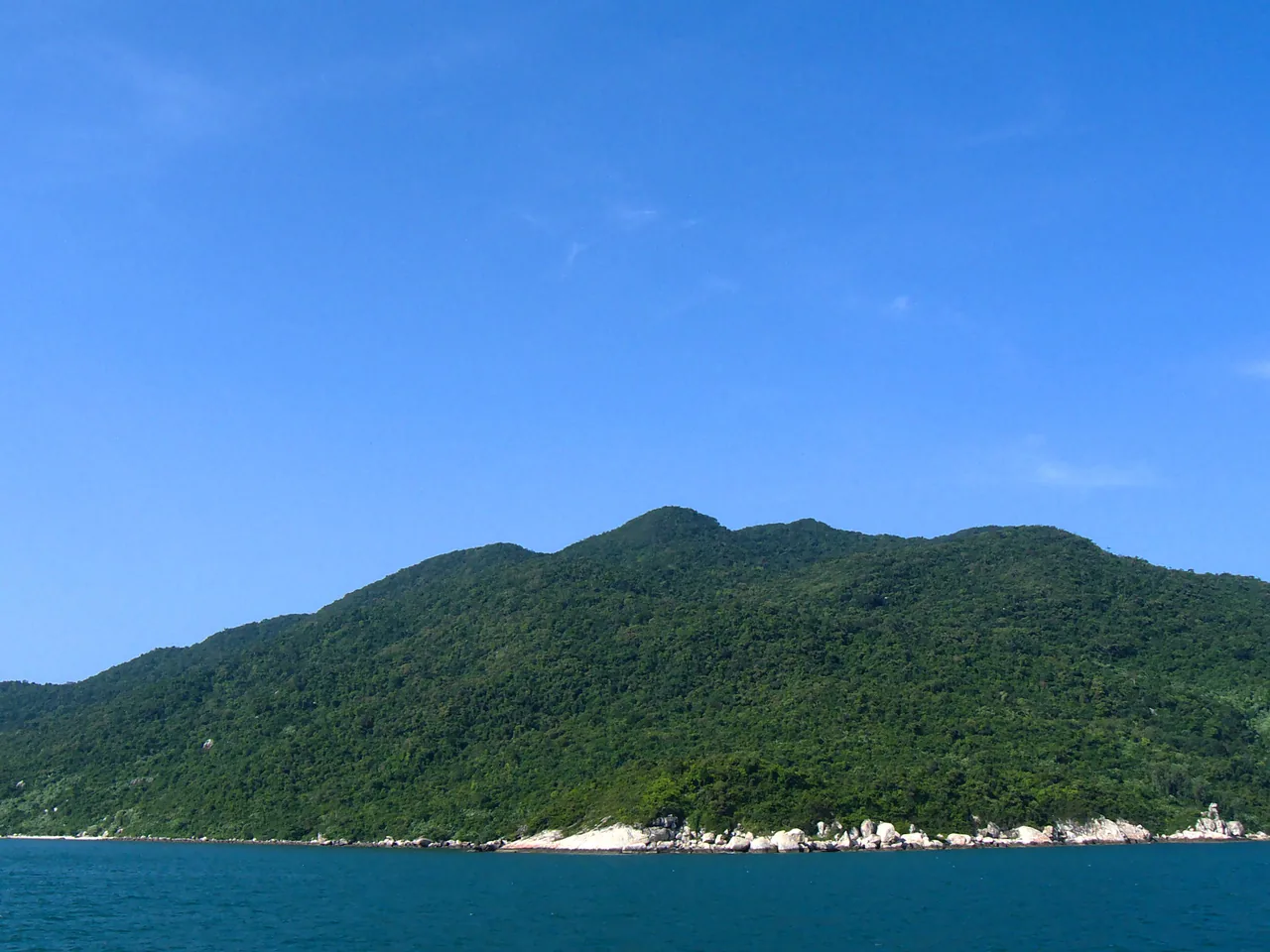
Plenty of places near Hoi An call themselves an island escape; Cu Lao Cham is the one that actually delivers a different world. It’s a cluster of eight islands sitting about 15 km off the coast, with one — Hòn Lao — large enough to hold a few hundred fishing families, and the rest left to the birds, the goats and the sea. In 2009 the whole archipelago and its waters were declared a UNESCO World Biosphere Reserve, and underneath the boats lies a protected marine park with coral reefs that are, by Vietnamese standards, in remarkably good shape.
What that adds up to, for a visitor, is a day that feels genuinely removed: water clear enough to snorkel straight off the beach, sand that hasn’t been built over, a working fishing village with a 250-year-old pagoda and a centuries-old well, and seafood that was swimming an hour before it reaches your plate. It is not a polished resort island — the charm is exactly that it isn’t. You come for the water, the quiet, and the small thrill of somewhere that’s been deliberately left alone.
2. Where It Is & How to Get There
Cu Lao Cham belongs to Hội An, and almost every crossing starts at Cửa Đại Port, about 5 km east of Hoi An’s Ancient Town. If you’re staying in Da Nang, factor in the drive to the port first — it’s roughly 30 km and 45–60 minutes by car or taxi down the coast before you even reach the water. From the pier it’s another ~15 km across open sea to the islands.
There are two ways to make the sea crossing, and they’re worlds apart in speed, price and comfort:
| Option | Time | Rough price (round trip) | Good for |
|---|---|---|---|
| Speedboat / canoe | 15–20 min | ~350,000–600,000₫ / person | Most visitors; day-trippers; anyone short on time |
| Public wooden ferry | 50–60 min | ~100,000–150,000₫ / person | Budget travellers, a slower local experience |
The speedboat is what the tours use and what most independent travellers take — fast, frequent in the morning, and the difference between a day trip and a half-day of travelling. The public wooden ferry is the islanders’ own boat: cheap and characterful, but slow, infrequent (typically one main run in the morning, returning early afternoon), and mostly aimed at locals rather than tourists. For a day visit, the speedboat almost always makes more sense; the ferry suits you only if you’re staying overnight and have time to spare.
3. Tour vs. Doing It Yourself
You can absolutely visit Cu Lao Cham independently, but for most people — especially from Da Nang — a full-day tour is the path of least resistance, and often barely more expensive than piecing it together yourself once you add up the boat, the marine-park fee, lunch and snorkel rental.
A typical group day tour runs roughly 450,000–800,000₫ per person and bundles hotel pickup, the speedboat both ways, the conservation fee, a couple of snorkelling stops over the reefs, a fresh seafood lunch on the island, and a few hours of beach time. It’s an early start (pickups around 7:30–8:00am) and you’re usually back by mid-to-late afternoon. The trade-off is the usual one: it’s efficient and worry-free, but you move on the group’s schedule and the snorkelling stops can be busy.
Going independent means getting yourself to Cửa Đại, buying a boat ticket, paying the marine-park fee, and renting a mask and fins (around 200,000₫) on the island. You’ll have more freedom and possibly a quieter day, but you’re on your own for timing and the boats won’t wait. If it’s your first time, or you’re coming from Da Nang, the tour is the sensible call; if you’re based in Hoi An and like to wing it, DIY is very doable.
| At a glance | Group tour | Independent (DIY) |
|---|---|---|
| Typical cost | ~450,000–800,000₫ all-in | Boat + fee + gear, pay as you go |
| Effort | Minimal — pickup to drop-off | You arrange every leg |
| Best from | Da Nang or Hoi An | Hoi An, if you’re confident |
| Downside | Fixed schedule, busier stops | Tight boat times, no safety net |
4. When to Go — and When the Sea Says No
This is the single most important thing to know about Cu Lao Cham, and it catches a lot of people out: the islands are seasonal, and for several months a year you simply can’t go.
The good window is roughly March to August, stretching into September in a calm year — dry skies, gentle seas, and the clear, flat water that makes the snorkelling worthwhile. The crossing is smooth and the reefs are visible. This is when you want to come.
From around October to February, the northeast monsoon turns the sea rough and the open crossing becomes genuinely unsafe. During these months the boats are frequently suspended and the islands are effectively closed to tourists — not by bureaucratic whim but because crushing winds and big swells make the trip dangerous. Even at the shoulders of the season, a passing storm can cancel sailings at a day’s notice. If you’re visiting central Vietnam in the wet months, treat Cu Lao Cham as a maybe, keep it flexible, and have a backup plan. Our Da Nang weather guide breaks the seasons down month by month so you can time it.
5. Snorkelling & the Coral Reefs
The snorkelling is the headline act, and on a clear day it genuinely lives up to it. The reefs around the islands shelter soft and hard corals in whites, yellows, reds and purples, with reef fish darting through the shallows — and because the whole area is a protected marine park, it’s in far better condition than most easily reachable reefs in Vietnam. You don’t need to be a strong swimmer: the popular stops are shallow and you’ll have a life jacket, and the boat anchors right over the coral.
Mask-and-fin rental is around 200,000₫ if it isn’t already included in your tour. For something more, several operators offer “sea walking” — a weighted helmet that lets you stroll the seabed with air piped down, no swimming required — and there are introductory scuba dives for beginners (from around US$80) if you want to go deeper. But honestly, for most visitors a mask, a sunny morning and a calm patch of reef is all it takes.
6. The Beaches
Between snorkel stops, Cu Lao Cham’s beaches are where the day slows down. They’re small, clean and backed by green hills rather than concrete, and after the building boom along the mainland coast they feel like a throwback in the best way.
- Bãi Ông — the main swimming and lunch beach, with the most facilities (sun-loungers, simple seafood restaurants, gear rental). It’s where most tours base themselves for the midday hours.
- Bãi Chồng — a short hop away, wider and quieter, ringed by hills. A lovely spot to escape the lunchtime crowd for an hour.
- Bãi Làng & Bãi Hương — the two fishing-village bays, where the homestays and local life are. Less about swimming, more about seeing the island actually live.
None of these are vast — Cu Lao Cham is about the water and the setting, not endless sand. If a long beach day is what you’re after, you’ll find more of it back on the My Khe strip on the mainland; here, the joy is the clarity of the sea and the lack of crowds.
7. The Village, the Pagoda & the Old Well
Cu Lao Cham isn’t just a reef — it’s a living island with a history that long predates tourism, and the bit of culture you can fit around the snorkelling is genuinely worth the walk.
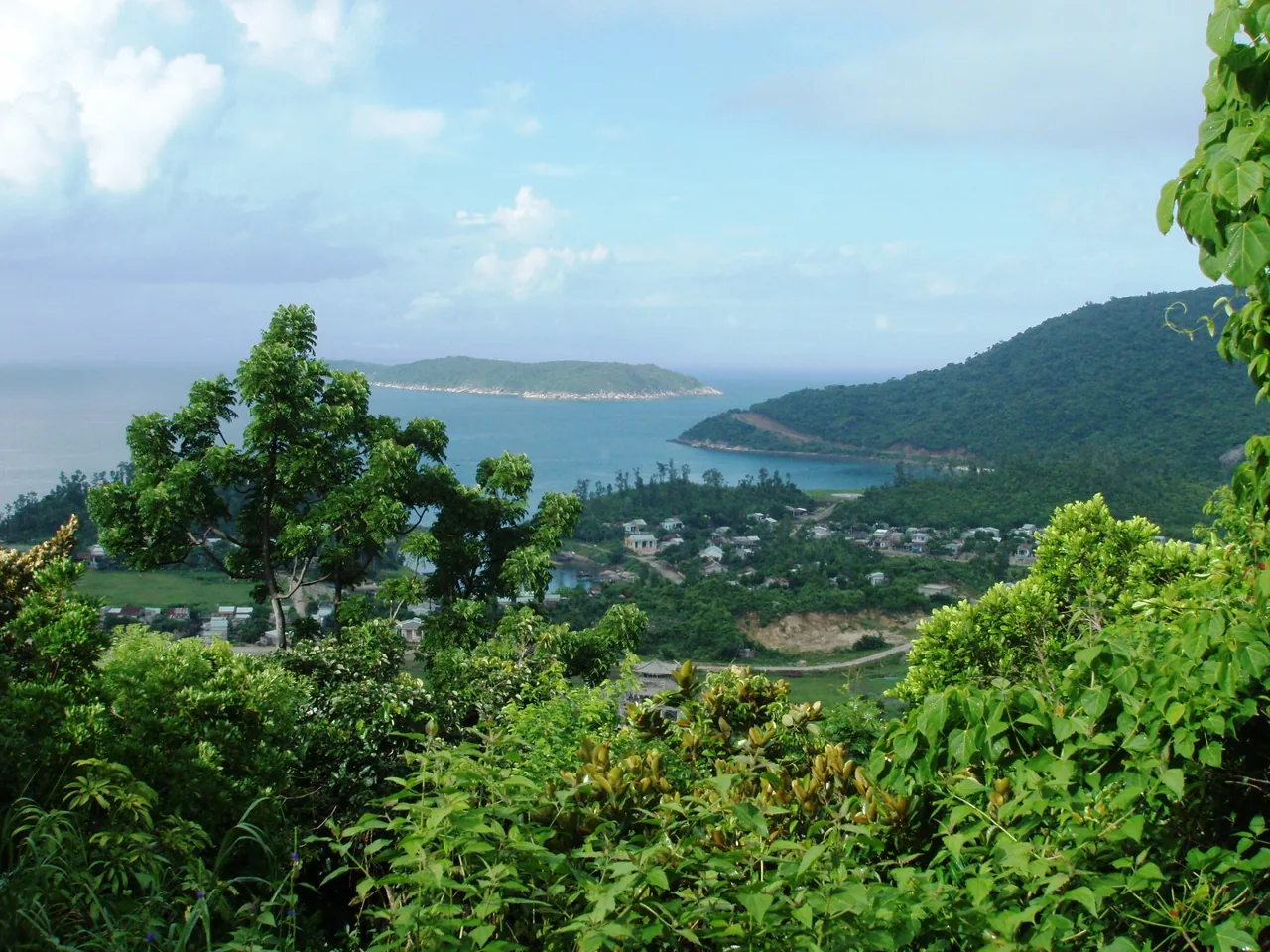
Tân Hiệp village, on Hòn Lao, is the island’s heart: a working fishing community with a small market right by the pier, where the morning’s catch is laid out alongside dried seafood, shell trinkets and local souvenirs. Wander up from the water and you’ll find Hải Tạng Pagoda, built in 1758 at the foot of the mountain — a serene, red-tiled temple where fishermen still pray before heading out to sea. Nearby sits the ancient Cham well (Giếng Xóm Cấm), a laterite-stone well dug centuries ago by the Cham people that has never run dry, a quiet reminder of the islands’ deep history.
Offshore, the small Yến (swallow) islets are where the island’s famous swift birds nest — Cu Lao Cham is the one place in Quảng Nam where the prized salanganes live, and bird’s-nest harvesting is a centuries-old island trade. You can usually see the islets from the boat even if you don’t land on them.
For more on the Cham culture whose name the islands carry, our Hoi An and central-Vietnam guides pick up the thread on the mainland.
8. Eating on the Island
Lunch on Cu Lao Cham is, for a lot of people, a highlight in its own right — this is about as fresh as seafood gets. The little restaurants behind Bãi Ông and at the village serve whatever the boats brought in: grilled fish, squid, prawns, snails, sea snails and the local stone crab (cua đá), a small, sweet crab found on the islands’ rocks that’s something of a Cu Lao Cham speciality.
If you’re on a tour, a seafood lunch is usually included; if you’re independent, eat at the village or Bãi Ông and you’ll do fine. Prices for anything sold by weight (crab, big fish) should be confirmed before you order — the same sensible habit that serves you anywhere in Vietnam. A cold drink, a plate of grilled squid and your feet in the sand after a morning in the water is hard to beat.
9. The Plastic-Free Island & Visiting Responsibly
Here’s the thing that makes Cu Lao Cham genuinely special, and it’s not the coral — it’s a bag. In 2009 the island became the first place in Vietnam to ban single-use plastic bags, and it has stuck: locals carry baskets and cloth bags, the 3R habits (reduce, reuse, recycle) are part of daily life, and visitors are asked to leave plastic bags behind on the mainland. It’s a small, almost symbolic thing that says everything about why the water here is still clear.
So the unspoken deal of visiting is simple: don’t undo it. Bring a reusable water bottle, take every scrap of rubbish back with you, don’t buy coral, shells or anything taken from the reef as a souvenir, and tread lightly in the village. This is a protected marine reserve where people actually live — the cleaner and quieter you leave it, the longer it stays the kind of place worth crossing the sea for.
10. Practical Tips for the Day
A few small things make a Cu Lao Cham day go smoothly:
| What to bring | Why |
|---|---|
| Swimwear under your clothes | Changing facilities are basic; arrive ready |
| Reef-safe sunscreen + a hat | Sun on the water is fierce and there’s little shade |
| A cloth bag & refillable bottle | No plastic bags allowed; stay hydrated |
| Cash (small notes) | No ATMs; gear rental, drinks and lunch are cash-only |
| A dry bag or zip-lock | For your phone on a wet, bouncy boat |
| Motion-sickness tablets | If you’re prone to it — the speedboat can be bumpy |
- Start early. The first boats catch the calmest, clearest water; the wind and the crowds both build through the day.
- Check the forecast — and check it again. In shoulder season especially, sailings are weather-dependent and can be cancelled with little notice. Don’t book it as the one unmissable thing on your last day.
- It’s a full day out. Pickups are early and you’ll be back mid-to-late afternoon — pair it with a restful evening rather than another big plan.
- Want to slow down? A handful of homestays at Bãi Làng and Bãi Hương let you stay overnight in season — the island after the day boats leave is a different, quieter place entirely.
Plan it well and Cu Lao Cham is one of the most rewarding days you can have on this coast — proof that central Vietnam still has a wild, blue corner worth protecting. When you’re ready to map out the rest, our complete Da Nang travel guide ties the whole trip together.
🎟️ Check Cham Islands day-tour prices & book →
Affiliate link — we may earn a commission at no extra cost to you.