
Getting Around Da Nang (2026): The Complete Transport Guide
Grab, Xanh SM, taxis, scooters, the airport, buses and the road to Hoi An — every way to get around Da Nang, what it costs, and exactly which one to use.
- The easy default: the Grab app (cars & motorbikes) and Xanh SM (green electric taxis) — cheap, metered in-app, no haggling. This is how most visitors get around.
- Short hops: a Grab bike or taxi across town costs about $2–5 (≈ 50,000–130,000 VND). Da Nang is compact, so fares are low.
- Freedom: rent a scooter (~$8–14/day) to reach the beaches, Son Tra and the Hai Van Pass — but only if you can ride confidently.
- From the airport: DAD is just ~10–15 minutes from the beach; a Grab/taxi to the city is about $4–5 (≈ 100,000–130,000 VND).
- Day trips: for Hoi An take a Grab or shuttle; for Hue, the Hai Van Pass and further afield, hire a private car.
1. Getting Around Da Nang at a Glance
2. Ride-Hailing: Grab & Xanh SM (The Easy Way)
3. Taxis: Which to Trust
4. Renting a Scooter or Motorbike
5. From the Airport (DAD) to the City
6. Da Nang ↔ Hoi An: The Key Route
7. Hue, the Hai Van Pass & Day Trips
8. Walking & Cycling
9. Public Buses (DanaBus)
10. Private Car & Driver
11. Costs, Payment & Apps
12. Safety, Scams & Road Tips
13. Which Option for Which Trip?
Da Nang is one of the easiest cities in Vietnam to get around — it’s compact, flat, laid out along the beach and the Han River, and served by cheap ride-hailing apps that mean you never have to haggle. For most visitors, the whole trip runs on the Grab and Xanh SM apps, with a rented scooter for the adventurous and a private car for day trips. This guide explains every way to move around Da Nang and the region — ride apps, taxis, scooters, the airport, the route to Hoi An, buses, private cars, walking and cycling — with real 2026 prices, how to pay, and which option to pick for each kind of trip. (New here? Start with our complete Da Nang travel guide and the 3–4 day itinerary.)
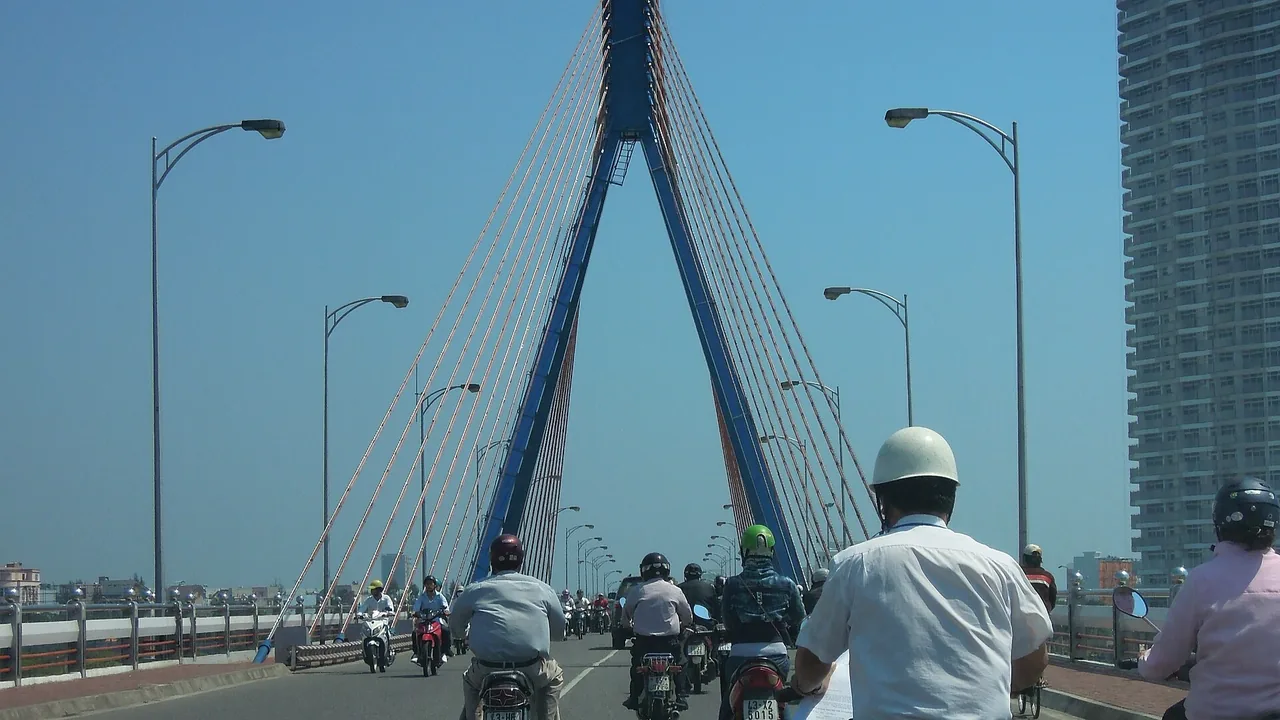
1. Getting Around Da Nang at a Glance
The short version: download Grab (and Xanh SM), use them for almost everything, rent a scooter only if you ride, and book a private car for Hue and the Hai Van Pass. Here’s every option with rough costs:
| How to get around | Best for | Typical cost | Notes |
|---|---|---|---|
| Grab / Xanh SM (app) | Almost everything in the city | $2–5 / ride (≈ 50–130k VND) | Cheapest, metered in-app, no haggling |
| Metered taxi | When no app car is near | Similar or a little more | Use Vinasun or Mai Linh only |
| Rented scooter | Beaches, Son Tra, the coast | $8–14 / day | Freedom — but ride only if confident |
| Private car + driver | Day trips, families, comfort | $40–80 / day | Best for Hue, Hai Van Pass, groups |
| Walking | The beach, the riverfront | Free | Great near My Khe & the bridges |
| Bicycle | Short, flat distances | Often free at hotels | Pleasant early or late, not midday |
| Public bus (DanaBus) | Budget travel, Hoi An | From ~$0.30–1 | Cheap but slow and limited |
2. Ride-Hailing: Grab & Xanh SM (The Easy Way)
Ride-hailing apps are how most visitors get around Da Nang, and the single best tip in this guide. You see the fixed price before you book, pay by card or cash in-app, and never argue over a fare.
- Grab is the dominant app — it works like Uber, offers both cars (GrabCar) and motorbikes (GrabBike), and is almost always cheaper than a metered taxi. A GrabBike is the fastest, cheapest way across town; a GrabCar is comfortable and air-conditioned.
- Xanh SM (Green SM) is the 2026 local favourite — an all-electric fleet of green VinFast cars and scooters, known for clean cars and polite drivers. Fares are similar to Grab; many people keep both apps and compare.
- Sample Grab fares from My Khe Beach: Han Market / city centre ~$2–3, the Marble Mountains ~$3–4, Son Tra / Lady Buddha ~$5–7, the airport ~$4–5.
For how to install, pay, and choose between them — plus a full fare breakdown — see our Grab vs Xanh SM guide.
3. Taxis: Which to Trust
You usually don’t need a regular taxi when the apps are cheaper, but they’re handy when no Grab is nearby. The key is using a reputable, metered company:
- Vinasun (white with a green/red stripe) and Mai Linh (green) are the trusted operators — insist on the meter (“đồng hồ”).
- Avoid unmarked or look-alike taxis with copycat logos or a “broken” meter — a classic trick. If a driver won’t use the meter, get out and order a Grab instead.
- A neat hack: even if you flag a taxi, check the Grab app first so you know the fair price for the route.
4. Renting a Scooter or Motorbike
Renting a scooter gives you total freedom to reach the beaches, ride up the Son Tra peninsula and tackle the Hai Van Pass — but only attempt it if you can ride confidently, because Vietnamese traffic is fast and chaotic.
- Cost: automatic scooters (Honda Air Blade, Yamaha NVX) run about $10–12/day (≈ 250,000–300,000 VND); semi-automatic bikes (Honda Wave) are cheaper at ~$8–10, with discounts by the week.
- Licence: legally you need a licence valid in Vietnam (an IDP with the A category, or a Vietnamese licence). Police do stop tourists, and riding uninsured/unlicensed can void travel insurance after an accident.
- Always wear a helmet (it’s the law and saved many lives), fill up at petrol stations (not roadside bottles), and photograph the bike for damage before you ride off.
Where to rent, what to check and full safety advice are in our Da Nang scooter rental guide.
5. From the Airport (DAD) to the City
Da Nang International Airport (DAD) is unusually central — just 2–3 km from the city and about 10–15 minutes from My Khe Beach, so getting in is quick and cheap.
- Grab / Xanh SM: the easiest option — a car to the beach or city is about $4–5 (≈ 100,000–130,000 VND). Order it from the designated ride-hailing pickup point.
- Airport taxi: a metered Vinasun/Mai Linh to the city centre runs ~90,000–120,000 VND, to the beach hotels ~100,000–130,000 VND.
- Hotel pickup or private transfer: worth it for late arrivals, families or a stress-free start.
- Straight to Hoi An? You can go directly from the airport — see the route options below.
All the details — pickup points, fixed prices and going on to Hoi An — are in our Da Nang airport transfer guide.

6. Da Nang ↔ Hoi An: The Key Route
The one journey almost every visitor makes is to Hoi An, ~30 km (about 45 minutes) south. Your options, cheapest to comfiest:
- Public bus: the cheapest way, but slow and basic.
- Grab / Xanh SM car: simple and comfortable, around $11–17 (≈ 280,000–420,000 VND) one-way.
- Shuttle bus: cheap tourist shuttles run between the two on a set schedule.
- Private car: the most flexible, especially if you stop at the Marble Mountains on the way.
- Scooter: a scenic ~45-minute ride for confident riders, mostly along the coast.
Full prices, schedules and the best pick for you are in our Da Nang to Hoi An transport guide. (Planning the day there too? See the Hoi An guide.)
7. Hue, the Hai Van Pass & Day Trips
For trips beyond the city — Hue, the Hai Van Pass, My Son, the Cham Islands — the transport changes. Distances are longer and a private car or organised tour usually beats app rides:
- Private car + driver: the sweet spot for Hue (~2.5–3 hrs north). Ask the driver to go over the Hai Van Pass and stop at Lap An Lagoon and Lang Co.
- Organised tours: easiest for the Cham Islands (boat logistics) and Ba Na Hills (cable-car tickets).
- Self-drive scooter: the Hai Van Pass is a bucket-list ride for confident riders only.
Which trip suits which transport, and how to combine them, is all in our best day trips from Da Nang guide — and the dedicated Hai Van Pass and Hue guides.
8. Walking & Cycling
Da Nang is flat and walkable in the right places — you won’t walk across the whole city, but two areas are a joy on foot:
- My Khe Beach & An Thuong: the beachfront promenade and the café streets just behind it are best explored on foot.
- The Han River & the bridges: the riverside walkways are lovely in the evening, especially around the Dragon Bridge before its weekend fire show.
- Cycling: many hotels lend bicycles free; the flat coastal roads are pleasant early morning or late afternoon — just avoid the midday heat and busy main roads.
9. Public Buses (DanaBus)
Da Nang has a public bus network (DanaBus) that is very cheap but mainly useful for budget travellers with time to spare:
- Fares are tiny (roughly $0.30–1 / 7,000–25,000 VND depending on the route), and there’s a handy route to Hoi An.
- Buses are slower, less frequent and not always tourist-friendly (limited English, fixed stops), so most visitors skip them in favour of cheap Grab rides.
- They make most sense for the Da Nang–Hoi An run if you’re counting every dong — otherwise the convenience of an app car is worth the small extra cost.
If you’re travelling on a tight budget, weigh it up with our Da Nang travel cost guide.
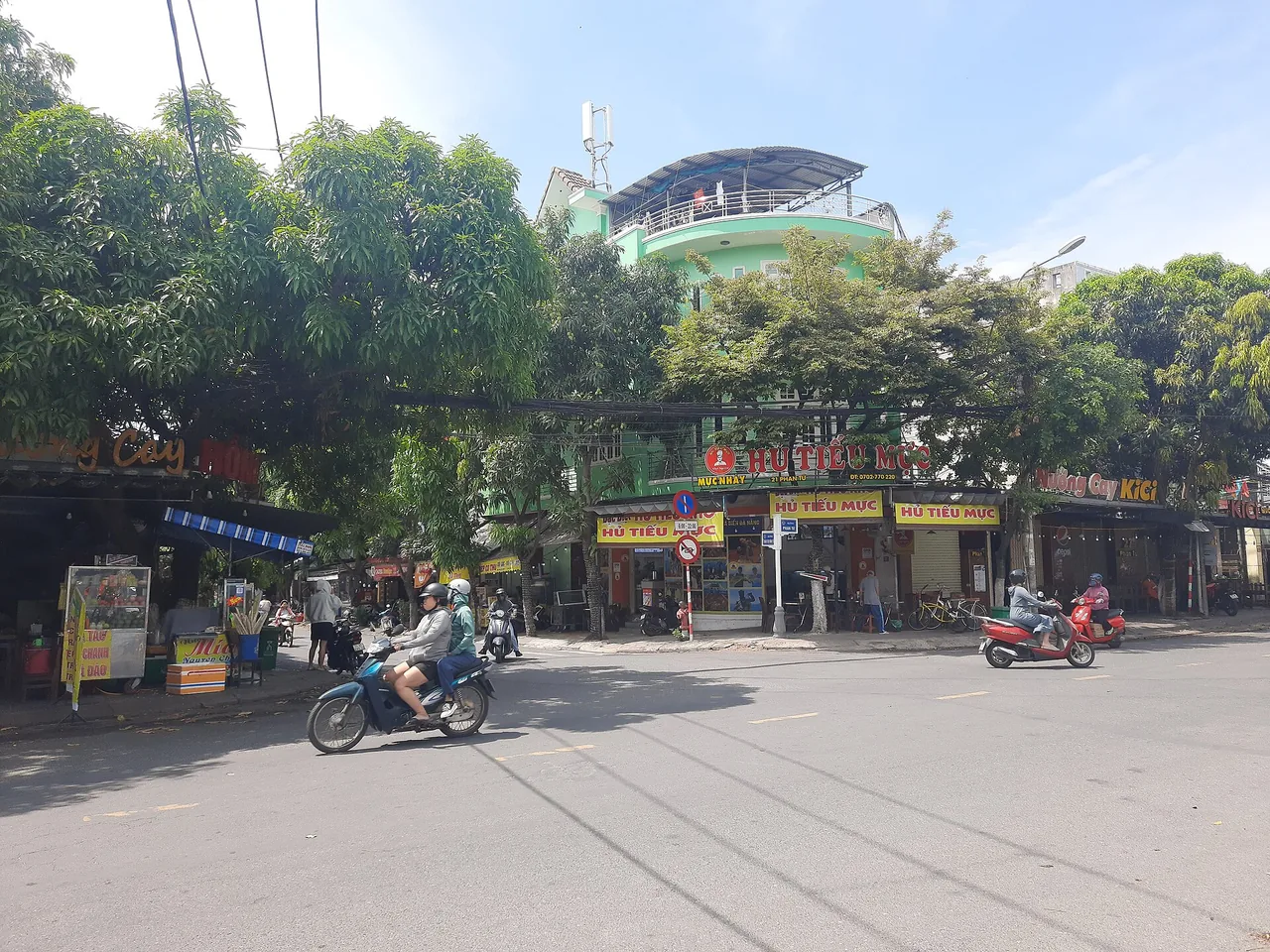
10. Private Car & Driver
For families, groups or anyone who values comfort, hiring a private car with a driver for a day is excellent value in Vietnam:
- Cost: roughly $40–80 (≈ 1,000,000–2,000,000 VND) for a full day, depending on the route and vehicle size — split between a group it’s very reasonable.
- Best for: Hue and the Hai Van Pass, a custom day trip with several stops, airport transfers with lots of luggage, or simply travelling with kids and grandparents in air-conditioned comfort.
- You can book through your hotel, a tour operator or a trusted driver — agree the route, stops and price up front.
11. Costs, Payment & Apps
Getting around Da Nang is cheap, and a little prep makes it frictionless:
| Trip | Rough cost (Grab car) |
|---|---|
| Across the city / short hop | $2–4 (≈ 50,000–100,000 VND) |
| Airport ↔ beach / city | $4–5 (≈ 100,000–130,000 VND) |
| My Khe ↔ Marble Mountains | $3–4 (≈ 80,000–100,000 VND) |
| My Khe ↔ Son Tra / Lady Buddha | $5–7 (≈ 130,000–180,000 VND) |
| Da Nang ↔ Hoi An (one way) | $11–17 (≈ 280,000–420,000 VND) |
- Cash vs card: the apps let you pay by card or cash. Carry small VND notes for cash rides, market stalls and tips — see our Vietnam money guide for ATMs and exchange.
- You need data: Grab and Xanh SM need a connection. Get an eSIM or local SIM so the apps work from the airport.
- Tipping: not expected for app rides; rounding up or a small tip for a private driver is kind.
12. Safety, Scams & Road Tips
Da Nang is a safe, friendly city, and its traffic is calmer than Hanoi or Ho Chi Minh City — but a few rules keep you out of trouble:
- Always wear a helmet on any motorbike (yours or a GrabBike) — it’s the law and basic sense.
- Use the apps to know the price, even if you take a taxi, so you can’t be overcharged.
- Stick to Vinasun, Mai Linh, Grab and Xanh SM; avoid unmarked taxis and anyone refusing the meter.
- Cross the road slowly and predictably; let the scooters weave around you.
- For scooters: ride defensively, don’t drink and ride, and check your travel insurance covers you (it usually needs a valid licence).
The common transport scams — and every other trick to know — are in our Vietnam tourist scams guide.
13. Which Option for Which Trip?
Match the transport to the journey and you’ll never overpay or get stuck:
| Your trip | Best option |
|---|---|
| Around the city, dinner, the beach | Grab / Xanh SM car or bike |
| Airport to your hotel | Grab car (or fixed-rate airport taxi) |
| Beaches, Son Tra, cafés at your own pace | Rented scooter (if you ride) |
| Day trip to Hoi An | Grab car, shuttle, or scooter |
| Hue & the Hai Van Pass | Private car + driver |
| Cham Islands / Ba Na Hills | Organised tour or package |
| Travelling as a family / group | Private car + driver |
| Tightest budget | Public bus + walking |
Get online the moment you land — instant install, no physical SIM, and you keep your own number.
Affiliate link — we may earn a commission at no extra cost to you.