
Vietnam Travel Guide 2026: How to Plan the Perfect Trip (Regions, Routes, Visa & Budget)
One honest, practical plan for the whole country — from the misty north to the Mekong south.
- Shape of the trip: Vietnam is long and thin. Most first-timers go north to south (or the reverse) — Hanoi, Hue, Da Nang & Hoi An, then Ho Chi Minh City — using cheap domestic flights to skip the long legs.
- When to go: the three regions have different, often opposite seasons. The safest all-country windows are October–December and March–April.
- Visa: most nationalities now get a 90-day e-visa online (single or multiple entry); 13 countries enter visa-free for 45 days.
- Budget: roughly US$30–50/day backpacking, $70–120 mid-range, $180+ for luxury — excluding international flights.
- How long: 10–14 days is the classic first trip; a week suits one region (e.g. Central Vietnam — Da Nang & Hoi An).
1. Why Vietnam — and what kind of trip it is
2. North, Central & South: the three Vietnams
3. When to go: timing by region (this is the big one)
4. How long do you need? Sample routes
5. Where to go: Vietnam’s top destinations
6. Getting in: visa & e-visa (2026)
7. Getting around: flights, trains, buses & Grab
8. Money & budget: what Vietnam really costs
9. Food: the real reason to come
10. Culture, etiquette & tipping
11. Staying connected: eSIM & SIM
12. Safety, health & scams
13. Plan your trip: where to go next
1. Why Vietnam — and what kind of trip it is
Vietnam rewards travellers who like variety. In two weeks you can drift through limestone islands on Ha Long Bay, wake up in a 600-year-old trading port in Hoi An, ride a motorbike over a mountain pass, and end with rooftop cocktails in a city of nine million scooters. It is affordable, the food is world-class and astonishingly cheap, and the tourist trail is well-worn enough to be easy without feeling packaged.
The trade-off is distance. Because the country is so long, you cannot “see Vietnam” in a few days — you choose a slice. The job of this guide is to help you choose the right slice and stitch it together sensibly, so you spend your time travelling well rather than backtracking.
2. North, Central & South: the three Vietnams
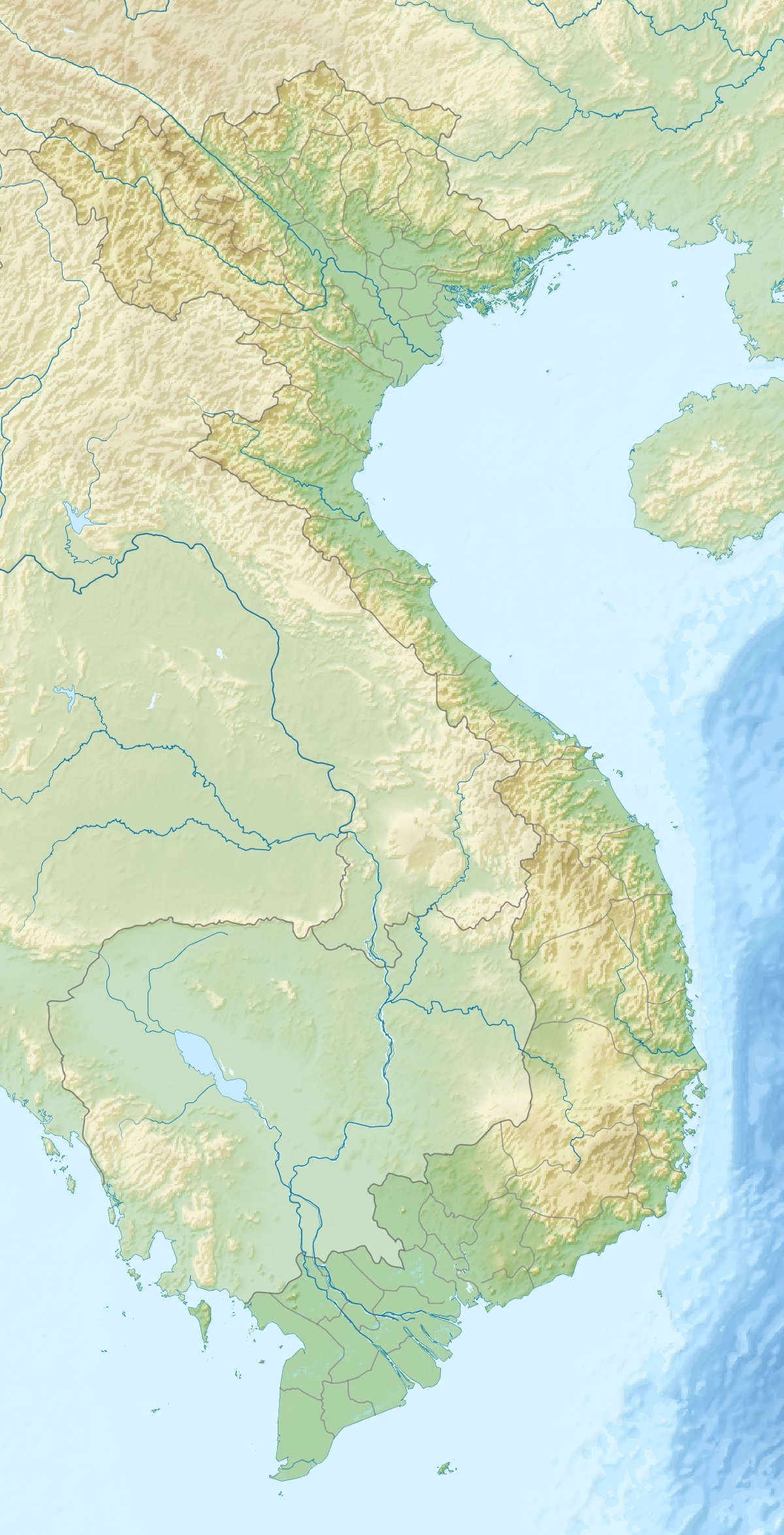
Think of Vietnam as three regions strung along a coastline. Each has its own landscape, climate and pace, and knowing which is which is the foundation of any plan.
| Region | Feels like | Headline places |
|---|---|---|
| North | Cooler, mountainous, traditional; four real seasons | Hanoi, Ha Long Bay, Sapa, Ninh Binh |
| Centre | Beaches, heritage towns, easy pace | Hue, Da Nang, Hoi An, Phong Nha |
| South | Hot and tropical year-round; fast and modern | Ho Chi Minh City, Mekong Delta, Mui Ne, Da Lat |
The capital, Hanoi, anchors the north and is the gateway to Ha Long Bay and the rice-terrace mountains of Sapa. The centre is the country’s holiday belt: the imperial city of Hue, the beach city of Da Nang, and the lantern-lit old town of Hoi An. The south revolves around energetic Ho Chi Minh City (still widely called Saigon), the waterways of the Mekong Delta, and the island beaches of Phu Quoc.
3. When to go: timing by region (this is the big one)
Vietnam has no single “best time” because the three regions run on different calendars — and sometimes opposite ones. When the centre is being battered by storms in October, the north can be clear and crisp. Plan around the region you care about most.
| Region | Best months | Avoid / watch |
|---|---|---|
| North | Mar–Apr & late Sep–Nov | Cold, grey drizzle Jan–Feb; hot & wet Jun–Aug |
| Centre | Feb–early May (dry, low 30s°C) | Typhoons & floods Sep–Nov |
| South | Dec–Apr (dry season) | Afternoon rains May–Nov |
4. How long do you need? Sample routes
Match the trip length to how much ground you want to cover. Flying the long legs is the key to fitting more in without living on a bus.
One week — go deep on one region
Don’t sprint the whole country in seven days. Pick a region. The best one-week first trip is Central Vietnam: fly into Da Nang, split your time between the Da Nang beaches and day trips and the Hoi An old town, with a day in Hue or at the Golden Bridge. Alternatively, base in the north for Hanoi + Ha Long + Ninh Binh.
Two weeks — the classic north-to-south
The most popular first itinerary, roughly: Hanoi (2 nights) → Ha Long Bay (1 night) → fly to Da Nang → Hue (2 nights) → Hoi An (4–5 nights) → fly to Ho Chi Minh City (2–3 nights) → Mekong day trip. Book an open-jaw flight (into Hanoi, out of Saigon) so you never double back.
Three weeks — add the corners
With three weeks you can add Sapa or Ha Giang in the far north, Phong Nha’s caves in the centre, and an island finish on Phu Quoc in the south.
5. Where to go: Vietnam’s top destinations
A shortlist of the places most first-timers build a trip around, north to south. Tap through to our in-depth guides where we have them.
North
- Hanoi — the 1,000-year-old capital: Old Quarter chaos, lakes, coffee and the best northern food.
- Ha Long Bay — emerald water and thousands of limestone karsts, usually seen on an overnight cruise.
- Sapa — rice-terrace mountains and hill-tribe villages near the Chinese border.
- Ninh Binh — “Ha Long Bay on land”: rivers, rice fields and karst towers, an easy day trip from Hanoi.
Centre — the easiest place to start
- Da Nang — a modern beach city with an airport, mountains and bridges; the best base for the region.
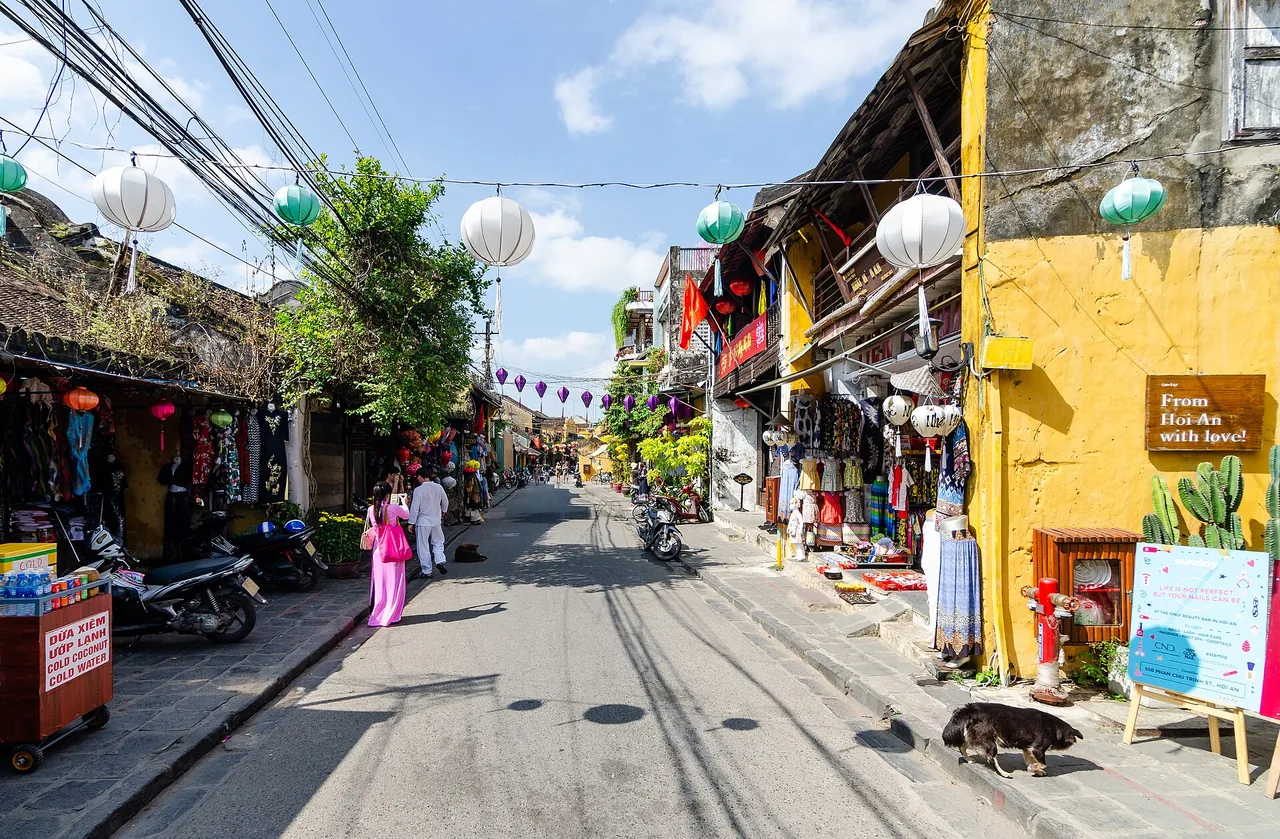
- Hoi An — a UNESCO-listed trading port of lanterns, tailors and riverside lanes.
- Hue — the former imperial capital: a citadel, royal tombs and the Perfume River.
- Phong Nha — the world’s greatest cave country, including Son Doong, the largest cave on earth.
South
- Ho Chi Minh City (Saigon) — the fast, modern engine room: war history, rooftop bars and street food.
- Mekong Delta — floating markets, fruit orchards and a green, watery slower pace.
- Da Lat — a cool-climate hill town of pine forests, flowers and French villas.
- Phu Quoc — Vietnam’s big island, for a beach-resort finish.
6. Getting in: visa & e-visa (2026)
Entry is simpler than it used to be. Vietnam’s e-visa now covers all nationalities and lasts up to 90 days, single or multiple entry.
- E-visa (most people): apply online at the official portal evisa.gov.vn, pay the fee, and get a decision in about 3–5 working days. It is valid for up to 90 days and accepted at 80-plus airports, land crossings and seaports.
- Visa-free (45 days): citizens of 13 countries — including the UK, France, Germany, Italy, Spain and the Nordic nations — can enter without a visa for up to 45 days.
- Passport rule: it must be valid for at least 6 months beyond your arrival date.
7. Getting around: flights, trains, buses & Grab
Because the country is long, most trips combine a couple of flights for the big jumps with trains, buses or private cars for shorter legs.
| Mode | Best for | Rough cost |
|---|---|---|
| Domestic flight | Long hops (Hanoi–Da Nang–Saigon) | US$40–80 |
| Reunification Express train | Scenic legs, overnight sleepers | $15–50 |
| Sleeper bus | Cheapest long distance | $10–25 |
| Grab (app) | Cities & short rides (car or bike) | From ~$1–5 |
Carriers like Vietnam Airlines, Vietjet and Bamboo Airways connect the main cities cheaply — book 3–6 weeks out. The Grab app is the safest way to take taxis and bikes in cities because the price is fixed in advance, which sidesteps the most common taxi tricks. One of Vietnam’s most beautiful train rides, the Hai Van Pass between Hue and Da Nang, is worth doing for its own sake.
8. Money & budget: what Vietnam really costs
Vietnam is one of Asia’s great-value destinations. The currency is the Vietnamese dong (₫), and prices come with a lot of zeros — roughly 25,000₫ to the US dollar.
| Style | Per day (excl. int’l flights) | What it buys |
|---|---|---|
| Backpacker | US$30–50 | Hostels/cheap hotels, street food, buses |
| Mid-range | $70–120 | Nice hotels, restaurants, tours, the odd flight |
| Luxury | $180+ | Resorts, cruises, private guides & transfers |
Pay in dong almost everywhere. Cards are fine in city hotels and restaurants, but you will want cash for street food, markets, taxis and the countryside. Tipping is appreciated but not obligatory. Our money guide covers ATMs and card tricks, and the cost & budget guide gives day-by-day sample spends.
9. Food: the real reason to come
Vietnamese food is fresh, regional and ridiculously cheap — a bowl of pho or a banh mi from the right cart can cost a dollar or two and be the best thing you eat all trip. Each region cooks differently.
- North: the birthplace of pho and bun cha (grilled pork with noodles) — subtler, less sweet.
- Centre: bold and spicy; Hue’s royal cuisine, Hoi An’s cao lau and white rose dumplings, Da Nang’s mi quang. Start with our Da Nang food guide.
- South: sweeter and herb-heavy, with Mekong river fish, com tam (broken rice) and tropical fruit.
And then there is the coffee: strong, dark, and served over ice with condensed milk (ca phe sua da), or whipped into the famous egg coffee in Hanoi. Eat where the locals queue, sit on the little plastic stools, and don’t be shy of the street carts — they are usually the best (and safest, through sheer turnover) food in town.
10. Culture, etiquette & tipping
Vietnamese people are warm and forgiving of visitors’ mistakes, but a little awareness goes a long way.
- Temples & pagodas: cover shoulders and knees, remove your shoes where indicated, and keep your voice down.
- Tipping: not traditionally expected, but increasingly appreciated — round up taxis, and tip guides, spa staff and good restaurant service.
- Bargaining: normal in markets, not in shops with marked prices. Stay smiling; aggression backfires.
- Face & calm: losing your temper in public rarely helps. Patience and a smile get you further than complaints.
For the details — including how much to tip and what offends — see our etiquette & tipping guide.
11. Staying connected: eSIM & SIM
You will want mobile data from the moment you land — for Grab, maps, translation and booking. The easiest option is an eSIM you set up before you fly, so you arrive already online without hunting for an airport counter.
eSIMs are usually cheaper and more convenient than a physical airport SIM, and you keep your home number active. We compare the best providers, plans and prices in our best eSIM for Vietnam guide. If you prefer a physical SIM, the major networks (Viettel, Vinaphone, Mobifone) all sell cheap tourist data packs.
12. Safety, health & scams
Vietnam is a safe country for travellers — serious crime against tourists is uncommon. The risks that actually cost people are small and avoidable.
- Traffic is the real hazard. Cross roads slowly and predictably; the scooters flow around you. Don’t stop or dart.
- Petty scams: unmetered taxis, “broken” meters, wrong change, and inflated tour prices. Use Grab, agree prices first, and read our common scams guide.
- Food & water: drink bottled or filtered water, and favour busy street stalls with high turnover.
- Insurance: get travel insurance that covers scooters if you plan to ride — many policies exclude them.
13. Plan your trip: where to go next
You now have the shape of the country, the timing, the route and the budget. The next step is to go deep on the places you’ve chosen — and that is where the rest of Breeze Vietnam comes in.
Central Vietnam
The easiest first region. Start with the Da Nang master guide and the Hoi An guide, plus Hue.
Time & cost
Nail the dates and the spend with our best time to visit and cost & budget guides.
Wherever you begin, build outward from one region rather than trying to do everything. Vietnam rewards the trip you actually finish, not the one that looked good on the map.