
Vietnam Visa & E-Visa Guide for Da Nang (2026)
Who needs a visa, who can enter visa-free, and exactly how to get the official Vietnam e-visa online — without falling for the fake-website scams.
- Many don’t need a visa at all: citizens of about a dozen countries (incl. the UK, France, Germany, Italy, Spain, the Nordics, South Korea, Japan and Russia) get 45 days visa-free; most of ASEAN gets 30.
- Everyone else (and longer stays): apply for the e-visa — available to all nationalities, valid up to 90 days, single ($25) or multiple ($50) entry.
- Only one official site: evisa.gov.vn. Dozens of look-alike sites overcharge or scam — see our warning below.
- Da Nang’s airport (DAD) is an accepted e-visa entry point. Apply at least a week before you fly.
1. Do You Need a Visa for Vietnam?
2. Visa-Free Entry: Who Qualifies & For How Long
3. The Vietnam E-Visa: All Nationalities, Up to 90 Days
4. How to Apply for the E-Visa, Step by Step
5. ⚠️ Avoid Fake Visa Websites & Scams
6. Arriving in Da Nang: Immigration & What to Show
7. Overstaying, Extensions & Longer Stays
8. Pre-Trip Visa Checklist
Sorting out your visa is the one piece of Da Nang planning you can’t improvise at the airport — but the good news is that Vietnam has made it far simpler than it used to be. Many visitors now enter visa-free, and everyone else can apply for an e-visa entirely online in a few minutes. This guide explains, in plain language, whether you need a visa at all, how the visa-free rules work, how to apply for the official e-visa step by step, how to avoid the fake-visa websites that catch out thousands of travellers, and what to expect on arrival at Da Nang. One important note: visa rules and fees change, and your situation depends on your nationality. Treat this as a friendly guide, not official advice — always confirm on the official portal evisa.gov.vn and, if in doubt, your nearest Vietnamese embassy before you travel. (Planning the rest of the trip? See our complete Da Nang guide.)
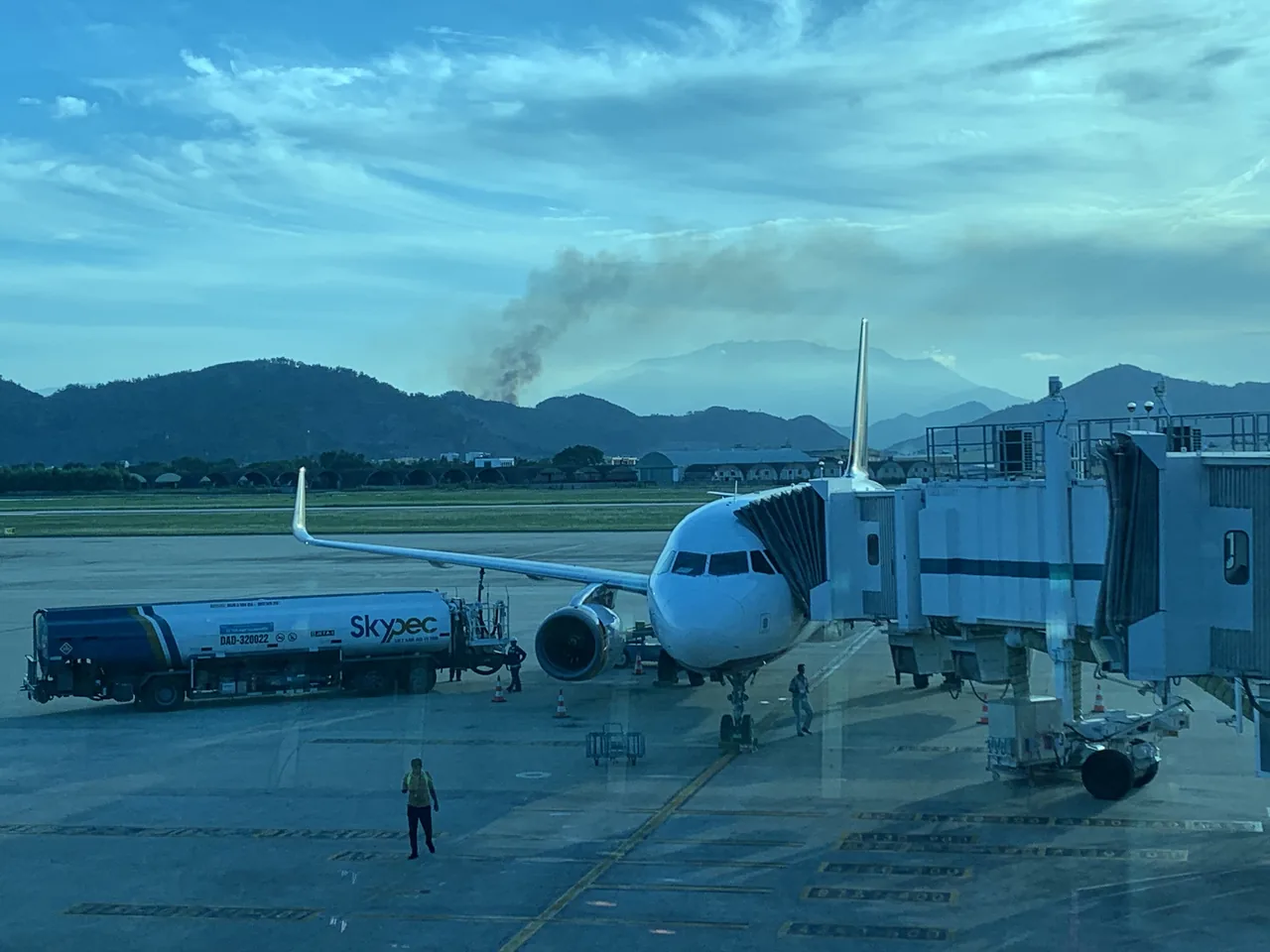
1. Do You Need a Visa for Vietnam?
It depends entirely on your nationality and how long you’re staying. There are three situations:
- Visa-free — citizens of certain countries can enter for a set number of days (30 or 45) with no visa at all.
- E-visa — everyone else, and anyone staying longer than their visa-free allowance, applies online for an e-visa (up to 90 days).
- Traditional visa — for special cases (long stays, work, some purposes), arranged via an embassy. Most tourists never need this.
The single most important rule: whatever your route in, your passport must be valid for at least 6 months from your date of entry and have at least two blank pages. Sort that first.
2. Visa-Free Entry: Who Qualifies & For How Long
Vietnam waives the visa entirely for citizens of a number of countries — you just turn up with your passport. As of 2026 the main groups are:
| Visa-free stay | Who (examples) | Notes |
|---|---|---|
| 45 days | UK, France, Germany, Italy, Spain, South Korea, Japan, Russia, Denmark, Sweden, Norway, Finland | Extended through 14 March 2028 |
| 30 days | Thailand, Malaysia, Singapore, Indonesia, the Philippines & most of ASEAN; also Chile, Panama | Bilateral / ASEAN agreements |
| No exemption | Many other nationalities, incl. e.g. China, India, the USA, Australia | Apply for the e-visa instead |
A few things to know about visa-free entry:
- The allowance (e.g. 45 days) is the maximum stay per entry. Staying one day longer than that needs an e-visa or visa instead.
- Your passport still needs 6+ months’ validity and blank pages.
- You may occasionally be asked for proof of onward/return travel or accommodation.
- If you’ll stay longer than your visa-free limit, get an e-visa before you fly — you can’t simply extend the free entry on a whim.
3. The Vietnam E-Visa: All Nationalities, Up to 90 Days
If you’re not visa-free — or you want to stay longer — the e-visa is the answer, and it’s refreshingly simple. Since 2024 it has been open to citizens of all countries and territories. Key facts (as of June 2026):
| Feature | Detail |
|---|---|
| Who | All nationalities |
| Length | Up to 90 days |
| Entries | Single or multiple |
| Official fee | US$25 (single) / US$50 (multiple) |
| Processing | About 3 working days (allow more) |
| Where | Online only — evisa.gov.vn |
| Entry points | 80+ ports incl. Da Nang airport (DAD) |
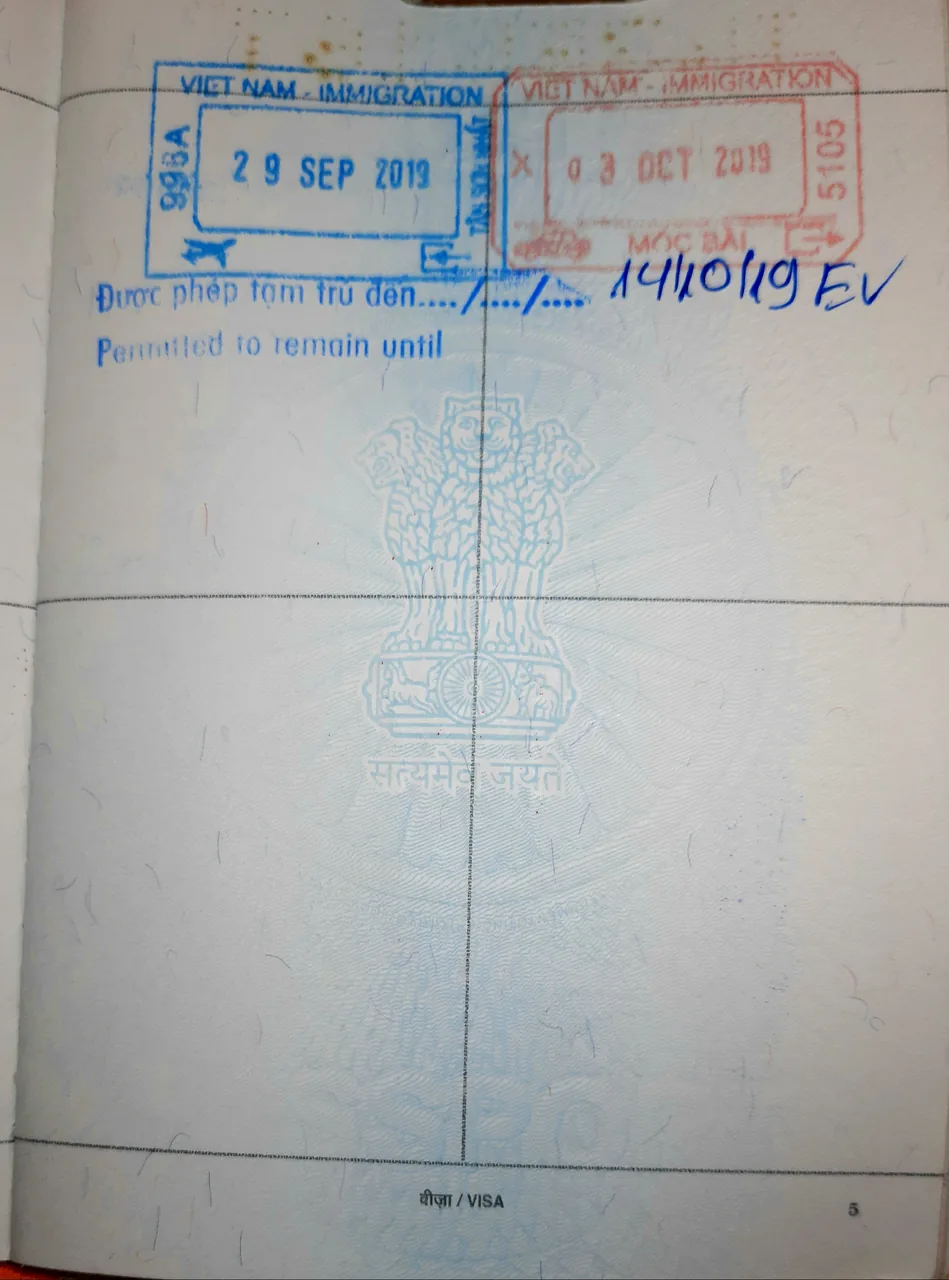
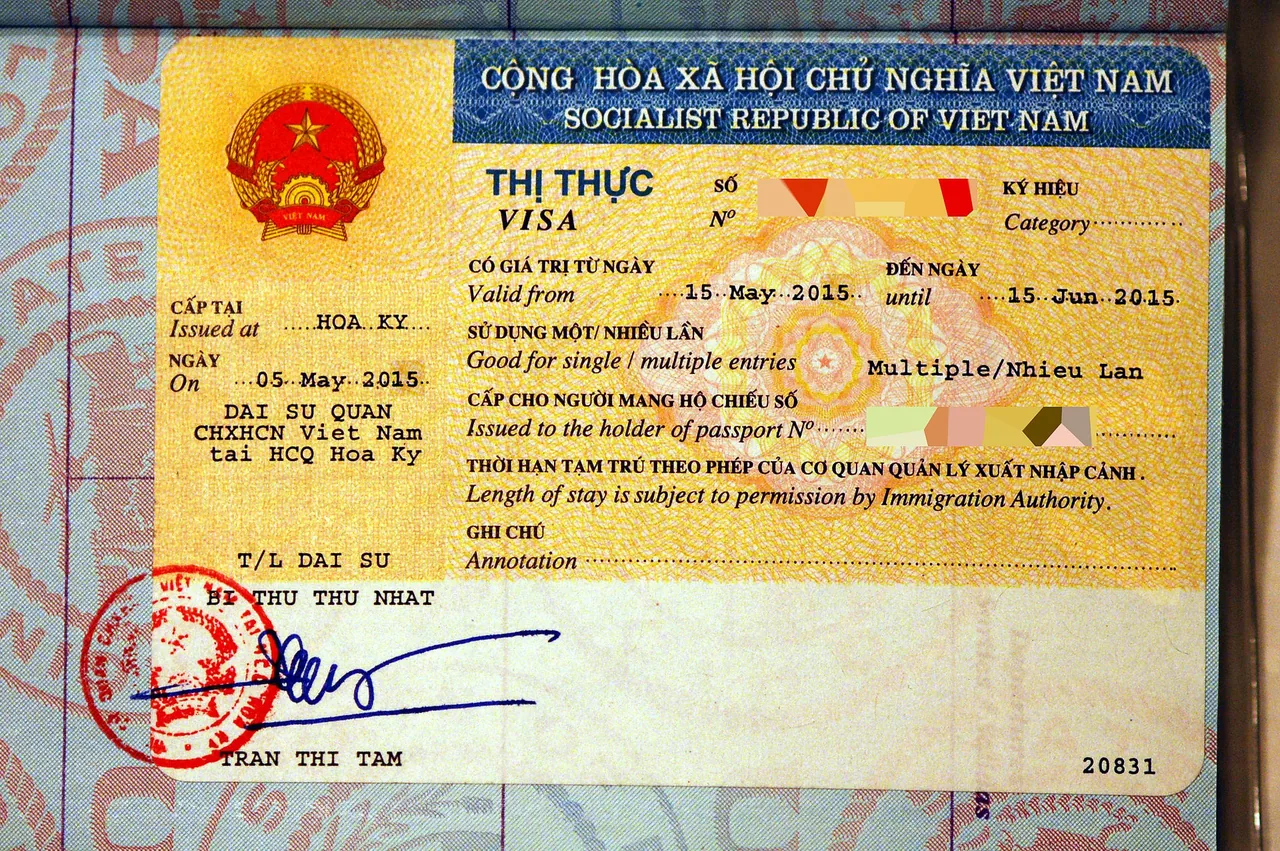
You apply, pay, and a few days later receive an e-visa approval you print out and show on arrival — no embassy visit, no sticker in your passport beforehand. It’s the route most non-exempt visitors to Da Nang take.
4. How to Apply for the E-Visa, Step by Step
The whole thing takes 15–20 minutes online. Here’s the process:
- Go to the official site: evisa.gov.vn (and only this one — see the scam warning next). There’s an English option.
- Prepare your documents: a clear scan of your passport bio page, a passport-style photo (white background, no glasses), your passport details, and a payment card.
- Fill in the form: personal details, your intended entry and exit dates and ports (choose Da Nang / DAD if flying into Da Nang), and trip details. Double-check every field against your passport.
- Pay the fee online — US$25 single or US$50 multiple entry. Save the registration code you’re given.
- Wait for the decision — usually around 3 working days, sometimes longer. You can check status online with your code.
- Download and print the approved e-visa, and keep a copy on your phone too. Bring the printout to the airport.
5. ⚠️ Avoid Fake Visa Websites & Scams
This is the part that catches the most people, so read carefully. Search “Vietnam visa” and you’ll find dozens of slick, official-looking websites that are not the government portal. Some are agencies that simply charge you a big mark-up; others are outright scams that take your money and data.
- Use only the official portal: evisa.gov.vn (also reachable as thithucdientu.gov.vn). Check the address bar.
- The official e-visa fee is US$25 (single) / US$50 (multiple). If a site quotes US$50–100+ “service fees”, it’s a reseller, not the government.
- Be wary of sites promising “guaranteed” or “1-hour” visas, or that ask for payment by unusual methods.
- Never hand your passport scan to a site you’re not sure about.
Using a reputable agent isn’t illegal — some travellers happily pay extra for hand-holding — but you should know you’re paying a premium for something you can do yourself in 20 minutes on the official site.
6. Arriving in Da Nang: Immigration & What to Show
Da Nang International Airport (DAD) is one of the accepted e-visa entry points, so you can fly straight in. At immigration:
- Have your passport ready, plus your printed e-visa approval if you applied for one. (Visa-free arrivals just show the passport.)
- You may be asked about your length of stay and accommodation — know your hotel name and address.
- The officer stamps you in; check the date stamp matches your allowed stay.
From there it’s a short hop into the city — see our where-to-stay guide for neighbourhoods, and sort a local SIM/eSIM and a ride into town (covered in the main Da Nang guide).
7. Overstaying, Extensions & Longer Stays
A few things to plan for if your trip is long or open-ended:
- Don’t overstay. Staying past your visa-free or e-visa expiry means fines and hassle at departure. Count your days carefully from the entry stamp.
- Need longer than 90 days? The e-visa maxes out at 90 days; for longer stays you’ll look at a different visa type, usually via an agent or embassy.
- Extensions inside Vietnam are possible in some cases but can be slow and bureaucratic — it’s usually easier to apply for the right length up front.
- Multiple entries: if you’ll pop to Laos, Cambodia or Thailand and return, choose a multiple-entry e-visa, or check your visa-free terms.
8. Pre-Trip Visa Checklist
Run through this before you book and before you fly:
- ✅ Passport valid 6+ months from arrival, with 2 blank pages.
- ✅ Checked your nationality’s status (visa-free days or e-visa) on the official site.
- ✅ If needed, e-visa applied for at least a week ahead via evisa.gov.vn (the official site).
- ✅ E-visa approval printed + saved on your phone.
- ✅ Entry point set to Da Nang (DAD) if flying into Da Nang.
- ✅ Hotel name/address handy for the arrival card and immigration.
Get the visa sorted early and the rest of your Da Nang trip is pure pleasure. Next, dive into the complete Da Nang guide to plan where to stay, what to eat and what to see.