
Hoi An Travel Guide 2026: Lanterns, Old Town, Tailors & Everything to Do
A street-by-street guide to Vietnam’s most magical town — when to go, what it really costs, and the things first-timers always miss.
- Where: 30 km (~45 min) south of Da Nang — an easy day trip or a stay of its own.
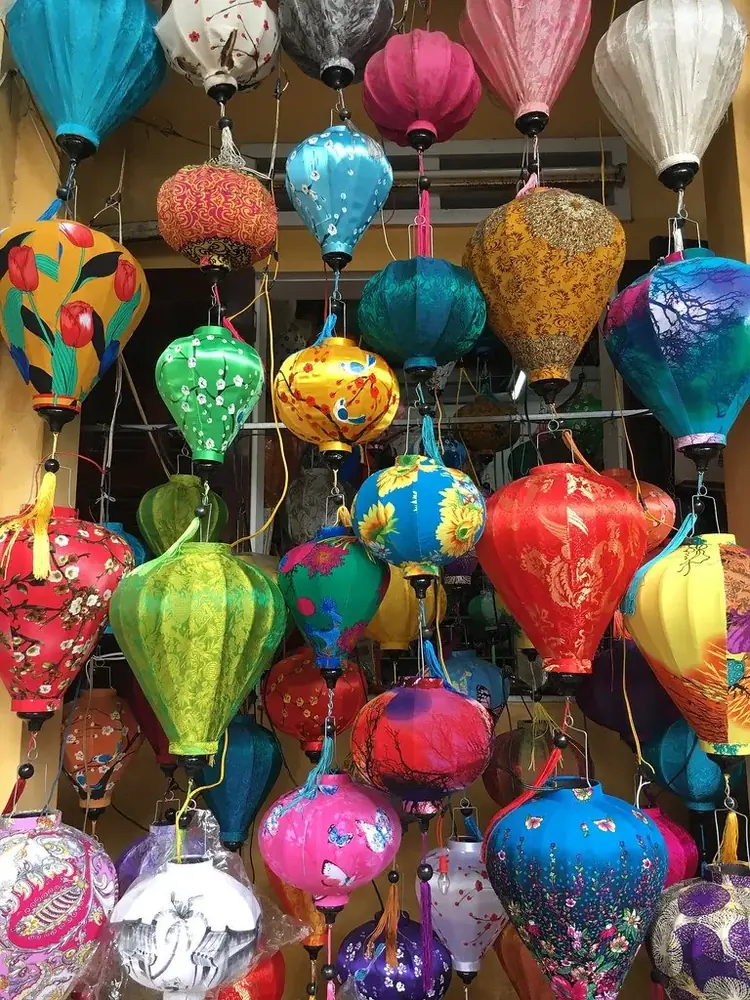
- The magic hour: arrive by 5 PM and stay for dusk, when thousands of silk lanterns switch on.
- Old Town ticket: 120,000 VND (~$5) — yes, you should buy it (it funds the preservation).
- Avoid: October–November, when the Thu Bon River regularly floods the streets.
1. Getting to Hoi An from Da Nang
2. The Ancient Town: Ticket & What to See
3. Lanterns, the River & the Full-Moon Festival
4. Hoi An’s Legendary Food
5. Custom Tailoring: How to Do It Right
6. Beyond the Old Town
7. Where to Stay & Practical Tips
The first time you see Hoi An at dusk, you stop walking. The day’s heat lifts, the Thu Bon River turns to liquid gold, and one by one thousands of silk lanterns flick on until the whole 400-year-old town glows. There is nowhere else in Vietnam quite like it. This UNESCO-listed former trading port, just 40 minutes from Da Nang, is the reason most people fall in love with central Vietnam. This guide walks you through it the way a friend who’s been a dozen times would — the timing, the real prices, the tailors, the food, and the quiet corners the tour buses never reach.
1. Getting to Hoi An from Da Nang
Hoi An has no airport and no train station, so almost everyone arrives via Da Nang (30 km north). It’s a flat, easy 40–50 minute drive along the coast.
- Grab / Xanh SM: the simplest option — about $14 (≈ 350,000 VND) one way. See our Grab vs Xanh SM guide to avoid airport-taxi traps.
- Private car with driver: ~$35–50 (≈ 875,000–1,250,000 VND) round trip; worth it if you’ll stop at Marble Mountains on the way.
- Motorbike: ~$7/day if you’re confident — a lovely coastal ride past An Bang Beach.
2. The Ancient Town: Ticket & What to See
The old town is a car-light maze of mustard-yellow merchant houses, Chinese assembly halls and tiny temples — small enough to wander without a map, and best explored on foot.
🎟️ Do you need the ticket?
Officially, entering the protected core needs a 120,000 VND (~$5) ticket. It includes entry to 5 of the 22 heritage sites (you choose which). Enforcement is relaxed, but please buy one — it directly funds the town’s preservation, and the heritage houses are genuinely worth it.
| Must-see (pick from your 5) | Why |
|---|---|
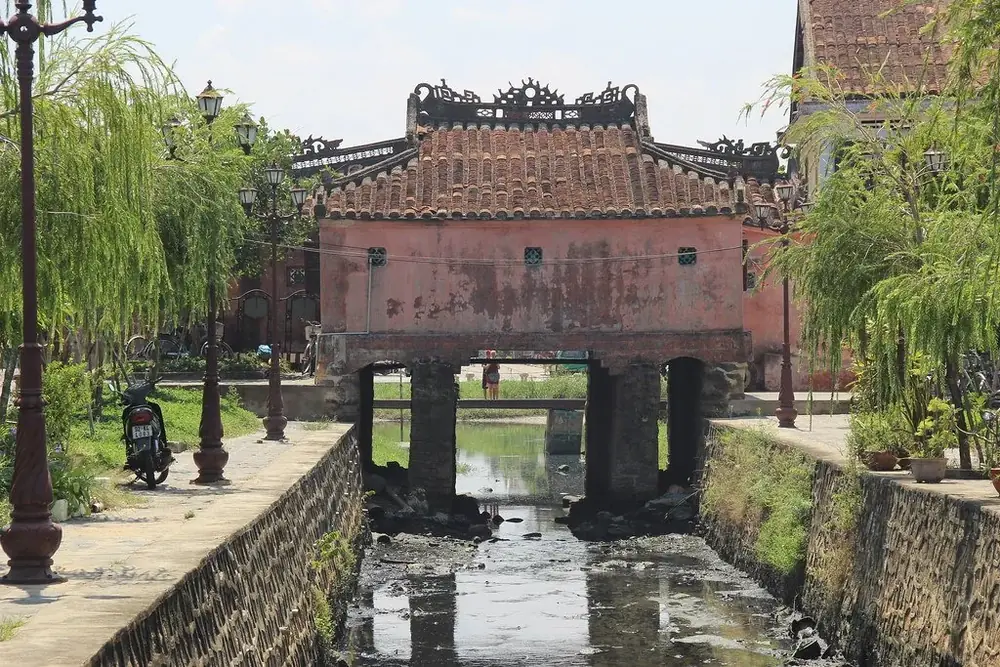
| Japanese Covered Bridge (Chùa Cầu) | The 400-year-old icon — it’s on the 20,000đ banknote. Check your wallet and compare! |
| Tan Ky Old House | A 200-year-old merchant home blending Vietnamese, Japanese & Chinese design. |
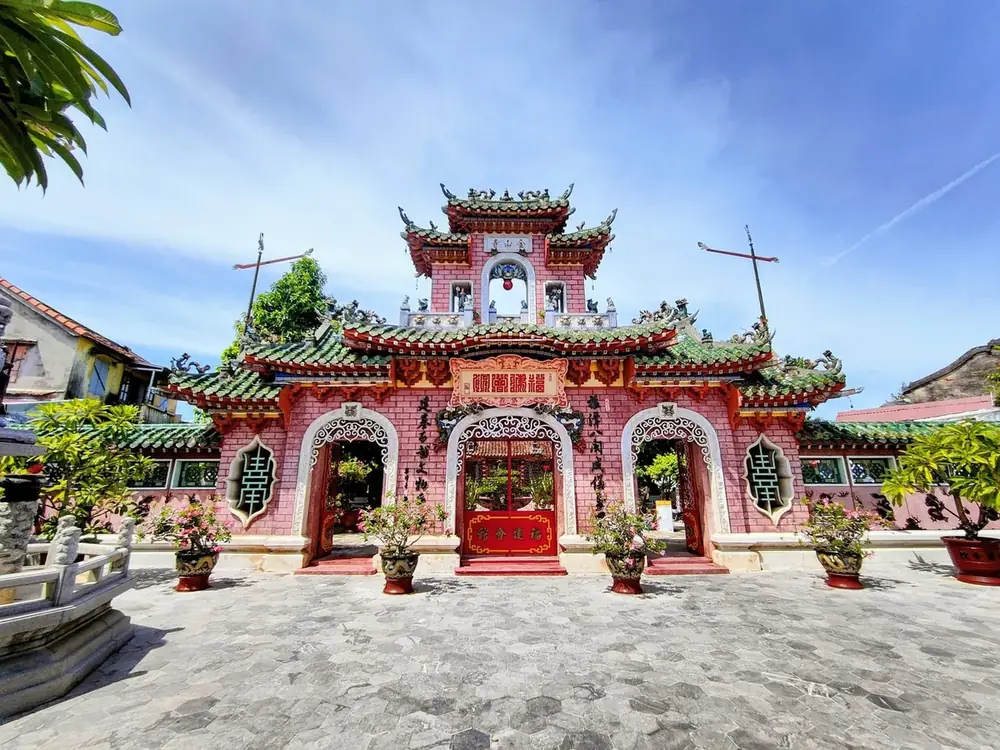
| Fujian Assembly Hall (Phuc Kien) | The most ornate Chinese hall, with a vivid dragon fountain. |
| Cantonese Assembly Hall | Quieter, beautiful tilework and a peaceful garden. |
3. Lanterns, the River & the Full-Moon Festival
This is why you came. As the sky darkens, the riverfront fills with light and the whole town feels like a film set.
- Float a wish-lantern: buy a small paper lantern by the river (10,000–20,000 VND) and set it on the Thu Bon for luck. Hop on a sampan boat (~150,000–200,000 VND for a short ride; agree the price first).
- The Lantern Full-Moon Festival: on the 14th day of each lunar month, the town switches off its electric lights — only lanterns and candles. It’s spellbinding, but very crowded; arrive early and expect company.
- Best photo spot: the An Hoi pedestrian bridge looking back at the old town, just after sunset (the “blue hour”).
4. Hoi An’s Legendary Food
Hoi An punches absurdly above its weight on food — some dishes exist only here.
- Cao lầu — Hoi An’s signature: chewy noodles (traditionally made only with water from the ancient Ba Le well), pork, greens and crisp croutons. You literally can’t get the real thing anywhere else.
- White Rose (bánh vạc) — delicate translucent shrimp dumplings shaped like roses, a local specialty.
- Cơm gà Hội An — fragrant turmeric chicken rice; locals argue over the best stall for hours.
- Bánh mì Phượng — the banh mi Anthony Bourdain called a “symphony”; expect a queue, it’s worth it ($1–2 / ≈ 25,000–50,000 VND).
Hungry for the full rundown of central-Vietnam dishes and where to find them? 👉 Read our Da Nang & Hoi An food guide.
5. Custom Tailoring: How to Do It Right
Hoi An is the tailoring capital of Asia — hundreds of shops can make a custom suit or dress in 24–48 hours. Done well it’s magic; done badly it’s a wasted afternoon. Here’s how to get it right:
- Budget: a custom dress runs ~$30–70 (≈ 750,000–1,750,000 VND); a quality wool suit ~$120–250 (≈ 3,000,000–6,250,000 VND). Cheaper exists, but so does cheap fabric.
- Go reputable: long-established names like Yaly, BeBe and A Dong Silk are reliable. Avoid the “$30 suit” touts.
- Allow time for fittings: order on day 1, do a fitting on day 2. Bring a clear photo of what you want, and don’t be shy asking for alterations — that’s the point.
6. Beyond the Old Town
🏖️ An Bang Beach
4 km away — a relaxed, local-feel beach with driftwood bars. Perfect for a slow afternoon after a morning in town.
🛶 Basket-boat ride, Cam Thanh
Spin through the water-coconut palms in a round bamboo “thúng” boat — touristy, but genuinely fun (~$10–15).
🌿 Tra Que Herb Village
Cycle out to this organic herb village; some farms offer hands-on cooking classes.
Day trip: My Son Sanctuary, the UNESCO-listed Cham (Hindu) ruins often called “Vietnam’s Angkor”, is ~40 minutes away — go early to beat the heat and crowds.
7. Where to Stay & Practical Tips
- Old Town / riverside: walk-everywhere boutiques and homestays; most atmospheric, but lively at night.
- An Bang Beach: quiet beach resorts and villas, a short ride from town — best of both worlds.
- Base in Da Nang & day-trip: totally doable if you want the beach + nightlife of the city. See our Da Nang hotels guide.
Other tips: bring small cash (many stalls don’t take cards), wear comfortable shoes for the cobblestones, and carry a hand fan or umbrella for the midday sun.