
Da Nang in October: Weather, Floods, Typhoons & What to Do (2026)
October is Da Nang’s wettest month and the peak of typhoon season — but also its quietest and cheapest, with a still-warm sea. Here’s the complete, honest guide, including the truth about Hoi An flooding.
- The wettest month: rainfall peaks at roughly 450–650mm — the most of any month — with heavy, sometimes all-day downpours as the rainy season hits full force.
- Peak typhoon season: October (with November) sees the most direct storms — most trips are fine, but travel insurance, flexible bookings and a weather eye are essential.
- Hoi An can flood: the old town sometimes floods in October; it’s not every year, but it’s the classic month for it. We explain what to expect below.
- Still warm, sea ~28°C: days are cooler at around 29–30°C and the sea is choppier, but it’s still swimmable on calmer days.
- Quietest & cheapest: this is low season at its deepest — the fewest crowds and the best hotel prices of the year.
1. Da Nang in October at a Glance
2. October Weather in Detail: How It Compares to September & November
3. Typhoons & the Rainy-Season Peak: What You Really Need to Know
4. Is Hoi An Flooded in October? The Honest Answer
5. The Sea & Beaches in October
6. Crowds, Prices & Value: The Quietest, Cheapest Month
7. The Best Things to Do in Da Nang in October
8. Rainy-Day & Indoor Backup Plans
9. What to Pack for October’s Rain & Storms
10. So, Is October a Good Time to Visit Da Nang?
October is the most dramatic month in Da Nang’s calendar. It’s the wettest month of the year and the peak of central Vietnam’s typhoon season, the time when the famous Hoi An flooding is most likely. But it’s also the quietest and cheapest month, with empty beaches, deep hotel discounts and a sea that’s still warm enough to swim. October isn’t a month to pretend the weather doesn’t matter — it absolutely does — but with the right expectations and a flexible plan, it can be a peaceful, atmospheric and incredibly good-value time to visit. This is a complete, no-spin guide to Da Nang in October: detailed weather, the real story on typhoons and flooding, whether Hoi An will be underwater, the state of the sea, what to do (mostly rain-ready), and exactly what to pack. Note: figures are typical long-term averages; any given year can be much wetter or drier, so always check a live forecast and storm warnings close to your trip. (Comparing months? See our Da Nang in September guide and August guide, or the full Da Nang weather guide.)
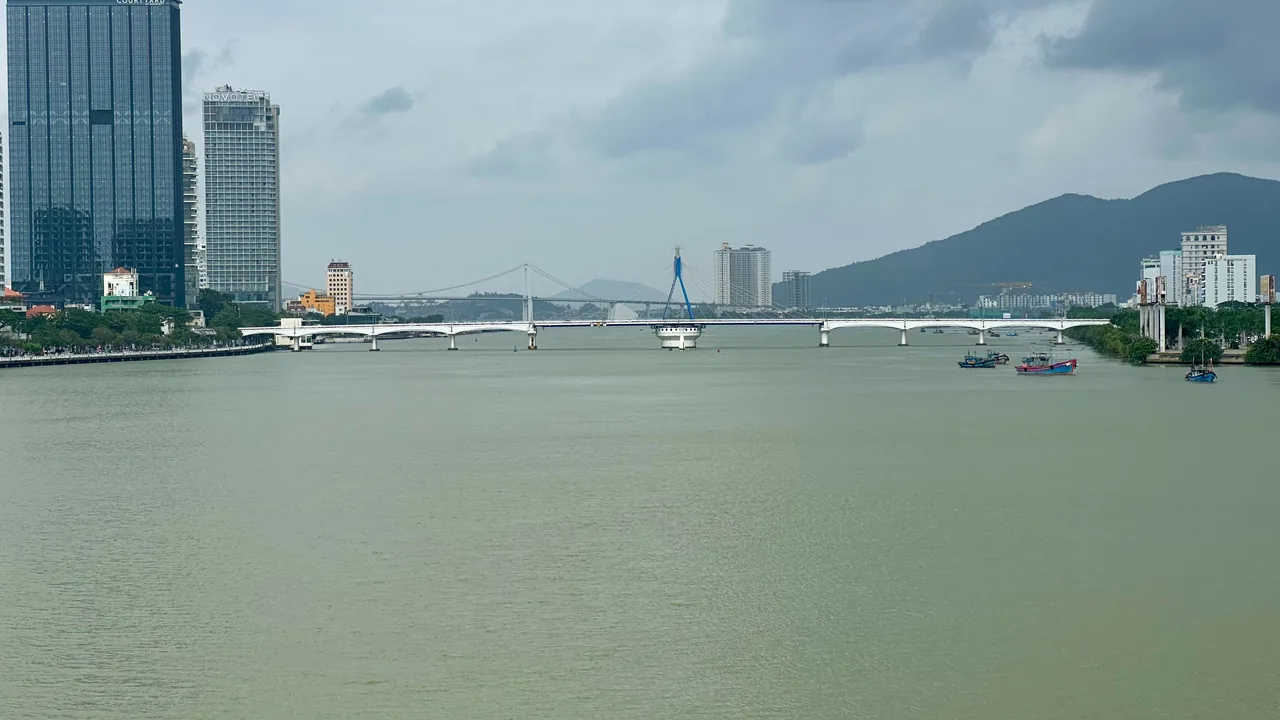
1. Da Nang in October at a Glance
In short: October trades sunshine for the year’s heaviest rain — and the year’s lowest prices. The sea is still warm, the city is peaceful, and on clear spells it’s lovely, but you must plan around real rain, possible storms and the chance of flooding. Here’s the quick picture:
| What to expect | October in Da Nang |
|---|---|
| Daytime high | around 29–30°C |
| Night-time low | around 23°C |
| Sea temperature | ~28°C — still warm, but choppier |
| Rain | the year’s peak (~450–650mm); heavy, sometimes all day |
| Rainy days | roughly 18–22 days with rain |
| Humidity | very high, ~84–87% |
| Typhoon risk | peak of the season — possible direct storms |
| Hoi An flooding | possible, classic month (not every year) |
| Crowds | very quiet — deepest low season |
| Hotel prices | the lowest of the year |
| Verdict | peace & value for flexible, rain-ready travellers |
2. October Weather in Detail: How It Compares to September & November
October cools a little from September — daytime highs ease to around 29–30°C and nights to about 23°C — but the story of the month is rain. October is the wettest month of the year in Da Nang, with monthly totals around 450–650mm (versus ~300mm in September), and it’s the month with the most rainy days. Downpours are heavier and more sustained than earlier in the season; some days clear to sun, but others can be wet from morning to night, and prolonged rain is what occasionally leads to flooding.
Here’s how the three core wet-season months compare, so you can choose your dates with eyes open:
| Aspect | September | October | November |
|---|---|---|---|
| Daytime high | ~31–32°C | ~29–30°C | ~28°C |
| Sea temperature | ~29°C | ~28°C | ~27°C |
| Rain (monthly) | high (~300mm) | peak (~450–650mm) | high (~430mm) |
| Rainy days | ~14–18 | ~18–22 (most) | ~20 |
| Typhoon risk | season starts | peak | peak, easing late |
| Crowds & prices | low | lowest of the year | low |
The trend is clear: the rainy season peaks now and only starts to ease late in November. Early October can still catch warm, brighter spells like late September; by mid-to-late October the heaviest rain and storm risk are at their highest. If you want a drier trip, lean earlier in the year (see our September and August guides); if you want deep value and calm and can handle rain, October delivers.
3. Typhoons & the Rainy-Season Peak: What You Really Need to Know
Short answer: October is the peak of the rainy season and one of the two highest-risk months for typhoons in central Vietnam — so this is the month to plan carefully. Central Vietnam’s typhoon window runs roughly from September to December, and direct landfalls are most common in October and November. That said, a damaging typhoon is not guaranteed in any given week, and many October trips see only heavy rain rather than a major storm. The point is to be prepared, not scared.
How to travel smart in October:
- Buy travel insurance that covers weather disruption and cancellations — in October this is non-negotiable.
- Book flexible/refundable flights and hotels, and avoid tight, unmovable plans.
- Watch the forecast and storm warnings in the days before and during your trip. If a named typhoon is approaching, follow local advisories and your accommodation’s guidance.
- Build in buffer days and keep your itinerary loose, so you can swap an outdoor day for an indoor one — or shift plans if a storm passes through.
- Pick a well-equipped base with a pool, spa or indoor facilities, ideally not in a low-lying, flood-prone spot.
4. Is Hoi An Flooded in October? The Honest Answer
Sometimes, yes — October is the classic month for Hoi An flooding, but it does not happen every year. Hoi An’s ancient town sits right on the low-lying Thu Bon River, so after heavy or prolonged rain (especially when a typhoon dumps rain upstream), the river can rise and spill into the old town’s streets. In a typical flood, water covers the riverside lanes by anywhere from ankle- to waist-deep for a day or a few; in severe years it can be deeper and last longer. It usually recedes within days.
What this means for your trip:
- It’s unpredictable: some Octobers the old town stays dry; others see flooding for a few days. You can’t plan the exact dates, only prepare.
- Locals adapt: when it floods, boats famously ferry people along the streets and many shops simply move goods upstairs — it can even be atmospheric — but it’s disruptive, and shops, tours and access may be limited.
- Stay flexible: if a flood coincides with your visit, have backup plans in Da Nang (which sits higher and rarely floods like Hoi An) and don’t bank everything on a single Hoi An day.
- Don’t wade carelessly: floodwater can be deep, dirty and have hidden hazards or currents. Follow local advice and avoid flooded roads.
Planning a Hoi An visit? Our Hoi An guide covers the old town in detail; in October, keep the date flexible and check conditions a day or two ahead.

5. The Sea & Beaches in October
The sea in October is still warm at around 28°C, so swimming is possible — but this is no longer prime beach season. The water is cooler and noticeably choppier, with stronger currents and bigger surf, especially around storms, and there are simply fewer reliably sunny hours to enjoy the sand.
- Pick your moments: grab beach time during the calmer, brighter spells (often early in the day) rather than counting on it.
- Safety first: currents and rip risk are higher in the wet season. Swim only between the flags, heed lifeguards, and stay out of the water when it’s rough or a storm is near.
- Boat trips wind down: Cham Islands tours mostly pause for the season and won’t run in rough weather — don’t build your trip around them in October.
- After heavy rain: expect murkier water and more debris near shore for a day or two.
For the full rundown of the city’s main beach — the best stretches, sun-lounger prices and safety flags — see our My Khe Beach guide. In October, treat a good beach session as a bonus rather than the main event.
6. Crowds, Prices & Value: The Quietest, Cheapest Month
Here’s October’s big upside: it’s the quietest and cheapest time to visit Da Nang all year. With the rainy season at its peak, international and domestic tourism is at its lowest, so you’ll find empty beaches, no queues at the big sights, and hotel prices at rock bottom — including serious discounts on smart beachfront resorts that are unaffordable in summer.
- Hotel prices hit their annual low; this is the month for a luxury room at a mid-range price.
- Attractions and restaurants are calm and unhurried — a peaceful, local-feeling experience.
- The trade-off is real: you’re paying with the weather, and some days will be wet or stormy. Choose a hotel with great indoor facilities so a rainy day in is still a treat.
Where to stay? Compare our pick of the best Da Nang beach resorts & hotels — in October, prioritise a good pool, spa, restaurant and a location on higher ground over a bargain in a flood-prone area.
7. The Best Things to Do in Da Nang in October
October rewards a flexible, indoor-leaning plan: enjoy the outdoors when the weather allows, and lean on the city’s many covered and cosy options the rest of the time.
- Embrace cafe culture: rainy days are made for Da Nang’s superb coffee scene — egg coffee, coconut coffee and riverside spots to watch the storms roll by.
- Cooking class or spa day: classic wet-weather wins that turn a grey day into a highlight.
- Marble Mountains & Cham Museum: caves, temples and indoor galleries that work rain or shine.
- Hoi An’s monthly Lantern Full Moon: on the 14th day of each lunar month the old town dims its lights for lanterns and candles — magical if the weather (and floods) cooperate. See our Hoi An guide.
- Eat the season: cool, rainy weather is perfect for Da Nang’s hot noodle soups — dive into our Da Nang food guide.
- Beach & Ba Na on clear spells: save these for the brighter days and check the forecast first.
October also includes Vietnamese Women’s Day (20 October), a sweet, low-key occasion when flowers and gifts appear everywhere — a nice slice of local life.

8. Rainy-Day & Indoor Backup Plans
In October a strong “Plan B” isn’t optional — it’s the plan. The good news: Da Nang has plenty to enjoy under cover, and even washout days can be relaxing. Keep this shortlist handy:
| Rainy-day option | Why it works in the wet |
|---|---|
| Café or coffee crawl | Da Nang’s café scene is excellent & cosy |
| A cooking class | Hands-on, indoor, and you eat the results |
| Spa or massage | Perfect downtime while it pours |
| Marble Mountains caves | Sheltered caverns, shrines & tunnels |
| Cham Museum of Sculpture | Indoor, fascinating, and quick to reach |
| Shopping malls & markets | Vincom, Lotte Mart and Han Market stay dry |
| Mikazuki water park & onsen | Indoor pools & hot springs — rain-proof fun |
9. What to Pack for October’s Rain & Storms
October is all about staying dry and comfortable through serious rain. Pack for wet weather first and you’ll be glad you did:
- Proper rain gear: a sturdy umbrella and a packable rain jacket or poncho — October rain is heavy and frequent.
- Quick-dry clothing & sandals, plus a spare pair of shoes; waterproof footwear is a bonus.
- A dry bag or waterproof phone pouch to protect electronics in downpours.
- Light, breathable clothes for the warm humidity, plus swimwear for calmer days.
- Sunscreen & sunglasses for the bright spells, a light layer for air-conditioning, and a modest cover-up for temples.
10. So, Is October a Good Time to Visit Da Nang?
It depends entirely on what you want. October gives you the lowest prices, the fewest crowds, a peaceful city and a still-warm sea — in exchange for the year’s heaviest rain, peak typhoon risk and the possibility of flooding in Hoi An. For the right traveller, that’s a wonderful, atmospheric and great-value trip; for the wrong one, it’s a gamble with the weather.
October is ideal for budget travellers, those who love a quiet, local feel, and anyone happy to plan around rain and spend cosy time indoors. It’s not ideal if you’re set on beach days and sunshine, travelling on a tight unchangeable schedule, or would be stressed by a storm or a flooded Hoi An — in which case the drier months are a far better bet (compare our September and August guides). If you do come, the rules are simple but important: travel insurance, flexible bookings, an indoor-ready plan, and a daily eye on the forecast.
Go in with open eyes and a loose plan, and October can be a serene, affordable and surprisingly special trip. Map out the rest with our complete Da Nang travel guide.