
Da Nang in August: Weather, Sea, Rain & What to Do (2026)
August is the tail end of Da Nang’s hot, beach-perfect summer — warm sea, plenty of sun, but rising rain as the wet season edges closer. Here’s the complete, honest guide to visiting.
- Still hot & humid: daytime highs around 33°C (peaks near 37°C), warm nights ~26°C and lots of sun — but more humid than June or July.
- The sea stays warm: around 30°C and usually good for swimming, so the beaches are still a highlight.
- Rain is rising: August sees noticeably more rain (~190mm+) than mid-summer as the wet season approaches — mostly afternoon/evening showers, not all-day rain.
- No fireworks: the DIFF fireworks festival finishes in mid-July, so August is calmer on the events front.
- Crowds ease late in the month: early August is still peak domestic season; it quietens as Vietnamese schools go back. Book ahead for the first half.
1. Da Nang in August at a Glance
2. August Weather in Detail: How It Compares to June & July
3. Is August the Start of the Rainy Season? (And What About Typhoons?)
4. The Sea & Beaches in August
5. Crowds, Prices & When to Book
6. The Best Things to Do in Da Nang in August
7. Rainy-Day & Indoor Backup Plans
8. Festivals & What’s On in August
9. What to Pack & How to Cope with Heat and Showers
10. So, Is August a Good Time to Visit Da Nang?
August is a month of transition in Da Nang. For most of it you still get the classic central-Vietnam summer — long sunny spells, a bath-warm sea and buzzing beaches — but it’s also the month when the rains start to build and the first hints of the coming wet season appear. The big fireworks festival is over, peak crowds begin to thin as the school holidays end, and savvy travellers can find slightly better value. This is a complete, no-spin guide to Da Nang in August: detailed weather, whether the rainy season has really started, the state of the sea, what to do (rain or shine), what’s on, and exactly what to pack. Note: figures are typical long-term averages; any given year can be wetter or drier, so always check a live forecast close to your trip. (Comparing months? See our Da Nang in July guide and June guide, or the full Da Nang weather guide.)
1. Da Nang in August at a Glance
In short: August is still a good beach month, but the wettest of the summer. You get hot, humid days, a warm sea and long sunny spells, balanced against a real chance of afternoon showers and the occasional grey day. Here’s the quick picture:
| What to expect | August in Da Nang |
|---|---|
| Daytime high | around 33°C (peaks near 37°C) |
| Night-time low | around 25–26°C |
| Sea temperature | ~30°C — still warm for swimming |
| Rain | rising (~190mm+); mostly afternoon/evening showers |
| Rainy days | roughly 15–18 days with some rain |
| Humidity | high, ~78–82% (sticky) |
| Fireworks (DIFF) | none — festival ends in mid-July |
| Crowds | busy early; eases late as schools reopen |
| Hotel prices | high early month, softening later |
| Verdict | good for beach lovers who don’t mind some rain |
2. August Weather in Detail: How It Compares to June & July
August stays firmly in hot-summer territory, with daytime highs around 33°C (and the hottest afternoons pushing 37°C), nights near 25–26°C, and high humidity of roughly 78–82% that makes it feel even warmer. The headline change from mid-summer is more rain: August is the wettest of the three summer months as the wet season starts to assert itself, though showers are typically short and concentrated in the afternoon or evening rather than lasting all day.
Here’s how the three peak-summer months stack up, so you can pick your dates with eyes open:
| Aspect | June | July | August |
|---|---|---|---|
| Daytime high | 31–35°C | ~33°C | ~33°C (peaks 37°C) |
| Sea temperature | 29–30°C | ~30°C | ~30°C |
| Rain (monthly) | lowest of the three | moderate (~120mm) | highest (~190mm+) |
| Sunshine | very high | very high | high, more cloud later |
| Fireworks (DIFF) | ✔ weekly nights | ✔ grand finale | ✘ none |
| Crowds | peak | peak | peak, easing late |
Early August feels much like July; by late August you’ll notice more cloud and humidity as the seasons turn. If you want the driest summer beach weather, lean towards June or early July (see our June and July guides); if you’re happy to dodge the odd shower, August is still very much beach season.
3. Is August the Start of the Rainy Season? (And What About Typhoons?)
Short answer: August is the soft start of the wet season, but not the full monsoon — and serious typhoons are mostly later. Da Nang’s heaviest rain and typhoon risk fall between September/October and December, peaking around October–November. In August you’ll see more showers than in mid-summer, but they’re usually brief downpours that clear to sunshine, not relentless rain.
Tropical storms can occasionally brush central Vietnam in August (on average only a couple of days are affected), but a damaging direct typhoon this early is uncommon. The practical takeaway:
- Plan beach and outdoor activities for the morning, when skies are most reliably clear.
- Keep a flexible, rain-friendly backup for afternoons (see our indoor list below).
- Check a live forecast a few days out, and if a named storm is approaching, follow local advisories and your accommodation’s guidance.
4. The Sea & Beaches in August
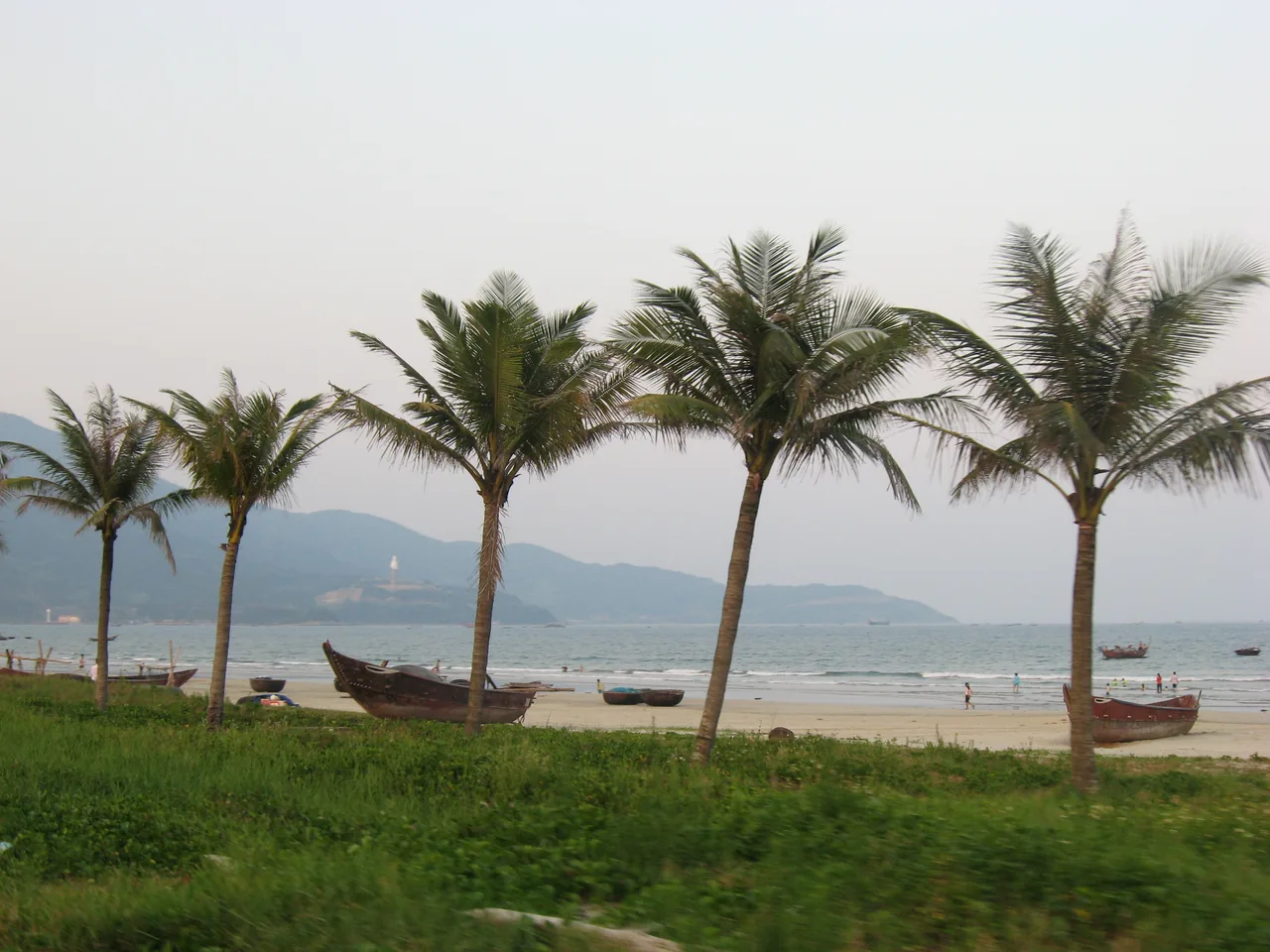
Good news for beach lovers: the sea in August is still lovely, averaging around 30°C — warm enough to swim for hours. Between showers, Da Nang’s long city beaches are at their summery best, and there’s still plenty of sun, especially in the mornings.
- Beach timing: go early. Mornings are the sunniest and calmest; afternoons carry the higher chance of a shower.
- Swimming safety: as the season turns, the sea can occasionally get choppier and currents stronger after rain. Always swim between the flags and heed lifeguard signals.
- Islands & snorkelling: Cham Islands trips usually still run in August, but they’re weather-dependent now — book flexibly and confirm the day before.
- Jellyfish & debris: after heavy rain there can occasionally be more debris or the odd jellyfish near shore; a quick look at conditions on arrival helps.
For the full rundown of the city’s main beach — the best stretches, sun-lounger prices and safety flags — see our My Khe Beach guide.
5. Crowds, Prices & When to Book
August is a month of two halves for crowds. Early August is still peak domestic season — Vietnamese families are on their summer holidays and Da Nang is the country’s favourite beach city, so beaches, resorts and flights are busy and pricey. As the school year approaches in late August, the crowds noticeably thin and you can often find better rates.
- For the first half of August, book hotels and beachfront resorts well ahead; weekends are busiest.
- For late August, you’ll find more availability and softer prices — a sweet spot if you want summer warmth with fewer crowds (and you’re relaxed about a bit of rain).
- Weekdays are always calmer than weekends at beaches and big attractions like Ba Na Hills.
Where to stay? Compare our pick of the best Da Nang beach resorts & hotels, and choose somewhere with a good pool or indoor facilities in case of a rainy afternoon.
6. The Best Things to Do in Da Nang in August
August rewards a flexible, weather-aware plan: chase the sun outdoors in the morning, and keep cooler or covered options ready for the hotter, showery middle of the day.
- Beach mornings: swim and sunbathe early, before the heat and any showers build.
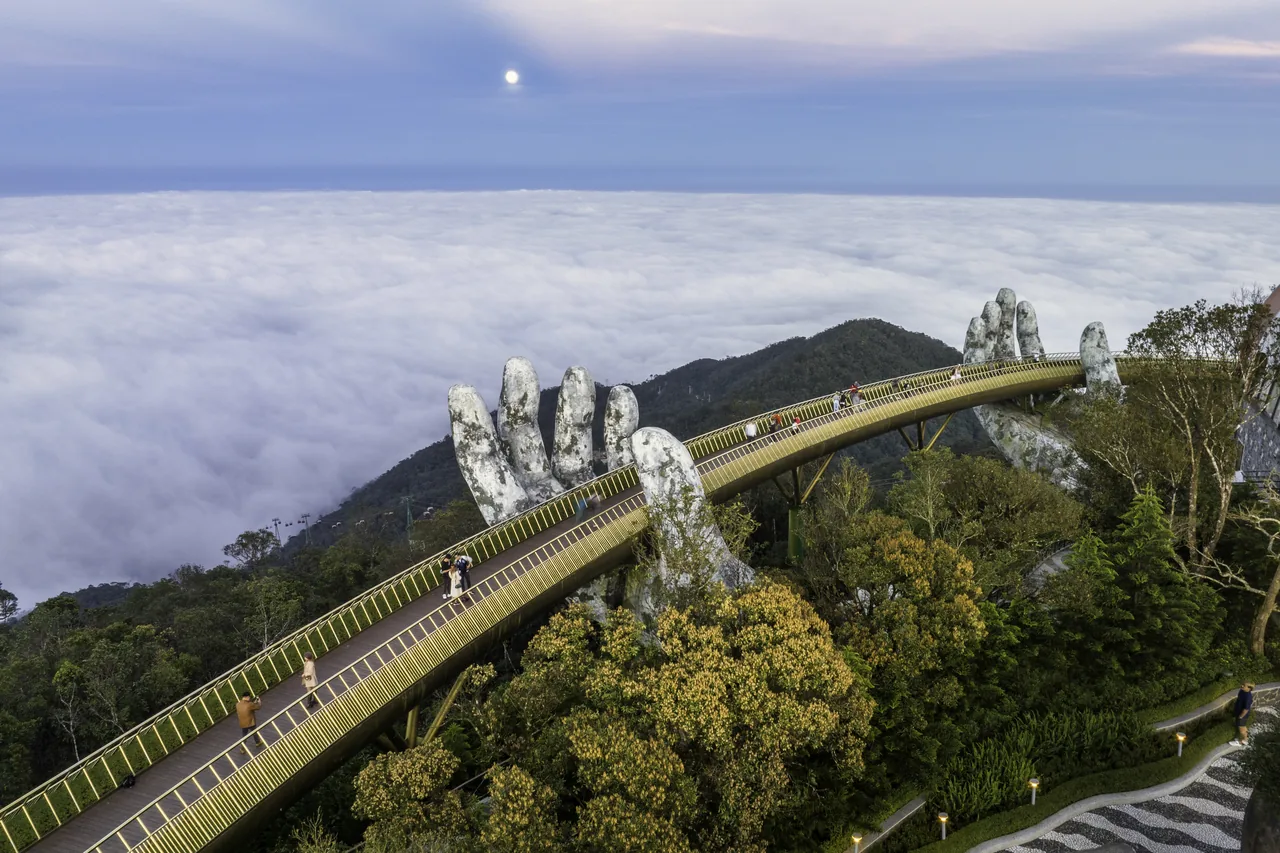
- Escape to the clouds at Ba Na Hills: the mountain is cooler and often above the haze — ride the record-breaking cable car and walk the Golden Bridge. See our Ba Na Hills guide.
- Cham Islands day trip on a clear morning for snorkelling and warm, calm water (weather permitting).
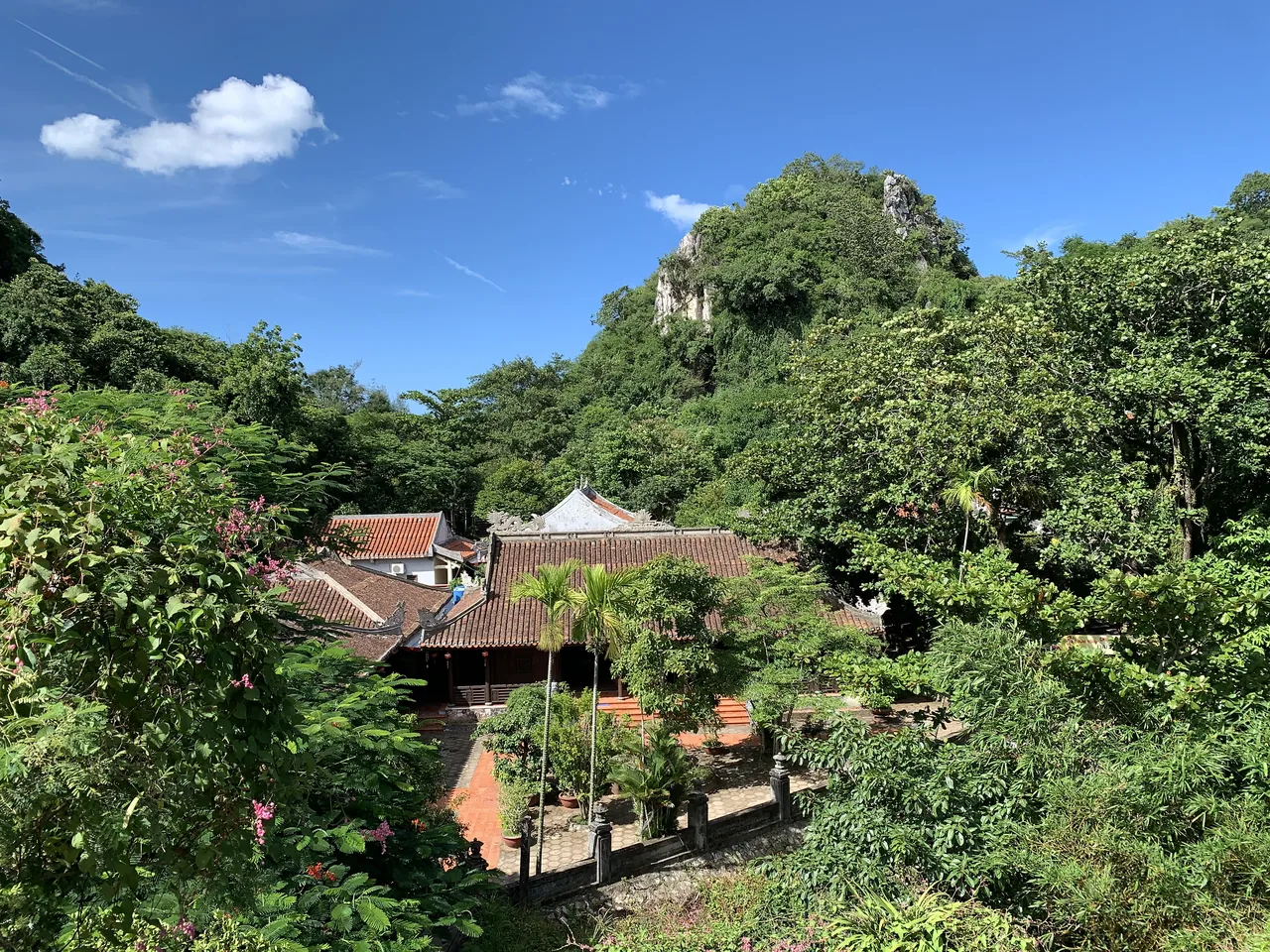
- Marble Mountains: caves, temples and viewpoints that are partly sheltered — a great pick if clouds roll in.
- Hoi An by evening: the lantern-lit old town is magical and cooler after dark — see our Hoi An guide.
- Eat everything: August is firmly seafood and tropical-fruit season — dive into our Da Nang food guide.
7. Rainy-Day & Indoor Backup Plans
Because August showers are more likely, a good trip has a ready “Plan B” for when the sky opens. The best part: a Da Nang afternoon shower usually passes in under an hour, so you rarely lose a whole day. Keep this shortlist handy:
| Rainy-day option | Why it works in the wet |
|---|---|
| Marble Mountains caves | Sheltered caverns, shrines & tunnels to explore |
| Cham Museum of Sculpture | Indoor, fascinating, and quick to reach |
| A cooking class | Hands-on, indoor, and you eat the results |
| Spa or massage | Perfect downtime while it pours |
| Café or coffee crawl | Da Nang’s café scene is excellent & cosy |
| Shopping malls & markets | Vincom, Lotte Mart and Han Market stay dry |
| Mikazuki water park & onsen | Indoor pools & hot springs — rain-proof fun |
8. Festivals & What’s On in August
After the fireworks-filled early summer, August is quieter on the big-event calendar — the Da Nang International Fireworks Festival (DIFF) wraps up in mid-July, so there’s no fireworks competition in August. If catching the fireworks is a priority, aim for June or early July instead and see our DIFF fireworks guide.
Culturally, August often overlaps with the lunar seventh month, when many Vietnamese mark Vu Lan (a Buddhist festival of filial piety and remembrance). You may notice more activity and offerings at pagodas — a quiet, atmospheric time to visit a temple respectfully. Otherwise, August is about the everyday pleasures: the beach, the food, the night markets and the buzz of a summer city.
9. What to Pack & How to Cope with Heat and Showers
August asks you to prepare for two things at once: strong heat and the odd downpour. Pack for both and you’ll breeze through:
- Light, breathable clothing (cotton/linen) — and quick-dry fabrics are a bonus in the humidity.
- High-SPF sunscreen, sunglasses & a hat — the sun is strong even on cloudy days.
- Swimwear & a reusable water bottle — stay hydrated in the heat.
- A compact umbrella or rain poncho, and sandals that handle wet pavements.
- A light layer for fierce indoor air-conditioning, and a modest cover-up (shoulders/knees) for temples.
10. So, Is August a Good Time to Visit Da Nang?
Yes — with realistic expectations. August gives you a warm sea, plenty of sun and summery beaches, plus the bonus of thinning crowds and softening prices later in the month. The trade-offs are real heat, high humidity and a genuine chance of afternoon showers as the wet season approaches.
August is ideal for beach and water lovers who are relaxed about the odd rain shower, and for travellers who want summer warmth with fewer crowds in the second half of the month. It’s less ideal if you need guaranteed all-day sunshine or are nervous about any rain — in which case the drier early summer suits you better (compare our June and July guides). Thinking of going later? September onwards gets distinctly wetter and into typhoon season, so August is often the sweet spot before the rains set in.
Plan around the heat and showers, keep a flexible itinerary, and you’ll have a brilliant late-summer trip. Map out the rest with our complete Da Nang travel guide.