
Da Nang in November: Weather, Rain, Typhoons & What to Do (2026)
November is the tail of Da Nang’s wet season — still rainy and cooler, with the typhoon risk easing as the month goes on. It stays quiet and cheap, with a warm sea. Here’s the complete, honest guide.
- Still very wet, but easing: November is one of the rainiest months (~430mm+), second only to October — but the rain usually starts to ease later in the month.
- Noticeably cooler: daytime highs drop to a pleasant 27–28°C, which makes sightseeing far more comfortable than the summer heat.
- Typhoon risk tapering: October–November is still the main typhoon window, with risk highest early on and decreasing toward December.
- Sea still warm (~27°C): swimmable on calm days, but the winter monsoon brings bigger waves and rip currents, so take care.
- Quiet & cheap: still low season — few crowds and some of the best hotel prices of the year.
1. Da Nang in November at a Glance
2. November Weather in Detail: How It Compares to October & December
3. Typhoons, Floods & the Easing Wet Season: What to Know
4. The Sea & Beaches in November
5. Crowds, Prices & Value in November
6. The Best Things to Do in Da Nang in November
7. Rainy-Day & Indoor Backup Plans
8. Festivals & What’s On in November
9. What to Pack for November’s Rain & Cooler Days
10. So, Is November a Good Time to Visit Da Nang?
November sits at the tail end of Da Nang’s rainy season. It’s still one of the wettest months of the year — close behind October — and the typhoon window hasn’t fully closed, so rain and the odd storm are very much part of the picture, especially early in the month. But there’s an upside that summer can’t match: it’s noticeably cooler, with comfortable high-20s days that make exploring temples, mountains and the old town a real pleasure rather than a sweaty slog. Add rock-bottom low-season prices and peaceful, crowd-free sights, and November can be a smart choice for the flexible traveller. This is a complete, no-spin guide to Da Nang in November: detailed weather, the truth about typhoons and Hoi An flooding, the state of the sea, what to do (rain-ready), what’s on, and exactly what to pack. Note: figures are typical long-term averages; any given year can be much wetter or drier, so always check a live forecast and storm warnings close to your trip. (Comparing months? See our Da Nang in October guide and September guide, or the full Da Nang weather guide.)
1. Da Nang in November at a Glance
In short: November is cooler and still wet, but the worst of the rains and storms is starting to pass — and prices stay low. The sea is still warm and the comfortable temperatures are great for sightseeing between showers. Here’s the quick picture:
| What to expect | November in Da Nang |
|---|---|
| Daytime high | around 27–28°C (pleasant) |
| Night-time low | around 22°C |
| Sea temperature | ~27°C — warm, but bigger waves |
| Rain | still high (~430mm+); easing later in the month |
| Rainy days | roughly 15–20 days with rain |
| Humidity | high, ~84% |
| Typhoon risk | still possible early; tapering toward December |
| Hoi An flooding | possible, mainly early November |
| Crowds | quiet — low season |
| Hotel prices | low — among the best value of the year |
| Verdict | cool, calm & cheap for flexible, rain-ready travellers |
2. November Weather in Detail: How It Compares to October & December
November brings a welcome drop in temperature: daytime highs fall to a comfortable 27–28°C and nights to about 22°C, a real relief after the summer heat. It’s still a wet month, though — rainfall stays high at around 430mm or more, making November one of the rainiest months of the year, just behind October. The good news is that the rain typically begins to ease as the month progresses, pointing toward the drier conditions of December and the dry season beyond.
Here’s how the wet season winds down across three months, so you can choose your dates with eyes open:
| Aspect | October | November | December |
|---|---|---|---|
| Daytime high | ~29–30°C | ~27–28°C | ~25–26°C |
| Sea temperature | ~28°C | ~27°C | ~25°C |
| Rain (monthly) | peak (~450–650mm) | high (~430mm) | easing (~210mm) |
| Rainy days | ~18–22 | ~15–20 | ~14 |
| Typhoon risk | peak | still possible, tapering | low |
| Crowds & prices | lowest | low | low, rising late |
The trend is clear: from October to December it gets cooler and gradually drier. Early November can still feel like the October peak, with heavy rain and storm risk; by late November the rains often start to back off as the dry season approaches. If you want a drier trip, December onward is safer (see the start of the dry season); if you want cool, quiet and cheap and can handle rain, November works well — and it’s milder than the October peak.
3. Typhoons, Floods & the Easing Wet Season: What to Know
Short answer: November is still part of the typhoon and flood window, but the risk is generally easing compared with October. Central Vietnam’s typhoon season runs roughly September to December, with the most direct landfalls in October and November — so early November still carries real risk, while late November tends to calm down. Most November trips see plenty of rain but no major storm; still, this is a month to plan with care.
How to travel smart in November:
- Buy travel insurance covering weather disruption, and choose flexible/refundable flights and hotels.
- Watch the forecast and storm warnings, especially in the first half of the month. If a named typhoon approaches, follow local advisories and your hotel’s guidance.
- Keep a flexible itinerary with buffer days, so you can swap an outdoor plan for an indoor one when it pours.
- Hoi An can still flood after heavy rain, mainly in early November — keep that day flexible and check conditions a day or two ahead.
4. The Sea & Beaches in November
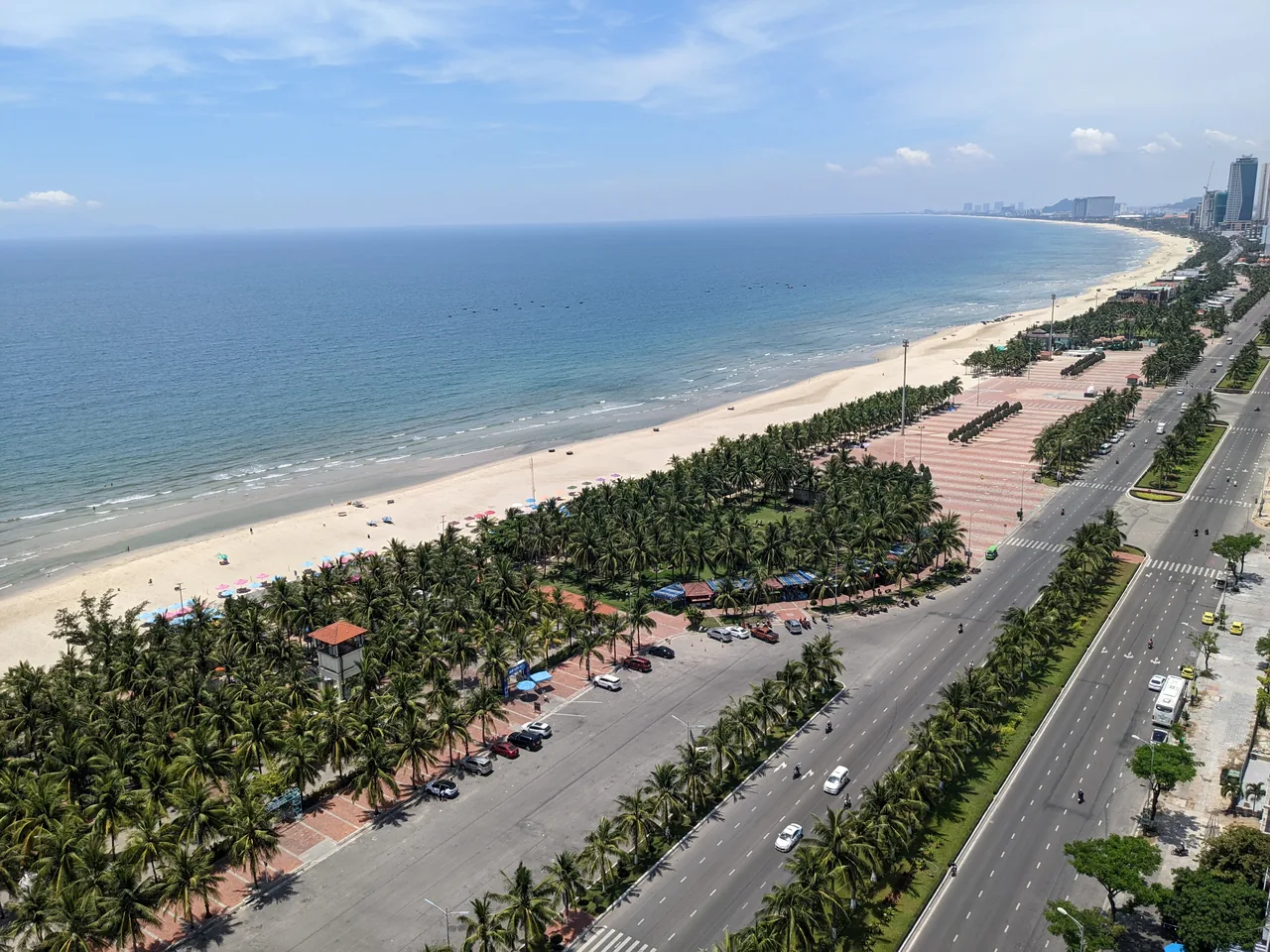
The sea in November is still warm at around 27°C, so a swim is very doable on calm days — but this is no longer peak beach weather. The winter (northeast) monsoon picks up, bringing bigger waves, stronger currents and a real risk of rip currents along the central coast, so caution matters more than in summer.
- Pick calm, brighter days for the beach rather than counting on it, and stick to mornings when conditions are often gentler.
- Mind the rips: rip-current risk is higher with the winter monsoon. Swim only between the flags, heed lifeguards, and stay out when the sea is rough.
- Boat trips are mostly paused: Cham Islands tours generally don’t run in this season’s conditions.
- After heavy rain: expect murkier water and more debris near shore for a day or two.
For the full rundown of the city’s main beach — the best stretches, sun-lounger prices and safety flags — see our My Khe Beach guide. In November, the cooler weather is better spent sightseeing, with the beach as a calm-day bonus.
5. Crowds, Prices & Value in November
November is still firmly low season, which means great value and a peaceful, local feel. The summer and storm-peak crowds are gone, the big attractions are quiet, and hotel prices remain among the lowest of the year — including strong deals on beachfront resorts that are pricey in summer. With the cooler, more comfortable weather, it’s arguably better value than the wetter October.
- Hotel prices are low across the board; it’s a great month for an upgrade on a budget.
- Attractions and restaurants are calm and unhurried — no queues at Ba Na Hills, easy tables, relaxed touring.
- Prices begin to firm up late in the month as the dry season and the December–January high season approach, so book ahead if you’re travelling near the end of November.
Where to stay? Compare our pick of the best Da Nang beach resorts & hotels, and choose somewhere with a good pool, spa or indoor facilities so a rainy day is no problem.
6. The Best Things to Do in Da Nang in November
November’s cooler weather is its secret weapon: it’s far more comfortable for active sightseeing than the summer heat. Plan outdoor highlights for the drier, brighter spells, and keep cosy indoor options for the rain.
- Ba Na Hills & the Golden Bridge: the cooler air is perfect for the mountain and cable car — just pick a clearer day. See our Ba Na Hills guide.
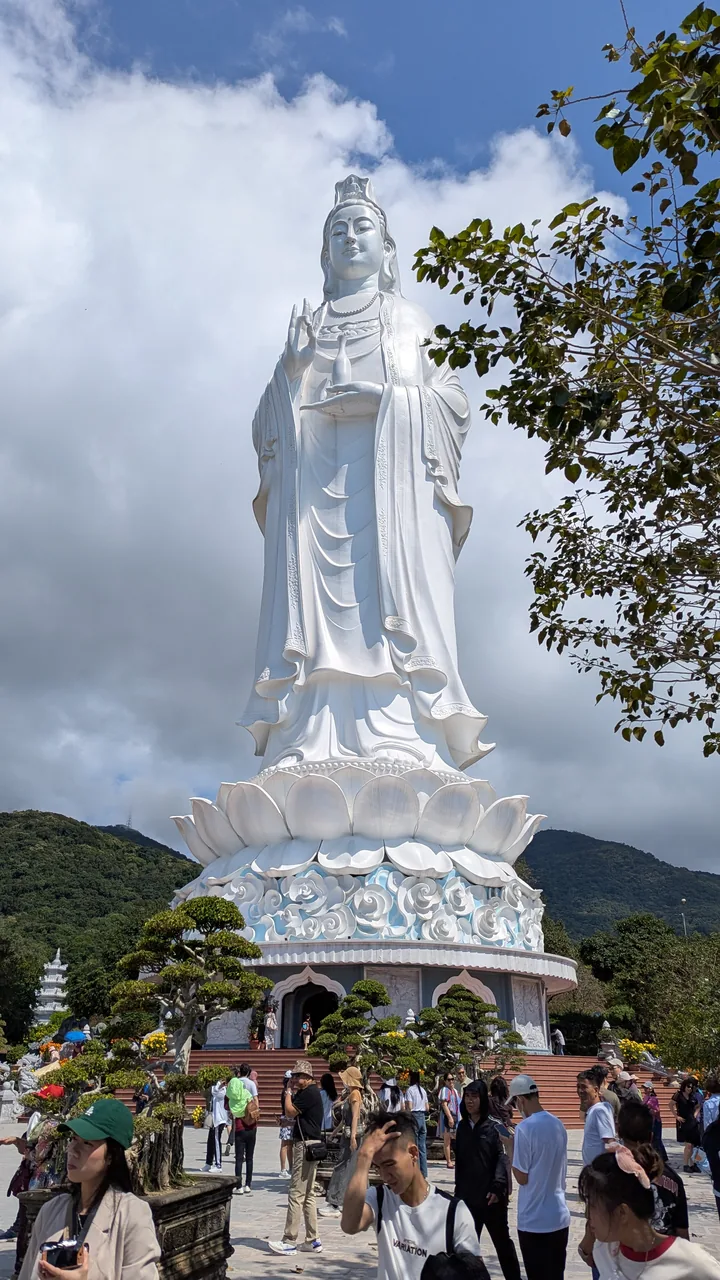
- Son Tra Peninsula & the Lady Buddha: the Linh Ung Pagoda and coastal viewpoints are a comfortable, atmospheric outing in mild weather.
- Marble Mountains: caves, temples and viewpoints, partly sheltered if showers roll in.
- Hoi An: the lantern-lit old town is magical and cooler at night — see our Hoi An guide (and keep early-November dates flexible for floods).
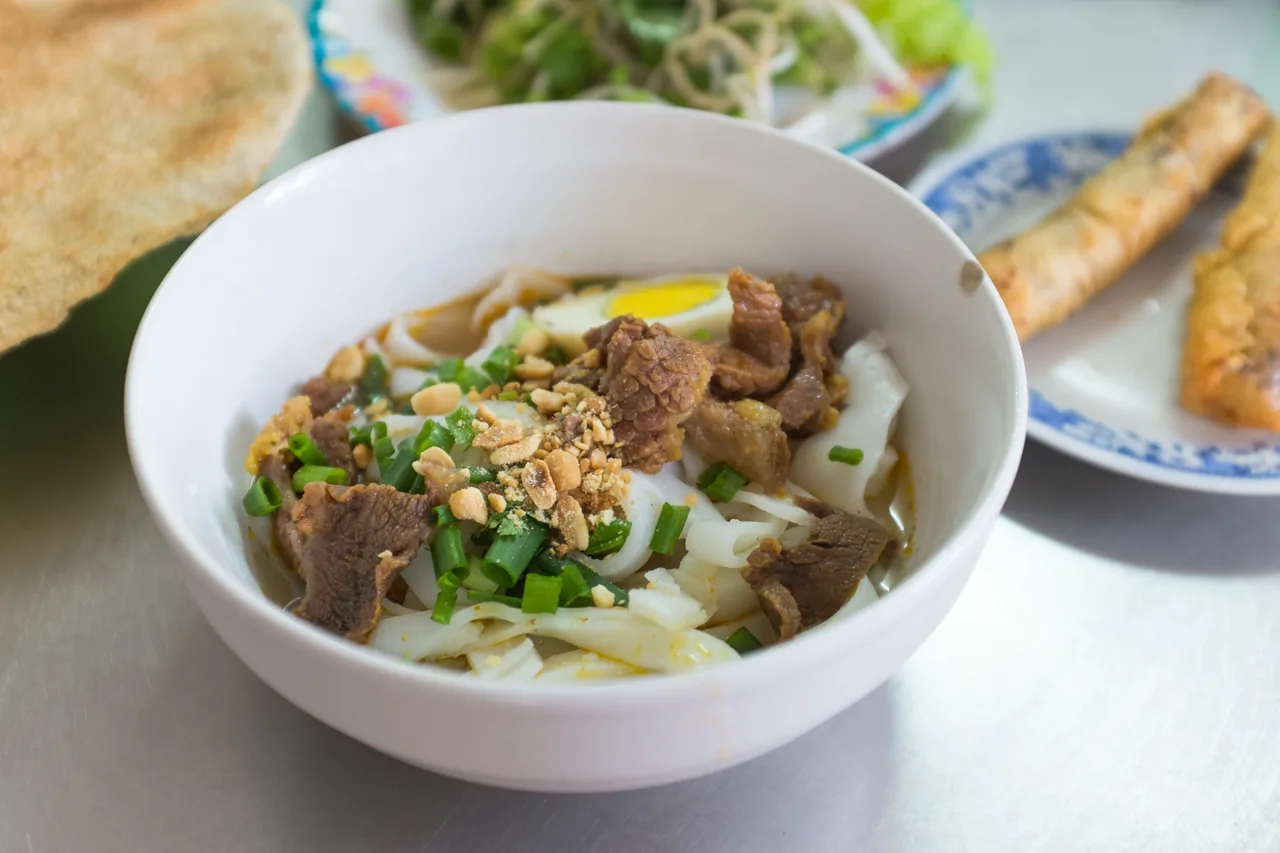
- Eat the season: cool, rainy days are made for Da Nang’s hot noodle soups — dive into our Da Nang food guide.
- Cafés, spas & cooking classes: perfect when the rain sets in (see the rainy-day list below).
7. Rainy-Day & Indoor Backup Plans
With rain still frequent, a good “Plan B” is essential — but Da Nang has plenty to enjoy under cover, and showers often pass within the hour. Keep this shortlist handy:
| Rainy-day option | Why it works in the wet |
|---|---|
| Café or coffee crawl | Da Nang’s café scene is excellent & cosy |
| A cooking class | Hands-on, indoor, and you eat the results |
| Spa or massage | Perfect downtime while it pours |
| Marble Mountains caves | Sheltered caverns, shrines & tunnels |
| Cham Museum of Sculpture | Indoor, fascinating, and quick to reach |
| Shopping malls & markets | Vincom, Lotte Mart and Han Market stay dry |
| Mikazuki water park & onsen | Indoor pools & hot springs — rain-proof fun |
8. Festivals & What’s On in November
November is calm on the big-festival front, but it has a couple of nice touches of local life. Vietnamese Teachers’ Day (20 November) is a heartfelt national occasion — flowers and gifts for teachers appear everywhere, and there’s a warm, celebratory feel around schools and the city.
Nearby Hoi An also holds its monthly Lantern Full Moon Festival on the 14th day of each lunar month, when the old town dims its lights for lanterns and candles along the river — magical if the weather cooperates (check conditions, as the riverside can still flood early in the month). See our Hoi An guide to time it right. Otherwise, November is about everyday pleasures: the food, the cafés, and a peaceful, uncrowded city.
9. What to Pack for November’s Rain & Cooler Days
November means packing for steady rain and slightly cooler, breezier weather. Get both right and you’ll be comfortable:
- Reliable rain gear: a compact umbrella and a light rain jacket or poncho — rain is still frequent.
- Quick-dry clothing & sandals, plus a spare pair of shoes for wet days.
- A light layer or two: evenings and breezy, rainy days can feel cool — a long-sleeve top or light jacket is handy.
- Swimwear for calm beach or pool days, plus sunscreen and sunglasses for the bright spells.
- A dry bag or waterproof phone pouch, and a modest cover-up for temples.
10. So, Is November a Good Time to Visit Da Nang?
Yes, for the right traveller. November gives you cooler, more comfortable temperatures, low-season prices, peaceful sights and a still-warm sea — in exchange for plenty of rain and a typhoon risk that’s easing but not gone. If you value comfort and value over guaranteed sunshine, and you can plan flexibly, it’s a rewarding month.
November is ideal for budget travellers, those who find summer too hot, and anyone who wants a quiet, local feel and is happy to work around rain. It’s less ideal if you’re set on beach days and reliable sun, travelling on a rigid schedule, or anxious about a storm or a flooded Hoi An — in which case December onward, into the dry season, is a better bet (compare our October and September guides for the wetter months before it). If you do come, the essentials are simple: travel insurance, flexible bookings, an indoor-ready plan, and a daily look at the forecast.
Pack for rain, enjoy the cool, and November can be a peaceful, great-value trip. Map out the rest with our complete Da Nang travel guide.