
Vietnam Etiquette & Tipping: A Da Nang Culture Guide (2026)
Do you tip in Vietnam? How do you behave at a temple, a market or a dinner table? A friendly, practical guide to the customs that make travel in Da Nang smoother.
- Tipping isn’t expected for everyday meals, taxis or Grab — but it’s warmly welcomed for spas, tour guides and great service. Round up and you can’t go wrong.
- Dress & act modestly at temples: cover shoulders and knees, take off your shoes where asked, and keep your voice down.
- Bargain with a smile at markets and souvenir stalls — but never haggle in fixed-price shops, supermarkets or restaurants.
- Stay calm & save face: a smile gets you everywhere; shouting or visible anger gets you nowhere. Vietnamese culture prizes warmth and composure.
1. Tipping in Vietnam: Is It Expected?
2. Greetings, Respect & “Saving Face”
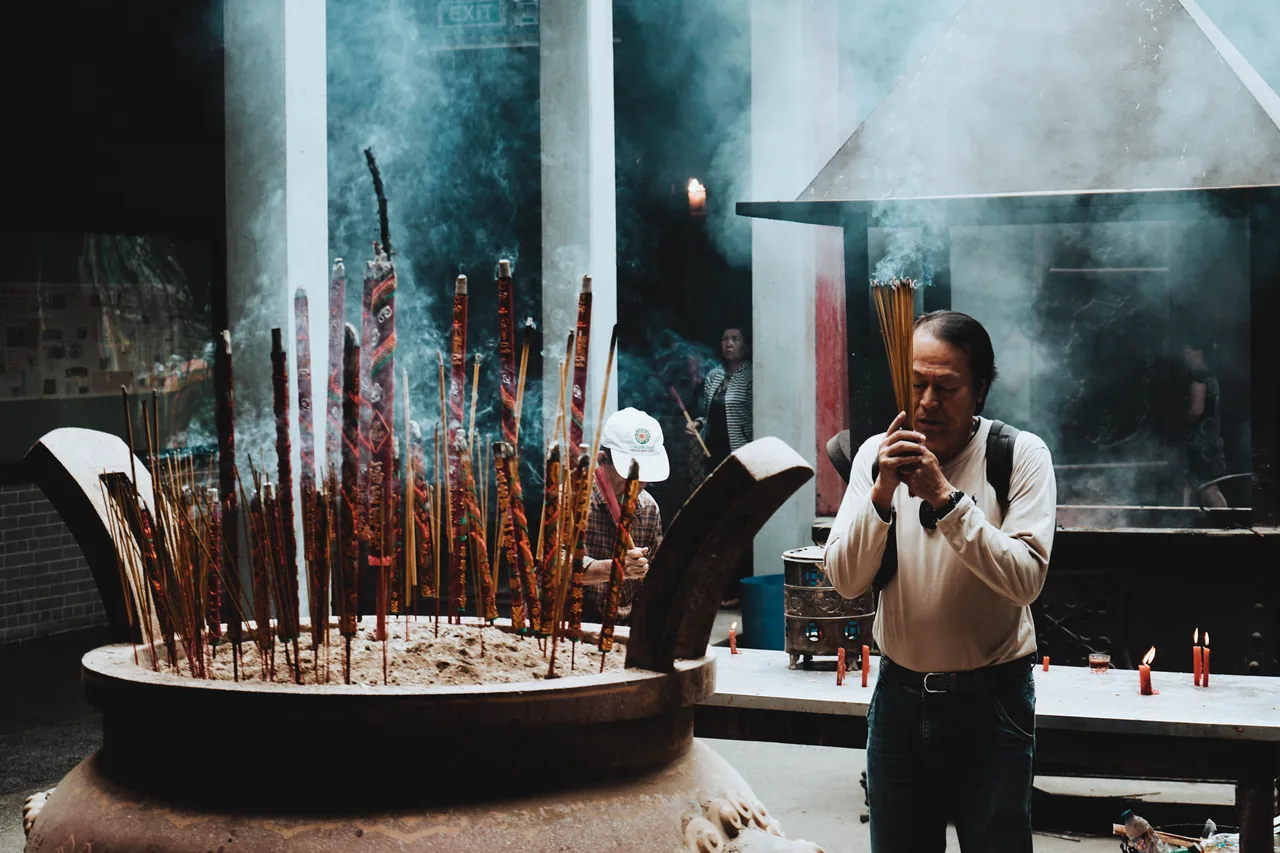
3. Temples & Pagodas: Visiting Respectfully
4. Eating Out: Dining Etiquette
5. Dress, Beaches & Photography
6. Cash, Cards & Bargaining
7. Quick Do’s & Don’ts
8. A Few Words of Vietnamese That Go a Long Way
Da Nang is one of the easiest, friendliest places in Asia to travel — and a little local know-how makes it smoother still. Vietnamese culture is warm, relaxed and forgiving of honest mistakes, but a few simple customs around tipping, temples, money, food and respect will help you blend in, get better service and avoid the odd awkward moment. This guide is the etiquette cheat-sheet we wish every first-timer had: when (and how much) to tip, how to behave at a pagoda, when to bargain, how to handle a meal, and the body language that matters. Note: customs vary by person and place, and these are general guidelines, not hard rules. (New to the city? Start with our complete Da Nang guide, and stay savvy with our Vietnam safety & scams guide.)
1. Tipping in Vietnam: Is It Expected?
Here’s the short answer: tipping is not a deep-rooted custom in Vietnam, and nobody will chase you down for one. Locals rarely tip at everyday eateries. But tourism has made tipping common in some settings, and a small tip for genuinely good service is always appreciated — wages in hospitality are low, and a little goes a long way.
The golden rule: tip in cash, in Vietnamese đồng, and hand it directly to the person. Here’s a quick guide:
| Situation | Tip expected? | A reasonable amount |
|---|---|---|
| Local restaurant / quán | No | Round up or leave the small change |
| Upscale restaurant (no service charge) | Optional | 5–10% |
| Café / street food | No | Not necessary |
| Hotel housekeeping | Optional | 20,000–50,000₫ per day |
| Bellhop / porter | Welcomed | 20,000–50,000₫ |
| Spa & massage | Yes, appreciated | 50,000–100,000₫ |
| Tour guide (full day) | Yes | 100,000–200,000₫ |
| Private driver | Optional | 50,000–100,000₫ |
| Grab / taxi | No | Round up the fare |
2. Greetings, Respect & “Saving Face”
Vietnamese social life runs on warmth, politeness and a strong sense of respect for elders. You don’t need to master it — just lean friendly and humble.
- A smile and a nod work as a greeting almost everywhere. A light handshake is common in business; among friends it’s relaxed.
- Respect age. Greet and serve the oldest person first, and use both hands when giving or receiving something from an elder (or anything important, like money or a business card).
- Keep your cool. “Saving face” matters: getting visibly angry, shouting or publicly criticising someone is deeply awkward and rarely works. A calm smile solves almost everything.
- Two taboos: don’t touch anyone’s head (even a child’s, affectionately), and don’t point your feet — or the soles of your shoes — at people or altars.
3. Temples & Pagodas: Visiting Respectfully
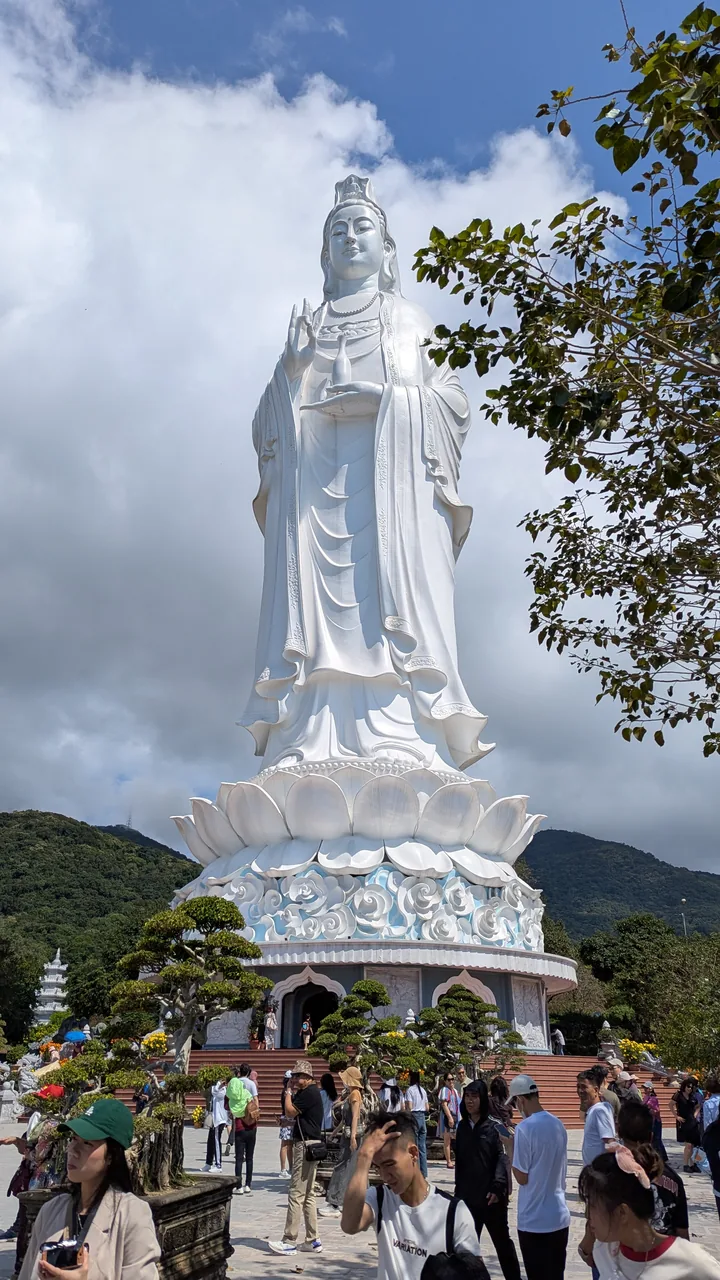
Da Nang is full of beautiful Buddhist sites — the Lady Buddha at Linh Ung Pagoda, the cave shrines of the Marble Mountains, and countless neighbourhood pagodas. They’re free and welcoming, but they are active places of worship. A few simple manners:
- Dress modestly: cover your shoulders and knees. Carry a light scarf or sarong if you’re in beachwear.
- Shoes off where you see others’ shoes at the door, or where signs ask.
- Be quiet and calm: lower your voice, switch your phone to silent, and never turn your back directly on a Buddha statue when posing for photos.
- Photography: usually fine outdoors, but look for “no photo” signs inside shrines, and never use flash on people praying.
- Step over, not on, raised thresholds at temple doorways, and walk around worshippers rather than in front of them.
A small donation in the box is welcome but never required. If you’re visiting Son Tra or the Marble Mountains, our main Da Nang guide has the details.
4. Eating Out: Dining Etiquette
Vietnamese meals are sociable, shared and refreshingly informal — there’s very little to get wrong. Still, a few habits help you eat like a local:
- Sharing is the norm. Dishes arrive together in the middle; serve yourself small amounts into your rice bowl rather than piling up a plate.
- Chopstick manners: don’t stick chopsticks upright in a bowl of rice (it echoes funeral incense), and don’t tap your bowl with them.
- Hold your rice bowl up near your mouth — it’s polite, not rude. Slurping noodles is perfectly fine.
- The host pays. If a Vietnamese friend invites you, they often insist on paying; offer, but don’t fight too hard. Splitting the bill isn’t the default here.
- To get the bill, catch the staff’s eye and say “tính tiền” (the bill) or make a little writing gesture.
Hungry now? Dive into our complete Da Nang food guide.
5. Dress, Beaches & Photography
Da Nang is a laid-back beach city, so dress codes are relaxed — with a couple of sensible exceptions:
- Beach & pool: swimwear is fine on the sand and at the resort, but throw on a shirt and shorts when you head to a café, shop or restaurant. Topless and nude sunbathing are not acceptable.
- Temples & formal sites: cover shoulders and knees (see above).
- Everyday: light, breathable clothes for the heat; locals dress neatly, so very revealing outfits stand out more than they would back home.
- Photographing people: a smile and a gesture to ask is polite, especially with vendors, monks or elderly people. Most are happy to oblige; some street vendors may expect a small purchase in return.
6. Cash, Cards & Bargaining
Vietnam still runs largely on cash day-to-day, though hotels, malls and bigger restaurants take cards. A few money manners go a long way:
- Pass money politely — with both hands, or your right hand, for larger amounts or to elders.
- Carry small notes. Stalls, Grab drivers and markets may struggle to change a 500,000₫ bill. Keep 10k–50k notes handy.
- Mind the look-alikes: the 500,000₫ and 20,000₫ notes share a blue tint — an easy and costly mix-up.
Bargaining is part of the fun — but only in the right places:
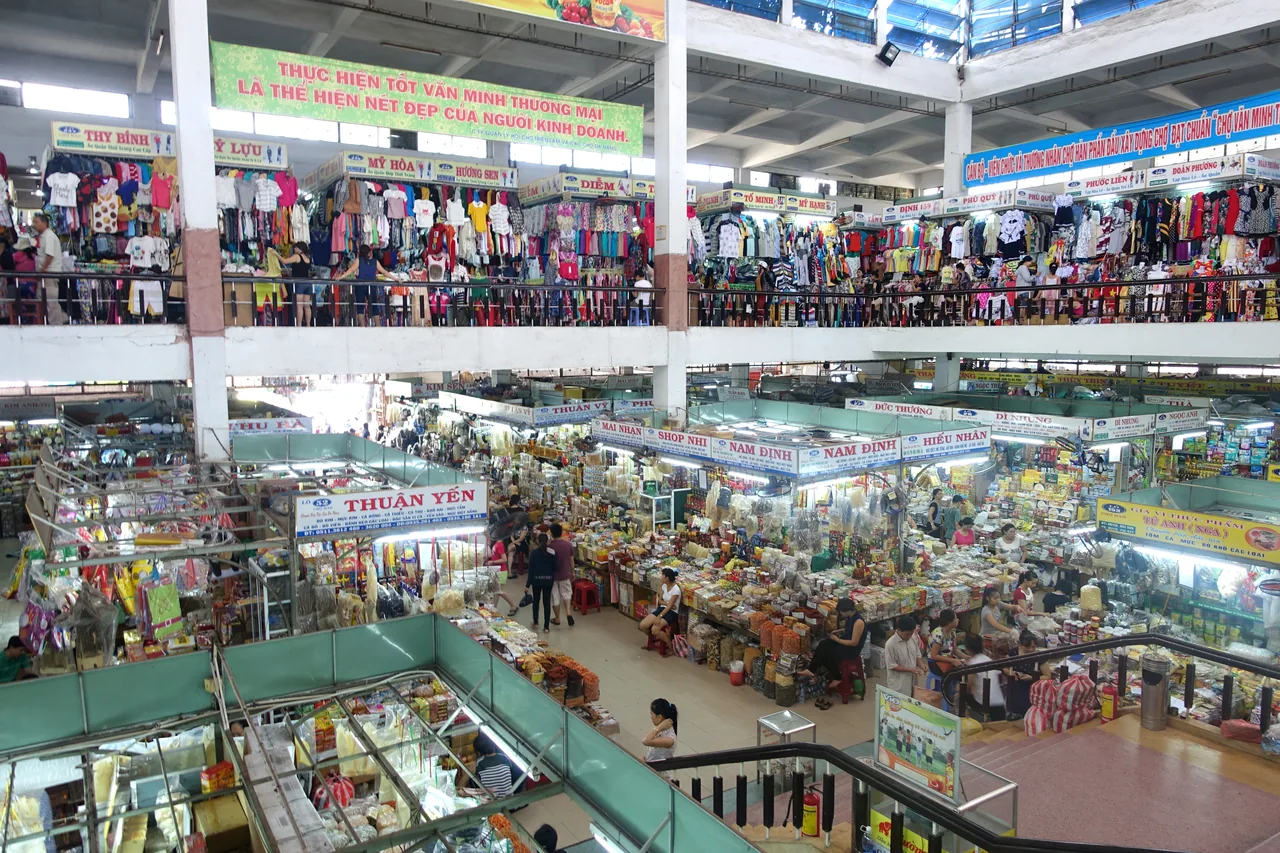
- Do haggle at markets (like Han Market or Con Market), souvenir stalls and with some taxis-by-meter-refusers. Start friendly, smile, and aim for perhaps 50–70% of the first asking price.
- Don’t haggle in supermarkets, malls, fixed-price shops, cafés or restaurants — prices there are set.
- Keep it light. It’s a game, not a battle — if the price isn’t right, smile and walk away (you’ll often get called back).
For the most common rip-offs to sidestep, read our Vietnam scams & safety guide.
7. Quick Do’s & Don’ts
The whole guide, boiled down to a fridge-magnet list:
| Do | Don’t |
|---|---|
| Dress modestly at temples (shoulders & knees) | Wear swimwear away from the beach or pool |
| Take your shoes off where others do | Point your feet or shoe soles at people or altars |
| Pass money & gifts with both hands to elders | Touch anyone’s head, even a child’s |
| Ask with a smile before photographing people | Photograph inside shrines marked ‘no photo’ |
| Bargain good-naturedly at markets | Haggle in fixed-price shops or restaurants |
| Stay calm and keep smiling | Shout or show anger — it causes loss of face |
| Carry small cash notes | Assume cards are accepted everywhere |
8. A Few Words of Vietnamese That Go a Long Way
You don’t need to be fluent — a single word with a smile transforms how you’re treated. Try these:
- Xin chào — hello
- Cảm ơn — thank you
- Không, cảm ơn — no, thank you (gold for politely declining touts)
- Bao nhiêu? — how much?
- Đắt quá! — too expensive! (your bargaining friend)
- Ngon quá! — so delicious! (chefs love it)
- Em ơi / Anh ơi / Chị ơi — “excuse me” to call younger / older-male / older-female staff
- Tính tiền — the bill, please
That’s really all the etiquette you need. Be friendly, be respectful, smile often — and Da Nang will love you back. Plan the rest of your trip with our complete Da Nang travel guide.