
Da Nang in February: Tết, Weather & What to Do (2026)
February is Da Nang’s driest, sunniest month — and the heart of Tết, the Vietnamese Lunar New Year. Here’s the complete, honest guide, including exactly how to plan around the Tết holiday.
- The driest month: February is the driest of the year (~25–40mm) with mild, sunny dry-season weather — superb for sightseeing.
- Mild & comfortable: daytime highs around 26°C (warmest days near 31°C), nights about 20°C, with low humidity.
- It’s Tết: the Vietnamese Lunar New Year falls on 6 February 2027, with the holiday running roughly 3–11 February — a magical but logistically tricky time.
- Plan around the holiday: book flights and hotels months ahead, carry plenty of cash (banks/ATMs run dry), and expect many local shops and restaurants to close for several days.
- Cooler sea (~24°C): the sea is at its coolest, so February is more about festivals, sun and sightseeing than swimming.
1. Da Nang in February at a Glance
2. February Weather in Detail: How It Compares to January & March
3. The Dry Season Peak: Sun, Minimal Rain & What to Expect
4. Tết in February: Dates, Atmosphere & What It Means
5. Visiting During Tết: What’s Open, What’s Closed & How to Plan
6. The Sea & Beaches in February
7. The Best Things to Do in Da Nang in February
8. Crowds, Prices & Value: Peak Season + the Tết Surge
9. What to Pack for February’s Dry, Mild Weather
10. So, Is February a Good Time to Visit Da Nang?
February is a month of two big stories in Da Nang. First, the weather: it’s the driest, one of the sunniest months of the year, with mild temperatures and low humidity — about as good as central Vietnam’s dry season gets, and ideal for the beach (sun, not swimming), the mountains and Hoi An. Second, and unmissably, it’s Tết — the Vietnamese Lunar New Year, the country’s biggest and most beloved holiday, which in 2027 falls on 6 February. Tết transforms the city: flowers, decorations, family reunions and a deeply festive atmosphere — but it also means closures, surcharges and sold-out hotels around the holiday week, so it needs careful planning. This is a complete, no-spin guide to Da Nang in February: detailed weather, what Tết is really like, exactly what’s open and closed, the state of the sea, what to do, and what to pack. Note: figures are typical long-term averages; any given year can vary, so check a live forecast close to your trip. (Comparing months? See our Da Nang in January guide and December guide, or the full Da Nang weather guide.)
1. Da Nang in February at a Glance
In short: February is dry, mild and sunny — the best of the dry season — but it’s dominated by Tết, which brings a festive atmosphere alongside closures and peak prices. The sea is cool, so think sightseeing and festivities over swimming. Here’s the quick picture:
| What to expect | February in Da Nang |
|---|---|
| Daytime high | around 26°C (warmest days ~31°C) |
| Night-time low | around 20°C |
| Sea temperature | ~24°C — the year’s coolest |
| Rain | the lowest of the year (~25–40mm) |
| Rainy days | roughly 5–6 days (light) |
| Humidity | low & comfortable |
| Sunshine | good — dry, stable skies |
| Tết (Lunar New Year) | 6 Feb 2027; holiday ~3–11 Feb |
| Crowds | very busy around Tết; book far ahead |
| Hotel prices | peak around Tết; surcharges common |
| Verdict | superb weather; plan carefully around Tết |
2. February Weather in Detail: How It Compares to January & March
February is the peak of Da Nang’s dry season and arguably its best weather. Daytime highs sit around 26°C (the warmest afternoons can reach ~31°C), nights are around 20°C, and humidity is low. Crucially, it’s the driest month of the year, with only about 25–40mm of rain over a handful of days — clear, stable, sunny skies are the norm. The sea, however, is at its coolest (~24°C).
Here’s how the dry season progresses across three months, so you can choose your dates with eyes open:
| Aspect | January | February | March |
|---|---|---|---|
| Daytime high | ~24–25°C | ~26°C | ~28°C |
| Sea temperature | ~24°C | ~24°C | ~25°C |
| Rain (monthly) | low (~85–100mm) | lowest (~25–40mm) | low (~20–40mm) |
| Rainy days | ~9–12 | ~5–6 | ~4–5 |
| Humidity | lower | low | low |
| Big event | pre-Tết run-up | Tết (6 Feb 2027) | post-Tết, warming |
The trend is clear: from January to March it’s dry and gradually warmer. February is the driest and very sunny, with March a touch warmer still. The defining factor is Tết: if you want the festive experience, come around the holiday; if you want the great weather without the closures and crowds, aim for after Tết (mid-to-late February) or January. For the cooler, festive lead-in, see our December guide.
3. The Dry Season Peak: Sun, Minimal Rain & What to Expect
February is the driest month in Da Nang and one of the most reliable for clear, sunny weather. The wet season and typhoons are long gone, humidity is low, and you can plan packed outdoor itineraries with confidence. Mornings can be fresh and pleasant; afternoons are mild and comfortable for walking. You might still catch a brief, light shower or a fine winter drizzle on a cooler day, but soaking rain is very unlikely.
- Plan outdoor days freely: beaches, Ba Na Hills, the Marble Mountains, Son Tra and Hoi An all shine under February’s clear skies.
- Comfortable temperatures make this ideal sightseeing weather — warm but not the punishing heat of summer.
- Pack a light layer for cooler evenings, and sun protection for the bright, dry days.
- No weather worries: the storm season is over, so disruption from rain or typhoons is minimal.
4. Tết in February: Dates, Atmosphere & What It Means
Tết — the Vietnamese Lunar New Year — is by far the country’s biggest, most important and most heartfelt holiday, and in 2027 it falls on 6 February (with the public-holiday period running roughly 3–11 February). It’s a time of family reunion, ancestor worship, special foods and renewal — Vietnam’s equivalent of Christmas, New Year and a national homecoming rolled into one.
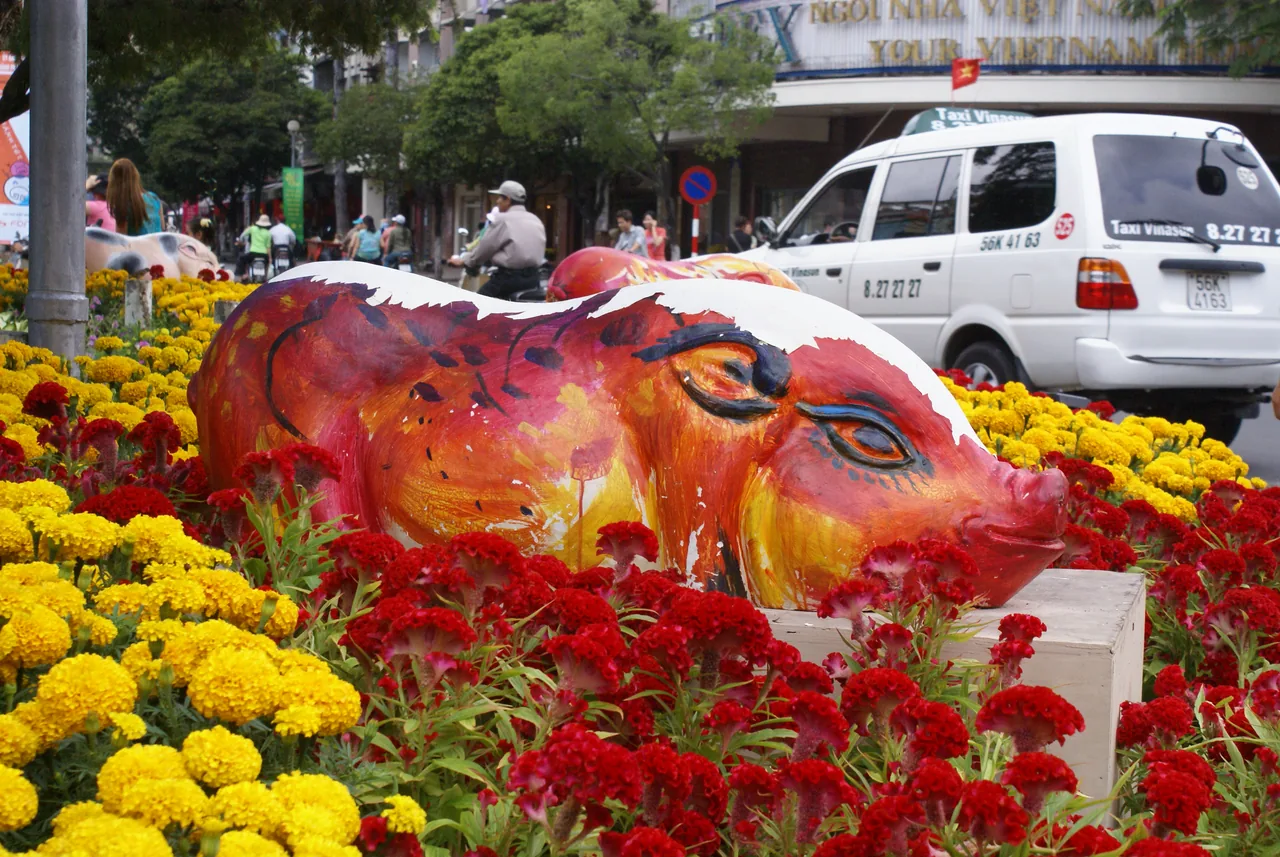
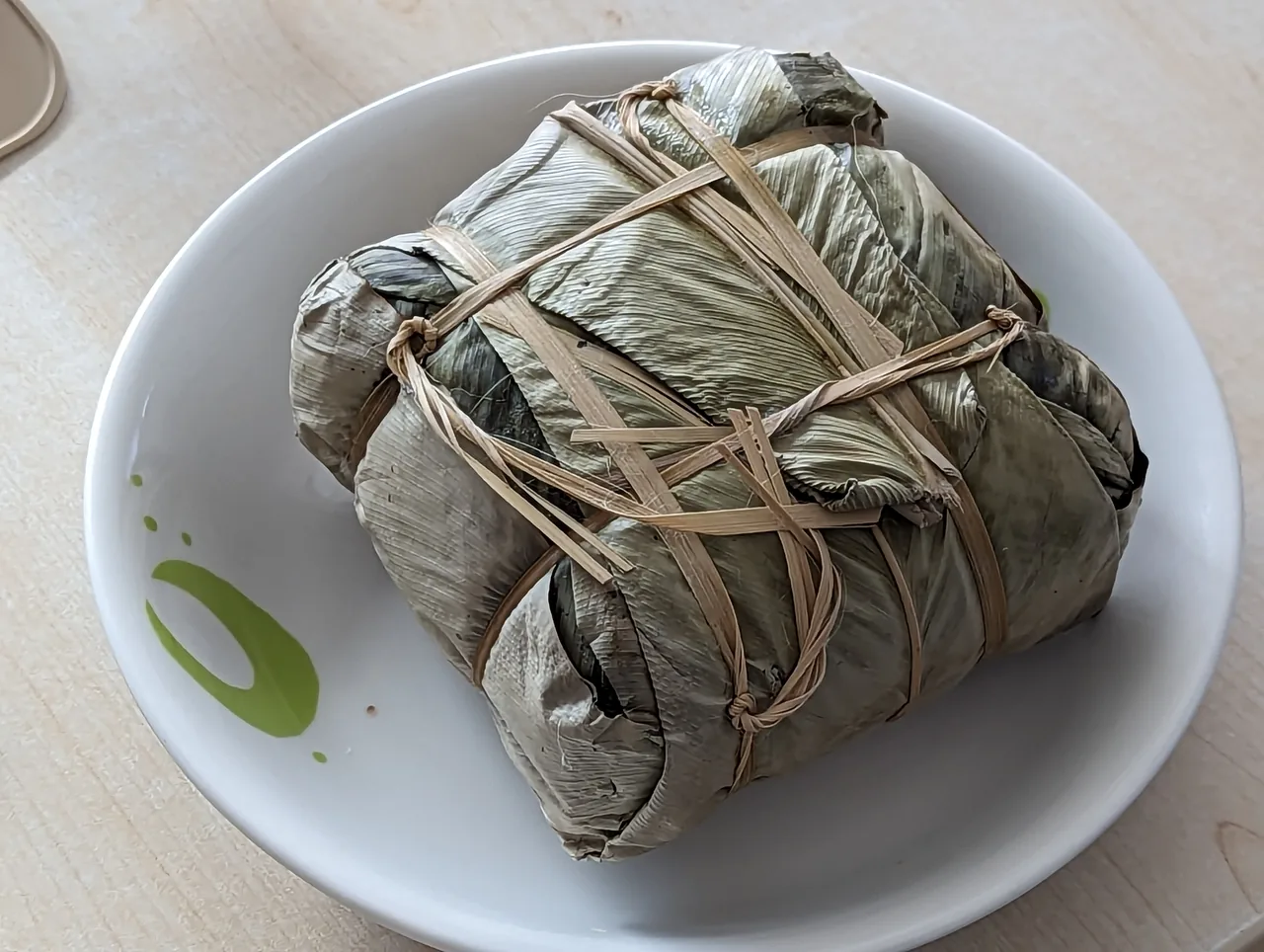
In the days around Tết, the city is wonderfully festive: streets and homes are decked with yellow apricot blossom (hoa mai), kumquat trees and red-and-gold decorations; families prepare bánh chưng (square sticky-rice cakes); children receive lì xì (lucky money in red envelopes); and pagodas fill with people praying for the new year. On Lunar New Year’s Eve there are fireworks displays, often by the Han River. It’s a magical, atmospheric time to witness.
If the festival is familiar to you, that’s no coincidence: Tết is the same Lunar New Year celebrated as the Spring Festival in China, Seollal in Korea and the Lunar New Year across the region (all on 6 February in 2027). It is distinct from the solar New Year of 1 January. Whatever your background, experiencing Tết in Vietnam is unforgettable — just plan around the practicalities below.
5. Visiting During Tết: What’s Open, What’s Closed & How to Plan
Tết is magical to witness, but it’s the trickiest time of year for logistics — so plan ahead. Many local restaurants, cafés and family-run shops close from the afternoon of Lunar New Year’s Eve for at least 3–4 days (some longer), as staff return to their hometowns. The good news: major tourist sites, hotels, resorts and malls stay open. Here’s a quick guide:
| Usually OPEN during Tết | Often CLOSED during Tết |
|---|---|
| Ba Na Hills & the Golden Bridge | Many local restaurants & cafés (3–5 days) |
| Marble Mountains, Son Tra & Lady Buddha | Family-run shops & small businesses |
| My Khe Beach & Hai Van Pass | Some markets & street-food stalls |
| Cham Museum & Da Nang Museum | Banks (about a week) |
| Hotel & mall restaurants, big attractions | Some smaller museums/offices |
| Mikazuki water park, Than Tai hot springs | Many local services wind down |
Silver lining: visit in the days after Tết (mid-to-late February) and you get the same great weather, businesses reopening, and a calmer, cheaper city.
6. The Sea & Beaches in February
The sea in February is at its coolest of the year, around 24°C, and the winter monsoon can make it breezier with bigger waves — so while it’s swimmable for the hardy, February is more about sunny beach days, walks and views than long swims. The plus side: under clear, dry skies, the beaches look glorious.
- Sunny but cool water: expect bright beach days where sunbathing often beats swimming.
- Mind the waves & currents: swim only between the flags and heed lifeguards; conditions can be choppy.
- Great for walks & photos: the long city beaches are beautiful and quieter (outside the Tết peak).
- Boat trips are limited: Cham Islands tours generally don’t run in this season.
For the full rundown of the city’s main beach — the best stretches, sun-lounger prices and safety flags — see our My Khe Beach guide. In February, pair beach time with sightseeing and the festivities.
7. The Best Things to Do in Da Nang in February
February’s dry, mild weather is perfect for doing it all — and the Tết season adds a festive layer you won’t find other months.
- Experience Tết: wander the flower markets, see the decorations, visit a pagoda respectfully, and catch the Lunar New Year’s Eve fireworks by the Han River.
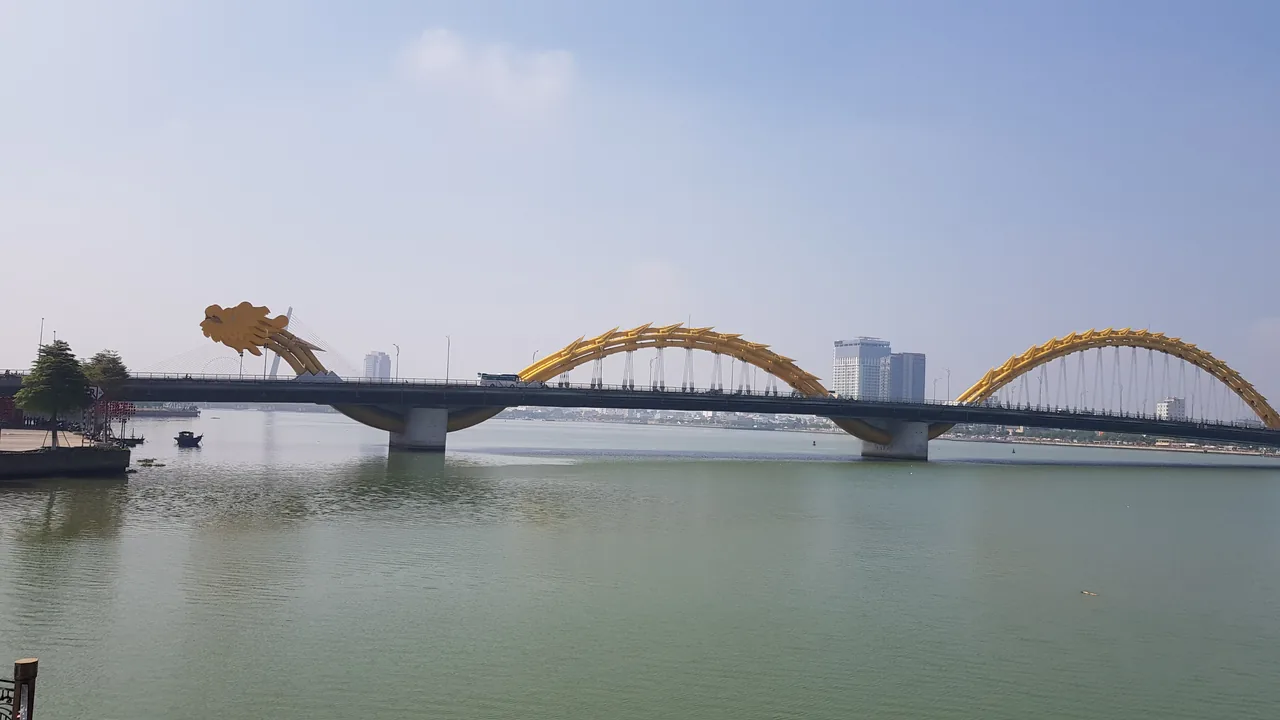
- Ba Na Hills & the Golden Bridge: clear winter skies are ideal for the cable car and mountain views. See our Ba Na Hills guide.
- Hoi An old town: mild, sunny days and festive lanterns make it magical — see our Hoi An guide.
- Scenic drives & viewpoints: the clear skies are perfect for the Hai Van Pass, Son Tra Peninsula and the Marble Mountains.
- Eat the season: try Tết specialities and Da Nang’s hot noodle soups — dive into our Da Nang food guide (and note many local eateries close for a few days at Tết).
- Sunny beach time: relax on the sand even if the sea is cool, and enjoy the seafood shacks that are open.
8. Crowds, Prices & Value: Peak Season + the Tết Surge
February sits in peak dry-season high season, and Tết pushes it to the extreme. In the run-up to and during the holiday, domestic travel surges, flights and beachfront resorts sell out months ahead, and prices peak — with a common “Tết surcharge” of 20–50% at restaurants that stay open. It’s the most expensive, busiest window of the year.
- Around Tết: book everything as early as possible, and budget for higher prices and surcharges.
- After Tết (mid-to-late February): the sweet spot — businesses reopen, crowds ease, prices soften, and the weather is still excellent.
- For better value overall, the quieter, cheaper wet-season months (October–November) cost far less — see our December and January guides for the lead-in.
Where to stay? Compare our pick of the best Da Nang beach resorts & hotels, and reserve early — especially if your trip overlaps the Tết holiday.
9. What to Pack for February’s Dry, Mild Weather
February asks you to pack for warm, sunny days and cooler evenings — plus a few Tết-specific extras:
- Light layers: a long-sleeve top, light sweater or jacket for cool evenings, breezy days and air-conditioning.
- Daytime basics: light, breathable clothing, sunglasses and sunscreen for the sunny, dry afternoons.
- A compact umbrella just in case (you’ll rarely need it this month).
- Plenty of cash (Vietnamese đồng): essential over Tết, when banks close and ATMs run dry — withdraw before the holiday.
- Comfortable walking shoes and swimwear for sunny days, plus a modest cover-up for temples and pagodas (especially busy at Tết).
10. So, Is February a Good Time to Visit Da Nang?
Yes — February has the best dry-season weather of the year, and Tết makes it unforgettable, as long as you plan around the holiday. You get dry, mild, sunny days and a once-a-year cultural spectacle. The trade-offs are a cool sea, the year’s highest prices and crowds, and the closures and logistics of the Tết week.
February is ideal for travellers who want superb weather and a rich cultural experience, and who are happy to plan ahead and roll with the holiday rhythm. The days right after Tết are a particular sweet spot — great weather, fewer crowds and reopening businesses. It’s less ideal if you want hot-sea swimming (summer is better), a tight budget (the wetter months are far cheaper), or a hassle-free trip during the exact Tết week without advance planning. If you come for Tết, the rules are simple: book early, carry cash, and check opening days.
Plan around Tết, pack a light layer, and February can be a sunny, festive and truly memorable trip. Map out the rest with our complete Da Nang travel guide.