
Bánh Mì in Da Nang: The Complete Guide (2026)
Vietnam’s world-famous baguette sandwich — what goes in it, the types to try, the local Da Nang specialty, and where to find the best for under two dollars.
- The world’s best sandwich: a crisp French-style baguette stuffed with pâté, pickles, herbs and your choice of filling — a perfect bite of Vietnam for around 15,000–40,000₫ (US$0.60–1.60).
- Try the local twist: Da Nang’s own bánh mì que — a thin, crunchy “finger” baguette with pâté — is a moreish snack you order by the handful.
- Eat where it’s busy: the best stalls are simple, packed and fast. We name some local favourites below (always double-check current hours).
- Breakfast hero: it’s the classic Vietnamese breakfast on the go — but you’ll find it all day, everywhere.
1. Why Da Nang Bánh Mì Is So Good
2. What’s Actually in a Bánh Mì?
3. Types of Bánh Mì to Try
4. Bánh Mì Que — Da Nang’s Specialty
5. Where to Eat Bánh Mì in Da Nang
6. How to Order Like a Local
7. Hygiene, Timing & Vegetarian Options
8. Make It a Da Nang Food Crawl
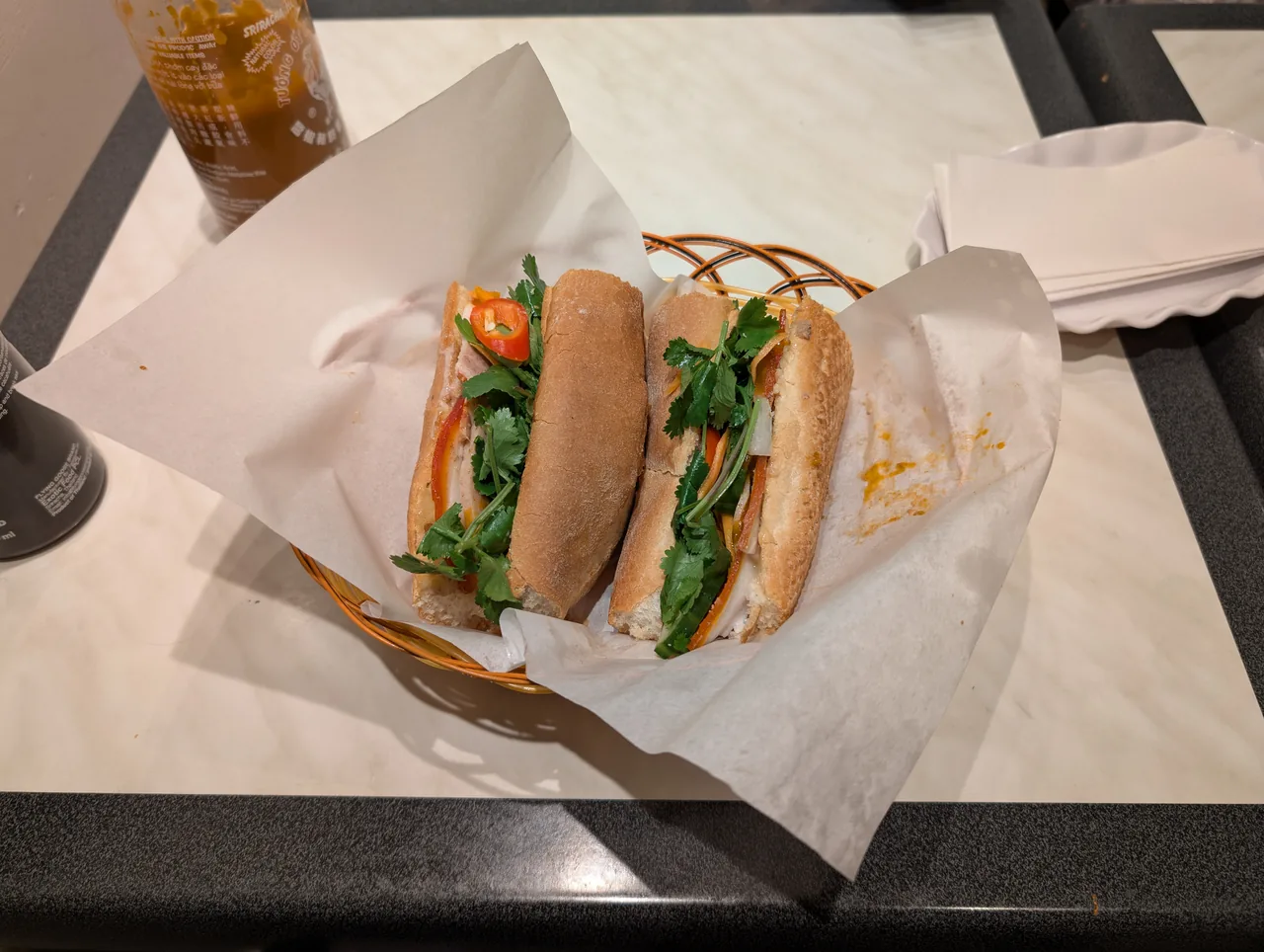
If you eat one thing on the street in Da Nang, make it a bánh mì. This is the dish where Vietnam’s French colonial past meets its own genius: a light, crackly baguette filled with pâté, butter or mayo, a protein, crunchy pickled vegetables, fresh herbs, chilli and a dash of savoury sauce. The result is a sandwich so good it’s gone global — and in central Vietnam it’s both excellent and ridiculously cheap. This guide explains what’s actually in a bánh mì, the types worth trying, Da Nang’s own bánh mì que, plus where to eat and how to order like a local. Note: shops, hours and prices change — treat names and figures here as a 2026 guide and check a maps app for the latest. (New to the city? Start with our complete Da Nang guide, or browse all the dishes in our Da Nang food guide.)
1. Why Da Nang Bánh Mì Is So Good
The bánh mì is the delicious by-product of history. The French brought the baguette; the Vietnamese made it lighter and airier (often with rice flour) and filled it with their own flavours. What you get is a study in contrast — crunchy bread, rich pâté, cool pickles, fresh herbs and a hit of chilli, all in one cheap, perfect bite.
Central Vietnam does it especially well. The bread here tends to be crisp and light, the fillings generous, and the whole thing rarely costs more than a dollar or two. Whether it’s your breakfast, a beach snack or a midnight bite, the bánh mì is Da Nang’s most reliable street food.
2. What’s Actually in a Bánh Mì?
Part of the fun is knowing the layers. A classic bánh mì is built from:
- The baguette — crisp outside, soft and airy inside.
- Pâté & fat — pork liver pâté, plus butter or a smear of mayo for richness.
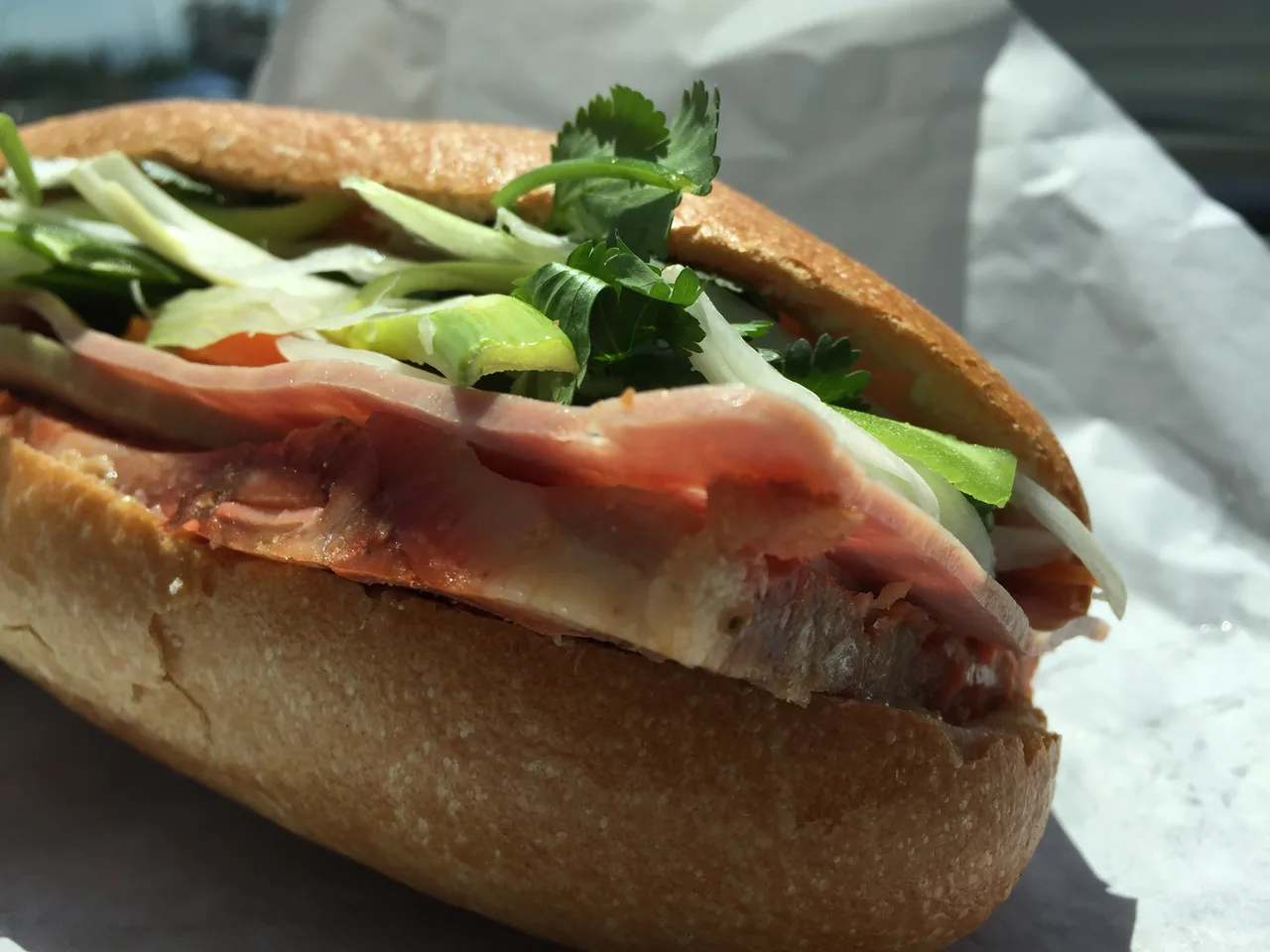
- The protein — cold cuts, grilled pork, roast pork, chicken, a fried egg, meatballs or fish cake (see the next section).
- Đồ chua — pickled carrot and daikon, for crunch and tang.
- Fresh stuff — cucumber, coriander (cilantro) and sometimes spring onion.
- The finish — fresh chilli and a dash of soy or Maggi seasoning.
That balance — rich, sour, fresh, spicy, savoury — is why one little sandwich tastes like a whole meal.
3. Types of Bánh Mì to Try
“Bánh mì” just means the bread; the magic is in the filling. The most common ones:
| Vietnamese | What it is | Good for |
|---|---|---|
| Bánh mì thịt | Mixed cold cuts & Vietnamese ham | The classic all-rounder |
| Bánh mì heo quay | Crispy roast pork | Rich, crackly, satisfying |
| Bánh mì gà | Shredded or grilled chicken | Lighter, very popular |
| Bánh mì ốp la | Fried egg(s) | A perfect breakfast |
| Bánh mì xíu mại | Pork meatballs in sauce | Hearty and saucy |
| Bánh mì chả cá | Fish cake | A central-Vietnam coastal twist |
| Bánh mì chay | Tofu & vegetables | The vegetarian option |
Can’t decide? The mixed bánh mì thịt (or simply “bánh mì đặc biệt”, the “special” with everything) is the safe, classic choice.
4. Bánh Mì Que — Da Nang’s Specialty
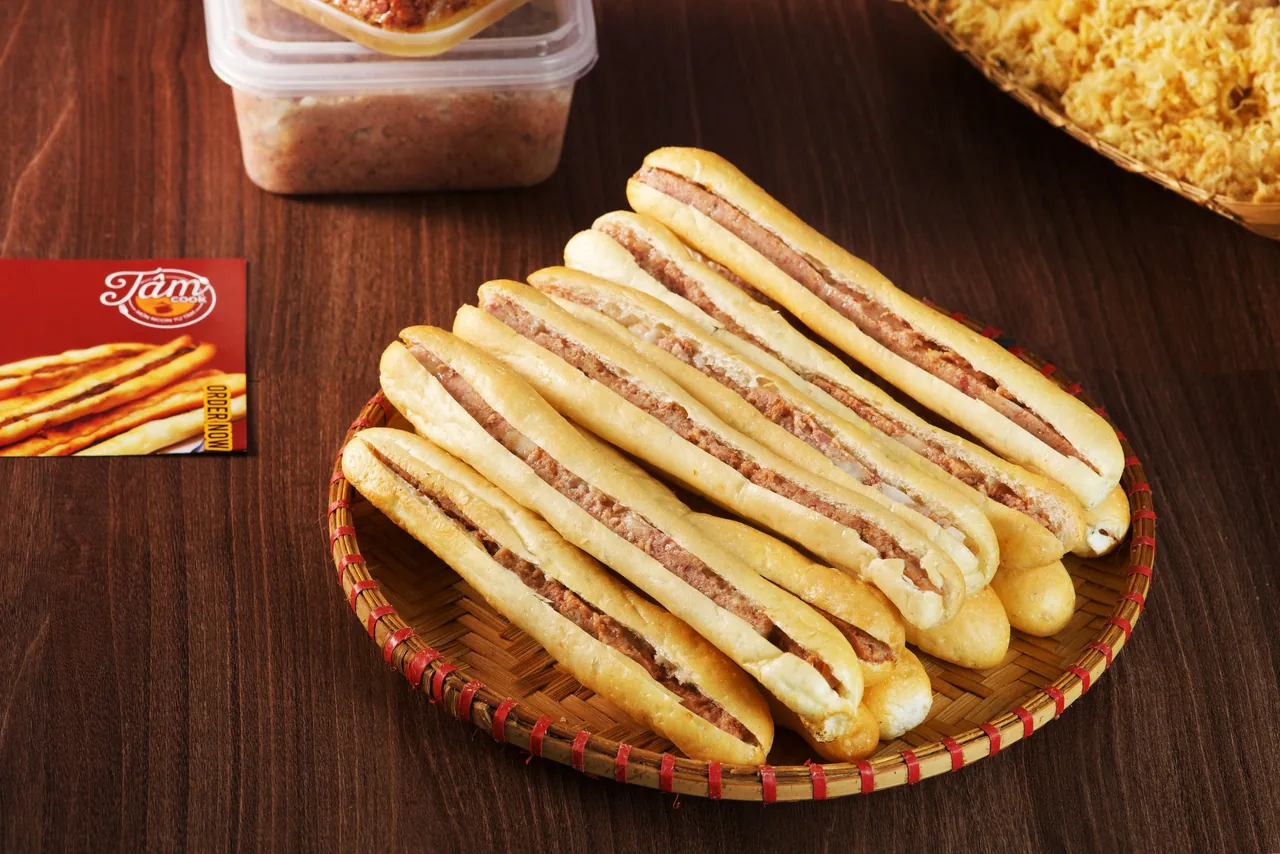
Here’s the one to seek out. Bánh mì que (“chopstick” or “finger” bánh mì) is a central-Vietnam favourite especially associated with Da Nang: a thin, super-crunchy mini baguette, usually filled simply with pâté and a little chilli.
Each one is small — the size of a breadstick — so you don’t order one, you order several, often eaten with a spicy dipping sauce. They’re cheap, addictive and uniquely Da Nang, making them a perfect snack with a coffee or a beer.
5. Where to Eat Bánh Mì in Da Nang
Great bánh mì is everywhere, but a few names have earned a loyal local following. These are starting points — always check a maps app for the current address and hours:
- Bánh Mì Bà Lan — a long-running local favourite, known for generous fillings (often opens in the late afternoon). 📍 Open in Google Maps
- Bánh Mì Đồng Tiến — a well-known bakery chain across the city, handy for bánh mì que. 📍 Open in Google Maps
- Bánh Mì Ông Tý and other busy neighbourhood carts and shops.
6. How to Order Like a Local
It’s quick and easy, even with no Vietnamese:
- Point and pick. Most stalls have the fillings on display — point to what you want, or just say “bánh mì thịt” (mixed) or “bánh mì đặc biệt” (the special).
- Spice: say “không cay” for no chilli, or “ít cay” for a little.
- Takeaway is normal — most bánh mì is made to go, wrapped in paper. “Mang đi” means takeaway.
- Price check: expect roughly 15,000–40,000₫ depending on the fillings; bánh mì que are just a few thousand each.
Pay when you order, and don’t expect change-haggling — bánh mì prices are usually fixed and fair.
7. Hygiene, Timing & Vegetarian Options
A few practical notes for a happy bánh mì habit:
- Busy = fresh. A high turnover stall means fresh bread and fillings — the best hygiene signal there is.
- Best in the morning for the classic Vietnamese breakfast experience, though you’ll find bánh mì all day and late into the night.
- Vegetarian? Look for bánh mì chay (tofu and vegetables); ask for “bánh mì chay” and confirm no pâté or fish sauce if you’re strict.
- Sensitive stomach? Stick to hot, fresh, made-to-order bánh mì from busy spots and you’ll almost always be fine. For more on eating safely, see our Vietnam safety guide.
8. Make It a Da Nang Food Crawl
A bánh mì is the perfect start (or end) to a day of eating in Da Nang. Build it into a crawl:
- Morning: a bánh mì and a strong Vietnamese coffee.
- Lunch: a bowl of the local noodle specialty — try mì Quảng or bún chả cá.
- Snack: a handful of bánh mì que with an iced coffee.
- Dinner: fresh seafood by the beach.
For the full line-up of dishes and where to find them, see our complete Da Nang food guide, then plan the rest of your trip with the main Da Nang guide.