
Hoi An Tailors (2026): Custom Suits & Dresses — Prices, Timing & How to Do It Right
What to get made, what it really costs, how the fittings work, how to pick a tailor who won’t disappoint, and the fabric tricks to know — the honest guide to Hoi An’s famous custom clothing.
- Hoi An is Vietnam’s tailoring capital — hundreds of shops will make a suit, dress, shirt or coat to your measurements in a day or two.
- Budget realistically: a good wool suit is $200–400, a dress $40–120; rock-bottom prices mean synthetic fabric and a rushed cut.
- Allow 2–3 days, not 24 hours. The magic is in the fittings — one cut is never enough for a great fit.
- Fabric is everything. In the humidity, choose lightweight wool or linen, and make sure \”wool\” is really wool.
- Pick on reviews, not touts — the best shops give honest advice and never pressure you.
1. Hoi An Tailoring at a Glance
2. What You Can Get Made
3. How Much It Really Costs
4. How the Process Works
5. How Long It Takes (don’t rush it)
6. Choosing a Good Tailor
7. The Fabric Guide
8. Getting the Fit Right
9. Shipping It Home
10. Common Mistakes & How to Avoid Them
11. Practical Tips Before You Go In
A suit or dress made just for you, in a day or two, for a fraction of what it costs at home — that’s why people have travelled to Hoi An’s tailors for decades. The Old Town has hundreds of shops, and the experience can be genuinely brilliant or a rushed, ill-fitting disappointment, depending on how you go about it. This guide tells you the truth: what you can get made, what it actually costs, how the measuring-and-fitting process works, how long to allow, how to spot a great tailor from a tourist trap, and the fabric and fit tricks that separate a treasured garment from a holiday mistake. (New here? Pair it with our complete Hoi An travel guide and things to do in Hoi An.)
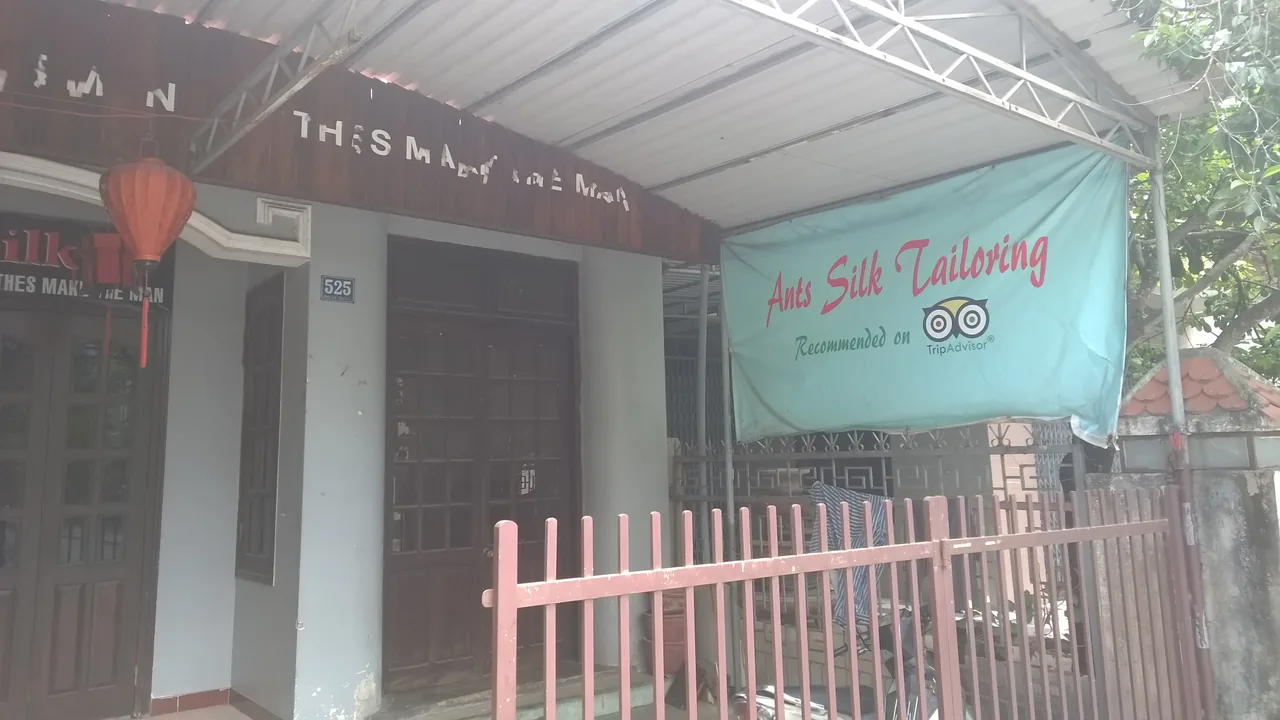
1. Hoi An Tailoring at a Glance
What people get made — and a realistic price for decent quality. Prices vary hugely with fabric and shop, but these are sensible 2026 ranges to budget for:
| Item | Budget price | Good-quality price | Notes |
|---|---|---|---|
| Two-piece suit | $80–150 | $200–400 | Wool/wool-blend; the sweet spot is $200–400 |
| Dress shirt | $10–20 | $25–45 | Cotton; often 3–5 for a discount |
| Summer / sun dress | $30–50 | $60–120 | Cotton or linen |
| Evening / formal dress | $60–120 | $120–300 | Silk or with detailing |
| Overcoat / blazer | $70–130 | $150–300 | Wool; great value vs home |
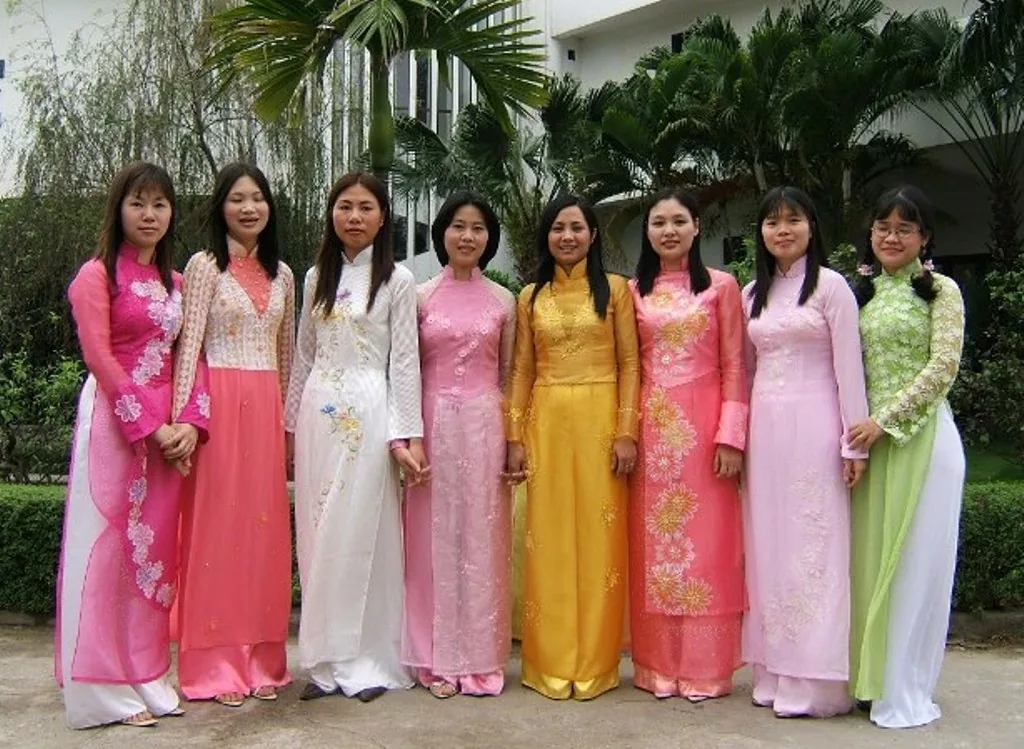
| Áo dài (Vietnamese dress) | $40–80 | $80–180 | Silk; a lovely keepsake |
2. What You Can Get Made
Almost anything. Bring a photo or a favourite garment and a good shop will copy or adapt it:
- For men: suits (two- or three-piece), blazers, dress shirts, trousers, overcoats, even tuxedos.
- For women: dresses (summer, cocktail, evening), blouses, skirts, suits, coats and the elegant Vietnamese áo dài.
- Also: leather jackets and bags, and custom shoes (several shops specialise in made-to-measure leather shoes).
- Copies: bring a beloved jacket or dress that’s wearing out and they’ll remake it in new fabric.
3. How Much It Really Costs
Price is driven almost entirely by fabric, then by construction quality:
- Budget ($80–150 suit): synthetic or poly-blend fabric, machine-finished, one quick fitting. Looks fine in photos, wears hot and won’t last.
- Mid-range ($150–350): imported wool-blend, some hand-finishing — the realistic zone for most travellers.
- Premium ($350–800+): pure Italian or English wool, hand-canvassed, multiple fittings — a genuine bespoke garment.
- The sweet spot is $200–400, where you get real wool, proper finishing and a fit worth flying home with.
Factor tailoring into your trip budget early — see our Da Nang & Hoi An budget guide for how it fits the bigger picture.
4. How the Process Works
From walking in to wearing it out, custom tailoring runs in clear stages:
- Choose the style & fabric. Browse the bolts, feel the cloth, look at lookbooks or show your photo. This is the most important step — take your time.
- Get measured. A dozen or more measurements; a good tailor also watches how you stand and move.
- First fitting (next day): the garment is tacked together so they can pin and adjust.
- Alterations: they take it back and refine — sleeves, waist, shoulders, length.
- Final fitting & collect. Try it on properly; don’t accept anything that isn’t right.
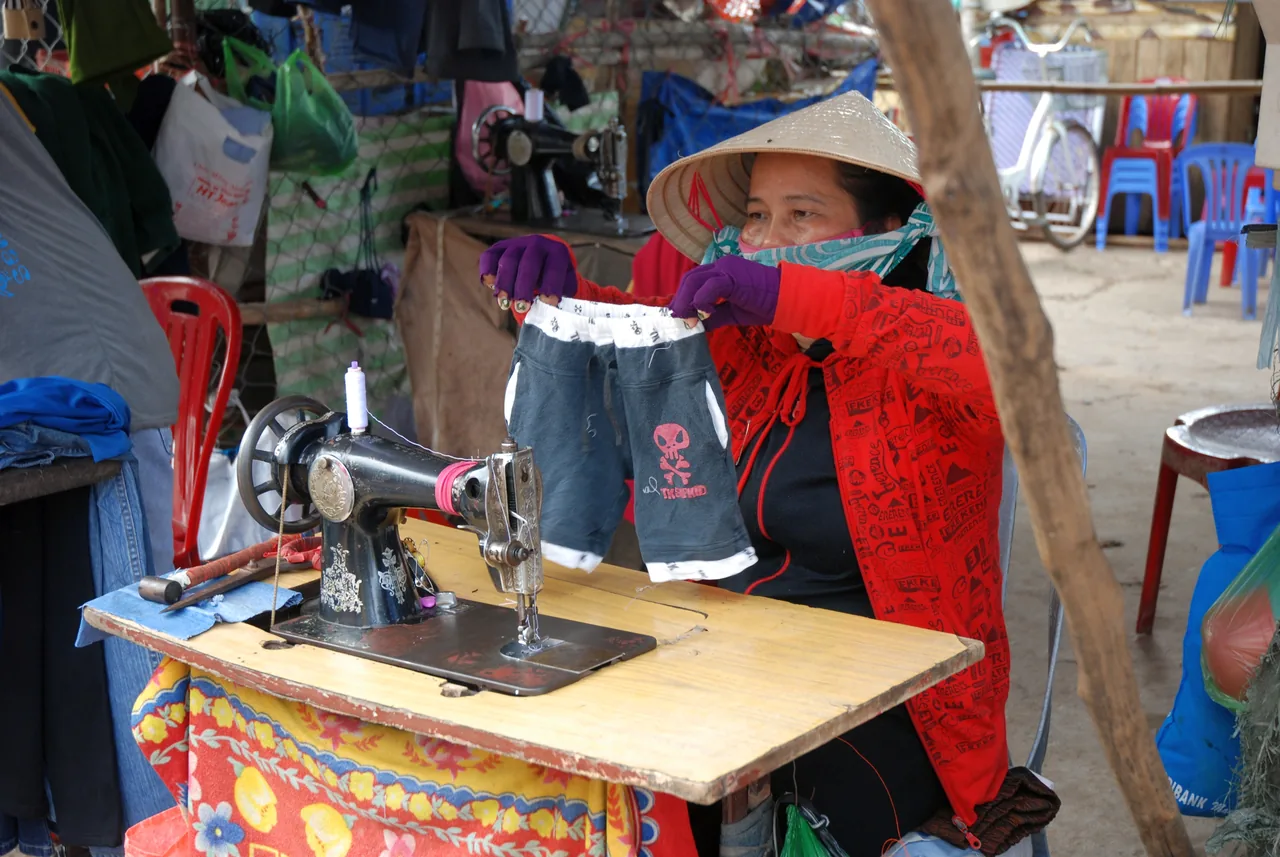
5. How Long It Takes (don’t rush it)
Shops advertise 24-hour turnaround, and it’s possible — but it usually means a single fitting, overnight work and often a 10–20% rush fee.
- Best practice: allow 2–3 days so you can have a first fitting, alterations and a final fitting. That second fitting is where a good fit becomes a great one.
- Order early in your stay — go to the tailor on day one, not the night before you leave.
- Complex pieces (structured suits, beaded dresses, leather) need more time than a simple shirt or sundress.
Plan your days around it with our things to do in Hoi An guide while the work is underway.
6. Choosing a Good Tailor
Quality varies enormously between the hundreds of shops. How to pick well:
- Read recent reviews (Google, forums) rather than following a tout or a hotel commission. Long-established names like A Dong Silk, Yaly Couture, Bebe and Nathan Tailors are popular for a reason, but plenty of smaller shops are excellent too.
- Look for honest fabric advice — a good tailor will steer you to the right cloth, not just the most expensive.
- No pressure: the best experiences are relaxed; walk away from hard-sell shops.
- See finished work: inspect the stitching, linings and buttonholes on display pieces.
7. The Fabric Guide
Because fabric makes or breaks the result, learn the basics:
- For Vietnam’s heat & humidity: choose lightweight wool (it breathes and drapes better than you’d think) or linen for a relaxed look; cotton for shirts.
- Check \”wool\” is wool: ask the fabric weight and composition, and do the feel/crease test — pure wool springs back, synthetic stays creased and feels plasticky.
- Silk is wonderful for dresses and áo dài but creases and needs care.
- Bring time to choose: the fabric decision deserves more attention than the haggling.
8. Getting the Fit Right
A custom garment is only worth it if it fits. Make that happen:
- Go to every fitting and move around — sit, reach, button it up. Tell them exactly what feels off.
- Bring a reference garment that already fits you perfectly; \”make it like this\” beats any measurement.
- Be specific: sleeve length, trouser break, how fitted you want it. Tailors can’t read your mind.
- Don’t accept \”close enough\” at the final fitting — alterations are included; ask for them.
9. Shipping It Home
Most established tailors will ship internationally if you run out of time or buy a lot:
- Costs vary by weight and destination; ask for a quote and a tracking number, and keep your receipt.
- For anything valuable, prefer a tracked courier over cheap post.
- Still, try to do the final fitting in person — shipping an unfinished or unchecked garment is the main way things go wrong.
10. Common Mistakes & How to Avoid Them
The classic Hoi An tailoring regrets — and the fixes:
- Leaving it too late: ordering the night before means no proper fittings. Order on arrival.
- Chasing the cheapest price: you’ll get synthetic cloth and a poor cut. Pay for fabric.
- Following touts / hotel referrals blindly: these often carry a commission baked into your price — see our Vietnam scams & safety guide.
- Skipping fittings: the fit lives in the second fitting; don’t skip it.
- Vague instructions: bring photos and a garment you love, and speak up.
11. Practical Tips Before You Go In
Set yourself up for a great result:
- Start on day one of your Hoi An stay; build in time for two fittings.
- Bring: photos of the styles you want, a well-fitting reference garment, and cash or card (many take cards, some add a fee).
- Know the Old Town hours: tailor streets sit inside the pedestrian zone — see our getting around Hoi An guide.
- Pair it with the rest of your trip: eat well between fittings with our what to eat in Hoi An guide.