
What to Do in Da Nang When It Rains (2026): A Rainy-Day Guide
A wet afternoon in Da Nang isn’t a write-off — it’s an excuse. Here’s how locals (and a few rain-soaked travellers) actually spend the grey hours, from egg coffee by a steamed-up window to onsen baths while the storm passes.
- Most rain is brief. In the wet months it usually arrives in the afternoon, pours hard for an hour or two, and clears — so you often just need a plan to wait it out, not a whole day indoors.
- The cosy classics: a long Vietnamese coffee by a window, an unhurried spa or massage, and a café crawl through Da Nang’s brilliant coffee scene.
- Dry & interesting: the Cham Museum, the playful 3D art museum, the sheltered caves of the Marble Mountains, and the malls and markets.
- With kids: Mikazuki‘s indoor heated water park and Japanese onsen is the all-weather hero; add the 3D museum and a cinema.
- One small thing: buy a 20,000₫ poncho early. It turns a downpour from a problem into a non-event.
1. First, What “Rain” Actually Means Here
2. The Rainy-Day Plan, at a Glance
3. Coffee and a Window: The Local Ritual
4. A Long, Slow Massage
5. Museums & a Little Culture
6. Caves, Clouds & Ba Na Hills
7. Malls, Markets & a Dry Afternoon of Shopping
8. Learn to Cook It Yourself
9. A Rainy Day with Kids
10. The Practical Bit: Ponchos, Timing & Staying Safe
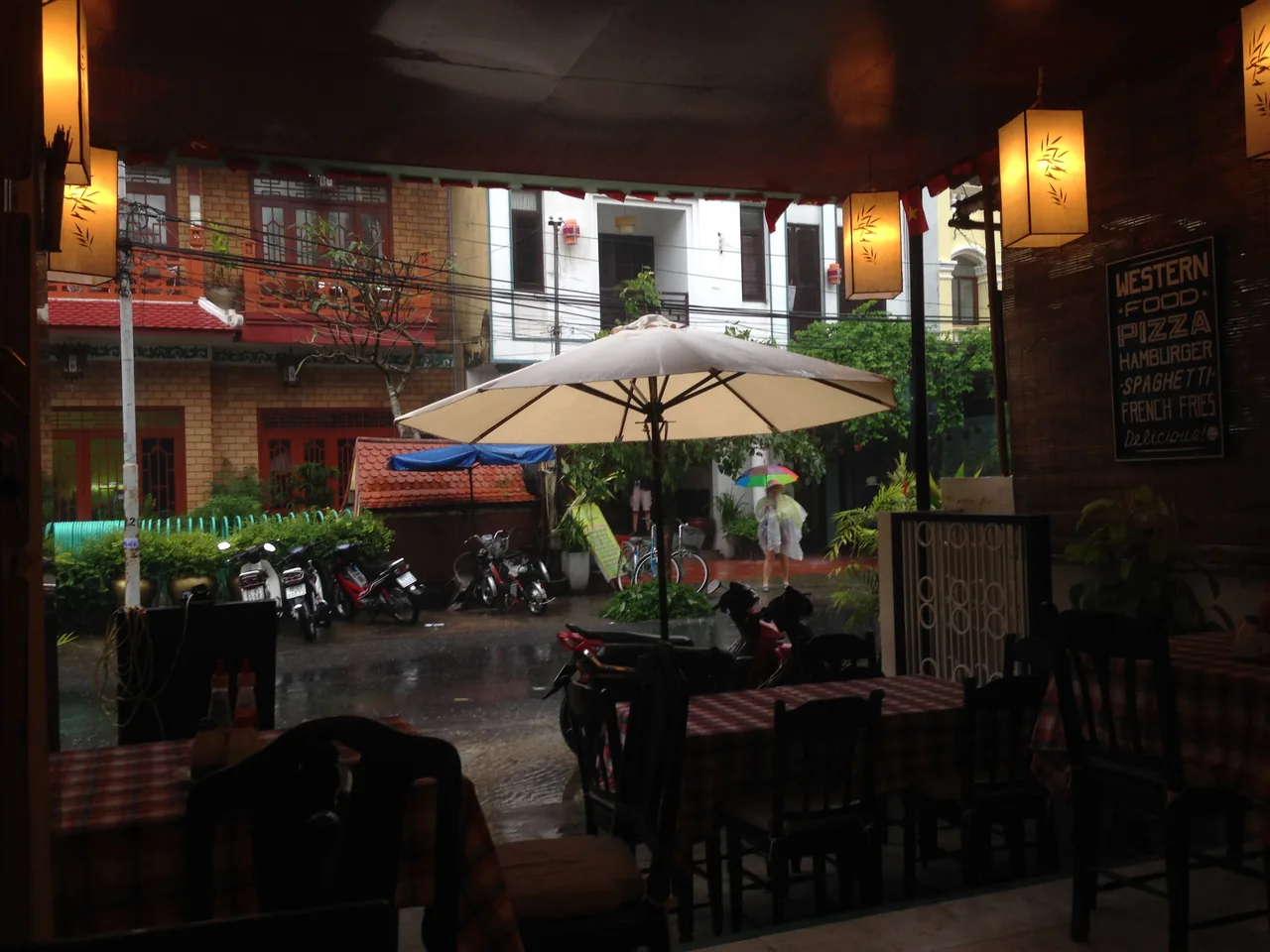
There’s a particular kind of afternoon in Da Nang during the wet months. The morning is bright and the beach is busy, and then somewhere around two or three o’clock the sky over the mountains turns the colour of slate, the wind picks up off the sea, and the first heavy drops smack the pavement. Within minutes the street is a shallow river, every scooter has pulled under an awning, and the whole city seems to pause — and then, almost as fast as it came, it’s gone, and the light comes back golden and washed-clean. That rhythm is the key to enjoying Da Nang in the rain: most of the time you’re not planning around a rainy day, you’re planning around a rainy hour or two. This guide is the one I wish I’d had on my first soggy afternoon here — the genuinely good things to do when the sky opens, whether you want to be cosy, cultured, pampered or just keep the kids happy and dry. Note: the wet season runs roughly September to December, with the heaviest, most reliable downpours in the late afternoon; the occasional storm in November or December can settle in for a day. (To plan your dates around the seasons in the first place, see our Da Nang weather guide, and for the bigger picture our complete Da Nang travel guide.)
1. First, What “Rain” Actually Means Here
Before you reorganise your whole trip, it helps to know what you’re dealing with — because rain in Da Nang isn’t one thing. For most of the wet season it’s the afternoon kind I described above: dramatic, warm, and over in an hour, with bright spells before and after. You can genuinely plan your day around it — beach and sights in the morning, something indoors from about 2 to 4pm, and you’re back out for a beautiful golden evening.
The exception is the tail end of the season. In November and, less often, December, a tropical low or the edge of a typhoon can park itself over central Vietnam and rain steadily for a day or two. Those are the days you lean fully into the indoor list below, keep an eye on local news, and don’t try to be a hero on a flooded road. Knowing which kind of rain you’ve got — a passing storm or a settled-in soak — tells you whether to wait it out over coffee or commit to a full cosy day.
2. The Rainy-Day Plan, at a Glance
If you only skim one thing, make it this. Pick by the mood you’re in, not by some checklist — a wet afternoon is permission to do exactly what you feel like:
| If you want to feel… | Go for… |
|---|---|
| Cosy and unhurried | A window-seat café + Vietnamese coffee |
| Thoroughly pampered | A long spa or massage |
| A little bit cultured | The Cham Museum or the 3D art museum |
| Playful and dry | Marble Mountains caves or a mall food court |
| Like you achieved something | A hands-on Vietnamese cooking class |
| Kept the kids happy | Mikazuki indoor water park & onsen |
| Above the clouds entirely | Ba Na Hills (often clear when the city isn’t) |
3. Coffee and a Window: The Local Ritual
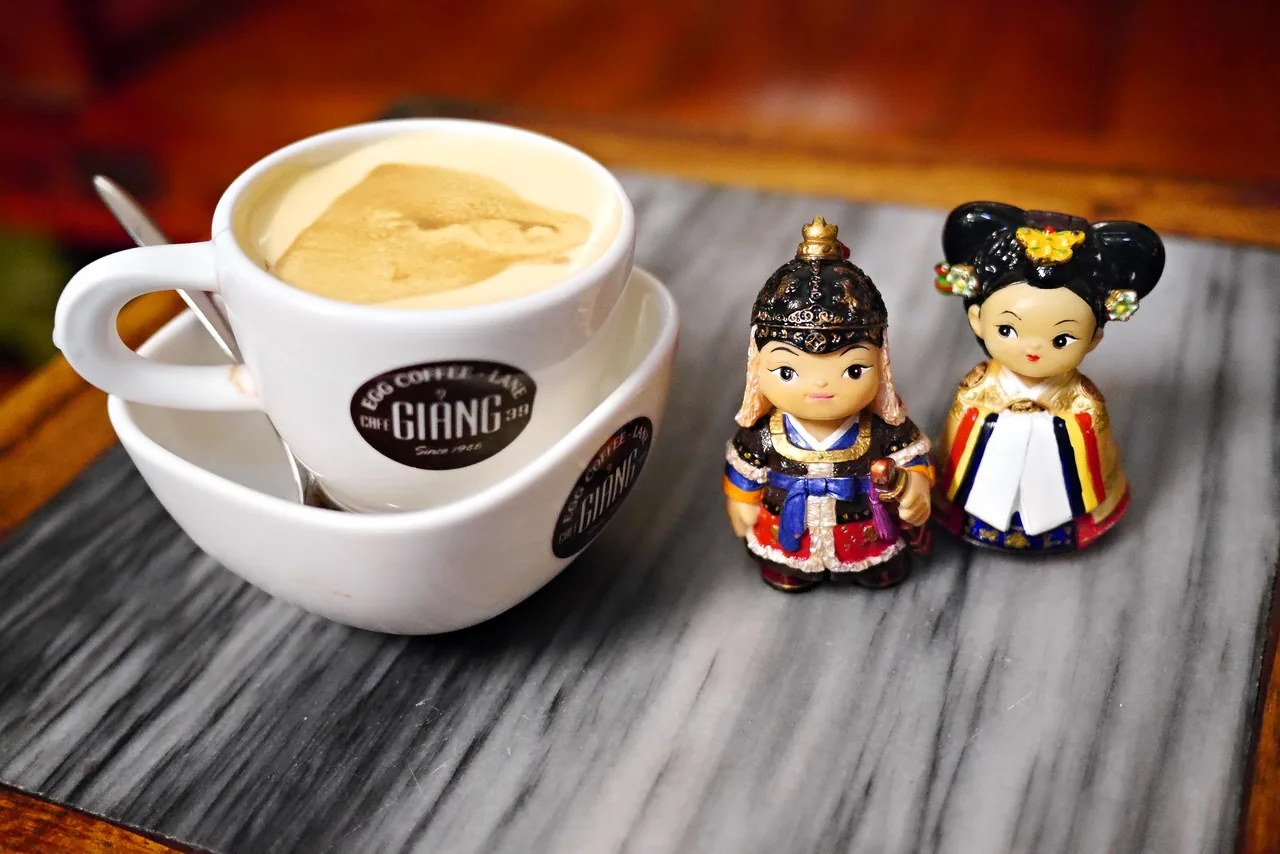
If you do one thing when it rains here, do this. Vietnamese coffee culture was practically built for grey afternoons, and Da Nang’s café scene is genuinely one of the best in the country. There’s a deep pleasure in ducking out of a downpour into somewhere warm and dim, ordering a cà phê sữa đá (iced coffee with condensed milk) or, my rainy-day favourite, a cà phê trứng — egg coffee, thick and warm and almost a dessert — and then simply watching the water sheet down the glass.
The city is full of the right kind of places: airy riverside spots where you can watch the storm move across the Han River, tiny tucked-away cafés with a single good window, and the rooftop and garden cafés that feel even more atmospheric under cloud. Order slowly, stay long — nobody will rush you, and the rain almost always clears before your second cup. For a proper run-down of where to go and what to order, see our Da Nang food & coffee guide.
4. A Long, Slow Massage
There is no better use of a wet afternoon than lying face-down on a heated table while the rain does its thing outside. Da Nang is one of the most affordable places in Asia for a genuinely good spa, and a downpour is the perfect excuse to stop pretending you have something better to do.
You’ll find everything from no-frills neighbourhood massage shops to lantern-lit spas with herbal baths, hot stones and the works, and even the nicer places cost a fraction of what you’d pay at home. Booking ahead is smart on a rainy day, because you won’t be the only one with the idea — wet afternoons are peak spa hours. An hour or two later you’ll walk out loose-limbed and a little dazed, and the odds are good the sky will have cleared while you were under.
5. Museums & a Little Culture
Da Nang’s indoor culture is better than its reputation, and the rain is the nudge most people need to finally go. Two stand out.
The Museum of Cham Sculpture is the city’s quiet treasure — a graceful old French building from 1915 holding the largest collection of Cham art in the world: a thousand years of sandstone gods, dancers and temple carvings, beautifully cool and hushed, and easily an hour or two out of the rain. At the other end of the mood spectrum, Art in Paradise, the 3D illusion museum, is pure silly fun — themed rooms where you pose inside the paintings, perfect with kids, a date, or anyone willing to be a bit daft for the camera (entry is around 200,000₫). There’s also the Da Nang Museum for the city’s history if you want a third option.
The Cham Museum pairs neatly with a visit to the temples it came from — our Hoi An & central-Vietnam guides pick up that thread when the weather turns.
6. Caves, Clouds & Ba Na Hills
Two of Da Nang’s headline sights actually work better, or at least just fine, in the wet — with a couple of caveats.
The Marble Mountains are riddled with caves and grottoes, and there’s something genuinely magical about ducking into a cool stone cavern with a pagoda inside while rain drips through the openings in the rock above. Much of the complex is sheltered. The catch is the marble steps, which get slippery — wear shoes with grip and take the lift up if it’s really coming down. And then there’s Ba Na Hills, the mountaintop park with the Golden Bridge: because it sits up at around 1,500m, it frequently pokes above the cloud line, so the city can be grey and soaked while you’re in sunshine at the top. It’s a genuine rainy-day trump card — though if the cloud is sitting on the summit rather than below it, the famous views vanish, so it’s a bit of a gamble worth checking the forecast for.
7. Malls, Markets & a Dry Afternoon of Shopping
Sometimes the answer is simply a big dry building with food in it, and Da Nang has those covered. Vincom Plaza and the Lotte Mart and GO! superstores give you air-conditioning, cinemas, food courts, supermarkets and an easy couple of hours without a drop on you. They’re not glamorous, but on a properly wet day they’re a small mercy — especially with kids.
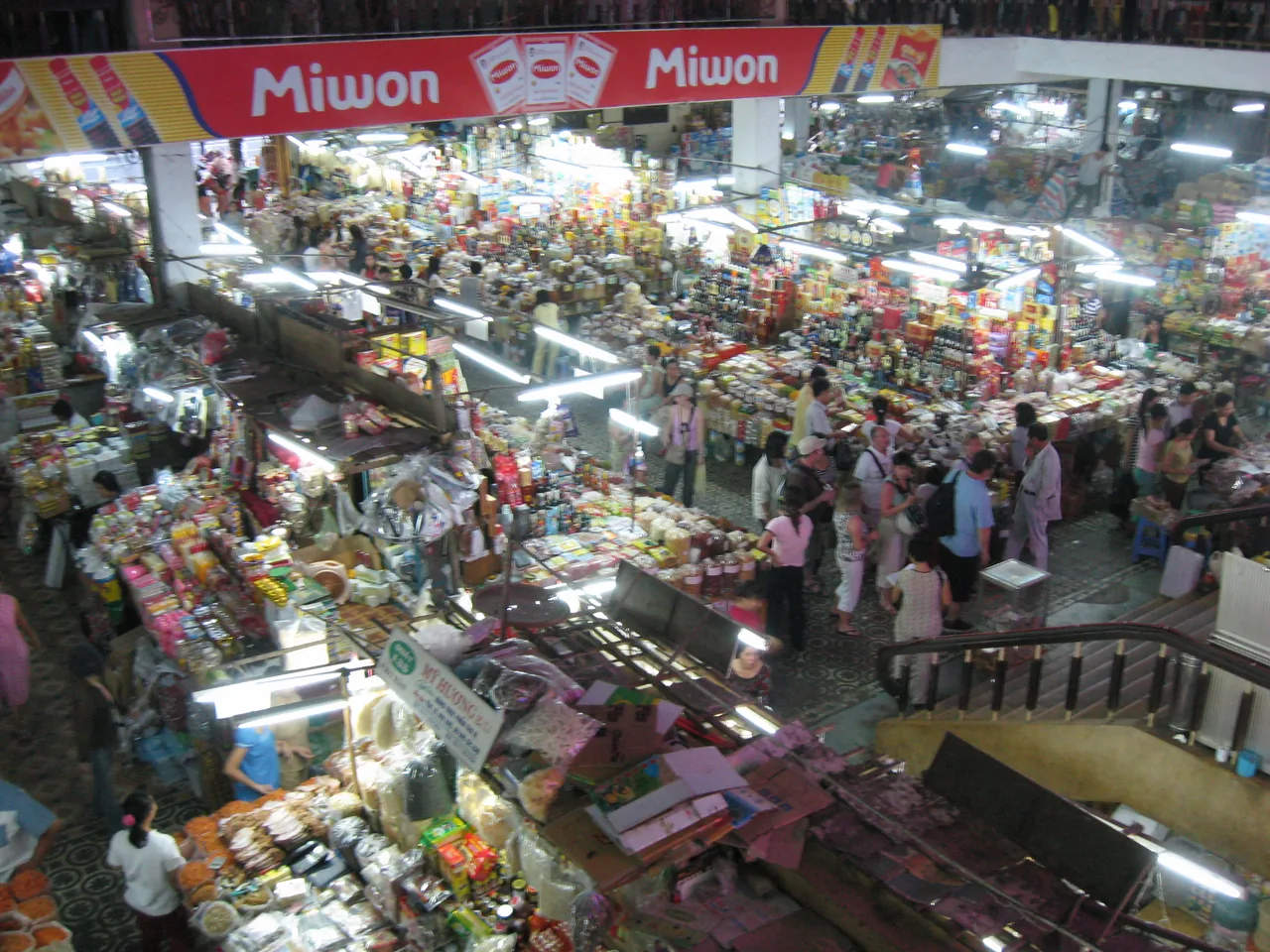
For something with more soul, the covered Han Market keeps the rain off while you browse the silk, dried mango, coffee and made-to-measure tailoring, and graze the food stalls inside. It’s the rare rainy-day option that still feels like Vietnam rather than anywhere. For what to buy and how to haggle without overpaying, see our guide to common scams and fair prices — handy whenever money changes hands at a market.
8. Learn to Cook It Yourself
Of all the rainy-afternoon options, a Vietnamese cooking class is the one people seem to remember longest. They run almost entirely indoors, they fill two or three hours beautifully, and you walk away able to recreate a little of the trip back home. A typical class starts with a wander through a market (umbrella up), then settles into a kitchen to turn out fresh spring rolls, a steaming bowl of phở or the local mì Quảng, and something sweet — all of it eaten, happily, as your own late lunch.
And if cooking sounds like effort, simply lean into rainy-day eating instead. This is exactly the weather for a bubbling hotpot (lẩu) shared around a table, a bowl of something brothy and warm, or a long, lazy seafood lunch under cover while it pours. Our Da Nang food guide has the dishes and spots worth getting wet for.
9. A Rainy Day with Kids
Wet weather and restless children is the combination this guide exists for, and Da Nang has a genuine ace up its sleeve: Mikazuki, a vast Japanese-style resort complex with a fully indoor, heated water park — wave pool, slides, lazy river, a kids’ splash zone — plus real Japanese onsen baths and saunas for the grown-ups. It is, more or less, weatherproof fun for the whole family, and easily fills a day if the rain has truly set in.
Beyond that, the 3D art museum turns a grey hour into a giggling photo session, the malls have soft-play areas and cinemas (some with English-language screenings), and a covered market food crawl keeps everyone fed. Pack a change of clothes and lean into it — kids tend to remember the indoor water park long after they’ve forgotten the beach they missed. For more along these lines, see our family-friendly resort guide.
10. The Practical Bit: Ponchos, Timing & Staying Safe
A few small things make the difference between rain ruining your afternoon and barely registering:
- Buy a poncho early. Every convenience store sells the thin plastic kind for around 20,000₫. Keep one in your bag from day one and a downpour becomes a non-event rather than a scramble.
- Work with the rhythm. In the wet season, front-load your day — beach and outdoor sights in the morning, the indoor plans for the afternoon shower. Fighting the pattern is the only way to lose.
- Grab gets trickier in heavy rain. Cars stay fine, but bike taxis thin out and prices nudge up the moment it pours, so allow a little extra time and patience.
- Respect the serious days. If a storm has genuinely set in — roads flooding, a typhoon in the news — stay put, skip the mountain passes and any boat trips, and treat it as a permission slip for a slow day. The weather guide explains the season’s bigger picture.
Do that, and Da Nang in the rain stops being something to endure and becomes one of the quieter pleasures of the trip — the city at its most local, and you with the perfect excuse to slow right down. When you’re ready to map out the rest, our complete Da Nang travel guide ties it all together.
🎟️ See Da Nang tour prices & deals →
Affiliate link — we may earn a commission at no extra cost to you.