
Da Nang Digital Nomad Guide 2026: Cost of Living, Internet, Coworking, Visas & Where to Live
Beach in the morning, fast fibre by noon, a $1-coffee desk all afternoon. Da Nang has quietly become one of Asia’s best-value bases for remote workers. Here’s the honest, numbers-first guide: what it really costs, how fast the internet is, the best coworking and neighbourhoods, the truth about visas, and whether it’s right for you.
- Why Da Nang: a walkable beach city with fast, cheap internet, a low cost of living, clean air and a friendly nomad community — plus weekend trips to Hoi An and Ba Na Hills. It’s Vietnam’s quiet nomad capital.
- Cost of living: a comfortable single nomad spends roughly US$900–1,300 a month (you can do it leaner near $700). Rent for a modern 1-bedroom near the beach is about $250–450.
- Internet: excellent. Home fibre runs ~280–310 Mbps for about $7/month; cafés and apartments do 50–150 Mbps; coworking spaces have gigabit and backup generators. Get an eSIM for the moment you land.
- Coworking: day passes are about $10–15; monthly hot-desks are cheap. The scene clusters in An Thuong / My An, the nomad neighbourhood a 5-minute walk from My Khe Beach.
- Visa: Vietnam has no digital-nomad visa. Most people use the 90-day e-visa (~$25–50, applied online) and extend or do a visa run. Note: working online on a tourist/e-visa is technically not permitted — read the visa section below.
1. Why Da Nang for Digital Nomads?
2. The Cost of Living: A Real Monthly Budget
3. Internet & Connectivity (The Real Numbers)
4. The Best Coworking Spaces in Da Nang
5. Where to Live: The Nomad Neighbourhoods
6. Finding an Apartment & What Rent Costs
7. Cafés to Work From
8. The Visa Situation: The Honest Truth
9. Getting Around & Daily Life
10. Community, Things to Do & Weekend Trips
11. Pros, Cons & Is Da Nang Right for You?
A few years ago, if you’d asked a remote worker where to base themselves in Southeast Asia, the answer was Chiang Mai or Bali. Today, more and more of them are quietly answering “Da Nang.” Da Nang is a mid-sized beach city on Vietnam’s central coast that has become one of Asia’s best-value bases for digital nomads, thanks to fast and famously cheap internet, a low cost of living of roughly US$900–1,300 a month, long clean beaches, breathable air and an easy, walkable lifestyle. It doesn’t have the party-hostel buzz of some nomad hotspots, and that’s the point: people come here to actually get work done, swim before the first call, and live well without burning through savings. This guide is the honest, numbers-first version: exactly what a month costs, how fast (and cheap) the internet really is, the best coworking spaces and the neighbourhoods nomads live in, how to find an apartment, the genuine truth about visas and working legally, daily life and community, and a frank look at the downsides. Whether you’re scouting a one-month trial or a six-month base, you’ll know what you’re getting into. For the bigger picture of the city, pair this with our complete Da Nang travel guide, and for getting online from minute one, our best eSIM for Vietnam guide.

1. Why Da Nang for Digital Nomads?
Da Nang’s appeal is a rare combination: a real beach city that is also cheap, fast and easy to live in. Plenty of places offer one or two of those; Da Nang stacks up all of them at once, which is why it has crept up the rankings to become Vietnam’s quiet nomad capital.
Here’s what actually pulls people in:
- Fast, cheap internet — the single biggest reason. Vietnam has some of the best-value broadband in the world (more on the numbers below).
- Low cost of living — you can live comfortably for around $1,000–1,300 a month, less if you’re frugal.
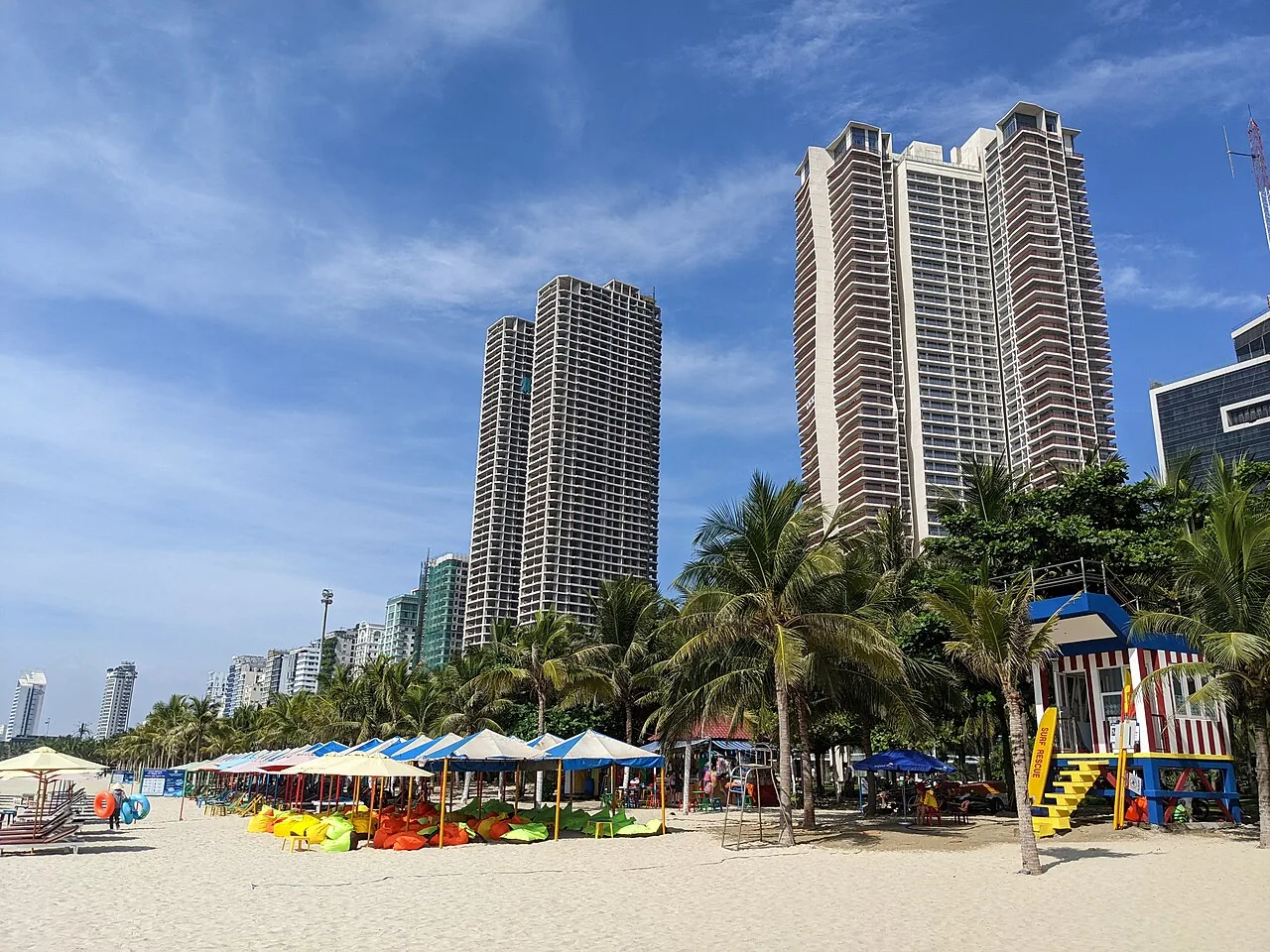
- The beach — My Khe is a long, clean, swimmable city beach you can reach on foot or a short scooter ride from most nomad apartments.
- Walkable, low-stress — Da Nang is calmer and cleaner than Hanoi or Ho Chi Minh City, with far less traffic and noticeably fresher air.
- Community — an established, welcoming scene of coworking spaces, cafés and meetups, without being overrun.
- A great base — Hoi An, Ba Na Hills and the Hai Van Pass are all day-trip distance for weekends.
2. The Cost of Living: A Real Monthly Budget
A single digital nomad lives comfortably in Da Nang on about US$900–1,300 per month, and a lean budget is closer to $700. That makes it cheaper than Bali, Bangkok or even Chiang Mai for similar comfort. Here’s a realistic mid-range breakdown for one person:
| Expense | Typical monthly (USD) | Notes |
|---|---|---|
| Rent (1-bed / studio) | $250–450 | Modern, near the beach; cheaper further in |
| Coworking | $60–120 | Or work from cafés for the price of coffee |
| Food | $200–350 | Mix of local (cheap) and Western (pricier) |
| Transport | $40–80 | Monthly scooter rental or Grab |
| SIM / data | $5–10 | Cheap and fast |
| Fun, gym, extras | $150–300 | Coffee, drinks, weekend trips |
| Total | ~$900–1,300 | Comfortable single; less if frugal |
Prices are in US dollars because that’s how nomads usually think, but you’ll pay in Vietnamese đồng — roughly $1,000 ≈ 26,000,000 VND. The biggest variable is rent and how often you eat Western food versus local: a bowl of local noodles costs a dollar or two, a Western brunch four or five times that. For the full money picture — ATMs, cards and cash — see our Vietnam money guide.
3. Internet & Connectivity (The Real Numbers)
This is Da Nang’s killer feature, so let’s be specific. Vietnam has some of the fastest, cheapest internet in the world, and Da Nang is no exception.
| Where | Typical speed | Cost |
|---|---|---|
| Home fibre (FPT/Viettel) | ~280–310 Mbps | ~US$7–10/month |
| Apartment / café wifi | 50–150 Mbps | Included / free |
| Coworking | Gigabit + backup generator | In your day/month pass |
| Mobile data (eSIM/SIM) | 4G/5G, fast | ~$5–10/month |
In practice you’ll rarely be offline. Most apartments come with fast fibre included, cafés advertise their wifi, and serious coworking spaces run backup generators so a power cut doesn’t kill your call. The one gap is your first hour in the country — before you’ve got a local SIM or apartment wifi — so arrive with a data plan ready. We compare the options in our best eSIM for Vietnam guide; grab one and you’re online the moment you land.
4. The Best Coworking Spaces in Da Nang
Da Nang has a solid spread of coworking spaces, most with day passes around US$10–15 and cheap monthly hot-desks, clustered in and around the An Thuong nomad district. The long-running favourites include:
| Space | Known for |
|---|---|
| Enouvo Space | The most established; multiple branches, events, reliable |
| The Hive / Enosta | Popular community spaces with good wifi and coffee |
| Seaview Coworking | Near the beach, bright and airy |
| ACE / Tiktak | Budget-friendly hot-desks |
Exact names, locations and prices shift year to year, so treat this as a starting list and check current reviews. Most offer a day pass to try before committing, plus weekly and monthly rates, fast wifi, meeting rooms, coffee and — crucially — backup power. They’re also the easiest way to plug into the community: many run talks, language exchanges and social nights. If you prefer a more relaxed setup, Da Nang’s café scene is a genuine alternative — plenty of work-friendly cafés with strong wifi and aircon.

5. Where to Live: The Nomad Neighbourhoods
Most nomads base themselves in An Thuong (also called My An), the walkable district just back from My Khe Beach — it has the highest concentration of cafés, coworking, Western food and fellow nomads. But it’s not the only option, and each area is a trade-off:
| Area | Vibe | Trade-off |
|---|---|---|
| An Thuong / My An | The nomad hub: cafés, coworking, walkable, 5 min to beach | Touristy, some karaoke noise & construction; highest rents |
| My Khe beachfront | Wake up by the sea, sunrise swims | Pricier; a bit further from the café cluster |
| Son Tra side (north) | Quieter, more local, near the peninsula | Fewer nomad cafés; need a scooter |
| Hai Chau (city centre) | Local life, cheapest, riverside | Not beachside; more urban |
For a one-month trial, An Thuong is the safe first base — you can walk to everything and figure out the city before committing. If you crave quiet or want to save money, drift north toward Son Tra or inland to Hai Chau once you know your way around. Our full where to stay in Da Nang guide breaks down every area, and the beaches guide covers the coastline you’ll be living next to.
6. Finding an Apartment & What Rent Costs
A modern one-bedroom or studio near the beach typically runs US$250–450 a month on a longer lease, with beach-view places climbing to $350–550. Short stays cost more per night, so the trick is to book a hotel or Airbnb for your first week, then find a monthly place on the ground.
| Type | Monthly (USD) |
|---|---|
| Studio, a few mins from the sand | $200–350 |
| Modern 1-bedroom near My Khe | $250–450 |
| Studio with a beach view | $350–550 |
| Local/older place, further in | $150–250 |
The best deals are found on the ground, not online: walk the An Thuong streets looking for “for rent” signs, ask in coworking spaces, and join the Da Nang expat and nomad Facebook groups, where apartments turn over constantly. Expect to pay a deposit (usually one month) and check what’s included — most rents cover wifi and cleaning, but confirm electricity, which is billed on top and adds up if you run aircon all day. Budgeting and paying rent is easier once you’ve sorted cash and cards; our money guide covers that.
7. Cafés to Work From
Not everyone wants a coworking membership, and Da Nang’s café culture makes that easy. The city is full of work-friendly cafés with strong wifi, aircon, plug sockets and a coffee that costs barely a dollar. Vietnamese coffee is excellent and cheap, so a day of “desk rent” can literally be the price of two iced coffees.
The trick is matching the café to the task: bright, buzzy spots for emails and admin; quieter, air-conditioned ones for deep work or calls (step outside or book a coworking meeting room for important video calls, since cafés can be noisy). The An Thuong area alone has dozens within walking distance. Our dedicated Da Nang coffee & café guide rounds up the best spots — including the ones that genuinely welcome laptop workers for hours.
8. The Visa Situation: The Honest Truth
This is the part that trips people up, so here’s the straight version. Vietnam does not have a digital-nomad visa. As of 2026 there’s no dedicated permit for remote workers, and the much-discussed “golden visa” is still only a proposal. What nomads actually use is the e-visa:
| Option | Details |
|---|---|
| E-visa (the main route) | Up to 90 days, single or multiple entry, ~US$25–50, applied online at evisa.xuatnhapcanh.gov.vn, approved in ~3 working days, open to all nationalities |
| Extending | Apply at a local immigration office for ~30–90 more days, or do a visa run (exit and re-enter on a fresh e-visa) |
| Tax residency | Trigger at 183 days in a year (then 5–35% on worldwide income); under that, most pay no Vietnamese tax on remote earnings |
Now the honest caveat: technically, working — even online for a foreign employer — is not permitted on a tourist or e-visa. Vietnamese law reserves “labour activities” for work-permit holders, and on paper the penalty is a fine. In practice, large numbers of nomads work remotely here without issue, but you should know the rule, not just assume it doesn’t exist, and decide your own risk comfort. For the full step-by-step on applying, entry points and extensions, see our Vietnam e-visa guide. This is general information, not legal advice — check the official site and your own situation.
9. Getting Around & Daily Life
Day-to-day, Da Nang is wonderfully low-friction. Most nomads either rent a scooter by the month (about US$40–70) or rely on Grab, the ride-hailing app, for cheap cars and bikes on demand. The city is flat and compact, so within An Thuong you can mostly walk.
- Transport: monthly scooter rental is cheapest if you’re confident riding; otherwise Grab (and Xanh SM) get you anywhere for a few dollars.
- Food: eat local and you’ll spend a dollar or two a meal; our Da Nang food guide has the essentials, from noodles to street eats.
- Money: ATMs are everywhere; bring a fee-friendly card and some cash — details in our money guide.
- Connectivity: sort an eSIM before arrival, then a cheap local SIM or apartment fibre.
- Gyms, laundry, groceries: all cheap and plentiful; laundry services charge by the kilo, and there are Western supermarkets for home comforts.
It adds up to a life where the boring logistics are easy and cheap, leaving your energy for work and the beach.
10. Community, Things to Do & Weekend Trips
One worry about a smaller city is whether you’ll be lonely. In Da Nang you won’t be: there’s an established, friendly nomad and expat community, anchored by the coworking spaces, cafés and Facebook groups. Coworking spaces run talks, language exchanges and social nights, and it’s genuinely easy to meet people.
Beyond work, the lifestyle is the draw. You can swim at sunrise, surf in season, cycle the coast road, or hike Son Tra, and the city has a real food and café scene. Best of all, Da Nang is a perfect base for weekends: lantern-lit Hoi An is 40 minutes south, the beaches stretch for miles, and Ba Na Hills, the Marble Mountains and the Hai Van Pass are all easy day trips. Many nomads settle into a rhythm of focused weekday work and a Saturday exploring central Vietnam.
11. Pros, Cons & Is Da Nang Right for You?
Let’s be balanced. Da Nang is brilliant for a lot of remote workers, but it isn’t perfect for everyone.
| Pros | Cons |
|---|---|
| Fast, cheap internet | No digital-nomad visa (90-day e-visa juggling) |
| Low cost of living + beach | Rainy season (roughly Sep–Dec) can be wet |
| Clean air, walkable, low stress | Smaller nightlife/scene than a megacity |
| Friendly nomad community | An Thuong can feel touristy & under construction |
| Great base for weekend trips | Language barrier outside tourist areas |
Da Nang is right for you if you want to actually work, live by the sea, keep costs low and skip big-city chaos — a fast-internet beach base rather than a party town. It’s ideal for focused remote work, couples and anyone after a calm, affordable few months in Asia. If you need a huge nightlife scene, a frictionless long-stay visa, or guaranteed sunshine year-round, weigh it against alternatives. For most people testing the waters, a one-month trial in An Thuong is the perfect way to find out. Plan the rest of your stay with our complete Da Nang travel guide, and get online from day one with our eSIM guide.
🎟️ See Da Nang tours & weekend day trips →
Affiliate link — we may earn a commission at no extra cost to you.