
Tra Que Herb Village, Hoi An 2026: Farming, Foot Baths & the UN’s Best Tourism Village
The complete guide to Tra Que Vegetable Village — the 400-year-old organic herb village named a UN Tourism Best Village: what to do, prices, the farming experience, the famous foot soak and how to visit.
- What: a 400-year-old organic herb-growing village just outside Hoi An — named a UN Tourism Best Tourism Village 2024.
- Where: Hoi An Tay, about 3 km north of the Old Town — an easy bike ride.
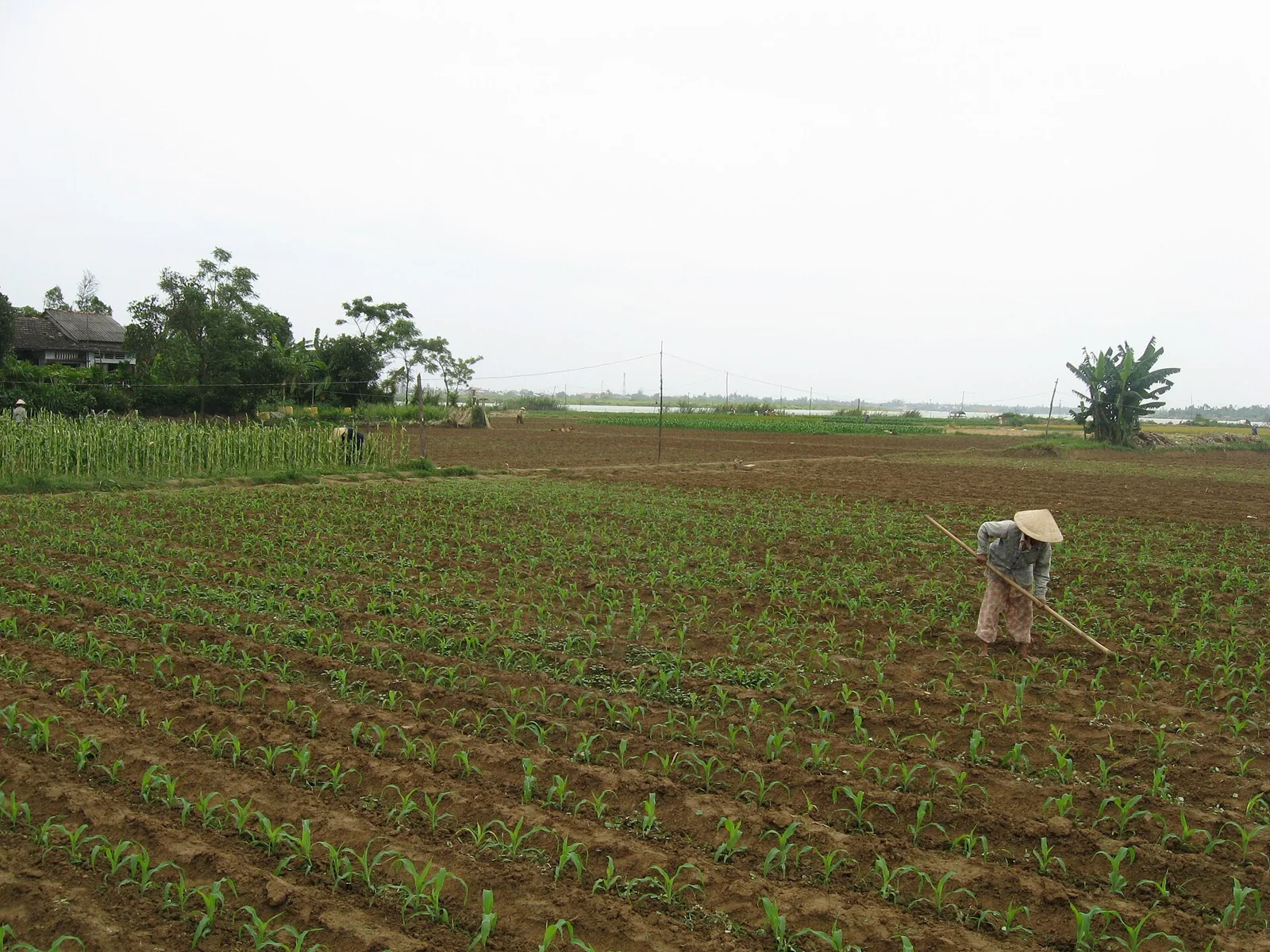
- Do: become a farmer for a day, soak in a herbal foot bath, take a farm-to-table cooking class, cycle the lanes.
- Price: a 35,000₫ (≈$1.50) village ticket covers sightseeing & farming; classes and foot baths cost extra.
- Best time: early morning or late afternoon for soft light and cool air.
1. Tra Que Herb Village at a Glance
2. What Is Tra Que Herb Village?
3. Why the Herbs Are So Special
4. Become a Farmer for a Day
5. The Herbal Foot Soak & Wellness
6. A Farm-to-Table Cooking Class
7. Cycling Through the Village
8. What to Eat at Tra Que
9. How Much Tra Que Costs
10. How to Get There from Hoi An
11. Best Time to Visit
12. Combine It: Cooking, Basket Boat & An Bang Beach
13. With Kids, Families & Photography
14. Is Tra Que Worth It? Tips & a Sample Plan
Just north of Hoi An, between the Old Town and the beach, lies one of the loveliest half-days in central Vietnam: Tra Que Herb Village (Làng rau Trà Quế), a 400-year-old organic farming community that the UN named one of the world’s Best Tourism Villages in 2024. Here you can pull on a conical hat and farm alongside the growers, soak tired feet in a herbal bath, learn to cook with herbs you’ve just picked, and cycle lanes lined with forty kinds of fragrant greens. This is our complete guide: what to do, exactly what it costs, why the herbs are world-famous, how to get there and how to fold it into a perfect Hoi An day. (Planning the whole trip? Start with our complete Hoi An guide and the Hoi An activities guide.)
| ⏰ Hours | ≈07:00–18:00 daily (best early morning or late afternoon) |
| 💵 Entry / price | Village ticket ≈35,000₫ (≈$1.50); foot bath ≈$5–10; cooking class ≈$25–45 |
| 📍 Location | Hoi An Tay, ~3 km north of the Old Town (towards An Bang beach)📍 Map → |
| 🚗 Getting there | ~15 min by bike from the Old Town; or scooter, taxi/Grab, or a tour |
| ⏱️ Time needed | 2–4 hours (half-day with a class) |
| 📅 Best time | Early morning or late afternoon; dry season Feb–Apr & Sep–Dec |
1. Tra Que Herb Village at a Glance
Here’s the whole thing in one box before we go deeper:
| Detail | What to know |
|---|---|
| What | 400-year-old organic herb & vegetable village — UN Tourism Best Tourism Village 2024 |
| Where | Hoi An Tay, ~3 km north of the Old Town (towards An Bang beach) |
| Ticket | ≈35,000₫/person (≈$1.50) — sightseeing & farming experience |
| Do | Farming, herbal foot soak, cooking class, cycling, photos |
| Foot bath / cooking class | Extra (≈$5–10 foot bath; ≈$25–45 cooking class) |
| Time needed | 2–4 hours (half-day with a class) |
| Best time | Early morning or late afternoon; dry months Feb–Apr & Sep–Dec |
| Book | Walk in for the ticket, or book a farming/cooking tour (Klook / KKday) |
2. What Is Tra Que Herb Village?
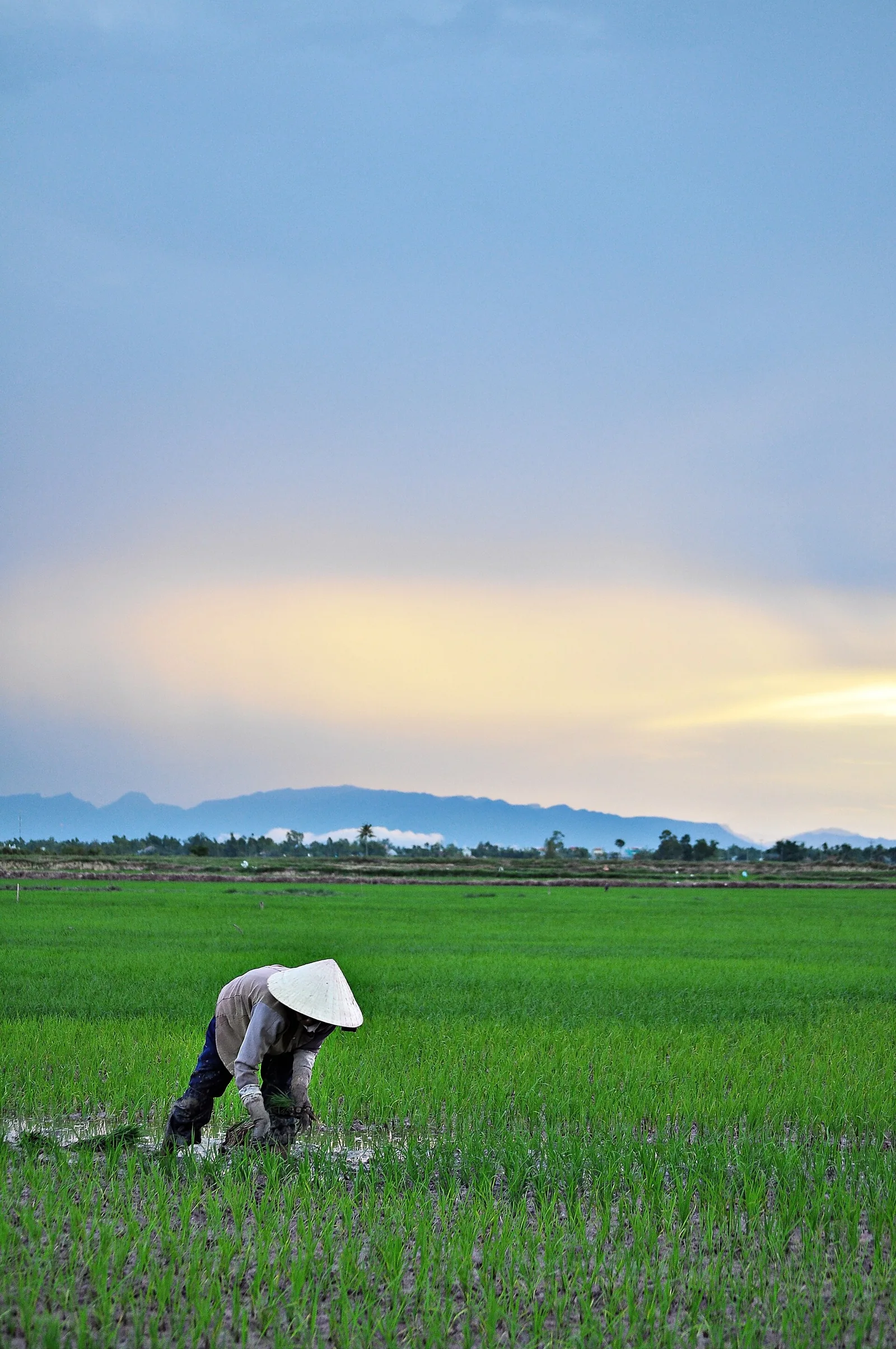
Tra Que is a working organic village of around 40 hectares where roughly a hundred families have grown herbs and vegetables for more than 400 years. It sits on a strip of land between the De Vong (Cổ Cò) river and a lagoon, just north of the Old Town on the way to the beach.
In 2024 the UN’s tourism body (UN Tourism / UNWTO) named Tra Que one of the world’s Best Tourism Villages — recognition of its sustainable, centuries-old farming and the way it has opened up to visitors without losing its soul. It’s not a theme park: real farmers really work these beds every day, and you join them.
For travellers it’s a window into rural Vietnam a short ride from the lanterns — green, calm and genuinely photogenic.
3. Why the Herbs Are So Special
Tra Que’s vegetables are famous across Vietnam, and the secret is in the soil — and the water:
- River algae as fertiliser: the farmers feed the beds with rong, a green algae/seaweed scooped from the nearby river and lagoon. It’s a natural fertiliser found here and few other places.
- Fully organic: no chemicals — just algae, compost and hand-watering, the way it’s been done for centuries.
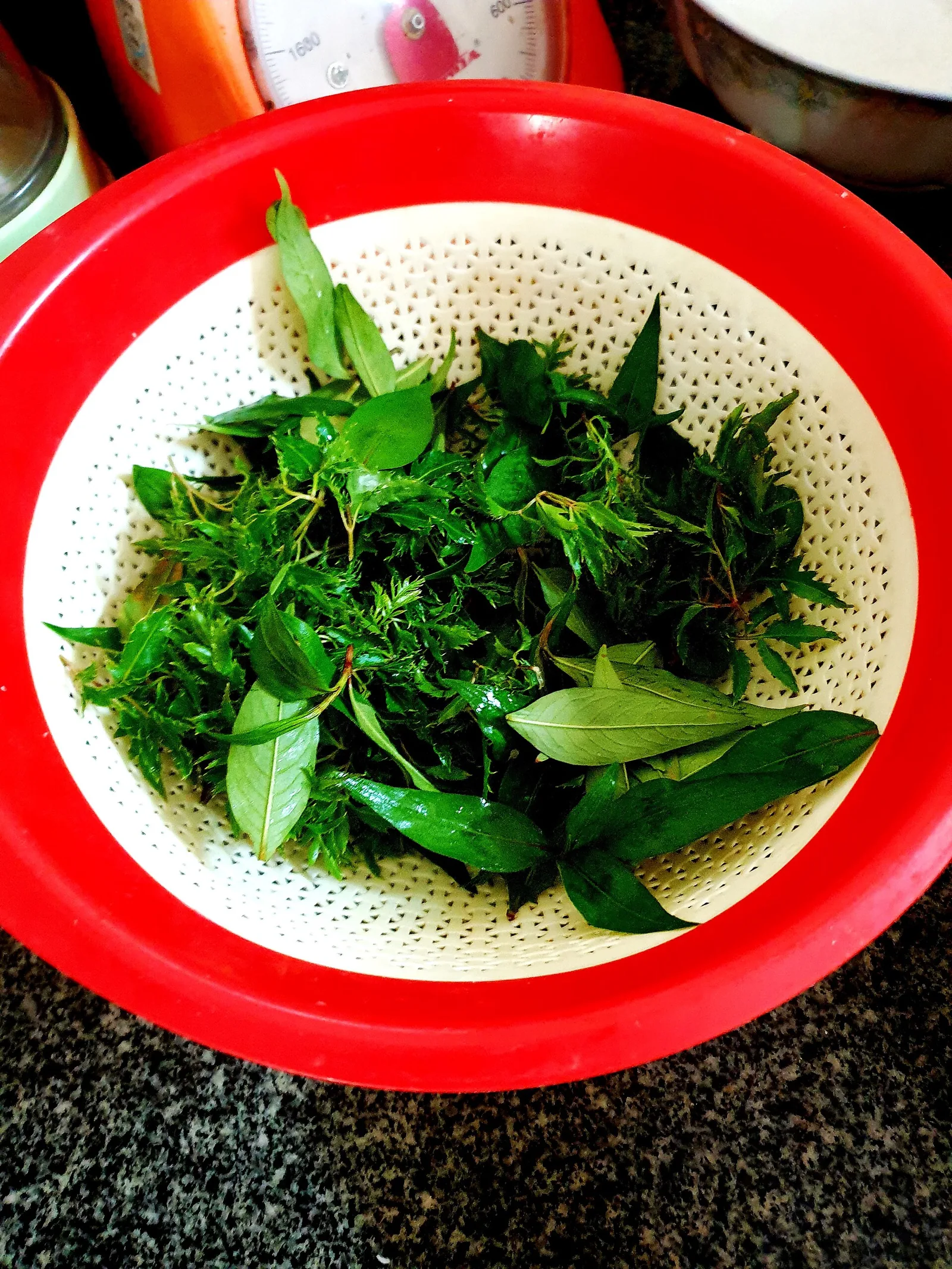
- Forty-plus herbs: basil, mint, coriander, perilla, lemongrass, fish-mint and more, grown intensely in small raised beds.
- The aroma: Tra Que herbs are prized by Hoi An’s restaurants for a distinctive fragrance locals credit to the algae and the climate.
That’s why so many of Hoi An’s signature dishes — and our food guide favourites — lean on Tra Que greens.
4. Become a Farmer for a Day
The headline experience is hands-on farming, guided by the growers:
- Dress the part: you pull on a conical hat (nón lá) and sometimes a farmer’s shirt.
- Prepare the beds: learn to rake and turn the soil, and to spread the river-algae fertiliser.
- Sow & plant: press in seeds and seedlings the traditional way.
- Water like a local: carry the famous twin watering cans on a shoulder pole and water the beds — harder (and funnier) than it looks.
- Harvest: pick fresh herbs to smell, taste and often cook with afterwards.
5. The Herbal Foot Soak & Wellness
After farming or cycling, Tra Que’s signature reward is a herbal foot bath:
- What it is: a warm soak in water boiled with the village’s own medicinal herbs — lemongrass, basil, ginger and more.
- Why: it eases tired legs and is wonderfully relaxing after a morning in the beds or on a bike.
- Often paired with a herbal massage and a cup of herbal tea.
- Cost: roughly $5–10, sometimes included in farming or cooking packages.
6. A Farm-to-Table Cooking Class
Tra Que is one of the best places near Hoi An for a cooking class, because you cook with herbs you’ve literally just harvested:
- Pick then cook: harvest your own herbs and vegetables, then a chef guides you through local dishes.
- What you’ll make: Hoi An specialities like mì Quảng, bánh xèo, fresh spring rolls and the village’s own tam hữu herb rolls.
- Eat it all: the class finishes with a meal of everything you’ve cooked.
- Veg-friendly: a herb village is naturally great for vegetarians and vegans — just ask.
7. Cycling Through the Village
Half the joy of Tra Que is getting there and around on two wheels:
- The ride out: a flat, scenic 15-minute cycle from the Old Town through rice paddies and along the river.
- Around the village: car-free lanes between the green beds are made for a gentle pedal and frequent photo stops.
- Bikes: many hotels lend them free, or rent one in town for ≈25,000₫; e-bikes and scooters work too (see our scooter guide).
- Combine the ride with the Cam Thanh basket boat for a classic countryside loop.
8. What to Eat at Tra Que
Naturally, the food here is herb-forward and fresh:
- Tam hữu (“three friends”): Tra Que’s signature — fresh rolls of shrimp, pork and herbs tied with a chive, found here above all.
- Bánh xèo: crispy turmeric pancakes loaded with the village’s herbs.
- Mì Quảng & salads: the local noodle dish and herb-heavy salads taste their best here.
- Herbal tea: a fragrant brew from the same gardens.
For the wider scene, see our what to eat in Hoi An guide.
9. How Much Tra Que Costs
Tra Que is excellent value. Rough prices:
| Item | Typical price |
|---|---|
| Village ticket (sightseeing + farming) | ≈35,000₫/person (≈$1.50) |
| Herbal foot bath | ≈$5–10 |
| Cooking class (with farming) | ≈$25–45 |
| Cycling + farming half-day tour | ≈$20–40 |
| Bicycle rental | ≈25,000₫/day |
10. How to Get There from Hoi An
Tra Que is an easy hop, about 3 km north of the Old Town towards An Bang beach:
- By bicycle: the nicest way — a flat, pretty 15-minute ride; many hotels lend bikes free.
- By scooter: 8–10 minutes; see our scooter rental guide.
- By taxi or Grab: ~10 minutes, cheap and easy.
- On a tour: most farming and cooking tours include hotel pickup from Hoi An, and many from Da Nang.
11. Best Time to Visit
Timing makes Tra Que magical. Pair this with our Hoi An weather guide and best-time guide:
- Best of day: early morning (cool, the farmers are working, soft light) or late afternoon for golden light and sunset over the beds.
- Avoid the midday heat, when the open beds offer little shade.
- Best seasons: February–April and September–December, when it’s drier and comfortable; the village is green year-round.
- Rainy spells (Oct–Nov): the foot bath and cooking class are lovely even when it drizzles.
12. Combine It: Cooking, Basket Boat & An Bang Beach
Tra Que is short, so it pairs beautifully with the rest of the countryside:
- A cooking class: the natural partner — farm, then cook what you picked.
- The Cam Thanh basket boat: many bike tours loop both villages in one morning.
- An Bang beach: Tra Que is on the way — finish with lunch and a swim by the sea.
- The lanterns after: head back to town for the lantern-lit Old Town in the evening.
See how it all fits in our Hoi An itinerary.
13. With Kids, Families & Photography
Tra Que is a winner for families and photographers alike:
- Great with kids: planting, watering with the twin cans and harvesting are hands-on and fun; gentle and safe.
- Photography: the geometric green beds, conical hats and golden-hour light are gorgeous — come early or late and bring a wide lens.
- Respect the farms: these are working beds — follow your guide, don’t trample the rows, and ask before photographing farmers up close.
- More family ideas in our Da Nang with kids guide.
14. Is Tra Que Worth It? Tips & a Sample Plan
Yes — it’s one of Hoi An’s most charming and best-value half-days, and the UN Best Village recognition is well earned. The farming is genuinely fun, the foot bath blissful, the cooking class memorable, and the cycle out is half the pleasure. It’s cheap, green and a lovely contrast to the Old Town crowds.
Tips: go early or late; bring sun protection, small cash and mosquito repellent; wear sandals you don’t mind getting muddy; and book a combined farming-and-cooking tour for the best value.
A sample half-day
| Time | Plan |
|---|---|
| 07:30 | Cycle out from the Old Town through the paddies |
| 08:00 | Buy the ticket; farming with the growers — hoe, sow, water, harvest |
| 09:30 | Herbal foot bath and a cup of herbal tea |
| 10:00 | Farm-to-table cooking class with your harvested herbs |
| 12:00 | Eat your feast; cycle on to An Bang beach or back to town |
🎟️ Book this experienceCompare on KlookCompare on KKday
Affiliate link — we may earn a commission at no extra cost to you.