
Hanoi Travel Guide 2026: The Old Quarter, Hoan Kiem Lake & Everything First-Timers Need
Vietnam’s thousand-year-old capital. Where to stay, how many days to give it, what to eat and how to get around — the whole picture, even if you’re starting from scratch.
- What kind of city: a thousand-year-old capital. A tangled Old Quarter, calm Hoan Kiem Lake right in the middle, French-era boulevards, and some of Vietnam’s best street food — all in one place.
- How many days: the city itself needs 2–3 days. Add a day trip to Ha Long Bay or Ninh Binh and the plan really fills out.
- When to go: unlike the south, Hanoi has four seasons. Autumn (Sep–Nov) is the sweet spot; winter (Dec–Feb) is cooler than you expect, so pack a jacket.
- What to eat: this is the home of pho. Do not miss bun cha (the dish Obama had), the city’s own egg coffee, and a glass of street-corner bia hoi.
- Budget: mid-range runs about $35–60 a day. Hanoi street food is genuinely cheap.
1. What Hanoi is really like
2. How the neighbourhoods feel
3. When to go
4. How many days to plan
5. What to see
6. Getting there and getting around
7. What to eat
8. Day trips from Hanoi
9. Where to stay
10. What it costs
11. Next steps
1. What Hanoi is really like
Hanoi is Vietnam’s capital, and a city people have lived in for more than a thousand years. So it makes a very different first impression from a resort town like Da Nang or Nha Trang. Instead of beaches and resorts you get an Old Quarter of lanes tangled like a spider’s web, a quiet lake right in the middle, and yellow colonial buildings and tree-lined boulevards scattered through it. In short: it’s less a place to lie back and rest, more a city you walk and watch.
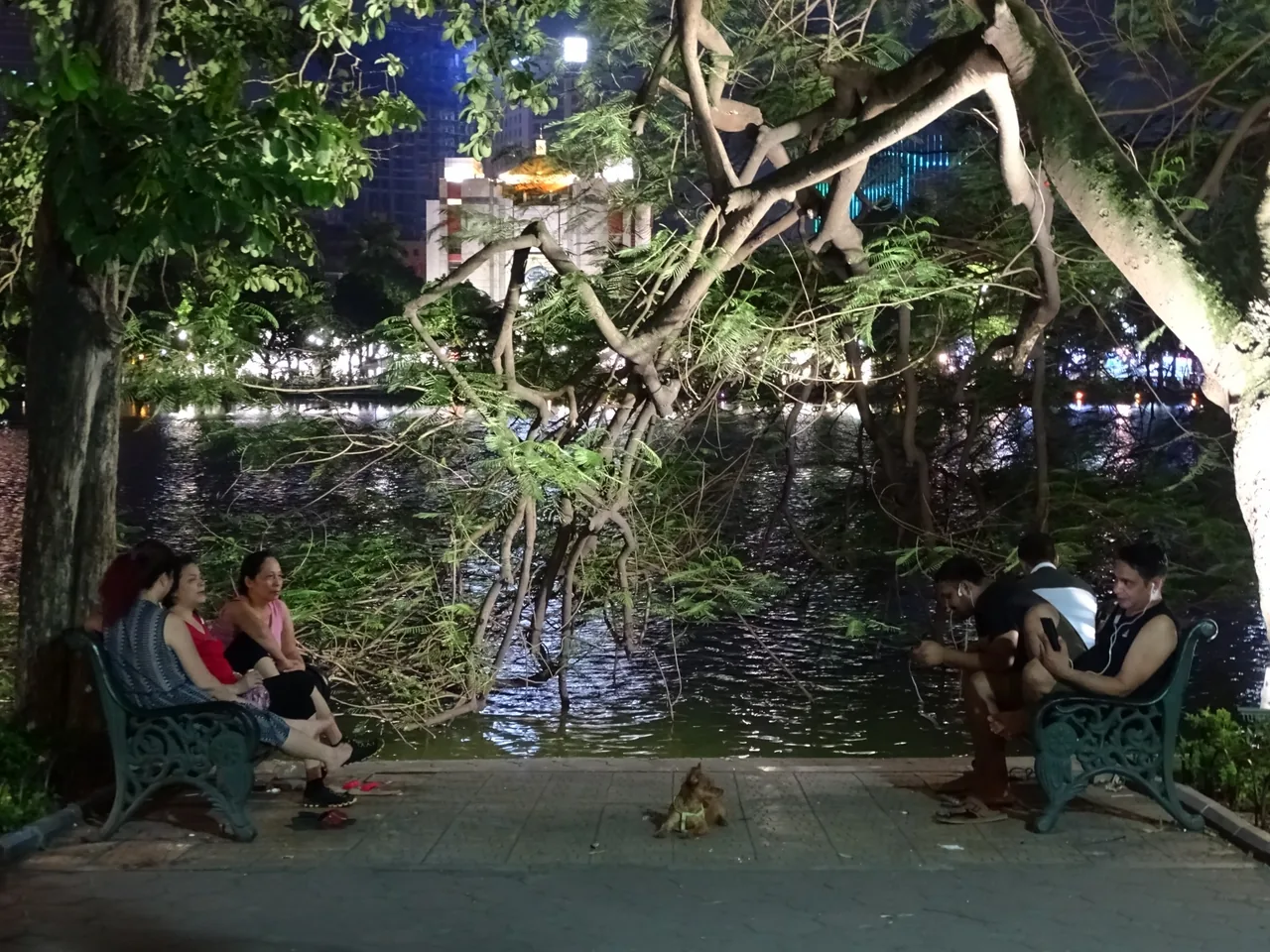
At first the tide of motorbikes is a little overwhelming. But sit down in a cafe with an egg coffee and watch it all go by, and you settle in surprisingly fast — fond of the place, even. And Hanoi is the launchpad for the north: Ha Long, Sapa and Ninh Binh all start here. So the easiest way to plan it is to base yourself in Hanoi for a few days, seeing the city and slipping out to the countryside in between.
2. How the neighbourhoods feel
Hanoi is bigger than it first seems. Still, the parts a traveller actually sets foot in boil down to the centre around Hoan Kiem Lake plus a handful of districts by the lakes and the river. Each one has a strong character, so picking where to stay and where to walk is really a question of which mood you want. We’ll group them into three: the centre, the lake districts, and modern Hanoi.
1. The Old Quarter (Pho Co) — the heart of the trip
A district of 36 thousand-year-old streets tangled like a spider’s web. Every lane is packed with stalls, souvenir shops and cheap guesthouses, and it hums with motorbikes and people. Hoan Kiem Lake sits right on its southern edge, which makes it the effective start of every route. On weekend nights (Fri–Sun) the streets around the lake turn into a car-free walking zone, lively with buskers and a night market. First-timers almost always end up staying around here.
2. The French Quarter — wide streets and yellow buildings
Walk south from Hoan Kiem and the mood changes sharply. In place of narrow lanes you get broad, tree-lined boulevards and rows of yellow colonial buildings. The Opera House, the classic Sofitel Metropole, the shopping along Trang Tien, and the National Museum of History are all here. This is the area for you if you like things calm and elegant, or want a more polished hotel.
3. Ba Dinh — the district of power and history
Hanoi’s political heart. The Ho Chi Minh Mausoleum stands on a vast square, ringed by the Presidential Palace, the Ho Chi Minh Museum and the One Pillar Pagoda. A short walk away are Vietnam’s first university, the Temple of Literature, and the UNESCO-listed Imperial Citadel of Thang Long. With the sights clustered together it’s a good half-day on foot. Over on the western side, around Lieu Giai, the Lotte Center has an observation deck.
4. West Lake (Tay Ho) and Truc Bach — the lake districts
Head northwest and you reach West Lake (Tay Ho), the biggest in Hanoi. On its shore stands the city’s oldest pagoda, Tran Quoc, and the sunset spilling across the water is especially lovely. The lake is ringed by quiet cafes, restaurants popular with expats, and the Quang An flower market — a slower rhythm than the busy Old Quarter. Families and longer-stay visitors love it. The small lake of Truc Bach, wedged between West Lake and the Old Quarter, is worth a detour too: a trendy cafe strip known for pho cuon, rolled-up sheets of fresh rice noodle.
5. Modern Hanoi — Cau Giay, My Dinh and across the river
If it’s the modern city rather than the old charm you’re after, head west. Cau Giay and My Dinh are new districts of high-rises, big malls and business hotels — home to the city’s tallest building (Landmark 72) and the My Dinh National Stadium. There’s less tourist character, but it’s comfortable if you want a clean new room and wide streets. Over on the river side, the century-old steel Long Bien Bridge and the banana-farm sandbar (Bai Giua) floating in the middle of the Red River draw plenty of people across just for the photos.
At a glance:
| Area | What it is | Good for |
|---|---|---|
| Old Quarter (Pho Co) | 36 thousand-year-old streets packed with stalls and guesthouses | first-timers; energy and walking |
| Hoan Kiem | the central lake and red bridge, weekend walking zone | the reference point for everything |
| French Quarter | the Opera House, wide boulevards, upscale hotels | a calm, elegant base |
| Ba Dinh | the Mausoleum, Thang Long Citadel, Temple of Literature — history clustered | history and walking |
| West Lake (Tay Ho) | a big lake and temples, quiet cafes and restaurants, flower market | space, families, lake views |
| Truc Bach | a small lake, pho cuon and hip cafes | catching your breath |
| Hai Ba Trung | Thong Nhat Park, local markets and the Vincom mall | local life, good-value rooms |
| Dong Da | residential streets around the Temple of Literature, few tourists | cheaper, local feel |
| Cau Giay / My Dinh | a new district of high-rises, malls and new hotels | the modern city, business |
| Long Bien / across the river | a century-old bridge and the Red River banana island | photos and walks |
Get your bearings and getting lost is hard. The anchor is always Hoan Kiem Lake: the Old Quarter just north, the French Quarter to the south, Ba Dinh and West Lake to the northwest. Use the lake as your reference and direction clicks in fast — “Old Quarter up, Opera House down, West Lake further up.” Most sights are either a walk from the lake or a 10–15 minute Grab away, so you won’t wander much.
3. When to go
Unlike the south, Hanoi has four distinct seasons. What you go in changes everything from what you pack to the mood of the city.
| Season | Months | Weather |
|---|---|---|
| Autumn (best) | Sep–Nov | cool and dry, clear skies. The best time to walk |
| Winter | Dec–Feb | fairly cold (around 10–17°C), grey, with drizzle |
| Spring | Mar–Apr | mild but damp, frequent drizzle |
| Summer | May–Aug | hot and humid with downpours; midday really bakes |
4. How many days to plan
The city itself isn’t big, so you can see the highlights in a day or two. But the surroundings are so good that the number of days you give it decides how deep the trip goes.
One day — highlights only
Morning at Hoan Kiem Lake and Ngoc Son Temple (across the red bridge), then lunch on the move through the Old Quarter lanes. Afternoon at the Temple of Literature, dinner at an Old Quarter stall or on the bia hoi corner. Short, but you’ll taste Hanoi all the same.
Two days — at an easier pace
Add a second day: morning at Ba Dinh Square, the Ho Chi Minh Mausoleum and the One Pillar Pagoda, then West Lake in the afternoon for Tran Quoc Pagoda and a lakeside cafe. In the evening, sit in a Train Street cafe waiting for a train, or catch a water puppet show.
Three days or more — out to the countryside
Two days in the city, one for a day trip: a rowboat in Ninh Binh, an overnight cruise on Ha Long Bay, or throwing a cup at the pottery village of Bat Trang. Somewhere far like Sapa works as an overnight round trip.
5. What to see
Here are Hanoi’s headline sights, with a line on what each one actually is. Most are close to Hoan Kiem Lake.
Hoan Kiem Lake and Ngoc Son Temple
This is the heart of the city. A small Turtle Tower floats in the middle, and the red The Huc Bridge carries you to Ngoc Son Temple on a little island. Mornings bring older folks doing tai chi, evenings bring strolling families — the mood shifts completely. On weekend nights (Fri–Sun) the streets around the lake become a car-free walking zone, busy with buskers and a night market.
The Old Quarter’s 36 streets
Streets were once split by trade guild, and to this day each lane sells its own thing — silver (Hang Bac), shoes, herbal medicine. The narrow roads are crammed with motorbikes, stalls and skinny “tube houses,” so just walking is the sightseeing. Get lost and it’s fine: you’ll always wind back to the lake.
The Temple of Literature (Van Mieu)
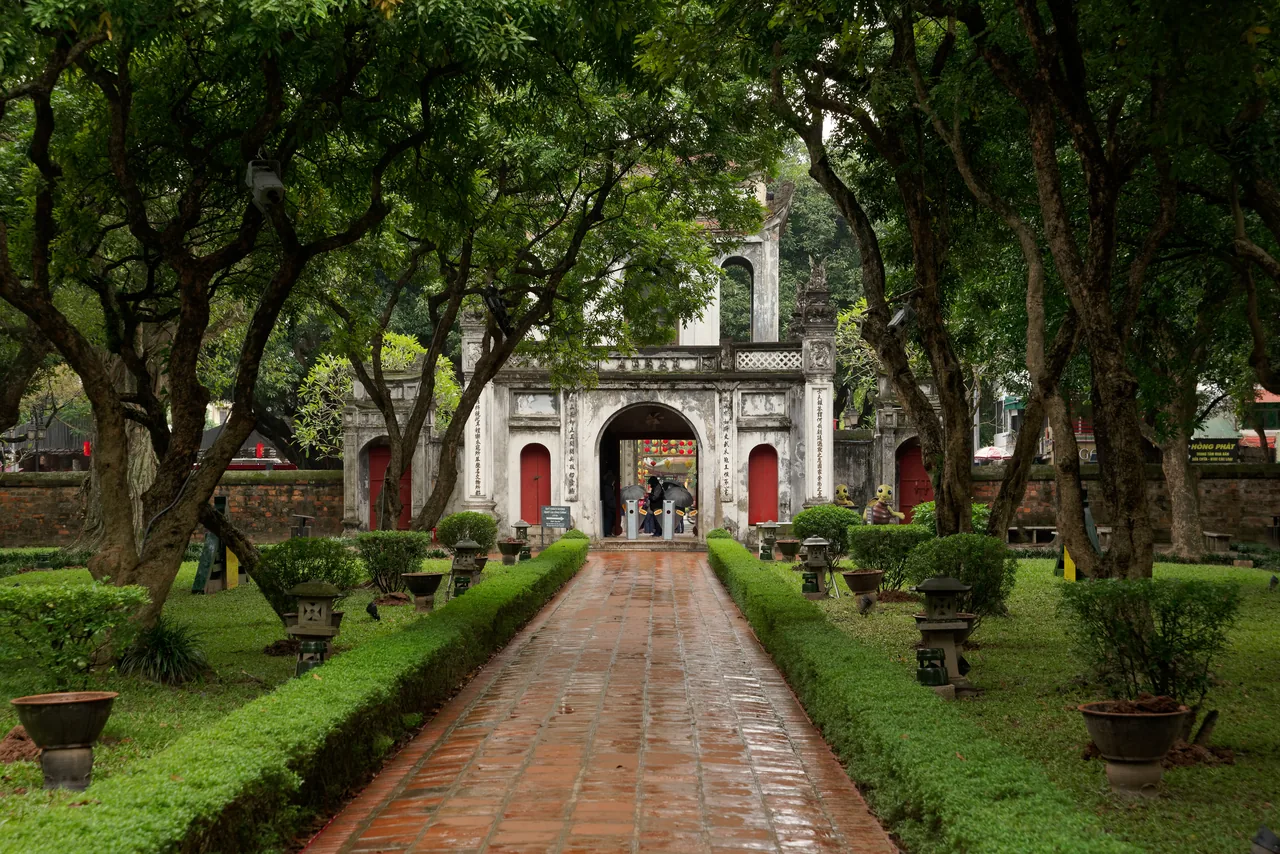
Built in 1070, this was Vietnam’s first university — a temple to Confucius and the stage for the old imperial exams. Walking through one well-kept courtyard after another, the quiet is startling, a world away from the motorbike roar outside. Entry is around 70,000₫ and it’s open 8am–5pm. Vietnamese students still come here before exams to wish for a pass.
Ba Dinh Square and the Ho Chi Minh Mausoleum
A huge stone mausoleum facing a broad square, where President Ho Chi Minh lies. Entry is free but mornings only, and it’s closed Mondays and Fridays. No sleeveless tops or shorts, so mind what you wear. Right next door is the small One Pillar Pagoda, raised over the water like a lotus on a single column.
Train Street
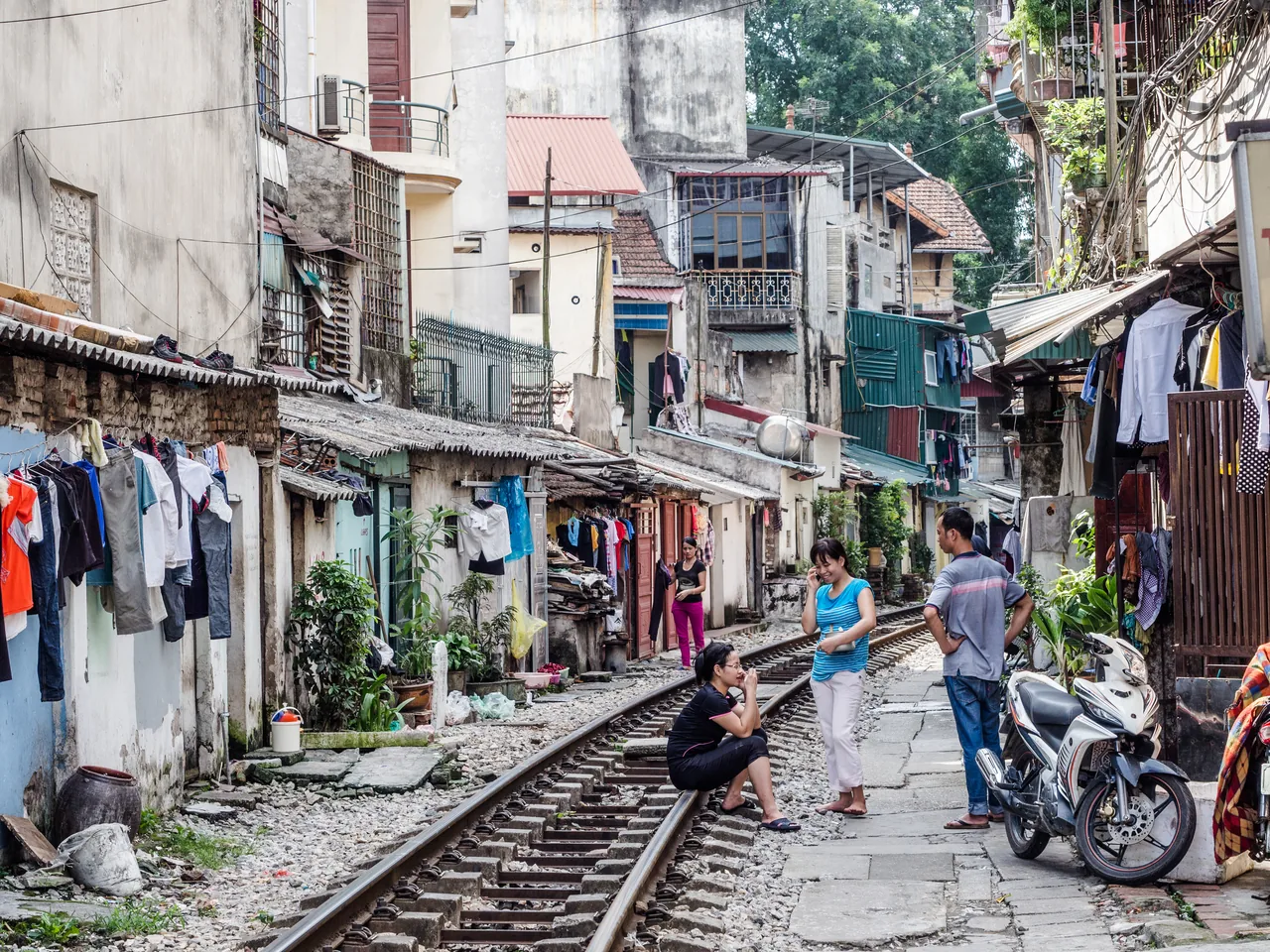
A narrow lane where a real train passes 30 centimetres from the houses. Because of the crackdown, you now have to walk in as a cafe customer to sit by the rails. Order a coffee and the staff tell you the train times, then pull your chair in against the wall when one is due. The few seconds as the train skims past your face are a genuine thrill.
West Lake and Tran Quoc Pagoda
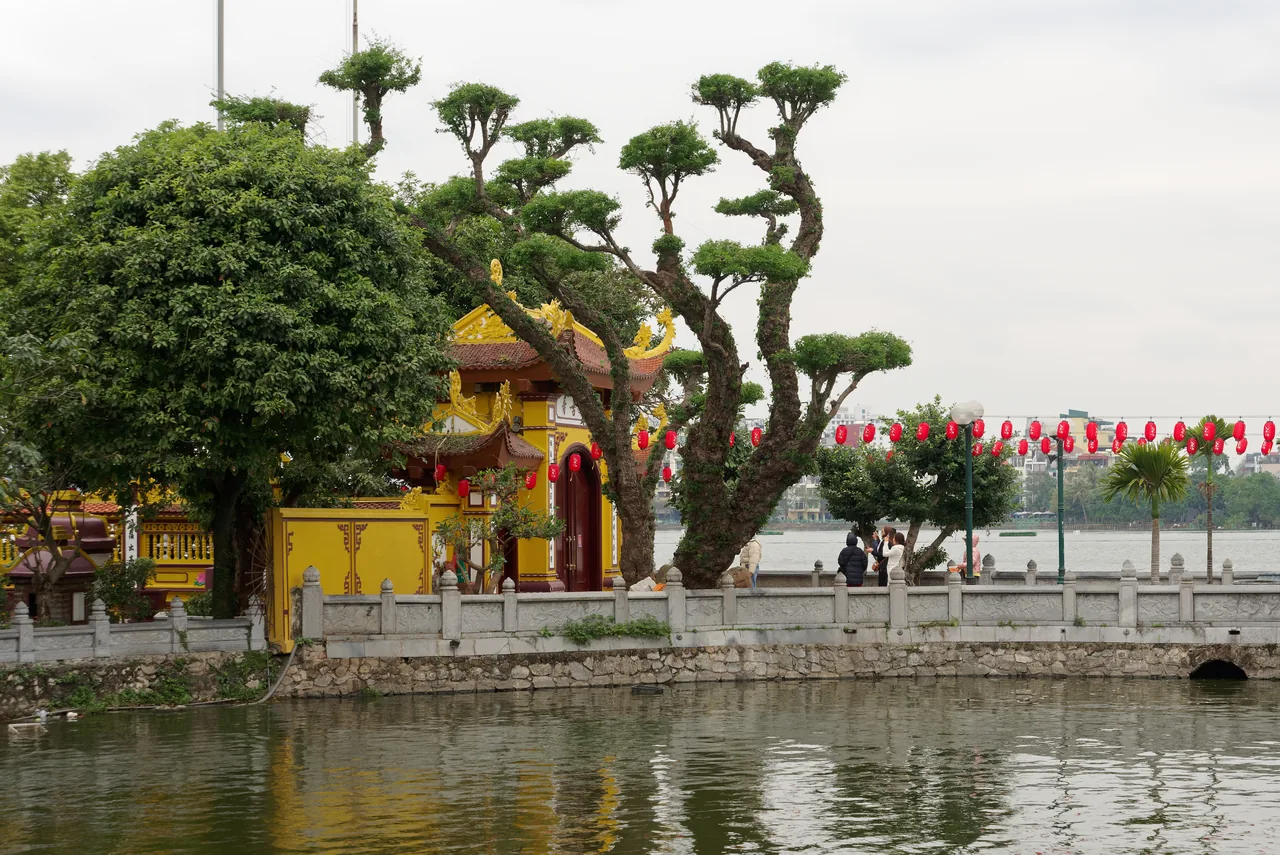
Hanoi’s biggest lake. On the shore stands the red tower of Tran Quoc Pagoda, the oldest in the city, and at dusk the sunset spills across the water. The quiet cafes around it make it the perfect place to catch your breath when the Old Quarter has worn you out.
6. Getting there and getting around
Central Hanoi is compact, so once you make the airport run cleanly, the rest is easy.
- Airport to town: Noi Bai International (HAN) is about 25 km from the Old Quarter, 30–45 minutes. The easy choice is Grab (fixed app price); to save, the 86 airport bus runs into the Old Quarter and Hanoi station for about 45,000₫.
- Around town: Grab cars and bikes are easiest. The fare is set in the app, so there’s no arguing with a driver on the street. For short hops a Grab bike is cheap and quick.
- On foot: the Old Quarter and Hoan Kiem area are best walked — the lanes are too narrow for a car to be anything but a chore.
- Electric buggy and cyclo: a little electric buggy loops the Old Quarter, and there are cyclos (pedal rickshaws). With a cyclo, always agree the price before you get on.
7. What to eat
Honestly, you could come to Hanoi just for the food. Northern cooking isn’t as sweet as the south or as spicy as the centre, so the broths are clear and the flavours clean. And you eat most of it on the street, perched on a little plastic stool.
- Pho — this region is its birthplace. The Hanoi style is no-frills: a clear beef broth, noodles and a little herb.
- Bun cha — charcoal-grilled pork dipped in a sweet-sour sauce, eaten with cold noodles and herbs. The famous spot is Bun Cha Huong Lien, where Obama dropped in.
- Cha ca — turmeric-marinated fish sizzled at your table with dill and spring onion, a Hanoi signature.
- Banh cuon — thin steamed rice rolls filled with pork and mushroom, a common breakfast.
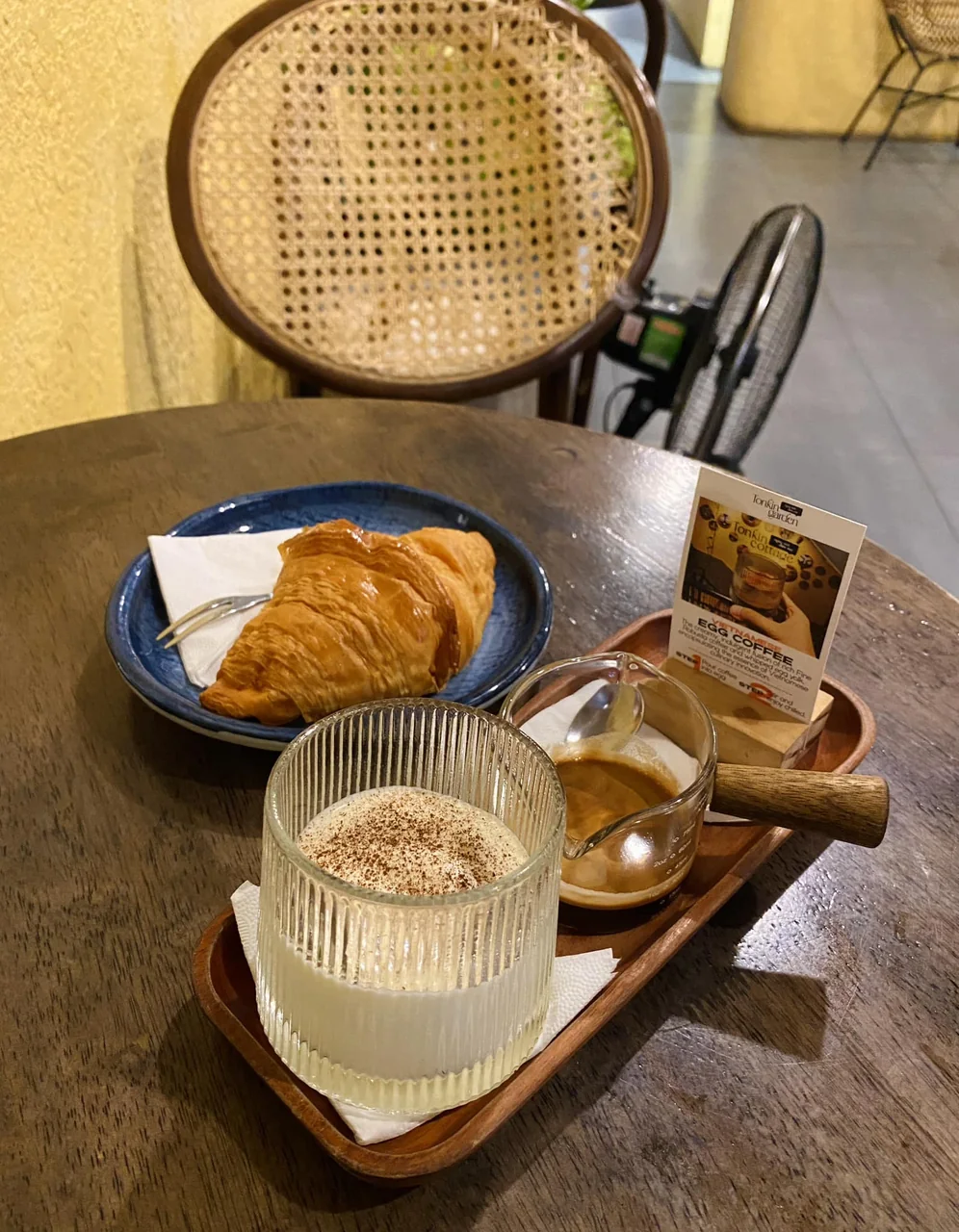
Coffee deserves its own mention. Hanoi’s own egg coffee (cà phê trứng) — whipped egg yolk over strong coffee — is so smooth and sweet it’s nearly a dessert; it’s said to have started at Cafe Giang in 1946. Thirsty? Head to the bia hoi corner on Ta Hien in the Old Quarter for a fresh-poured glass — probably the cheapest beer you’ll ever drink.
8. Day trips from Hanoi
One of Hanoi’s big advantages is that all the north’s headline places start here. A few that work as a day out:
| Where | What it is | From Hanoi |
|---|---|---|
| Ninh Binh | “Ha Long on land”: rowboats, karst peaks, caves | about 2 hours (best as a day trip) |
| Ha Long & Lan Ha Bay | island-studded sea, a day or overnight cruise | about 2.5 hours |
| Bat Trang pottery village | workshops and a market, throw your own cup | about 30–40 minutes |
| Sapa | rice terraces and hill villages (better with a night) | about 5–6 hours |
The most popular day trip is, without question, Ninh Binh. Take a rowboat at Trang An or Tam Coc, drift between the karst peaks, and you get a scene like Ha Long Bay moved onto land. The details for each route and how to choose a cruise are gathered in the Northern Vietnam guide.
9. Where to stay
In Hanoi the area you pick noticeably changes the feel of the trip. Compare these three and the choice gets easy.
| Area | What’s good | Note |
|---|---|---|
| Old Quarter | food, sights and transport all within walking distance; lots of good-value rooms | lively but noisy late |
| French Quarter | wide streets, upscale hotels, calm and elegant | fewer street-food stalls |
| West Lake (Tay Ho) | lake views, quiet cafes, good for families and longer stays | 10–15 min by Grab to the centre |
First time? We’d point you to the Old Quarter — you can walk to most things, which keeps the trip easy. If you prefer quiet or you’re travelling with family, West Lake is more relaxed. Either way you’re not far from Hoan Kiem Lake, so logistics aren’t much to worry about.
10. What it costs
Hanoi is one of Vietnam’s best-value cities. Street food especially is cheap, so you can eat well for very little.
| Style | Per day (per person) | Covers |
|---|---|---|
| Backpacker | $20–35 | hostel/guesthouse, street food, Grab bike |
| Mid-range | $35–60 | a decent hotel, restaurants, day tours, Grab cars |
| Comfort & luxury | $120+ | good hotels, a private driver, fine dining |
Budget the big items separately: an overnight Ha Long cruise runs about $120–200 per person, a Ninh Binh day tour about $30–60. How to handle cash, cards and ATMs is laid out in the money guide — worth a look before you go.
11. Next steps
By now Hanoi should be taking shape: how many days, when to go, how to work the city and where to slip out nearby. The last step is fitting Hanoi into your wider Vietnam plan.
The whole north
To tie in Ha Long, Sapa and Ninh Binh, see the Northern Vietnam guide — the day-trip routes are all there at a glance.
All of Vietnam
For how north, centre and south connect, the Vietnam travel guide is where to start the big-picture plan.
Before you fly
Cover the basics: visa, eSIM, money, and the common scams.